
“`html
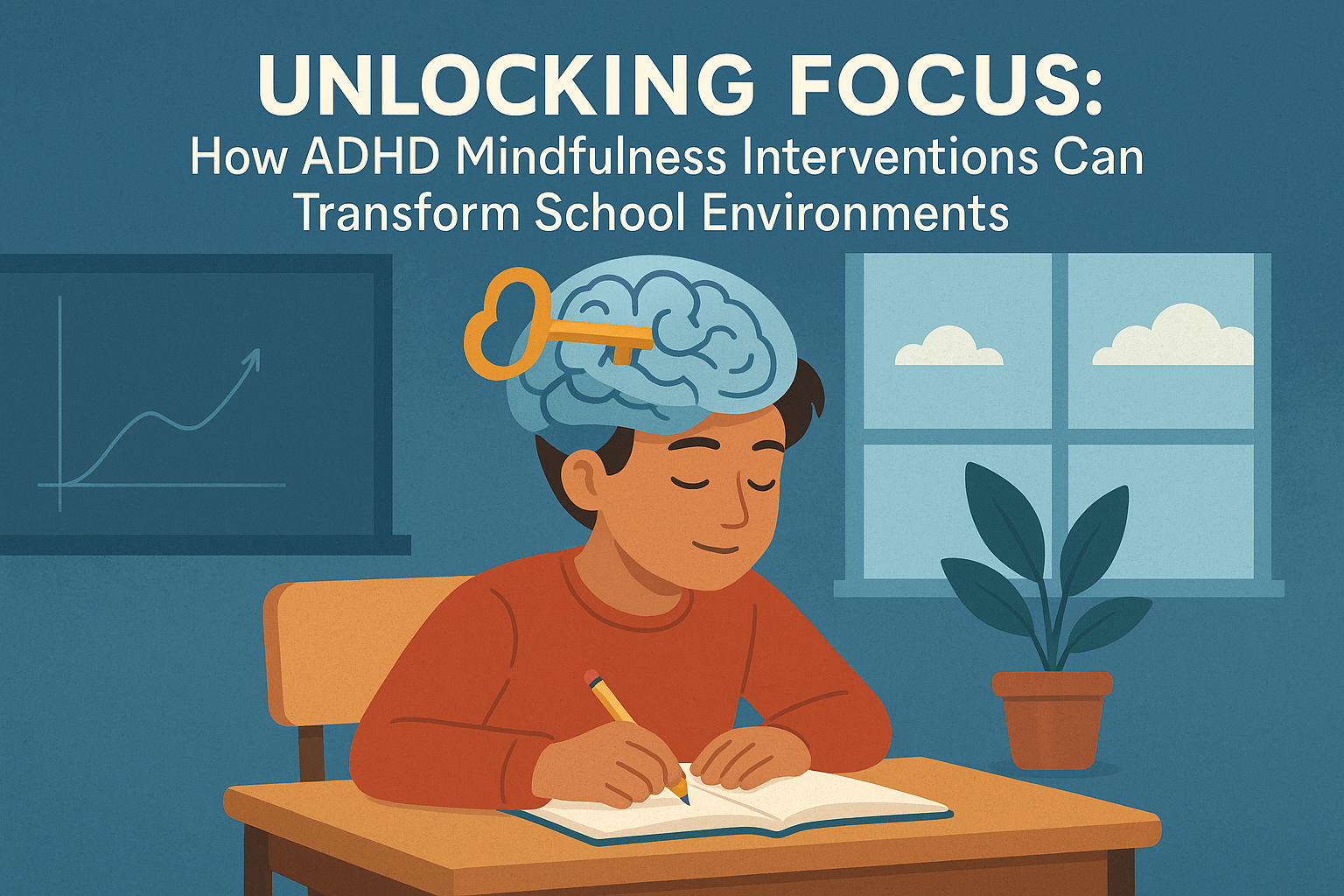
Attention Deficit Hyperactivity Disorder (ADHD) is a neurodevelopmental disorder affecting millions of children across the globe. With symptoms that include inattention, hyperactivity, and impulsivity, ADHD poses significant challenges in educational settings. However, recent research has revealed that ADHD mindfulness interventions can play a transformative role in helping students manage their symptoms, improve focus, and cultivate emotional regulation. This article delves into the evidence-based mindfulness practices tailored for schools, exploring their effectiveness and relevance in today’s educational landscape.
Understanding ADHD: A Brief Overview
ADHD is characterized by a persistent pattern of inattention and/or hyperactivity-impulsivity that interferes with functioning or development. According to the Centers for Disease Control and Prevention (CDC), approximately 6.1 million children in the United States have been diagnosed with ADHD, with symptoms commonly manifesting before the age of 12. While traditional approaches often involve behavioral therapies and medication, there is a growing trend towards incorporating mindfulness practices aimed specifically at reducing the symptoms associated with ADHD.
The Science Behind Mindfulness and ADHD
Mindfulness refers to the psychological process of bringing one’s attention to the present moment in a non-judgmental way. This practice has been shown to have numerous benefits, including improved emotional regulation, reduced stress, and enhanced focus—all critical factors for children with ADHD. Studies have shown that mindfulness can lead to structural changes in the brain, promoting greater connectivity in areas responsible for attention and self-regulation.
Research published in the journal Mindfulness highlights that children who participate in mindfulness training demonstrate significant improvements in attention and behavioral regulation. For instance, a meta-analysis encompassing various studies on mindfulness interventions found that such practices could lead to a reduction in ADHD symptoms by nearly 30%. This statistic underscores the importance of integrating mindfulness into school curricula as a supportive strategy for children with ADHD.
Evidence-Based Mindfulness Interventions for Schools
Several mindfulness interventions have been developed specifically for children, and many have been successfully implemented in school settings. Here are some of the most notable evidence-based practices:
- Mindfulness-Based Stress Reduction (MBSR): Originally designed for adults, MBSR has been adapted for school-aged children to help them manage stress and anxiety. This program includes practices such as body scanning and mindful movement, promoting self-awareness and emotional regulation.
- Mindfulness in Schools Project (MiSP): This initiative provides a structured program that integrates mindfulness into the school day. It includes lessons on breathing exercises, mindful listening, and attention training, all aimed at fostering emotional resilience and focus.
- Inner Explorer: This program provides daily mindfulness sessions through audio recordings. It encourages students to engage in brief mindfulness practices at school, thereby helping them to reset their focus and improve classroom behavior.
- Transformative Classroom Practices: Some educators implement mindfulness-based activities such as silent reflection, mindful breathing, and movement breaks. These activities help in creating a calm classroom environment conducive to learning.
Implementing Mindfulness in School Settings
Integrating ADHD mindfulness interventions into school curricula requires a thoughtful approach. Here are some practical steps for educators and administrators:
- Professional Development: Training teachers on mindfulness techniques can empower them to effectively lead mindfulness sessions in the classroom. Workshops and seminars can be organized to familiarize educators with mindfulness principles.
- Creating a Mindful Environment: Schools can incorporate mindfulness-friendly spaces where students can practice mindfulness or take breaks. Calm corners or designated quiet areas can facilitate this.
- Incorporating Mindfulness into Daily Routines: Educators should consider including short mindfulness practices at the beginning or end of the day. This can help ground students and prepare them for learning.
- Engaging Parents: Involving parents in mindfulness practices can extend benefits beyond the classroom. Workshops for families can teach them how to support their children’s mindfulness practices at home.
Real-World Examples of Mindfulness in Action
Many schools around the world have successfully integrated mindfulness interventions for students with ADHD. One notable example is the Mindful Schools Program in California, which has been implemented in various schools serving diverse populations. The program has been shown to improve students’ attentional capacities and reduce disruptive behaviors significantly.
Another exemplary case is the Mind Up Program, which teaches children about the brain, emotions, and the importance of mindfulness. Implemented in numerous schools across North America, this program has fostered a more positive school climate, reducing instances of bullying and increasing empathy among students. (See: CDC ADHD facts and statistics.)
Challenges and Considerations
While the benefits of mindfulness for children with ADHD are compelling, challenges remain in implementing these practices in schools. Some educators may be skeptical about the effectiveness of mindfulness, citing a lack of time in the curriculum. Additionally, the varying degrees of training among educators can lead to inconsistent application of mindfulness practices.
Moreover, not all students will respond to mindfulness in the same way. Personal differences, such as age, severity of ADHD symptoms, and previous experiences with mindfulness, can influence the effectiveness of such interventions. Therefore, schools must tailor mindfulness practices to meet the unique needs of their student populations.
The Future of ADHD Mindfulness Interventions
The future of ADHD mindfulness interventions in educational settings looks promising. With growing awareness of mental health in schools, more educational institutions are likely to adopt mindfulness practices as part of their behavioral and emotional support systems.
Additionally, ongoing research into the efficacy of mindfulness in various settings will continue to inform best practices. As studies reveal more about the neurobiological impact of mindfulness on ADHD symptoms, schools may increasingly recognize its importance in fostering a conducive learning environment.
Ultimately, the successful integration of mindfulness practices within schools not only aids students with ADHD but also benefits the entire student body. By cultivating a culture of mindfulness, schools can promote social-emotional learning, resilience, and academic success for all students.
Conclusion: A Path Forward for Schools
The integration of ADHD mindfulness interventions into school settings represents a groundbreaking approach to supporting students with attention and behavioral challenges. Mindfulness offers a holistic strategy that empowers children to develop self-regulation skills, enhance their focus, and improve their overall well-being. As schools continue to explore and implement these practices, they pave the way for a more inclusive and supportive educational landscape, ultimately fostering success for all learners.
Comparative Analysis of Mindfulness Interventions and Traditional Approaches
While traditional methods for managing ADHD symptoms typically involve medication and behavioral therapy, mindfulness interventions present a complementary strategy that emphasizes self-awareness and emotional regulation. Traditional approaches may focus exclusively on external behavior modification, often neglecting the internal processes that contribute to ADHD symptoms. In contrast, mindfulness encourages students to understand their thoughts and feelings, fostering a sense of agency in managing their behaviors.
A study published in the Journal of Attention Disorders found that students participating in mindfulness programs showed a greater decrease in hyperactivity compared to those receiving only traditional behavioral interventions. The dual approach of combining mindfulness with existing methods has shown promising results, leading to a more comprehensive understanding of ADHD management.
Statistics on Mindfulness Interventions Impact
Statistics regarding the effectiveness of mindfulness practices in educational settings speak volumes about their potential. For instance, a recent survey indicated that over 70% of teachers who implemented mindfulness practices observed a significant improvement in student focus and behavior. Furthermore, a longitudinal study involving over 1,500 students showed that those engaged in mindfulness training experienced a 40% reduction in anxiety symptoms, which often co-occur with ADHD.
Additionally, research highlights that mindfulness training can lead to a notable improvement in academic performance. In schools where mindfulness was integrated into daily routines, there was a 20% increase in average student grades over a two-year period compared to schools that did not adopt such practices. (See: NIH information on ADHD.)
Expert Perspectives on ADHD Mindfulness Interventions
Experts in psychology and education recognize the value of mindfulness as an intervention for ADHD. Dr. Karen Bluth, a Clinical Psychologist and mindfulness researcher, emphasizes that, “Mindfulness provides children with a toolkit for managing their emotions and behaviors in a constructive way. It allows them to practice self-regulation skills that are crucial for their development.”
Dr. Sam Himelstein, an educator and mindfulness advocate, adds, “When we teach children how to be present and aware, we empower them to break free from the cycles of distractibility and impulsivity. Mindfulness is not just a tool; it’s a life skill that benefits them across all areas of their lives.” These expert insights emphasize the broader impact of mindfulness beyond ADHD management, highlighting its potential to contribute to a child’s overall development.
Frequently Asked Questions About ADHD Mindfulness Interventions
What age group can benefit from ADHD mindfulness interventions?
Mindfulness interventions can be adapted for various age groups, starting as early as preschool. Programs are tailored to be age-appropriate and can significantly benefit children and adolescents alike.
Are ADHD mindfulness interventions effective for all children?
While many children with ADHD benefit from mindfulness practices, effectiveness can vary based on individual differences. Factors like the severity of symptoms, prior exposure to mindfulness, and personal preferences may influence outcomes.
How long does it take to see improvements from mindfulness interventions?
Improvements can be observed in as little as a few weeks, but consistent practice over several months is typically needed to achieve lasting benefits. Regular engagement is crucial for reinforcing mindfulness skills.
Can mindfulness practices replace medication for ADHD?
Mindfulness practices should not be viewed as a replacement for medication but rather as a complementary approach. They can enhance the overall treatment plan, particularly when combined with traditional therapies.
How can parents support mindfulness practices at home?
Parents can support mindfulness by incorporating short mindfulness exercises into daily routines, creating a calm home environment, and modeling mindfulness through their own practices. Engaging in family mindfulness activities can also foster a supportive atmosphere.
Additional Considerations for Implementing Mindfulness in Schools
When implementing ADHD mindfulness interventions, schools must also consider the cultural context of their student populations. Different cultures may have varying perceptions of mindfulness and its practices. Tailoring mindfulness interventions to respect and incorporate diverse cultural values can enhance their acceptance and effectiveness among students.
Moreover, it is essential to measure the long-term impact of these interventions. Schools should establish metrics to evaluate the effectiveness of mindfulness practices not only on ADHD symptoms but also on overall student well-being, social interactions, and academic performance. Such assessments can guide future refinements of mindfulness programs.
The Role of Technology in Mindfulness Interventions
In today’s digital age, technology plays a significant role in facilitating mindfulness practices. Various apps and online platforms provide guided mindfulness sessions specifically designed for children. These resources can enhance accessibility and engagement, allowing students to practice mindfulness both at school and at home. Popular apps like Headspace and Calm offer age-appropriate content that can be seamlessly integrated into existing mindfulness programs.
Furthermore, virtual reality (VR) technology is being explored as a tool for mindfulness training. VR environments can create immersive experiences that help children with ADHD learn mindfulness techniques in a controlled setting. Early research indicates that these innovative approaches may boost engagement and effectiveness in mindfulness practices.
Future Research Directions
The field of mindfulness research, particularly concerning ADHD, is still evolving. Future studies could focus on long-term outcomes of mindfulness interventions, including their effects on academic achievement, social skills, and overall mental health. Additionally, researchers may explore how different mindfulness techniques resonate with various subsets of students, including those with comorbid conditions such as anxiety or learning disabilities.
Understanding the neurobiological mechanisms behind mindfulness practices can also lead to more targeted interventions. Identifying which aspects of mindfulness are most effective for ADHD symptoms could help structure programs that are more efficient and impactful for educators and students alike.
“`
Trending Now
- our breakdown of understanding the struggles of adhd executive function in middle school students
- this guide on essential guide: how to create a 504 plan for adhd that works
- this guide on understanding adhd in kindergarten: key signs and when to take action
- 15 Proven ADHD Study Strategies to Transform High School Success
- 9 Effective Strategies for Supporting a…
Frequently Asked Questions
What are mindfulness interventions for ADHD?
Mindfulness interventions for ADHD are structured practices designed to help children focus on the present moment without judgment. These techniques aim to improve emotional regulation, reduce impulsivity, and enhance attention, making them effective tools in educational settings for students with ADHD.
How does mindfulness help children with ADHD?
Mindfulness helps children with ADHD by promoting better emotional regulation, reducing stress, and improving focus. Research indicates that mindfulness practices can lead to structural changes in the brain that enhance self-regulation and attention, ultimately aiding in symptom management.
What is the evidence for mindfulness in schools?
Research shows that mindfulness practices in schools can lead to significant improvements in attention and behavioral regulation among students with ADHD. Studies published in journals like 'Mindfulness' highlight the positive impact of these interventions on children's academic and social functioning.
Can mindfulness be used alongside medication for ADHD?
Yes, mindfulness can be used alongside medication for ADHD. While traditional treatments often involve behavioral therapies and medication, incorporating mindfulness practices can enhance symptom management and improve overall well-being for children diagnosed with ADHD.
What age can children start mindfulness training for ADHD?
Children can start mindfulness training for ADHD at a young age, often around 5 or 6 years old. Early introduction to mindfulness can help children develop essential skills for managing their symptoms and improving focus in school environments.
What did we miss? Let us know in the comments and join the conversation.