
“`html
Teaching students with Attention Deficit Hyperactivity Disorder (ADHD) requires a nuanced approach that accommodates their unique learning styles. Scaffolding techniques for ADHD students can provide the structure they need to thrive in a traditional classroom environment. These strategies not only help in managing some of the challenges associated with ADHD but also foster independence, engagement, and academic success. In this article, we will explore various scaffolding techniques, their effectiveness, and practical applications to support ADHD learners.
Understanding ADHD and Its Impact on Learning
ADHD is a neurodevelopmental disorder that affects approximately 5-10% of school-age children worldwide. It is characterized by symptoms such as inattention, hyperactivity, and impulsivity, which can significantly impact a student’s ability to focus, complete tasks, and follow instructions. As a result, traditional teaching methods may not always be effective for these learners.
Students with ADHD often struggle with executive functioning skills, which include planning, organization, and time management. This can lead to difficulties in understanding complex instructions, prioritizing tasks, and maintaining attention during lessons. Without appropriate interventions, these students may experience frustration and a decline in academic performance.
The Role of Scaffolding in Education
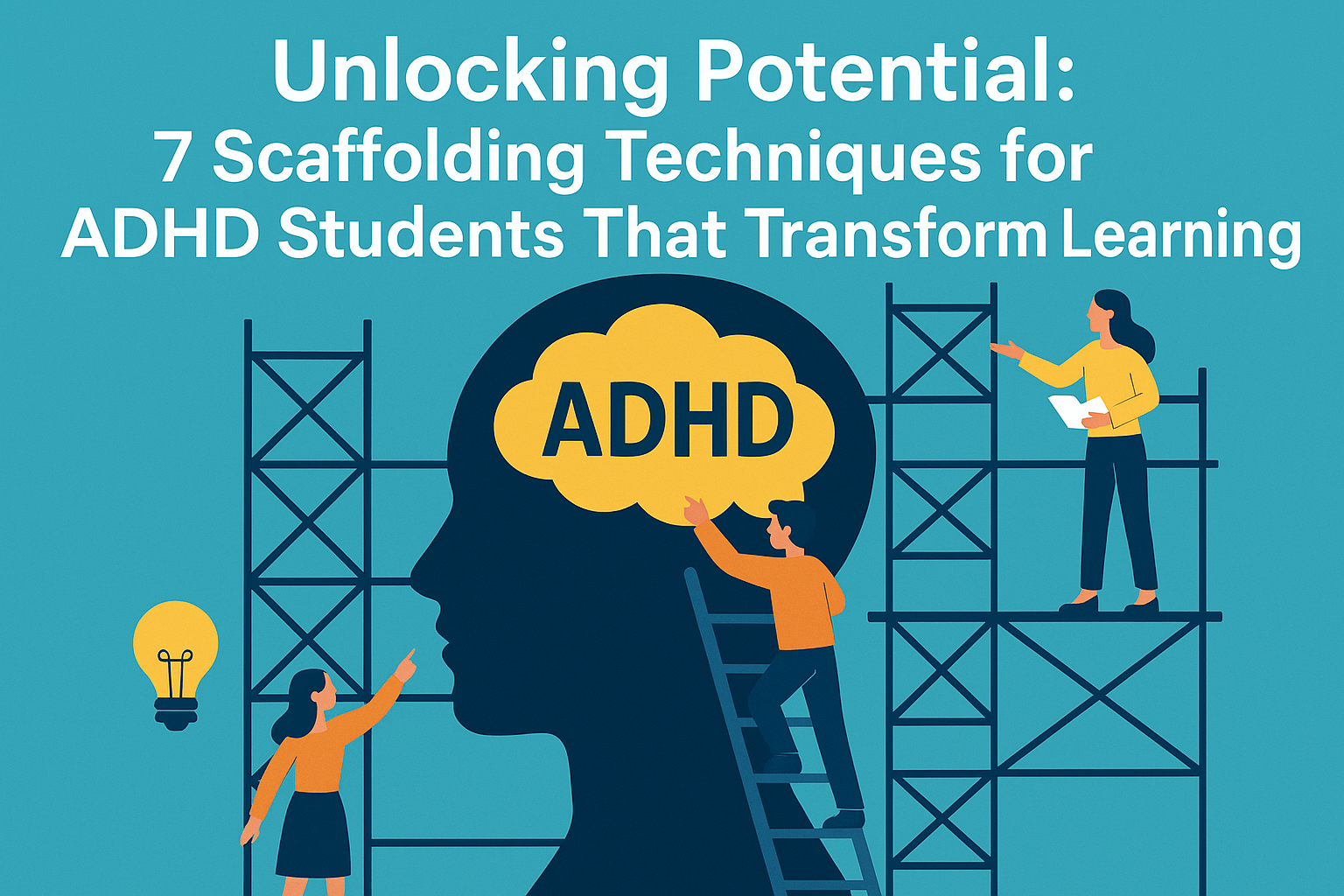
Scaffolding, a term derived from construction, refers to the support provided to students to help them achieve a higher level of understanding and skill acquisition than they could achieve on their own. In an educational context, scaffolding techniques for ADHD students involve breaking down tasks into manageable parts and gradually removing support as students gain confidence and competence.
This approach aligns with Vygotsky’s Zone of Proximal Development, which suggests that learners can accomplish more with guidance than they can independently. Scaffolding helps in creating a supportive learning environment that encourages students to engage with the material while developing self-regulation skills.
Practical Scaffolding Techniques for ADHD Students
Implementing effective scaffolding techniques requires an understanding of individual student needs and the flexibility to adapt strategies accordingly. Here are seven practical techniques that can significantly benefit ADHD learners:
- Chunking Information: Break down complex assignments into smaller, more digestible parts. For instance, instead of assigning a full research paper at once, provide a timeline that includes separate deadlines for choosing a topic, conducting research, outlining, writing, and revising.
- Visual Aids: Incorporate charts, graphs, and visual schedules to help students visualize their tasks and objectives. Visual supports can serve as reminders and help students stay organized.
- Interactive Learning: Use hands-on activities that allow students to engage with the material physically. This could include group projects, role-playing, or interactive simulations that make learning more dynamic.
- Explicit Instructions: Provide clear and direct instructions. Use simple language and repeat key points to ensure understanding. Consider writing instructions down or using checklists that students can refer to.
- Frequent Feedback: Offer constructive feedback regularly. This helps students understand what they are doing well and where they need improvement, keeping them motivated and focused on their learning goals.
- Peer Collaboration: Encourage students to work in pairs or small groups. Collaboration can provide additional support and help students learn from each other, enhancing their understanding of concepts.
- Flexible Assessment: Modify assessment methods to accommodate different learning styles. Allow for alternative forms of demonstrating knowledge, such as oral presentations, creative projects, or digital submissions.
Benefits of Scaffolding Techniques for ADHD Students
Utilizing scaffolding techniques for ADHD students offers numerous benefits, including improved academic performance, increased engagement, and enhanced self-esteem. By breaking down tasks and providing structured support, students are more likely to complete assignments, participate in class discussions, and develop a positive attitude toward learning.
Moreover, scaffolding encourages the development of critical thinking and problem-solving skills. As students gain confidence in their abilities, they learn to approach challenges with a growth mindset, understanding that struggling with a concept is part of the learning process. (See: CDC guidelines on ADHD.)
Challenges and Considerations
While scaffolding techniques can be highly effective, educators should be aware of certain challenges. For instance, some students may become overly reliant on support, making it essential to gradually increase independence as they progress. Additionally, the effectiveness of scaffolding techniques may vary based on individual learning styles and needs, necessitating continuous assessment and adjustment of strategies.
Another consideration is the importance of fostering a positive classroom environment. Students with ADHD may face stigma or bullying, which can hinder their engagement and willingness to participate in group activities. Creating an inclusive space where all students feel valued and supported is crucial for successful scaffolding.
Expert Perspectives on Scaffolding Techniques
Experts in ADHD and education emphasize the importance of individualized interventions. According to Dr. Russell Barkley, a leading authority on ADHD, effective teaching strategies should align with the cognitive and emotional needs of students with ADHD. He advocates for a structured environment that balances support and independence.
Furthermore, research by the National Center for Learning Disabilities suggests that scaffolding techniques not only benefit ADHD students but can also be advantageous for all learners. By implementing these techniques, educators can create a more inclusive and adaptive teaching approach that accommodates diverse learning needs.
Integrating Technology in Scaffolding Techniques
In today’s digital age, technology can play a significant role in supporting scaffolding techniques for ADHD students. Various educational apps and tools allow for customized learning experiences, facilitating better engagement and comprehension.
For example, applications that provide reminders or visual schedules can help students stay organized and on track with assignments. Additionally, interactive learning platforms can offer immediate feedback, enabling students to gauge their understanding and make necessary adjustments without delay.
Moreover, gamification of learning—incorporating game elements into educational experiences—can significantly enhance motivation and engagement among ADHD students. By making learning fun and interactive, students may be more inclined to participate actively in their educational journey.
Case Studies on Effective Scaffolding
Case studies provide valuable insights into the real-world application of scaffolding techniques for ADHD students. In one notable case, a middle school implemented a comprehensive scaffolding program tailored for students with ADHD. Teachers began with structured schedules that included visual timers and assigned specific roles within group projects to ensure all students had a clear understanding of their responsibilities. The results were remarkable: not only did ADHD students show improved academic performance, but they also demonstrated increased participation in class discussions and collaborative activities. (See: Understanding ADHD from NIH.)
Another case study at an elementary school involved a teacher using digital tools to create interactive lessons. The use of educational software allowed for personalized learning paths, enabling students with ADHD to engage at their own pace. The incorporation of gamified elements, such as quizzes with rewards, resulted in a 30% increase in attention and retention compared to traditional teaching methods.
Statistics on ADHD and Learning Outcomes
Statistical data highlights the importance of implementing scaffolding techniques effectively. According to a study by the ADHD Institute, students with ADHD who received targeted scaffolding support improved their grades by an average of 15% over a single academic year. Additionally, a survey conducted by the National Education Association found that 70% of teachers reported enhanced student engagement when scaffolding techniques were applied in their classrooms.
These statistics underline the potential for scaffolding to alter educational outcomes for ADHD students positively. Furthermore, the same study revealed that students who utilized scaffolding techniques exhibited lower levels of anxiety and frustration, suggesting a direct correlation between structured support and emotional well-being in the learning environment.
Frequently Asked Questions (FAQ)
What are some signs that a student may benefit from scaffolding techniques?
Signs include difficulty following instructions, frequent distractions, struggle to complete tasks on time, and heightened frustration when tackling complex assignments. If a student shows any of these signs, scaffolding techniques may be beneficial.
How can teachers assess the effectiveness of scaffolding techniques?
Teachers can assess effectiveness through ongoing observations, feedback from students, and academic performance assessments. Collecting data on student engagement and completion rates can also help evaluate the techniques’ impact.
Are scaffolding techniques suitable for all subjects?
Yes, scaffolding techniques can be adapted to fit any subject. Math, language arts, science, and social studies can all benefit from structured support, as these techniques focus on enhancing understanding regardless of the content area.
How can parents support scaffolding at home?
Parents can support scaffolding by creating structured environments at home. This includes establishing consistent routines, breaking tasks into smaller components, and using visual aids such as checklists and schedules. Encouragement and praise for achievements, no matter how small, can also reinforce the skills learned in school. (See: WHO fact sheet on ADHD.)
What are some effective scaffolding strategies that can be implemented at home?
At home, parents can encourage scaffolding by using reward systems to celebrate small achievements, breaking homework into shorter sessions with break times, and utilizing educational games that promote concentration and attention. Additionally, they may create a dedicated homework space with minimal distractions, making it easier for students to focus.
How can schools train staff to implement scaffolding techniques effectively?
Schools can offer professional development workshops focused on ADHD awareness and effective scaffolding strategies. Incorporating peer mentoring, where experienced teachers share successful techniques, can also enhance staff capabilities. Regular collaborative planning sessions can help staff share experiences and adjust their strategies for better student outcomes.
Conclusion and Actionable Advice
Implementing scaffolding techniques for ADHD students is not merely a recommendation; it is a necessity for fostering a supportive and effective learning environment. Educators should aim to create a structured yet flexible approach that responds to the unique challenges faced by ADHD learners.
To begin integrating scaffolding techniques in your classroom, consider the following actionable steps:
- Assess individual student needs to tailor scaffolding strategies accordingly.
- Start small by implementing one or two techniques and gradually build from there.
- Encourage consistent communication with parents and caregivers to reinforce strategies at home.
- Participate in professional development opportunities to stay informed about the latest research and techniques in ADHD education.
- Utilize technology and interactive tools to enhance engagement and comprehension.
- Regularly review and adjust scaffolding strategies based on student feedback and performance data.
By prioritizing scaffolding techniques, educators can unlock the potential of ADHD students, equipping them with the skills and confidence necessary for academic success and lifelong learning.
“`
Trending Now
- our breakdown of understanding the struggles of adhd executive function in middle school students
- read the full story
- this guide on understanding adhd in kindergarten: key signs and when to take action
- our breakdown of 15 proven adhd study strategies to transform high school success
- this guide on 9 effective strategies for supporting a child with adhd in elementary school
Frequently Asked Questions
What are effective teaching strategies for ADHD students?
Effective teaching strategies for ADHD students include scaffolding techniques that break down tasks into manageable parts, providing structured support, and gradually removing assistance as students gain confidence. These methods help accommodate unique learning styles and improve focus and task completion.
How does scaffolding help students with ADHD?
Scaffolding helps students with ADHD by providing a structured approach to learning that breaks down complex tasks into simpler steps. This method enhances understanding, fosters independence, and supports the development of executive functioning skills, ultimately improving academic performance.
What is the Zone of Proximal Development in relation to ADHD?
The Zone of Proximal Development (ZPD) refers to the range of tasks that a learner can perform with guidance but not independently. For ADHD students, scaffolding techniques align with ZPD by offering support that helps them achieve higher levels of understanding and skill acquisition.
What are some common challenges faced by ADHD learners?
ADHD learners commonly face challenges such as inattention, hyperactivity, impulsivity, and difficulties with executive functioning skills like planning and organization. These issues can hinder their ability to focus, complete tasks, and follow instructions in a traditional classroom setting.
Why is individualized instruction important for ADHD students?
Individualized instruction is crucial for ADHD students because it tailors learning experiences to their unique needs and strengths. This approach helps in managing their specific challenges, fosters engagement, and promotes academic success by accommodating their diverse learning styles.
What did we miss? Let us know in the comments and join the conversation.