
“`html
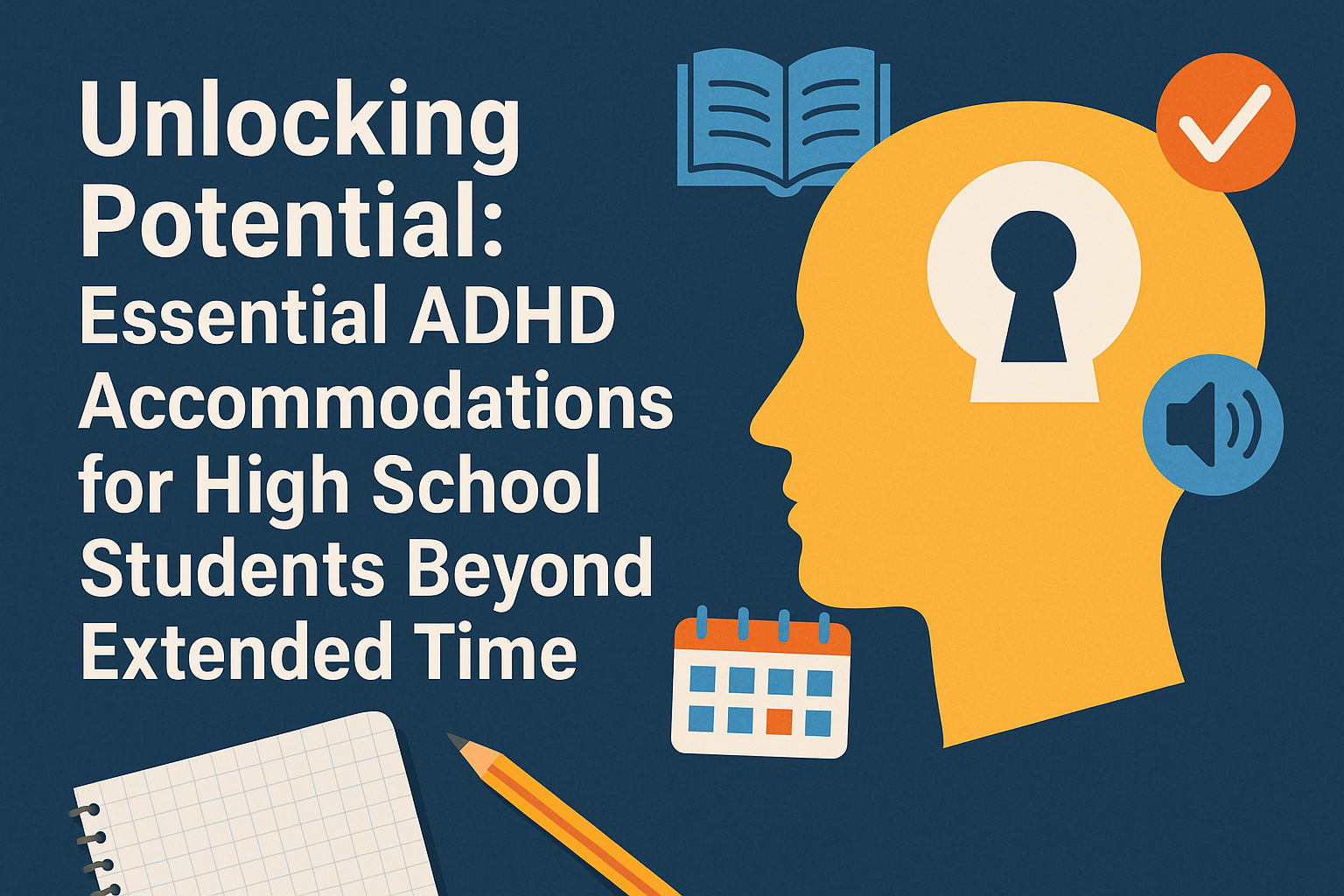
Attention Deficit Hyperactivity Disorder (ADHD) can significantly impact a student’s academic performance and overall school experience. For high school students coping with ADHD, accommodations are crucial in providing the necessary support to ensure they can thrive in an academic environment. While many are familiar with the common practice of granting extended time on exams, there are numerous other accommodations that can be equally vital in helping these students succeed. This article delves into various ADHD accommodations for high school students, exploring innovative strategies that go beyond simply allowing more time during tests.
Understanding ADHD and Its Impact on Learning
ADHD is a neurodevelopmental disorder characterized by persistent patterns of inattention, hyperactivity, and impulsivity. These symptoms can manifest in various ways, affecting a student’s ability to focus, organize tasks, and manage time effectively. In a high school setting, these challenges can lead to lower academic performance, difficulty maintaining relationships with peers and teachers, and increased levels of anxiety.
According to the Centers for Disease Control and Prevention (CDC), approximately 6.1 million children between the ages of 2 to 17 years have been diagnosed with ADHD. This statistic highlights the importance of recognizing and addressing the needs of these students in educational environments. In high school, the stakes are higher, and the pressure to perform can be overwhelming, making effective accommodations all the more critical.
Legal Framework for Accommodations
In the United States, students with ADHD may qualify for accommodations under two primary laws: the Individuals with Disabilities Education Act (IDEA) and Section 504 of the Rehabilitation Act of 1973. IDEA provides special education services for students with disabilities, while Section 504 ensures that students with disabilities have equal access to education and may receive accommodations without the need for special education services.
For high school students, understanding their rights to accommodations can empower them to advocate for themselves. Schools are required to evaluate students to determine their individual needs and to implement accommodations that can enable them to succeed academically. These accommodations can vary widely, and it is essential for educators, parents, and students to collaborate in identifying effective strategies.
Beyond Extended Time: Comprehensive Accommodations
While extended time on tests and assignments is one of the most recognized accommodations for students with ADHD, several other strategies can significantly enhance their learning experiences. Here are some of the most effective accommodations that high school students with ADHD might benefit from:
- Preferential Seating: Positioning students near the front of the classroom or away from distractions can help them focus better. A quieter environment minimizes external stimuli that might hinder concentration.
- Visual Aids and Organizational Tools: Using graphic organizers, charts, and checklists can assist students in organizing their thoughts and assignments. These tools provide a visual representation of information, making it easier for students to process and retain knowledge.
- Use of Technology: Many students with ADHD benefit from assistive technology such as speech-to-text programs, electronic planners, and reminders. These tools can help manage time effectively and aid in task completion.
- Flexible Scheduling: Allowing students to take breaks during long periods of study or to schedule tests when they feel most alert can lead to improved performance and reduced anxiety.
- Shortened Assignments: Modifying the length or complexity of assignments can help students avoid becoming overwhelmed. Breaking tasks into smaller, manageable pieces allows them to focus on one aspect at a time.
- Access to a Quiet Testing Environment: Offering a separate, distraction-free space for taking tests enables students with ADHD to concentrate better and reduce anxiety associated with a bustling classroom.
Creating an Inclusive Classroom Environment
In addition to specific accommodations, creating an inclusive classroom environment is vital for supporting high school students with ADHD. Educators play a crucial role in fostering a culture of understanding and acceptance. Here are several strategies teachers can implement: (See: CDC ADHD facts and statistics.)
- Establish Clear Expectations: Clearly outlining classroom rules and expectations helps students know what is required of them. Providing a consistent structure can alleviate anxiety and promote a sense of security.
- Encourage Open Communication: Teachers should encourage students to express their needs and concerns. Providing a space for open dialogue can help students feel valued and understood.
- Incorporate Movement: Integrating movement into lessons can be beneficial. Allowing students to participate in activities that involve physical engagement can help them channel excess energy and enhance focus.
- Utilize Varied Teaching Methods: Adapting teaching styles to include visual, auditory, and kinesthetic learning opportunities can cater to diverse student needs. By varying instructional methods, educators can engage students with ADHD more effectively.
Collaboration with Parents and Specialists
The partnership between educators, parents, and mental health professionals is essential in developing a successful support plan for high school students with ADHD. Regular communication can ensure that all parties are aligned and that accommodations are being effectively implemented. Here are ways to foster collaboration:
- Regular Meetings: Schedule periodic meetings to discuss the student’s progress, challenges, and any necessary adjustments to accommodations. This collaborative approach ensures that everyone remains informed and involved in the student’s education.
- Involve Mental Health Professionals: Psychologists or counselors familiar with ADHD can provide valuable insights and recommendations for effective strategies tailored to the student’s unique needs.
- Encourage Parental Involvement: Parents can offer significant insights into their child’s strengths and weaknesses. Involving them in the accommodation planning process ensures a comprehensive understanding of their child’s needs.
Real-Life Applications of Successful ADHD Accommodations
Several high schools have successfully implemented innovative accommodations for students with ADHD, showcasing their positive impact on student outcomes. For example, one school district introduced a flexible learning environment where students could choose between traditional and alternative classrooms. This approach allowed students to select environments that suited their learning preferences, ultimately enhancing engagement and performance.
In another instance, a high school integrated mindfulness and meditation practices into its curriculum. By teaching students techniques to manage stress and enhance focus, students reported improved attention and reduced anxiety levels during assessments.
These case studies illustrate that when high schools adopt a comprehensive approach to accommodations, students with ADHD can experience significant academic and personal growth.
Statistics on ADHD and Academic Performance
Understanding the statistical landscape surrounding ADHD can help underscore the need for effective accommodations. Research shows that students with ADHD are at a higher risk for academic failure compared to their peers without the condition. For instance, a study published in the Journal of Abnormal Psychology indicated that students with ADHD have a GPA that is, on average, 0.5 to 1.0 points lower than that of their non-ADHD peers.
Furthermore, the National Center for Learning Disabilities reports that approximately 50% of students with ADHD will also struggle with other learning disabilities, such as dyslexia or dyscalculia. This dual diagnosis can complicate their educational experience and amplify the necessity for individualized accommodations.
Expert Perspectives on ADHD Accommodations
Experts in the field of educational psychology advocate for a strengths-based approach when creating accommodations for students with ADHD. Dr. Ellen Littman, a clinical psychologist specializing in ADHD, emphasizes the importance of recognizing each student’s unique strengths. “Students with ADHD often possess remarkable creativity and problem-solving skills,” she states. “By focusing on these strengths and providing tailored accommodations, educators can foster an environment where these students can excel.” (See: NIH information on ADHD.)
Moreover, educators should involve students in the accommodation planning process to ensure that the strategies resonate with their personal learning styles. Dr. Russell Barkley, a leading researcher in ADHD, advocates for self-advocacy: “Encouraging students to articulate their needs not only empowers them but also cultivates a sense of responsibility for their learning.”
Frequently Asked Questions (FAQ)
What are some common ADHD accommodations for high school students?
Common accommodations include preferential seating, extended test time, quiet testing environments, the use of technology, and modified assignments.
How can teachers effectively implement accommodations in the classroom?
Teachers can implement accommodations by maintaining clear communication with students, using varied instructional methods, and regularly assessing the effectiveness of the accommodations in place.
Can ADHD accommodations be adjusted over time?
Yes, ADHD accommodations should be reviewed regularly to adapt to changing needs and to ensure they remain effective for the student’s academic growth.
How can parents support their children in accessing accommodations?
Parents can support their children by actively participating in meetings with school staff, advocating for their child’s needs, and providing insights on the child’s strengths and weaknesses.
Are there any resources available for schools looking to improve their ADHD accommodation strategies?
Yes, numerous resources are available, including professional development workshops for educators, online courses focused on ADHD, and comprehensive guides published by organizations like CHADD (Children and Adults with Attention-Deficit/Hyperactivity Disorder).
What role does self-advocacy play in accommodations for students with ADHD?
Self-advocacy is crucial as it empowers students to understand their needs and communicate them effectively. This practice not only fosters independence but also encourages active participation in their educational journey.
How can schools measure the effectiveness of ADHD accommodations?
Schools can assess the effectiveness of accommodations through regular feedback from students, tracking academic performance, and monitoring behavioral changes. Consistent evaluations can help refine strategies to best support the student.
What are some innovative accommodations that schools can explore?
Innovative accommodations may include the use of virtual reality to simulate real-world scenarios for better engagement, offering project-based assessments instead of traditional exams, or integrating peer mentoring programs where students with ADHD work alongside supportive peers.
Conclusion: The Path Forward for ADHD Accommodations in High Schools
ADHD accommodations for high school students extend far beyond the commonly known practice of providing extra time on exams. A holistic approach that incorporates multiple strategies can create a supportive learning environment tailored to individual needs. By fostering collaboration between educators, parents, and mental health professionals, schools can build inclusive educational experiences that empower students with ADHD to reach their fullest potential.
As awareness of ADHD continues to grow, it’s essential for schools and communities to champion effective accommodations that address the unique challenges faced by these students. By doing so, we can ensure that every high school student, regardless of their learning differences, has the opportunity to succeed and thrive.
“`
Trending Now
Frequently Asked Questions
What are some effective accommodations for high school students with ADHD?
Effective accommodations for high school students with ADHD include flexible deadlines, preferential seating, the use of technology aids, frequent breaks during classes, and providing written instructions. These strategies can help address challenges related to focus, organization, and time management, allowing students to thrive academically.
How does ADHD affect learning in high school students?
ADHD affects high school students by causing difficulties with attention, hyperactivity, and impulsivity. These symptoms can lead to challenges in focusing on tasks, organizing assignments, managing time effectively, and maintaining relationships with peers and teachers, ultimately impacting academic performance and overall school experience.
What legal rights do students with ADHD have for accommodations?
Students with ADHD have legal rights to accommodations under the Individuals with Disabilities Education Act (IDEA) and Section 504 of the Rehabilitation Act. These laws ensure that students with disabilities receive necessary support and equal access to educational opportunities, including specialized services and accommodations tailored to their needs.
Can extended time on tests help students with ADHD?
Yes, extended time on tests can help students with ADHD, as it allows them to manage their time better and reduce anxiety during assessments. However, it's important to implement additional accommodations that address various aspects of learning, such as organizational support and alternative assessment methods.
What innovative strategies can support high school students with ADHD?
Innovative strategies for supporting high school students with ADHD include using visual aids, incorporating hands-on learning activities, providing task breakdowns, and implementing mindfulness practices. These approaches help engage students and cater to their unique learning styles, promoting better focus and retention of information.
What’s your take on this? Share your thoughts in the comments below — we read every one.