
“`html
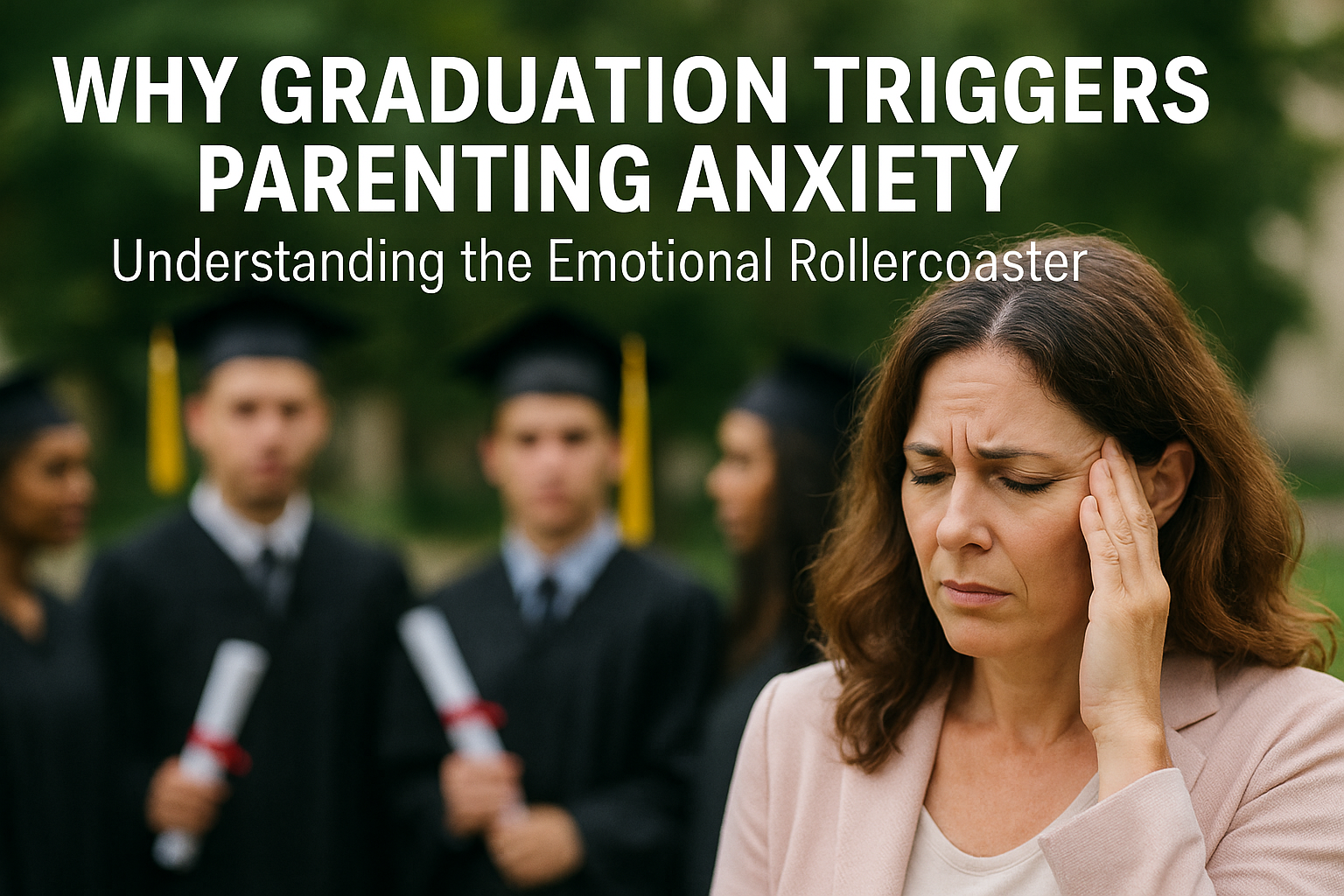
As graduation season rolls around, it’s easy to get swept up in the excitement of new beginnings. Your child has achieved a significant milestone, and you’re bursting with pride. Yet, amidst the celebrations, you might find yourself grappling with an unexpected wave of emotions, including anxiety, grief, and uncertainty. If you’re feeling this way, you’re not alone. Many parents encounter a complex mix of feelings as their children transition into adulthood. This article will explore the nuances of parenting anxiety in the wake of graduation, providing insights from therapists and offering actionable advice for navigating this emotional landscape.
The Emotional Complexity of Graduation
Graduation is often painted as a moment of joy and accomplishment. Families gather for ceremonies, wear caps and gowns, and share in the pride of achievement. However, the reality is more multifaceted. As children step into a new chapter, parents frequently experience a sense of loss. The reality of an empty nest can set in, triggering feelings that may include:
- Grief: A sense of mourning for the childhood that’s passed.
- Anxiety: A concern about your child’s future and their ability to navigate adulthood.
- Pride: The joy of their accomplishments and the realization of their growth.
- Uncertainty: Questions about what lies ahead, both for your child and for you as a parent.
This emotional complexity can create a cocktail of feelings that many parents might not be prepared to handle. Often, we hear about the joy and pride associated with graduation, but the anxiety parents feel rarely gets the spotlight it deserves.
The Therapist’s Perspective on Parenting Anxiety
Therapists often describe this phenomenon as a natural reaction to a significant life transition. According to experts, the feelings of parenting anxiety are tied to the deep emotional bonds formed over years of nurturing and guidance. When children graduate from high school or college, they are stepping out into the world, and parents can feel a sense of relinquishing control.
Dr. Linda Smith, a clinical psychologist with over 15 years of experience in family therapy, explains, “Graduation represents a milestone, but it also serves as a reminder of the vulnerability we feel as parents. It’s a time when we begin to truly understand that our children are ready to face the world, which can be both exhilarating and terrifying.”
This sentiment reflects a common struggle among parents; while you want your child to thrive, the thought of them facing life’s challenges without your direct support can be anxiety-inducing. The fear of the unknown can create a troubling mental spiral. Are they ready for the real world? Will they make the right decisions? Will they be safe?
Recognizing the Signs of Parenting Anxiety
Understanding the signs of parenting anxiety can be the first step toward managing it. Many parents experience physical and emotional symptoms that can manifest in various ways:
- Physical Symptoms: These might include increased heart rate, trouble sleeping, or stomach issues.
- Emotional Symptoms: Feelings of sadness, irritability, or overwhelming worry about your child’s future.
- Behavioral Symptoms: Some parents may become overprotective or overly involved, trying to maintain a sense of control.
Recognizing these symptoms is crucial. It allows you to address your feelings and seek support when necessary. Ignoring these emotions can lead to long-term mental health challenges, not just for you, but for your child as well.
Strategies for Coping with Parenting Anxiety
While the anxiety that comes with graduation can feel overwhelming, there are effective strategies you can adopt to manage these feelings. (See: CDC resources on parenting.)
1. Open Communication
One of the best ways to combat anxiety is through open dialogue. Share your feelings with your child. They may be just as anxious about their transition into adulthood. By discussing your worries, you create an environment of mutual support. Instead of trying to hide your anxiety, express it as a normal part of the transition process.
2. Set Realistic Expectations
It’s essential to recognize that your child may not have everything figured out immediately. Expectations can create pressure, not just for them but for you as well. Encourage your child to explore their options without the weight of high expectations. Remind yourself that it’s okay for them to take time to find their path.
3. Seek Support
Don’t hesitate to reach out to other parents who are experiencing similar feelings. Joining a local or online support group can provide a sense of community. Sharing your feelings can be incredibly cathartic, and you may find comfort in learning how others are coping with their parenting anxiety.
4. Focus on Self-Care
Amid the whirlwind of graduation, it’s essential to prioritize your own well-being. Engage in activities that bring you joy and peace. Whether it’s exercising, reading, or spending time with friends, self-care is crucial. When you take care of yourself, you’re better equipped to support your child.
The Long-Term Effects of Parenting Anxiety
It’s important to acknowledge that while these feelings are often temporary, they can have lasting effects if left unaddressed. Prolonged anxiety can lead to strained family dynamics and can affect your relationship with your child.
For instance, excessive worry may lead to helicopter parenting, where parents become over-involved in their child’s life. This can hinder a child’s development of independence and problem-solving skills. Striking a balance between support and autonomy is key. Allowing your child the space to grow while remaining an available resource can foster a healthy relationship.
Finding Joy Amid the Transition
As the dust settles after graduation and you grapple with your feelings, it’s important to focus on the positive aspects of this transition. Your child is moving into a new phase filled with opportunities, and you can take pride in the role you played in their journey.
Instead of viewing this milestone solely as a loss, consider it a chance to redefine your relationship with your child. They may be stepping into adulthood, but that doesn’t mean they need to distance themselves from you. Celebrate their achievements and be there to guide them without taking over.
In this new chapter, you can also discover parts of yourself that may have been set aside during the years of parenting. Pursuing personal interests, hobbies, or even further education can be fulfilling and can help alleviate feelings of anxiety. (See: New York Times on graduation anxiety.)
Understanding Parenting Anxiety and Its Origins
Parenting anxiety often stems from a variety of sources. One significant influence could be societal expectations. Many parents feel immense pressure to raise successful children, leading them to constantly compare their parenting styles, successes, and failures with those of others. This perceived competition can exacerbate feelings of inadequacy and anxiety.
Additionally, the ever-changing landscape of education and career opportunities can heighten uncertainty. With increasing tuition costs and a competitive job market, parents may worry more about their children’s futures than ever before. A study conducted by the American Psychological Association revealed that 61% of parents reported feeling stressed about their child’s future, a sentiment that can fuel anxiety.
Statistics on Parenting Anxiety
To further appreciate the prevalence of parenting anxiety, consider the following statistics:
- According to a survey by the National Institute of Mental Health, approximately 40% of parents report feeling anxious about their child’s development at some point.
- A longitudinal study found that parents of teenagers exhibited higher levels of anxiety compared to those with younger children, with 53% of parents expressing concerns about their teenager’s ability to handle responsibilities.
- Research indicates that parents who experience anxiety are more likely to have children who also struggle with anxiety, creating a cycle of worry that can be challenging to break.
Expert Perspectives on Managing Parenting Anxiety
Experts emphasize the importance of recognizing that parenting anxiety is common and manageable. Dr. Marcus Brown, a child psychologist, advises parents to practice mindfulness techniques. “Mindfulness can help parents stay grounded and focused on the present moment rather than worrying excessively about the future,” he explains. Simple practices like deep breathing or meditation can create a sense of calm, providing parents with the clarity needed to support their child effectively.
Additionally, integrating your child’s perspective into conversations can foster a sense of collaboration. Seeking their input on life decisions can empower them and reduce your anxiety about their choices. Building a partnership mentality can lead to healthier dynamics and alleviate the pressure you may feel.
Frequently Asked Questions about Parenting Anxiety
What are common triggers for parenting anxiety during graduation?
Common triggers often include worries about your child’s independence, their ability to find a job, financial stress, and societal pressures to succeed. These concerns can amplify existing feelings of anxiety, particularly during major milestones like graduation.
How can I differentiate between normal anxiety and something more serious?
If your anxiety starts affecting your daily life, such as interfering with your ability to enjoy social outings or perform at work, it may be time to seek professional help. A mental health professional can provide specific strategies and support tailored to your situation.
Is it beneficial to seek professional help for parenting anxiety?
Absolutely. Seeking professional support can provide you with coping strategies and a safe space to express your feelings. Therapists can help you work through your emotions and provide resources to manage anxiety effectively.
Can parenting anxiety affect my child?
Yes, children are often sensitive to their parents’ emotional states. If a parent is frequently anxious, it can create a tense environment that affects the child’s emotional well-being. It’s essential to recognize and manage your anxiety to cultivate a supportive atmosphere for your child.
Additional Tips for Managing Parenting Anxiety
Develop a Support Network
Building a community of support is vital. Friends, family members, or colleagues who understand your concerns can offer not just empathy but also practical advice. They can share their experiences, which can help normalize your feelings and provide reassurance that you are not alone in this journey.
Educate Yourself
Understanding developmental milestones and the challenges that accompany them can demystify some of your worries. Reading books or attending workshops on parenting can equip you with tools to better manage your concerns and bolster your confidence in your child’s ability to navigate adulthood.
Embrace Change
Change can be daunting, but it can also be an opportunity for growth. Encourage yourself to view your child’s graduation as a new beginning for both of you. This mindset shift can help alleviate some of the anxiety associated with the transition. Try to actively engage in this new phase of life by participating in your child’s decisions about their future in a supportive way.
Final Thoughts on Parenting Anxiety
Graduation is a significant milestone not just for students but for parents too. While it’s perfectly normal to feel a wave of parenting anxiety during this transitional phase, it’s vital to acknowledge these emotions and address them constructively. By fostering open communication, setting realistic expectations, seeking support, and prioritizing self-care, you can navigate this emotional landscape more effectively.
While your child embarks on their journey into adulthood, remember that your relationship doesn’t have to fade. Embrace this time as an opportunity for both growth and connection. Celebrate their achievements and your shared journey. After all, it’s not just about letting go; it’s about growing together in this new chapter of life.
“`
Trending Now
Frequently Asked Questions
Why do parents feel anxious during graduation?
Parents often experience anxiety during graduation due to the emotional complexity of this milestone. As children transition into adulthood, parents may feel a mix of grief for the past, uncertainty about the future, and concern for their child's ability to navigate new challenges.
What emotions do parents experience at graduation?
At graduation, parents typically feel a blend of pride for their child's accomplishments, grief for the childhood that has passed, anxiety about their child's future, and uncertainty about their own roles as parents as they face an empty nest.
How can parents cope with graduation anxiety?
To cope with graduation anxiety, parents can acknowledge their feelings, communicate openly with their child, seek support from friends or therapists, and focus on celebrating the achievements rather than dwelling on the changes ahead.
Is it normal for parents to feel sad during graduation?
Yes, it is normal for parents to feel sad during graduation. This sadness often stems from a sense of loss as their child leaves a significant phase of life, combined with the anxiety of their child's future and the changes in the family dynamic.
What do therapists say about parenting anxiety at graduation?
Therapists describe parenting anxiety during graduation as a natural response to significant life transitions. They emphasize that these feelings are tied to the deep emotional bonds formed over years of nurturing, highlighting the complexity of emotions parents face at this time.
What did we miss? Let us know in the comments and join the conversation.