
“`html
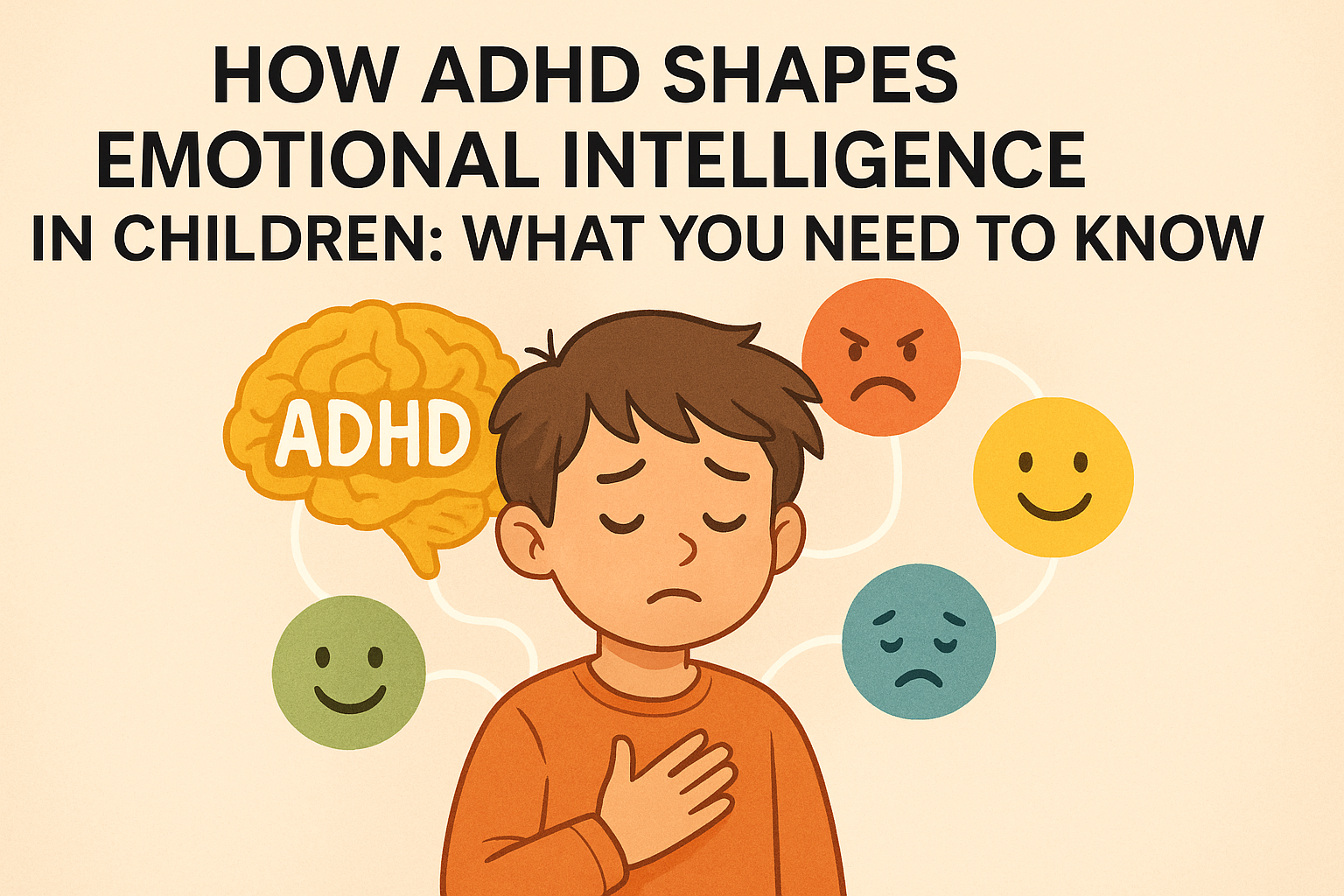
Understanding the connection between ADHD and emotional intelligence in children is crucial for both parents and educators. Children with Attention Deficit Hyperactivity Disorder (ADHD) often face unique challenges in social situations and emotional regulation, which can significantly influence their emotional intelligence. This article dives deep into this connection, exploring the implications, strategies for support, and the latest research findings that illuminate the complex interplay between these two aspects of childhood development.
Understanding ADHD and Emotional Intelligence
Before we can unpack the relationship between ADHD and emotional intelligence in children, it’s essential to define both terms. ADHD is a neurodevelopmental disorder characterized by symptoms such as inattention, hyperactivity, and impulsivity. These symptoms can disrupt a child’s ability to focus, follow instructions, and maintain calm in various situations.
On the other hand, emotional intelligence (EI) refers to the ability to recognize, understand, and manage one’s own emotions while also empathizing with others. This set of skills is fundamental for developing healthy relationships, engaging in effective communication, and resolving conflicts. The core components of emotional intelligence include self-awareness, self-regulation, motivation, empathy, and social skills.
The Link Between ADHD and Emotional Intelligence
Research indicates that children with ADHD may struggle with emotional intelligence due to their difficulties in regulating emotions. According to a study published in the journal Child Psychiatry & Human Development, children with ADHD often exhibit lower levels of emotional understanding and regulation compared to their peers. This can lead to challenges in recognizing and responding to social cues, ultimately impacting their ability to form relationships.
For example, a child with ADHD may misinterpret a peer’s neutral facial expression as negative due to their heightened emotional sensitivity. This misinterpretation can lead to inappropriate reactions, such as overreacting to what they perceive as hostility, further alienating them from their peers. This cycle creates a barrier to developing the social skills that are integral to emotional intelligence.
Key Characteristics of Emotional Intelligence Affected by ADHD
Several key aspects of emotional intelligence can be particularly affected in children diagnosed with ADHD:
- Self-awareness: Children with ADHD may struggle to recognize their emotions or the emotions of others. They might not be aware of their emotional triggers, making it challenging to address feelings appropriately.
- Self-regulation: Impulsivity, a common symptom of ADHD, can hinder a child’s ability to manage their emotions. This often leads to outbursts or inappropriate reactions in various situations.
- Empathy: The ability to empathize with others can be limited in children with ADHD, particularly when they are overwhelmed by their own feelings. This can result in difficulty forming connections with peers.
- Social skills: Difficulties in communication and maintaining attention can impede a child’s social interactions, making it harder for them to establish friendships and navigate social dynamics.
Practical Insights for Parents and Educators
Recognizing the challenges posed by ADHD in the context of emotional intelligence is the first step. However, understanding how to support children in developing their emotional skills is where the real impact lies. Here are some practical insights: (See: CDC guidelines on ADHD.)
1. Foster Open Communication
Encouraging an environment where children can express their feelings openly is vital. Parents and educators should actively listen, validate their feelings, and guide them on how to articulate emotions effectively. This practice not only boosts emotional awareness but also nurtures self-regulation.
2. Implement Emotional Coaching
Emotional coaching helps children learn how to manage their emotions by identifying feelings, understanding their causes, and developing coping strategies. This can be done through activities like discussing various scenarios, role-playing, or using books and media that depict emotional situations.
3. Create a Structured Environment
Children with ADHD often perform better in structured settings. Establishing routines can help them feel more secure and reduce anxiety, improving their emotional regulation. Including moments of calm and time for emotional reflection in daily routines can be particularly beneficial.
4. Encourage Positive Peer Interaction
Facilitating opportunities for children to engage in group activities or team sports can help them develop their social skills and emotional intelligence. These interactions provide practice in reading social cues, sharing, and cooperating, which are essential components of emotional intelligence.
Current Relevance and Research Developments
The discussion around ADHD and emotional intelligence is becoming increasingly relevant as awareness of mental health issues in children grows. Recent studies suggest that interventions aimed at improving emotional intelligence can have a positive impact on children with ADHD. For instance, a 2022 study in the Journal of Attention Disorders highlighted that children who participated in emotional intelligence training showed significant improvements in both emotional regulation and social skills.
Furthermore, school-based programs focusing on social-emotional learning (SEL) are gaining traction. These programs aim to enhance students’ emotional intelligence while addressing the challenges faced by those with ADHD. Schools implementing SEL strategies have observed not only improvements in academic performance but also in students’ ability to manage their emotions effectively.
Expert Perspectives on Support Strategies
Experts agree that a multifaceted approach is necessary for addressing the emotional intelligence needs of children with ADHD. Dr. John McGowan, a child psychologist specializing in ADHD, asserts that “teaching emotional intelligence skills should be integrated into therapeutic practices for children with ADHD. This holistic approach not only addresses ADHD symptoms but also fosters essential life skills.”
Dr. Linda Guerrero, an educational consultant, emphasizes the importance of collaboration between parents and teachers. “When both sides work together and share observations of the child’s behavior, we can create a consistent support system that significantly enhances emotional development.” (See: NIH on ADHD diagnosis.)
Strategies for Building Emotional Intelligence
As children navigate the complexities of their emotions, several effective strategies can bolster their emotional intelligence, especially for those with ADHD.
1. Mindfulness Practices
Mindfulness has emerged as a valuable tool in education and therapy for children with ADHD. By practicing mindfulness, children can learn to focus on the present moment and recognize their emotional responses without immediate reaction. Simple practices, such as breathing exercises or guided imagery, can help children develop better control over their impulses and improve their emotional awareness.
2. Collaborative Problem-Solving
Involving children in finding solutions to their challenges can empower them. Collaborative problem-solving encourages children to think critically and creatively, fostering their emotional intelligence by allowing them to express their feelings and consider others’ perspectives. This approach not only helps them feel validated but also enhances their ability to navigate emotions in social contexts.
3. Use of Technology and Apps
Various apps and online resources are tailored to help children develop emotional intelligence. Tools that gamify emotional learning or provide interactive scenarios for social skills practice can be engaging. For instance, applications that allow children to create avatars and navigate social situations can help them learn to read social cues and practice empathy in a safe environment.
Statistics on ADHD and Emotional Intelligence
Understanding the prevalence and impact of ADHD alongside emotional intelligence can shed light on the urgency of support strategies.
- Approximately 5% of children worldwide are diagnosed with ADHD, with varying degrees of severity.
- Research shows that around 30% to 60% of children with ADHD face challenges with emotional regulation.
- Studies indicate that children with ADHD are two to three times more likely to struggle with peer relationships due to emotional misunderstandings.
- A recent survey indicated that children with ADHD are often perceived as less empathetic by their peers, which can further isolate them in social settings.
- According to a study by the CDC, children with ADHD are more likely to experience low self-esteem, which can compound their emotional regulation difficulties.
Common FAQs
What are signs that my child with ADHD struggles with emotional intelligence?
Signs may include difficulty recognizing their own emotions or those of others, frequent emotional outbursts, or challenges in social interactions. If your child often misinterprets social cues or has trouble maintaining friendships, these may be indicators.
How can I talk to my child about their emotions?
Start by creating a safe space for dialogue. Encourage your child to share their feelings without judgment. Use open-ended questions to invite them to express themselves, and validate their emotions by acknowledging their feelings. This practice can help them feel heard and understood.
Are there specific therapies recommended for children with ADHD and low emotional intelligence?
Cognitive Behavioral Therapy (CBT) is often recommended to help children with ADHD learn emotional regulation strategies. Additionally, social skills training can provide targeted support by teaching specific social cues and responses. Parents may also consider therapies that focus on emotional intelligence development, such as Emotion-Focused Therapy.
How can schools support children with ADHD in developing emotional intelligence?
Schools can implement social-emotional learning programs that incorporate activities designed to enhance emotional awareness and regulation. Training teachers to recognize emotional struggles in students and providing targeted interventions can also create a more supportive environment.
What role do peers play in developing emotional intelligence in children with ADHD?
Peers can significantly influence the emotional development of children with ADHD. Positive peer interactions can encourage children to practice their social skills and emotional responses. Group activities, team sports, and collaborative projects facilitate opportunities for children to learn from each other and understand different emotional perspectives.
Conclusion: Embracing the Journey
The connection between ADHD and emotional intelligence in children is intricate yet critical to understand. While children with ADHD face distinct challenges in developing their emotional skills, there are numerous strategies and resources available to help them thrive. Through targeted support, open communication, and community involvement, we can empower children to enhance their emotional intelligence. Remember, this journey is not just about overcoming obstacles; it’s about nurturing their potential to build meaningful relationships and succeed in their endeavors. As we continue to unravel the complexities of ADHD and emotional intelligence, we can pave the way for a brighter future for these children.
“`
Trending Now
Frequently Asked Questions
How does ADHD affect emotional intelligence in children?
Children with ADHD often struggle with emotional regulation, which can hinder their emotional intelligence. They may find it challenging to recognize and respond appropriately to emotions, affecting their social interactions and relationships.
What are the main components of emotional intelligence?
The main components of emotional intelligence include self-awareness, self-regulation, motivation, empathy, and social skills. These skills are essential for building healthy relationships and effective communication.
Can children with ADHD improve their emotional intelligence?
Yes, children with ADHD can improve their emotional intelligence through targeted strategies and support. Interventions focusing on emotional regulation, social skills training, and empathy development can significantly enhance their emotional understanding.
What challenges do children with ADHD face in social situations?
Children with ADHD often face challenges such as misinterpreting social cues, difficulty maintaining attention, and impulsivity, which can lead to misunderstandings and conflicts in social interactions.
What strategies can help support children with ADHD in developing emotional intelligence?
Strategies to support children with ADHD include teaching emotional regulation techniques, encouraging open discussions about feelings, providing social skills training, and using role-playing to practice empathy and communication.
What’s your take on this? Share your thoughts in the comments below — we read every one.