
“`html
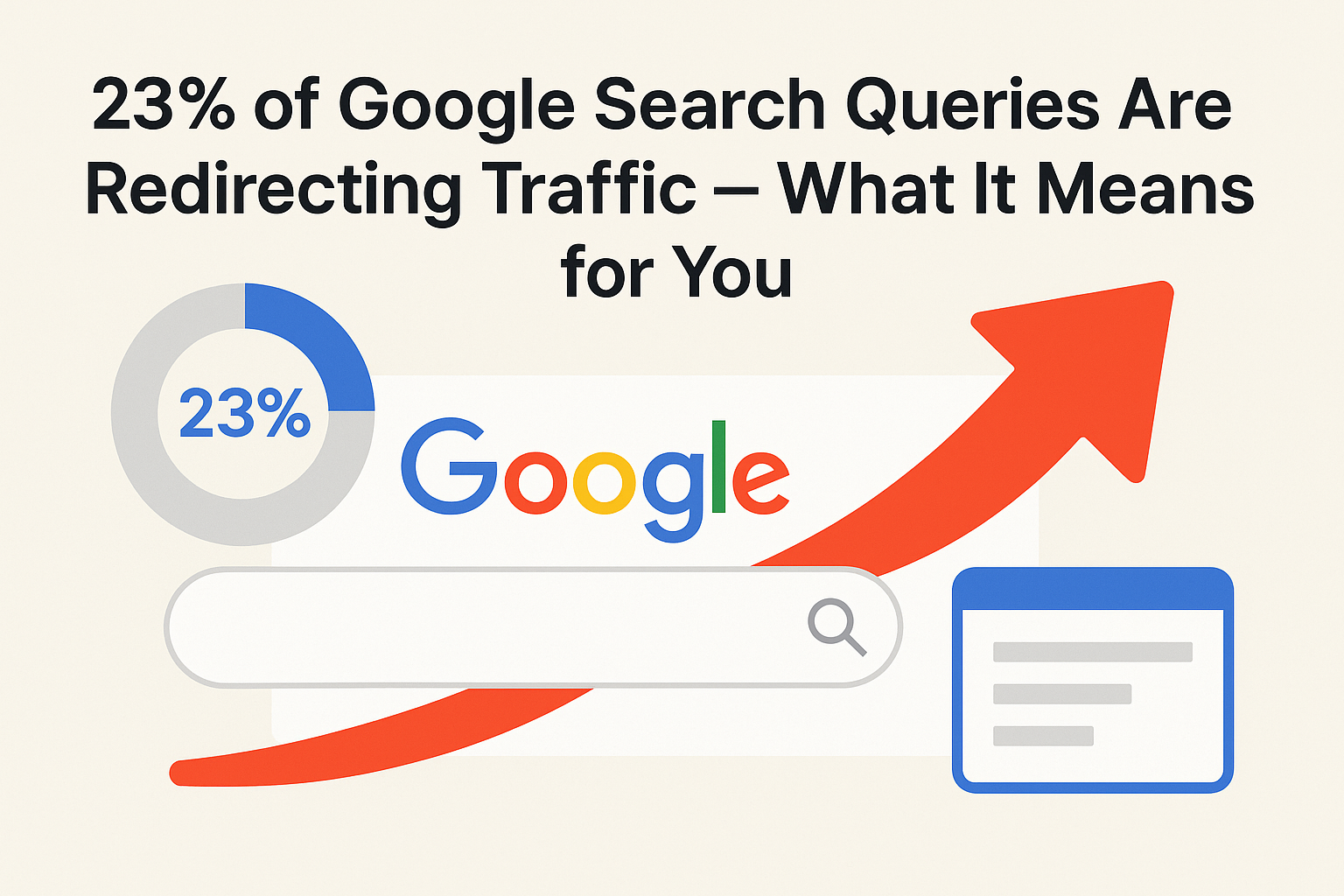
In a recent analysis by SparkToro, utilizing data from Similarweb’s clickstream panel, startling insights emerged about the behavior of Google search queries. It turns out that a mere 23.2% of U.S. Google searches are directed to the open web, an alarming figure that underscores a significant change in how users interact with Google. While this figure may seem counterintuitive, it raises urgent questions about the future of online traffic, the role of SEO, and what this means for publishers and marketers alike.
1. The Declining Click-Through Rate
One of the most striking findings from the SparkToro report is that a staggering 68% of searches from January through April led to no clicks at all. This dramatic decline in the click-through rate (CTR) indicates that users are increasingly finding answers to their queries directly within Google’s ecosystem. Whether it’s through featured snippets, knowledge panels, or local results, it seems Google is evolving into a comprehensive information hub.
This trend might not just be a temporary phenomenon. As Google continues to refine its algorithms and AI capabilities, the emphasis appears to be shifting from directing traffic to websites to directly providing answers. For marketers and SEO strategists, this signals a fundamental shift in how visibility and engagement will be measured on the search engine.
2. Understanding the Implications for Publishers
For content creators and publishers, these statistics are nothing short of alarming. With a significant chunk of queries not culminating in web visits, the potential for lost traffic is immense. Publishers who rely heavily on organic search traffic may find themselves reconsidering their strategies. The reliance on Google as a traffic source is becoming increasingly risky.
Furthermore, as Google enriches its own content offerings with tools like Google Shopping, Google News, and Google Maps, the opportunities for traditional publishers to gain visibility are dwindling. This dynamic can lead to a monopoly-like environment where users seldom venture outside Google’s platforms, leaving publishers scrambling to adapt.
3. SEO Strategy in a Changing Landscape
As this trend unfolds, SEO strategies must evolve. Marketers should shift their focus towards optimizing for Google’s features that don’t require a click-through. This includes enhancing content for voice search, optimizing for featured snippets, and ensuring that local SEO is a priority. Techniques that once prioritized driving clicks may no longer be effective.
Additionally, focusing on brand visibility within Google’s ecosystem becomes paramount. Creating content that answers user queries directly, without requiring users to visit a site, can help maintain relevance and authority. It’s a balancing act that challenges traditional notions of SEO, pushing marketers to think beyond mere traffic stats.
4. The User Experience Factor
Interestingly, this shift also reflects changes in user behavior and expectations. Many users prefer to get instant answers instead of sifting through pages of search results. Google’s ability to provide quick information aligns perfectly with this preference. Think about it: how often do you find yourself satisfied with the information provided at the top of your search and choose not to click further?
This user mindset is crucial for companies to understand as they develop their marketing strategies. Enhancing the user experience and providing valuable, easily digestible information can help businesses remain relevant. Features like FAQ sections, concise summaries, and interactive content can keep users engaged without needing to stray from the search results. (See: Centers for Disease Control and Prevention.)
5. Challenges for Marketers
Marketers now face an uphill battle in capturing attention amid a rapidly changing landscape. As Google continues to enhance its search features, the competition is intensifying. Companies that once thrived on organic traffic now risk being overshadowed by Google’s own offerings.
With the majority of Google search queries not leading to external clicks, engagement metrics must shift. Brands may need to invest in alternative traffic sources, such as social media marketing, email campaigns, or paid advertising, to supplement their diminishing organic traffic. This is a significant departure from the past when a well-optimized site could thrive on organic search alone.
6. What Lies Ahead for Google Search Queries
As these statistics unfold, it’s vital to consider what the future holds for Google and online search behavior. Will Google continue to pull queries into its ecosystem, thus diminishing the role of traditional web pages? Or will there be a resurgence in the need for external content as users become fatigued by the same source?
While it’s difficult to predict with certainty, one thing is clear: the landscape of digital marketing is rapidly changing. Companies must remain agile, adapting their tactics and strategies to thrive in an environment where the majority of search activity occurs without a click. This could mean a renewed focus on content quality, strategic partnerships, and diversified traffic sources to mitigate the risks posed by this shift.
7. Conclusion: A Call to Action for Businesses
In light of these findings, it’s crucial for businesses to reevaluate their online strategies. The data from SparkToro serves as a wake-up call that the game has changed. Your approach to Google search queries needs to be as dynamic as the platform itself.
Consider engaging with your audience through various channels, including social media and email marketing, while optimizing for Google’s features. It’s now more important than ever to foster meaningful relationships with your audience beyond the confines of search clicks. Embracing this shift will not only help navigate the current landscape but also prepare for whatever comes next in the world of digital marketing.
8. The Rise of No-Click Searches
The phenomenon of no-click searches has gained significant momentum. In fact, research shows that around 50% of searches result in no click, meaning users are getting the information they need from the search results page itself. Google’s rich snippets, knowledge graphs, and direct answers are increasingly filling the void traditionally occupied by organic listings.
This shift can be attributed to how users interact with search engines. With the proliferation of mobile device usage, people are often looking for quick, concise answers. The mobile experience, combined with features like voice search, has led to an environment where users expect instant access to information. Marketers must recognize this trend and adapt their content strategies accordingly.
9. Strategies for Capturing Attention
So how can businesses adapt to this new reality? Here are several strategies to consider:
- Utilize Structured Data: Implement structured data markup on your website to increase the chances of appearing in rich snippets. This can help your content stand out even when users don’t click through.
- Optimize for Voice Search: As voice searches become more common, optimizing for natural language queries is essential. Think of the questions your audience may ask and tailor your content to respond accordingly.
- Leverage Local SEO: With many searches being local in nature, ensuring that your business is optimized for local searches can drive foot traffic without relying heavily on clicks.
10. Statistical Insights on Google Search Queries
Statistics can shed light on the evolving landscape of Google search queries. For instance: (See: The New York Times.)
- According to a report by Ahrefs, over 90% of content on the web receives no organic traffic from Google.
- Studies reveal that featured snippets drive around 8.6% of all clicks, illustrating their role in the no-click search trend.
- Research by Search Engine Journal indicates that approximately 60% of all queries are now in the form of questions, emphasizing the need for businesses to adapt their content to meet user intent.
11. Expert Perspectives on Evolving SEO Strategies
Industry experts have shared insights on adapting to the current landscape of Google searches. Here are some notable perspectives:
Marie Haynes, an SEO expert, emphasizes the importance of high-quality content: “Even if users may not be clicking through to your site, establishing authority and providing valuable information is crucial. Brands should focus on building relationships and trust.”
Rand Fishkin, founder of SparkToro, notes that companies need to diversify their traffic sources: “Relying solely on Google for traffic is becoming increasingly risky. Businesses should explore other channels and platforms to connect with their audience.”
12. FAQs About Google Search Queries
What are Google search queries?
Google search queries are the words or phrases that users enter into the Google search engine to find information, products, or services.
How do no-click searches affect website traffic?
No-click searches can significantly reduce website traffic, as users often find the information they need directly from the search results without clicking on any links.
What can I do to adapt my SEO strategy?
To adapt your SEO strategy, consider optimizing for featured snippets, focusing on voice search, and enhancing your local SEO efforts to ensure you remain visible within Google’s ecosystem.
Is there still value in traditional SEO practices?
Yes, traditional SEO practices still hold value, but they need to be integrated with new strategies that account for the no-click environment, such as optimizing for rich snippets and ensuring high-quality, authoritative content.
How can I measure the effectiveness of my SEO efforts?
Measuring SEO effectiveness can involve tracking metrics such as search visibility, brand mentions, impressions, and engagement with your content, rather than just focusing on click-through rates alone.
What should businesses focus on for future SEO success?
Businesses should focus on creating high-quality, relevant content that addresses user intent, optimizing for Google’s features, and establishing a strong presence across multiple channels to mitigate risks associated with shifting search behaviors. (See: ScienceDirect Articles on SEO.)
13. The Impact of User Intent on Search Queries
User intent plays a significant role in shaping Google search queries. Understanding the type of intent behind searches—whether informational, navigational, or transactional—can inform how businesses and marketers develop their content strategies. For instance, a user searching for “best running shoes” likely has an informational intent, while someone typing “buy running shoes” exhibits a transactional intent.
By creating content that aligns with these intents, businesses can better serve their audience and improve their chances of being featured in relevant Google features. For example, providing comprehensive guides or comparisons can cater to informational searches, while product pages optimized for local searches can fulfill transactional queries.
14. Case Studies of Successful Adaptation
Some companies have successfully navigated the changing landscape of Google search queries by adapting their strategies. Take Yelp, for example. By focusing on local SEO and user-generated content, Yelp has positioned itself as a go-to resource for local business recommendations. The platform thrives despite the no-click search phenomenon by providing users with comprehensive information that encourages engagement.
Another example is WebMD, which has optimized its content for medical informational queries. By offering detailed articles, symptom checkers, and expert insights, the site remains a trusted resource even as search behaviors evolve. These case studies illustrate the importance of adapting to user needs and Google’s features to maintain online visibility.
15. Future Trends in Google Search Queries
Looking ahead, several trends are likely to shape the future of Google search queries. Voice search will continue to grow, driven by the increasing use of smart speakers and mobile devices. Marketers will need to prioritize conversational keywords and phrases to cater to this trend.
Additionally, artificial intelligence and machine learning advancements will influence how search results are generated and displayed. Google’s algorithms are becoming more sophisticated, aiming to provide users with highly relevant content based on their unique search histories and preferences. Businesses need to stay informed about these changes and adapt their strategies accordingly to ensure continued visibility in search results.
“`
Trending Now
- 7 Essential Ways Scaffolding Can Boost…
- read the full story
- our breakdown of unlocking communication: essential strategies for teaching pragmatics to children with autism
- our breakdown of unlocking the secrets of pragmatics in language development: a parent’s essential guide
Frequently Asked Questions
What percentage of Google searches lead to website visits?
According to a recent analysis, only 23.2% of U.S. Google searches direct traffic to the open web. This indicates a significant change in user behavior, as many queries are resolved within Google's ecosystem without leading to website visits.
Why are click-through rates declining on Google searches?
The click-through rate (CTR) has dropped significantly, with 68% of searches resulting in no clicks. This decline suggests that users are finding answers directly within Google's features like snippets and knowledge panels, rather than navigating to external sites.
What does the decline in search traffic mean for publishers?
For publishers, the decline in search traffic is concerning. As fewer users click through to websites, those relying on organic search may need to rethink their strategies. The risk of depending on Google for traffic is increasing as Google enhances its own content offerings.
How is Google changing its search approach?
Google is evolving into a comprehensive information hub, emphasizing direct answers over directing traffic to external websites. This shift is driven by advancements in algorithms and AI, impacting how marketers and SEO strategists measure engagement.
What should marketers do in response to changes in Google search behavior?
Marketers should adapt their strategies by focusing on providing valuable content within Google's ecosystem and exploring alternative traffic sources. Understanding the shifting dynamics of search behavior is crucial for maintaining visibility and engagement.
What did we miss? Let us know in the comments and join the conversation.