
“`html
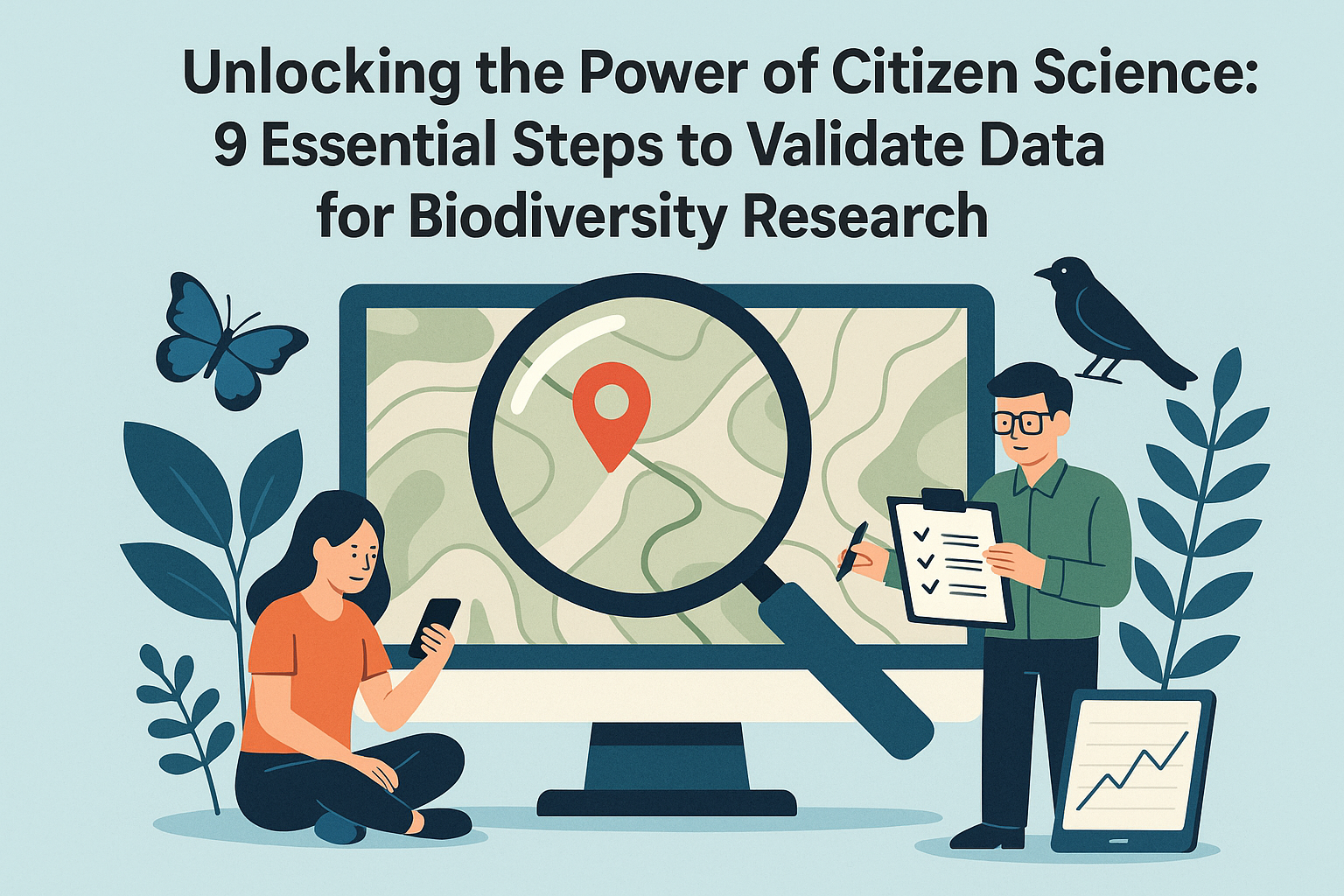
With the growing influence of citizen science in biodiversity research, many are asking how to validate citizen science data. Regular citizens, equipped with smartphones and a passion for the environment, are stepping up to collect valuable data on biodiversity. However, this raises critical questions regarding the quality and reliability of volunteer-generated information. As we explore this fascinating intersection of technology, public participation, and scientific rigor, we’ll dive into nine essential steps that can enhance the validity of citizen science data in biodiversity monitoring.
1. Understanding Citizen Science
Citizen science is an innovative approach that invites non-professionals to contribute to scientific research. It democratizes data collection, enabling individuals to participate in environmental monitoring, wildlife tracking, and even climate studies. This influx of data can significantly expand the reach of scientific inquiry, allowing researchers to cover vast areas that would be otherwise impractical to survey alone. However, the challenge lies in ensuring that the data collected is accurate and reliable.
As more people engage in these initiatives, the question arises: can volunteer-generated data be trusted? While citizen scientists can provide a vast amount of information, researchers must implement rigorous validation methods to ascertain that the data is both credible and scientifically valuable.
2. Establishing Clear Objectives
Before embarking on any citizen science project, it’s crucial to establish clear objectives. What specific biodiversity aspects are being monitored? Are you interested in the distribution of a particular species, the health of an ecosystem, or the impact of climate change on local flora and fauna? Clearly defined goals will help shape the data collection process and guide validation efforts.
Furthermore, outlining specific questions can help in developing targeted methodologies. For example, if the goal is to track migratory patterns of birds, researchers can design a data collection framework that focuses specifically on migratory behavior, ensuring that citizen scientists know exactly what kind of information to gather.
3. Developing a Robust Data Collection Protocol
A well-defined data collection protocol is key to ensuring that the information gathered is consistent and reliable. This protocol should include detailed instructions on how volunteers should collect data, the tools they need, and the types of observations they should prioritize.
For instance, if using a mobile app, ensure it has built-in features that facilitate accurate data entry, such as GPS tagging and time stamping. Additionally, visual aids, like species identification guides, can reduce errors in species identification, which is a common issue in citizen science projects.
4. Training Citizen Scientists
Effective training is essential for citizen scientists to understand the importance of their role and the methods they need to use. Training sessions can include workshops, webinars, or online tutorials that provide volunteers with the necessary skills to collect and submit data accurately.
It’s vital to emphasize the significance of following the established protocols, as even minor deviations can lead to significant inaccuracies in the dataset. Regular outreach and refresher courses can help maintain high standards and ensure data quality throughout the project. (See: Data Validation in Citizen Science.)
5. Implementing Quality Control Measures
Quality control measures are a must when it comes to validating citizen science data. Researchers can implement strategies such as double-checking a sample of the data collected or using automated systems that flag entries that fall outside expected parameters. For example, if a citizen scientist reports seeing a species that is rarely found in their region, this could trigger an automatic review.
Moreover, peer reviews of the data submitted can help catch potential errors. By encouraging citizen scientists to work in teams or pairs, researchers can foster a collaborative environment where volunteers can verify each other’s observations, leading to improved data reliability.
6. Utilizing Technology for Validation
With advancements in technology, researchers have new tools at their disposal to help validate data collected by citizen scientists. Machine learning algorithms can analyze datasets for patterns and anomalies that might indicate errors or inconsistent reporting.
For instance, if a volunteer reports a sudden increase in a species population, researchers can cross-reference this with historical data to determine if it’s indeed plausible. Additionally, utilizing platforms that allow for real-time data uploading can help researchers monitor data quality more effectively.
7. Establishing Feedback Loops
Creating feedback mechanisms is crucial for improving both data quality and volunteer engagement. By providing citizen scientists with feedback on their contributions, researchers can educate them about their impact and motivate them to maintain high standards in future data collection efforts.
Feedback can take many forms, from simple acknowledgment of data submissions to more detailed reports on how the data has contributed to research outcomes. This not only builds trust but also encourages continued participation and improvement in data quality.
8. Collaborating with Experts
Collaboration between citizen scientists and professional researchers can significantly enhance data validation processes. By involving experts in the field, citizen scientists can benefit from mentorship and guidance, leading to more reliable observations and data collection.
Partnerships with academic institutions, conservation organizations, or even tech companies can provide the necessary resources and expertise to bolster the credibility of citizen-generated data. This collaboration can also foster a sense of community among participants, further enhancing their investment in the project.
9. Evaluating and Iterating on Best Practices
Finally, ongoing evaluation of the citizen science project is essential for continuous improvement. Researchers should regularly assess the effectiveness of their data validation strategies and adapt them as needed. This iterative process allows for the incorporation of new methods or technologies that can enhance data reliability.
Surveys and feedback from citizen scientists themselves can provide invaluable insights into the challenges they face and the improvements that could be made. This collaborative approach can help refine methodologies, making future projects even more successful in collecting credible data. (See: Citizen Science and Public Health.)
10. Case Studies in Citizen Science Data Validation
To further understand how to validate citizen science data, let’s look at a few successful case studies. One notable example is the eBird platform, initiated by the Cornell Lab of Ornithology. This platform allows bird-watchers to report sightings, which are then validated through a combination of automated checks and expert reviews. Researchers have established criteria for data entry, and volunteer submissions are regularly compared with historical data to ensure accuracy.
Another prominent example is the iNaturalist platform, which focuses on documenting biodiversity through user-uploaded photos of organisms. iNaturalist employs a community-based verification system where other users can confirm or disagree with observations, thereby enhancing the reliability of the data collected. In addition, machine learning algorithms help identify species from photos, providing an additional layer of validation.
11. Statistics on the Impact of Citizen Science
The impact of citizen science on biodiversity research is significant. According to a study published in the journal Nature, projects involving citizen science can lead to the collection of data equivalent to that gathered by thousands of trained scientists. For instance, a project focused on butterfly monitoring, involving over 20,000 participants, has produced datasets that span decades and cover vast geographic areas.
Moreover, citizen science initiatives have been shown to foster environmental awareness. A survey from Citizen Science Association indicated that 85% of participants reported increased knowledge about ecological issues after engaging in citizen science projects. This highlights not only the importance of data collection but also the educational benefits of involving the public in scientific research.
12. Challenges and Limitations of Citizen Science Data
While citizen science offers many benefits, it’s essential to acknowledge its challenges and limitations. One major concern is the variability in the skill levels of participants. Not all citizen scientists have the same level of expertise, leading to inconsistencies in data quality. Some may misidentify species or fail to follow protocols, resulting in errors that can skew results.
Another limitation is the potential for biases in data collection. For example, citizen scientists may focus on more accessible or popular species, leading to underrepresentation of less charismatic or harder-to-find organisms. This can result in an incomplete picture of biodiversity in a given area.
To combat these issues, researchers must reinforce training programs and encourage diverse participation across different demographics. Ensuring that citizen scientists from various backgrounds and experiences are included can help mitigate some of these biases.
13. Frequently Asked Questions (FAQ)
What is citizen science?
Citizen science involves members of the public contributing to scientific research, often through data collection, observations, or engaging in experiments. It allows for expansive data gathering and encourages community involvement in scientific endeavors.
How can I get involved in citizen science?
You can get involved in citizen science by participating in local projects or joining online platforms such as eBird, iNaturalist, or Zooniverse. Many organizations welcome volunteers to help with various aspects of data collection and monitoring initiatives.
How do researchers ensure the accuracy of citizen science data?
Researchers implement various strategies to ensure accuracy, including establishing clear protocols, providing training for citizen scientists, employing automated quality control checks, and utilizing peer review systems within the community.
What are the benefits of citizen science?
The benefits of citizen science include increased public engagement in science, the ability to collect large datasets over extensive areas, the promotion of environmental awareness, and the involvement of diverse communities in scientific research.
Can citizen science data influence policy decisions?
Yes, well-validated citizen science data can inform policy decisions, particularly in conservation and environmental management. Policymakers often seek reliable data to guide their decisions, and citizen science can provide critical insights into biodiversity trends and ecosystem health.
What are the most common types of citizen science projects?
Citizen science projects often focus on biodiversity monitoring, such as bird watching, plant identification, or tracking wildlife populations. Other popular areas include climate data collection and assessment of natural disasters, where volunteers can provide real-time reports and observations.
How do citizen scientists handle unexpected findings?
Unexpected findings can be incredibly valuable in citizen science. Researchers often encourage volunteers to document unusual observations and provide context. These reports can lead to further investigation or even new areas of study. Having a structured process for reporting anomalies ensures that they are reviewed and addressed appropriately.
As the role of citizen science in biodiversity research continues to expand, understanding how to validate citizen science data will be crucial for ensuring that the information gathered can effectively inform conservation efforts and policy decisions. By following these thirteen essential steps, researchers can maximize the value of citizen-generated data, empowering everyday citizens to play a meaningful role in preserving our planet’s biodiversity.
“`
Trending Now
Frequently Asked Questions
What is citizen science and how does it benefit biodiversity research?
Citizen science involves non-professionals contributing to scientific research, which democratizes data collection. This approach allows for extensive environmental monitoring and wildlife tracking, significantly expanding the reach of biodiversity studies that would be impractical for researchers to conduct alone.
How can citizen science data be validated?
Validating citizen science data involves implementing rigorous methods to ensure accuracy and reliability. This can include cross-referencing data with established scientific benchmarks, training volunteers in data collection techniques, and utilizing technology for real-time monitoring.
What are the essential steps to ensure the quality of citizen science data?
To ensure quality, researchers should establish clear objectives, provide thorough training for volunteers, develop standardized data collection protocols, and utilize technology for accurate data entry and analysis. These steps help enhance the credibility of the information gathered.
Why is it important to validate citizen science data?
Validating citizen science data is crucial to ascertain its credibility and scientific value. Ensuring the accuracy of volunteer-generated information helps researchers make informed decisions and contributes to reliable findings in biodiversity research.
What role do technology and public participation play in citizen science?
Technology facilitates data collection and analysis in citizen science, while public participation empowers individuals to engage in environmental monitoring. This synergy enhances the volume and diversity of data available for biodiversity research, driving scientific inquiry.
What did we miss? Let us know in the comments and join the conversation.