
“`html
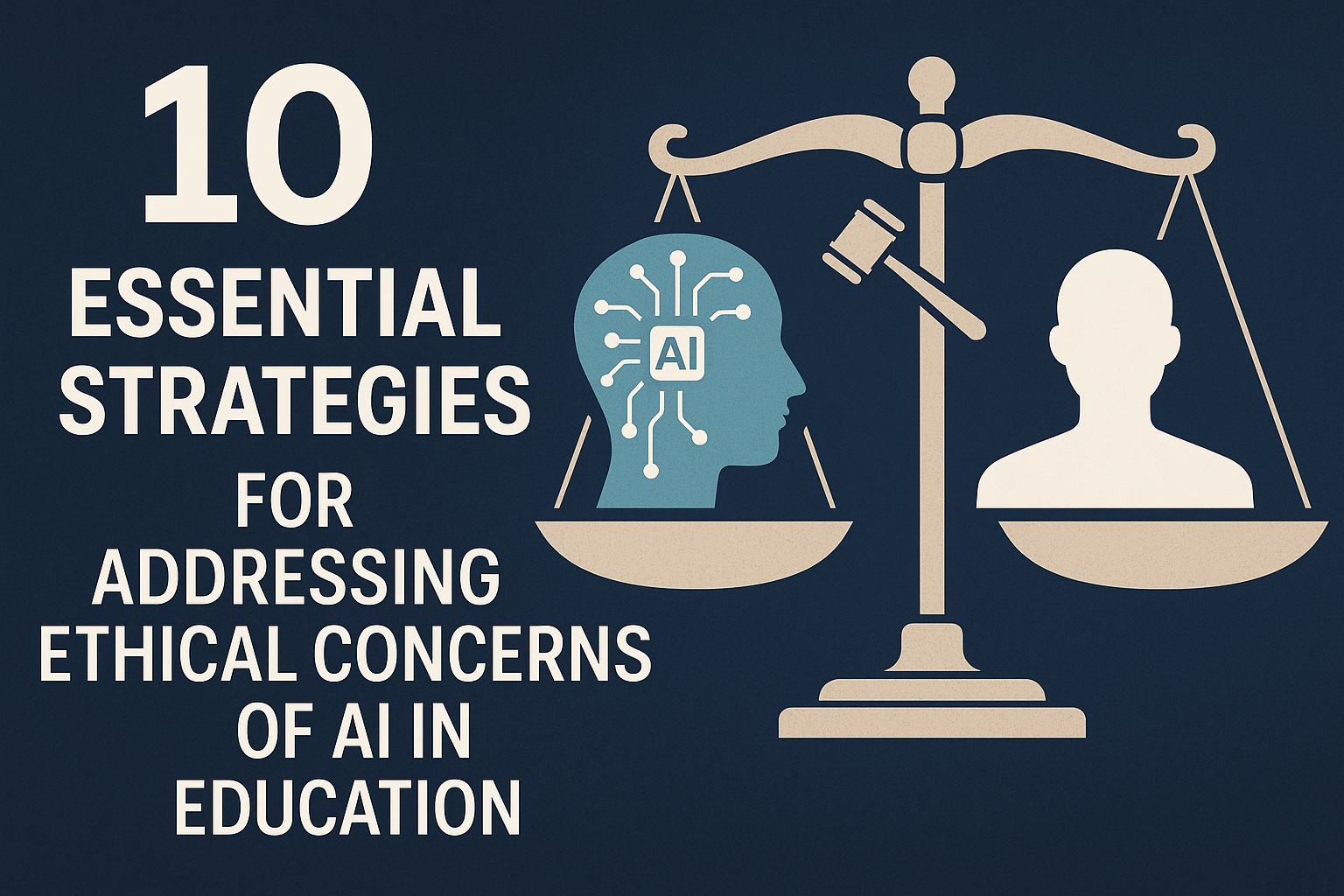
The rise of Artificial Intelligence (AI) in education presents not only exciting opportunities but also significant ethical concerns that demand our attention. Educators and administrators are increasingly facing questions about how to address ethical concerns of AI in education, particularly regarding data privacy, student consent, and the role of human teachers. This article provides ten practical strategies that schools can implement to responsibly integrate AI while safeguarding the interests of students and ensuring educational integrity.
1. Understanding the Risks of AI in Education
Before diving into strategies, it’s crucial to understand the ethical landscape surrounding AI in education. A recent viral discussion highlighted 13 critical social and ethical concerns, with data privacy at the forefront. Educators and parents alike are rightfully worried about how student data is collected, stored, and used. The fear of exploitation is palpable, as many AI tools in classrooms are operating without explicit ethical guidelines.
AI is often marketed as a helpful assistant, but the potential erosion of traditional teaching roles raises alarms. With machines taking over tasks that were once the purview of teachers, it’s essential to examine whether AI enhances or detracts from the educational experience. These foundational concerns set the stage for the need for proactive measures.
2. Prioritizing Data Privacy
One of the most pressing ethical concerns regarding AI in education is data privacy. Schools must develop clear policies and procedures that outline how student data is collected and used. Educators should routinely assess whether the AI tools in use comply with data protection regulations, such as the Family Educational Rights and Privacy Act (FERPA) in the United States.
Implementation of strong data encryption methods and regular audits of AI systems can help protect sensitive student information. By adopting transparency in data practices, educators can assure parents that their children’s data is secure, fostering trust in the integration of AI in classrooms.
3. Ensuring Student Consent
Obtaining informed consent from students and their guardians is another critical step in addressing ethical concerns of AI in education. Schools should develop comprehensive consent forms that clearly explain how AI tools will be used and what data will be collected. Informed consent goes beyond merely requiring a signature; it involves educating students and families about potential risks and benefits.
Engaging with parents in open dialogues can help demystify AI tools and allay fears. By providing workshops or informational sessions, schools can empower families to make informed choices about their students’ participation in AI-enhanced learning environments.
4. Promoting Transparency in AI Tools
Transparency is key when integrating AI in education. Schools should strive to choose AI tools from vendors that provide clear documentation about their algorithms, data usage, and potential biases. Understanding how AI systems make decisions can help educators identify and mitigate biases that might affect student learning.
Educators should be informed about the capabilities and limitations of the AI tools they use. This knowledge will enable them to make more effective educational decisions and help students understand how their interactions with AI systems can shape their learning experiences. (See: Social Determinants of Health.)
5. Training Educators on AI Ethics
Professional development programs must include training on the ethical implications of AI in education. Educators should understand not only how to use AI tools but also the ethical considerations that come with them. By providing training that emphasizes the importance of ethical decision-making, schools can empower educators to act as advocates for their students.
Moreover, incorporating discussions about AI ethics into the curriculum can prepare future educators to navigate these complexities. As AI continues to evolve, fostering a culture of ethical awareness among educators will pave the way for more responsible AI use in classrooms.
6. Involving Stakeholders in Policy Development
Policymaking around AI in education should not be a top-down approach. Instead, schools should involve various stakeholders—teachers, parents, students, and community members—in discussions about AI policies. This collaborative approach ensures that a diverse range of perspectives is considered in the decision-making process.
By creating a task force or advisory board focused on AI ethics, schools can facilitate ongoing conversations about how to address ethical concerns of AI in education. This inclusive strategy not only enriches policy development but also fosters a sense of community ownership and accountability.
7. Monitoring AI Impact on Learning Outcomes
Regularly assessing the impact of AI tools on student learning outcomes is essential. Schools should develop metrics to evaluate how AI contributes to or detracts from academic performance and overall student well-being. These assessments can help identify any unintended consequences of AI integration and allow for timely adjustments.
For example, if an AI tool is found to be negatively affecting students’ engagement or learning, schools should be prepared to pivot to alternative solutions. Continuous evaluation ensures that AI serves its intended purpose of enhancing education rather than hindering it.
8. Addressing Bias in AI Algorithms
AI systems can inadvertently perpetuate existing biases, affecting educational equity. Educators need to be aware of how biases in algorithms can lead to unfair treatment of certain groups of students. Schools should prioritize using AI tools that have undergone rigorous bias testing and validation.
Additionally, fostering a culture of critical thinking among students is crucial. They should learn to analyze the outputs of AI systems and question the assumptions underlying those outputs. By doing so, students become more informed consumers of technology and are better equipped to navigate potential biases.
9. Establishing Ethical Guidelines for AI Integration
Creating comprehensive ethical guidelines for AI use in education is an essential step. Schools should develop a clear framework that outlines ethical principles for AI integration, addressing issues such as data privacy, consent, and bias. These guidelines should be regularly reviewed and updated to keep pace with rapidly evolving AI technologies.
Incorporating input from various stakeholders will enhance the robustness of these guidelines. Moreover, the guidelines should emphasize the fundamental goal of AI in education: to support and enhance the human aspects of teaching and learning. (See: AI Ethics in Education.)
10. Fostering a Culture of Ethical Tech Use
Ultimately, fostering a culture of ethical technology use is crucial for the responsible integration of AI in education. Schools should promote discussions around the ethical implications of technology use, encouraging students and educators alike to reflect on their tech choices.
By embedding ethical considerations into the fabric of school culture, educators can inspire students to be conscientious users of technology. This long-term approach not only prepares students for future interactions with AI but also cultivates a generation that values ethical considerations in all aspects of life.
11. Case Studies: Successful Ethical AI Implementations
Examining real-world examples of ethical AI in education can offer valuable insights into best practices. One prominent case is the use of AI in Georgia State University, where an AI system, named Pounce, was implemented to provide students with personalized assistance. The system analyzes student data to predict the likelihood of dropping out and offers proactive advice. This initiative not only enhanced student engagement but also helped in maintaining student data privacy by ensuring sensitive information was anonymized and aggregated.
Another noteworthy example is the AI-driven tutoring platform, Carnegie Learning, which uses adaptive learning technology to personalize math education for students. Their approach has been developed with a focus on ethical data use, ensuring that students’ learning paths are designed based on their unique needs, thereby minimizing any biases that could affect their learning outcomes.
12. The Role of Parental Involvement in AI Ethics
Parental involvement is crucial in navigating the ethical landscape of AI in education. Parents should advocate for transparency regarding how AI tools are implemented in classrooms and demand clarity on data usage policies. Schools can host information sessions aimed at educating parents about AI technologies, helping them understand the benefits and risks associated with their children’s interactions with these tools.
Moreover, parents can play an active role in policy discussions regarding AI by participating in school boards or committees focused on technology integration. Their insights and concerns can help shape ethical AI policies that prioritize student welfare and trust.
13. Future Trends in Ethical AI in Education
As technology evolves, so do the ethical challenges surrounding it. Future trends in AI for education will likely include even more personalized learning experiences, necessitating robust ethical frameworks to guide development and deployment. The emergence of generative AI and machine learning tools capable of producing content brings forth questions about intellectual property and the authenticity of student work.
Statistical reports predict that by 2025, nearly 50% of educational institutions will implement some form of AI to enhance learning outcomes. This increase underscores the need for proactive measures to address ethical concerns, ensuring that while we embrace innovation, we do not compromise on ethical standards. (See: Ethics and Health.)
14. Frequently Asked Questions
What are the main ethical concerns of AI in education?
The primary ethical concerns include data privacy, consent issues, algorithmic bias, and the potential impact on the teacher-student dynamic. Schools need to address these issues to ensure responsible technology use.
How can schools ensure data privacy when using AI tools?
Schools can implement policies that outline data collection and usage, and regularly audit AI tools to ensure compliance with regulations. Strong encryption and secure data storage solutions should be employed to protect student information.
What role do educators play in addressing ethical concerns of AI?
Educators play a pivotal role by being informed about AI tools’ ethical implications, advocating for students, and fostering discussions around technology use. Continuous training can help them navigate these complexities effectively.
Why is parental involvement important in AI ethics?
Parental involvement is vital because parents can advocate for transparency and ethical considerations, ensuring that their children’s best interests are prioritized in AI implementations within schools.
What steps can be taken to mitigate bias in AI algorithms?
To mitigate bias, schools should prioritize AI tools that have undergone rigorous testing for fairness. Educators can also teach critical thinking skills to help students analyze AI outputs and identify potential biases.
As schools strive to address ethical concerns of AI in education, implementing these ten strategies will empower educators and administrators to make informed decisions. By prioritizing data privacy, ensuring transparency, and fostering community involvement, we can create an educational landscape where AI serves as a beneficial tool rather than a source of ethical dilemmas.
“`
Trending Now
Frequently Asked Questions
What are the ethical concerns of AI in education?
The ethical concerns of AI in education include data privacy, student consent, and the potential erosion of traditional teaching roles. Educators worry about how student data is collected and used, as well as whether AI enhances or detracts from the educational experience.
How can schools address data privacy issues with AI?
Schools can address data privacy issues by developing clear policies on data collection and usage, ensuring compliance with regulations like FERPA, implementing data encryption, and conducting regular audits of AI systems to protect sensitive student information.
What strategies can be used to integrate AI responsibly in education?
Strategies for responsibly integrating AI in education include prioritizing data privacy, ensuring transparency with stakeholders, training educators on AI tools, and continuously assessing the impact of AI on teaching and learning outcomes.
Why is student consent important in AI applications?
Student consent is crucial in AI applications to protect students' rights and privacy. It ensures that students and their guardians are informed about how their data will be used and gives them the opportunity to opt-in or opt-out of AI tools.
What role do teachers play with the rise of AI in classrooms?
With the rise of AI in classrooms, teachers play a vital role in guiding the educational experience. They must assess the effectiveness of AI tools, maintain human interaction in learning, and ensure that technology complements rather than replaces traditional teaching methods.
Have you experienced this yourself? We’d love to hear your story in the comments.