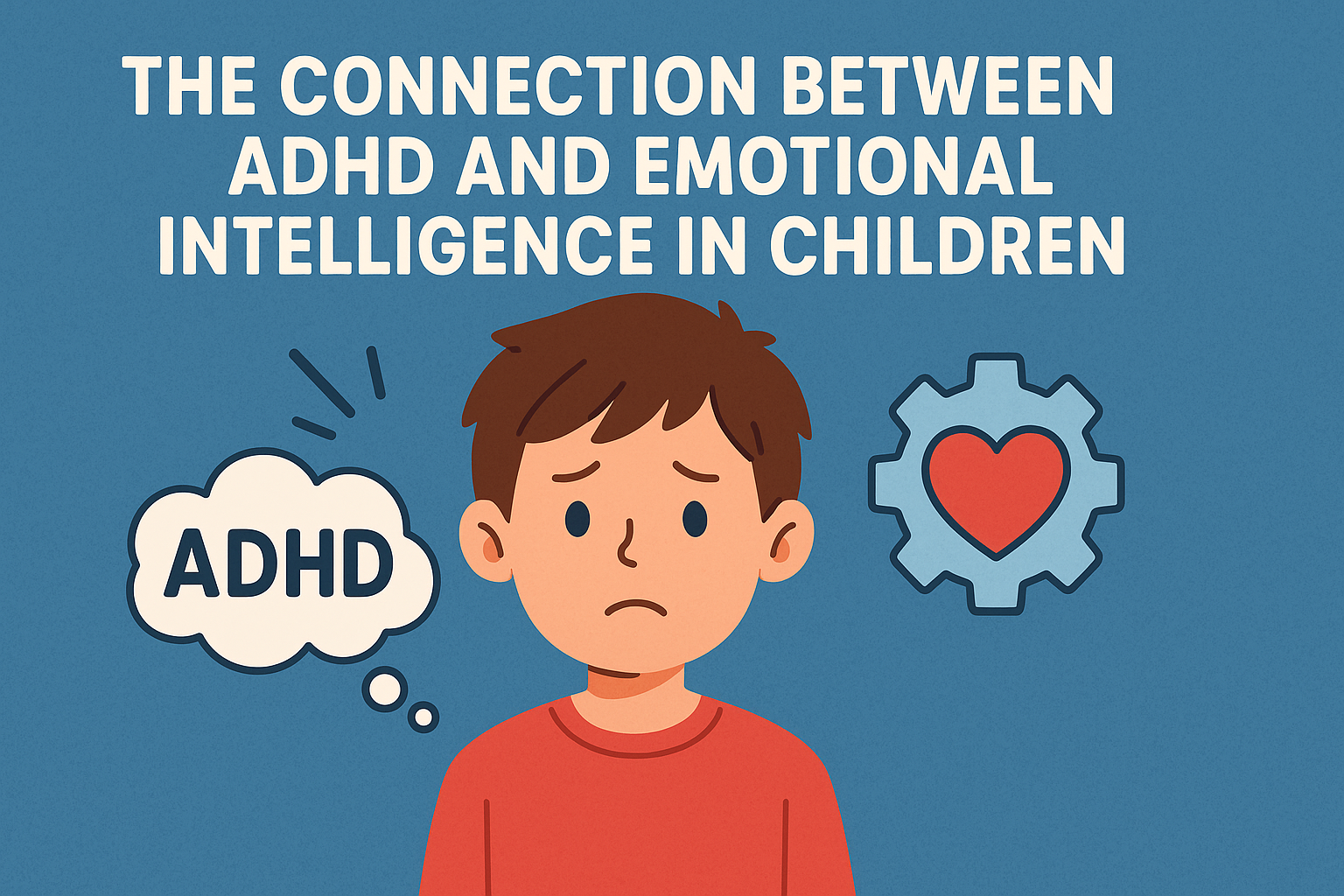

Understanding the interplay between ADHD and emotional intelligence in children can have a profound impact on their development and overall well-being. Attention Deficit Hyperactivity Disorder (ADHD) affects millions of children worldwide, and its influence on emotional regulation and social interactions can be substantial. In this article, we’ll explore the connection between ADHD and emotional intelligence in children, delve into the challenges these children face, and offer actionable insights for parents and caregivers to support their emotional development.
What is ADHD?
ADHD is a neurodevelopmental disorder that typically manifests in childhood and can persist into adulthood. Characterized by symptoms such as inattention, hyperactivity, and impulsivity, ADHD can affect various aspects of a child’s life, including academic performance, relationships, and self-esteem. The Centers for Disease Control and Prevention (CDC) estimates that about 6 million children in the United States have been diagnosed with ADHD, highlighting the widespread nature of this condition.
While ADHD is often associated with behavioral challenges, it can also have significant implications for emotional intelligence, a crucial component in navigating social complexities and developing healthy relationships.
Defining Emotional Intelligence
Emotional intelligence (EI) refers to the ability to recognize, understand, and manage one’s own emotions while also being able to empathize with others’ feelings. Daniel Goleman, a leading psychologist in the field, outlines five key components of emotional intelligence: self-awareness, self-regulation, motivation, empathy, and social skills. These elements are vital for children as they learn to interact with peers, cope with stress, and communicate effectively.
For children with ADHD, who may struggle with impulse control and emotional regulation, developing emotional intelligence can be particularly challenging. The ability to navigate their emotions and understand those of others is often hindered by their primary symptoms, leading to difficulties in social settings.
ADHD and Emotional Regulation Challenges
One of the core symptoms of ADHD is emotional dysregulation. Children with ADHD often experience intense emotions, whether it’s frustration, anger, or excitement, and may struggle to manage these feelings appropriately. Studies have shown that children with ADHD frequently exhibit heightened emotional responses compared to their peers, leading to potential outbursts or withdrawal.
Research published in the journal Emotion indicates that children with ADHD may have a harder time recognizing and interpreting emotional cues, which further complicates their social interactions. For instance, they might misinterpret a peer’s neutral expression as anger or disinterest, resulting in inappropriate responses that can alienate them from their peers.
Social Implications of Low Emotional Intelligence
The challenges that ADHD presents in emotional regulation can have significant social implications. Children with low emotional intelligence may struggle to build and maintain friendships, resulting in feelings of isolation and loneliness. A study conducted by the American Academy of Pediatrics found that children with ADHD are at a higher risk for being bullied, which can exacerbate their emotional struggles. (See: CDC ADHD facts and statistics.)
Additionally, children with ADHD may find it difficult to participate in group activities or cooperative play, which are essential for developing social skills. As a result, they may face challenges in team environments, whether in sports or collaborative school projects.
As parents or caregivers, recognizing these patterns is crucial. Understanding the emotional landscape of a child with ADHD can provide valuable insight into their behavior and interactions, enabling adults to offer better support.
Strategies to Enhance Emotional Intelligence in Children with ADHD
While the challenges are clear, there are numerous strategies that parents and educators can employ to foster emotional intelligence in children with ADHD. Here are some practical insights to help children navigate their emotional world more effectively:
- Model Emotional Awareness: Children learn a great deal from observing adults. By openly discussing your own emotions and how you manage them, you can teach your child to identify and express their feelings.
- Teach Empathy: Encourage your child to consider how others might feel in different situations. Role-playing various scenarios can help them practice empathetic responses.
- Implement Mindfulness Techniques: Mindfulness practices, such as deep breathing or meditation, can help children become more aware of their emotions and learn to regulate their responses.
- Promote Social Skills Development: Engage your child in activities that require teamwork and communication. Games that emphasize turn-taking or group problem-solving can teach valuable social skills.
- Provide Positive Feedback: Reinforce moments when your child effectively expresses their emotions or shows empathy toward others. Positive reinforcement can motivate them to continue developing these skills.
- Utilize Professional Support: Consider involving a therapist or counselor who specializes in working with children with ADHD. They can provide tailored strategies and support for emotional development.
The Importance of Early Intervention
Addressing emotional intelligence in children with ADHD early on can yield significant benefits. Early intervention can lead to improved academic performance, better peer relationships, and a healthier self-image. Research suggests that children who receive support in developing emotional intelligence often experience better long-term outcomes, including reduced symptoms of ADHD and fewer behavioral issues.
Schools and community programs can play a vital role in facilitating these interventions. Programs focusing on social-emotional learning (SEL) can provide children with the tools they need to understand their own emotions and those of others. Incorporating SEL into the school curriculum can help children with ADHD develop both emotional intelligence and critical social skills necessary for success in adult life.
Current Relevance: The Need for Awareness and Support
As awareness of ADHD and its impact on emotional intelligence grows, it’s crucial for parents, educators, and mental health professionals to work together to create supportive environments. Schools must be equipped to offer resources and training for teachers to handle the unique challenges ADHD presents. By fostering a more inclusive atmosphere, we can help all children thrive.
Additionally, the stigma surrounding ADHD can lead to misunderstandings about the capabilities of affected children. It’s essential to challenge these misconceptions and advocate for strategies that promote their emotional and social growth. By fostering understanding within communities, we can create a supportive network that empowers children with ADHD to succeed.
Understanding Emotional Dysregulation in ADHD
Emotional dysregulation is a hallmark of ADHD, associated with impulsive behaviors and the inability to manage emotions effectively. This dysregulation can manifest in various ways, such as outbursts of anger, frustration, or sadness, often seeming disproportionate to the situation. Recognizing these patterns is essential for parents and educators. Understanding that these responses are rooted in the child’s neurological makeup rather than willful defiance is pivotal in fostering patience and empathy. (See: NIH information on ADHD.)
For example, a child with ADHD might become unreasonably upset about a minor setback, such as losing a game. Instead of simply labeling the child as overly dramatic, caregivers can approach the situation by discussing the emotions involved and helping the child label those feelings. This can empower the child to articulate their feelings in the future rather than acting out.
Real-Life Stories and Case Studies
Understanding the nuances of ADHD and emotional intelligence is best illustrated through real-life stories. Take, for example, the case of Ethan, a 9-year-old diagnosed with ADHD. At school, Ethan often struggled to keep his emotions in check. During group projects, his inability to manage frustration led to conflicts with peers. However, after his parents sought the help of a counselor specializing in ADHD, Ethan began participating in a social-emotional learning program that taught him how to express his feelings and recognize those of others.
Over time, Ethan learned techniques like using “I feel” statements to communicate his emotions more effectively, which significantly improved his relationships with classmates. His story highlights the potential for positive change through targeted interventions, underscoring the importance of emotional intelligence in children with ADHD.
Statistics on ADHD and Emotional Skills
Statistical data provides further insight into the landscape of ADHD and emotional intelligence. A study published in the journal Pediatrics found that children with ADHD are three times more likely to experience difficulties in social situations compared to their peers without ADHD. Furthermore, around 40% of children with ADHD report feelings of being misunderstood by their peers due to their emotional responses.
These statistics emphasize the urgent need for programs focused on developing emotional intelligence in children with ADHD, as the emotional fallout can have long-term implications for their overall mental health and well-being.
Building Supportive Environments
Creating supportive environments is essential for children struggling with ADHD and emotional intelligence. Parents and educators can work collaboratively by sharing observations and strategies. Regular communication between home and school can ensure that children receive consistent messages and support regarding emotional regulation. Tools like behavioral charts, emotional check-in apps, or journals can help track emotions and progress, allowing for adjustments in strategies as needed.
FAQ: Common Questions About ADHD and Emotional Intelligence
What is the relationship between ADHD and emotional intelligence?
Children with ADHD often struggle with emotional regulation, affecting their emotional intelligence. They may find it difficult to recognize their own emotions and those of others, leading to challenges in social interactions.
How can I help my child with ADHD improve their emotional intelligence?
Encourage emotional awareness through open discussions about feelings, engage in role-playing exercises to practice empathy, and utilize mindfulness techniques to help your child regulate their emotions.
Is emotional intelligence something that can be developed over time?
Absolutely! Emotional intelligence can be developed through practice and support. With proper strategies and interventions, children with ADHD can enhance their emotional skills significantly.
What role do schools play in supporting emotional intelligence in children with ADHD?
Schools can implement social-emotional learning programs, provide training for teachers, and create an inclusive environment that fosters emotional development, all of which are critical for children with ADHD.
How does emotional intelligence affect academic performance?
Higher emotional intelligence can lead to better focus, improved relationships with peers and teachers, and enhanced academic motivation, all contributing to better academic outcomes for children with ADHD.
A Path Forward
In conclusion, the connection between ADHD and emotional intelligence in children is complex but crucial for their development. By recognizing the challenges these children face and implementing effective strategies to enhance their emotional skills, we can help them navigate their emotions and relationships more successfully. Supporting emotional intelligence not only benefits children with ADHD but also enriches the lives of those around them, creating a more empathetic and understanding society.
Ultimately, the work we do today to foster emotional intelligence in children with ADHD will pave the way for their future success, ensuring they grow into well-adjusted adults who can contribute positively to their communities.
Trending Now
Frequently Asked Questions
What is the relationship between ADHD and emotional intelligence?
ADHD can significantly impact a child's emotional intelligence by affecting their ability to regulate emotions and interact socially. Children with ADHD may struggle with impulse control and emotional regulation, which are critical components of emotional intelligence, making it challenging for them to navigate social complexities and develop healthy relationships.
How does ADHD affect emotional regulation in children?
Children with ADHD often experience difficulties with emotional regulation, leading to challenges in managing their emotions effectively. This can result in impulsive reactions and trouble empathizing with others, ultimately affecting their social interactions and overall emotional development.
What are the key components of emotional intelligence?
The key components of emotional intelligence, as outlined by psychologist Daniel Goleman, include self-awareness, self-regulation, motivation, empathy, and social skills. These components are essential for children to understand and manage their emotions and to interact positively with peers.
Can children with ADHD develop emotional intelligence?
Yes, children with ADHD can develop emotional intelligence, although it may be more challenging for them due to their difficulties with impulse control and emotional regulation. With appropriate support and strategies from parents and caregivers, these children can enhance their emotional skills and improve their social interactions.
What strategies can support emotional development in children with ADHD?
Supporting emotional development in children with ADHD can include teaching them emotional regulation techniques, encouraging self-reflection, fostering empathy through role-playing, and providing consistent feedback on their social interactions. Additionally, creating a structured environment can help these children manage their emotions more effectively.
Agree or disagree? Drop a comment and tell us what you think.