
“`html
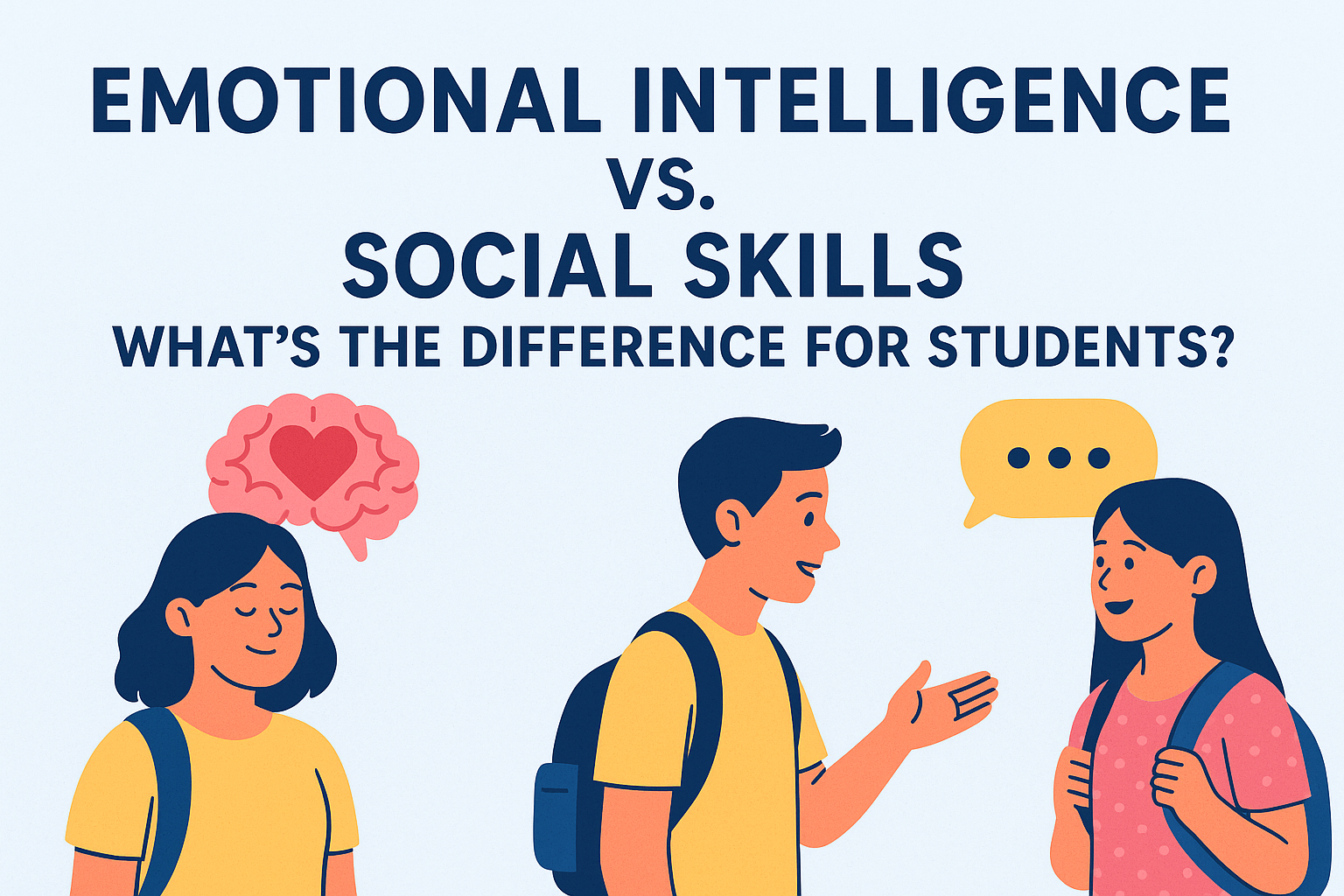
As educators and parents alike strive to prepare students for a rapidly evolving world, the conversation increasingly turns to the importance of emotional intelligence in students. But what exactly does that mean? In the realm of social interactions, terms like “emotional intelligence” and “social skills” often get thrown around interchangeably, but they represent distinct concepts. Understanding the difference between emotional intelligence and social skills is crucial for fostering well-rounded, capable students.
1. Defining Emotional Intelligence
Emotional intelligence (EI) refers to the ability to recognize, understand, and manage one’s own emotions while also being able to recognize and influence the emotions of others. Daniel Goleman, a prominent psychologist, has been a leading voice in promoting the idea that emotional intelligence is as important as intellectual ability, if not more so. Goleman’s model categorizes EI into five key components: self-awareness, self-regulation, motivation, empathy, and social skills.
For students, having a strong foundation in emotional intelligence can lead to improved academic performance, better relationships, and enhanced mental well-being. For instance, a student who is self-aware can identify their stress triggers and develop coping mechanisms, leading to a more productive learning environment. Moreover, empathy, a crucial component of EI, allows students to understand their peers’ feelings, fostering a supportive community within schools.
2. Understanding Social Skills
Social skills encompass a broad range of behaviors and abilities that facilitate effective communication and interaction with others. These skills include verbal and non-verbal communication, active listening, conflict resolution, and teamwork. Unlike emotional intelligence, which focuses more on internal emotional regulation and awareness, social skills are primarily about external interactions.
For students, developing social skills is essential for navigating school environments, participating in group work, and building friendships. Strong social skills can lead to better collaboration among peers, which is increasingly important in today’s interconnected world. According to research, students with high social skills tend to have better academic outcomes and higher levels of engagement in school activities.
3. The Interplay Between Emotional Intelligence and Social Skills
The relationship between emotional intelligence and social skills is intricate and reciprocal. A high level of emotional intelligence can enhance a student’s social skills. For example, a student who understands their own emotions is better equipped to handle social situations, read social cues, and respond appropriately to others. Conversely, strong social skills can reinforce emotional intelligence by providing opportunities for students to practice empathy and emotional regulation in real-world contexts.
In practical terms, consider a group project in a classroom setting. A student with emotional intelligence can recognize their feelings of frustration when group dynamics aren’t working well and can manage those feelings instead of allowing them to escalate. This self-regulation enables them to communicate effectively with their peers, fostering an atmosphere of cooperation and understanding.
4. Why Emotional Intelligence in Students Matters
Emotional intelligence in students is increasingly being recognized as a cornerstone for success beyond academics. Numerous studies suggest that students with higher emotional intelligence exhibit better mental health and are more resilient when facing challenges. This resilience is particularly important given the pressures many students face today.
For example, a study conducted by the University of California found that students with high emotional intelligence were less likely to experience anxiety and depression. They were also more likely to seek help when they needed it, rather than resorting to unhealthy coping mechanisms. Schools that integrate social-emotional learning (SEL) programs often see significant improvements in student behavior, academic performance, and overall school climate. (See: Emotional intelligence definition on Wikipedia.)
5. Teaching Emotional Intelligence and Social Skills in Schools
With a clear understanding of emotional intelligence and social skills, educators can take actionable steps to foster these abilities in students. Incorporating SEL programs into the curriculum is one effective strategy. Such programs focus on developing self-awareness, self-management, social awareness, relationship skills, and responsible decision-making.
For instance, role-playing activities can be an engaging way for students to practice their social skills in a controlled environment. These activities can also be designed to include scenarios that require emotional regulation, allowing students to apply their emotional intelligence in practice. By creating a safe space for students to explore their emotions and social interactions, schools can cultivate a generation of emotionally intelligent and socially adept individuals.
6. The Current Relevance of Emotional Intelligence and Social Skills
In a world that is becoming increasingly reliant on technology and digital communication, emotional intelligence and social skills are more essential than ever. As face-to-face interactions decline, so too does the opportunity for students to develop these critical skills organically. Educators and parents must be proactive in teaching these competencies.
Furthermore, the job market is evolving. Employers are increasingly looking for candidates who not only possess technical skills but also exhibit strong emotional intelligence and social skills. In fact, a LinkedIn survey revealed that 57% of leaders say soft skills are more important than hard skills. For students, this means that developing emotional intelligence could significantly affect their future employability and career success.
7. Challenges in Developing Emotional Intelligence and Social Skills
Despite the clear benefits of emotional intelligence in students, there are challenges in effectively teaching these skills. One major hurdle is the lack of standardized curricula focused on emotional and social development. While some schools have implemented SEL programs, others still prioritize traditional academic subjects, often neglecting the emotional and social aspects of education.
Additionally, societal factors play a role. Many students come from backgrounds where emotional expression is not encouraged, making it difficult for them to develop their emotional intelligence. Educators must be equipped to create inclusive environments that encourage all students to engage with their emotions and develop their social skills.
8. The Path Forward: Prioritizing Emotional Intelligence and Social Skills
To foster a generation of emotionally intelligent and socially skilled individuals, we need a comprehensive approach that involves educators, parents, and the community. Schools should prioritize SEL in their curricula and provide training for teachers to effectively implement these programs. Additionally, parents can support their children’s emotional and social development by modeling these skills and fostering open conversations about emotions.
As we look to the future, the importance of emotional intelligence and social skills will only continue to grow. By equipping students with these essential abilities, we not only prepare them for academic success but also for a fulfilling and productive life beyond the classroom.
9. Real-World Applications of Emotional Intelligence in Education
Understanding emotional intelligence is not just a theoretical exercise; its applications can be observed in various educational settings. For instance, schools that employ peer mediation programs often see a decrease in conflicts and bullying incidents. Students trained in conflict resolution skills, which are deeply rooted in emotional intelligence, can navigate difficult conversations and come to mutually beneficial solutions. This not only promotes a better school environment but also helps students develop confidence and self-efficacy in their interpersonal interactions. (See: CDC resources on emotional well-being in youth.)
Another real-world application can be seen in the integration of emotional intelligence training in sports programs. Many schools offer sports as a way to teach teamwork and collaboration. Coaches who emphasize emotional intelligence can help athletes understand their feelings of frustration or disappointment, teaching them how to channel those emotions positively. This approach not only enhances performance but also creates a supportive atmosphere that helps athletes grow both personally and athletically.
10. The Role of Technology in Enhancing Emotional Intelligence
In this digital age, technology can play a significant role in promoting emotional intelligence among students. Online platforms and applications designed for social-emotional learning can provide interactive experiences that teach students about emotions in engaging ways. For example, virtual reality (VR) simulations can allow students to practice empathy by putting them in the shoes of others facing various emotional challenges.
Additionally, digital storytelling platforms can encourage students to express their emotions creatively. By creating characters and narratives, students can explore their feelings and learn how to articulate them. This not only aids in emotional expression but also enhances communication skills, further bridging the gap between emotional intelligence and social skills.
11. Statistics Supporting the Importance of Emotional Intelligence in Education
Several studies highlight the critical role emotional intelligence plays in education. According to a report by the Collaborative for Academic, Social, and Emotional Learning (CASEL), schools implementing SEL programs saw an average of 11% increase in academic performance compared to those that didn’t. Additionally, students with higher emotional intelligence are more likely to hold leadership positions in school and report higher satisfaction with their school experience.
Moreover, a meta-analysis conducted by the University of Illinois found that social-emotional learning programs can reduce emotional distress and behavioral problems, leading to a more positive school environment. These statistics underscore the necessity of integrating emotional intelligence training into school curricula for the overall well-being of students.
12. Frequently Asked Questions (FAQ)
What is emotional intelligence?
Emotional intelligence is the ability to recognize, understand, manage, and influence emotions in oneself and others. It includes skills such as self-awareness, self-regulation, motivation, empathy, and social skills.
Why is emotional intelligence important for students?
Emotional intelligence is crucial for students because it contributes to their academic success, mental health, and social relationships. Students with high EI tend to perform better academically, are more resilient, and have stronger interpersonal skills.
How can emotional intelligence be taught in schools?
Emotional intelligence can be taught through social-emotional learning (SEL) programs, role-playing activities, peer mediation, and creating a safe environment for students to express their emotions. Structured curricula that focus on self-awareness and relationship skills are also effective.
Are social skills different from emotional intelligence?
Yes, social skills focus on external interactions and communication, while emotional intelligence encompasses understanding and regulating one’s own emotions and the emotions of others. Both are interrelated but represent different aspects of interpersonal competence.
How does emotional intelligence affect future job performance?
Emotional intelligence has a significant impact on job performance, as many employers prioritize soft skills such as communication, teamwork, and empathy. A person with high emotional intelligence is often viewed as a better leader and collaborator.
Can emotional intelligence be developed over time?
Absolutely! Emotional intelligence can be developed through practice and training. Engaging in self-reflection, participating in emotional intelligence workshops, and seeking feedback from others are all effective ways to enhance one’s emotional intelligence.
How can parents help foster emotional intelligence at home?
Parents can play a vital role in nurturing emotional intelligence by encouraging open discussions about feelings, modeling empathetic behavior, and providing children with tools to express their emotions healthily. Activities like family discussions about daily experiences can help children articulate feelings and learn from family dynamics.
What role do teachers play in developing emotional intelligence in students?
Teachers are crucial in cultivating emotional intelligence in students by creating an inclusive and supportive classroom environment. They can integrate emotional intelligence into academic lessons, offer mentorship, and provide opportunities for collaborative learning, all while modeling positive emotional and social behaviors.
Why is emotional intelligence gaining attention in education now?
The growing recognition of the importance of emotional intelligence in education is largely due to increasing rates of mental health issues among students. As educational institutions aim to create holistic learning environments, they are beginning to understand that academic success is closely linked to emotional and social well-being.
“`
Trending Now
Frequently Asked Questions
What is the difference between emotional intelligence and social skills?
Emotional intelligence (EI) refers to the ability to recognize and manage one's own emotions and understand others' feelings, while social skills involve effective communication and interaction with others. EI focuses on internal emotional regulation, whereas social skills are about external behaviors and relationships.
Why is emotional intelligence important for students?
Emotional intelligence is crucial for students as it enhances academic performance, improves relationships, and supports mental well-being. Students with strong EI can identify their emotions, manage stress, and empathize with peers, fostering a positive learning environment.
How can social skills benefit students?
Developing social skills helps students communicate effectively, resolve conflicts, and work well in teams. These abilities are essential for building relationships, collaborating in group projects, and navigating social situations, which are important for personal and academic success.
What are the components of emotional intelligence?
Daniel Goleman's model of emotional intelligence includes five key components: self-awareness, self-regulation, motivation, empathy, and social skills. These elements work together to help individuals understand and manage their emotions and interact positively with others.
Can emotional intelligence be taught to students?
Yes, emotional intelligence can be taught and developed in students through various programs and activities that promote self-awareness, empathy, and emotional regulation. Educators can implement strategies to enhance EI, leading to better interpersonal skills and academic outcomes.
Have you experienced this yourself? We’d love to hear your story in the comments.