
“`html
When we think about ADHD (Attention-Deficit/Hyperactivity Disorder), our minds often jump to the more well-known symptoms like inattention and hyperactivity. However, less discussed but equally impactful are the challenges in pragmatic language skills faced by many students with ADHD. Understanding these challenges is crucial not just for educators and parents, but also for the students themselves who are navigating these complexities.
Understanding Pragmatic Language Skills
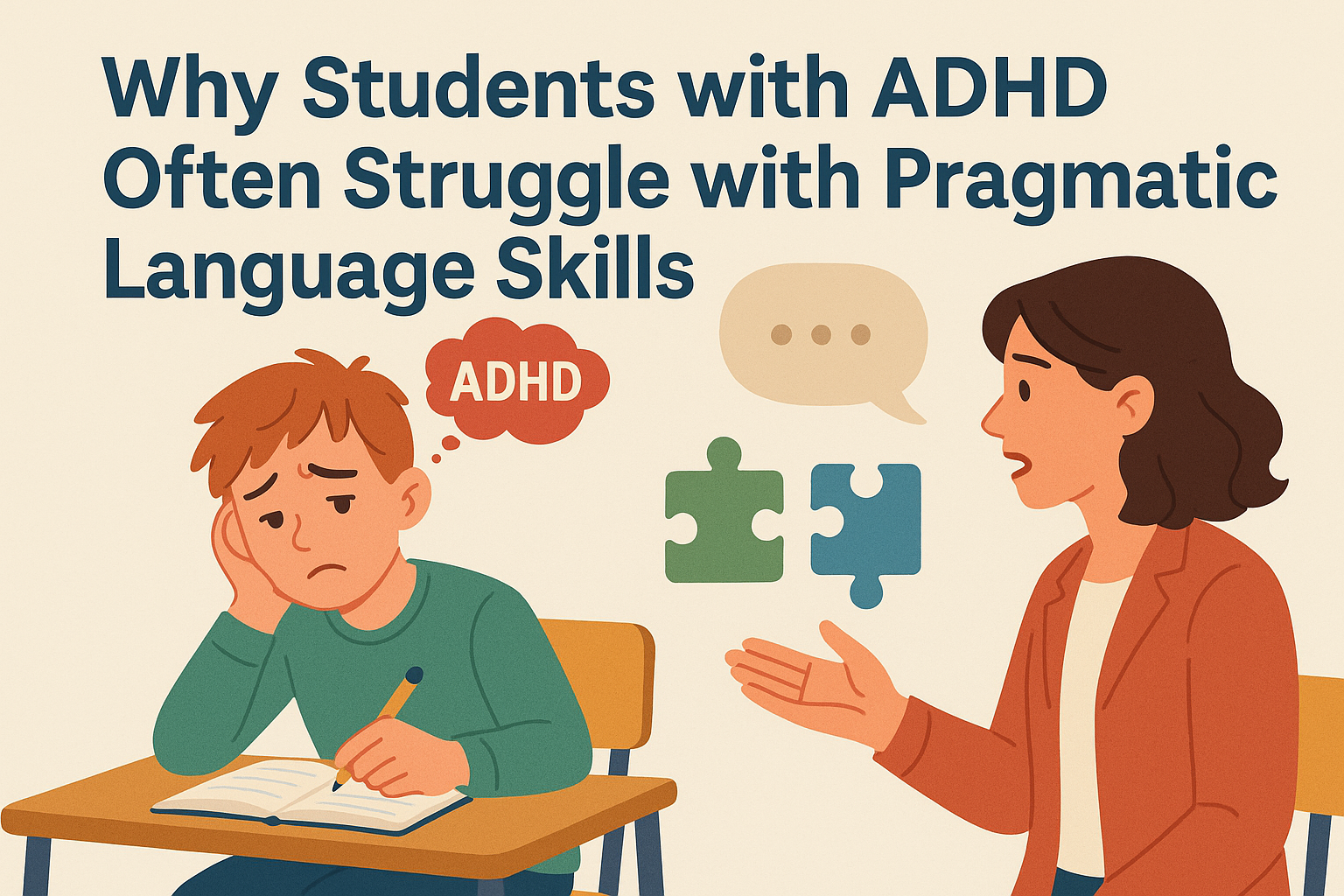
Pragmatic language skills refer to the ability to use language effectively in social contexts. This encompasses a range of behaviors, including taking turns in conversation, understanding social cues, and using appropriate language in different situations. For students, these skills are vital not just for making friends but also for succeeding in academic settings.
For example, consider a classroom scenario where a teacher asks a question. A student with strong pragmatic language skills will know how to respond appropriately, whether that’s raising their hand or speaking at the right moment. Conversely, a student with deficits in these skills might interrupt or struggle to know when it’s their turn to speak, leading to misunderstandings and social isolation.
Why ADHD Affects Pragmatic Language Skills
The connection between ADHD and pragmatic language skills is complex and multi-faceted. Research indicates that students with ADHD often face challenges in executive functioning, which includes skills like planning, organization, and impulse control. These challenges can significantly impact a student’s ability to navigate social interactions.
1. **Executive Function Deficits**: Students with ADHD often experience difficulties with executive functions that are crucial for social communication. For example, they may struggle to plan what to say in a conversation or to remember the context of previous discussions, which can lead to inappropriate or off-topic comments.
2. **Impulsivity**: Students with ADHD often act on impulse, which can lead to interruptions in conversations or difficulty waiting for their turn. This impulsivity can make it hard for them to follow the natural flow of a dialogue, resulting in social misunderstandings and frustration.
3. **Inattentiveness**: In a social context, inattentiveness can manifest as missing social cues, such as body language or tone of voice, which are essential for effective communication. If a student is focused on their own thoughts or distractions in the environment, they may fail to pick up on these cues, leading to awkward or inappropriate responses.
Common Challenges Faced by Students with ADHD
Understanding specific challenges that students with ADHD face regarding pragmatic language skills can help in developing effective strategies to support them. Here are some common issues:
- Turn-Taking Difficulties: Many students with ADHD struggle to understand when it is their turn to speak, often leading to interruptions. This can frustrate peers and teachers alike.
- Understanding Context: Context is everything in communication. Students with ADHD may not fully grasp the nuances of a conversation, such as jokes or sarcasm, which can lead to misinterpretations.
- Social Cues: Non-verbal cues play a significant role in communication. Students with ADHD may miss facial expressions or gestures that provide important context, leading to misunderstandings.
- Topic Maintenance: Staying on topic can be a challenge for students with ADHD. They might drift into tangents or unrelated subjects, which can confuse listeners.
Strategies to Support ADHD Pragmatic Language Skills
There are effective methods educators and parents can use to help students with ADHD improve their pragmatic language skills. Here are some actionable strategies: (See: CDC ADHD guidelines.)
1. **Role-Playing Activities**: Engaging students in role-playing social scenarios can help them practice their conversational skills in a controlled environment. This allows them to experience various responses and understand the appropriate way to interact.
2. **Visual Supports**: Utilizing visual aids can help students grasp social cues and context better. For example, having a visual chart showing examples of appropriate and inappropriate responses can be a quick reference during conversations.
3. **Social Skills Groups**: Bringing together students with similar challenges to practice social interactions can provide a supportive environment to enhance their pragmatic language skills. Guided discussions and activities focused on communication can be beneficial.
4. **Explicit Teaching of Cues**: Teaching students explicitly about social cues, both verbal and non-verbal, can help them become more aware and responsive in conversations. For instance, practicing recognizing emotions through facial expressions can enhance their understanding.
Real-World Implications of Improved Pragmatic Language Skills
The benefits of improving pragmatic language skills for students with ADHD extend beyond the classroom. Enhanced communication abilities can lead to better social relationships, increased self-esteem, and improved academic performance.
1. **Social Relationships**: Students who can communicate effectively are more likely to form friendships and engage in group activities. This social connectedness is crucial for emotional well-being and can mitigate feelings of isolation often experienced by students with ADHD.
2. **Academic Success**: Effective communication plays a significant role in academic settings. Students with improved pragmatic language skills are better equipped to participate in discussions, collaborate on group projects, and seek help when needed.
3. **Self-Advocacy**: As students learn to navigate social interactions more successfully, they also develop a greater sense of self-advocacy. They become more comfortable expressing their needs and preferences, which is essential for personal growth and independence.
The Current Landscape of ADHD Support
As awareness of ADHD continues to grow, so does the understanding of its impact on pragmatic language skills. Schools and educational systems are beginning to implement more comprehensive support strategies. Here’s a look at some current initiatives: (See: NIH ADHD causes and effects.)
1. **Inclusive Classrooms**: Many schools are adopting inclusive practices, where students with ADHD are educated alongside their peers. This environment fosters understanding and acceptance and allows all students to learn valuable social skills.
2. **Professional Development for Educators**: Educator training programs are increasingly recognizing the need for targeted strategies to support students with ADHD. Workshops and resources focused on pragmatic language skills can equip teachers with the tools they need to assist their students effectively.
3. **Collaboration with Speech Therapists**: Collaboration between classroom teachers and speech-language pathologists can provide tailored support for students with ADHD. This collaboration can facilitate the integration of pragmatic language strategies into everyday lessons.
Additional Resources for Parents and Educators
Finding the right resources can be a game-changer for supporting students with ADHD in developing their pragmatic language skills. Here are some helpful materials and organizations:
- Books: Titles like “The Social Skills Picture Book” by Jed Baker provide visual aids that help students understand social interactions better.
- Online Courses: Websites offer courses for parents and educators focused on special education, including ways to support children with ADHD.
- Support Groups: Local or online support groups can connect parents and educators sharing similar challenges, providing a sense of community and shared resources.
- Professional Guidance: Consulting with a speech-language therapist for personalized strategies can be incredibly beneficial.
Frequency Asked Questions (FAQ)
1. What are pragmatic language skills?
Pragmatic language skills involve using language appropriately in social situations. This includes understanding how to start, maintain, and end conversations, as well as interpreting non-verbal cues and context.
2. How does ADHD impact pragmatic language skills?
ADHD can affect pragmatic language skills due to challenges with executive functions, impulse control, and inattentiveness, making it difficult for students to navigate social interactions effectively.
3. Can students with ADHD improve their pragmatic language skills?
Yes! With targeted strategies, practice, and support, students with ADHD can significantly improve their pragmatic language skills, enhancing their social and academic interactions.
4. What role do parents play in supporting pragmatic language skills?
Parents can facilitate conversations at home, practice social scenarios, and provide positive feedback. They can also seek resources or professional help when needed.
5. Are there specific activities that can help improve these skills?
Yes, activities such as role-playing, using social stories, and engaging in group discussions can help students practice and enhance their pragmatic language skills in a supportive environment.
Understanding the Broader Impact of ADHD
Recognizing the challenges students with ADHD face extends beyond just language skills. It’s important to consider how these challenges may affect their emotional and psychological well-being. The social misunderstandings that arise from poor pragmatic language skills can lead to feelings of frustration, anxiety, and low self-esteem. Students may feel left out or misunderstood, which can further exacerbate their ADHD symptoms. Research shows that students with effective pragmatic language skills tend to have stronger emotional regulation and relationships, which positively influences their overall academic and social experiences.
Statistics on ADHD and Language Skills
Understanding the prevalence of ADHD and its impact on language skills can provide insight into the importance of addressing these challenges. Approximately 5% of children worldwide are diagnosed with ADHD. Studies have shown that nearly 50% of children with ADHD experience difficulties with pragmatic language skills. This statistic highlights the need for targeted interventions and support systems to assist these students.
The Role of Technology in Supporting Skill Development
In today’s digital age, technology can play a significant role in helping students with ADHD improve their pragmatic language skills. Various apps and online programs are designed to enhance social communication. For instance, interactive games that simulate social scenarios can provide a safe space for students to practice. Additionally, video modeling, where students watch videos of peers engaging in appropriate social interactions, can reinforce positive behaviors and strategies in a relatable manner.
Long-term Benefits of Addressing Pragmatic Language Skills
Investing time and resources in improving pragmatic language skills can yield long-term benefits for students with ADHD. Research indicates that children who receive support in their communicative abilities experience better outcomes in adulthood, including higher rates of employment and better relationships. By enhancing these skills early on, educators and parents can help students build a foundation that supports their future success both socially and professionally.
The Path Forward for Students with ADHD
Addressing the challenges faced by students with ADHD in developing pragmatic language skills is essential for their overall success. By implementing effective strategies, fostering supportive environments, and increasing awareness, we can help these students thrive in both academic and social settings. Understanding and improving ADHD pragmatic language skills is not just a developmental milestone; it is a gateway to a brighter, more connected future for these students.
“`
Trending Now
- this guide on join nooro as an ios developer: a unique opportunity to shape senior wellness
- read the full story
- this guide on 7 essential emotional intelligence skills every high school student needs before college
- read the full story
- our breakdown of 7 effective emotional intelligence activities for kindergarten kids that really work
Frequently Asked Questions
How does ADHD affect communication skills?
ADHD can significantly impact communication skills, particularly pragmatic language skills. Students with ADHD may struggle with taking turns in conversation, understanding social cues, and responding appropriately, leading to difficulties in social interactions and academic settings.
What are pragmatic language skills?
Pragmatic language skills refer to the ability to use language effectively in social contexts. This includes taking turns in conversation, interpreting social cues, and using appropriate language depending on the situation, which are essential for building relationships and succeeding in school.
Why do students with ADHD struggle with social interactions?
Students with ADHD often face executive functioning deficits, such as impulse control and planning challenges, which can hinder their ability to navigate social interactions. This may result in inappropriate comments or difficulty understanding when to speak, contributing to social isolation.
What can educators do to help students with ADHD improve their language skills?
Educators can support students with ADHD by implementing structured social skills training, providing clear communication guidelines, and creating an inclusive classroom environment that encourages turn-taking and appropriate responses during discussions.
Are there specific strategies to enhance pragmatic language skills in students with ADHD?
Yes, strategies such as role-playing social scenarios, using visual aids to illustrate social cues, and practicing conversational turn-taking can help enhance pragmatic language skills in students with ADHD, fostering better communication and social interaction.
What did we miss? Let us know in the comments and join the conversation.