
“`html
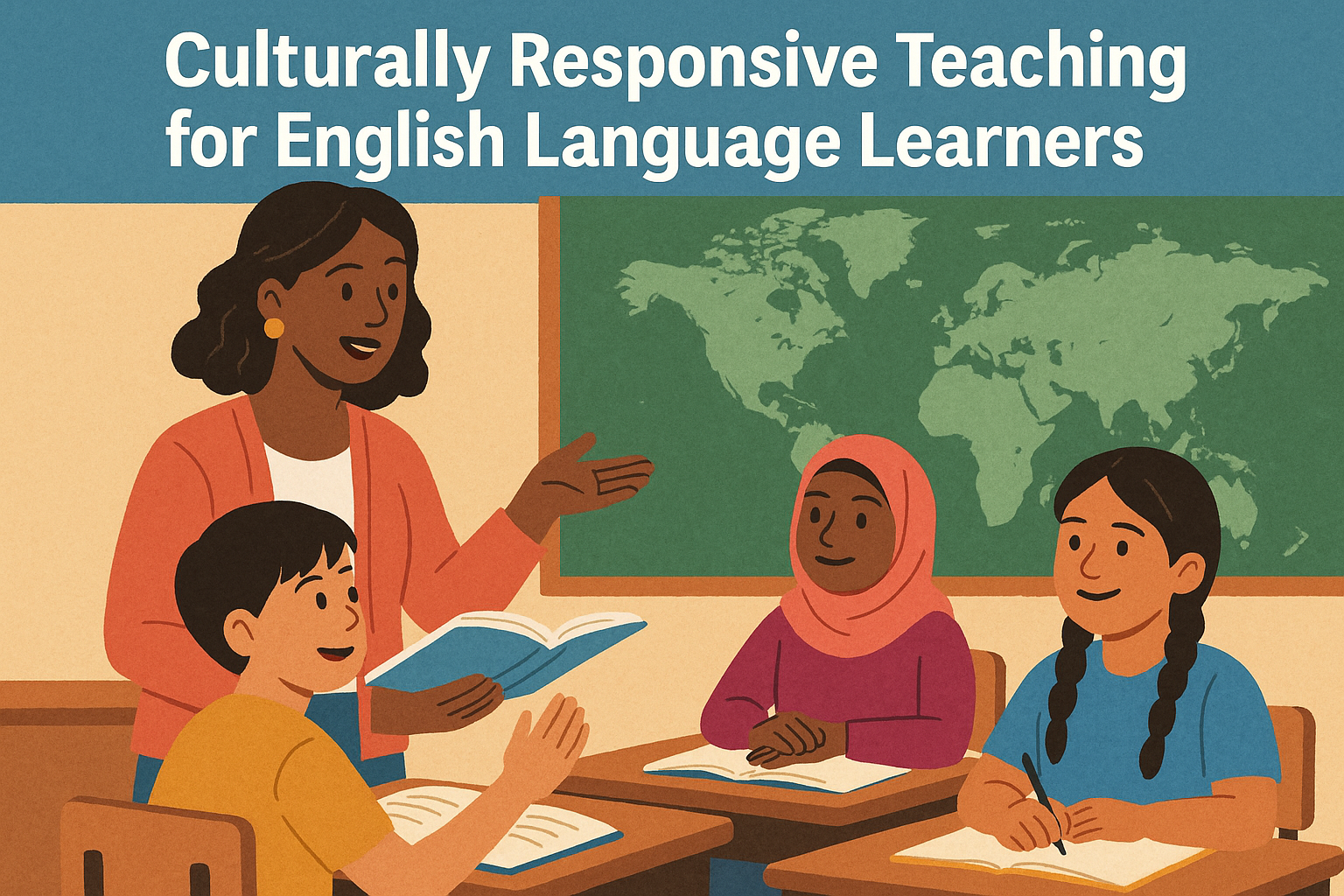
Culturally responsive teaching (CRT) has emerged as a vital pedagogical approach, especially for educators working with English Language Learners (ELLs). As classrooms become increasingly multicultural, the need for teaching methods that respect, acknowledge, and integrate students’ varied backgrounds is crucial. This article will explore the principles of CRT, its relevance for ELLs, and practical strategies for implementation in today’s diverse educational settings.
Understanding Culturally Responsive Teaching
At its core, culturally responsive teaching is about recognizing and valuing the cultural experiences that students bring to the classroom. Developed from theories of multicultural education, CRT aims to bridge the gap between home and school cultures, fostering an inclusive environment where all students can thrive academically and personally.
CRT is rooted in the understanding that culture significantly influences learning styles, communication, and engagement. By incorporating students’ cultural backgrounds into the curriculum, educators can create a more relatable and effective learning experience. Research has shown that when students see their identities reflected in their lessons, they are more likely to engage actively and succeed academically.
The Importance of Culturally Responsive Teaching for English Language Learners
The demographic landscape of many schools is evolving, with a considerable number of students speaking a language other than English at home. According to the National Center for Education Statistics, approximately 10% of public school students in the United States are ELLs. For these students, language acquisition goes hand-in-hand with cultural adaptation. Culturally responsive teaching offers a pathway for ELLs to feel validated and understood while learning a new language.
For ELLs, language is not just a tool for communication; it’s intertwined with cultural identity. A culturally responsive approach helps educators understand that language barriers can be lowered when students feel their cultural identities are acknowledged. This acknowledgment can lead to increased motivation, better participation, and improved language skills.
Key Principles of Culturally Responsive Teaching
To effectively implement CRT for ELLs, educators should consider several key principles:
- High Expectations: Educators must maintain high expectations for all students, including ELLs, believing in their potential to succeed regardless of their language proficiency.
- Cultural Awareness: Teachers should engage with their students’ cultures, becoming knowledgeable about the histories, values, and norms that shape their identities.
- Critical Consciousness: CRT encourages students to think critically about societal structures and inequalities, helping them understand their place in the world.
- Collaborative Learning: Group work and peer interactions can facilitate language development and cultural exchange, allowing students to learn from one another.
By integrating these principles, teachers can cultivate an environment that supports ELLs, helping them to feel valued and confident in their learning journey.
Practical Strategies for Implementing Culturally Responsive Teaching
Implementing culturally responsive teaching may seem daunting, but it can be achieved through practical strategies that educators can adopt in their classrooms:
1. Incorporate Diverse Materials
Using a variety of instructional materials that reflect the cultures of your students can make a significant difference. This includes literature, multimedia, and resources that represent different cultural perspectives. For ELLs, selecting texts that are relatable can facilitate discussions and enhance comprehension. (See: Culturally Responsive Teaching resources.)
2. Build Relationships
Taking time to develop relationships with students not only fosters trust but also enhances learning. Understanding each student’s background can help educators tailor their teaching methods to better meet individual needs. Regular check-ins and open communication channels can create a safe space for dialogue.
3. Encourage Storytelling
Encouraging students to share their stories and experiences can provide valuable insights into their lives and cultures. This practice not only validates their identities but also enriches the classroom community. Storytelling can be incorporated into lessons, allowing ELLs to practice their language skills in a supportive environment.
4. Use Scaffolding Techniques
For ELLs learning English, scaffolding is essential. This involves breaking down lessons into manageable parts and providing support as students navigate new concepts. Visual aids, graphic organizers, and language models can help students make connections and build language proficiency.
5. Foster a Growth Mindset
Encouraging a growth mindset can empower ELLs to embrace challenges and view setbacks as opportunities for growth. Reinforcing the idea that language acquisition is a gradual process will help students persist and feel less discouraged by initial difficulties.
6. Involve Families
Engaging with students’ families can strengthen the connection between home and school. Invitations to participate in school activities, bilingual communication, and cultural events can make families feel included and valued. Family involvement can also support language learning at home, reinforcing what is taught in the classroom.
Challenges in Implementing Culturally Responsive Teaching
While the benefits of culturally responsive teaching are clear, several challenges may arise when attempting to implement these strategies effectively. Understanding these obstacles can help educators prepare and adapt their approach:
- Teacher Training: Many educators may not receive adequate training on culturally responsive practices. Professional development opportunities focused on CRT can address this gap and equip teachers with the necessary tools.
- Resistance to Change: Some educators may feel threatened by new teaching methods, preferring traditional approaches. Building a culture of collaboration and open-mindedness among faculty can ease this transition.
- Overcoming Bias: Educators must confront their biases and assumptions about students’ capabilities. This self-awareness is an ongoing process that requires reflection and professional growth.
Overcoming these challenges is essential for creating a truly inclusive environment where ELLs can flourish.
The Current Relevance of Culturally Responsive Teaching
In today’s educational landscape, the significance of culturally responsive teaching is more pronounced than ever. With globalization and increased migration, classrooms are now microcosms of diverse cultures. Recognizing and embracing this diversity is crucial for fostering mutual respect and understanding among students.
Furthermore, the COVID-19 pandemic has exacerbated challenges faced by ELLs, including access to remote learning resources and social isolation. CRT can provide a framework for addressing the unique needs of these students, ensuring they are not left behind in the wake of educational disruptions.
As we move forward, educators have the opportunity to not only enhance academic outcomes for ELLs but also to equip them with the tools they need to thrive in a multicultural society. Culturally responsive teaching is not just a trend; it’s a necessary evolution in education that honors and uplifts the voices of all students. (See: Teaching strategies for diverse learners.)
A Call to Action for Educators
As an educator, you have the power to make a difference in the lives of your students. By adopting culturally responsive teaching strategies, you can help ELLs feel seen, heard, and valued in your classroom. Remember that it’s not just about teaching language; it’s about fostering a sense of belonging.
Begin by reflecting on your own cultural biases, seeking out professional development opportunities, and actively engaging with your students’ families. The journey toward culturally responsive teaching will require effort and commitment, but the rewards — for both you and your students — will be profound. Together, let’s create classrooms that not only educate but also empower all learners.
Examples of Culturally Responsive Teaching in Action
Seeing CRT principles in action can be inspiring and informative. Here are a few real-world examples of how teachers have successfully implemented CRT strategies:
Example 1: Multicultural Literature Circles
In a high school English class, a teacher created literature circles based on the cultural backgrounds of her students. Each group read novels that reflected their diverse experiences, such as works by authors from various ethnicities. This not only engaged students in meaningful discussions but also allowed them to explore their identities through literature.
Example 2: Community Projects
A middle school teacher partnered with local cultural organizations to create community projects that involved students in learning about their heritage. Students interviewed family members about their cultural traditions and shared their findings through presentations and art projects. This hands-on approach helped students connect their academic learning with their personal histories.
Example 3: Language Buddies
In an elementary school, a teacher implemented a ‘language buddies’ program where bilingual students partnered with ELLs to support language acquisition. These pairs worked together on assignments, allowing the ELLs to practice their English while learning more about their peer’s culture, fostering friendship and support.
Statistics on Culturally Responsive Teaching and Its Impact
Research has shown that implementing culturally responsive teaching can have a positive impact on student outcomes. Here are a few key statistics:
- Students who engage in culturally relevant pedagogy are 30% more likely to report higher levels of motivation and engagement in school.
- ELL students who feel their cultural identity is valued are 50% more likely to participate in classroom discussions.
- Schools that prioritize culturally responsive teaching demonstrate a 20% decrease in dropout rates among ELLs due to improved academic performance and emotional well-being.
Frequently Asked Questions about Culturally Responsive Teaching
1. What is the main goal of culturally responsive teaching?
The main goal of culturally responsive teaching is to create an inclusive learning environment that acknowledges and incorporates students’ cultural backgrounds, ensuring that all students feel valued and engaged in their education.
2. How can teachers get started with culturally responsive teaching?
Teachers can start by reflecting on their own cultural biases, learning about their students’ backgrounds, incorporating diverse materials into their lessons, and establishing strong relationships with students and their families.
3. What are some common misconceptions about culturally responsive teaching?
A common misconception is that CRT only benefits minority or ELL students. In reality, CRT enhances learning for all students by fostering a richer and more diverse educational experience.
4. Can culturally responsive teaching be integrated into all subjects?
Absolutely! Culturally responsive teaching can be integrated into any subject area, from math to science to literature. The key is to find ways to connect the content to students’ cultural contexts and experiences.
5. How does culturally responsive teaching impact student achievement?
Research indicates that CRT can lead to improved academic performance, increased engagement, and higher graduation rates among students, particularly those from diverse cultural backgrounds.
What Teachers Can Do to Enhance Their Culturally Responsive Practice
Improving your culturally responsive teaching practice can be an ongoing journey. Here are some actionable steps you can take:
- Attend Workshops: Look for professional development opportunities that focus on CRT. Workshops can offer strategies, resources, and a supportive community of educators.
- Utilize Technology: Use online resources to discover diverse educational materials. Websites that specialize in multicultural education can provide lesson plans and resources tailored for CRT.
- Reflect on Your Practice: Regularly assess your teaching methods and student interactions. Consider keeping a journal to track what strategies work and what might need adjustment.
- Seek Feedback: Collaborate with colleagues to share experiences and teaching strategies. Peer observations can also provide insights into effective culturally responsive practices.
The Long-Term Benefits of Culturally Responsive Teaching
Investing in culturally responsive teaching not only benefits ELLs but also enriches the educational experience for all students. Some long-term benefits include:
- Increased Cultural Competence: As students learn about each other’s cultures, they develop empathy and understanding, which are crucial skills for navigating an increasingly globalized world.
- Better Academic Outcomes: Schools that implement CRT report improvements in test scores, attendance, and graduation rates across diverse student populations.
- Community Engagement: Culturally responsive teaching fosters connections with families and communities, creating a support network that extends beyond the classroom.
Conclusion: The Future of Culturally Responsive Teaching
The future of education lies in our ability to adapt to the needs of a diverse student population. As we embrace culturally responsive teaching, we not only enhance the academic experiences of our students but also cultivate empathy and understanding in our classrooms. By continuing to develop and implement CRT strategies, educators can ensure that all learners are empowered to succeed in an increasingly interconnected world.
“`
Trending Now
Frequently Asked Questions
What is culturally responsive teaching?
Culturally responsive teaching (CRT) is an educational approach that recognizes and values the diverse cultural backgrounds of students. It aims to create an inclusive environment by integrating students' cultural experiences into the curriculum, which enhances engagement and academic success.
Why is culturally responsive teaching important for English language learners?
Culturally responsive teaching is crucial for English Language Learners (ELLs) as it helps them feel validated and understood while navigating language acquisition. By relating lessons to their cultural identities, ELLs can engage more effectively and succeed academically.
How can teachers implement culturally responsive teaching?
Teachers can implement culturally responsive teaching by incorporating diverse cultural perspectives into lesson plans, using culturally relevant materials, and fostering an inclusive classroom environment that celebrates students' backgrounds and experiences.
What are the benefits of culturally responsive teaching?
The benefits of culturally responsive teaching include improved student engagement, higher academic achievement, and a more inclusive classroom atmosphere. It helps students feel valued and connected to their learning, which is especially important for ELLs.
How does culture influence learning styles?
Culture significantly influences learning styles, communication, and engagement. Culturally responsive teaching acknowledges these differences, allowing educators to tailor their instruction to meet the diverse needs of students, leading to more effective learning experiences.
Have you experienced this yourself? We’d love to hear your story in the comments.