

The concept of ‘learning styles’ has long been a topic of intense debate among educators and researchers. Some argue that tailoring instruction to students’ preferred learning styles leads to improved learning outcomes, while others contend that there is limited evidence supporting this claim. So, is the idea of a teaching elixir based on matching learning styles a real solution, or should we focus on finding the best-fit pedagogy? Let’s delve deeper into this intriguing question.
Understanding Learning Styles
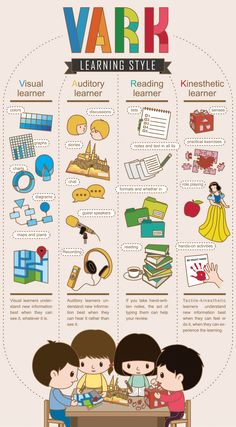
The concept of learning styles first emerged in the 1970s when researchers began identifying different ways in which people tend to process information. The most popular model, known as VARK, classifies learners into four categories: visual, auditory, reading/writing, and kinesthetic. Proponents of the learning styles theory claim that individuals learn best when content is presented in their preferred style.
Challenges and Critiques
Several critiques have been directed at the learning styles theory over the past few decades. The foremost criticism is centered around the lack of empirical research supporting its efficacy. Numerous studies have failed to demonstrate any considerable improvement in learning outcomes when students are taught in their preferred style relative to others.
Additionally, categorizing students into specific learning styles can be limiting and may foster an inflexible mindset towards learning. Critics argue that labeling a student as primarily one type of learner could prevent them from developing skills in other areas.
Best-Fit Pedagogy: A More Promising Approach
Given the scant evidence supporting learning styles and its potential drawbacks, it seems prudent for educators to look beyond this concept and focus on developing a more comprehensive understanding of effective teaching practices.
Research highlights several key factors that contribute to successful teaching:
1. Active engagement: Encouraging students to actively participate in the learning process has consistently been shown to improve retention and understanding of information.
2. Formative assessment and feedback: Providing timely feedback and assessing students’ progress throughout the learning process helps to identify areas where they may be struggling and enables educators to adjust their instruction accordingly.
3. Differentiation: Recognizing that students come with diverse backgrounds, abilities, and needs, and adapting instruction to cater to this diversity proves successful in supporting higher learning outcomes.
4. Metacognitive strategies: Teaching students how to regulate their own learning and think about their thinking can have a significant impact on their academic success.
A Call for Flexibility
In conclusion, while the concept of learning styles might be alluring as a teaching elixir, it fails to deliver the expected results. Instead of trying to cater to individual preferences, educators should consider adopting best-fit pedagogical approaches that emphasize active engagement, formative assessment, differentiation, and metacognitive strategies. By doing so, they can create more inclusive and effective learning environments that are better suited to prepare students for success in an ever-changing world.






