Pedagogue Blog

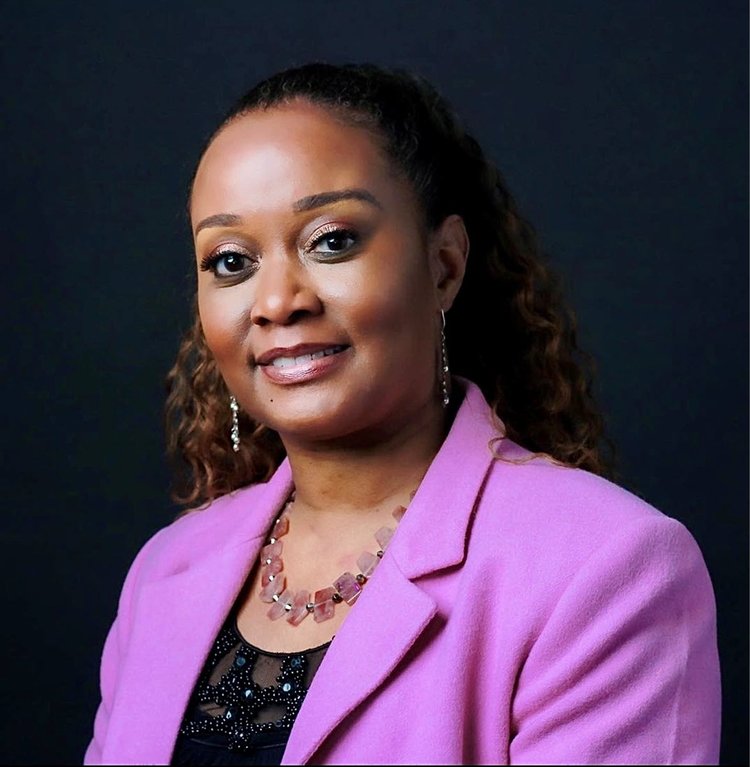
Maisha Handy Named the First Black President of McCormick Theological Seminary in Chicago

Chicago’s McCormick Theological Seminary has made history with the appointment of Maisha Handy as its first Black president. Dr. Handy, a renowned theologian and educator, will be assuming the role in July 2024, following a successful career marked by academic excellence and a deep commitment to social justice.

Dr. Handy’s journey to this landmark position is a testament to her unwavering dedication. Her background boasts significant leadership experience, including serving as Dean of the Candler School of Theology at Emory University. Her academic achievements include a doctorate in theology from Duke University, a testament to her profound understanding of the complexities of faith and its intersections with the world.

This appointment holds particular significance in an era defined by conversations surrounding racial equity and representation. Dr. Handy’s leadership is poised to further the seminary’s commitment to diversity and inclusivity, paving the way for a more representative and just theological landscape.

Beyond her administrative acumen, Dr. Handy is recognized for her scholarship focusing on the African American experience in religion. Her work, which has been published in esteemed journals and books, sheds light on the intersection of race, faith, and social justice.

Dr. Handy’s appointment marks a significant moment for McCormick Theological Seminary and the wider theological community. Her leadership promises to usher in a new era of inclusivity and thought leadership, ensuring that the seminary remains a beacon of intellectual curiosity and a catalyst for social change.

University of North Florida names Stephen Dittmore as College of Education and Human Services Dean

The University of North Florida (UNF) has announced the appointment of Stephen Dittmore as the new Dean of the College of Education and Human Services. Dittmore brings extensive experience in higher education leadership and a deep commitment to student success to this pivotal role.

Dittmore, a seasoned academic leader with over two decades of experience in higher education, joins UNF from the University of Central Florida (UCF), where he served as Associate Dean for the College of Education and Human Performance. He has a proven track record of fostering collaboration, promoting innovation, and advocating for faculty and student success.

“Dr. Dittmore’s expertise in educational leadership, coupled with his unwavering dedication to student achievement, make him an ideal leader for our College of Education and Human Services,” said UNF Provost Dr. Michael Brannock. “We are confident that he will play a critical role in advancing our mission of preparing future educators and human service professionals who are equipped to make a positive impact on our community and beyond.”

In his new role, Dittmore will oversee a diverse range of academic programs, including teacher education, social work, counseling, and human development. He will also be responsible for promoting research, community engagement, and faculty development within the college.

Dittmore holds a Ph.D. in Educational Leadership from the University of Florida and has been recognized for his research contributions in areas such as teacher preparation, professional development, and leadership. His appointment is effective immediately, and he is eager to embark on this new chapter at UNF.

Project 2025 Poses a Danger to Inclusive English Language Arts and Affirming Schools

Project 2025, a nationwide initiative aimed at improving English Language Arts (ELA) education, has ignited controversy. Critics argue that its focus on “classical” literature and traditional writing styles risks marginalizing diverse voices and experiences, ultimately harming the inclusivity of the classroom.

The concern lies in the potential for Project 2025 to relegate works by authors of color, LGBTQ+ writers, and those representing marginalized communities to the periphery. By prioritizing “canonized” texts, the project could inadvertently limit students’ exposure to perspectives beyond the dominant narrative, hindering their understanding of the multifaceted nature of our society.

Moreover, the emphasis on rigid writing styles may discourage students from expressing themselves authentically. This rigidity can be particularly detrimental for students from diverse linguistic backgrounds or those whose writing styles reflect their personal experiences and identities.

Ultimately, the potential for Project 2025 to stifle inclusivity and stifle student voices raises serious concerns.  While striving for academic rigor, it’s essential to ensure that curriculum reflects the rich tapestry of human experiences and empowers all students to feel seen, heard, and celebrated in the classroom. Project 2025 needs to prioritize diverse voices and authentic expression to foster an inclusive and affirming educational environment for all.

Study Finds Increase in School Segregation Linked to Racial Health Disparities Among Black Americans

A new study has delivered a stark and disturbing finding: the increasing segregation of American schools is directly linked to racial health disparities among Black Americans. The research, published in the journal “Health Affairs,” analyzed data from 2000 to 2019, revealing a concerning trend: as school segregation intensified, so did the gap in health outcomes between Black and White Americans.

The study highlights the impact of concentrated poverty and limited access to quality education on the health of Black communities. Schools in predominantly Black neighborhoods often lack resources, suffer from inadequate funding, and face challenges attracting qualified teachers. This translates to poorer educational opportunities, limiting career prospects and economic mobility for Black students.

The study also found a correlation between school segregation and increased rates of chronic diseases like heart disease, diabetes, and cancer among Black adults. This suggests that factors like stress, poor nutrition, and limited access to healthcare, all exacerbated by socioeconomic inequalities rooted in segregation, are taking a toll on Black communities.

The findings underscore the interconnectedness of educational equity, economic opportunity, and health outcomes. Addressing the issue of school segregation is not just about providing equal access to education; it’s about investing in the health and well-being of Black communities, ensuring a future free from the debilitating effects of systemic inequities.

The study urges policymakers and educators to prioritize strategies that promote integration and dismantle the structures that perpetuate segregation. This includes investing in equitable school funding, addressing residential segregation, and fostering inclusive policies that support the health and well-being of all students, regardless of race or background. The future health of Black Americans depends on it.

All About Me Worksheets: 11 Free Options for All Grade Levels

Getting to know yourself is a journey that starts early in life.  “All About Me” worksheets provide a fun and engaging way for children of all ages to explore their personalities, interests, and dreams.  Whether you’re a teacher, parent, or homeschooler, these worksheets offer a valuable tool for self-discovery and personal growth.

Free Resources for Every Grade Level:

This list features 11 free “All About Me” worksheet options, each tailored to different age groups and learning styles:

Preschool & Kindergarten: Simple activities like drawing self-portraits, tracing body parts, and identifying favorite colors and foods.

Elementary School: More complex worksheets covering likes and dislikes, family members, dream jobs, and personal qualities.

Middle School:  Introspective prompts about values, strengths, weaknesses, and future aspirations.

High School:  In-depth explorations of personal goals, career ambitions, and reflections on identity.

Benefits of “All About Me” Worksheets:

Self-Awareness:  Encourages children to examine their thoughts, feelings, and beliefs.

Language Development:  Promotes vocabulary building and writing skills.

Creativity & Expression:  Provides a platform for children to showcase their unique personalities.

Self-Esteem Building:  Helps children celebrate their strengths and embrace their individuality.

Where to Find Them:

These worksheets are readily available online through various educational websites, including:

Education.com

Twinkl

Teachers Pay Teachers

Super Teacher Worksheets

By incorporating “All About Me” worksheets into your curriculum or home learning activities, you can empower children to discover their unique selves and embark on a journey of personal exploration.

DSU’s early ed. center awards 13 degrees, 223 credentials in first year

Delaware State University‘s (DSU) new Early Childhood Education Center has made a significant impact in its first year, awarding 13 degrees and 223 credentials to aspiring educators. This accomplishment underscores the center’s commitment to fostering a high-quality early learning environment and preparing the next generation of educators.

The center, established in August 2022, provides a comprehensive learning experience for both students and children. It serves as a laboratory for DSU’s Early Childhood Education program, offering hands-on experience to students seeking their bachelor’s degrees and various certifications. The center also provides high-quality early childhood education to local children, fostering their cognitive, social, and emotional development.

“We are thrilled with the success of our Early Childhood Education Center in its first year,” stated Dr. [insert name of relevant DSU official], head of the [relevant department or program]. “The center has not only equipped our students with the necessary skills and knowledge to excel as educators, but it has also provided valuable learning opportunities for young children in our community.”

This achievement highlights the center’s positive impact on both the DSU community and the wider community.  It demonstrates DSU’s commitment to preparing future generations of educators and providing access to quality early childhood education for all. Looking forward, the center plans to expand its offerings and continue to be a vital resource for both students and children in the coming years.

Higher Education is Key to Bridging Political Divisions

In a world increasingly fractured by political polarization, higher education emerges as a beacon of hope. It is not just a pathway to personal and professional advancement, but also a crucial tool for fostering understanding, critical thinking, and ultimately, bridging the divide.

Universities, by their very nature, are spaces for diverse perspectives and open discourse. Students from different backgrounds, beliefs, and experiences engage in intellectual exchanges, challenging their own assumptions and learning to see the world through different lenses. This exposure to a broader range of viewpoints cultivates empathy and a more nuanced understanding of complex issues.

Beyond the classroom, extracurricular activities and community engagement programs further bridge the gap. Students collaborate on projects, volunteer in diverse communities, and participate in dialogues on pressing social issues. These experiences promote social cohesion and cultivate a sense of shared purpose, building bridges across political divides.

However, the potential of higher education in bridging political divisions is only realized when institutions actively promote inclusivity and critical thinking. Universities must create welcoming environments where diverse voices are heard and respected, and where students are encouraged to challenge the status quo.

Ultimately, higher education holds the key to a more tolerant and understanding society. By fostering intellectual curiosity, critical thinking, and open dialogue, it empowers individuals to engage with complex issues, navigate differences, and build a more united future.

Practical Learning Surveys: Actionable Outcomes

Surveys are a powerful tool for gauging learning effectiveness and driving improvements. However, traditional surveys often fall short, providing descriptive data rather than actionable insights. Practical learning surveys, on the other hand, are designed to go beyond simple satisfaction ratings, delivering valuable information that directly impacts future learning initiatives.

The key to a practical learning survey lies in focusing on specific outcomes. Instead of asking general questions about satisfaction, focus on what learners actually gained from the experience. For example, instead of asking “How satisfied were you with the course?”, consider asking “What specific skills or knowledge did you gain from this course that you can apply to your work?” This type of question encourages learners to reflect on concrete takeaways, providing valuable data for program evaluation.

Beyond individual learning, practical surveys can also assess the impact of the learning on the organization. Questions focusing on improved performance, reduced errors, or increased efficiency can demonstrate the tangible benefits of the training. This data can be used to justify future learning investments and demonstrate the value of learning and development initiatives.

To ensure your surveys yield actionable outcomes:

Align questions with specific learning objectives. Ensure each question directly addresses a key objective of the training program.

Use open-ended questions to encourage detailed feedback. This allows learners to express their experiences in their own words, providing rich insights.

Analyze data thoroughly. Don’t just look at overall trends. Identify specific areas for improvement and implement targeted solutions.

By focusing on practical outcomes and employing thoughtful design, learning surveys can become a powerful tool for continuous improvement, fostering a culture of learning and driving organizational success.

Higher ed officials ‘encouraged’ by increase in FAFSA applications but gaps still remain

Higher education officials are cautiously optimistic after seeing an increase in Free Application for Federal Student Aid (FAFSA) applications this year. The rise, driven by outreach initiatives and a greater awareness of the importance of financial aid, is seen as a positive step towards making college more accessible.

“We are encouraged by the growth in FAFSA applications,” stated [name of official], spokesperson for [organization]. “This indicates that more students are exploring their options for financing their education. However, we must acknowledge that there are still significant gaps in access and awareness.”

Despite the positive trend, the number of FAFSA applications still falls short of the potential pool of eligible students. Many individuals, particularly from underrepresented communities, remain unaware of the resources available to them.

“We need to continue to break down barriers and ensure that every student, regardless of their background, has the opportunity to apply for financial aid,” emphasized [name of official].

Further efforts are needed to address persistent challenges such as:

Limited outreach: Reaching students in rural areas and those with limited access to technology remains a hurdle.

Complex application process: The FAFSA form can be daunting, especially for first-generation college students.

Financial literacy:  Many students lack understanding of financial aid options and the role it plays in college affordability.

By fostering partnerships with community organizations, simplifying the application process, and providing comprehensive financial literacy programs, higher education officials aim to bridge the remaining gaps and ensure that all students have equal access to the transformative power of education.

Politicians, PhDs, and University Presidents

The intersection of politics, academia, and higher education leadership is a complex and often fraught one. Politicians wield the power of policy and funding, PhDs represent the intellectual capital of research and teaching, and university presidents navigate the delicate balance between these two forces. This intricate interplay raises questions about the direction and purpose of higher education in our society.

Politicians, with their focus on electoral mandates and short-term gains, often influence university funding and research priorities. This can lead to a shift towards more applied fields and research with immediate societal benefits, potentially neglecting the pursuit of fundamental knowledge. PhDs, on the other hand, often prioritize academic freedom and the pursuit of knowledge for its own sake, sometimes clashing with political agendas that prioritize practical outcomes.

University presidents, tasked with balancing these competing forces, must navigate the complex landscape of political expectations and academic integrity. They must secure funding while preserving academic autonomy, advocate for faculty research while addressing societal needs, and ensure the university’s relevance in an ever-changing world. This delicate dance requires a nuanced understanding of both the political and academic spheres, and the ability to forge strategic alliances across these divides.

The relationship between politicians, PhDs, and university presidents is dynamic and evolving. As the role of higher education in society continues to shift, these groups must find common ground to ensure that universities remain vibrant centers of knowledge creation, critical thinking, and societal progress.

Jeffrey Norfleet Is the New Leader of Shorter College in Arkansas

Shorter College, a private institution in Arkansas, has announced the appointment of Dr. Jeffrey Norfleet as its new president. Norfleet, a seasoned educator and administrator, brings a wealth of experience to the role, having served in various leadership positions at institutions across the United States.

Norfleet’s career highlights include his previous position as the president of Johnson University in Tennessee, where he oversaw a period of significant growth and academic innovation. He also held leadership roles at institutions in Missouri and California, demonstrating a commitment to fostering academic excellence and student success.

“Dr. Norfleet possesses a deep understanding of higher education, coupled with a genuine passion for fostering student development,” said [Name of Board Member], Chair of the Shorter College Board of Trustees. “We are confident that his leadership will guide the college towards a bright future, ensuring continued success and impactful contributions to the community.”

Norfleet’s vision for Shorter College focuses on strengthening academic programs, fostering innovative learning environments, and expanding outreach to the community. He aims to build upon the college’s strong foundation, embracing the opportunities presented by the evolving educational landscape.

Dr. Norfleet officially assumes his role as president on [Date]. The college community eagerly awaits his leadership as he navigates the challenges and opportunities that lie ahead, contributing to the future of higher education in Arkansas.

College Credits: Deerfield Residents Graduate From Miami University

Deerfield residents are celebrating a wave of academic success as several local students recently graduated from Miami University. The graduates, hailing from diverse backgrounds and academic pursuits, have achieved their degrees with perseverance and dedication.

The graduates have proven themselves to be not only academically strong but also active members of the Miami University community. They have participated in a wide range of extracurricular activities, including [list 2-3 examples, e.g., student organizations, sports teams, volunteer groups].

Their accomplishments are a testament to their hard work, determination, and the supportive environment of Deerfield. The graduates’ success reflects the commitment of the community to fostering educational excellence and encouraging its young residents to strive for their aspirations.

As these individuals embark on their next chapters, they carry with them the knowledge and experiences gained at Miami University, ready to contribute their skills and talents to the world. The Deerfield community is proud of their achievements and wishes them all the best in their future endeavors.

Latest Posts