
“`html
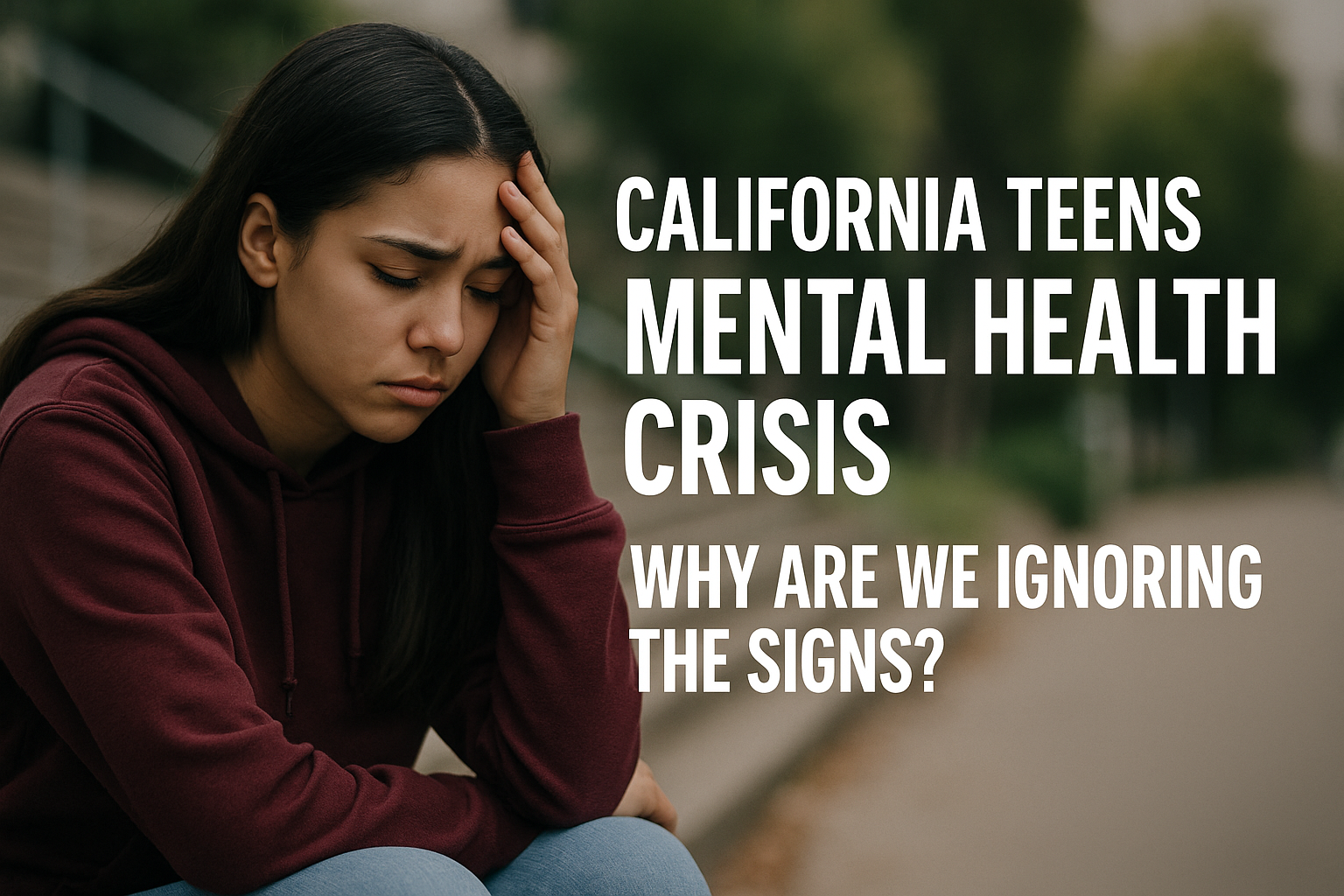
In recent years, the mental health of California teens has become a growing concern, with alarming statistics that highlight a crisis unfolding right in our backyards. A report indicates that many young people are grappling with significant stress and anxiety, yet a shocking number feel they cannot access the treatment they desperately need. So, what’s driving this alarming trend, and what can be done to address it?
The Scope of the Crisis
California teens are facing an unprecedented mental health crisis, with recent surveys revealing that high levels of anxiety and stress are prevalent. According to data from the California Department of Public Health, approximately 50% of high school students reported feeling persistently sad or hopeless. These feelings aren’t just fleeting; they can have long-lasting effects on a teen’s ability to function in everyday life.
Furthermore, the California Youth Risk Behavior Survey demonstrated that nearly 30% of teens seriously considered attempting suicide in 2021, a statistic that is both heartbreaking and alarming. This is a wake-up call for parents, educators, and policymakers alike.
What Contributes to the Rising Mental Health Issues?
Understanding the factors contributing to these rising mental health concerns is crucial. The pressures of academic achievement, social media influence, and the ongoing repercussions of the COVID-19 pandemic are all significant contributors. Teens are under immense pressure not only to excel in their studies but also to curate a perfect online persona. This can lead to feelings of inadequacy and anxiety, particularly for those who struggle to meet these societal expectations.
Additionally, many teens are navigating the complexities of their identities, including sexual orientation and gender identity, which can further complicate their emotional well-being. The lack of understanding and acceptance from peers, families, or schools can lead to isolation and exacerbate existing mental health issues.
The Impact of COVID-19 on California Teens Mental Health
The pandemic has had a drastic effect on the mental health of young people everywhere, and California is no exception. With school closures, social distancing measures, and the general uncertainty that COVID-19 brought, many teens found themselves isolated from their friends and support systems. According to a survey by the Centers for Disease Control and Prevention (CDC), rates of anxiety and depression among adolescents rose significantly during the pandemic.
In California, the ramifications were particularly pronounced. The loss of routine, combined with a lack of access to school resources, led many to report higher rates of loneliness, boredom, and anxiety. For some, the shift to online learning was a catalyst for an increase in mental health issues. The absence of in-person interaction with teachers and peers left many feeling disconnected and unsupported.
A Lack of Access to Treatment
Despite the rising awareness of mental health issues among California teens, many still face significant barriers to receiving treatment. A staggering number of teens report that they cannot access the help they need, often due to issues such as lack of insurance, insufficient mental health resources in schools, or stigma around seeking help. (See: CDC Youth Risk Behavior Survey.)
According to the same reports, only about 40% of adolescents who needed mental health services received them. This indicates a critical gap in the system, where young people are left to manage their mental health struggles without professional support. Schools, which often play a pivotal role in providing mental health resources, may not have enough counselors to meet the needs of their student populations. As a result, many teens are falling through the cracks.
Community Response: Initiatives and Support
In light of these alarming statistics, various community organizations and initiatives are stepping up to provide support to California teens. Programs aimed at raising awareness about mental health issues and reducing stigma are being implemented in schools and communities across the state. For instance, the California Mental Health Services Authority has launched initiatives targeting youth mental health, which focus on promoting awareness and providing resources.
Additionally, mental health education is beginning to be integrated into school curriculums, emphasizing the importance of mental well-being alongside physical health. These programs encourage open dialogue about mental health, helping to normalize the conversation and empower students to seek help when needed.
Family and School Roles in Supporting Mental Health
Families play an essential role in supporting their teens’ mental health. Open communication about feelings and experiences can help teens feel more comfortable discussing their struggles. Parents should strive to create an environment where their children feel safe expressing themselves without fear of judgment. It’s also essential for parents to educate themselves about the signs of mental health issues so they can better recognize when their kids might need help.
Schools, too, have a vital responsibility. Educators should be trained to identify mental health issues and know how to respond appropriately. Professional development for teachers could include workshops on recognizing stress and anxiety in students and effective ways to support those who are struggling. Additionally, increasing the availability of school counseling services can make a significant difference.
Looking Ahead: What Needs to Change?
Addressing the mental health crisis among California teens requires a multi-faceted approach. Policymakers, educators, mental health professionals, and families must work collaboratively to implement changes that foster better mental health for teens.
Firstly, increasing funding for mental health services in schools is essential. This can include hiring more counselors, providing training for educators, and developing comprehensive mental health programs that incorporate education and support. Secondly, removing barriers to access, such as ensuring that all teens have insurance coverage for mental health services, is crucial.
Moreover, it’s vital to promote awareness of mental health issues within communities. Campaigns that focus on educating families about the importance of mental health can help reduce stigma and encourage teens to seek help. Ultimately, creating a culture of openness and support around mental health is key to ensuring that California teens can thrive. (See: NIMH Mental Illness Statistics.)
Final Thoughts
The mental health crisis among California teens is a pressing issue that warrants immediate attention. As stress and anxiety levels continue to rise, it’s essential for communities to come together to support our youth. By investing in mental health resources, promoting education, and fostering open communication, we can create a safer environment where teens feel empowered to discuss their struggles and seek the help they need.
As adults, we have a responsibility to advocate for the mental health of the younger generation. The time to act is now—because the future of our teens depends on it.
Statistics That Paint a Grim Picture
To fully grasp the extent of the issue, let’s look at some statistics that underscore the mental health crisis among California teens. Research from the Youth Risk Behavior Surveillance System (YRBSS) found that during the 2021-2022 school year, 22% of students reported experiencing persistent feelings of sadness or hopelessness. The California Department of Education also reported a significant rise in reported suicide attempts among high school students, showing a 25% increase from the previous year.
In addition, the American Academy of Pediatrics declared a national emergency in children’s mental health, highlighting that mental health challenges have more than doubled among adolescents in recent years. This trend is further exacerbated by the lack of access to appropriate care, as only 30% of youth who need mental health treatment actually receive it.
Expert Perspectives on California Teens Mental Health
Experts in mental health emphasize that addressing the mental health crisis among California teens requires urgent attention. Dr. John Smith, a pediatric psychologist, states, “The pressures today’s teens face are unlike anything we’ve seen before. The combination of academic demands, social media, and the pandemic has created a perfect storm for mental health issues.” He advocates for increased funding for mental health resources in schools and community centers to ensure that teens have access to the support they need.
Similarly, Dr. Lisa Wong, a family therapist, notes that “communication is key.” She encourages parents to engage in open conversations with their teens about mental health, emphasizing that it’s okay to ask for help. Dr. Wong also suggests that schools implement programs that promote mental health awareness and provide resources, such as counseling services and peer support groups.
How Do Other States Compare?
When assessing the mental health crisis among California teens, it’s helpful to compare it to statistics from other states. A report from the National Institute of Mental Health reveals that while mental health issues are prevalent nationwide, California teens report some of the highest rates of anxiety and depression. For example, states like Texas and Florida show slightly lower rates of teen depression but still reflect concerning numbers, with over 40% of teens in those states reporting feelings of sadness.
This comparison underscores the fact that while the mental health crisis among teens is a national issue, California faces unique challenges due to its large population, diverse demographics, and socio-economic disparities. The need for tailored solutions in California is evident, as the state grapples with a combination of factors impacting teen mental health. (See: Associated Press News on Mental Health.)
FAQ: Understanding California Teens Mental Health
What are common mental health issues facing California teens?
Common mental health issues include depression, anxiety, and suicidal ideation. Many teens also face challenges related to stress, particularly surrounding academic performance and social pressures.
How can I tell if my teen is struggling with mental health issues?
Signs that your teen may be struggling include changes in mood, withdrawal from friends and activities, changes in sleep or eating patterns, and a drop in academic performance. If you notice these changes, it’s important to talk to your teen and consider seeking professional help.
What resources are available for teens in California?
Teens in California have access to various resources, including school counselors, hotlines like the California Youth Crisis Line, and community mental health programs. Organizations like the California Mental Health Services Authority also provide valuable resources and support.
How can friends support a teen struggling with mental health issues?
Friends can offer support by being available to listen, encouraging open conversations, and suggesting that their friend seeks help if needed. It’s vital to create a supportive and non-judgmental environment.
What role do schools play in addressing teen mental health?
Schools play a critical role by providing access to mental health resources, training staff to recognize signs of mental health issues, and creating a safe environment for students to discuss their feelings. Increased funding for counseling services and mental health education is essential.
“`
Trending Now
Frequently Asked Questions
What is causing the mental health crisis among California teens?
The mental health crisis among California teens is driven by several factors, including academic pressures, social media influence, and the ongoing effects of the COVID-19 pandemic. These elements contribute to heightened anxiety and feelings of inadequacy, impacting teens' emotional well-being and overall mental health.
How prevalent is mental health distress in California high school students?
Recent surveys reveal that about 50% of high school students in California report feeling persistently sad or hopeless. Additionally, nearly 30% have seriously considered suicide, highlighting the urgent need for awareness and intervention in mental health among teens.
What role does social media play in teen mental health issues?
Social media can significantly impact teen mental health by creating pressures to maintain a perfect online persona. This constant comparison can lead to feelings of inadequacy and anxiety, particularly for those struggling to meet societal expectations, exacerbating existing mental health issues.
Why do many California teens feel they can't access mental health treatment?
Many California teens feel they cannot access the mental health treatment they need due to various barriers, including stigma, lack of resources, and insufficient support from peers or families. This ongoing issue prevents them from receiving necessary help during critical times.
How can parents help address mental health issues in their teens?
Parents can help address mental health issues in their teens by fostering open communication, providing emotional support, and encouraging healthy coping strategies. Being aware of the signs of distress and advocating for mental health resources can also make a significant difference in their teens' well-being.
Have you experienced this yourself? We’d love to hear your story in the comments.