Ask An Expert

2025 Ultimate Vehicle Rankings: Cars, Trucks, SUVs, and RVs in Every Class and Category

As we navigate through 2025, the automotive industry continues to evolve with innovative designs, advanced technologies, and improved performance across all vehicle segments. This comprehensive guide provides detailed rankings of the best vehicles in each category, helping you make informed decisions for your next purchase.

Cars: Sedans, Coupes, and Hatchbacks

Compact Cars

  1. 2025 Honda Civic (4.7/5) – The Civic continues its legacy of excellence with its 11th generation, offering remarkable value in the compact segment. For 2025, it’s available as both a sedan and hatchback, with a new hybrid option that combines efficiency with engaging driving dynamics.
  2. 2025 Hyundai Elantra (4.5/5) – The Elantra provides excellent technology features and value, with both standard and performance-oriented N variants available.
  3. Subaru Impreza (4.3/5) – With standard all-wheel drive and practical hatchback design, the Impreza continues to offer exceptional value for those needing all-weather capability.

Mid-Size Cars

  1. 2025 Honda Accord (4.8/5) – The Accord remains the benchmark for mid-size sedans, earning top honors for its blend of practicality, driving dynamics, and overall quality. The hybrid model offers impressive fuel economy without sacrificing performance.
  2. 2025 Toyota Camry (4.7/5) – Fully redesigned for 2025, the new Camry delivers exceptional reliability with more dynamic styling and improved interior quality.
  3. Hyundai Sonata (4.4/5) – The Sonata continues to impress with distinctive styling, tech-forward features, and excellent value.

Full-Size Cars

  1. 2025 Dodge Charger (4.7/5) – The all-new Charger generation marks a significant evolution, now available with both two-door and four-door configurations and a range of powertrains, including electric options.
  2. Toyota Avalon (4.5/5) – The Avalon continues to deliver a near-luxury experience with exceptional reliability and comfort.

Sports Cars

  1. Mazda MX-5 Miata (4.8/5) – The Miata remains the quintessential lightweight sports car, offering pure driving pleasure at an attainable price point.
  2. 2025 Chevrolet Corvette (4.7/5) – The mid-engine Corvette continues to impress, offering supercar performance at a fraction of the price. The 2025 model refines the formula with improved interior quality and new technology.
  3. Subaru BRZ/Toyota GR86 (4.6/5) – These twin sports coupes return to the 10Best list for the fourth consecutive year, providing engaging rear-wheel-drive handling dynamics with surprising practicality.

Luxury Sports Sedans

  1. Cadillac CT4-V Blackwing (4.8/5) – The compact Blackwing retains its position as the premier sports sedan in its class, offering exceptional handling dynamics that outshine rivals from BMW and Alfa Romeo.
  2. Cadillac CT5-V Blackwing (4.7/5) – The larger Blackwing model stands alone as the only V8-powered, manual-transmission, rear-wheel-drive sports sedan, making it a driver’s dream come true.
  3. Tesla Model 3 Long Range (4.6/5) – The refreshed Model 3 earns a spot on the 10Best list with comprehensive improvements including increased battery capacity, more power, and enhanced interior comfort.

Luxury Cars

  1. Mercedes-Benz E450 (4.8/5) – The E450 excels at the luxury sedan’s primary mission: delivering occupants to their destination feeling better than when they departed, wrapped in elegant comfort.
  2. Lucid Air (4.7/5) – The Lucid Air combines impressive electric range (over 400 miles) with exceptional luxury appointments, making it one of the best EVs available in both Pure and Touring trims.

Trucks: From Compact to Heavy Duty

Compact/Small Trucks

  1. 2025 Ford Maverick (4.5/5) – The Maverick continues to impress with its combination of practicality, efficiency (especially in hybrid form), and affordability. It’s the perfect pickup for those who want truck utility without the bulk.
  2. 2025 Hyundai Santa Cruz (4.4/5) – Blending SUV comfort with pickup practicality, the Santa Cruz offers premium features and distinctive styling. While pricier than the Maverick, it justifies the cost with its upscale interior and features.

Mid-Size Trucks

  1. 2025 Toyota Tacoma (4.8/5) – The new generation Tacoma sets the standard in the midsize segment, offering impressive capabilities, refined driving manners, and a hybrid option for improved efficiency.
  2. 2025 Ford Ranger (4.6/5) – The redesigned Ranger combines a high-quality cabin with impressive towing capacity and payload ratings. The Raptor variant adds serious off-road capabilities.
  3. 2025 Chevrolet Colorado (4.5/5) – The Colorado offers excellent value with a wide range of configurations and capable off-road variants.

Full-Size Trucks

  1. 2025 Ram 1500 (9.0/10) – The Ram 1500 earns MotorTrend’s Truck of the Year honors with its bold move to replace V8 engines with more powerful and efficient Hurricane inline-six engines. With outputs ranging from 420 hp in the Standard Output to 540 hp in the High Output variant, these new powertrains exceed the capability of the V8s they replace.
  2. 2025 Ford F-150 (8.9/10) – America’s best-selling truck continues to innovate with a range of powertrains, advanced tech features, and exceptional towing capabilities. The F-150 offers impressive towing features and technologies designed to appeal to a wide range of buyers.
  3. 2025 Chevrolet Silverado 1500 (8.5/10) – The Silverado maintains strong performance with powerful engine options and advanced towing technologies.

Electric Trucks

  1. Rivian R1T (4.8/5) – The R1T combines exceptional performance, versatility, and capability in an all-electric package. With multiple electric motors producing sports car-level acceleration and 11,000-pound towing capacity, it’s redefining what trucks can be.
  2. Ford F-150 Lightning (4.7/5) – The all-electric F-150 continues to impress with its combination of traditional truck capabilities and EV advantages, including the innovative frunk storage space and power export features.
  3. Chevrolet Silverado EV (4.5/5) – GM’s electric truck offers impressive range and innovative features like the Multi-Flex Midgate that expands cargo capabilities.

Heavy Duty Trucks

  1. Ram 2500 (4.8/5) – The Ram Heavy Duty line offers exceptional capabilities with a more refined driving experience than most competitors.
  2. Ford Super Duty (4.7/5) – The Super Duty series delivers massive towing capabilities with advanced driver assistance features designed specifically for hauling.

SUVs: From Subcompact to Full-Size Luxury

Subcompact SUVs

  1. 2025 Hyundai Kona (8.7/10) – The redesigned Kona offers stylish design, solid performance, and impressive technology features at a competitive price point.
  2. 2025 Chevrolet Trailblazer (8.0/10) – Chevy’s entry in the extra-small SUV category excels with its balance of functionality, technology, and value.
  3. 2025 Mazda CX-30 (7.9/10) – The CX-30 blends upscale design with engaging driving dynamics that outshine most competitors in this price range.

Compact SUVs

  1. 2025 Nissan Rogue (8.9/10) – The Rogue earns top marks for its combination of practicality, refined interior, and value proposition. The Rock Creek Edition adds off-road-inspired styling and capability.
  2. 2025 Toyota RAV4 Hybrid (9.0/10) – The RAV4 Hybrid combines efficiency with practicality, making it the top choice in the small hybrid SUV segment.
  3. Mazda CX-5 (8.6/10) – The CX-5 continues to offer a premium feel at a mainstream price, with engaging driving dynamics and upscale design.

Mid-Size SUVs

  1. 2025 Subaru Outback (8.8/10) – The Outback blends car-like driving dynamics with SUV practicality and go-anywhere capability, making it the top mid-size crossover.
  2. 2025 Jeep Grand Cherokee (8.7/10) – The Grand Cherokee offers exceptional off-road capabilities without sacrificing on-road comfort and luxury.
  3. 2025 Mazda CX-70 (8.7/10) – The new CX-70 impresses with premium design, refined driving dynamics, and available hybrid powertrains.

3-Row Mid-Size SUVs

  1. Kia Telluride (4.8/5) – The Telluride maintains its position as the benchmark for three-row crossovers with its combination of space, features, and value.
  2. Hyundai Palisade (4.7/5) – The Palisade offers similar virtues to its Kia cousin, with a slightly more luxurious approach to design and features.
  3. Toyota Highlander (4.6/5) – The Highlander balances reliability, efficiency (especially in hybrid form), and practicality for families.

Full-Size SUVs

  1. Ford Expedition (4.7/5) – The Expedition offers exceptional space, towing capability, and comfort for large families.
  2. Chevrolet Tahoe/Suburban (4.6/5) – GM’s full-size SUVs provide massive interior space with improved driving dynamics over previous generations.
  3. 2025 GMC Yukon (4.5/5) – The Yukon offers a more premium take on the full-size SUV formula with distinctive design and upscale features.

Luxury Compact SUVs

  1. BMW X3 (4.7/5) – The X3 blends performance and luxury in a right-sized package with exceptional driving dynamics.
  2. Mercedes-Benz GLC (4.6/5) – The GLC emphasizes luxury and technology in a refined, comfortable package.

Luxury Mid-Size and Full-Size SUVs

  1. BMW X5 (4.8/5) – The X5 offers an exceptional blend of performance, luxury, and practicality with available third-row seating.
  2. Mercedes-Benz GLE (4.7/5) – The GLE prioritizes comfort and technology with impressive interior appointments.
  3. Cadillac Escalade (4.6/5) – The Escalade delivers bold American luxury with impressive technology, including the curved OLED display and available Super Cruise hands-free driving.

Electric Vehicles: Leading the Charge

Electric Cars

  1. 2025 Tesla Model 3 Long Range (8.2/10) – The updated Model 3 offers an impressive combination of performance, comfort, and range. Edmunds’ real-world range testing confirmed 338 miles of range, along with improved ride comfort and new features like ventilated seats.
  2. 2025 Hyundai IONIQ 6 (8.1/10) – With its distinctive aerodynamic design and up to 303 miles of range, the IONIQ 6 combines efficiency with engaging driving dynamics.
  3. 2025 Lucid Air – Leading the pack in terms of range, the Air offers up to 516 miles on a single charge, setting a new benchmark for electric sedan capability.

Electric SUVs

  1. 2025 Hyundai IONIQ 5 (4.7/5) – Topping KBB’s list of best electric SUVs, the IONIQ 5 combines distinctive styling with impressive range and fast-charging capabilities. Starting at $43,975, it delivers excellent value in the electric SUV segment.
  2. Chevrolet Equinox EV (8.2/10) – The Equinox EV is the value leader among electric SUVs, offering exceptional range (356 miles) at a relatively affordable starting price of $33,600. This well-rounded SUV makes an excellent entry point into EV ownership.
  3. 2025 Kia EV9 – This three-row electric SUV offers family-friendly space with impressive range and technology features.

Electric Trucks

  1. 2025 Rivian R1T (8.4/10) – The R1T combines exceptional performance from its four electric motors with genuine truck capability, including an 11,000-pound towing capacity. Its adventure-focused design includes innovative storage solutions like the gear tunnel.
  2. 2025 Ford F-150 Lightning (8.4/10) – The electric version of America’s best-selling truck brings familiar F-150 utility with the advantages of electric power, including the massive front trunk and ability to power tools and even homes.

Luxury Electric Vehicles

  1. 2025 BMW iX xDrive50 (8.4/10) – The iX combines spacious comfort with surprising efficiency and agility for its size. With 377 miles of range in Edmunds’ testing, it’s one of the longest-range luxury EVs available.
  2. 2025 Genesis Electrified GV70 (8.4/10) – The electric version of Genesis’ popular GV70 maintains all the luxury and refinement of the gas model while adding electric performance benefits.

RVs and Motorhomes: Home on the Road

Travel Trailers

  1. Grand Design Transcend 265BHT – This well-appointed travel trailer features a spacious bunkhouse, making it ideal for family adventures with thoughtful storage solutions and comfortable living spaces.
  2. Keystone Cougar Half-Ton 25FKD – Designed to be towable by half-ton trucks, this front-kitchen design offers excellent livability in a more compact package.
  3. Salem/Wildwood 32VERANDA – Featuring an innovative patio design, this travel trailer extends living space to the outdoors with thoughtful indoor/outdoor connectivity.

Fifth Wheels

  1. Forest River Wildcat 35FUN – This innovative floor plan features a rear bathroom with a second entry, providing independent access to the primary bedroom, along with a unique front bunk room that offers desk space – perfect for families.
  2. Keystone Montana High Country 397FB – Designed with families in mind, this fifth wheel features two bathrooms, a spacious primary bedroom, and a second bedroom with bunk beds. Built-in desks make it perfect for schooling on the road.
  3. Jayco Eagle HT 31QCD – With a large U-shaped dinette, spacious rear bunk room, and primary bedroom privacy, this fifth wheel accommodates families comfortably while maintaining a reasonable weight for towing.

Destination Trailers

  1. CrossRoads Hampton 395BAM – Designed for extended stays, this destination trailer offers residential-style amenities with thoughtful design for comfort during longer periods.
  2. Cedar Creek Cottage 41FWC – This destination-style fifth wheel features a clean, modern interior with convenient pull-out pantry cupboards and an accessible rear loft design.
  3. Wildwood Heritage Glen ROOST43 – With extensive sleeping capacity and luxury appointments, this fifth-wheel destination trailer is designed for those who want to travel with guests and invite more once they arrive.

Class A Motorhomes

  1. Tiffin Phaeton 44 OH – This luxurious Class A offers residential-style amenities including a king-size bed, 1.5 baths, a massive closet, and optional upgrades like a washer/dryer combo and dishwasher.
  2. Georgetown 5 Series 36F5 – Offering exceptional value in the Class A segment, this motorhome features thoughtful floor plans and quality construction.
  3. THOR Outlaw – One of the few Class A toy haulers on the market, the Outlaw combines a luxurious motorcoach with a 10’2″ rear garage for hauling UTVs or golf carts. The rear cargo ramp converts to a patio, extending the living space outdoors.

Class B Motorhomes (Camper Vans)

  1. Airstream Interstate 19X LE Outland Edition – This limited edition camper van (only 30 units produced) features a premium Sony sound system and colorful LED lighting for a unique camping experience.
  2. Westfalia Wave Pop-Top – The return of the iconic Westfalia brand brings a neo-retro design that comfortably sleeps six – an impressive feat in a compact Class B van. Available in both Skylight and Pop-Top variants.
  3. Outside Van Parks – Built specifically for outdoor enthusiasts, this Class B rides on an AWD Sprinter chassis and features one of the best dry baths available in a camper van.

Toy Haulers

  1. Grand Design Momentum 24MAV – This compact toy hauler provides excellent cargo capacity without excessive overall length, making it more maneuverable and easier to tow.
  2. KZ Sportster X – Available in both travel trailer and fifth-wheel configurations, the Sportster X can accommodate everything from kayaks and e-bikes to large UTVs, with premium interior appointments, LED accent lighting, and an integrated JBL sound system.
  3. Keystone Raptor 352 – Offering generous garage space with luxury living areas, the Raptor balances toy-hauling capability with comfortable accommodations.

Conclusion: The State of the Automotive Industry in 2025

As we move through 2025, several clear trends have emerged across all vehicle segments:

  1. Electrification Acceleration – Electric powertrains continue to gain mainstream acceptance, with impressive range figures and performance capabilities that often exceed their combustion counterparts.
  2. Technology Integration – Advanced driver assistance systems, connectivity features, and interior technologies have become differentiating factors across all price points.
  3. Sustainability Focus – Beyond just electrification, manufacturers are incorporating more sustainable materials and manufacturing processes across their lineups.
  4. Blurring Segment Lines – Traditional vehicle categories continue to blur, with crossovers dominating and new categories emerging that combine attributes from multiple segments.
  5. Luxury Features Democratization – Features once exclusive to luxury vehicles have filtered down to mainstream models, raising expectations at all price points.

Whether you’re in the market for a compact commuter car, a capable truck for work and play, a spacious family SUV, or a home-away-from-home RV, the 2025 model year offers exceptional options with more technology, efficiency, and capability than ever before. This comprehensive ranking highlights the standout performers in each category, helping you navigate the increasingly diverse automotive landscape.

Would You Rather Questions | 10 Uses In the Classroom

‘Would You Rather’ questions can be an excellent tool for educators looking to engage their students in a fun and interactive way. Here are ten uses for ‘Would You Rather’ questions in the classroom:

1. Icebreakers: At the beginning of the year or a new term, use these questions to help students get to know each other and feel more comfortable in their environment.

2. Critical Thinking: Students must choose between two scenarios and justify their decision, prompting them to develop reasoning skills.

3. Writing Prompts: These questions can serve as prompts for creative writing exercises or journal entries, helping students explore consequences and differing viewpoints.

4. Debate Starters: Split the class into groups based on their answers and have them debate why their choice is better, fostering public speaking and persuasion skills.

5. Understanding Perspectives: Using ‘Would You Rather’ questions that touch on historical events or literary characters’ dilemmas can help students understand different perspectives.

6. Warm-Up Activities: Start the class with a light-hearted question to engage students and transition smoothly into the lesson.

7. Learning Preferences: Use questions related to learning styles and activities to understand more about student preferences and tailor future lessons accordingly.

8. Language Skills: For language classes, have discussions in the target language based on these questions to practice vocabulary, sentence structure, and fluency.

9. End-of-Lesson Reflections: A ‘Would You Rather’ question related to the lesson’s content can help recap what was learned and let students apply it in a hypothetical situation.

10. Ethical Discussions: Pose moral or ethical dilemmas through these questions to spur deeper conversations about values, society, and personal principles.

20 Saving Fred Team-Building Activities

Team-building activities are an essential component of fostering a collaborative and productive work environment. “Saving Fred,” a popular problem-solving game, offers a fun and interactive way for teams to bond and improve communication skills. In this activity, participants work in groups to save a gummy worm (Fred) from drowning by placing a life saver (gummy ring) around him using only paper clips. Here are 20 variations of the Saving Fred team-building activity that can be adapted to any group or setting.

1. Classic Saving Fred: The original game, where teams race against each other to save Fred using only paper clips without touching the gummy worm or life saver.

2. Silent Saving Fred: Participants must accomplish the task without speaking.

3. One-Handed Saving Fred: Each team member can use only one hand throughout the entire activity.

4. Impaired Sight Saving Fred: Blindfold half of the team members while working together on saving Fred.

5. Non-Dominant Hand Saving Fred: All members must use their non-dominant hand to manipulate the paper clips.

6. Human Chain Saving Fred: Team members must link arms and work together with only one set of hands available for each group.

7. Musical Chairs Saving Fred: When music plays, participants must rotate around their tables and continue the task where their new teammates left off.

8. Timed Saving Fred: Set different time limits for each round, starting with a longer duration and decreasing gradually, forcing teams to adapt quickly.

9. Reverse Engineering Saving Fred: Teams must first remove the life saver from around Fred and then place it back again.

10. Long Distance Saving Fred: Place the life savers farther away from each table, requiring teams to get creative in reaching them without leaving their spots.

11. Collaborative Effort Saving Fred: All groups have limited resources and need to share materials with other teams in order to complete the task.

12. Large Group Saving Fred: Organize teams into larger groups and have them save multiple “Freds” simultaneously.

13. Snapshot Saving Fred: Groups must document every step they take in the process through photos before successfully saving Fred.

14. Erratic Environment Saving Fred: Introduce external obstacles (e.g., strong winds or a shaking table) while teams attempt to accomplish the task.

15. Race Against Time Saving Fred: This variation includes a countdown timer that increases pressure as time ticks away quickly.

16. Memory Saving Fred: Disassemble the materials after teams have observed them for a set time, and require members to recreate the setup, including saving Fred, from memory alone.

17. Water Hazard Saving Fred: Fill bowls with water and challenge teams to save swimming Fred without touching him or getting their hands wet.

18. Hurdle Jumping Saving Fred: Introduce a series of mini-challenges that need to be completed before attempting to save Fred, testing teamwork and decision-making skills.

19. International Rescue Saving Fred: Assign roles like negotiator, translator or diplomat to each member and incorporate these roles while saving Fred in a simulated international incident.

20. Reflection and Feedback Saving Fred: After completing the task, ask each group to discuss their experience, focusing on communication and collaboration dynamics within their team. Encourage constructive feedback for growth opportunities.

These 20 variations of the Saving Fred team-building activity help boost camaraderie, enhance problem-solving capabilities, and improve communication skills in an enjoyable and engaging way. Regardless of the setting or group size, there’s a perfect Saving Fred activity for everyone!

Just My Luck: Learning About Superstitions

Superstitions have been an integral part of human culture for centuries. From avoiding black cats to throwing salt over our shoulders, we are often influenced by these seemingly irrational beliefs that govern our everyday lives. This article aims to explore the origins, purposes, and impacts of superstitions on our behavior and decision-making.

Origins of Superstitions

Superstitions arose from humans’ need to understand and explain the inexplicable. In ancient societies, people relied heavily on rituals and traditions to influence their fates. They believed that performing specific actions or carrying certain objects could appease the gods and bring good fortune. Over time, these superstitious practices evolved into the beliefs we recognize today.

The science behind superstitions

Although there is no concrete scientific evidence supporting the validity of superstitions, they might still serve a psychological purpose. Our brains are wired to seek patterns and make connections—even when they don’t necessarily exist. By attributing a positive outcome to a certain act or object (such as wearing a lucky charm), we create a sense of control in uncertain situations.

The placebo effect is another factor in play: believing in something’s power can indirectly improve its effectiveness according to our expectations. For instance, a “lucky” item might boost confidence during an important exam, potentially translating into better results.

Cultural context of superstitions

Superstitions vary across different cultures, reflecting their unique histories and values. While some beliefs are universal—for example, the fear of Friday the 13th—others are highly specific to their region or community.

In Turkey, residents believe that one should not chew gum after sunset; otherwise, it will turn into rotten flesh. Meanwhile, Italians traditionally hang horseshoes—with their ends pointing up—on their walls for protection against evil spirits.

How superstitions impact our lives

Superstitions can impact our daily lives in unexpected ways. In some instances, they might serve as harmless pre-performance rituals or lucky charms. However, certain superstitions can also lead to irrational decision-making and negative outcomes.

For instance, the belief in numerology might affect some people when choosing a home or a spouse, potentially leading them to disregard practical considerations. Additionally, excessive reliance on superstitions can hinder personal growth by encouraging dependence on external factors rather than honing one’s skills and resilience.

Conclusion

Superstitions have undoubtedly played a significant role in shaping human behavior throughout history. As our understanding of the world continues to expand, it’s essential to recognize the comforts and self-assurances these beliefs may provide while being aware of the potential drawbacks they may impose on our decision-making processes.

While many of us still harbor superstitious practices as part of our traditions or personal rituals, discerning their psychological impact can help us make more informed choices and strike a balance between embracing these beliefs and living in a rational world.

When to Report a Teacher Colleague to School Admin (And When Not To)

Introduction:

Working in a school environment often entails collaborating closely with fellow teachers, staff members, and administrators. While building strong relationships with colleagues is important, there may be situations in which reporting a fellow teacher to the school administration becomes necessary. This article will explore when reporting a teacher colleague is warranted and when it’s best to handle the issue privately or through other avenues.

Positive Collaboration:

When working with colleagues, it’s essential to promote a positive and supportive work environment. This includes respecting different teaching styles, giving constructive feedback, and helping one another in professional growth. Reporting should be reserved for situations where an ethical boundary has been crossed or there is concern for the well-being of students.

When to Report:

1. Suspected abuse or neglect – If you have reason to believe that a colleague is physically, emotionally, or sexually abusing a student, or if they are neglecting their duty of care for the students’ well-being, it’s important to report this immediately to the school administration.

2. Discrimination or harassment – If you witness or hear about incidences of discrimination or harassment based on race, gender, religion, sexual orientation, etc., it’s crucial that these are reported so that appropriate action can be taken to ensure a safe and inclusive environment for all students.

3. Unsafe work practices – Teachers should adhere to all safety regulations and policies set by the school and any governing bodies. If you notice a coworker not following these policies or putting students in danger (e.g., leaving them unsupervised around hazardous materials), this should be reported to protect everyone involved.

4. Substance abuse – If you suspect that a colleague is struggling with substance abuse and it may be affecting their job performance or the safety of students, reporting them may enable them to get help while also protecting the school community.

When Not to Report:

1. Personal conflicts or disagreements – If you disagree with a colleague’s teaching methods or approach to discipline, it’s not necessary to report them to the administration. Instead, consider discussing your concerns with them directly in a respectful, non-confrontational manner.

2. For gossip or hearsay – Do not report a fellow teacher based on rumors or unsubstantiated information. Ensure any concerns are well-founded and supported by evidence before reporting to the administration.

3. Minor classroom management issues – No teacher is perfect, and everyone experiences occasional lapses in classroom management. It’s not necessary to report these unless it’s a recurring pattern or significantly impacts students.

In conclusion, maintaining a safe, inclusive, and supportive school environment is crucial for both students and teachers. While it’s essential to address any major concerns by reporting them to the administration, remember that open communication and collaborative problem-solving amongst colleagues can resolve many common workplace issues. Always prioritize the well-being of students when deciding whether or not to report a fellow teacher.

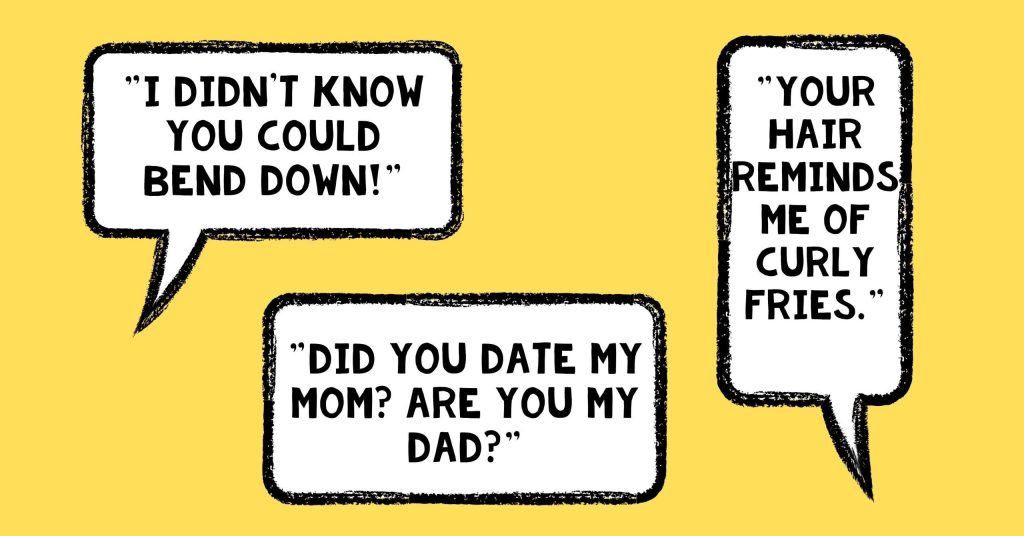
Teachers Share the Funniest Compliments They’ve Ever Received From Kids

Introduction:

Teaching can be an arduous and demanding profession, but one thing that makes it truly rewarding is the quirky comments, candid reactions, and unfiltered compliments that flow from the mouths of students. Kids are known for speaking their minds, and sometimes, their innocent observations can lead to some downright hilarious compliments. We’ve gathered some of the funniest compliments teachers have ever received from their students. Get ready for a good laugh!

1. The Artistic Praise

A kindergarten teacher shared how during a drawing activity, one of her students proudly announced, “You’re such a great drawer; you should be on TV!” How can one refuse an offer for a televised art career?

2. The Fashionista’s Acknowledgment

One teacher remembers a time when she wore a new outfit to school, and as she walked past a group of first-graders in awe, one little girl whispered, “She looks like Princess Barbie!” A royal compliment indeed!

3. The Unexpected Age Compliment

An elementary school teacher shared that upon revealing it was her birthday, an impressed student asked how old she was turning. When she responded with her actual age (29), the student burst out with enthusiasm: “Wow! You look so good for your age!” Flattery works every time.

4. Honest Appreciation

A middle school Science teacher mentioned that he once got the most sincere compliment of his career when a struggling student said, “Mr. Smith, you make learning not as terrible as I thought it would be.” It may not sound like much, but coming from an unenthusiastic pre-teen – that’s high praise.

5. The Photographic Memory Wizard

An English teacher received praise from a student who said they were amazing at remembering names – even though they only met once before, during last year’s open house. To which the student proclaimed, “You must have a picture-taker in your brain!” One can only assume that’s the student’s version of a photographic memory.

6. The Magical Teacher

One elementary school teacher told the story of her student coming up to her, looking her straight in the eyes, and saying, “You must be a witch because you make learning so magical.” Who wouldn’t want to be known for casting spells of knowledge?

7. The Fitness Guru

An educator recalls a time when she ran into a student at the gym who said, “Oh! You exercise? I thought teachers just went into a cupboard and slept in the school after class!” This funny compliment unintentionally suggested that teachers were so dedicated they never left their workplace.

Conclusion:

In an educational environment filled with paperwork, long hours, and tight deadlines, it’s these lighthearted moments that bring a smile to teachers’ faces. Hilarious compliments from students not only provide comic relief but also serve as sincere appreciation for educators’ hard work and dedication. So, if you’re feeling stressed out on the job or need reassurance that you’re making an impact, think back to some of those unexpected compliments and remember – you’re making a difference one laugh at a time!

Help! I Caught My Principal Having An Affair With a Fellow Teacher

Introduction

In the world of education, trust and professional conduct are of utmost importance. When these foundations are compromised, it can send shockwaves throughout the entire school community. What do you do when you find out that your principal, the leader of your educational institution, is engaged in an inappropriate relationship with a fellow teacher? This article will delve into this delicate subject in hopes of providing guidance and advice for those caught in such a tumultuous situation.

I. Surfacing the Issue

While walking through the hallowed halls of your school one evening, you come across a clandestine interaction between your principal and another teacher, one that is unmistakably intimate. The shock is immense, and several questions race through your mind. What are the implications for the school? How should you react? Should you intervene or remain silent?

1. Calming down and assessing the situation

The initial shock must be overcome before any action can be taken. Remain calm and discreetly distance yourself from the scene. Once you have processed what you have witnessed, prepare to make a rational decision about the next steps.

2. Taking note of details

As disheartening as it may be, documenting what was observed during the encounter is vital in appropriately addressing this issue. Without delving into sensationalism or gossip, jot down relevant details along with any supporting evidence.

II. Deciding on a Course of Action

1. Seeking advice from trusted colleagues or mentors – Find someone within your professional circle whom you trust implicitly and discuss your concerns with them confidentially – avoiding spreading rumors among other faculty members or students.

2. Analyzing potential consequences – Reflect on how knowledge of this affair might impact both individuals involved and their roles in the school community.

3. Considering legal obligations – If either party is married or if there are other legal implications tied to this extramarital relationship, you may be obligated to report this information.

III. Navigating the Possibilities

1. Reporting the affair to a higher authority – If you feel compelled to report your knowledge of the affair, approach the school district or superintendent directly.

2. Speak privately with the principal or teacher involved – Share your observations and concerns directly with those involved, offering support and guidance in resolving any potential consequences.

3. Requesting mediation – Proposing mediation or counseling between the parties involved in the affair might help them evaluate their actions and find a solution to their predicament.

IV. Addressing Potential Aftermath

Regardless of the path taken, be aware that you may face several consequences as a result of exposing this secret. Be prepared to deal with potential backlash, whether it be from school administration or other faculty members.

Conclusion

Discovering a principal’s affair with another teacher can be a damaging blow to one’s sense of professional integrity and trust in leadership. It is crucial to carefully evaluate your options before taking action while keeping in mind that every decision made will inevitably impact all parties involved – including yourself. Remember that what is most important is maintaining a positive and respectful learning environment for everyone within the school community.

Help! Should I Report My Coworker for Being Creepy?

Introduction

There may come times at work when you face situations that are uncomfortable or unsettling, especially when your coworker is exhibiting creepy behavior. How do you differentiate what is considered creepy and when should you report such behavior to your supervisors or HR? This article offers guidance on how to navigate around these murky waters.

Recognizing Creepy Behavior

Creepy behavior is subjective and can vary from person to person. However, some common forms include:

1. Stalking or following you around excessively, especially after work hours

2. Indulging in inappropriate conversations or making sexually suggestive comments

3. Gossiping or spreading rumors about your personal life

4. Invading your personal space frequently

5. Persistently trying to establish an intimate relationship despite your disinterest

6. Taking pictures or recording videos of you without your knowledge or consent

Listen to Your Instincts

If someone’s behavior makes you feel uneasy, it’s important to pay attention to your instincts. Your gut feeling could be the first sign that something isn’t right with a person’s actions.

Establish Boundaries

Having healthy boundaries at work is crucial for maintaining professionalism and ensuring personal safety. Communicate your boundaries with the coworker if you feel comfortable doing so, and make it clear that their behavior is not acceptable.

Document the Incidents

Keep track of any instances of creepy behavior by maintaining a log of dates, times, specific situations, and any witnesses present during the incidents. This documentation will be useful should you decide to report the coworker.

Consult a Trusted Colleague

Share your experience with a trusted colleague who can offer support, insight, and advice on how to proceed. They may have confronted similar issues in the past or can help assess whether the behavior warrants reporting.

When to Report Your Coworker

It’s important to trust your instincts and report your coworker if:

1. Their behavior becomes more aggressive or persistent

2. You feel threatened or unsafe

3. The coworker’s actions violate workplace policies

4. Your productivity and mental well-being are being negatively affected

When reporting your coworker, provide the documentation you’ve gathered to HR or your supervisor. This will help them understand the severity of the situation and take appropriate action.

Conclusion

It’s crucial to maintain a safe and respectful work environment for everyone. Sometimes, it can be tough to judge what constitutes creepy behavior and how to handle it appropriately. However, by listening to your instincts, documenting incidents, and seeking support from trusted colleagues, you can make informed decisions about whether or not to report a creepy coworker. Remember, everyone deserves to feel secure and respected in their workplace.

Join the Influencer Network

Introduction:

In the era of social media, where personalities become brands, and followers transform into customers, joining an influencer network can work wonders for anyone looking to create a powerful online presence. Aspiring influencers, content creators, or brands can leverage influencer networks for success and growth.

In this article, we’ll discuss the benefits of joining an influencer network and navigating this new-age marketing platform.

Benefits of Joining an Influencer Network:

1. Collaborations and Partnerships

Joining an influencer network helps forge partnerships with like-minded content creators and influencers who share similar interests and goals. These collaborations lead to increased visibility by co-promoting each other’s content and reaching a more extensive audience base.

2. Access to Resources and Tools

Being part of an influencer network gives you access to various resources like educational materials, webinars, workshops, exclusive events, and tools geared toward your success.

3. Improved Branding Opportunities

Partnering with established influencers accelerates your brand building process by increasing credibility through endorsements. This process strengthens brand awareness and attracts potential sponsors or partners.

4. Monetization Opportunities

Influencer networks often serve as a bridge between brands and influencers, helping you find monetization opportunities through sponsorships, affiliate marketing, product placements, or even merchandise creation.

5. Analytics and Insights

Influencer networks typically offer analytics tools that help you better understand your audience demographics and engagement rates. This data-driven approach is essential for fine-tuning your content strategy to create highly engaging posts that resonate with your target audience.

6. Community Support

Being part of an influencer network grants you access to a supportive community of fellow influencers who can provide valuable insights into best practices in the ever-evolving landscape of social media marketing.

Steps to Become Part of an Influencer Network:

1. Identify Your Niche: Recognize your passions and expertise, and create content that reflects your unique interests.

2. Build Your Online Presence: Create profiles on relevant social media platforms like Instagram, YouTube, TikTok, or LinkedIn. Leverage these platforms for self-promotion through quality content, hashtags, and frequent engagement with followers.

3. Seek Out Influencer Networks: Research available influencer networks relevant to your niche and join those offering the most value in terms of partnerships, resources, and community support.

4. Connect with Influencers: Engage with other influencers in your niche to build relationships that foster collaboration and mutual growth.

5. Stay Consistent: Maintain a consistent posting schedule to keep your audience engaged and increase visibility on the platform.

Conclusion:

Joining an influencer network is an invaluable step in building a successful social media presence. Whether you’re an aspiring influencer or content creator or a brand looking to capitalize on this powerful marketing avenue – exploring influencer networks could unlock new opportunities for your online growth journey.

8 Ways Principals Can Build Positive School Culture Now

School culture has a significant impact on the success of both students and staff. A positive school culture can lead to improved student engagement, increased achievement, and a better work environment for teachers. As a principal, you play a crucial role in shaping your school’s culture. Here are eight ways to build a positive school culture now:

1. Develop a clear mission statement:

Create a clear, concise mission statement that outlines the goals and values of your school. Involve students, staff, and parents in the process to ensure that everyone has ownership and understands what the school stands for.

2. Foster open communication:

Encourage honest and open communication between staff members, students, and parents. Establish regular forums for discussions, meetings, and brainstorming sessions so that all stakeholders can express their ideas, concerns, and celebrations.

3. Create a welcoming environment:

Make sure that your school is clean, well-maintained, and inviting to everyone who enters. This includes creating safe spaces where students feel comfortable sharing their thoughts and feelings without fear of being judged.

4. Recognize and celebrate achievements:

Take time to acknowledge the accomplishments of both staff and students regularly. Celebrate milestones together – whether it’s a student achieving an academic goal or a teacher receiving an award – to foster a sense of unity and pride in the community.

5. Encourage collaboration:

Promote teamwork among teachers by providing opportunities for them to collaborate on projects or share best practices with one another. Encourage cross-curricular connections so that teachers can support each other in delivering comprehensive instruction throughout the school day.

6. Provide professional development opportunities:

Support ongoing learning and development for your staff by offering professional development workshops, conferences, or other educational opportunities focused on fostering positive school culture.

7. Implement social-emotional learning programs:

Integrate social-emotional learning (SEL) programs into your curriculum to help teach students important life skills such as problem-solving, conflict resolution, and empathy. Implementing SEL programs in your school can have long-lasting effects on student behavior, academic performance, and overall well-being.

8. Act as a role model:

Demonstrate the values and behaviors you would like to see in your staff and students every day. Model respect, kindness, and commitment to high expectations for all members of your school community.

In conclusion, creating a positive school culture is essential for the overall success of your school community. By implementing these strategies, principals can foster an environment where students feel inspired to learn, teachers feel motivated to teach and collaborate, and the entire community takes pride in their school’s accomplishments. Start working on building a positive school culture today by following these eight steps.