Assistive Technology

Neurofeedback and Cognitive Enhancement

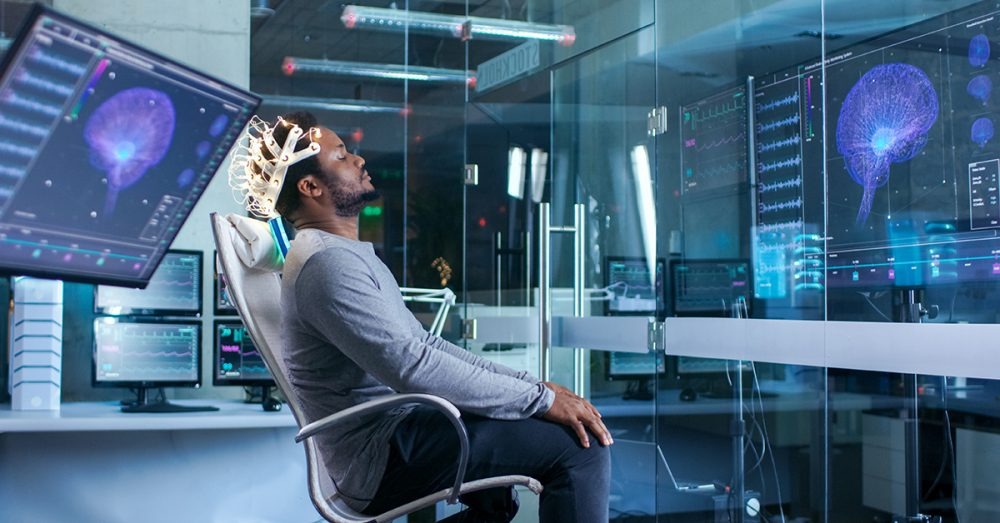
Neurofeedback technology, which allows individuals to visualize and potentially regulate their brain activity, is poised for significant advancements in 2025. This technology holds promise for individuals with attention disorders, anxiety, and other cognitive challenges.

Advanced EEG devices, potentially combined with AR or VR interfaces, will provide real-time feedback on brain states. Users can learn to control these states, potentially improving focus, reducing anxiety, or managing symptoms of conditions like ADHD.

For individuals with cognitive impairments, neurofeedback combined with cognitive training exercises could enhance memory, attention, and other cognitive functions. This technology might also aid in the rehabilitation of individuals recovering from brain injuries or strokes.

As our understanding of the brain improves and the technology becomes more refined, neurofeedback could become a powerful tool for cognitive enhancement and mental health management.

3D Printing for Customized Assistive Devices

The advent of advanced 3D printing technologies is revolutionizing the production of assistive devices. In 2025, we expect to see a surge in highly customized, rapidly produced assistive technologies tailored to individual needs.

3D printing allows for the creation of complex, personalized designs that traditional manufacturing methods cannot easily achieve. This is particularly beneficial for prosthetics and orthotics, where a perfect fit is crucial for comfort and functionality.

Moreover, as 3D printing becomes more accessible, we anticipate the rise of community-based production hubs. These centers could dramatically reduce the cost and waiting time for assistive devices, making them more accessible to those in need.

The ability to quickly iterate designs will also accelerate innovation in assistive technology, allowing for rapid prototyping and testing of new ideas. This democratization of production could lead to a boom in user-driven innovation in the assistive tech space.

Augmented and Virtual Reality for Therapy and Training

Augmented Reality (AR) and Virtual Reality (VR) technologies are set to transform therapy and skills training for individuals with disabilities in 2025. These immersive technologies offer safe, controlled environments for practicing real-world skills and scenarios.

For individuals with autism spectrum disorders, VR environments can provide a space to practice social interactions and develop coping strategies for overwhelming sensory experiences. AR overlays can offer real-time social cues and prompts in actual social situations.

In physical therapy, VR games can make repetitive exercises more engaging, potentially improving adherence and outcomes. AR can guide patients through exercises at home, ensuring proper form and tracking progress.

For individuals with visual impairments, AR glasses could provide real-time description of surroundings, facial recognition, and text reading capabilities. As these technologies become more sophisticated and accessible, they will offer powerful tools for therapy, education, and daily living assistance.

Smart Home Integration for Independence

The smart home concept is evolving to become more inclusive and supportive of individuals with disabilities. In 2025, we anticipate seeing homes that are not just automated, but truly adaptive to the needs of their occupants.

Voice-activated and gesture-controlled systems will become more sophisticated, allowing individuals with mobility impairments to control their environment effortlessly. AI-powered systems will learn user preferences and routines, automatically adjusting lighting, temperature, and even furniture positioning to maximize comfort and accessibility.

For individuals with cognitive impairments, smart homes will offer gentle reminders and guidance for daily tasks, enhancing independence and reducing caregiver burden. Safety features will also be paramount, with systems that can detect falls, monitor health metrics, and alert caregivers or emergency services when necessary.

These integrated smart home systems will not only enhance independence but also provide peace of mind for users and their families.

Haptic Technology for Sensory Augmentation

Haptic technology, which creates the sensation of touch through vibrations or motions, is set to play a crucial role in assistive tech in 2025. This technology has the potential to provide new ways of perceiving and interacting with the world for individuals with sensory impairments.

For people with visual impairments, haptic feedback gloves could translate visual information into tactile sensations, allowing users to ‘feel’ their surroundings. This could revolutionize navigation and object recognition.

In the realm of hearing impairments, wearable devices could convert sound waves into specific vibration patterns, allowing users to ‘feel’ music or detect important environmental sounds.

Haptic technology is also showing promise in prosthetics, providing users with a sense of touch and improving fine motor control. As this technology advances, we can expect more natural and intuitive ways of interacting with the world for those with sensory impairments.

Exoskeletons and Advanced Mobility Aids

The field of mobility assistance is witnessing remarkable advancements, with exoskeletons and smart mobility aids at the forefront. In 2025, we expect to see lighter, more powerful exoskeletons that can be worn under clothing, providing discreet support for individuals with mobility impairments.

These exoskeletons will incorporate advanced sensors and AI to adapt to different terrains and situations, providing a more natural and effortless walking experience. For individuals with partial mobility, exoskeletons will offer support only when needed, encouraging muscle use and potentially aiding in rehabilitation.

Smart wheelchairs are also evolving rapidly. We anticipate seeing models that can navigate complex environments autonomously, climb stairs, and even rise to standing height, allowing users to interact at eye level.

These advancements in mobility technology will not only enhance physical capabilities but also boost confidence and social interaction for users.

AI-Powered Personal Assistants

Artificial Intelligence (AI) is revolutionizing personal assistance for individuals with disabilities. In 2025, we anticipate seeing AI assistants that are far more intuitive and capable than their predecessors.

These AI companions will be able to understand context and nuance in ways that current assistants cannot. For individuals with visual impairments, AI assistants will provide detailed descriptions of surroundings, read facial expressions, and even help navigate complex environments.

For those with cognitive disabilities, AI assistants will offer personalized support, providing reminders, breaking down complex tasks, and adapting their communication style to the user’s needs.

Moreover, these AI assistants will be able to learn and adapt over time, becoming increasingly attuned to the unique needs and preferences of their users. This personalization will make them invaluable tools for enhancing independence and quality of life.

Advanced Brain-Computer Interfaces

Brain-computer interfaces (BCIs) are poised for a significant leap forward in 2025. These devices, which allow direct communication between the brain and external devices, are becoming more sophisticated and user-friendly.

Recent advancements in machine learning algorithms have dramatically improved the accuracy of BCIs, allowing for more nuanced control of prosthetics and communication devices. Researchers are also making strides in developing non-invasive BCIs, which could make this technology more accessible to a broader range of users.

One exciting application is the development of thought-to-speech systems. These systems interpret brain signals associated with imagined speech, potentially allowing individuals with severe motor disabilities to communicate effortlessly.

As we move into 2025, we can expect to see BCIs becoming smaller, more powerful, and potentially even wireless, further improving the quality of life for those who rely on this technology.

7 Fun Attention-Grabbing Tips for Your Classroom

Keeping students engaged in the classroom can be a challenging task for any educator. Students’ attention spans can be short, and distractions are plentiful. However, with the right techniques, you can capture and maintain your students’ focus throughout the lesson. Here are seven fun tips to help you grab and keep attention in your classroom:

1. Start with a Hook: Begin your lesson with an interesting fact, a short story, or a thought-provoking question that relates to the lesson. This will pique students’ curiosity and motivate them to pay attention.

2. Integrate Technology: Utilize educational technology such as interactive apps, videos, or online quizzes. These tools can make learning more dynamic and cater to different learning styles.

3. Incorporate Movement: Break up sitting time with activities that require movement. Use physical activity like stretching or simple exercises to re-energize students and refocus their attention.

4. Create Interactive Lessons: Encourage student participation through group work, discussions, or hands-on projects. Interactive lessons make students active participants in their learning process.

5. Use Visual Aids: Visual aids such as charts, graphs, and images can help illustrate complex information and keep visual learners engaged.

6. Change Your Tone of Voice: Varying your speaking pace, pitch, and volume can make your delivery more interesting and help emphasize important points.

7. Offer Incentives: Use incentives like games or small rewards for participation to motivate students and make learning fun.

By implementing these creative strategies into your teaching routine, you can create an exciting learning environment that captures your students’ attention from start to finish.

Using Biometric Data in Schools

The application of innovative technologies in the educational sector has transformed the landscape for both learners and educators. One such development that has gained significant traction in recent years is the use of biometric data in schools. This article delves into the concept and applications of biometric technology, as well as its benefits and potential concerns.

What is Biometric Data?

Biometrics refers to the measurement and analysis of an individual’s unique physical or behavioral characteristics, such as fingerprints, facial patterns, voice recognition, or iris scans. In essence, biometric data serves as a more secure and reliable means of identification, since these characteristics are difficult to replicate or forge.

Biometric Applications in Schools

There are several ways in which biometric data can be utilized in schools to enhance security, efficiency, and learning outcomes. Some common applications include:

1. Attendance Management: Biometric attendance systems can accurately identify students by capturing their fingerprints or facial images. This helps reduce manual labor and potential errors, while ensuring accurate records for attendance tracking purposes.

2. Access Control: Implementing biometric access control systems can ensure that only authorized individuals are allowed entry into school facilities or specified areas within the campus. This could help prevent unauthorized access, vandalism, thefts, or other malicious activities.

3. Lunch Programs: Biometric identification can be used to streamline lunch programs and transactions by allowing students to make cashless payments using their unique identifiers (e.g., fingerprints). This can potentially reduce waiting times and administrative work for staff members.

4. Examination Security: The use of biometrics can minimize the chances of cheating and impersonation during examinations by verifying student identities before they sit for their tests.

5. Learning Analytics: Biometric data can be leveraged to personalize learning experiences or track student engagement by monitoring eye movements, gestures or facial expressions, which provide insights into individual learning styles and preferences.

Benefits of Using Biometric Data in Schools

The adoption of biometric technologies in schools brings numerous benefits, such as:

– Enhanced Security: Biometric data acts as a robust security measure due to its uniqueness and non-replicable nature, ensuring that only authorized individuals have access to certain areas or online resources.

– Greater Efficiency: Automation of manual tasks, such as attendance tracking, results in increased productivity and reduced operational costs.

Improved Learning Outcomes: Personalized learning experiences based on biometric data help cater to individual student needs, leading to more effective and engaging educational experiences.

– Increased Accountability: Accurate identity verification promotes a sense of responsibility among students and discourages dishonest behavior like cheating during examinations.

Concerns and Ethical Considerations

Despite the advantages, there are concerns surrounding the use of biometrics in schools. Key issues include:

– Privacy and Data Security: The collection and storage of sensitive biometric information raises concerns about potential misuse and unauthorized access to personal data.

– Consent: The implementation of biometrics in schools necessitates informed consent from stakeholders, particularly parents for underage students.

– Cost: As with any technology, implementing biometrics in schools requires significant investment for hardware, software, maintenance and training.

In conclusion, the use of biometric data in schools has promising potential to revolutionize various aspects of education. Carefully considering the benefits, concerns, and ethical implications can help educational institutions make informed decisions about whether to incorporate this cutting-edge technology into their processes.