Assistive Technology

This Group of Eighth Graders Brilliantly Designed a More Comfortable Prosthesis

Introduction:

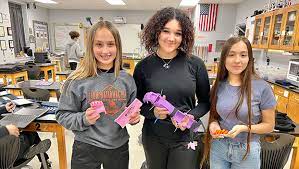
Innovation knows no age limits, and a group of eighth graders has proven this fact. Aiming to make an impact on the world, these young minds have come together to design a more comfortable prosthesis that could transform the lives of many amputees.

The Idea:

The concept came into fruition when these ambitious students realized that traditional prosthetic limbs are often expensive, cumbersome, and uncomfortable for the wearer. They made it their mission to design a prosthesis that is affordable yet offers optimal comfort and function.

The Process:

The young inventors began their journey by researching prosthetic limbs and their shortcomings extensively. Armed with knowledge, they collaborated with engineers, doctors, biomechanics specialists, and amputees to gather relevant insights and valuable input during the design process.

Innovative Features:

One of the most distinguishable features of this new prosthesis is its lightweight material, reducing strain on the wearer’s residual limb. The team also utilized advanced 3D printing technology to create custom-fit sockets that would perfectly hug the wearer’s limb without compromising comfort.

Additionally, the group incorporated breathable materials into their design to reduce sweat build-up and skin irritation. Leaders in the field have praised these innovations for significantly improving amputees’ overall quality of life.

Positive Impact & Future Plans:

This remarkable project demonstrates how young minds can lead monumental breakthroughs in science and technology. As a result of their hard work and dedication, many amputees may now look forward to an enhanced sense of independence and comfort with this new prosthetic limb design.

The group plans to continue refining their revolutionary product through additional research and user feedback. Their ultimate goal is to make their invention globally accessible at an affordable price for all who may benefit from it.

Conclusion:

With unwavering determination and cooperative teamwork, this group of eighth graders has managed to transform the world of prosthetics positively. Their journey demonstrates that passion and ingenuity can truly make a difference, inspiring future generations to tackle significant challenges and improve lives worldwide.

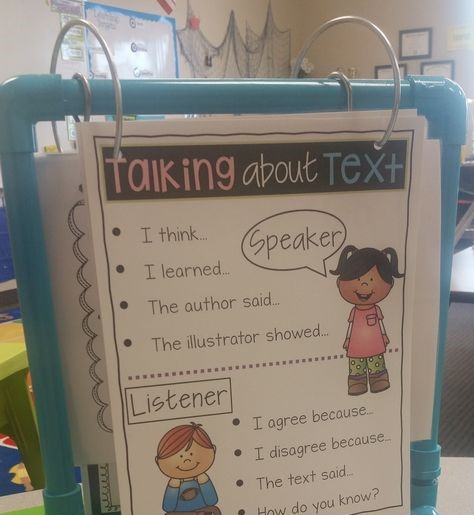
Transforming Education: The Classroom Talk-to-Text Project

Introduction

In today’s fast-paced digital world, educators are constantly seeking innovative solutions to improve and enhance the classroom experience. One such groundbreaking technology is the Classroom Talk-to-Text Project, a revolutionary initiative that is transforming the way students and teachers interact, learn, and collaborate.

The Concept of Classroom Talk-to-Text Project

The Classroom Talk-to-Text Project aims to capture spoken language in real-time and convert it into written text using advanced speech recognition technology. This innovative project harnesses the power of artificial intelligence to process oral communication and instantly display it for all participants to see, paving the way for more engaging and inclusive educational environments.

Advantages of Talk-to-Text in the Classroom

1. Enhanced Accessibility: Implementing talk-to-text technology benefits students with hearing impairments or those who struggle with auditory processing. By displaying conversations visually, these students can continue to be engaged and participate in discussions actively.

2. Improved Comprehension: Seeing spoken words in written form aids in retention and comprehension for all students, regardless of their learning abilities. This helps ensure that everyone grasps complex topics and improves overall performance.

3. Real-time Translation Capabilities: With language barriers becoming less prominent in diverse classrooms, talk-to-text technology can be coupled with translation software to provide instant translations in multiple languages to promote better understanding among multicultural student populations.

4. Encouragement of Active Participation: The documentation of conversations can help support shy or introverted students who may hesitate to speak up during class discussions by allowing them to review written text from their peers at their own pace.

5. Time-efficient Classroom Management: This technology can save valuable classroom time by quickly converting spoken instructions into written form. Teachers can easily track discussions and use this documentation for further reference, eliminating the need for taking manual notes during class.

Challenges Faced by the Classroom Talk-to-Text Project

While the benefits of the Classroom Talk-to-Text Project are immense, there are a few challenges that need to be addressed:

1. Accuracy Concerns: Speech recognition technology must continue to improve its accuracy to reduce misunderstandings caused by misinterpretations. It must also adapt to recognize varying accents, dialects, and pronunciations.

2. Privacy and Confidentiality: Protecting student privacy with this technology in place is a significant concern. The implementation of robust security measures to prevent unauthorized access to transcripts or recordings is essential.

3. Possible Reliance on Technology: Students must understand that technology should only be used as a tool and not become overly dependent on it for their education.

Conclusion

The Classroom Talk-to-Text Project has the potential to revolutionize learning environments worldwide by bridging accessibility gaps, facilitating better comprehension, and promoting active participation for all students. With continued research and investments in speech recognition technology, this project could transform the educational landscape and shape our future classrooms.

Assistive Technology in the Classroom

Introduction

Today’s classrooms are becoming more inclusive and diverse, welcoming students with various learning needs and abilities. Assistive technology (AT) plays a crucial role in ensuring that every student has an equal opportunity for success. This article will explore the significance of assistive technology in the classroom, the different types of AT available, and how educators can effectively integrate these tools to promote learning and independence among students with disabilities.

The Importance of Assistive Technology in Education

Assistive technology is any tool or device that helps students with disabilities engage in learning, communication, and daily living tasks. AT devices can range from low-tech solutions like pencil grips and slant boards to high-tech options like specialized software and communication devices. Implementing assistive technology in the classroom allows students with disabilities to:

1. Access curriculum materials: AT can enable students with disabilities to participate in learning activities alongside their typically developing peers by providing alternative ways to access information or complete assignments.

2. Improve communication: Students who struggle with verbal communication can use AT devices like speech-generating tools to express themselves more effectively.

3. Enhance mobility: Mobility aids like wheelchairs or walkers can help students with physical disabilities navigate their environment independently.

4. Develop independence: AT can empower students to accomplish tasks without relying on constant support from educators or peers.

Types of Assistive Technology for Different Needs

There is a wide range of assistive technology options designed to cater to diverse needs in the classroom:

1. Learning and literacy support: Tools such as text-to-speech software, electronic spell checkers, and graphic organizers can benefit students with dyslexia, ADHD, or other learning challenges.

2. Vision support: Screen readers, magnification software, and tactile graphics support students who have visual impairments.

3. Hearing support: Hearing aids, FM systems, and closed-captioning services can assist students who are hard of hearing or have auditory processing disorders.

4. Communication support: Students with speech and language disorders may find success using Augmentative and Alternative Communication (AAC) devices like picture boards and speech-generating devices.

Integrating Assistive Technology into the Classroom

To effectively incorporate assistive technology into the learning environment, educators should:

1. Collaborate with a multidisciplinary team: Work closely with therapists, specialists, and special education teachers to identify the appropriate AT tools for individual students.

2. Provide training: Educators and students should receive training on how to use AT devices effectively to ensure optimal outcomes.

3. Adapt the curriculum: Modify lesson plans or assignments to accommodate the use of assistive technology, ensuring all students can participate fully in the learning process.

4. Foster a supportive classroom culture: Encourage peers to accept and respect the use of assistive technology by modeling positive attitudes and promoting an inclusive environment.

Conclusion

Assistive technology in the classroom has the potential to transform the educational landscape for students with disabilities. By providing access to curriculum materials, enhancing communication skills, and promoting independence, AT empowers all learners to reach their full potential. It is crucial for educators to embrace these tools, collaborate with experts in the field, and create inclusive learning environments where every student can thrive.

Bookshare: The 1 Million Ebook Library Aiming to Lighten Teachers’ Load

Introduction:

In today’s fast-paced digital era, education is no exception to embracing technology’s many advancements. Bookshare, an online library boasting an impressive collection of over 1 million ebooks, has made it its mission to alleviate the burden placed on teachers by providing a vast array of educational resources.

How Bookshare Works:

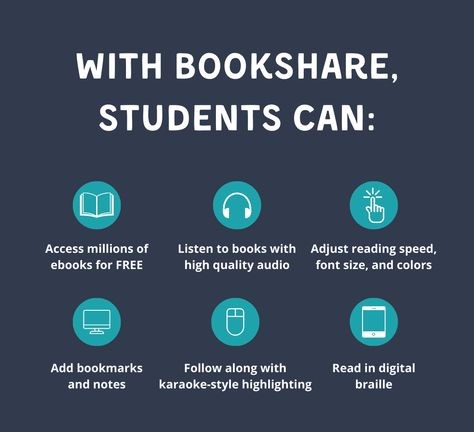
Bookshare offers access to a diverse collection of ebooks and learning materials, from textbooks to novels. Teachers, students, and educational institutions can become members and take advantage of the platform’s resources. The platform is designed to cater primarily to students with print disabilities, such as visual impairments or learning difficulties. Through accessible formats such as audio narration and large font sizes, students can independently read and access their study materials.

Lightening the Load for Teachers:

Bookshare is committed to lightening the workload for teachers who often face constraints on time and resources. With its expansive ebook library, teachers can easily assign readings without worrying about procuring or photocopying physical books. Furthermore, the platform’s accessibility features ensure that all students can access their assigned material without requiring any additional support from teachers.

Benefits for Students:

Students not only benefit from easy access to diverse learning materials but also enjoy the enhanced-user experience Bookshare provides. Students are able to customize their reading experience with different text-to-speech voices, adjust font sizes, colors, and backgrounds for a pleasant reading experience. Additionally, they can highlight or add notes on the digital books while they read.

Closing Thoughts:

Bookshare is revolutionizing the way students and teachers access educational resources by providing a platform brimming with over a million ebooks in various accessible formats. By creating an inclusive digital space for students with print disabilities while reducing the workload for teachers, this promising initiative carries immense potential in transforming the world of education for generations to come.

Enabling Devices Offering 10% Off Essential Supplies: A Great Opportunity for Everyone

Introduction:

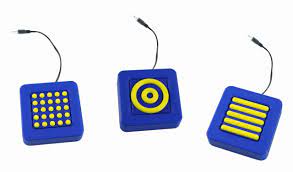
Enabling Devices, a leading provider of assistive technology and equipment, has recently announced an exciting offer: 10% off on essential supplies. These essential supplies range from communication aids to accessibility tools that could significantly improve the quality of life for individuals with disabilities.

Body:

The company’s decision to offer a discount on essential supplies couldn’t have come at a better time. With the ongoing pandemic, many families and individuals are struggling financially. The 10% discount will undoubtedly benefit those who need these products.

Enabling Devices is renowned for its wide array of products catering to various needs, such as:

1. Communication aids – These devices make communication easier for people with speech difficulties or hearing impairments. Examples include alternative and augmentative communication (AAC) devices and other text-to-speech solutions.

2. Mobility aids – Wheelchairs, walkers, canes, and other mobility-assistance devices are designed to make movement more comfortable and accessible for individuals with limited mobility capabilities.

3. Daily living aids – There are numerous helpful tools to make daily tasks more manageable for people with disabilities. Eating utensils, easy-to-grip brushes, medication organizers, and bathing aids are just a few examples.

4. Safety products – Ensuring the safety of individuals with disabilities is crucial. Enabling Devices offers a variety of items like bed alarms, door alarms, and fall detection devices to help caregivers monitor their loved ones effortlessly.

5. Sensory integration products – For those with sensory-processing issues or autism spectrum disorders, Enabling Devices provides an extensive assortment of sensory integration products like weighted blankets or therapy swings.

This fantastic offer by Enabling Devices is not only valuable for people in need but also demonstrates their unwavering commitment to making assistive technology more accessible.

Conclusion:

The 10% off sale on essential supplies by Enabling Devices presents a fantastic opportunity for individuals with disabilities, their families, and caregivers to access life-changing products and technology at a lower cost. This initiative reaffirms the company’s dedication to providing quality, innovative, and affordable assistive devices to enhance the lives of people with disabilities everywhere.

Assistive Technology Apps, Tools, and Resources That I Would Use If I Were Still in the Classroom

Back in 2001, when I started as a teacher, the technology boom was in its nascent stage. I remember toting a large bag filled with papers home most nights and going to sleep drowning under a vast sea of student homework that needed grading. My classroom was even worse, cluttered with books, manipulatives, globes, maps, and learning stations that left little room for anything else. However, as I write this in 2018, things have changed dramatically. Today’s teachers have edtech in their corners. Digital teaching and learning tools have streamlined education processes and provide learning experiences that stretch far beyond the materials that were available for me back in 2001.

For instance, teachers can use assistive technology to help special needs students succeed in the classroom. Assistive technology allows Down Syndrome students to complete assignments quicker than if they had tried the tasks on their own. Assistive technology can help students with apraxia communicate with pictures, formulate sounds, practice sound production, and improve their communication skills. It can even to help students compensate for their developmental delays. Assistive technology is nothing short of magic. If I were still in the classroom today, I’d use these assistive technology apps, tools, and resources:

Proloquo2Go: Proloquo2Go is an augmentative and alternative communication app that uses symbols to help those who cannot speak for themselves. It uses pictures to help users choose the right words for their unique situation. Adults can easily customize the app for more convenient use.

Articulation Games Assistive Technologies– This app includes four entertaining games with a dynamic way of teaching sound production. The games were assembled by professional speech pathologists, and they contain over 40 phenomes arranged in order of sound placement. The app comes with flashcards and professional sound recordings. Children get rewarded for making progress on the game.

Voice4U: This is an easy-to-use app intended for ELL student, people with communication impairments such as Autism, stroke survivors, and traumatic brain injury victims. The app allows its users to express their ideas, thoughts, and feelings through alternative methods.

Memory Trainer: Because memory is so essential to everything else in the classroom, many teachers choose apps like Memory Trainer to help boost spatial and working memory. This program provides graphical progress so you can see the gains made in spatial and working memory. As an added perk, it also helps to work on focus and concentration.

Citelighter– Citelighter is an assistive research tool that lets you gather facts and materials and arrange them in an orderly fashion. It only takes three easy steps to use Citelighter in your research. Create an account and download the plug-in, begin a project with the toolbar or website, and you are good to go. Citelighter is also handy while you scour the Internet for suitable or appropriate information.

Natural Reader: This is considered to be one of the most powerful text-to-speech apps on today’s market. It can work with several different types of documents including PDFs, Docs, and TXT files. Perhaps the best part is that it reads with your choice from more than fifty natural voices, just as the name implies.

Did we miss any?


The Edvocate Podcast, Episode 7: How Digital Age Teachers Can Win Over Parents

Education is a collaborative process, as it takes many stakeholders working in unison to help students succeed academically. One of the most integral parts of this collaborative team is parents, as teachers know all so well. So, if you are a teacher struggling to increase parental engagement, how do you fix this issue? In this episode, we will discuss 7 ways that digital age teachers win over parents.

The Edvocate Podcast, Episode 6: 8 Ways That Digital Age Teachers Avoid Burning Out

Being a teacher is a tough job. So much so, many new teachers end up leaving the field within their first three years. To ensure that the next generation of students have qualified teachers, we must nip this phenomenon in the bud. In this episode, we will discuss 8 ways that digital age teachers avoid burning out.

The Edvocate Podcast, Episode 4: How to Create a Culturally Responsive Classroom

Building a culturally responsive classroom is hard. To help you along your journey, here is your guide to exploring and respecting the cultural backgrounds of your students while also using diversity as an asset. If you you listen to this episode of the podcast, and take my advice, you will have a culturally responsive classroom in no time.

References

Culturally responsive teaching is a theory of instruction that was developed by Dr. Gloria Ladson-Billings and has been written about by many other scholars since then. To read more of her work on culturally responsive teaching and other topics, click here to visit her Amazon.com page.