Athletics

Ethical Coaching and Athlete Empowerment

The year 2025 sees a strong emphasis on ethical coaching practices and athlete empowerment. This shift is driven by increased awareness of athlete welfare issues and a cultural move towards greater accountability in sports.

Coaches are now expected to have extensive training in ethics, athlete rights, and safeguarding practices. There’s a growing focus on creating safe, inclusive training environments that prioritize athlete well-being alongside performance goals.

Athlete input in training and competition strategies has become more valued. Coaches are adopting more collaborative approaches, involving athletes in decision-making processes and tailoring coaching styles to individual preferences and needs.

Transparent communication is paramount. Coaches are using secure digital platforms to maintain open lines of communication with athletes, parents, and other stakeholders, ensuring that training methods, selection criteria, and performance evaluations are clear and fair.

Mental health support has been fully integrated into coaching responsibilities. Coaches work closely with mental health professionals and are trained to recognize signs of stress, burnout, or other mental health concerns in their athletes.

There’s also a growing emphasis on long-term athlete development over short-term success. Coaches are evaluated not just on competitive results but on their ability to nurture sustainable athletic careers and personal growth.

The power dynamic between coaches and athletes has shifted, with more mechanisms in place for athletes to provide feedback on coaching practices and report concerns without fear of repercussions.

In 2025, the most successful coaches are those who can balance the drive for athletic excellence with a strong ethical framework and a genuine commitment to athlete welfare and empowerment.

Integration of Esports Coaching Techniques

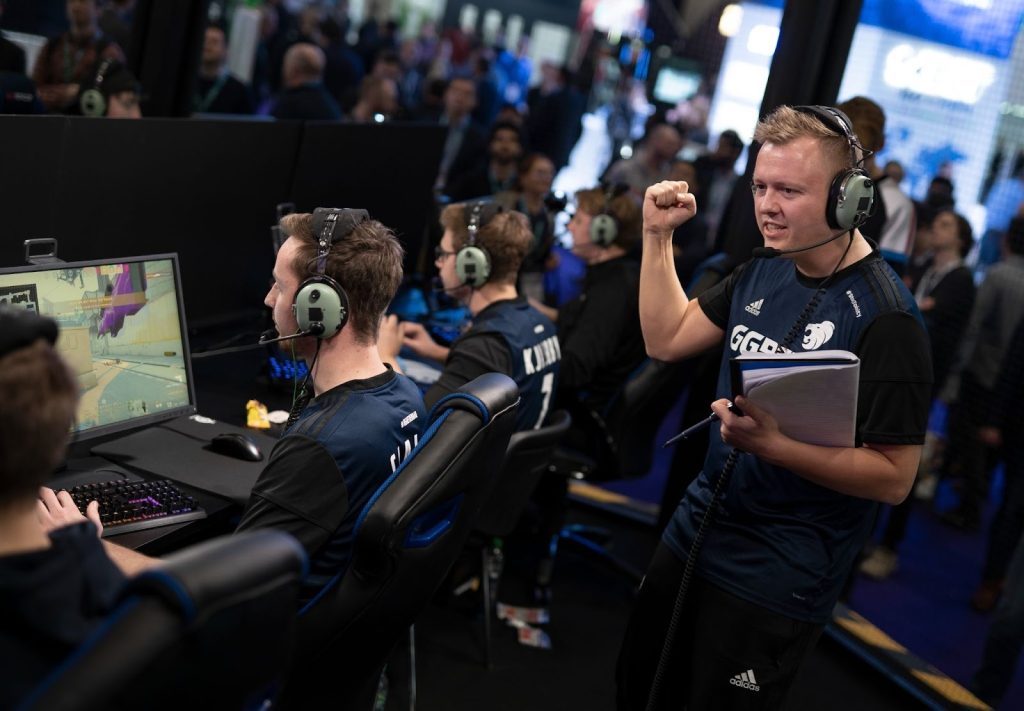
By 2025, the lines between traditional sports and esports have blurred significantly, leading to a cross-pollination of coaching techniques. Traditional sports coaches are increasingly adopting methods from the world of competitive gaming to enhance athlete performance.

One key area of integration is in the realm of decision-making and strategic thinking. Esports coaches excel at training players to process complex information quickly and make split-second decisions. These techniques are now being applied in traditional sports, particularly in team games where strategic elements are crucial.

Video analysis, long a staple of both traditional sports and esports, has evolved. Coaches now use AI-powered systems that can analyze not just physical movements but also decision-making patterns and team dynamics, borrowing from techniques developed in the esports world.

Mental endurance training, a cornerstone of esports coaching, has found its way into traditional sports. Coaches are implementing exercises to improve focus over long periods and maintain peak mental performance under pressure.

The concept of “micro-skills” from esports – small, repeatable actions that contribute to overall performance – is being applied to physical sports. Coaches break down complex movements into smaller components, each of which can be practiced and perfected independently.

Team communication strategies from esports are being adapted for field and court sports, improving coordination and strategic execution during play.

While some traditionalists are skeptical, forward-thinking coaches in 2025 recognize the value of these cross-disciplinary approaches in developing well-rounded, mentally sharp athletes.

Climate Adaptation Strategies in Athletic Training

As climate change continues to impact global weather patterns, athletic coaches in 2025 are increasingly focused on developing climate adaptation strategies for training and competition.

Extreme heat events have become more frequent, requiring coaches to implement sophisticated heat management protocols. Training schedules are now more flexible, often shifting to cooler parts of the day or moving indoors. Coaches work closely with meteorologists to plan long-term training cycles around predicted weather patterns.

Advanced cooling technologies have become standard in athletic gear. Coaches train athletes in the proper use of these technologies, which include everything from phase-change material clothing to personal microclimate devices.

Air quality monitoring has become a crucial part of outdoor training regimens, especially in urban areas. Coaches use real-time air quality data to make decisions about training intensity and duration, protecting athletes’ respiratory health.

For winter sports, coaches are adapting to less predictable snow conditions. This includes more emphasis on dry-land training techniques and the use of advanced simulation technologies to prepare for various snow and ice conditions.

Hydration strategies have become more sophisticated, with coaches using individual sweat analysis data to create personalized hydration plans that account for varying environmental conditions.

The ability to adapt training methods to changing environmental conditions has become a key skill for coaches in 2025, requiring a blend of technological savvy and traditional coaching wisdom.

Neurofeedback and Brain Training in Athletics

By 2025, neurofeedback and brain training have become integral components of athletic coaching. Coaches are now working closely with neuroscientists to optimize their athletes’ cognitive functions and mental states for peak performance.

Advanced EEG (electroencephalogram) devices, now compact and wearable, allow coaches to monitor athletes’ brain activity during training and competition. This data is used to develop personalized brain training programs that enhance focus, reduce performance anxiety, and improve decision-making speed.

Neurofeedback sessions have become a regular part of training routines. Athletes learn to consciously control their brain states, achieving the ideal mental condition for their sport. For instance, archers or sharpshooters train to enter a state of calm focus, while sprinters work on achieving an explosive, high-alert state.

Coaches use this technology to help athletes overcome mental blocks, enhance visualization techniques, and even accelerate skill acquisition by optimizing the brain’s state for learning.

The integration of neuroscience in coaching has also led to advancements in managing conditions like performance anxiety and yips, with targeted brain training protocols showing promising results.

However, the use of neurotechnology in sports raises questions about fairness and the nature of human performance. Coaches in 2025 must navigate the ethical implications of these technologies while leveraging their benefits to help athletes reach their full potential.

Augmented Reality for Real-Time Coaching Feedback

Augmented Reality (AR) has emerged as a game-changing tool for athletic coaching in 2025. Coaches and athletes now use AR glasses or contact lenses that overlay real-time data and visual cues onto their field of vision during training and competition.

For coaches, AR provides instant access to athlete performance metrics, allowing them to make data-driven decisions on the fly. They can see real-time heart rates, fatigue levels, and even biomechanical analysis of an athlete’s form, all without taking their eyes off the action.

Athletes benefit from AR by receiving immediate visual feedback on their technique. For example, a golfer might see the ideal swing path overlaid on their vision, or a swimmer might see real-time data on their stroke efficiency while in the pool.

In team sports, AR is used to display tactical information, such as optimal positioning or play diagrams, directly in the players’ field of view during games. This technology allows for more dynamic and responsive coaching strategies.

The challenge for coaches in 2025 is to use this wealth of real-time information effectively without overwhelming athletes or disrupting the flow of performance. Successful coaches learn to filter and prioritize the most relevant data for each situation.

While AR technology offers exciting possibilities, coaches must also be mindful of regulations regarding its use in competitive settings, as some sports organizations have placed limitations on AR use during official competitions.

Genetic Testing and Personalized Training Plans

The year 2025 marks a significant advancement in the use of genetic testing in athletic coaching. Coaches are now able to access detailed genetic profiles of their athletes, providing insights into individual strengths, weaknesses, and potential health risks.

This genetic information allows for highly personalized training plans. Coaches can tailor workouts to an athlete’s genetic predisposition for endurance or power, optimize nutrition based on genetic markers for metabolism and nutrient processing, and even predict an athlete’s potential for certain types of injuries.

Recovery strategies are also personalized based on genetic factors that influence inflammation response and tissue repair rates. This level of customization helps maximize each athlete’s potential while minimizing the risk of overtraining or injury.

However, the use of genetic information in coaching raises ethical concerns about privacy and potential discrimination. Coaches must navigate these issues carefully, ensuring that genetic data is used responsibly and with the full consent of athletes.

While genetic testing provides valuable insights, successful coaches in 2025 understand that genes are just one factor in athletic performance. They integrate this information with traditional coaching methods, recognizing that hard work, mental toughness, and skill development remain crucial elements of athletic success.

Virtual Reality in Skill Development and Strategy

Virtual Reality (VR) technology has made significant strides in athletic coaching by 2025. Coaches are utilizing VR simulations to create immersive training environments that allow athletes to practice skills and strategies in a safe, controlled setting.

For team sports, VR enables coaches to run complex play simulations, allowing players to experience and learn from various game scenarios without the physical toll of full-contact practice. Individual sport athletes use VR to visualize and practice techniques, with the technology providing instant feedback on form and execution.

Coaches also use VR for tactical analysis, immersing themselves in 360-degree replays of games or performances to gain new perspectives on strategy and opponent behavior. This technology is particularly valuable for preparing for away games, as it allows teams to virtually experience the environment of unfamiliar venues.

The integration of haptic feedback in VR systems has further enhanced its effectiveness, allowing athletes to feel simulated physical contact or resistance, making the virtual experience even more realistic.

While VR is a powerful tool, coaches in 2025 face the challenge of balancing virtual training with real-world practice to ensure athletes can effectively transfer skills from the virtual to the physical realm.

Holistic Wellness Approach in Athletic Training

The year 2025 sees a significant shift towards a more holistic approach to athletic coaching. Coaches are no longer focused solely on physical performance but are increasingly incorporating mental health, nutrition, and lifestyle factors into their training regimens.

Mental health coaching has become a standard part of athletic programs, with sports psychologists working closely with coaches to develop mental resilience, manage stress, and improve focus. Mindfulness and meditation practices are regularly integrated into training sessions.

Nutritionists play a more prominent role, creating personalized meal plans that not only fuel performance but also support long-term health. Coaches are educated in basic nutrition principles and work closely with dietary experts to ensure athletes are receiving optimal nutrition for their specific needs.

Sleep optimization has also become a crucial aspect of coaching. Athletes use advanced sleep tracking devices, and coaches adjust training schedules based on individual sleep patterns and recovery needs.

This holistic approach recognizes that peak athletic performance is the result of a well-balanced lifestyle. Coaches in 2025 are expected to have a broad understanding of these various factors and how they interconnect, moving beyond the traditional focus on sport-specific skills and physical conditioning.

The Rise of AI-Assisted Coaching

In 2025, artificial intelligence is revolutionizing the world of athletic coaching. Coaches are increasingly relying on AI-powered tools to analyze athlete performance, predict injury risks, and develop personalized training programs. These intelligent systems process vast amounts of data from wearable devices, video footage, and historical performance metrics to provide insights that were previously unattainable.

AI algorithms can now detect subtle patterns in an athlete’s movement, suggesting technique improvements that even experienced coaches might miss. Moreover, AI-driven virtual assistants are becoming common, offering athletes 24/7 access to coaching advice and motivation. This technology is not replacing human coaches but rather augmenting their capabilities, allowing them to make more informed decisions and provide more targeted guidance.

However, the integration of AI in coaching also raises questions about data privacy and the potential over-reliance on technology. Successful coaches in 2025 will be those who can strike a balance between leveraging AI’s analytical power and maintaining the human touch that is crucial in athlete development.

Why I Love Naomi Osaka

An unwavering force in the world of tennis, Naomi Osaka has captured the hearts of millions with her impressive skills on the court and her commendable character off it. Passionate, fierce, and unapologetically candid, Naomi is not only an inspiring athlete but a powerful role model for both sports enthusiasts and aspiring individuals across various fields. Here are some key reasons why I love Naomi Osaka:

1. Unrivaled Tennis Prowess

Naomi’s undeniable talent in tennis has yielded multiple Grand Slam titles and earned her a spot among the industry’s elites. Her strategic gameplay, powerful serves, and incredible footwork put her opponents to the test in every match she plays. She stands as a testament to hard work and dedication while demonstrating that the sky is truly the limit if one harnesses their talent effectively.

2. Courageous Advocate for Social Justice

Naomi is not afraid to use her platform for noble causes. She actively speaks up about social injustices and racial disparities—most notably during her 2020 US Open campaign when she wore face masks featuring the names of victims of police violence. By choosing to advocate for change in front of millions around the world, she inspires others to stand up for what is right.

3. Unshakable Mental Fortitude

Throughout various competitions, we’ve witnessed Naomi display tremendous mental strength when confronted with adversity. Her ability to maintain composure on high-pressure occasions is awe-inspiring. This unyielding resilience translates into valuable life lessons for those who look up to her in navigating personal challenges.

4. Promoter of Self-Care

In recent times, Naomi has sparked essential conversations about prioritizing mental health—a topic often overlooked within elite sports environments. By withdrawing from tournaments due to concerns over her mental well-being, she demonstrates self-awareness and encourages others to listen to their own needs.

5. Warmth and Authenticity

Despite her dominance on the court, Naomi’s captivating humility and warmth endear her to fans from all walks of life. She remains genuine and approachable, allowing people to relate to her on a personal level. Her integrity goes beyond just her boundless athletic capabilities—it’s a testament to the person she is.

In conclusion, I love Naomi Osaka not only because of the incredible tennis player she is but also the exemplary human being she has proven herself to be. Her tenacity, advocacy for change, mental fortitude, emphasis on self-care, and captivating authenticity have made her a respected role model both on and off the court. Her unwavering commitment to excellence touches millions and will continue to influence generations of athletes and everyday individuals alike.