Books

What to Read Next Based on Your Favorite Reality Show

Tired of the same old reality show re-runs and craving something deeper?  Why not expand your world with books inspired by your favorite TV escapades?  From the drama of “The Bachelor” to the cutthroat competition of “Top Chef,” your guilty pleasure can be a gateway to a whole new literary landscape.

If you love “The Bachelor”: Dive into the world of romance novels!  Authors like Colleen Hoover and Sarah J. Maas offer heart-wrenching love stories with plenty of drama, twists, and swoon-worthy heroes.  For a more satirical take, try “The Love Hypothesis” by Ali Hazelwood, which blends science and romance in a hilarious way.

Are you hooked on “Project Runway”: Explore the world of fashion with novels that delve into the creative process, industry drama, and the pursuit of artistic expression.  “The Devil Wears Prada” by Lauren Weisberger offers a behind-the-scenes look at the cutthroat world of fashion magazines, while “The House of Mirth” by Edith Wharton explores the social and artistic complexities of a bygone era.

Obsessed with “Top Chef”:  If you love the culinary world, dive into novels that explore the intricate world of food. “The Kitchen House” by Kathleen Grissom offers a poignant story about a young girl’s journey as a cook in the Antebellum South, while “Like Water for Chocolate” by Laura Esquivel blends magical realism and food in a beautiful way.  For a more modern take, “The Midnight Library” by Matt Haig combines food, life, and second chances in a heartwarming and thought-provoking story.

Can’t get enough of “Survivor”:  For fans of strategy and survival, dive into books that explore the human condition in challenging situations. “Lord of the Flies” by William Golding offers a chilling look at humanity’s darkest tendencies, while “The Martian” by Andy Weir examines the resilience and ingenuity of a stranded astronaut.

These are just a few starting points, and the possibilities are endless. So, grab your favorite beverage, settle in, and embark on a literary journey inspired by your reality show obsession. You might just discover your next favorite book!

Director of ‘Crazy Rich Asians’ Jon Chu on his new memoir

Jon Chu, the director behind the blockbuster hit “Crazy Rich Asians,” is taking a step back from the silver screen to delve into his own story. His upcoming memoir, “Crazy Rich Life,” promises a candid and humorous look at his journey from a small-town kid to a Hollywood heavyweight.

The book, due out in September, will be more than just a behind-the-scenes look at his filmmaking career. Chu plans to explore his personal struggles and triumphs, including navigating his Asian American identity, overcoming creative challenges, and finding his place in a world that often felt designed for someone else.

“I’ve always been someone who wants to share my story,” Chu says in a recent interview. “I hope this book will resonate with people who have felt like outsiders, who have been told they can’t achieve their dreams. It’s about overcoming those hurdles and finding your own way.”

Crazy Rich Life” is a natural progression for Chu, who has always used his platform to advocate for greater representation and diversity in Hollywood. His work on “Crazy Rich Asians” broke ground, proving that audiences were hungry for stories featuring Asian characters and experiences. Now, he’s ready to share his own story, and it’s a story that promises to be both inspiring and entertaining.

Chu’s memoir is sure to attract a wide audience, from fans of his films to anyone who has ever dreamt of defying the odds and achieving their own version of “Crazy Rich Life.” It’s a story that speaks to the power of resilience, the importance of self-belief, and the beauty of finding your own path, no matter how unconventional it may seem.

Dancing yeti crabs, morphing cuttlefish, other stories from the deep sea

The deep sea, a realm of perpetual darkness and crushing pressure, is often thought of as a barren wasteland. However, beneath the waves lies a vibrant ecosystem teeming with bizarre and fascinating creatures. Scientists are constantly uncovering new species and behaviors, revealing a world of wonder that challenges our understanding of life on Earth.

One such marvel is the yeti crab, a hairy crustacean that dances on the seafloor. These crabs, found near hydrothermal vents, utilize their bristly appendages to filter bacteria from the vent fluids, their unique “dance” a way to maximize their food intake. Another intriguing creature is the cuttlefish, a master of disguise. Its skin is covered in specialized pigment cells called chromatophores, allowing it to rapidly change color and pattern, mimicking its surroundings for camouflage or even to communicate with other cuttlefish.

Deep-sea creatures have evolved remarkable adaptations to survive in this harsh environment. Anglerfish, with their bioluminescent lures, entice unsuspecting prey in the dark abyss. Dragonfish, armed with needle-like teeth and a unique light-producing organ, are fearsome predators. And giant tube worms, lacking mouths or digestive systems, form symbiotic relationships with bacteria, extracting energy from chemicals released by hydrothermal vents.

These discoveries are just the tip of the iceberg, with much more left to be explored in the deep sea.  Every dive reveals new secrets, shedding light on the extraordinary diversity and adaptability of life on our planet. The more we learn about these creatures, the more we appreciate the intricate web of life that exists beneath the surface, challenging us to protect and conserve these fragile ecosystems for generations to come.

Jen Hadfield on Annie Dillard’s Pilgrim at Tinker Creek

Jen Hadfield, a renowned poet and essayist, finds in Annie Dillard‘s “Pilgrim at Tinker Creek” a profound exploration of the natural world and the human spirit. “It’s a book that resonates with the quiet awe of the natural world,” she explains. Hadfield draws parallels between Dillard’s prose and her own creative process, highlighting the importance of close observation and the transformative power of language.

Hadfield praises Dillard’s ability to weave together scientific detail, lyrical prose, and philosophical reflection. “She can talk about the mechanics of a dragonfly’s wing and then seamlessly transition into a meditation on mortality,” she observes. This tapestry of observation and introspection leaves the reader both captivated and challenged, inviting them to reconsider their own place in the intricate web of life.

“Pilgrim at Tinker Creek” is not merely a nature book, Hadfield emphasizes, but a journey of self-discovery. Dillard’s exploration of the creek becomes a metaphor for the human quest for meaning and understanding.  Hadfield notes that the book invites readers to look beyond the immediate and engage with the “unseen forces” that shape our existence. “It’s a reminder that the world is full of wonder and mystery, and that we can only truly know it by embracing its beauty and its darkness.”

Hadfield concludes by emphasizing the enduring relevance of Dillard’s work. “In an age of increasing alienation from the natural world, ‘Pilgrim at Tinker Creek‘ offers a powerful antidote. It reminds us of the essential connection we have with the Earth and the transformative potential of simply paying attention.”

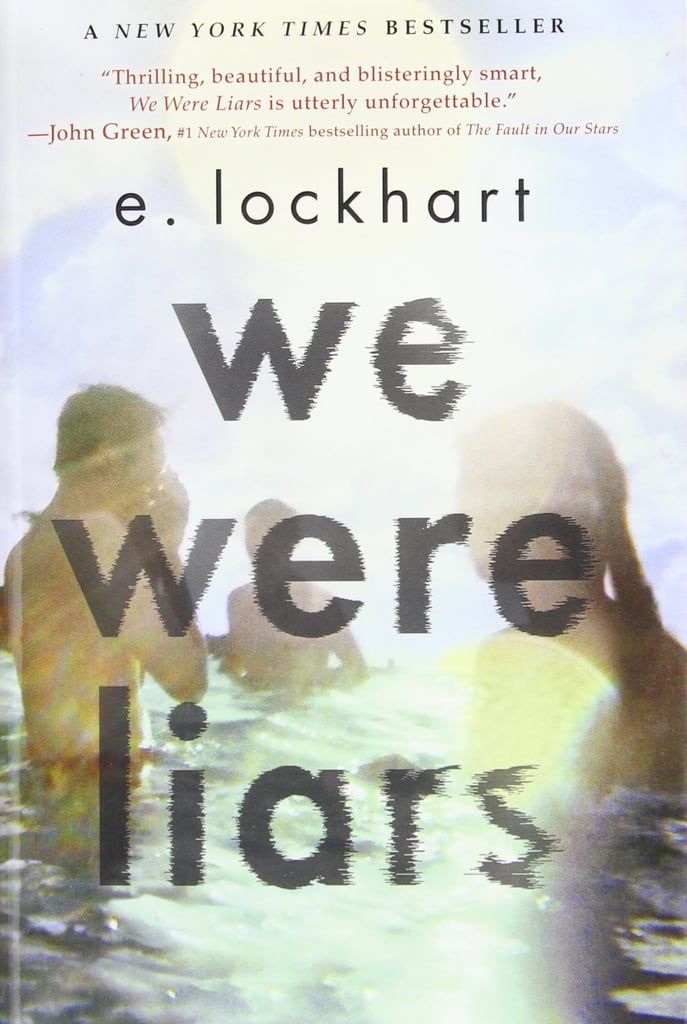
Liars

Lying is a fascinating and complex behavior that has intrigued psychologists, sociologists, and philosophers for centuries. From childhood fibs to elaborate deceptions, the act of lying encompasses a wide spectrum of motivations and consequences. At its core, lying involves the intentional presentation of false information, a choice often driven by various psychological, social, or situational factors.

Psychologically, individuals might lie to protect themselves from consequences, enhance their self-image, or manipulate others. Children often tell tales of fantastical adventures to impress their peers, while adults may embellish their accomplishments on resumes or social media to gain approval or status. The phenomenon of “white lies” illustrates how lying can sometimes be socially acceptable, designed to spare someone’s feelings or maintain harmony in relationships.

Socially, lying can serve as a tool for navigating complex social landscapes. In some cases, deception is employed strategically in negotiations or competitive environments, where individuals aim to gain an advantage over others. However, the repercussions of lying can be severe, leading to damaged relationships or loss of trust. Once trust is breached, it can be incredibly challenging to rebuild, often leading to a cycle of further deceit as individuals attempt to cover up previous lies.

From a broader perspective, lying raises ethical questions about transparency and accountability in both personal and political realms. Public figures, for instance, face scrutiny over their honesty, as deception can significantly impact public opinion and trust in institutions. Ultimately, while lying is a common human behavior, its implications are profound, often echoing far beyond the initial act and deeply affecting interpersonal dynamics and societal norms. Understanding the nuances of lying helps us navigate our interactions with others, encouraging a more empathetic approach to human flaws and motivations.

Vacation Mode: On the Literary Relationship Between Travel and Madness

The allure of travel, the promise of escape and discovery, is often intertwined with a certain romanticized notion of madness. Literature, from ancient myths to contemporary novels, has long explored this compelling connection. Perhaps it’s the disruption of routine, the immersion in unfamiliar landscapes and cultures, that can spark a shift in perspective, blurring the lines between sanity and unhinged freedom.

Homer’s Odysseus, driven by the gods, spent years at sea, enduring trials and tribulations, his journey fueled by both adventure and an almost manic pursuit of homecoming.  Similarly, in Herman Melville’s “Moby Dick,” Captain Ahab’s monomaniacal quest for the white whale is fueled by a singular obsession born out of a traumatic past, his journey a descent into madness fueled by the vastness and strangeness of the ocean.

Beyond the epic, even seemingly ordinary journeys can harbor the seeds of psychological transformation. In “The Picture of Dorian Gray,” Oscar Wilde uses travel to represent the protagonist’s descent into moral depravity, his travels fueling his self-indulgent pursuit of pleasure.  The journey becomes a metaphor for his internal turmoil, a journey outwards mirroring a descent inwards.

This literary exploration of the nexus between travel and madness suggests a deeper truth about the human psyche.  The act of leaving behind the familiar, the comfort of routine, can be both exhilarating and destabilizing. It allows us to shed our inhibitions, to embrace new perspectives, even at the cost of losing our grip on reality.

Ultimately, the “madness” in travel literature serves as a powerful reminder that journeys, both literal and metaphorical, can be transformative. They can push us to our limits, expose our vulnerabilities, and force us to confront the complexities of our own humanity.  But, perhaps, it is in this very confrontation, in the embrace of the unknown, that we discover our true selves, even if it comes with a touch of glorious, liberating madness.

On Writing—and Then Becoming—the “Other”

In the tapestry of human experience, the “Other” often serves as a narrative device, a convenient foil to define the “self.” It’s a categorization that separates, labels, and sometimes dehumanizes. Yet, for writers, the “Other” holds a paradoxical power. It compels us to question, to empathize, and to expand the boundaries of our own understanding.

Writing about the “Other” begins with the act of research, a journey into unfamiliar territory. We delve into cultures, histories, and experiences that challenge our preconceived notions. We learn languages, grapple with unfamiliar customs, and strive to understand the complexities of lives lived differently. This process of discovery is essential, not just for crafting believable narratives, but also for fostering empathy and dismantling prejudices.

But the act of writing goes beyond mere understanding. It requires us to step into the shoes of the “Other,” to inhabit their perspective, to feel their pain, their joy, their fears. It’s a transformative act of becoming, a shedding of our own biases and assumptions to embrace the humanity that lies beneath the label of “Other.”

This transformation, however, is not without its challenges. The writer must navigate the potential pitfalls of cultural appropriation and avoid perpetuating harmful stereotypes. Sensitivity and respect are paramount.  Ultimately, the goal is not to simply represent the “Other,” but to humanize them, to bring their stories and experiences to life with authenticity and nuance.

Through writing about the “Other,” we become more than just observers. We become participants in the human story, bridging divides, and fostering understanding. It’s a journey of discovery, empathy, and ultimately, a journey toward becoming more fully human ourselves.

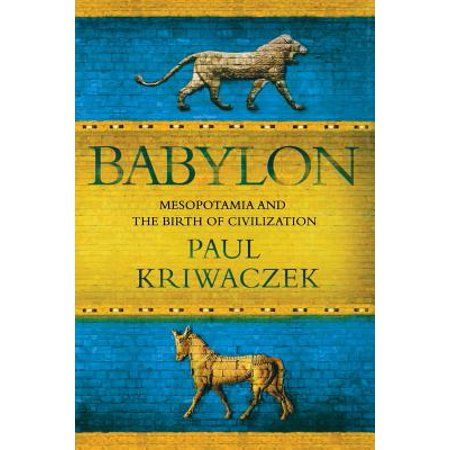
What the Epic of Gilgamesh Reveals About Sumerian Society

The Epic of Gilgamesh, an ancient Mesopotamian poem dating back to the 3rd millennium BC, is far more than just a tale of adventure. It provides a profound insight into the social, religious, and philosophical values of the Sumerian civilization that gave birth to it.

The epic’s central theme revolves around Gilgamesh, a powerful king seeking immortality. His journey reveals a society obsessed with mortality and the afterlife.  The fear of death permeates the narrative, driving Gilgamesh to desperate measures. This fear reflects the Sumerians’ strong belief in the importance of rituals and offerings to appease the gods and ensure a successful afterlife.

Furthermore, the epic portrays a society structured around kingship and divine authority. Gilgamesh is presented as a semi-divine ruler, embodying the power and responsibility of kingship. His actions, both heroic and flawed, highlight the complex expectations placed upon those in power. The story also showcases the intricate social hierarchy of Sumerian society, with priests, artisans, and commoners playing distinct roles.

Beyond the political structure, the epic also illuminates the Sumerian worldview. It explores themes of friendship, loyalty, and the search for meaning in a chaotic world. Gilgamesh’s close bond with Enkidu, a wild man transformed into his companion, underscores the importance of human relationships and the power of compassion. The epic also depicts a fascination with nature,  with Gilgamesh’s journey through the Cedar Forest emphasizing the reverence for the natural world.

In conclusion, the Epic of Gilgamesh is a rich tapestry woven from the threads of Sumerian culture. Through its captivating narrative, it unveils the social structures, religious beliefs, and philosophical ideals of this ancient civilization, offering a glimpse into a world long gone but not forgotten.

Weapons of Health Destruction: How Colonialism Created the Modern Native American Diet

The current state of health amongst Native Americans is a stark and devastating reality.  Diabetes, heart disease, and obesity are epidemic, a tragic outcome directly linked to a history of colonial violence and systematic destruction of traditional food systems.  The legacy of colonialism, far from being a thing of the past, continues to haunt Native communities through their plates.

The arrival of Europeans in the Americas marked a brutal turning point.  Traditional food sources, meticulously cultivated over millennia, were disrupted.  Forcing Native peoples onto reservations, often barren lands unsuitable for agriculture, decimated their ability to sustain themselves through traditional farming and hunting.  Forced assimilation policies went further, actively discouraging traditional food practices and promoting reliance on processed, nutrient-deficient foods.

This deliberate shift towards a “modern” diet, a diet far from the ancestral foods that had sustained Native communities for generations, had devastating consequences.  The high-sugar, high-fat, and low-fiber staples of the western diet led to a rapid increase in chronic diseases.  The irony is bitter: the very people who possessed a deep understanding of nutrition and sustainable food systems were forced to adopt a diet that was slowly killing them.

Today, the fight for food sovereignty is paramount.  Native communities are reclaiming their ancestral knowledge, revitalizing traditional farming practices, and reconnecting with the foods that once sustained them.  From community gardens to seed banks, from cultural education to political advocacy, the struggle to reclaim health and food security is ongoing.  It is a fight not only for the present but for the future, a fight to reclaim the legacy stolen by colonialism and rebuild a healthy future for generations to come.

Book Review: ‘Feh: A Memoir,’ by Shalom Auslander

Shalom Auslander‘s “Feh: A Memoir” is a wild, hilarious, and deeply personal journey through the complexities of Jewish identity.  Auslander, with a sharp wit and unyielding honesty, tackles everything from his dysfunctional family to his existential anxieties, all through the lens of his Jewish upbringing.

The book is a tapestry woven from anecdotes, reflections, and humorous observations. Auslander masterfully navigates the absurd and the poignant, leaving the reader both laughing out loud and reflecting on their own experiences. He doesn’t shy away from criticizing Jewish traditions,  from his exasperation with the endless cycle of holidays to his frustration with the seemingly endless amount of food at every family gathering. But within this critique, there’s a deep love and affection for his heritage, a longing for connection even as he grapples with its complexities.

While “Feh” is undeniably funny, the humor never feels cheap or insensitive.  Auslander’s self-deprecating approach and willingness to expose his own vulnerabilities create a sense of empathy and intimacy. We witness his struggle with his family’s dysfunctional dynamics, his own emotional baggage, and his existential fears, all woven through the framework of his Jewish identity.

Ultimately, “Feh” is a memoir that challenges us to confront the messy, often uncomfortable realities of family, religion, and self-identity. It’s a reminder that finding meaning and connection in the face of doubt and uncertainty is a universal human experience, regardless of faith or background. Through his humor and vulnerability, Auslander invites us to laugh at ourselves and our anxieties, while simultaneously reminding us of the importance of embracing our unique stories and finding our own paths.