Designing the layout of a classroom is crucial as it can significantly impact students’ interaction, engagement, and learning. There are many different seating arrangements you can choose from, each with its advantages and potential drawbacks. Here are eight classroom seating arrangements that can help you maximize your instructional goals:
1. Traditional Rows or Columns
This is the most common seating arrangement, where desks are lined up in rows or columns facing the front of the classroom. This setup is great for focused individual work and direct instruction from the teacher, but it limits student-to-student interaction.
2. Clusters or Pods
Grouping desks into clusters or pods fosters a collaborative learning environment where students can work together on projects or discussions. This layout encourages teamwork and peer learning but makes it harder for all students to have a clear view of the front.
3. U-Shape or Horsehoe
A U-shaped arrangement allows all students to face each other, promoting open dialogue and easier classroom management for the teacher. It also ensures that each student has an unobstructed view of the teacher and any visual aids.
4. Circle or Oval
Arranging desks in a circle or oval creates an intimate setting conducive to discussion and debate. This setup puts everyone on an equal footing, encouraging students to participate more actively.
5. Stadium Seating
In this tiered setup, rows of seats are elevated like in a stadium. It allows better visibility for both the teacher and students but requires a specifically designed classroom with movable chairs rather thandesks.
6. Seminar Style
For older students, seminar styles with rectangular or circular tables facilitate discussion-based classes and group work. It’s similar to a university setting and helps prepare students for post-secondary education dynamics.
7. Lab Stations
When hands-on experiments or activities are central to classwork, lab stations are ideal. They provide ample workspace and can be equipped with necessary materials and tools for scientific or technical tasks.
8. Café Style
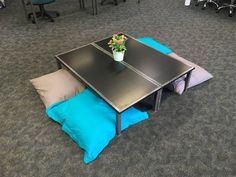
Inspired by coffee shops, café-style seating with small round tables and comfortable chairs can make for a relaxed environment where students feel free to engage in discussions and independent work.
Each seating arrangement has its unique set of benefits that cater to different teaching styles and learning objectives. The key is to align your classroom layout with your educational goals while allowing flexibility to adapt as those goals evolve throughout the school year.