Classroom Management

Flexible Seating Ideas to Make the Alternative Work for Your Classroom

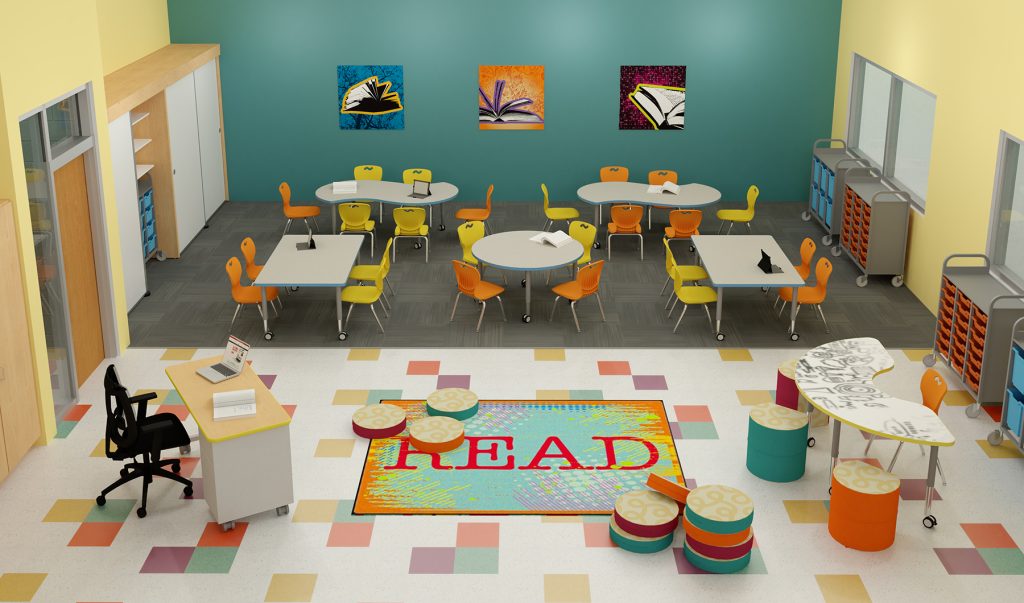
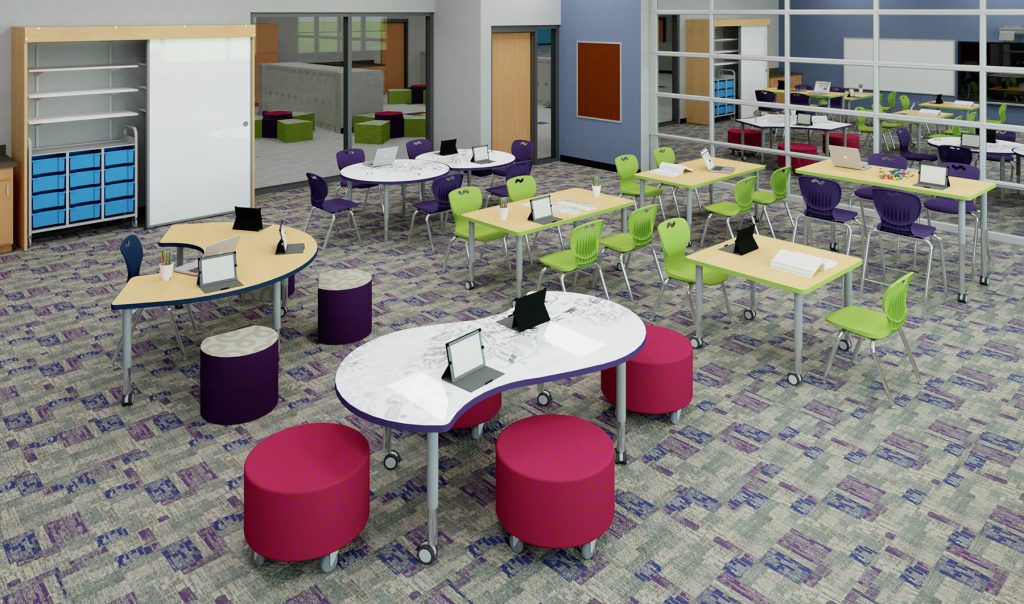
In recent years, flexible seating has become an educational trend that many teachers are embracing. The traditional classroom setup with rows of desks facing a blackboard is giving way to innovative layouts that encourage collaboration, comfort, and choice. Here are some flexible seating ideas that can help make this alternative approach work for your classroom:

1. Stability Balls: Replace traditional chairs with stability balls to help students focus their energy and improve their core strength. These can be especially beneficial for students who need to move around or fidget.

2. Standing Desks: Incorporate standing desks into your classroom to provide students with the option to stand while they work. This can boost engagement and may even lead to improved academic performance.

3. Bean Bags and Couches: Create a cozy corner with bean bags, couches, or other soft furniture to offer a relaxed environment. This type of seating is perfect for independent reading time or small group discussions.

4. Wobble Chairs: Wobble chairs allow movement while sitting, which can help students who struggle to stay still maintain concentration on their tasks.

5. Floor Cushions: Scatter floor cushions around the room to give students the option of sitting on the floor while they work on low tables or clipboards. It’s an informal setting that can spur creativity and teamwork.

6. Modular Furniture: Invest in modular pieces that can be easily moved and rearranged. This flexibility encourages experimentation with different seating configurations tailored to each activity.

7. Café-style Seating: Set up round tables with chairs like a café, allowing for small group collaborations and peer interactions within an inviting space.

8. Lap Desks: Provide lap desks that students can take with them as they choose a spot in the classroom that feels comfortable for them, fostering autonomy within the learning environment.

When implementing flexible seating, it’s important to establish clear guidelines and expectations. Teach students about the choices available and how to select a seat that will benefit their learning experience each day. Classroom management techniques will also need to adapt—for example, you might allow students to choose their seats each morning or rotate options regularly.

Remember that not all flexible seating options will work for every student or every class; it’s essential to observe how your students interact with different seating choices and make adjustments as needed. With careful planning and consideration, flexible seating can transform your classroom into a dynamic learning space where all students can thrive.

13 World Kindness Day Ideas to Teach Kids to Be Kind in Your Classroom

World Kindness Day is an international holiday that promotes kindness throughout the world. Celebrated on November 13th each year, it’s a wonderful opportunity for educators to teach children about the importance of being kind. Here are 13 creative and impactful ideas you can incorporate into your classroom to mark this day and instill kindness in young hearts and minds.

1. Kindness Circle: Start the day with a kindness circle where each student can compliment another person in the class or share something kind they did recently.

2. Kindness Rocks: Have students paint rocks with positive messages and place them around school grounds or in the community for others to find.

3. ‘What Would You Do?’ Scenarios: Discuss hypothetical scenarios that call for compassion and encourage students to brainstorm kind responses.

4. Acts of Kindness Chart: Create a chart to keep track of acts of kindness. Each student can add a sticker to the chart when they do something nice for someone else.

5. Letters of Appreciation: Encourage students to write letters of appreciation to school staff, family members, or friends.

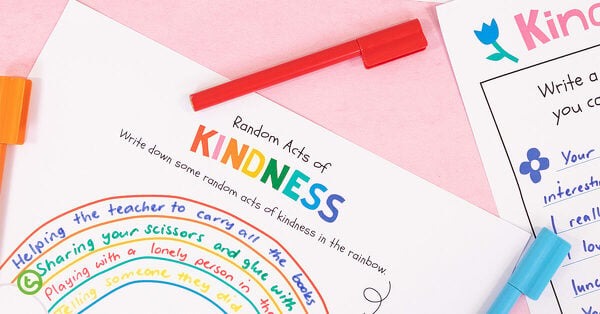
6. Random Acts of Kindness Challenge: Challenge students to perform random acts of kindness throughout the week and document their experiences.

7. Kindness Bookmarks: Have students create and decorate bookmarks with inspiring quotes about kindness, which they can give out or exchange with classmates.

8. Partner Up for Kindness: Pair up students and have them spend the day being extra kind to their “kindness buddy” by helping out with tasks, offering encouragement, or sharing supplies.

9. Volunteer Opportunities: Research local volunteer opportunities where students can participate and make a positive impact on their community.

10. Gratitude Journal: Introduce a gratitude journal where each student writes down something they are thankful for every day, encouraging positivity and thankfulness.

11. Kindness Tree: Create a classroom ‘Kindness Tree’ where students can hang leaves noting acts of kindness they’ve witnessed or participated in.

12. Positive Affirmations: Teach kids about positive affirmations and have them craft their own as well as share them with their peers.

13. Compliment Balloons: Fill balloons with compliments and let each student pop one at the end of the day, learning a new thing someone else appreciates about them.

Including these activities in your celebration of World Kindness Day is not only fun but also incredibly valuable in teaching kids how powerful and important kindness is in our world today. Let’s empower them with the belief that no act of kindness, no matter how small, is ever wasted!

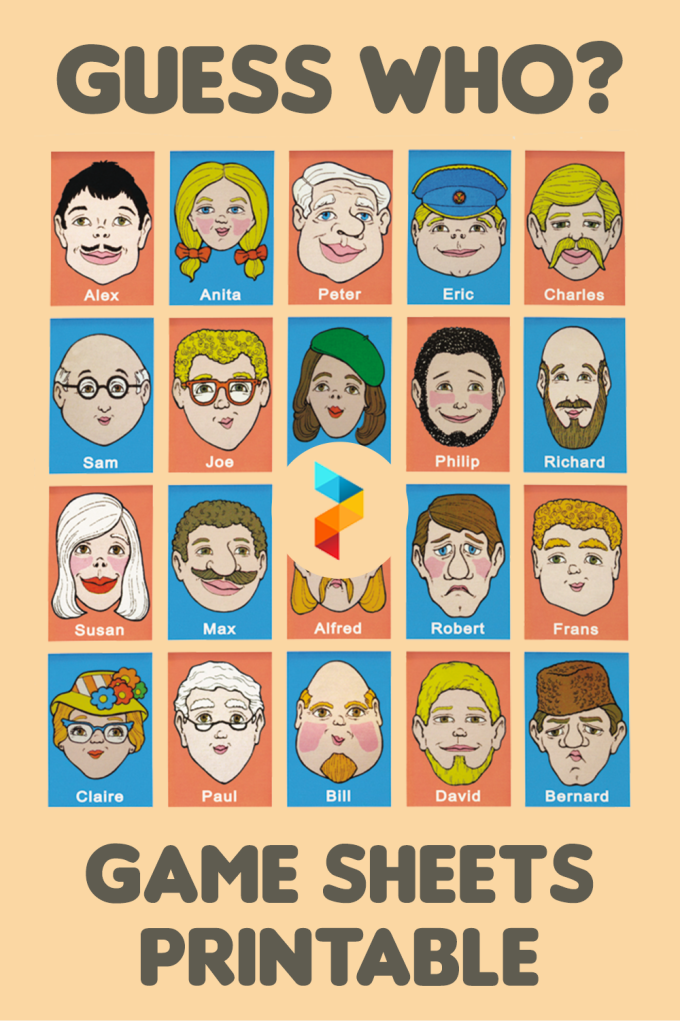
Printable “Guess Who?” Game Templates for the Classroom

The classic game of “Guess Who?” has cemented its place as a beloved game among generations. With its mix of logical deduction and pure fun, it has found an equally engaging role within educational environments, like classrooms. By utilizing printable “Guess Who?” templates, teachers can provide a customizable and educational twist on this traditional game, making it an excellent tool for reinforcing lessons in a lively manner.

These printable templates allow for endless variations that can cater to different subjects and learning objectives. Whether the goal is to enhance vocabulary, introduce historical figures, or even solidify knowledge of elements on the periodic table, “Guess Who?” can turn a routine learning experience into an interactive adventure.

Implementing these games in the classroom is straightforward. Teachers need only print out the templates, which are often readily available online, and assemble them with minimal supplies like scissors and cardstock. Then, the game cards can be personalized with the names or pictures of whatever subject matter is being explored.

For example, in a language arts class, characters from a recently read book could be featured on the game pieces. Alternatively, in social studies, templates might include influential leaders from various countries to help students learn about world history or politics. Science classes could use images or facts about animals, plants, or even celestial bodies as part of their learning strategy.

Moreover, these templates aren’t just beneficial for memorization. They promote critical thinking as students must ask strategic questions to narrow down their options and pinpoint the correct answer. This form of gamified learning encourages students to engage more deeply with the material and think critically about categories and characteristics.

In conclusion, printable “Guess Who?” game templates offer a flexible and entertaining method for reinforcing educational content in a classroom setting. With endless customization options at their fingertips, educators can create a dynamic learning environment while providing students with an enjoyable way to solidify their knowledge base.

Classroom Calendar Bulletin Board

In the dynamic environment of a classroom, a well-designed calendar bulletin board can serve as a central hub for students and teachers alike. It’s a visual tool that not only keeps track of the days, but also highlights important events, deadlines, and celebrations. An engaging classroom calendar bulletin board can help students feel involved and informed about what to expect.

When designing a classroom calendar bulletin board, there are several elements to consider to make it both educational and appealing:

1. Theme and Aesthetics: Choose a theme that resonates with your class or correlates with the current time of year. Bright colors, bold numbers, and fun patterns can draw students’ attention. Incorporating themes from science, history, literature, or seasonal motifs keeps the bulletin board fresh and exciting.

2. Interactivity: Make your calendar interactive by allowing students to take turns adding important dates or noting special events. You could have a ‘weather corner’ where students update daily conditions or even track phases of the moon as part of a science lesson.

3. Organization: Despite any decorative elements, the calendar should be clear and easy to read from anywhere in the classroom. Use large numbers for the dates and clearly distinguish between days of the week. Have spaces big enough to write in without becoming cluttered.

4. Educational Content: Use the calendar to reinforce learning by incorporating curriculum-relevant facts around it. For example, you could add a historical fact that correlates with a date or a math problem related to time-telling.

5. Flexibility: Since activities and dates can change, make sure parts of your bulletin board are easy to update. Laminated pieces with Velcro or magnets allow you to switch out information easily without starting over from scratch.

6. Inclusivity: Recognize diversity by marking culturally significant dates for various cultures represented in your classroom—this promotes inclusivity and broadens students’ cultural understanding.

7. Learning Objectives: Align some aspects of the bulletin with your learning objectives — whether it’s learning about seasons, counting days, or understanding historical timelines.

8. Student Work Display: Reserve space on or near the calendar to showcase student work related to dates on the calendar, whether it’s art related to an upcoming holiday or graphs charting weather patterns mentioned earlier.

Implementing these components will create an informative and stimulating classroom calendar bulletin board that encourages participation from all students while keeping them engaged in their daily routines within your classroom setting.

6 Classroom Setup Ideas Veteran Teachers Swear By

As any experienced educator knows, the physical layout of a classroom can significantly impact both teaching effectiveness and student learning. Classroom setup can affect student concentration, participation, and overall engagement. Veteran teachers, masters of their craft through years of trial and error, have developed strategies for organizing their classrooms that maximize learning and maintain an orderly environment. Here are six classroom setup ideas that veteran teachers swear by:

1. Flexible Seating Options: Gone are the days when rows of desks were the norm. Flexibility in seating allows students to find a workspace that’s comfortable for them and encourages collaboration. This might include options like bean bags, standing desks, cushions on the floor, or movable chairs.

2. Learning Stations: Different corners or areas of the room dedicated to independent or group activities can enhance learning and engagement. Setting up stations for reading, technology, crafts, or subject-specific activities like science experiments gives students a change of scenery and breaks up the monotony of the day.

3. Clear Traffic Patterns: Wise space planning allows for smooth transitions between activities and minimizes disruptions. Veteran teachers make sure there are wide and clear paths for movement around the classroom so that both students and teachers can move easily without causing distraction.

4. Interactive Walls: Turn wall space into interactive learning areas with whiteboards, bulletin boards, or displays that students can add to or alter as part of their learning experience. This sort of visual and interactive space provides opportunities for students to take ownership of their environment.

5. Quiet Zones: A designated quiet area where students can go to focus on individual tasks or take a moment away from the buzz of classroom activity is essential for catering to different needs within the classroom.

6. Teacher’s Command Center: A well-organized teacher’s desk area—not necessarily positioned at the front—is vital for maintaining order. Some educators prefer a central location within the room to allow easy access to any student or area that requires attention.

In conclusion, these six ideas are just a taste of how versatile a classroom setup can be—each promoting an engaging and effective learning environment in its own right. With these expert insights into classroom organization, teachers new and old can create a space conducive to education and growth.

18 Clever Classroom Storage Ideas for the Busy Teacher

Teachers are always on the lookout for creative and efficient ways to organize their spaces. A well-organized classroom not only makes teaching more manageable but also promotes a better learning environment. Here are 18 clever storage ideas to help busy teachers keep their classrooms tidy and their resources easily accessible:

1. Hanging File Folders: Utilize wall space by installing hanging file organizers to store worksheets, assignments, and important documents.

2. Rolling Cart: A rolling cart with multiple shelves can serve as a mobile station for teaching materials that you can move around as needed.

3. Magnetic Spice Containers: These small containers can be attached to a magnetic board and used to hold paperclips, push pins, and other small items.

4. Over-the-Door Shoe Organizer: A clear shoe organizer is perfect for storing individual student supplies, craft items, or calculators.

5. Repurposed Jars: Label old jars and use them to store markers, pens, pencils, and even items like pom-poms or beads for art projects.

6. Stackable Bins: Large colorful bins can be stacked in a corner to hold toys in early childhood classrooms or physical education equipment.

7. Book Bins for Student Desks: Provide each student with a small book bin for their desk to manage personal items and reduce clutter.

8. Foldable Fabric Bins: These bins are lightweight and can be folded away when not in use; they’re great for holding seasonal teaching materials or costumes.

9. Ceiling Hooks for Hanging Baskets: Utilize vertical space by hanging baskets from the ceiling – ideal for storing stuffed animals or headphones.

10. Binder Clips and Pegboards: Attach binder clips to pegboards to hold coiled wires or headphones neatly at hand without tangling.

11. Accordion Files for Stationary: An accordion file is perfect for sorting and storing stickers, stamps, notecards, and other stationery neatly.

12. Labelled Drawer Carts: Invest in a plastic drawer cart with labels for different subjects or days of the week – perfect for advance lesson preparation.

13. Revolving Craft Caddy: Keep all your art supplies in one place with a revolving caddy that you can turn to reach exactly what you need without rummaging through boxes.

14. Pocket Charts: Use pocket charts not just for educational purposes but also to file papers that need grading or have been graded but not yet handed back.

15. Wall-Mounted Literature Organizers: These are great for older students; each slot can hold a different class’s papers or reading materials in secondary classrooms.

16. Storage Ottomans: These dual-function pieces provide extra seating while offering hidden storage inside – ideal for blankets, cushions, or drama props.

17. Vertical File Organizer on Casters: Similar to rolling carts but more compact, these are great for sliding under tables when not in use.

18. Removable Adhesive Hooks & Caddies: Use adhesive hooks and caddies on cabinet doors or sides of desks to keep frequently used items within arm’s reach without damaging surfaces.

With these clever classroom storage ideas, teachers can maintain an orderly space conducive to learning without spending all their time organizing—leaving more time for what they do best: teaching!

11 Simple Classroom Bulletin Board Ideas You Can Set Up in No Time

Creating an eye-catching and educational bulletin board is a great way to engage students and energize your classroom. Here are 11 simple bulletin board ideas that are easy to set up:

1. Welcome Board: A “Welcome” board with each student’s name on a small paper element like a star or fish can create a warm and personalized atmosphere.

2. Word of the Week: Introduce new vocabulary by featuring a “Word of the Week” bulletin board. Include the word, its definition, a sentence, and an image that represents it.

3. Historical Timeline: Create a historical timeline relevant to your current lessons, allowing students to add important dates and facts as they learn them.

4. Question of the Day: Stimulate critical thinking with a “Question of the Day” board where students can post their answers and discuss them.

5. Birthdays Chart: A simple birthdays chart not only celebrates each student but also helps them learn about calendars and dates.

6. Reading Corner: Dedicate a space for book recommendations, reading challenges, and showcasing book covers from what the class is reading or most enjoyed.

7. Seasonal Themes: Adjust your bulletin board with seasonal decorations and thematic content that reflects holidays or the changing weather.

8. Student Work Showcase: Rotate student work on your bulletin board. This not only encourages pride in their work but also allows students to learn from each other.

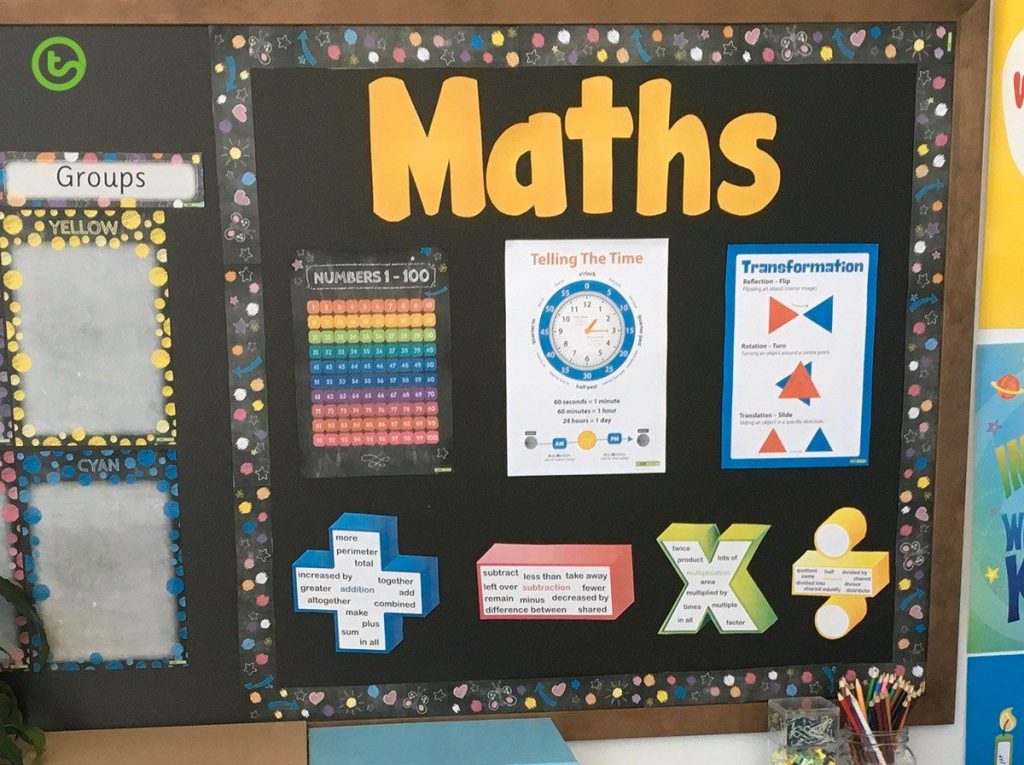
9. Interactive Math Board: Set up math puzzles or problems of different levels for students to solve when they have free time.

10. Science Facts: A science-themed board with interesting facts or ‘Did You Know?’ snippets can spark curiosity for the subject matter being covered in class.

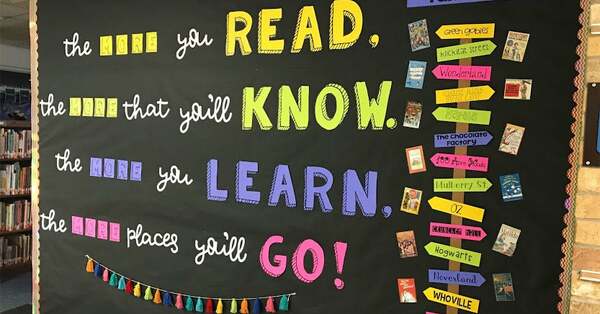
11. Inspirational Quotes: Post motivational quotes that inspire positivity, perseverance, and a growth mindset. Rotate these quotes to keep them fresh and engaging.

These ideas balance educational content with fun and interactive elements, ensuring that your classroom remains an exciting learning environment all year round.

Classroom Management Hacks Teachers

Classroom management is an essential skill for teachers, as it affects both the quality of teaching and the learning outcomes for students. Overcrowded classrooms, diverse student needs, and the integration of technology are all challenges that educators must navigate. However, with a few classroom management hacks, teachers can create an environment conducive to learning and personal growth.

1. Establish Clear Expectations

Start by setting clear and attainable rules and expectations from the very beginning. Involve your students in this process to give them a sense of ownership and responsibility. Visual reminders of the rules can help reinforce them.

2. Implement a Classroom Routine

Establishing a consistent routine can significantly reduce chaos and student anxiety. Regular schedules for activities like group work, individual tasks, and classroom discussions help students know what to expect and when.

3. Use Attention Grabbers

Develop unique attention grabbers or signals that immediately get your students’ attention without raising your voice. This could be a hand signal, a light switch flicker, or a short melody on a bell or xylophone.

4. Positive Reinforcement

Focus on what students are doing right by using positive reinforcement strategies. Providing genuine praise for good behavior can motivate students much more effectively than focusing on negative behaviors.

5. Flexible Seating Options

Allow students to choose where they sit or provide different seating options such as bean bags, standing desks, or a cozy corner with pillows. A change in environment can sometimes change student attitudes and collaboration for the better.

6. Utilize Classroom Jobs

Assign age-appropriate classroom jobs that rotate regularly to teach responsibility and give students a sense of ownership in the classroom environment.

7. Quick Transitions

Keep transitions between activities fast to maintain momentum within the class. Have a countdown timer or play short music snippets to let everyone know it’s time to change tasks.

8. Incorporate Technology Thoughtfully

Use technology as a tool for engagement rather than a distraction by integrating educational apps and platforms that enhance learning experiences instead of replacing traditional teaching methods.

9. Engage with Interactive Learning

Turn lessons into games or use interactive activities that encourage active participation from all students, fostering both competition and collaboration.

10. Have a Plan B (and C) Ready

No matter how well you plan, sometimes things don’t go as expected. Be prepared with alternative activities or extensions for lessons that capture the interest of your students when they finish tasks early or are not engaged.

11. Build Relationships

Know your students’ names quickly and take time to learn about their interests, strengths, and areas where they may need more support. Strong relationships foster respect and cooperation within the classroom

12. Mindfulness Moments

Integrate short mindfulness exercises into your day to help students refocus and recalibrate their energy levels – especially after recess or lunch periods.

Implementing these classroom management hacks can help create an environment where both teacher and student thrive. Each class is different—trial, error, and adaptation are key parts of finding what works best for you and your students.

9 Secrets to a Calm Classroom Environment (From Expert Teachers)

Creating a calm classroom environment is essential for both student success and teacher sanity. Expert educators across the globe agree that a peaceful classroom doesn’t just happen by chance—it’s the result of deliberate and consistent strategies. Here are nine secrets straight from expert teachers that can help foster serenity in the classroom:

1. Structured Routine: Having a clear, predictable routine keeps students feeling secure and aware of what to expect next. This reduces anxiety and can significantly cut down on disruptive behavior.

2. Mindfulness Activities: Starting the day with a mindfulness activity such as deep breathing or light stretching can help set a tranquil tone for the day. Regular mindfulness practices have been shown to improve concentration and reduce stress in students.

3. Soft Background Music: Low-volume, soothing music can have a profound calming effect on the classroom environment. It can create an ambient sound that drowns out distractions and helps students focus.

4. Incorporate Nature: Bringing elements of nature into your classroom, like plants or a class pet, or even nature sounds, can help reduce stress levels and promote a relaxed atmosphere.

5. Effective Classroom Layout: Arrange your classroom in a way that allows for easy movement and reduces congestion. A well-organized space helps prevent chaos and keeps the peace.

6. Positive Relationships: Building genuine, trusting relationships with students encourages respect and cooperation, which contributes to a calm classroom dynamic.

7. Visual Calmness: Use soft colors and minimal visual clutter on bulletin boards and walls to avoid sensory overload, which can be distracting or overstimulating for some students.

8. Choice Time: Give students some time during the day to choose their activity. This autonomy can decrease power struggles and allow students to self-regulate, which contributes to overall calmness.

9. Clear Communication of Expectations: Make sure that students know what is expected of them in terms of behavior and academic performance. Clear guidelines minimize misunderstandings and the potential for disruptions.

By weaving these techniques into everyday teaching practices, educators can create a more peaceful learning environment conducive to teaching and learning excellence.

20 Genius Classroom Decorating Ideas for 2023

As we move into 2023, educators are looking for fresh and innovative ways to decorate their classrooms to enhance the learning experience. Good classroom décor can spark creativity, provide comfort, and make learning spaces more engaging. Below are 20 genius classroom decorating ideas that are sure to inspire both teachers and students.

1. Nature-Inspired Themes: Incorporate elements from nature, like plants, to create a calming environment. Botanical prints and live greenery can help improve air quality and boost students’ mood.

2. Interactive Bulletin Boards: Set up bulletin boards that invite interaction—think touch-and-feel sections, question of the week, or rotating student work displays.

3. Educational Murals: Utilize wall space with murals that have educational content such as maps, historical timelines, or science processes.

4. Flexible Seating Options: Offer a variety of seating arrangements like floor pillows, bean bags, and standing desks to accommodate different learning styles and promote comfort.

5. Reading Nooks: Carve out a cozy corner of the classroom dedicated to reading, replete with bookshelves and comfy seating options.

6. Color Zones for Learning: Define different areas of the classroom with color themes – blue for calm reading areas, yellow for energetic discussion spaces, etc.

7. Lighting Variety: Introduce different types of lighting—lamps for warm light options and strings of lights for ambient light—to reduce strain from fluorescent overheads.

8. Classroom Themes: Pick a classroom theme that changes annually or by semester – from jungle adventure or outer space exploration to historical eras.

9. Tech-Friendly Spaces: Create specific zones designed for technology use like a podcasting station or a video editing corner equipped with the necessary tools.

10. Class Constitution Wall: Design a space where class rules are visually represented alongside signatures from each student to promote ownership and accountability.

11. Cultural Corner: Dedicate an area to celebrate various cultures represented in your class with artifacts or visual displays providing information about different countries and traditions.

12. Math Manipulative Stations: Set up hands-on math centers with manipulatives that students can use during math workshops or free exploration time.

13. Science Lab Zone: Distinguish part of the classroom as a science lab area where experiments can be conducted safely and materials are efficiently organized.

14. Art Gallery Display: Reserve a wall to display student artwork, providing students with the pride of seeing their creations showcased formally.

15. Inspirational Quotes Gallery: Have a rotating gallery of inspirational quotes related to education and growth mindset accessible for all students to see and read daily.

16. Subject-Specific Decoration Kits: Use removable vinyl decals or thematic kits related to subjects being taught – chemistry concepts, literary figures, historical events etc.

17. Organization Stations: Create clearly labeled storage areas for supplies that encourage self-organization by students such as book bins labeled by genre or math toolkits.

18. World Clock Display: Hang clocks showing different times around the world which can tie into geography lessons and global awareness.

19. Augmented Reality Corners: Incorporate augmented reality posters that come alive through apps on tablets or smartphones offering interactive learning experiences.

 20. Sensory Pathways on Floors: Introduce sensory paths made with stickers on floors that guide movement patterns encouraging physical activity breaks throughout lessons.

These genius decorating ideas not only beautify the classroom but also serve educational purposes – from promoting diversity to creating tactile learning experiences – aiming at making the learning environment as enriching as possible in this upcoming year!