Classroom Management

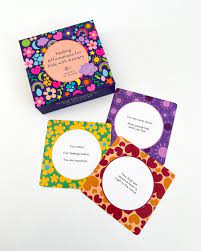
Positive Affirmations for Kids — Classroom Display Cards

Positive affirmations can play a crucial role in fostering a child’s self-esteem and resilience. Affirmations are affirmative sentences that can influence the conscious and subconscious mind to help individuals believe in their potential and capabilities.

In a classroom setting, display cards of positive affirmations can act as consistent and visual reminders for kids to believe in themselves and their abilities. These are not just decorative but serve the purpose of instilling confidence and positivity that can enhance the overall learning environment.

Here are several positive affirmations designed for classroom display cards:

1. “I am brave enough to try new things.”

2. “Mistakes help me learn and grow.”

3. “I am unique and special.”

4. “I am kind to myself and others.”

5. “I am a responsible student.”

6. “Every day is a fresh start.”

7. “I believe in my dreams.”

8. “Challenges help me grow stronger.”

9. “I am thankful for today.”

10. “My ideas are worth sharing.”

Educators can introduce these affirmations during morning routines or class discussions, encouraging children to repeat them and even discuss what each affirmation means to them personally. Over time, this practice helps students internalize these positive beliefs, potentially improving their academic performance, social skills, and well-being.

Colour Coding Ideas for the Classroom (Why Teachers Love It!)

Colour coding in the classroom is more than just an aesthetic choice—it’s a powerful tool that can enhance learning and organization. Many educators have turned towards this vibrant stratagem to bring about a transformative change in their teaching environments. But what makes colour coding such a celebrated technique among teachers? Let’s delve into the exciting world of chromatic organization and its benefits in an educational setting.

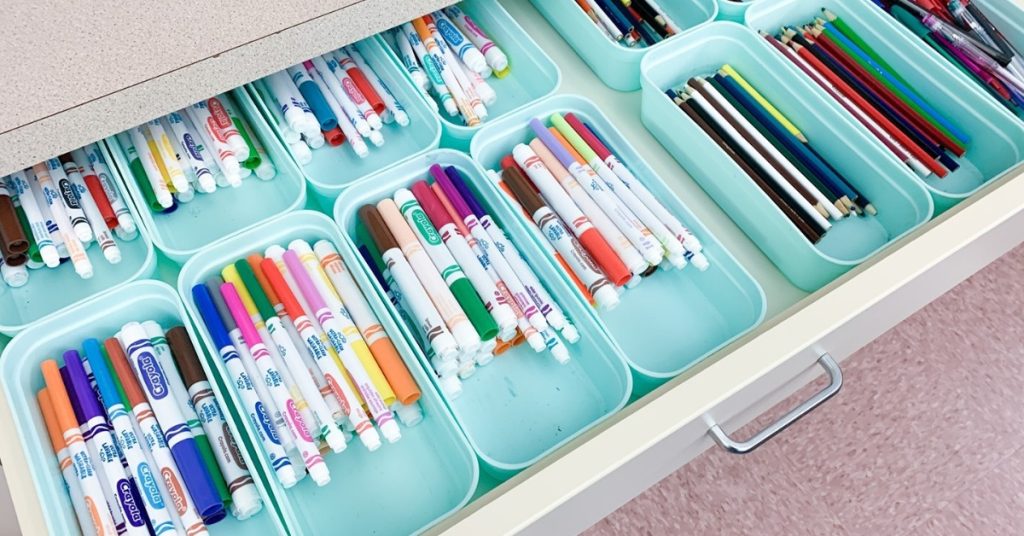
The classroom is a bustling hub of activities, subjects, and resources, which can often lead to chaos if not managed properly. Colour coding presents a simple yet effective solution for maintaining order. Teachers can assign different colours for each subject or activity, making it easy for students to identify what they need at a glance. For example, blue folders might be used for mathematics, green for science, and yellow for history. This visual organization extends beyond folders; it can be applied to book covers, bins, and even sections on whiteboards.

Not only does this system help with physical organization, but it also aids memory and learning. Studies have shown that colours can improve cognition and recall by creating associations in our brains. When students consistently see particular colours in association with certain subjects or concepts, they’re more likely to remember them. Utilizing colour as an educational cue enables quick recollection and retrieval of information during classes or exams.

Teachers appreciate colour coding because it also streamlines their work, making it easier to plan lessons and manage materials. They can organize teaching aids and stationery by colour, saving precious time during preparations. Moreover, when each student’s work is marked with a specific colour, it simplifies tracking progress and submissions, ensuring nothing gets misplaced or overlooked.

Classroom behaviour management benefits too—setting clear behavioural expectations through colour-coded charts or systems aids clarity for students. A traffic light system, for instance, with green indicating good behaviour, yellow as a cautionary reminder, and red for notice of poor behaviour patterns helps students visually gauge their own behaviour throughout the day.

Another advantage lies in inclusivity—colour coding is immensely helpful for students with learning differences such as dyslexia or ADHD. It reduces cognitive load by providing clear visual boundaries and categorizations that assist in focusing attention and understanding organizational systems.

Finally, colour coding nurtures autonomy among students; when they know exactly where to find what they need without constant guidance from the teacher, they develop independence in their learning journey.

In conclusion, colour coding is much more than just making the classroom look pleasant—it’s an instrumental asset that enhances pedagogical efficiency, reinforces memory, aids behavioural management, supports inclusivity, and fosters independence among students. By painting the classroom with purposeful strokes of hue-coded organisation, teachers worldwide are embracing a practical rainbow that spells success in large vivid letters.

All You Need to Know About Class Pets!

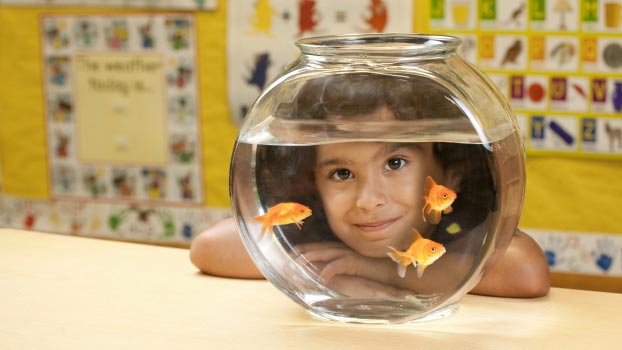
Introducing a class pet into an educational environment can be a unique and rewarding experience for students of all ages. It not only brings joy and excitement into the classroom, but also teaches children responsibility, empathy, and the basics of animal care. Before taking the plunge, there are several key factors that educators and parents should consider.

Choosing the Right Pet: Selecting an appropriate pet is crucial. It should be one that fits well with the age group of the students, the size of the classroom, and its daily routines. Common class pets include fish, guinea pigs, hamsters, and hermit crabs due to their manageable size and care requirements.

Understanding Care Needs: Every animal has specific needs in terms of habitat, diet, social interaction, exercise, and health care. Teachers must do thorough research or consult with professionals to understand these requirements before bringing a pet into the classroom.

Educational Value:

A class pet offers various educational opportunities. Lessons can encompass animal biology, ecology, nutrition, and more. Students can observe life cycles firsthand and conduct behavioral studies.

Cost and Commitment: Keeping a class pet involves expenses such as housing, food supplies, veterinary check-ups, and possibly insurance. Additionally, care for the pet does not end when the school bell rings; plans need to be made for weekends, holidays, and vacation periods.

Creating a Care Schedule: Involving students in the upkeep of a class pet helps foster responsibility. A rotating schedule for feeding the pet, cleaning its habitat, and monitoring its health can teach valuable life skills.

Dealing with Allergies or Fear: It’s important to be aware that some students may have allergies or an innate fear of certain animals. Alternative arrangements should be made to accommodate these students without excluding them from learning opportunities.

Setting Ground Rules: Clearly established rules help ensure both student safety and animal welfare. Handling guidelines should be communicated to avoid stress or harm to the pet.

The End-of-Life Conversation: Part of having a class pet is dealing with aging or sickness. Teachers should prepare for sensitive discussions regarding death as a natural part of life, which can be both challenging and educational.

Class pets are more than just animals; they are teachers in their own right. By providing direct interactions with living creatures, they enrich the learning environment in multiple ways. It’s a childhood school experience that can leave lasting memories while imparting lessons that reach far beyond standard curriculum.

Environmentally Friendly Ways to Clean Your Classroom

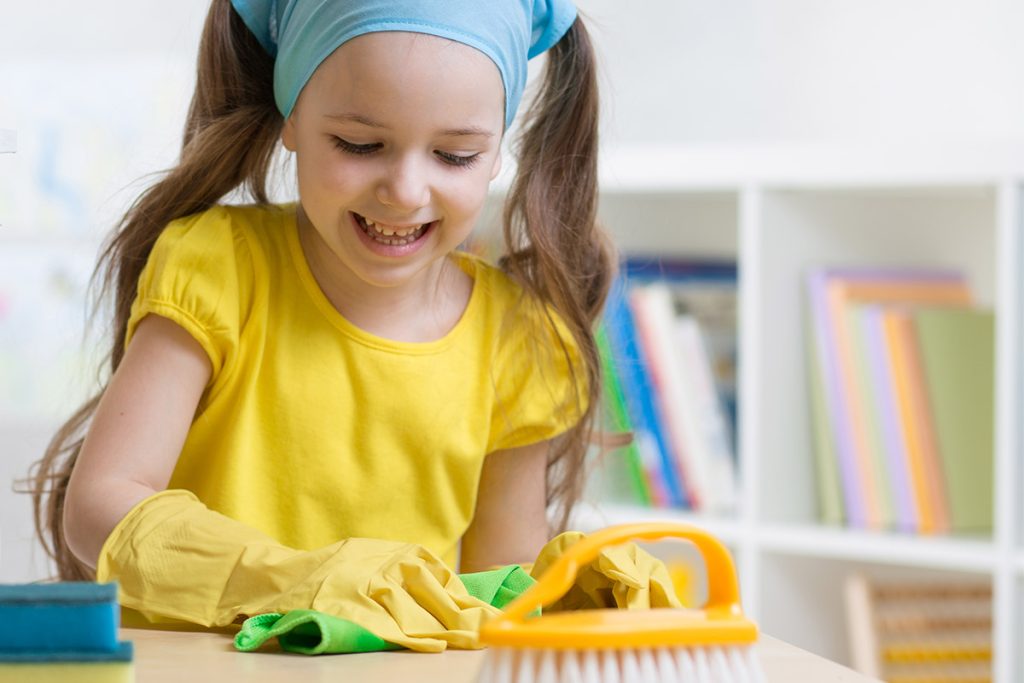
In the age of sustainability, environmentally friendly practices are no longer a trend but a necessity. When it comes to education, a clean and healthy classroom is crucial for both the teachers and students. However, many of the conventional cleaning methods rely on chemicals that can be harmful to both the environment and humans. Adopting green cleaning methods can reduce this harm while maintaining a hygienic learning environment. Here are several ways you can clean your classroom that are safe for the earth and its inhabitants.

1. Utilize Natural Cleaning Agents

Instead of using chemical-laden commercial cleaners, opt for natural alternatives like vinegar, baking soda, lemon juice, or essential oils. These substances are biodegradable and non-toxic, making them safe for children and adults alike. For instance, vinegar mixed with water is an excellent all-purpose cleaner that can be used on desks and countertops.

2. Microfiber Cloths over Paper Towels

Microfiber cloths can effectively pick up dust and dirt without the need for chemical sprays. These cloths are reusable, reducing waste from disposable paper towels that contribute to deforestation and pollution from manufacturing processes.

3. Implement Recycling Procedures

Encourage students to recycle by having separate bins for paper, plastic, glass, and metal. Educate them about the importance of recycling and how it reduces the need for raw materials, conserves energy, and decreases pollution.

4. Green Seal Certified Products

If you must purchase cleaning products, look for items that have been certified by Green Seal or similar organizations that indicate they meet environmental standards for health and sustainability.

5. Natural Air Fresheners

To keep your classroom smelling fresh without aerosol sprays, consider using plants as natural air purifiers or use essential oil diffusers with oils like lavender or eucalyptus that have innate antimicrobial properties.

6. Involve Students in Green Practices

Integrate environmental education into your classroom by involving students in green practices. Assign tasks like watering plants or organizing recycling bins, which fosters responsibility and awareness about living sustainably.

7. Avoid Disposable Cleaning Wipes

While convenient, disposable wipes create unnecessary waste and often contain chemicals harmful to the environment. Reusable cloths with natural disinfectants can serve as an effective alternative.

8. Use Steam Cleaners

A steam cleaner uses high-temperature steam to remove dirt and grime without any chemicals. This method kills bacteria naturally and is safe on most surfaces including floors, tiles, and fixtures.

By making simple changes to our cleaning routines, we can significantly reduce environmental harm while providing a safe atmosphere conducive to learning. It’s time we bring eco-friendly practices into our classrooms, teaching the next generation the importance of preserving our planet through our daily choices.

Marble Jar Reward System for the Classroom: How to Keep Things Positive

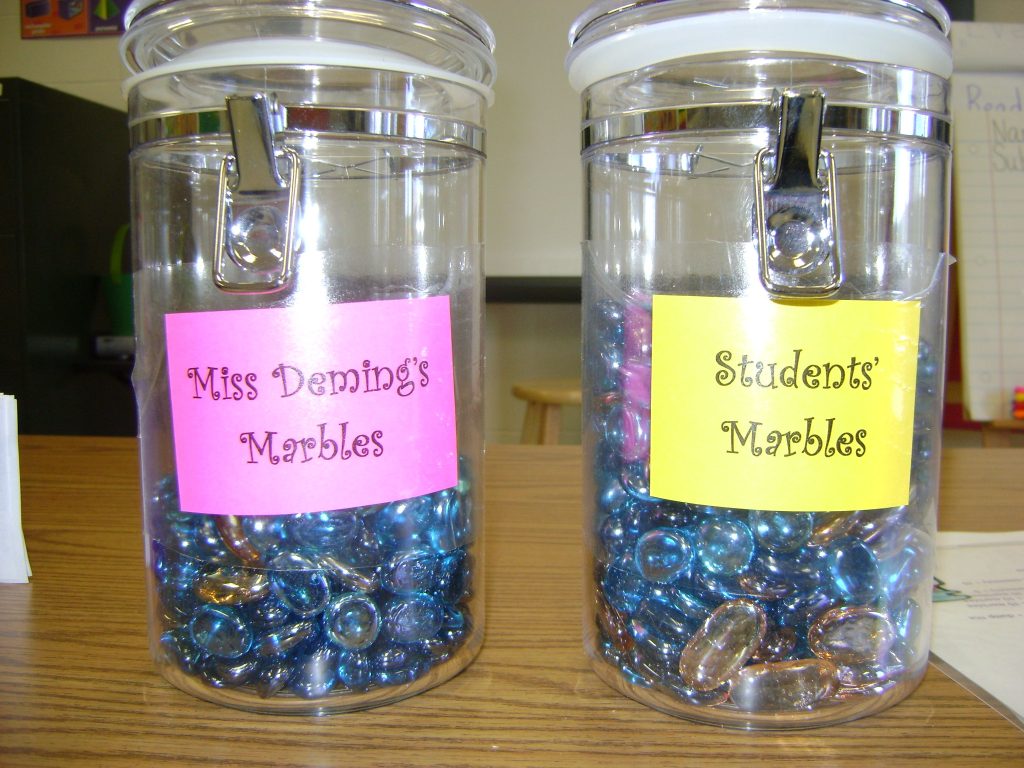
A Marble Jar Reward System is an effective and visual tool that teachers can use to promote and reinforce positive behavior in the classroom. The beauty of this system lies in its simplicity and the excitement it generates among students. The basic premise involves a clear jar and a collection of marbles. Each time the class as a whole demonstrates positive behavior, such as listening attentively, helping one another, or completing tasks, the teacher adds a marble to the jar. Conversely, if the class exhibits negative behavior, the teacher can remove a marble.

The goal for the students is to fill the jar with marbles, at which point they are rewarded collectively with a pre-decided treat or privilege. This may include extra playtime, a movie day, or a small party. The immediate visual feedback of seeing marbles added to the jar provides instant recognition for good conduct and also serves as a motivator for continued positive behavior.

Implementing a Marble Jar Reward System encourages teamwork and collective responsibility. Since rewards are based on the group’s behavior rather than individual achievements, it teaches students that they succeed together by working cooperatively. This fosters an environment where students actively encourage each other to follow rules and behave appropriately.

Moreover, this approach can be custom-tailored to meet any classroom’s unique dynamic by allowing for adjustments in how many marbles are required to fill the jar or how marbles can be earned or lost. It also presents an opportunity for teachers to discuss with their students what behaviors are expected and why they are essential, promoting open communication and understanding.

In conclusion, a Marble Jar Reward System in the classroom acts not just as an incentive program but also as an educational tool that promotes positive behavior through collective efforts, improves student-teacher relationships, and instills valuable life skills such as teamwork and goal-setting.

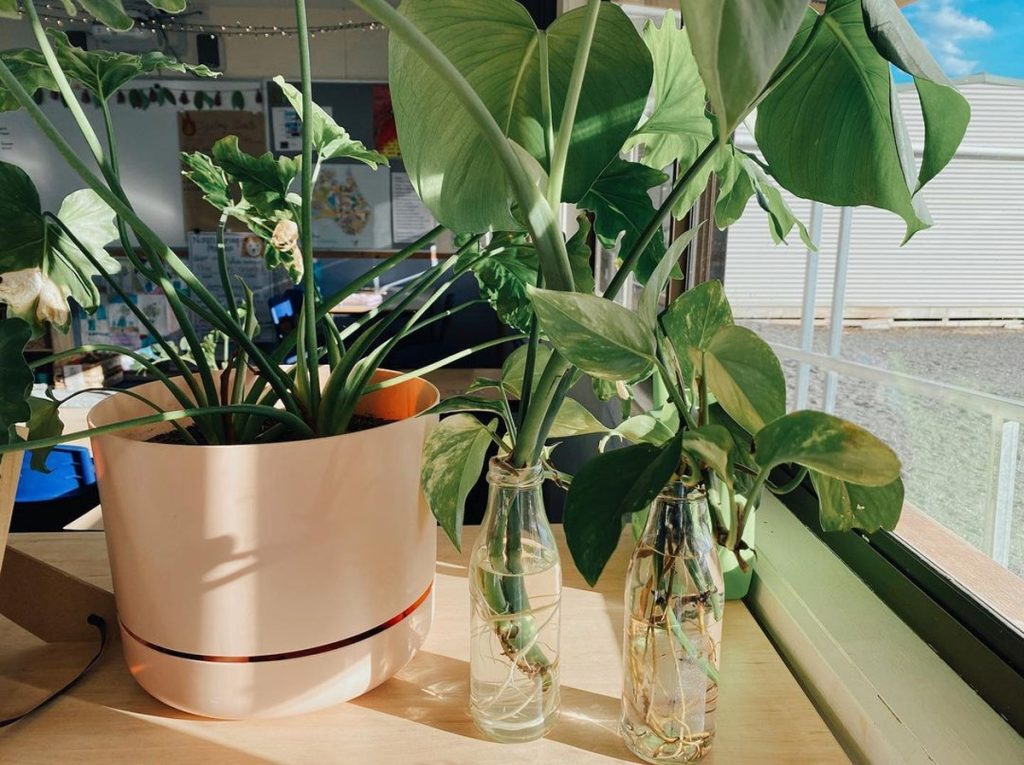
The Best and Worst Plants for the Classroom (And How to Care for Them)

When it comes to creating a lively and engaging classroom environment, incorporating plants can be a wonderful addition. Not only do they bring a touch of nature indoors, but they can also improve air quality and provide students with the opportunity to learn about caretaking and botanical science. However, not all plants are suitable for the classroom setting. Some may require too much maintenance or may not thrive in indoor conditions. Here’s a guide on the best and worst plants for the classroom, along with tips on how to care for them.

Best Plants for the Classroom:

1. Spider Plant (Chlorophytum comosum): This plant is a popular choice due to its ability to thrive under fluorescent lights and its ease of care. Spider plants prefer well-draining soil and should be watered weekly, allowing the soil to dry out slightly between waterings.

2. Snake Plant (Sansevieria trifasciata): Known for its hardiness, the snake plant can tolerate low light levels and irregular watering. It’s an excellent plant for improving air quality, making it ideal for busy classrooms.

3. Pothos (Epipremnum aureum): With its trailing vines and heart-shaped leaves, pothos is an attractive plant that requires minimal attention. It thrives in indirect light but can also adapt to lower light conditions. Water when the soil feels dry to the touch.

4. Peace Lily (Spathiphyllum spp.): The peace lily is not only easy to care for but also blooms beautiful white flowers that can brighten any classroom. It prefers medium to low light and needs watering when the top inch of soil is dry.

5. ZZ Plant (Zamioculcas zamiifolia): This plant is known for its ability to withstand neglect, making it perfect for busy teachers who may forget to water it occasionally. ZZ plants do well in low light situations and should be watered infrequently.

Worst Plants for the Classroom:

1. Cacti & Succulents: While these might seem like low-maintenance options, they require lots of direct sunlight which isn’t always available in classrooms.

2. Venus Flytrap (Dionaea muscipula): Although fascinating, Venus Flytraps need specific care such as high humidity environments and periodic feeding of insects which might not be sustainable in a classroom.

3. Ferns: These plants often require high humidity and consistent moisture — conditions that are hard to maintain in most classrooms.

4. Ficus Trees: Ficus species can grow quite large and require consistent water and temperature levels which makes them difficult to manage in a classroom setting.

5. Orchids: These delicate plants require precise watering schedules, humidity levels, and specific light conditions which can be challenging in a typical classroom environment.

Caring Tips:

-Use containers with drainage holes to prevent overwatering.

-Place plants near windows where they can receive natural light but avoid direct sunlight which could burn leaves.

-Involve students in caring procedures, such as watering or misting plants — it serves as an educational activity.

-Keep a schedule for watering and stick to it; overwatering can be just as harmful as under-watering.

-Be mindful of allergies; some students may be sensitive to certain types of plants or pollens.

-Avoid using fertilizers or chemicals on classroom plants; opt for organic solutions if needed.

In conclusion, selecting the right plants for your classroom can greatly enhance the learning environment while keeping maintenance work manageable — ensuring that both students and teachers enjoy the greenery without any added stress.

Blurt Buttons – A Creative Classroom Management Strategy

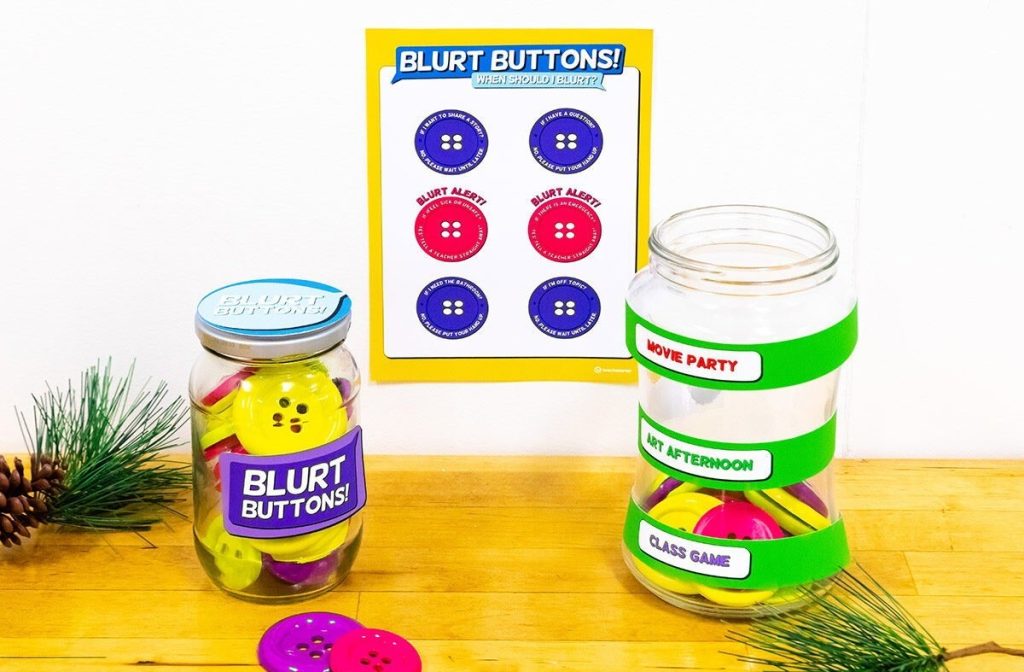
Classroom management is a crucial skill for creating an environment conducive to learning. One innovative approach that teachers are implementing is the use of “Blurt Buttons” to manage interruptions and maintain a positive classroom atmosphere.

Blurt Buttons are a tangible classroom management tool designed to minimize disruptions caused by students speaking out of turn. The strategy provides a fun, interactive way for students to become more aware of their impulsive contributions during class discussions and lessons.

Here’s how it works: each student receives a set number of Blurt Buttons at the beginning of the day or class period. These can be actual buttons, stickers, or any other countable item. Every time a student speaks out without raising their hand or waits for their turn, they have to give up one of their Blurt Buttons. Once they run out, they may no longer contribute until a new round begins or the next day.

By involving students in tracking their own participation, Blurt Buttons encourage self-regulation and patience. When utilized properly, this strategy can lead to more orderly discussions and give less assertive students the chance to share their thoughts without being interrupted.

Moreover, Blurt Buttons can serve as a visual reminder of classroom rules and expectations regarding respectful communication. Teachers might also choose to incentivize the saving of Blurt Buttons by offering a reward for those who still have buttons by the end of the day or period—a strategy that fosters both self-control and motivation.

Blurt Buttons are not only effective but adaptable. They can be easily implemented in various age groups and education levels with minor adjustments tailored to the maturity of the students.

In conclusion, classroom management strategies like the use of Blurt Buttons can significantly improve the learning environment by reducing interruptions, promoting equitable participation, fostering self-discipline among students, and providing an element of fun in following classroom procedures. As education continues to evolve, creative tools like these will remain invaluable for teachers seeking to enhance engagement and maintain order in their classrooms.

5 Tips to Freshen Up a Stinky Classroom

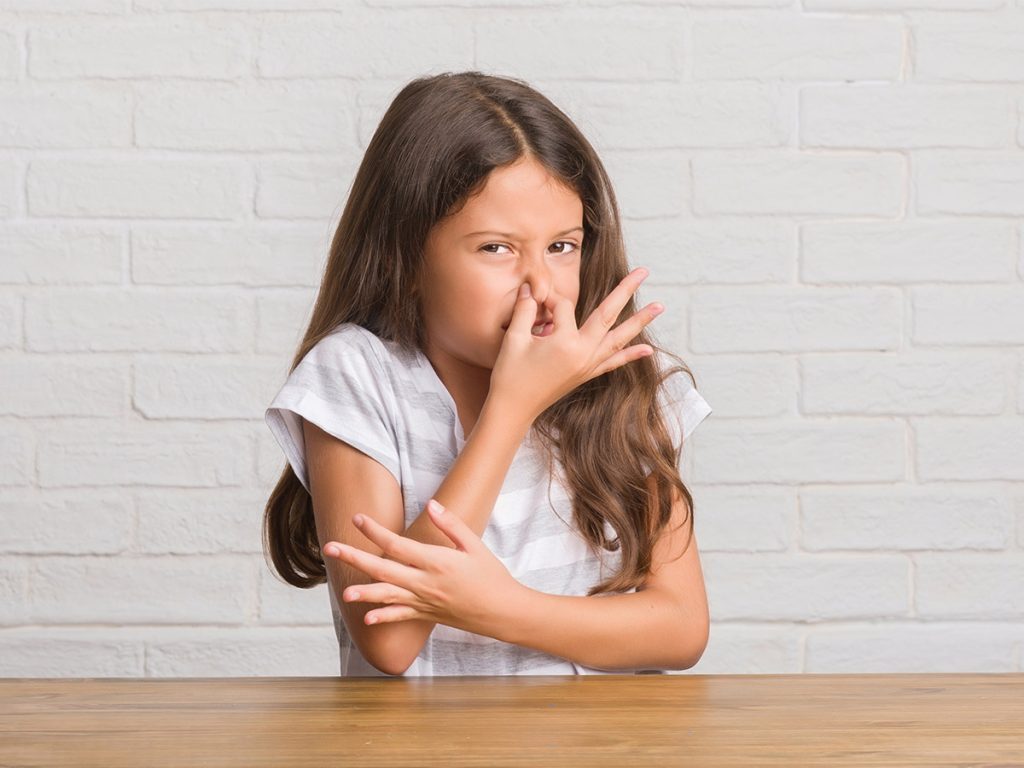
Walking into a stinky classroom can put a damper on anyone’s enthusiasm to learn. Whether the pungent culprit is yesterday’s forgotten lunch, musty upholstery, or the unavoidable odors that come with a room full of busy, active kids, it’s important for both comfort and health to keep the classroom air fresh. Here are five simple tips educators can use to keep their classrooms smelling clean and inviting.

1. Keep It Clean – Regular cleaning is the first step in maintaining a fresh-smelling classroom. Wiping down surfaces with disinfectant wipes, vacuuming or sweeping floors daily, and removing trash can help prevent odor buildup.

2. Circulate Air – Improve air quality and dispel odors by keeping windows open when weather permits for natural ventilation. Use fans to circulate air and consider an air purifier to filter out particles that may cause smells.

3. Use Baking Soda – Baking soda is a safe and natural odor absorber. You can sprinkle it on carpets before vacuuming or place open containers of it around the room to help absorb lingering smells.

4. Incorporate Plants – Some indoor plants can help purify the air and add a breath of freshness to your classroom environment. Spider plants, rubber plants, and peace lilies are great choices that are also easy to maintain.

5. Create DIY Air Fresheners – Avoid the chemicals in commercial air fresheners by creating your own natural versions. Essential oil diffusers or potpourri made with dried herbs and citrus peels can give your room a pleasant fragrance without being overpowering.

Refreshing a stinky classroom doesn’t have to be complicated or expensive; these tips provide straightforward solutions for maintaining a clean and pleasant learning environment for everyone.

Decluttering Tips for Teachers: Clearing Classroom Clutter

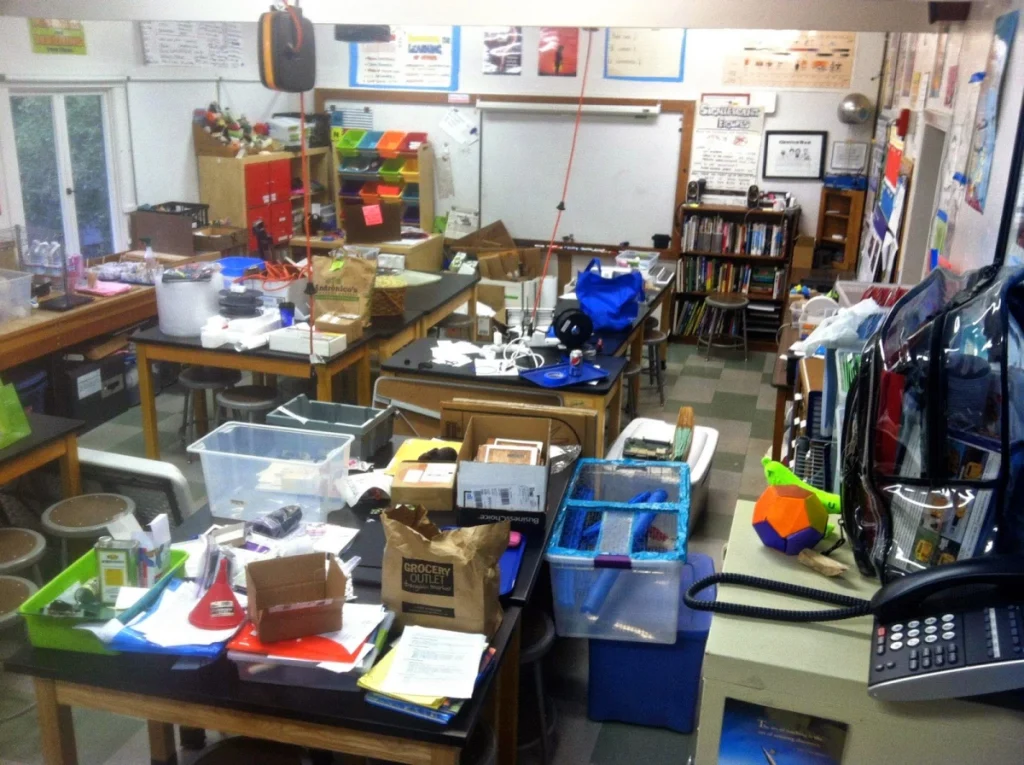
As any teacher knows, the classroom can quickly become a cluttered space. With a constant stream of paperwork, educational supplies, and student projects, managing the mess can be challenging. Here are some practical decluttering tips to help teachers create a more organized and productive learning environment.

1. Start with a Purge: Go through all materials in the classroom and decide what is essential. Old papers, dated student work, and broken or redundant supplies should be recycled or thrown away.

2. Categorize Everything: Organize materials into categories such as stationery, art supplies, books, and electronic devices. Having distinct places for each category makes it easier to find what you need quickly.

3. Use Vertical Space: Wall-mounted shelves and hanging file organizers can free up valuable desk and cupboard space. Consider installing a pegboard for hanging items that are used regularly.

4. Label Everything: Clear labels on shelves, bins, and drawers will not only help you find items but also make it easier to maintain order as both you and your students will know where everything goes.

5. Implement Student Helpers: Assign roles to students to assist with tidying up specific areas of the classroom at the end of the day or week. This teaches responsibility and helps keep the classroom clean.

6. Regular Clean-up Sessions: Set aside time each week for a quick clean-up session, encouraging students to participate. This routine helps prevent clutter from accumulating.

7. Reduce Paper Use: Maximize digital resources to cut down on paper clutter. Use online platforms for assignments and communications when possible.

8. Create a ‘Lost and Found’ Box: To manage items that inevitably get misplaced, have a designated box where anyone can place found items.

9. Storage Solutions: Invest in storage that maximizes space like stackable bins and drawer organizers.

10. Refresh Regularly: Change bulletin board displays and wall decor regularly; this not only reduces visual clutter but also keeps the learning environment dynamic.

By following these tips, teachers can create an organized space conducive to learning and teaching success—an environment where both students and educators can thrive free from clutter-induced chaos.

15 Classroom Storage Ideas for the Busy Teacher

Managing a classroom can be as challenging as it is rewarding, particularly when it comes to keeping everything organized. For busy teachers looking for ways to tidy up the learning environment, here are 15 classroom storage ideas that can help create an orderly and efficient space:

1. Mobile Storage Carts: Utilize carts with wheels and drawers to easily move supplies where they are needed.

2. Hanging File Folders: Create a system for student paperwork, assignments, and handouts in a dedicated filing area.

3. Clear Storage Bins: Transparent bins help you quickly see what’s inside without having to rummage through them.

4. Book Bins: Assign each student a bin for their books and belongings to keep their desks clutter-free.

5. Classroom Library Corner: Use bookshelves with labeled baskets to categorize books by genre or reading level.

6. Stackable Crates: Perfect for storing larger items or holding student project materials together in one place.

7. Desk Organizers: Provide students with individual organizers for pens, pencils, and other small supplies.

8. Wall-Mounted Pockets: Utilize vertical space for storing items like homework or permission slips that need to be easily accessible.

9. Magazine Holders: Repurpose these as storage for textbooks, notebooks, or even clipboards.

10. Over-the-Door Shoe Holders: The clear pockets on shoe organizers make for perfect compartments for art supplies or calculators.

11. Rolling Library Ladder with Shelves: Make the most of high spaces with a ladder system that provides access to higher shelves.

12. Color-Coded Materials System: Use different colored bins or stickers to quickly identify subjects or classes.

13. Classroom Supply Caddy: Centralize common shared materials like scissors and glue in a caddy that can be passed around.

14. Utility Hooks: Install hooks inside cupboard doors to hang aprons, headphones, or tote bags out of sight.

15. Expandable Wall Racks: Ideal for organizing charts, maps, or even displaying student work without taking up desk space.

Implementing just a few of these storage solutions can greatly improve the functionality of a classroom, keeping the focus on teaching and learning rather than on managing clutter and chaos. With everything in its place, teachers can save precious time and maintain a calm, inviting educational environment for their students.