Classroom Management

10 Classroom Hacks Straight Out of the Recycling Bin

Introduction:

Recycling is not only great for the environment, but it can also be quite helpful in finding creative solutions for your classroom. In this article, we will be discussing 10 easy and sustainable hacks that teachers can implement to make their classrooms more effective and resourceful. So, let’s think outside of the (recycling) bin and dive in!

1. Water Bottle Pencil Holders:

Don’t throw away those empty plastic water bottles just yet! They can be easily transformed into convenient pencil and pen holders. Clean them out, cut off the tops, and decorate them with colorful tapes or stickers to make a personalized holder.

2. Shoebox Bookshelves:

Reuse old shoeboxes by turning them into mini bookshelves for your classroom library. Stack them horizontally to create a small shelf where you can store books, magazines, or even classroom supplies.

3. Paper Roll Desk Organizers:

Cut toilet paper rolls or paper towel rolls into smaller sections and decorate them using paint or markers to create desk organizers to hold scissors, markers, pencils, and more.

4. Cereal Box Document Holder:

Cut off the top section of an empty cereal box and cover it with colorful paper or fabric. Use it as a stylish document holder for grading papers or holding important documents on your desk.

5. CD Case Dry-Erase Boards:

Don’t know what to do with those empty CD cases? Remove the inserts from the cases and insert a plain white paper inside; now you have portable dry-erase boards students can use during group work or for individual practice.

6. Egg Carton Paint Palettes:

Clean out an egg carton and use it as a paint palette for art projects or science experiments that involve color mixing. It’s easy to clean afterward and offers a great way to keep each color separate.

7. Milk Jug Planters:

Educate your students about the importance of recycling while also teaching them how to grow their own plants. Clean out empty milk jugs, cut off the top half, and fill the bottom half with soil. Plant seeds and watch your classroom garden grow.

8. Can Tabs as Hangers:

Use aluminum can tabs as hangers for displaying students’ work on a bulletin board. Attach a paper clip to the hole in the tab and then clip it onto the top of a document – no more poking holes in your students’ masterpieces.

9. T-Shirt Bags:

Teach your students how to sew by turning old t-shirts into reusable bags for carrying books or supplies around school. Cut off the sleeves and collar, then sew along the bottom edge inside out to create a spacious, eco-friendly bag.

10. Keyboard Magnets:

Unused or broken computer keyboards can still be put to good use! Pry off the keys and attach small magnets on their backs; now, you have customized letter magnets for your classroom whiteboard.

Conclusion:

Now that you have these 10 creative ideas straight out of the recycling bin, you can benefit both your classroom and the environment at the same time. Not only do these hacks save money on classroom supplies, but they also promote resourcefulness and sustainable living among students!

Win $250 Worth of Educational Items for Your Classroom!

Education lies at the heart of personal growth and the development of society as a whole. In today’s fast-paced world, it is essential that students have access to quality educational materials and teachers possess the necessary resources to enrich their classroom environment. That’s why we’re excited to announce a fabulous opportunity for educators – the chance to win $250 worth of educational items for your classroom!

As an educator, you’re always on the lookout for new and innovative ways to engage your students and enhance their learning experience. With this amazing giveaway, you stand a chance to transform your classroom with an assortment of modern, engaging, and cutting-edge educational resources.

If you’re wondering what kinds of items you could win, here’s a sneak peek into some of the incredible finds that could be yours:

1. Technological Gadgets: Integrate technology seamlessly into your lesson plans with gadgets like tablets, digital microscopes, or document cameras.

2. Innovative STEM Kits: Enhance learning experiences around Science, Technology, Engineering, and Mathematics with coding robots or magnetics sets.

3. Captivating Books: Enrich your classroom library with inspiring stories featuring diverse voices and subjects.

4. Art Supplies: Foster creativity with high-quality art supplies such as painting kits or easels.

5. Hands-On Learning Tools: Engage different learning styles through manipulatives like building blocks or puzzles.

So how can you enter this incredible giveaway? It couldn’t be any easier! All you have to do is follow these simple steps:

1. Submit your information through our entry form by [entry deadline].

2. In 100 words or less, explain how winning this prize would make a difference in your classroom.

3. Share this opportunity with fellow educators via social media or email using our official hashtag #ClassroomGiveaway.

Once the submission deadline passes, we’ll thoroughly review each entry and select one lucky winner based on creativity, need, and overall impact on the students.

Don’t miss out on your chance to win $250 worth of educational items that will enrich your classroom and make a lasting impact on your students’ lives! Enter the giveaway today and take advantage of this exciting opportunity to make a meaningful difference in your educational community.

What to Do When Students Mishandle Supplies

Introduction

In a learning environment, it’s essential to provide an adequate range of supplies for students to carry out their academic activities effectively. However, there are instances when students may mishandle or improperly care for these materials. This article will discuss the steps educators can take to address this issue, ensuring that resources remain in good condition for continued use.

The Importance of Proper Supply Handling

Proper handling and storage of school supplies are vital for various reasons. Not only does it prevent unnecessary monetary losses, but it also teaches students responsibility and the importance of taking care of shared resources.

Steps to Take When Students Mishandle Supplies

1. Set clear expectations: Before handing out any supplies, establish guidelines on how to handle and care for them. Make sure students understand the consequences of mishandling materials.

2. Monitor student behavior: Regularly observe your students as they use supplies to identify any mishandling early on. Address any issues immediately to avoid further damage or misuse.

3. Hold students accountable: If a student damages or misuses an item, take appropriate disciplinary action according to your school’s policy. This may involve replacing the damaged item at their expense or assigning extra responsibilities, such as cleaning up after class.

4. Implement a check-in/check-out system: A tracking system will help you keep track of who is using specific materials and ensure that they return items in good condition.

5. Teach proper handling techniques: Hold demonstrations and provide visuals on how to use and care for specific supplies. Encourage students to ask questions while making sure they understand the process fully.

6. Utilize storage solutions: Proper storage not only prolongs the life of your materials but also makes it easier for students to find what they need without causing damage.

7. Encourage peer support: Educate students on the importance of teamwork in taking care of shared resources and create a system where they can remind or help each other maintain proper handling techniques.

8. Communicate with parents: Inform parents of any mishandling issues and seek their support in reinforcing proper handling techniques at home. Provide them with guidelines or tips to help their children become more responsible.

9. Regularly assess and replace supplies: Take stock of your materials periodically and determine whether replacements are needed due to misuse or natural wear and tear.

Conclusion

Dealing with students mishandling supplies is a challenging task for educators. However, by setting clear expectations, using proper storage, monitoring student behavior, and involving parents, it’s possible to teach students the importance of taking care of shared resources. Ultimately, this will create a more responsible and respectful learning environment that benefits everyone involved.

20 Activities for the Travel-Curious Classroom

The world is a vast, beautiful, and dynamic place, filled with diverse cultures, cuisines, and experiences just waiting to be discovered. However, not every student is fortunate enough to have the opportunity to explore firsthand. Here are 20 activities for teachers to use in their travel-curious classrooms that can spark wanderlust and inspire learning about new destinations.

1. Country Research Project: Assign students a country to research in depth, covering aspects like history, geography, culture, cuisine, and language.

2. Currency Conversion: Teach students about international currencies and exchange rates through interactive math problems.

3. Cultural Cooking: Pick a global recipe for students to follow in class or at home as a lesson in international cuisine.

4. Virtual Field Trips: Utilize free virtual tour platforms like Google Earth to “visit” landmarks and historic sites around the world.

5. Postcard Exchange: Partner with a school in another country so students can exchange postcards and learn firsthand about different cultures.

6. Language Lessons: Integrate basic foreign language lessons into your curriculum using online resources like Duolingo or Rosetta Stone.

7. World Music Day: Expose students to global music styles by playing international tunes during class transitions or dedicating a day to studying world music.

8. Global Art Gallery: Create an exhibition of famous works from different countries or assign students to create art inspired by international artists.

9. Memory Map: Have students create personalized maps showcasing places they have traveled or would like to visit in the future.

10. Interview Immigrants: Invite immigrants from various countries to speak with your class about their experiences and homeland cultures.

11. UNESCO World Heritage Site Scavenger Hunt: Use online resources to explore UNESCO-protected sites around the world and create a scavenger hunt for students to complete.

12. International Pen Pals: Connect with classrooms across the globe for a pen pal exchange program to promote cross-cultural understanding and communication.

13. World News Analysis: Assign students to follow international news stories and analyze the events from various perspectives.

14. Philanthropy Challenge: Encourage students to research global charities and non-profit organizations and develop campaigns supporting a cause close to their hearts.

15. Global Holidays: Celebrate holidays from around the world in your classroom by discussing the history and customs related to various global festivities.

16. Traditional Dances: Host a mini dance workshop incorporating traditional dance styles from different countries like Brazil’s Samba or India’s Bollywood dancing.

17. Sports Around the World: Teach students about sports that are popular in other countries, such as cricket, rugby, or sepak takraw.

18. Expatriate Profiles: Research famous expatriates and share their stories to inspire students about the opportunities of living abroad.

19. International Trade: Discuss global trade relations, imports, and exports while examining how these factors shape a country’s economy and culture.

20. Biographical Study of World Leaders: Examine historical world leaders’ biographies or contemporary politicians to understand their impact on international affairs.

With these 20 diverse activities, teachers can create an engaging, travel-inspired classroom environment that cultivates curiosity and sparks passion for exploring our incredible world.

How to Survive a Windowless Classroom

As students and educators alike, we’ve all been there – trapped in a windowless classroom, desperately trying to focus on the lesson at hand while feeling stifled by the lack of natural light and fresh air. Fear not, for there are ways to survive and even thrive in such an environment. Here are some tips for getting through your time in a windowless classroom, maintaining focus, and staying positive.

1. Embrace proper lighting: In a windowless classroom, artificial lighting is crucial. Ensure that the room is equipped with bright, adequate light sources that emit a natural hue. Fluorescent or LED lights can be helpful in simulating daylight. Consider bringing a desk lamp if your workspace could use an extra boost of light.

2. Choose the right colors: Light colors can make a room appear brighter and more spacious, helping to counteract the dimness of a windowless room. Encourage your school or institution to paint walls with light, neutral tones, or bring in items with lighter shades like curtains or posters.

3. Incorporate plants: Bringing greenery into a windowless classroom is an excellent way to improve air quality and boost wellbeing. Opt for low-light indoor plants like snake plants or ZZ plants, which can survive without direct sunlight.

4. Utilize mirrors: Placing mirrors strategically around the classroom can help to reflect any available light and create an illusion of space. Large standing or wall-mounted mirrors should be positioned opposite lighting sources to maximize reflectivity.

5. Air circulation: Stagnant air can make windowless rooms less comfortable. Ensure proper ventilation by keeping the door slightly ajar or utilizing fans to promote airflow.

6. Take regular breaks: Students need periodic mental breaks to maintain focus and absorb information effectively, especially when they’re confined within windowless walls for extended periods of time. Teachers should be mindful to provide short break periods during which students can stretch, move around, or close their eyes in order to rejuvenate and recharge.

7. Foster a positive atmosphere: It’s important to maintain an engaging and dynamic learning environment despite the lack of windows. Encourage active participation through group projects, interactive discussions, and other collaborative activities that will keep students focused and alleviate the effects of their physical surroundings.

8. Customize your workspace: Personalizing your space with photos, stationery, plants, or other knick-knacks might help you feel more at ease in a windowless classroom. Adding personal touches can make the space feel less sterile and more conducive to learning.

9. Utilize visuals: Incorporate visual aids like posters and artwork into the classroom design to draw attention away from the absence of windows. Visual aids can also help students learn by providing them with a point of reference during discussions and explanations.

10. Make a conscious effort to overcome environmental limitations: Finally, remind yourself that while a windowless classroom may not be ideal, it’s crucial to remain focused and not let the setting affect your ability to learn or teach. Adapting these tips will help create a more comfortable environment in which you can succeed.

By implementing these strategies, you can transform your windowless classroom into a welcoming and efficient learning space. Keep an open mind, pay attention to details, and reap the benefits of well-designed artificial lighting alongside personal touches for a better educational experience.

Win a Fellowes Laminator for Your Classroom

Introduction:

Are you an educator seeking to enhance your classroom resources and provide your students with durable, long-lasting materials? Look no further! We are excited to announce an amazing opportunity for teachers to win a Fellowes Laminator for their classroom. This fantastic tool will not only help preserve essential teaching resources but also encourage creativity and hands-on learning in your students.

Benefits of Having a Fellowes Laminator in Your Classroom:

1. Durability: Laminating your handouts, posters, and teaching aids can significantly increase their lifespan, protecting them from wear and tear as well as moisture damage. Students can use these materials multiple times without causing damage.

2. Enhanced Learning: A laminator allows you to create fun and interactive learning materials like puzzles, flashcards, reward charts, and engaging posters. These tools can help improve student engagement and participation in the classroom.

3. Professional Finish: Laminated materials present a professional appearance, instilling pride in both teachers and students for their work. By investing in a high-quality laminator, you’ll be demonstrating your commitment to providing the best educational experience for your students.

4. Creativity: A Fellowes Laminator enables teachers to explore new creative avenues when designing classroom resources. With the ability to laminate various sizes and shapes, you’ll be able to create unique and customized learning tools that cater to different student needs.

How to Enter the Fellowes Laminator Giveaway:

Participating in the giveaway is simple! Follow the steps below to enter:

1. Like our Facebook/Instagram/Twitter Page (whichever is applicable)

2. Share this post on your social media platform and use the hashtag #FellowesLaminatorGiveaway

3. Comment on the original post about how a Fellowes Laminator would benefit your classroom

The contest will run until [contest end date], and the winner will be announced on [winner announcement date]. The lucky educator will be chosen through a random drawing and notified via social media.

Conclusion:

Don’t miss this incredible chance to win a Fellowes Laminator for your classroom! By participating in the giveaway, you’ll have the opportunity to enhance your classroom resources and provide your students with engaging, long-lasting learning materials. So, enter now and good luck!

Win Equipment to Build Your Own Active Learning Room!

Introduction

In today’s fast-paced world, classrooms and learning environments have moved beyond the traditional model of teachers lecturing and students taking notes. The concept of active learning rooms offers an innovative approach that encourages collaboration, problem-solving, and interactive participation among students. If you’ve been dreaming of building your own active learning room, we have some fantastic news for you! Our contest gives you the opportunity to win all the necessary equipment for creating an engaging and dynamic learning space.

What is an Active Learning Room?

An active learning room is a modern educational environment designed to facilitate student engagement and collaboration. Unlike the conventional classroom setup, active learning rooms replace individual desks with group tables, whiteboards, high-tech audio and video equipment, and tools that promote interaction and teamwork. This setup helps improve student focus, participation, and retention of knowledge.

Why are Active Learning Rooms Important?

1. Enhances collaboration: Active learning rooms promote teamwork, which allows students to learn from their peers while reinforcing key concepts.

2. Increases engagement: Through hands-on activities and problem-solving exercises, students remain attentive throughout lessons.

3. Boosts critical thinking skills: By working together on projects or assignments, students learn to think critically and analytically.

4. Encourages creativity: The flexible space in active learning rooms supports various teaching methods and encourages outside-the-box thinking.

5. Fosters positive relationships: Students actively participating in class develop better communication skills and build stronger relationships with peers.

Win the Equipment You Need

Now that you know the benefits of having an active learning room at your fingertips let’s dive into the details of our exciting contest! Here’s a chance for you to win everything you need to transform your classroom into a state-of-the-art active learning environment, including:

1. Collaborative tables & chairs

2. Interactive whiteboards

3. High-quality audio systems

4. Real-time student response systems

5. Wireless screen-sharing devices

Participating in the contest is simple! Just follow these steps:

1. Register for the contest by filling out our online form.

2. Submit a creative essay (500-1000 words) explaining why your classroom needs an active learning room makeover and how it will benefit your students.

3. Share your submission on social media using our hashtag #ActiveLearningContest.

The winner will be selected based on the creativity and persuasiveness of their essay, as well as their social media engagement. Don’t miss this golden opportunity to transform your learning space into an inspiring environment for creative learners.

Conclusion

Incorporating an active learning room in your educational setting can revolutionize the way students learn, work together, and acquire essential life skills. Our contest gives you the chance to win everything you need to create a cutting-edge active learning space, so don’t wait – participate now for a chance to transform your classroom and the lives of your students!

Help! My Coworker Is Constantly Asking Me to Cover Her Class So She Can Go to Her Second Job

Introduction:

In an ideal world, everyone would have a single job that pays well and requires only reasonable working hours. Unfortunately, the reality is different for many individuals who need to juggle multiple jobs just to make ends meet. This situation can put their colleagues in a difficult spot, like having to cover for their coworker’s responsibilities. In this article, we will discuss how to approach this delicate situation when your coworker constantly asks you to cover her class so she can go to her second job.

1. Understand and empathize with your coworker’s situation

It’s important to remember that your coworker is also under pressure, trying to manage multiple responsibilities at once. By empathizing with her situation, you might find it easier to communicate openly and effectively.

2. Set boundaries

Although it’s good to be supportive of your coworker’s struggle, you must not neglect your own needs and responsibilities. Let her know which days or hours you can and cannot cover for her. It’s essential that both of you agree on limitations to avoid future conflicts.

3. Communicate clearly

When discussing the matter, use assertive language and clearly communicate expectations or limitations without being confrontational. Explain your own workload and priorities but also express willingness to help within certain limits.

4. Suggest alternative solutions

Instead of only covering for your coworker on a regular basis, offer assistance in finding alternative solutions like seeking other coworkers who may be willing to help or discussing the matter with management.

5. Escalate the issue if necessary

If you feel that still need support dealing with this situation or your coworker isn’t cooperating with the limits you’ve set, have a conversation with your supervisor or manager. They may have better insights into how the issue can be resolved fairly for all involved parties.

6. Maintain professionalism

Throughout the entire process, it’s important to remain professional and courteous. Emotional outbursts or passive-aggressive behavior will only damage workplace relationships and make solving the problem more difficult.

Conclusion:

Dealing with a coworker who constantly asks you to cover her class so she can go to her second job is a delicate situation that requires understanding, clear communication, and professional conduct. By following these steps, you can navigate this tricky workplace scenario and maintain a positive work environment that fulfills everyone’s needs.

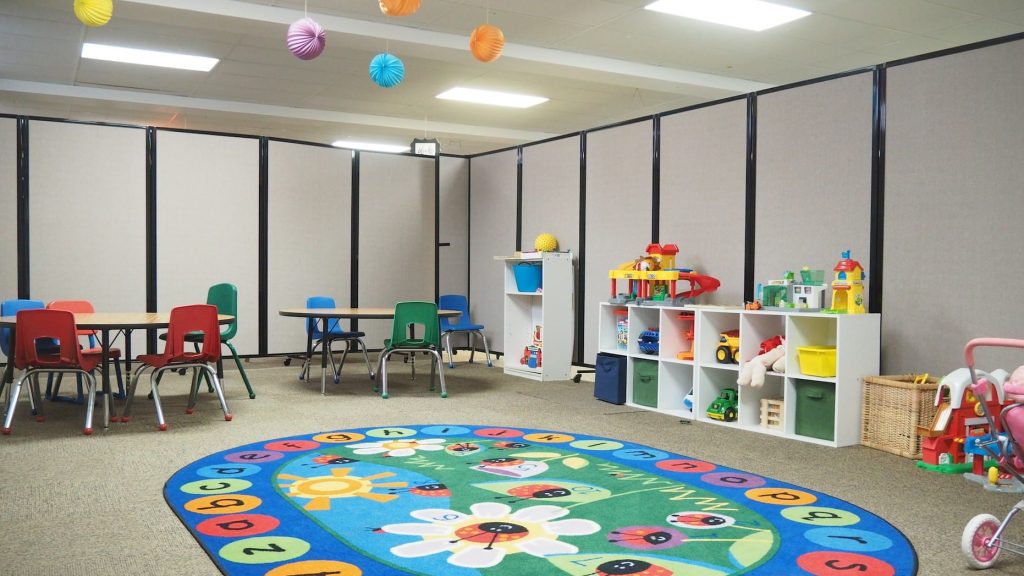
Win a Custom Room Divider for Your Classroom!

Introduction:

Attention all teachers and educators! We are excited to announce an amazing opportunity for you to enhance your classroom environment. Enter our contest today and stand a chance to win a custom room divider for your classroom. Read on to find out more details about this incredible offer.

Why a Room Divider?

A custom room divider can greatly benefit your classroom in numerous ways. Here are some of the advantages:

1. Increased Flexibility: With a room divider, you can easily split your classroom into separate spaces for different activities or groups without any major changes or renovations.

2. Improved Organization: A room divider helps create more organized areas for specific tasks, allowing students to focus better and giving you better control over your classroom layout.

3. Enhanced Creativity: A custom designed room divider allows you to personalize and enhance the learning environment, making it more visually appealing and engaging for your students.

4. Noise Reduction: Room dividers act as a natural barrier, helping to minimize noise levels and distractions between different groups, ultimately leading to increased concentration.

How to Enter the Contest:

Participating in our contest is simple and straightforward. Follow these easy steps:

1. Submit a brief essay (200-300 words) explaining how winning the custom room divider would benefit your classroom and enhance your teaching experience.

2. Share photos of your current classroom setup.

3. Provide your name, school, grade level, subject(s) taught, and contact information.

Send the essay along with the required information via email or through our online submission portal on our website.

Selection Process:

Our panel of experts will carefully review each entry based on creativity, originality, quality of writing, and overall impact on the classroom environment. The best submission will be awarded the grand prize of a custom-designed room divider crafted from premium materials.

Contest Rules:

1. Entries must be received before the deadline (Date: To be announced).

2. Only one entry per teacher.

3. Educators from accredited public or private schools are eligible to participate.

Prize Details:

The grand prize winner will receive a custom-made room divider tailored to their specific needs and preferences, crafted from high-quality materials for long-lasting durability. The estimated value of the prize is $2,500.

So don’t miss out on this fantastic opportunity to give your classroom a personalized upgrade! Enter our contest today and stand a chance to win the custom room divider of your dreams. Good luck!

The Best 2018 Toys for the Classroom

In 2018, educators were inundated with an array of exciting and innovative toys that not only engaged students but also provided valuable learning opportunities. These toys encompassed a wide range of subjects and interests, offering something for every type of learner. In this article, we will explore some of the standout toys that enhanced classroom experiences in 2018.

1. LEGO Education WeDo 2.0 Core Set

LEGO’s WeDo 2.0 Core Set was a game changer in classrooms by combining the timeless appeal of LEGO bricks with modern technology. Through hands-on building projects and drag-and-drop coding, students experienced STEM concepts while fostering teamwork and creativity. The set includes over 280 pieces and comes with lesson plans, making it an ideal addition to any classroom.

2. Osmo Genius Kit

The Osmo Genius Kit revolutionized the way children interact with their tablets, transforming them into powerful learning tools with the help of tangible elements. This award-winning kit included five different games focusing on math, spelling, spatial reasoning, and even art, catering to various learning styles.

3. Snap Circuits Jr.

Electronic circuits can be a complex topic for children but not with Snap Circuits Jr., which allowed students to assemble over 100 working electronic circuits by simply snapping components together on a plastic grid. The kit encouraged students to learn about electricity, switches, motors, and other essential circuitry concepts through playful experimentation.

4. Wonder Workshop Dash Robot

Coding became an interactive and fun activity with the Wonder Workshop Dash Robot. This endearing robot could be programmed using a user-friendly app that teaches kids block-based coding language. With its multiple sensors and features like LED lights, sound effects, and movement capabilities, Dash encouraged creative problem-solving while giving students control over their robotic companion.

5. ThinkFun Gravity Maze

The ThinkFun Gravity Maze incorporated logic puzzles and physics principles in a captivating marble maze game. Students were challenged to configure towers with designated starting points and finish lines, which reinforced sequential reasoning, spatial awareness, and problem-solving skills.

These are just a few examples of how engaging toys blended learning with play in 2018 classrooms. They provided educators with new ways to inspire curiosity, foster essential skills, and make learning a memorable experience for their students. The continued evolution of toys, technology, and educational practices ensures that future classrooms will be even more engaging and enjoyable for learners of all ages.