Classroom Management

10 Ways to Do Writing Mini-Lessons Using Your Interactive Projector

Incorporating technology into the classroom has revolutionized teaching methods, enabling educators to reach students in new and exciting ways. One such tool is the interactive projector, which fosters active learning and participation in writing mini-lessons. Here are ten ways you can use your interactive projector to engage and inspire your students during writing mini-lessons.

1. Collaborative Brainstorming: Use the interactive projector to create a shared digital space where students can brainstorm ideas for their writing projects. This approach encourages collaboration, giving students a larger pool of ideas to draw from as they begin their writing process.

2. Interactive Outlining: Teach your students how to create effective outlines by using the interactive projector. Display an example outline on the screen and invite students to come up and add or edit the content. This hands-on approach helps reinforce outlining concepts and engages students in active learning.

3. Digital Word Walls: Develop a digital word wall using your interactive projector to display vocabulary, spelling words, or literary terms relevant to your writing mini-lesson. Encourage students to reference the word wall during class discussions or while working on their writing projects.

4. Peer Review Workshops: Use the interactive projector to display student work for group feedback during peer review sessions. As peers share their comments and suggestions, the teacher can make live edits using the interactive writing tools, allowing the entire class to participate in the process.

5. Analyzing Sentence Structure: Teach sentence structure by displaying examples on the screen using your interactive projector. Allow students to dissect and manipulate sentence structure components, showcasing different ways a sentence could be written.

6. Shared Writing Experiences: Collaboratively write stories or essays using your interactive projector, with each student responsible for contributing a single sentence or paragraph. This hands-on approach promotes teamwork, creativity, and a greater understanding of narrative structure.

7. Live Editing Demonstrations: Use the interactive projector to demonstrate how to edit and revise writing effectively. Employ a sample text and display each editing step live on the screen, letting students witness the evolution of the text as it undergoes editing and revision.

8. Literary Device Exploration: Explore different literary devices, like similes, metaphors, and alliteration, by creating visual representations using your interactive projector. Engage students by having them create their own visuals representing these devices in their writing.

9. Visual Aids for Setting and Character Development: Use your interactive projector to display images or videos that inspire creativity when developing settings or characters for their writing. This can help establish a strong foundation for their ideas before putting pen to paper (or fingers to keyboard).

10. Modeling Writing Techniques: Show your students effective writing techniques by using your interactive projector to write examples in real-time. Students can model sentence structures, paragraph construction, transition words, or even brainstorming various approaches to a writing prompt.

By leveraging the power of an interactive projector in your classroom, you can create rich and engaging writing mini-lessons that meet the diverse needs of your learners. These ten ideas offer a starting point for incorporating this versatile technology into your teaching repertoire.

10 Must-Haves for Bringing Zen to Your New Home Classroom & Working Space

As remote work and learning become increasingly common, maintaining a comfortable and productive environment at home is essential. Creating a Zen space for your home classroom or workspace can help enhance productivity, focus, and overall well-being. Here are ten must-haves to bring Zen to your new home classroom and working space.

1. Designated Space

Designate a specific area dedicated solely to work or learning. Choose a quiet place away from distractions and high traffic areas to maintain focus and increase efficiency.

2. Natural Light

Make the most of natural light by positioning your workspace near a window. Sunlight not only improves your mood but also reduces eye strain caused by excessive screen time.

3. Ergonomic Furniture

Invest in ergonomic furniture such as a comfortable chair and an adjustable desk to minimize strain on your body and maintain a good posture.

4. Greenery

Introduce indoor plants in your workspace to improve air quality, reduce stress, and create a calming atmosphere. Spider plants, snake plants, and pothos are excellent low-maintenance choices.

5. Clear Clutter

A clean and organized workspace contributes to mental clarity. Use drawers, shelves, and organizers to keep your supplies neatly stored, making it easier for you to concentrate on the tasks at hand.

6. Aromatherapy

Incorporate scented candles or essential oil diffusers with calming scents like lavender, chamomile, or rosemary to reduce stress levels and promote relaxation.

7. Ambient Lighting

Install soft ambient lighting using table lamps or floor lamps with warm hues to create a cozy ambiance after sunset without causing eye strain.

8. Sound Management

If noise is an issue in your home environment, consider using noise-canceling headphones or introduce background sound like soft music or white noise to help eliminate distractions.

9. Personal Touches

Add personal touches like family photos, favorite quotes, or inspirational artwork to keep you motivated and remind you of your goals.

10. Digital Detox Zone

Create a designated area away from screens and digital devices where you can take breaks, meditate, or practice mindfulness to recharge and maintain mental health throughout the day.

By incorporating these ten must-haves into your home classroom or working space, you will create a serene environment that fosters productivity, comfort, and overall well-being.

Why Good Classroom Management is a Lot Like Training a Puppy

As educators, we often search for effective methods to manage our classrooms, maintain discipline, and create a nurturing learning environment for all students. One might be surprised to find out that classroom management shares remarkable similarities with that of training a puppy. Successful management of both situations requires consistency, clear communication, positive reinforcement, and an understanding of individual needs. In this article, we will explore the reasons why good classroom management is akin to training a puppy and how these principles can be applied to maximize success in the classroom.

1. Establish Clear Expectations

The first step in both training a puppy and managing a classroom involves setting clear expectations. Just as a puppy needs to learn how to sit, stay, and come on command, students must know how to behave appropriately in various school situations – like raising their hand to speak or respecting others in group discussions. Both puppies and children feel more secure when they understand what is expected of them.

2. Consistency is Key

Consistency is crucial in both scenarios. For example, when training a puppy not to jump on people or furniture, it’s essential always to use the same command and response. Similarly, teachers need to maintain consistent rules and expectations in the classroom; otherwise, students may become confused or frustrated.

3. Provide Positive Reinforcement

Positive reinforcement is highly effective for both puppies and students. When a puppy successfully performs a command or trick, it is typically rewarded with treats or praise. This positive reinforcement helps establish good habits by rewarding desired behavior. In the classroom setting, rewards could come in the form of praise from the teacher or even tangible accolades such as stickers or tokens for completing tasks successfully.

4. Address Misbehavior Immediately

When a puppy misbehaves (e.g., chewing on shoes), it’s crucial to address it immediately and consistently – providing appropriate consequences (such as timeouts). In a classroom situation, teachers must address poor behavior promptly, offering appropriate consequences (such as detention) and redirecting students toward more productive behaviors.

5. Understand Individual Needs

Just as every puppy has its unique temperament and learning pace, so do students in a classroom. It is essential to recognize each student’s individual abilities and needs and ensure that learning objectives are attainable for everyone. By addressing individual needs, both the puppy trainer and the teacher foster an environment of success – allowing both the learner (puppy or student) to thrive.

In conclusion, good classroom management shares many principles with training a puppy – emphasizing clear expectations, consistency, positive reinforcement, immediate response to misbehavior, and addressing individual needs. Applying these principles systematically can significantly improve the quality of the learning environment and ultimately lead to successful educational outcomes for all involved.

18 Creative Ways to Dress Up Your Classroom Clock

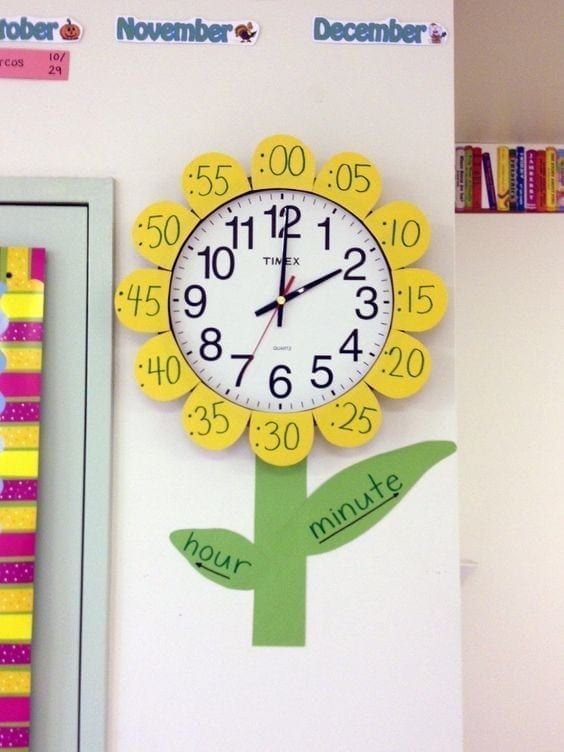
1. DIY Bloom Clock: Surround your clock with colorful paper flowers and leaves, creating a lively bloom effect that brightens up your classroom.

2. Chalkboard Numbers: Display the numbers on a black chalkboard background, utilizing different chalk colors and styles for an artistic touch.

3. Superhero Theme: Decorate the clock with superhero-themed accessories like capes, masks, or insignias, giving your classroom a sense of action and excitement.

4. Beach Time Clock: Give your clock a beachy vibe by adding a sand-colored background and attaching seashell-shaped numbers.

5. Seasonal Synchronization: Change the decorations in accordance with seasons – spring flowers, summer sunrays, autumn leaves, or winter snowflakes.

6. The Learn-a-Long Clock: Attach mini whiteboards to the clock’s perimeter where students can practice writing numbers or drawing shapes related to time-telling activities.

7. Vintage Suitcase Clock: Use a vintage suitcase as the clock’s backdrop; this creative spin adds depth to your classroom’s overall design aesthetic.

8. Clock Characters: Transform each number into an animated character representing subjects or concepts relevant to your curriculum (e.g., geometric shapes for math or elements for science).

9. Interchangeable Backgrounds: Create different backgrounds for your clock that can be changed monthly to keep the classroom fresh and interesting.

10. Class Pet Clock: Bring some humor into your classroom by incorporating your class pet within the design – think hamster wheel or fish tank!

11. Galactic Clock Theme: Create an outer space-themed clock complete with stars, planets, and other celestial elements that inspire curiosity about the universe.

12. Historical Timeline: Organize historical events around the face of your clock, keeping students engaged in social studies throughout the day.

13. Garden Wall Climber: Add wooden branches and faux vines around the face of your clock to create a climbing wall effect that makes it appear as if the clock is nestled in a green haven.

14. Clock Graphic Novel: Depict a visual storytelling adventure around your clock to encourage your students’ creative thinking and narrative comprehension.

15. Up, Up and Away Clock: Hang paper hot air balloons from strings of varying lengths above your clock, creating a whimsical centerpiece for your classroom.

16. Hanging Mason Jar Lights: String twinkling lights across mason jars surrounding your classroom’s clock to give the space a warm, homey environment.

17. Quotes Around the Clock: Write motivational messages or famous quotes within each number’s space on your clock’s backdrop to inspire imagination and positivity.

18. Geometric Patterns: Embrace modern design by incorporating geometric shapes and patterns through different material textures like corkboard or painted wood panels around your clockface.

Eucalyptus Classroom Decor Ideas: Creating a Calming and Invigorating Environment for Learning

Introduction

Eucalyptus-inspired classroom decor is gaining popularity among educators due to its naturally calming effects and fresh, uplifting scent. Incorporating eucalyptus into your classroom can create an enriching atmosphere that fosters learning while promoting relaxation and focus. In this article, we will explore creative and budget-friendly eucalyptus classroom decor ideas that can help transform your teaching space into a haven for students.

1. Eucalyptus Wall Art

Incorporate eucalyptus-themed wall art to add an extra touch of nature to your classroom. This could include framed eucalyptus prints, posters, or even a mural painted on one of the walls. Additionally, you can encourage student creativity by having them craft their own eucalyptus-inspired artwork to display in the classroom.

2. Eucalyptus Garlands

Easily create simple eucalyptus garlands by stringing together faux or dried leaves using twine or string. These garlands are versatile and can be draped across windows, doors, or bulletin boards to add a burst of greenery to your space. They can also be used as borders for whiteboards and chalkboards for added visual appeal.

3. Live Eucalyptus Plants

Introduce live eucalyptus plants as air-purifying additions to your classroom. Not only do they make attractive focal points, but they also emit a soothing aroma that can help keep students calm during class. Set the plants on the windowsill, a bookshelf, or in other well-lit areas for best growth and maximum visual impact.

4. Eucalyptus Table Centerpieces

Bring the eucalyptus theme right to your students’ workspaces by incorporating table centerpieces composed of small pots housing live eucalyptus plants, faux stems situated in decorative vases, or rustic-style arrangements of dried eucalyptus branches.

5. Eucalyptus-Scented Accessories

Scatter eucalyptus-scented items around your classroom to create a soothing and engaging atmosphere. Use eucalyptus essential oil in a diffuser, or place scented candles on shelves out of students’ reach. You can also add eucalyptus potpourri bowls or sachets to subtly release the fragrance throughout the day.

6. Eucalyptus-Themed Resources and Supplies

Make daily class activities more enjoyable by incorporating eucalyptus-themed resources such as notepads, pens, and pencils in your supplies list. Encourage students to adopt this theme for their binders, notebooks, and book covers, creating a consistent and calming environment.

Conclusion

Incorporating eucalyptus into your classroom decor can create a visually appealing and tranquil atmosphere that promotes focus and well-being. By using these simple ideas to integrate eucalyptus elements into your teaching space, you will transform your classroom into an inviting oasis for learning and creativity.

Help! A Student Looked Me in the Eyes and Said, “We Aren’t Going to Behave”

Introduction:

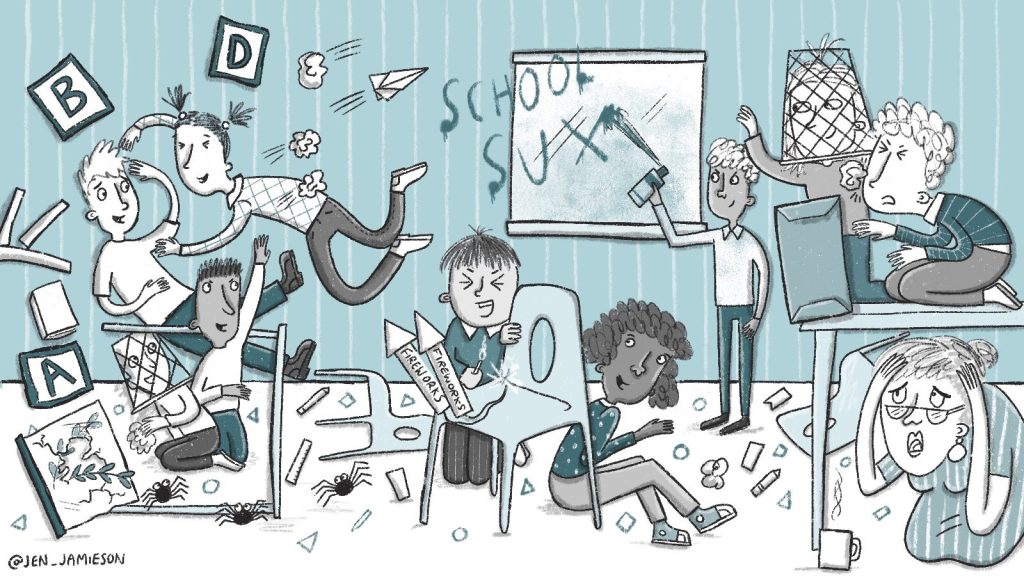
Every teacher has likely encountered a challenging student or class that refuses to cooperate. When a student looks you in the eye and declares, “We aren’t going to behave,” it can feel like a slap in the face, but it doesn’t have to be the end of the world. This article will discuss strategies for dealing with such situations and offer advice on how to regain control of your classroom.

Understanding the Root Cause:

Before jumping to conclusions, try to understand why a student is acting this way. There could be various reasons behind their behavior, such as personal issues at home, conflict with peers, lack of motivation, or even underlying learning difficulties. Take some time to observe the students’ demeanor and talk to them privately if possible. Understanding their perspective can provide valuable insight into their actions and help you develop specific strategies for managing their behavior.

Building Trust and Rapport:

Establishing trust and rapport with your students is essential for creating a safe and inclusive learning environment. When students know that they can depend on you and feel comfortable discussing issues, they are more likely to cooperate in class. To build trust, show genuine concern for their well-being, actively listen when they share their thoughts with you, and provide opportunities for them to express themselves in non-threatening ways.

Setting Expectations:

Clearly outline classroom rules and expectations from the beginning of the school year. Be consistent in enforcing them and treat all students fairly when consequences need to be given. Recognizing positive behavior can also make a significant impact; praise students when they meet expectations or go above and beyond.

Engaging Lessons:

Creating engaging lessons that cater to different learning styles will encourage students to be active participants in your class instead of simply ignoring instructions. Incorporate technology, multimedia presentations, group work, hands-on activities, and debates to create varied and stimulating learning experiences.

Getting Support from Colleagues and Administration:

You don’t have to face challenging situations alone. Reach out to colleagues or mentors for advice, as they may have experienced similar situations and could offer valuable insight. Additionally, involve administration if needed, especially when it comes to ensuring student safety and well-being.

Conclusion:

When faced with a defiant student, remember not to take things personally, and remain calm and composed. By understanding the root cause of their behavior, building trust and rapport, setting clear expectations, creating engaging lessons, and seeking support from colleagues and administration, you can regain control of your classroom and encourage positive behavior change.

I’ll Never Regret Letting Students Go Through My Desk Drawers

As a teacher, there are certain boundaries we believe should never be crossed. The sanctity of our personal space, including our desk drawers, is often considered inviolable. However, after allowing my students to go through my desk drawers, I realize the benefits far outweigh any perceived risks or improprieties.

Breaking Down Barriers

By allowing students to explore my desk drawers, I was actively breaking down barriers and fostering an environment of trust and openness. Students realized that I am willing to share parts of my life with them and have nothing to hide. This act of vulnerability helped build connections with my students that might not have formed otherwise.

Promoting Curiosity and Learning

A teacher’s role is not only to impart knowledge but also to encourage curiosity among students. When I allowed my students to rummage through my drawers, they discovered various items (age-appropriate, of course) that sparked their curiosity and invited questions. From old photographs to trinkets picked up during my travels, these objects became catalysts for impromptu learning opportunities and engaging discussions.

Encouraging Respect for Others’ Belongings

Initially, I was concerned that by allowing students access to my personal belongings, it could lead to a lack of respect for others’ possessions. However, the inverse proved true. By allowing them into my space and discussing the importance of respecting others’ belongings and asking permission before handling them, students demonstrated greater care and appreciation for the items they encountered.

Improving Classroom Organization

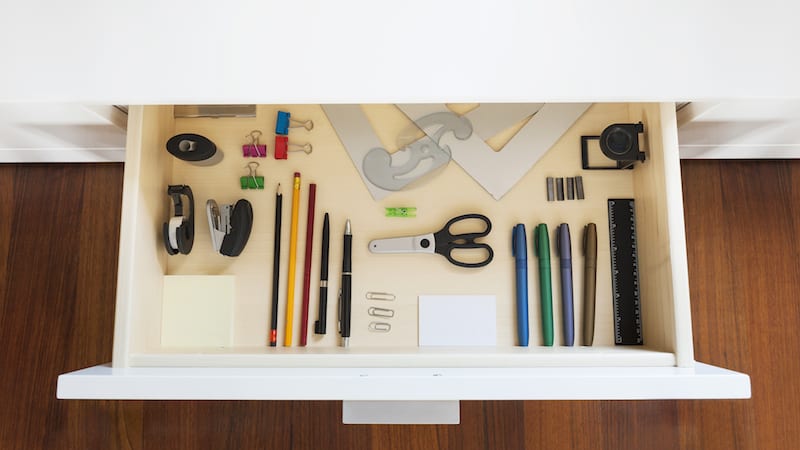
One unforeseen benefit of this practice was the improvement in classroom organization. The timelessly curious nature of young minds kept me accountable for keeping a clean and organized workspace; an important skill for every educator to model. My carefully curated drawers also served as inspiration for some students who were struggling with maintaining their own tidy workspaces.

Creating Memorable Moments

Some of the most memorable moments in my teaching career were born from this seemingly insignificant decision. My students and I have shared countless laughs, fascinating conversations, and tender moments as a result of connecting over items found in my desk drawers. It’s these memories – tokens of a unique bond between teacher and student – that I will always cherish as some of my greatest achievements in education.

In conclusion, allowing students to go through my desk drawers has been an enriching experience for all involved. The connection, trust, curiosity, respect, organization, and lasting memories that it fostered are well worth breaking the boundaries we often impose on ourselves as educators. Embracing this practice has shown me that sometimes stepping outside our comfort zones can lead to unanticipated yet invaluable experiences with our students.

20 Reasons We Love Classroom Reveals

1. Boosts morale: Classroom reveals undoubtedly boost the morale and motivation of teachers and students, making them eager to start the new academic year.

2. Personal touches: Teachers put in their personal touches and showcase their creativity while designing and decorating their classrooms, which makes everyone feel more at home.

3. Displays of learning: Classroom reveals highlight bulletin boards and display corners that showcase students’ projects, achievements, and artwork throughout the year.

4. Introduces routines: Reveals often introduce important classroom routines, rules, and expectations that will be followed throughout the year.

5. Reflects inclusivity: A well-designed classroom reveal emphasizes inclusivity as it caters to the diverse needs of students and fosters a sense of belonging.

6. Engages parents: Classroom reveals create an opportunity for parents to get involved in their child’s education by volunteering to help set up or attending the event.

7. Builds anticipation: The excitement built around a classroom reveal cultivates curiosity and anticipation for both teachers and students.

8. Collaboration: Reveals encourage collaboration among teachers as they share ideas, resources, and creative suggestions while designing their classrooms.

9. Invokes school pride: A well-executed classroom reveal instills a sense of school pride in everyone involved.

10. Encourages organization: Classroom reveals inspire teachers to organize their rooms efficiently from day one, making for a smoother academic year.

11. Showcases learning centers: Learning centers displayed during reveals cater to diverse learning styles, ensuring accessible education for all students.

12. Technology integration: Many reveals incorporate interactive elements to demonstrate how technology will be used throughout the year to enhance learning experiences.

13. Represents teacher identity: Each teacher puts their unique spin on the classroom design, allowing students to learn more about who they are as educators.

14. Unveils engaging themes: Exciting themes are often unveiled during classroom reveals to spark students’ interest and curiosity.

15. Photo opportunities: Parents, teachers, and students often enjoy taking photos of the big reveal, documenting the moment and creating lifelong memories.

16. Sets the tone for learning: Classroom reveals set the stage for a positive learning environment where students feel inspired, motivated, and comfortable.

17. Promotes creativity: Classroom reveals push teachers to think outside the box as they design innovative, eye-catching learning spaces.

18. Builds trust: A well-thought-out classroom reveal demonstrates a teacher’s dedication to their craft and helps build trust with students and parents alike.

19. Reinforces school identity: Classroom reveals reinforce the larger school identity by tying in school colors, mascots, or logos throughout the decorations.

20. Celebrates community effort: The sense of achievement felt after completing a successful classroom reveal highlights the power of teamwork and community spirit in education.

9 Classroom Management Ideas We Can Steal From Dwayne “The Rock” Johnson

Introduction

While Dwayne “The Rock” Johnson may be best-known for his wrestling and acting careers, he is also full of wisdom and inspiration. In fact, teachers can draw inspiration from The Rock to create engaging and effective classroom environments. Here are nine classroom management ideas we can steal from this Hollywood star!

1. Build a strong foundation

Just as The Rock trains his body for peak performance, teachers should invest in building a solid foundation for their classrooms. Establish clear expectations, routines, and procedures from day one to ensure students understand what is required of them.

2. Maintain high energy levels

One thing that sets The Rock apart is his seemingly unending energy and enthusiasm. Bringing high energy to the classroom sparks enthusiasm in students, leading to active engagement and participation. Never be afraid to take a break or incorporate energizing activities if you notice the class feeling sluggish.

3. Encourage teamwork

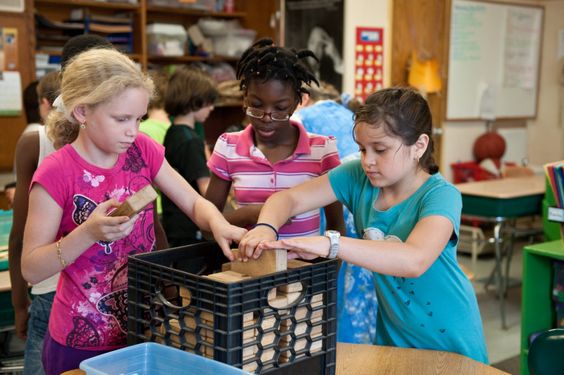
Frequently featured in ensemble casts, The Rock knows the value of teamwork. Use group work and collaborative problem-solving activities in the classroom so that students learn to cooperate and support each other.

4. Cultivate resilience

Dwayne Johnson’s journey demonstrates the importance of resilience and bouncing back in the face of obstacles. Incorporate resilience-building activities into your lesson plans, such as allowing students to revise work or providing constructive feedback so they can learn from their mistakes.

5. Show empathy

Despite his tough exterior, The Rock often demonstrates empathy on- and off-screen. As a teacher, displaying empathy towards your students will encourage trust and rapport within the classroom community.

6. Be confident in your expertise

With years of experience under his belt, The Rock exudes confidence in everything he does. Teachers should display confidence in their subject matter expertise by offering clear explanations, answering questions effectively, and striving for continuous improvement.

7. Celebrate success

Admired for his celebratory spirit, The Rock knows the importance of acknowledging accomplishments, whether big or small. In the classroom, celebrate the individual and collective achievements of your students through verbal praise, recognition ceremonies or small rewards.

8. Foster a growth mindset

The Rock’s ever-evolving career showcases his growth mindset. Encourage your students to believe in their abilities to improve and learn by praising effort, persistence and hard work rather than innate talent.

9. Make it fun!

Lastly, don’t forget that The Rock knows how to have a good time! Creating a fun and engaging class environment emphasizes that learning doesn’t have to be all work and no play.

Conclusion

By channeling the qualities and strategies of Dwayne “The Rock” Johnson, teachers can create classrooms that are energetic, supportive and prime for learning. Remember that sometimes, the best lessons can come from the most unexpected sources – even Hollywood icons!

10 Fixes to the First 5 Minutes of Class That Make a World of Difference

1. Greet Students at the Door: A warm greeting and a smile can make students feel welcome and valued. This small gesture sets a positive tone for the rest of the class.

2. Start with an Engaging Activity: Begin the class with a brief activity that captures students’ attention and encourages them to think or share their ideas. This could be a thought-provoking question, a problem to solve, or a short video.

3. Clearly State Objectives: Make sure your students understand what they’ll learn in class by stating the objectives at the beginning. This helps set expectations and keeps them focused on the lesson.

4. Review Homework or Previous Lesson: Take a couple of minutes to review essential points from the previous lesson or homework assignment. This helps establish continuity and reinforces learning.

5. Utilize Visual Aids: Use visual aids like slides, images, or charts in your presentation to better engage students and cater to multiple learning styles.

6. Organize Classroom Setup: Make sure your classroom setup is conducive to learning by having materials readily accessible, ensuring students can easily see you and hear you, and minimizing distractions.

7. Designate a Daily Routine: Establishing a daily routine boosts efficiency and helps create structure for students. Have a specific order of activities each day so students know what to expect.

8. Encourage Participation: Foster an environment that invites participation by asking open-ended questions, allowing ample time for thinking, and giving praise for contributions.

9. Implement Warm-Up Exercises: Engage students’ minds right away through warm-up exercises that challenge them mentally or physically, such as math problems, word association games, or short physical stretches.

10. Provide Clear Instructions: Make sure you give clear, concise instructions for any tasks, activities, or group work you assign during class time. Be prepared to answer questions or clarify instructions as needed.

By incorporating these ten fixes in the first five minutes of class, you’re well on your way to creating a more effective learning environment for your students. These small changes can make a significant impact on student engagement, morale, and overall success in the classroom.