Classroom Management

8 Fixes to Try When It Feels Like Your Class Is Struggling & Out of Control

1. Reflect on your teaching methods

Take a step back and assess your teaching methods. Make note of any areas that may need improvement and modify lesson plans accordingly. Consider seeking feedback from students or colleagues to gain additional insights into what may be causing disruptions in the learning environment.

2. Set clear expectations and boundaries

Ensure that your students are aware of behavior expectations in the classroom by creating and implementing a robust set of classroom rules. Keep these rules visible and consistently enforce them to maintain order and discipline.

3. Offer positive reinforcement

Motivate your students to actively engage in learning by acknowledging and rewarding their successes, no matter how small. Positive reinforcement helps build self-esteem and fosters a sense of accomplishment, leading to improved class morale.

4. Develop engaging lesson plans

Capture your students’ attention by developing lesson plans that incorporate a variety of teaching techniques and multimedia tools. This will help maintain student interest while addressing different learning styles.

5. Hold individual or group conferences

If certain students are consistently struggling or causing disruptions, schedule one-on-one or group conferences to address the issues at hand. This provides an opportunity to discuss any underlying difficulties affecting academic performance or conduct.

6. Use peer mentoring

Establish a peer mentoring system in which students can receive guidance, support, and assistance from their classmates. This not only promotes academic success but also fosters social connections within the classroom.

7. Integrate stress-relieving activities

Incorporate stress-relieving activities into your curriculum, such as mindfulness exercises or physical movement breaks. These can help alleviate tension, anxiety, and restlessness among students, ultimately improving focus and emotional regulation within the classroom environment.

8. Seek professional support

If you are facing significant challenges with classroom management or student performance, don’t hesitate to seek professional support from colleagues, school administrators, counselors, or behavioral specialists. They can provide valuable guidance, resources, and assistance to help get your class back on track.

By implementing these fixes, you’ll be better equipped to address classroom struggles and create a more organized, productive, and harmonious learning environment for both you and your students.

15 Budget-Friendly Burlap Decor Ideas to Dress up Your Classroom

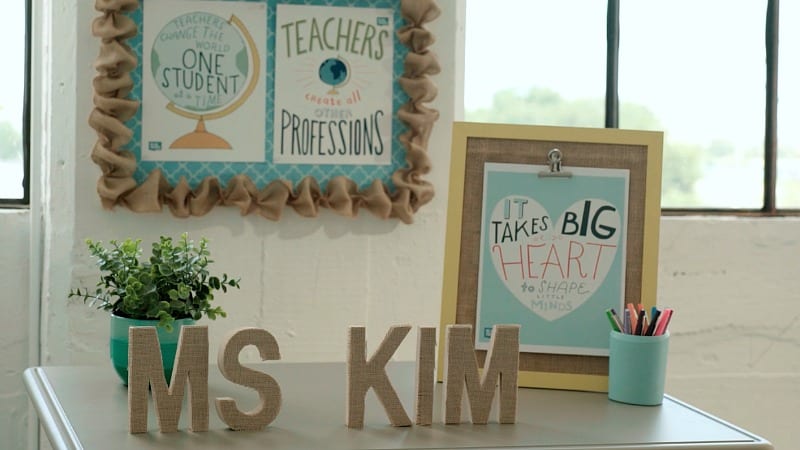
Burlap is a versatile and affordable material that adds a rustic charm to any space. With its natural, earthy look and fabulous texture, burlap can bring warmth and character to your classroom. Here are 15 budget-friendly burlap decor ideas that will help you dress up your classroom in style.

1. Burlap Bulletin Board: Create a beautiful, neutral backdrop for showcasing student work or important updates by covering a bulletin board with burlap fabric. You can also add fun borders to match your classroom theme.

2. Burlap Banners: Customize burlap banners with motivational quotes, subject headings, or even welcome messages for an inviting touch.

3. Table Skirts: Replace traditional tablecloths with burlap table skirts for a rustic touch on teaching tables or reading nooks.

4. Doorway Swag: Add some burlap swag over doorways or windows for an extra element of chic flair.

5. Burlap Chair Pockets: Organize student materials with DIY burlap chair pockets by sewing together burlap squares, then attaching them to the backs of chairs.

6. Storage Baskets: Wrap old cardboard boxes in burlap and fill them with classroom supplies for a functional yet stylish storage solution.

7. Burlap Wall Art: Use stencils or freehand painting techniques to create stunning wall art using burlap as your canvas.

8. Border Accents: Accent bulletin board edges or whiteboards with strips of burlappedge around the perimeter to soften the room’s look.

9. Picture Frames: Give old picture frames new life by wrapping them in burlap and hanging them on the walls as unique and rustic decor pieces.

10. Wrapped Mason Jars: Cover mason jars in burlap fabric and use them as pencil holders, vase arrangements, or even flower pots.

11. Custom Napkin Rings: Sew burlap into circles and put them around rolled up paper or cloth napkins for a fun, DIY napkin ring.

12. Natural Wreaths: Create a seasonal or themed wreath using a burlap base and adorning it with coordinating decorations, such as leaves, flowers, or ornaments.

13. Seating Chart Displays: Design an eye-catching seating chart display by pinning student name tags onto burlap-covered boards.

14. Burlap Book Covers: Wrap your favorite old books in burlap fabric to give them a rustic makeover that will look great displayed on shelves.

15. Stuffed Animals and Pillows: Fill burlap sacks with soft stuffing to create cozy reading nook cushions or adorable stuffed animals for a calming and cuddly atmosphere.

Incorporating these budget-friendly burlap decor ideas into your classroom is an easy way to create a warm and inviting space for your students. The natural texture and versatile nature of this fabric make it an ideal choice for educators looking to bring a touch of rustic charm to their learning environment.


8 Tips for Saving Your Teacher Voice

Teachers are the backbone of our educational system, and their voices play a crucial role in their ability to communicate effectively. Unfortunately, many educators experience vocal strain or even damage from excessive talking and projecting their voice throughout the day. Here are 8 tips to help save your teacher voice and keep it healthy for years to come.

1. Hydrate: Drinking plenty of water is essential for overall health, and it is especially critical for your vocal cords. Keep a water bottle handy, and remember to sip consistently throughout the day.

2. Utilize Voice Projection Techniques: Instead of straining your voice by shouting or yelling, learn proper projection techniques. This involves using breath support and resonance to allow your voice to carry without putting additional stress on your vocal cords.

3. Take Breaks: Do not forget to give your vocal cords some downtime during the school day. Schedule moments of silence or quiet activities when possible, allowing your voice a chance to rest.

4. Incorporate Non-Verbal Communication: When appropriate, use visual aids or gestures that can supplement verbal communication. This can help relay information while lessening the strain on your voice.

5. Use a Microphone in Large Spaces: Many schools have public address systems or microphones available for use in large classrooms or auditoriums. Do not be hesitant to use these tools to save your voice.

6. Practice Proper Breathing: Good breath support is crucial for healthy vocal function. Breathing exercises that target diaphragm usage can make speaking easier and prevent unnecessary strain on your vocal cords.

7. Warm Up Your Voice Daily: Treat your voice like you would any other muscle in your body; giving it time to warm up before strenuous activity can help prevent injury.

8. Pay Attention to Vocal Health Red Flags: If you are experiencing persistent hoarseness, discomfort while speaking, or noticeable changes in your pitch, voice quality, or volume, it’s imperative to seek medical care or consult a voice specialist.

In conclusion, maintaining your teacher voice is essential to your success in the classroom. By adopting these 8 tips, you can protect your vocal cords and continue to inspire and educate your students effectively.

We Love It! How Teachers Are Using Osmo to Solve Classroom Management Problems

In recent years, technology has transformed the way we approach education and learning. One standout innovation that has captured the hearts of teachers worldwide is Osmo. This interactive learning platform has not only revolutionized how students engage with educational material, but it has also provided novel solutions to common classroom management issues. Let’s explore how Osmo is making a difference in classrooms and easing the burden on teachers.

Understanding Osmo

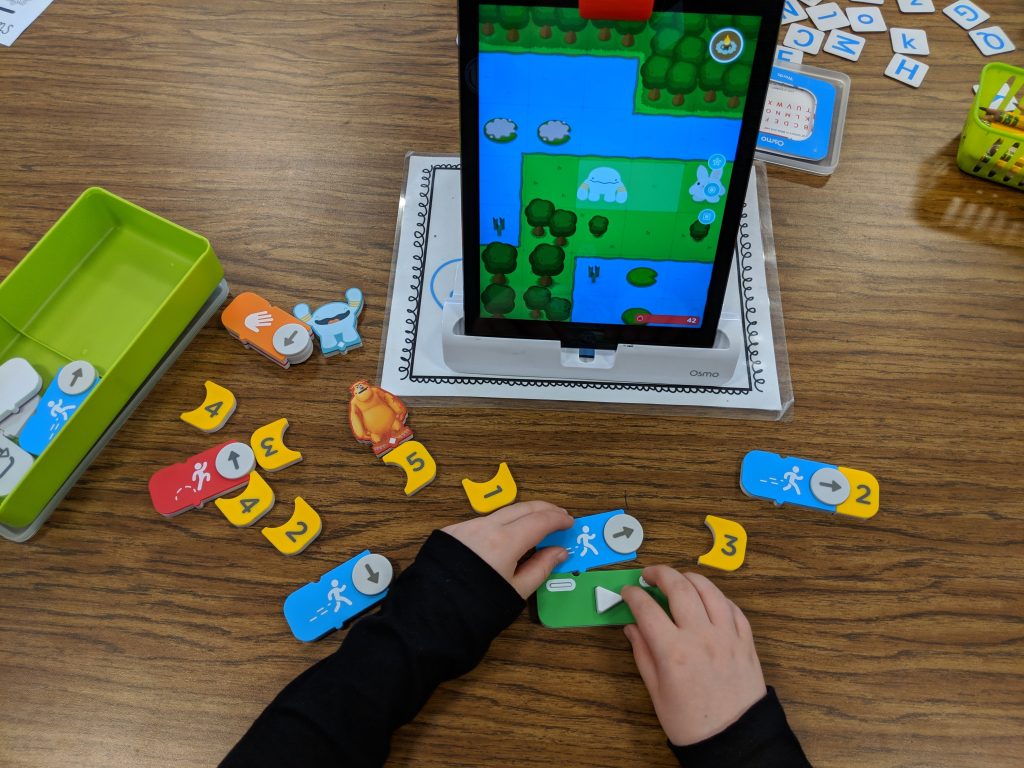
Osmo is an award-winning, game-based learning system that combines physical play with digital technology. Designed for children aged 3-11, it encourages problem-solving, creativity, collaboration, and critical thinking by offering a range of interactive games and activities. Osmo-compatible devices include iPads and Amazon Fire tablets.

Solving Classroom Management Problems

Classroom management can be a challenge for any teacher, but Osmo offers effective solutions to some of these common problems:

1. Maintaining Students’ Attention: One of the most significant challenges in classroom management is capturing and maintaining students’ attention. Osmo does this by marrying physical play with digital activities, keeping kids engaged using both visual and tactile stimuli. The interactive games encourage students to stay focused while having fun as they learn.

2. Encouraging Collaboration: Group work can sometimes become chaotic in a classroom setting or result in uneven participation. Osmo’s multi-player games promote cooperation and healthy competition as students collaborate on tasks to achieve a common goal, fostering a positive learning environment.

3. Differentiating Instruction: Every child learns at their own pace – some need more time, while others might need additional challenges. Osmo offers adjustable difficulty levels within its games so that teachers can tailor the content to suit individual students’ needs, ensuring nobody feels left behind or unchallenged.

4. Reducing Downtime: Transitions between activities or waiting for individual student assistance can lead to wasted time and potential disruptions. Osmo’s ease of use and quick set-up minimize downtime, allowing students to continue engaging with the content while teachers assist their peers.

5. Fostering Inclusivity: In a diverse classroom, it is essential to create an inclusive learning environment where every student feels welcomed. Osmo’s variety of games caters to different age groups, cultural backgrounds, and academic levels, encouraging participation from all students.

Teacher Testimonials

Educators across the globe have quickly adopted Osmo and shared their success stories:

– “Osmo has been a game-changer in my classroom! It has improved behavior, attentiveness, and even social skills among my students!” – Mrs. Smith, 2nd-grade teacher

– “As a special education teacher, I’ve been able to adapt Osmo’s features to meet individual student needs. It’s incredibly versatile and engaging!” – Mr. Johnson, Special Education Teacher

In conclusion, Osmo’s innovative approach to learning combines physical and digital elements that are not only fun and engaging but also highly effective in addressing common classroom management problems. As technology continues to make strides in the education industry, we can look forward to more products like Osmo that offer creative solutions for both teachers and students.

How Schools Are Handling Shared Supplies in Classrooms Amidst Changing Times

As the world continues to grapple with the impact of COVID-19, schools have had to adapt to the new normal. Among the numerous changes they have implemented, one key area of focus is how shared supplies in classrooms are being managed. As the sharing of school supplies can potentially contribute to the spread of germs, innovative strategies have been implemented by educational institutions worldwide in order to maintain a safe learning environment for students and teachers alike.

1. Individual Supply Kits

One of the most effective measures that schools have adopted is providing individual supply kits to students. Rather than having shared pencil boxes or communal craft supplies, each student is given their personal set of necessary items such as pencils, erasers, glue sticks, scissors, and markers. This approach minimizes unnecessary contact between students and reduces the risk of virus transmission.

2. Sanitization Stations

Many schools have established designated sanitization stations throughout their premises, providing hand sanitizers, wipes, and disinfecting spray. After using shared resources such as textbooks or equipment, students are encouraged to sanitize their hands and clean any used items. Teachers also play an essential role in promoting good hygiene practices by setting clear expectations for students and ensuring materials are sanitized after use.

3. Rotation Systems

For materials that must be shared—such as computer keyboards or laboratory equipment—some schools have introduced rotation systems. By assigning specific resources to small groups of students at different times, these systems help limit contact between multiple individuals while simultaneously enabling access to necessary supplies. Additionally, cleaning protocols are conducted between each group’s usage.

4. Digital Solutions

With remote learning becoming a necessity during pandemic-induced lockdowns, schools increasingly rely on digital resources as an alternative to traditional shared materials. Platforms like Google Classroom and Microsoft Teams allow students and teachers to share documents, submit assignments, and communicate virtually—thereby reducing reliance on physical supplies and curbing the transmission of germs.

5. Supplies as Personal Donations

In some cases, parents are requested to donate classroom supplies specifically for their children’s use. By labelling materials with students’ names, these items are less likely to be used by multiple individuals. This approach not only limits the potential spread of germs but also ensures that classrooms maintain an adequate supply of materials.

As schools continue to navigate the challenges posed by COVID-19, effective management of shared classroom supplies has emerged as a key pillar in establishing safe learning environments. While some strategies focus on minimizing physical contact, others emphasize hygiene and sanitization practices in order to protect the health of both students and staff. Ultimately, the collaboration between educators, parents, and students is crucial in fostering a secure and thriving educational ecosystem amidst these unprecedented times.

36 Ideas for Inexpensive Student Incentives

Introduction:

Keeping students motivated and engaged is an essential aspect of effective teaching. Incentives can be a great way to inspire students to work harder, improve their behavior, and achieve their academic goals. While there are many expensive rewards on the market, as educators, we need to find ways to create inexpensive yet meaningful incentives for students. Here are 36 ideas for budget-friendly student incentives that teachers can use in their classrooms.

1. Positive notes sent home to parents or guardians

2. Sticker rewards for good behavior

3. Extra free time during school hours

4. Class-wide recognition or shout-outs

5. Fun pencil or eraser prizes

6. Point system leading to bigger rewards

7. Extra help or tutoring sessions

8. Customized certificates of achievement

9. The opportunity to be a class helper or leader

10. Treasure chest filled with inexpensive toys or trinkets

11. A special lunchtime with the teacher

12. Homework passes for completing extra assignments or challenges

13. Small group privileges such as lining up first or reading in a cozy corner

14. Decorative bookmarks as a reward for reading progress

15. The chance to choose a game during indoor recess

16. Creating a class store with low-cost items that can be purchased using earned points

17. Inviting guest speakers related to students’ interests as a reward

18. Free access to educational apps or websites

19. Customized and inexpensive wristbands for meeting classroom goals

20. Creating coupon books with various privileges that students can earn

21. Exchangeable tokens for good behavior that can be used in raffles/tests/exams.

22. Student-created awards granted by peers.

23. Fun activity breaks led by an exemplary student.

24. Small treats such as popsicles, cookies, or fruit cups.

25. Admission tickets to join a “Lunch Bunch” group with the teacher.

26. The student of the week with special privileges.

27. A special visit to the school’s mascot or a favorite staff member.

28. Special passes to join clubs, participate in sports, or attend school events.

29. The use of a comfortable chair for a day as a reward for good behavior.

30. Special recognition in the school newsletter or website.

31. School supplies awarded as prizes, such as colorful pens or fancy notepads.

32. Invitations to themed luncheons or breakfasts with classmates who also earned rewards.

33. Wall of fame for students who reach milestones and academic achievements.

34. Let students choose their next project or topic if they meet specific class goals.

35. Create reward clubs that students can join after collecting enough points incentives.

36. Use social media platforms to acknowledge your students’ accomplishments.

Conclusion:

Inexpensive incentives are an excellent way to engage and motivate students while staying within budget constraints. With this extensive list of ideas, teachers and schools can implement meaningful incentives that acknowledge students’ hard work and achievements. Don’t be afraid to get creative! Your students will surely appreciate the effort and thoughtfulness behind each reward. Remember, nurturing a growth mindset within our students is an investment in their future success.

Win an Instax Camera, Laminator, and Label Printer: The Ultimate Teacher Giveaway

Introduction:

Attention all teachers! We know how hard you’ve been working throughout the year, and we want to celebrate and support your efforts in the classroom with an exciting giveaway. We’re offering a chance to win a fantastic prize bundle – an Instax Camera, Laminator, and Label Printer – perfect for expanding your teaching tools and engaging students. Read on for more details about these fantastic prizes and how to enter the giveaway.

Instax Camera: Capture Classroom Memories

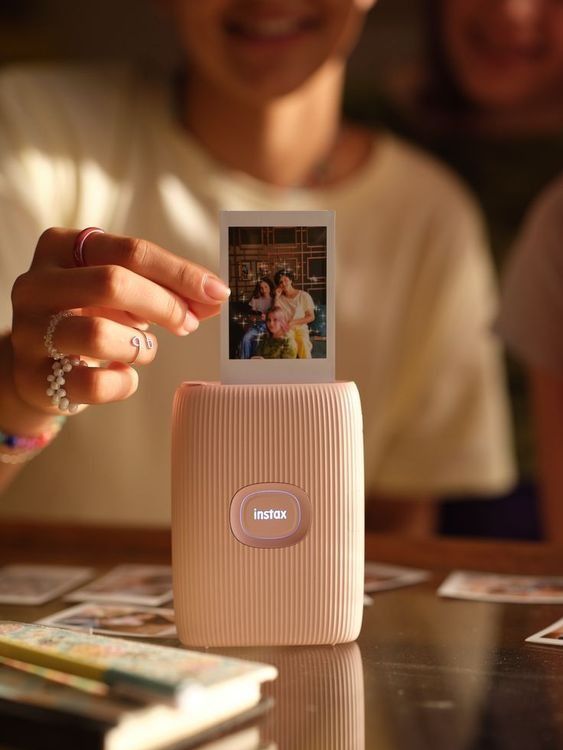
The Instax Camera is revolutionizing the way we capture memories in education. With instant photo printing, this camera allows you and your students to document memorable moments throughout the school year. From classroom projects and field trips to special holiday celebrations, the Instax Camera brings instant fun into your teaching environment. As a bonus, with physical photos in hand, students can create cherished keepsakes while improving visual storytelling habits.

Laminator: Create Durable Classroom Resources

A reliable laminator is essential for any educator looking to preserve their hard work and protect valuable classroom materials. With this high-quality laminator in your arsenal, you can create reusable worksheets, flashcards, signs, or posters that will survive handling by even the most rambunctious students. Additionally, laminating allows you to incorporate color into your lesson plans easily and maintain cleanliness in times when health considerations are critical.

Label Printer: Keep Your Classroom Organized

An organized classroom is critical for efficient learning experiences. Enter the label printer – an invaluable tool for keeping everything in its place. Teachers understand all too well how crucial details like labeling student desks, cubbies, bins, and supplies can be for creating structure in a bustling educational environment. With this user-friendly label printer by your side, you’ll stay efficient and get essential organizing tasks done in a snap.

How to Enter:

To join the Ultimate Teacher Giveaway for a chance to win these incredible prizes, follow these simple steps:

1. Fill in your details on our online entry form.

2. Share a creative and fun teaching idea or project you’ve done with your students in the past.

3. Don’t forget to include any relevant pictures or videos!

4. Submit your entry before the deadline.

The Ultimate Teacher Giveaway is our way of saying “Thank You” to educators who pour their heart and soul into their profession. Don’t miss this opportunity to enhance your classroom with these valuable tools – enter today, and best of luck!

Enter the Lysol Clear the Wishlist Giveaway!

The much-anticipated Lysol Clear the Wishlist Giveaway is finally here! Offering an exciting chance to win a treasure trove of gifts for your home and family, this giveaway is a golden opportunity you simply can’t afford to miss.

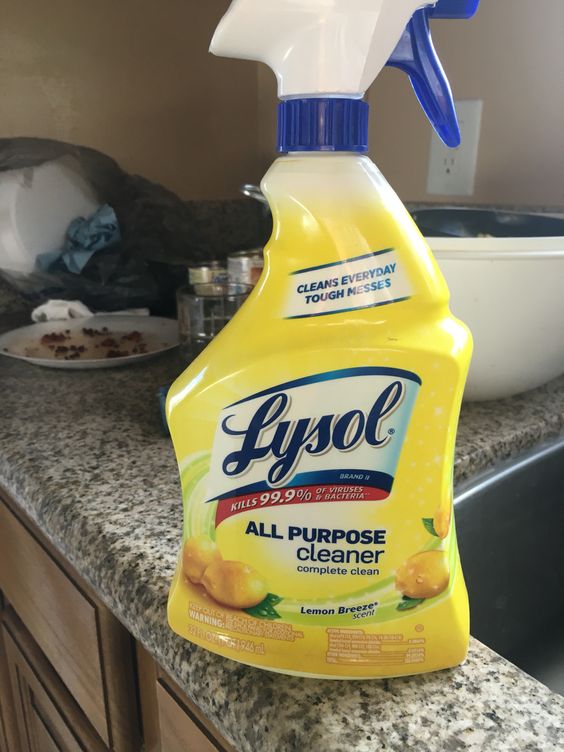
For years, Lysol has been a trusted brand name in household cleaning and disinfecting. Whether it’s about keeping your home spick-and-span or safeguarding your loved ones from germs, Lysol has a product range that caters to every need. Now, with this incredible giveaway, the popular brand wants to reward its loyal customers with an array of fabulous prizes.

How to Enter

Entering the Lysol Clear the Wishlist Giveaway is convenient and hassle-free. All you have to do is visit the official giveaway page, fill out the entry form with your personal details (including your name, email address, phone number, and home address), and submit it. Don’t forget to read and accept the terms and conditions before doing so.

Lysol will select multiple lucky winners through random draws held during the giveaway period. Be aware that age restrictions may apply, so entrants must be at least 18 years old (or of legal age in their jurisdiction) to participate.

Amazing Prizes Up for Grabs

The Lysol Clear the Wishlist Giveaway boasts an impressive assortment of prizes designed to upgrade your home and lifestyle. With products ranging from cleaning supplies and disinfectants to cutting-edge tech gadgets, winners will have everything they need for a clean, germ-free environment.

Some of these fantastic prizes include:

1. A year’s supply of Lysol products, ensuring your family stays protected from harmful germs.

2. Home electronics such as smart speakers, smart TVs, smartphones, and kitchen appliances that can transform any living space.

3. Gift cards from popular retailers, allowing you to choose the exact items you need for your home.

4. And much more!

Don’t miss out on this exceptional opportunity to win an assortment of wonderful prizes in the Lysol Clear the Wishlist Giveaway. Enter now and get ready to turn your wishlist into a reality! Good luck!

18 Adorable 1st Grade Classroom Ideas

Introduction:

Creating a warm and inviting 1st grade classroom is essential for fostering a love for learning in young students. A well-designed classroom can inspire creativity, collaboration, and independence. Here are 18 adorable ideas to make your 1st grade classroom a welcoming and engaging space.

1. Reading Nook

Create a cozy reading nook complete with cushions, beanbags, and bookshelves to encourage students to dive into the world of literature.

2. Alphabet Wall

Design an attractive alphabet wall, with each letter artistically represented. This will help your budding readers become familiar with the alphabet while brightening up your space.

3. Growth Mindset Display

Set up a growth mindset display celebrating students’ achievements and progress with motivational quotes and visual representations of their accomplishments.

4. Class Pet Corner

Introduce a low-maintenance class pet like a fish or plant to teach students about responsibility and care for living beings.

5. Calendar Center

Include an interactive calendar center for students to learn about days, weeks, months, and seasons while practicing essential math skills.

6. Personalized Name Tags

Create personalized name tags for each student’s desk that reflect their individual interests or personalities.

7. Flexible Seating Options

Incorporate flexible seating options such as yoga balls, wobble stools, or standing desks for improved focus and comfort.

8. Job Chart

Designate classroom jobs with a colorful job chart that teaches responsibility and teamwork.

9. Nature-Inspired Decorations

Incorporate elements of nature through plants, natural materials, or artwork representing natural landscapes.

10. Math Manipulatives Station

Set up a station dedicated to math manipulatives like counting bears or base ten blocks.

11. Sensory Bins

Offer sensory bins filled with various materials that cater to different learning styles and help develop fine motor skills.

12. Word Wall

Display a word wall featuring essential sight words, vocabulary, and phonics patterns.

13. Art Station

Establish an art station equipped with various craft supplies for students to express their creativity.

14. Puzzle Corner

Create a puzzle corner for students to develop problem-solving skills and focus during downtime.

15. Cubbies or Lockers

Assign individual cubbies or lockers for students to store their belongings and promote organization.

16. Birthday Celebrations

Celebrate student birthdays with a special wall or bulletin board displaying their name and birthdate.

17. Positive Reinforcement Chart

Implement a positive reinforcement chart that rewards good behavior and encourages personal growth.

18. Class Mission Statement

Develop a class mission statement together with your students, reflecting on community values and learning goals.

Conclusion:

Creating an inviting 1st-grade classroom environment has many benefits, from improved student engagement to enhanced learning experiences. By implementing these adorable ideas, you’ll not only make your classroom more appealing but also inspire your young learners to thrive in their academic journey.

How to Talk to Students about Illness When a Classmate Is Diagnosed

One of the most challenging situations for educators is discussing a sensitive topic like illness with students, especially when it concerns one of their classmates. Helping students understand and cope with their emotions in such situations requires a delicate balance between providing information and creating a supportive environment. Here are some guidelines on how to talk to students about illness when a classmate is diagnosed.

1. Prepare yourself: Before initiating any conversation, make sure you have accurate information about the classmate’s diagnosis and the nature of their illness. Speak with administrators or the student’s family to gather the necessary details and determine what information can be shared. It’s also essential to manage your emotions and remain as calm as possible, as your attitude will influence your students’ reactions.

2. Gather your students: Bring your class together in a comfortable setting where everyone can see and hear you. Beginning this conversation in an inclusive environment helps promote a sense of unity while addressing the challenging topic.

3. Keep it age-appropriate: When explaining illness, consider the age of your students and frame your conversation accordingly. Use age-appropriate language that they can understand, while avoiding highly technical terms or medical jargon that may be confusing or overwhelming.

4. Be honest but sensitive: Start the conversation by sharing that their classmate has been diagnosed with an illness. You should be truthful about the situation without going into too many details that may not be appropriate for sharing with young children. Emphasize that they may have questions, and it’s okay to ask them.

5. Foster empathy: Encourage your students to think about how their classmate might be feeling and ways they can offer kindness and support. Speak honestly about how days might sometimes be hard for their ill classmate, but also highlight the importance of being there for each other in difficult times.

6. Encourage discussion: Give your students the chance to express their concerns, ask questions, or share their feelings. Be prepared for a range of reactions, from confusion to sadness to fear, and validate each student’s emotions. Encourage them to ask any questions they might have and provide information based on your understanding of the situation.

7. Discuss ways to support the classmate: Brainstorm ideas for how students can help their classmate during this challenging time – suggestions might include creating get-well cards, organizing a small fundraiser or charity event, or simply being a good friend without overwhelming their ill peer.

8. Offer resources and support: Inform your students about available resources if they want to learn more about their classmate’s illness or need help processing their feelings about it. This might include school counselors, reading materials, or mental health professionals they can speak with if needed.

9. Follow up: Check in with your students regularly to see how they are coping with their classmate’s illness and provide additional support as necessary. Maintain open communication with the affected family and inform your students of any updates as appropriate.

In conclusion, when talking to students about illness when a classmate is diagnosed, it’s vital to be honest while remaining sensitive to the age and emotional needs of your class. By promoting empathy, encouraging open discussion, and offering support, you can foster an understanding and compassionate classroom environment during this challenging time.