Curriculum & Instruction

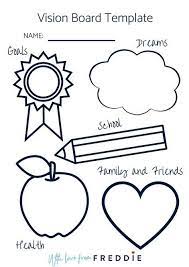
19 Inspirational Vision Board Activities to Try in Your Classroom

Introduction:

Vision boards are a creative and inspiring way for students to visualize and manifest their goals, dreams, and aspirations. Incorporating vision board activities into your classroom can promote positive thinking, boost motivation, and foster a growth mindset among your students. Here are 19 inspirational vision board activities to enhance your teaching practice and empower your students.

1. Goal Setting Session

Kick off the process by encouraging students to brainstorm their goals for the academic year or beyond. Define longer-term objectives as well as shorter-term milestones.

2. Theme-Based Boards

Assign themes like career dreams, personal development, or philanthropic goals and have students create vision boards focused on these topics.

3. Group Project Vision Boards

Encourage teamwork and collaboration by having groups of students create vision boards together for a shared project or goal.

4. Vision Board Gallery Walk

Display completed vision boards around the room, allowing students to observe each other’s goals, dreams, and inspirations.

5. Guided Imagery Exercises

Before beginning the vision board creation process, use guided imagery exercises to help students tap into their imagination and visualize their desires.

6. DIY Collage Materials

Encourage resourcefulness by having students repurpose old magazines, newspapers, stickers, or photographs for their vision board collages.

7. Positive Affirmations Exercise

Incorporate an activity where students write down positive affirmations related to their goals and include them on their vision boards.

8. Mind Mapping Activity

Help students organize their thoughts by teaching them mind mapping techniques before they begin designing their vision boards.

9. Monthly Check-Ins

Establish monthly check-ins where you revisit the students’ vision boards together, tracking progress on goals and adjusting them as necessary.

10. Vision Board Presentations

Allow students to present their visions to the class, explaining the significance of each element on their board.

11. Online Vision Board Platforms

Explore digital options for creating virtual vision boards, fostering digital literacy skills in the process.

12. Inspirational Quotes and Poems

Have students find and include inspiring quotes or poems relevant to their goals and dreams.

13. Vision Board Journals

Supplement vision board activities with journaling for reflection on goals, challenges, and progress.

14. Mindful Meditation Breaks

Incorporate guided meditation sessions to help students stay focused, visualize their success, and maintain motivation.

15. Vision Statement Exercise

Prompt students to write a personal vision statement summarizing their aspirations captured on the board.

16. Family Involvement

Invite families to participate in the vision board activity, creating a supportive and understanding environment at home as well.

17. Graduation Vision Boards

At the end of the school year or before graduation, have students create vision boards representing what they hope to achieve beyond the classroom.

18. Vision Board Mural

Transform a classroom wall into a giant vision board with a collage of individual student goals, promoting unity and inspiration among peers.

19. Growth Mindset Activity

Explore growth mindset concepts by prompting students to visualize overcoming obstacles and setbacks on their journey towards their goals.

Conclusion:

Integrating these engaging vision board activities into your classroom will not only inspire your students but also help them develop essential skills such as goal setting, self-reflection, and perseverance. Keep in mind that creating a vision board should be an enjoyable process for all and that everyone’s aspirations are unique. So, encourage your students to dream big and watch as they transform into motivated learners with ambitious objectives for their futures.

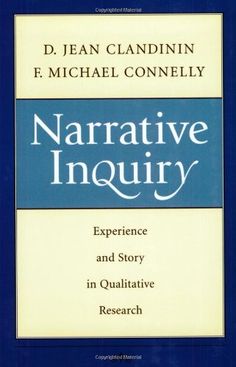
Developing Effective Participators through Narrative Enquiry

Introduction

In today’s interconnected world, it has become imperative to encourage individuals to take active roles in the communities they serve. Effective participators are those who engage with their environment and proactively work towards betterment. One way to cultivate these critical skills is through the use of narrative enquiry, a qualitative research method that centers around stories and the human experience. This article explores the process of developing effective participators using narrative enquiry, its benefits, and implementation strategies.

Narrative Enquiry: A Brief Overview

Narrative enquiry is a research approach that studies people’s lived experiences through their personal narratives and stories. It encourages individuals to examine their thoughts, beliefs, and actions while maintaining an open mind towards diverse perspectives. In the context of developing effective participators, this research method provides a framework for engagement that strengthens individuals’ connections with others and enriches their understanding of diverse perspectives.

Developing Effective Participators: The Role of Narrative Enquiry

1. Building Empathy

By using narrative enquiry as a means to develop effective participators, empathy can be developed as individuals immerse themselves in the lives and stories of others. By actively listening and acknowledging different viewpoints, one can foster an environment where empathy prevails among community members.

2. Enhancing Critical Thinking Skills

Narrative enquiry encourages critical thinking by promoting reflection on individual experiences and practices. By analyzing personal actions and reactions through the lens of personal narratives, individuals can identify patterns, biases, or assumptions that might have influenced their decision-making process.

3. Encouraging Active Engagement

Active engagement in community matters is essential for effective participation. Narrative enquiry helps individuals recognize the value of their own experiences and opinions and drives them to actively contribute towards meaningful change within their communities.

Implementation Strategies for Developing Effective Participators using Narrative Enquiry

1. Story Circles or Listening Sessions

Organize story circles or listening sessions within a group, where individuals can share their personal narratives and experiences. Encourage active listening, open-mindedness and respect towards the different viewpoints shared in these sessions.

2. Incorporating Personal Reflection

Integrate regular personal reflection activities into your program or curriculum to foster critical thinking and develop self-awareness. Provide a safe space for individuals to express their thoughts and feelings while emphasizing the importance of learning from the experiences shared by others.

3. Collaborative Projects

Promote teamwork and active participation within your group by organizing collaborative projects rooted in narratives or story-based themes. These initiatives should aim to address specific community issues while taking into consideration diverse perspectives presented through narrative enquiry.

Conclusion

Developing effective participators is vital for the prosperity of communities worldwide. Through narrative enquiry, we can equip individuals with essential skills like empathy, critical thinking, and active engagement that can contribute positively to their local communities. By implementing strategies such as story circles, personal reflection, and collaborative projects, organizations can foster a conducive environment for nurturing effective participators and ensuring meaningful change.

GCSE performance | Teaching Expertise

Introduction:

The General Certificate of Secondary Education (GCSE) is regarded as a significant milestone in the academic journey of students in the United Kingdom. As such, it is crucial for educators to understand the impact their teaching expertise has on their students’ performance. This article aims to discuss the relationship between teaching expertise and GCSE performance, as well as provide valuable insights and strategies to enhance student achievement.

Understanding the Importance of Teaching Expertise:

Teaching expertise plays a critical role in shaping students’ educational experiences. Skilled teachers are able to create dynamic, interactive and engaging learning environments that cater to various learning styles. This, in turn, drives student motivation, promotes deeper understanding of subject content, and ultimately influences their GCSE performance.

Adopting Evidence-Based Teaching Strategies:

Research has shed light on several effective teaching strategies that have a positive impact on student outcomes. These include:

1. Formative Assessment: Regularly assessing students’ progress through low-stakes quizzes and tasks gives teachers valuable insights into their understanding of the material. This information can be used to adapt lessons and provide targeted support, thereby enhancing overall achievement.

2. Feedback and Reflection: Providing constructive feedback on student work helps in identifying areas for improvement and encourages self-reflection. When students have an opportunity to analyse their own mistakes and take corrective action, they develop stronger learning skills.

3. Scaffolding and Differentiation: Breaking complex tasks into smaller steps, using visual aids and providing clear guidance enable students to grasp difficult concepts more easily. Additionally, catering to individual learning needs by adjusting the complexity of tasks ensures students work at an appropriate pace.

3. Collaborative Learning: Encouraging group work fosters a sense of responsibility, boosts confidence in problem-solving abilities, enhances communication skills and supports peer-to-peer learning. These competencies directly contribute to improved GCSE performance.

4. Developing Metacognitive Skills: Guiding students to reflect on their own thought processes and learning strategies enhances their ability to independently tackle challenges, making them more resilient and effective learners.

Investing in Professional Development:

Continual professional development is vital for teachers to stay informed about the latest educational research, refine their skills and share best practices. Collaborative networks, workshops and mentoring programs provide valuable opportunities for professional growth. Principals and school administrators should foster a culture that supports ongoing learning and promotes a collective focus on enhancing student outcomes.

Conclusion:

Teaching expertise has a direct impact on GCSE performance. By employing evidence-based teaching strategies, fostering an engaging learning environment, and continually investing in professional development, educators can significantly enhance the academic achievements of their students. Ultimately, nurturing expert teachers equips students not only to excel in their GCSE examinations but also to thrive in their future educational and career pursuits.

Practical Advice for Covering Lessons

Introduction

Substitute teachers have a crucial role in ensuring the learning process continues seamlessly for students, even in the absence of their regular teachers. However, stepping into another teacher’s shoes and keeping up with the curriculum can be a daunting task. This article offers practical advice for covering lessons as a substitute teacher to ensure a productive and enjoyable learning experience for students.

1. Be Prepared

Preparation is key when covering lessons. Before entering the classroom, familiarize yourself with the lesson plan provided by the regular teacher or your supervisor. Review the materials, resources, and teaching aids needed for the lesson. If possible, arrive early to set up the classroom and gather any additional supplies.

2. Set Clear Expectations

At the beginning of a lesson, introduce yourself and outline your expectations for class behavior and participation. Clearly define your classroom rules, and be consistent in enforcing them throughout the lesson. This will create a safe and controlled environment where students can focus on learning.

3. Adapt to Students’ Needs

Every class has its own unique culture, rhythm, and pace. As a substitute teacher, it is essential to quickly gauge the environment and adapt your teaching style accordingly. Observe what works well for students and incorporate those approaches into your instruction.

4. Engage Students 

Students are more likely to absorb information when it is presented in an engaging manner. Encourage active participation by incorporating group work, discussions, or multimedia presentations into your lessons. Use visual aids or storytelling techniques to make the subject matter more relatable and memorable.

5. Be Approachable

Students should feel comfortable asking questions or seeking clarification during lessons. Encourage open communication by being approachable and non-judgmental while addressing student concerns or inquiries.

6. Monitor Progress

While covering lessons, keep an eye on student progress by regularly checking completed work or observing engagement levels during class activities. This will help you identify any areas that may need more attention and ensure students are keeping up with the learning objectives.

7. Keep Records

Leave detailed notes for the regular teacher about the covered material, student progress, and any challenges or noteworthy topics encountered during the lesson. This information will help the teacher smoothly transition back into their role and address any necessary follow-up activities or issues.

8. Stay Positive and Supportive

Finally, maintaining a positive attitude is essential as a substitute teacher. Offer praise and encouragement to students when they demonstrate effort or improvement, and remember to practice patience while navigating the unfamiliar territory of another teacher’s classroom.

Conclusion

Substitute teachers play a vital role in maintaining the continuity of education for students when their regular teachers are absent. With proper preparation, adaptability, clear expectations, engaging instruction, approachability, monitoring progress, thorough record-keeping, and a positive attitude, substitute teachers can successfully cover lessons and contribute to a productive learning environment for all students.

Learning & Teaching

Introduction

Learning and teaching are two closely related and equally vital facets of human development. From birth to adulthood, learning is an ongoing process that shapes our understanding of the world, relationships, and skills. On the other hand, teaching plays a central role in transmitting knowledge, nurturing curiosity, and fostering personal growth. In this article, we’ll explore the importance of learning and teaching as well as the strategies that can enhance our ability to perform better in either role.

The Importance of Learning and Teaching

1. Personal growth: The process of learning involves acquiring new skills, mastering them over time, and applying those skills to different life situations. As a result, individuals develop critical thinking abilities, emotional intelligence, and problem-solving skills.

2. Community development: Teaching not only provides educators with essential knowledge about their subject matter but also helps learners to build diverse perspectives. This integration encourages collaboration and communication among community members.

3. Economic progress: A literate workforce equipped with essential skills is crucial for any nation’s economic growth. Through learning and teaching, people can acquire the necessary expertise to fuel job creation and innovation.

Effective Strategies for Learning

1. Active participation: Engage in activities that involve hands-on experience and practical understanding rather than passive absorption of information.

2. Spaced repetition: Space your study sessions appropriately to retain memory for a longer duration.

3. Goal setting: Outline clear objectives for your learning process and track your progress consistently for improvement.

4. Self-assessment: Regularly evaluate your understanding of concepts or topics through quizzes or tests.

5. Seek feedback: Consult instructors or fellow learners for constructive criticism to streamline your learning approach.

Efficient Tools for Teaching

1. Technology integration: Leverage digital tools like interactive whiteboards, multimedia presentations, educational apps, or online platforms to provide immersive educational experiences.

2. Differentiated instruction: Cater to diverse learner needs by employing tailored teaching techniques, such as visual aids, hands-on activities, or simplified explanations for complex topics.

3. Real-world connections: Relate the subject matter to real-life situations to make learning more engaging and relatable.

4. Collaborative learning: Encourage teamwork, group discussions, and collective projects that motivate learners to become active participants in their education.

5. Continuous professional development: Stay informed on the latest pedagogical practices and advancements in your field of study to impart knowledge more effectively.

Conclusion

Both learning and teaching are indispensable to human growth and societal progress. By embracing effective strategies and tools, we can foster a supportive environment that nurtures lifelong learning. Through a deeper understanding of the intricacies of these two processes, we can unlock our inherent potential for personal development, community enrichment, and global advancement.

20 Magic Math Tricks To Liven Up Your Curriculum

Mathematics can be perplexing and tedious for many students. To keep them engaged and interested, try incorporating these 20 magic math tricks into your curriculum. They will not only make learning fun and enjoyable but also help students develop a greater appreciation for numbers.

1. The Power of 9: Teach students the quick way to multiply by 9 by multiplying the other number by 10 and subtracting the original number from the product.

2. Fast Doubling: To double a number, simply add the number to itself.

3. Divisibility Rule for 3: A number is divisible by 3 if the sum of its digits is divisible by 3.

4. Divisibility Rule for 6: A number is divisible by 6 if it is both divisible by 2 and divisible by 3.

5. Finger Multiplication: Teach students how to effortlessly multiply numbers between 6 and 10 using their fingers!

6. The Ice Cream Cone Method: Use the ice cream cone method to visually demonstrate how to multiply large numbers using columns.

7. Magic Number Squares: Introduce students to magic squares, where the sums of all rows, columns, and diagonals are equal.

8. Quick Fractions Addition: Show students how to quickly add fractions with different denominators without finding a common denominator first.

9. Lightning Calculations: Teach students mental math techniques like doubling, halving, and rounding numbers to facilitate quick calculations in their head.

10. Mental Percentages: Introduce shortcuts for calculating percentages mentally, such as halving a number twice to find 12.5%.

11. Magic Gopher Game: Utilize fun online math games like the Magic Gopher game that challenges students to find patterns in numbers.

12. Prime Sieve of Eratosthenes: Encourage students to find all prime numbers up to a specific limit using the Sieve of Eratosthenes technique.

13. Happy Numbers: Introduce students to the fascinating concept of happy numbers and engage them in finding these numbers for themselves.

14. The Birthday Paradox: Teach students probability concepts by exploring the Birthday Paradox, which is the likelihood that at least two people in a class share a birthday.

15. Palindromic Numbers: Challenge students to find palindromic numbers, which remain unchanged when their digits are reversed.

16. Fibonacci Sequence: Encourage students to explore the wonders of the Fibonacci sequence and identify its presence within nature.

17. Roman Numerals: Spark interest in ancient mathematics by teaching students how to read and write Roman numerals.

18. Pascal’s Triangle: Use Pascal’s Triangle as a way of exploring various mathematical concepts such as patterns, sequences, and combinations.

19. Vedic Math: Incorporate Vedic Math techniques into your curriculum to teach students alternative calculation methods like the Nikhilam method for multiplication.

20. Make Math Magical: Use card tricks, puzzles, riddles, and brain teasers that employ mathematical concepts to illustrate just how magical math can be!

Incorporate these 20 magic math tricks into your curriculum to make learning enjoyable and engaging for your students. By doing so, you’ll not only foster a greater appreciation for math but also help them build critical thinking skills and enhance their problem-solving abilities.

20 Practical Procedural Text Activities

Introduction

Procedural texts, sometimes called process or how-to writing, are essential for teaching children how to read and follow instructions. This type of writing outlines the steps, materials, and processes needed to achieve a particular goal. Encouraging your learners to engage in procedural text activities can be a fun and innovative way for them to understand the structure of this text type.

Here are 20 engaging procedural text activities for your students:

1. Recipe Creations

Students create their own recipe by writing instructions on how to prepare a dish of their choice.

2. LEGO Building Guides

Ask students to build a simple LEGO model and write step-by-step instructions on how it was constructed.

3. Board Game Rules

Have students create their own board game, complete with written rules on how to play.

4. Science Experiments

Let students choose a simple science experiment and write detailed instructions for others to follow.

5. How-To Videos

Students can create a mini how-to video explaining the process of a chosen task.

6. Origami Instructions

Teach students about origami and have them write their own instructions for a specific design.

7. How to Make Slime

Guide students through making slime and have them outline the steps involved in its creation.

8. Let’s Get Dressed

Task young learners with explaining the correct sequence of putting on clothes.

9. Sandwich Assembly

Have students craft their favorite sandwich and then instruct others on replicating it.

10. Tying Shoelaces

Challenge your learners to demonstrate how they tie their shoelaces through writing.

11. Write an Instruction Manual

Students imagine they’ve designed a new gadget and write an instruction manual describing its use.

12. Navigating Websites

Ask learners to describe the process of finding specific information on a website or search engine.

13. Option of sending email

Have studens describe and explain the process of sending an email to a specific recipient.

14. Growing Plants

Students research how to grow a particular plant and write instructions for others to follow.

15. Setting up a Tent

Let students write step-by-step instructions on assembling a camping tent.

16. Getting Ready for Bed

Encourage learners to list the steps they take when preparing for bedtime.

17. Plan a Party

Instruct students to plan a successful party, detailing the necessary preparations and tasks.

18. Write an Algorithm

Guide your students in writing basic algorithms for solving math problems or logic puzzles.

19. Packing a Suitcase

Ask learners to outline the best method for packing clothes and essentials into a suitcase.

20. Assemble Flat-Pack Furniture

Learners draft instructions on assembling flat-pack furniture from the provided visuals.

Conclusion

Engaging your students in these practical procedural text activities will help them develop essential writing skills, as well as the ability to read and follow instructions. Integrate these activities into your classroom to make learning enjoyable and facilitate experiential understanding of procedural texts.

Curriculum Briefing

Introduction

A curriculum briefing serves as a vital roadmap for educators and stakeholders in the educational process. It is designed to provide a comprehensive and up-to-date overview of an educational program, ensuring that all involved parties have a clear understanding of expectations, objectives, and goals. This article delves into the importance of curriculum briefing, its key components, and how it benefits students, teachers, and administrators.

The Importance of Curriculum Briefing

One of the main reasons for having a curriculum briefing is to establish a consistent and cohesive education plan. A well-defined curriculum enables teachers to deliver meaningful and engaging lessons catering to the diverse needs of their students. Furthermore, it allows administrators to monitor progress effectively and allocate resources efficiently.

Key Components of a Curriculum Briefing

1.Learning Objectives: A curriculum briefing should clearly outline the specific learning objectives that students are expected to achieve upon completion of the program. These learning objectives should be in line with national or state standards and be relevant to students’ academic, social, and emotional development.

2.Scope and Sequence: The scope and sequence determine the breadth and depth of topics covered within a particular program. The scope defines what content will be covered, while the sequence outlines the order in which it will be taught.

3.Instructional Strategies: Effective instructional strategies are crucial for successful teaching and learning experiences. The curriculum briefing should detail various teaching methods that cater to different learning styles and enable active student participation.

4.Assessment Methods: Assessment methods help gauge student progress towards meeting learning objectives. The curriculum briefing should highlight both formative (ongoing) assessments as well as summative (end-of-unit) assessments to provide a comprehensive picture of student performance.

5.Resource Requirements: A detailed account of required resources helps allocate materials, technology, equipment, staff training programs, or any other supports needed for effective instruction delivery.

6.Time Allocation: Time allocation is essential in setting the pacing of instruction and addressing all learning objectives within the given timeframe. The curriculum briefing should provide a well-structured schedule taking into account instructional time, student worktime, assessments, and other relevant activities.

Benefits of Curriculum Briefing

1.Student Benefits: A well-planned curriculum ensures students receive a structured and consistent learning experience that fosters knowledge retention and skill development. It also supports students’ academic, social, and emotional growth.

2.Teacher Benefits: With a clear understanding of the curriculum, teachers can plan engaging lessons tailored to students’ needs. This briefing helps reduce uncertainty in the planning process while aiding collaboration among teachers to share expertise and resources.

3.Administrator Benefits: Curriculum briefings enable administrators to make informed decisions about resource allocation, staff development programs, and educational policies. It allows for continuous improvement in program quality and ensures alignment with national or state standards.

Conclusion

A curriculum briefing is an integral part of the educational process providing a blueprint for achieving desired learning outcomes. It ensures focused instruction delivery while helping teachers, students, and administrators stay on course to meet academic goals. With its importance underscored, schools should conduct regular curriculum briefings to facilitate seamless communication among stakeholders, align educational objectives with national or state standards, and foster student success in today’s fast-paced academic landscape.

Renewed Primary Framework for Literacy

Introduction:

In recent years, the importance of a strong foundation in literacy has taken center stage in the field of education. With rapid technological advancements and an increasingly interconnected global community, a renewed primary framework for literacy becomes essential in preparing our children for success in this information-driven world. This article is a deep dive into the renewed framework for primary literacy, highlighting its innovations, benefits, and impact on educators and students alike.

Key Innovations:

1.Emphasis on foundational skills: The renewed primary framework places great emphasis on strengthening core reading and writing skills from an early age. Phonemic awareness, phonics, fluency, vocabulary, and comprehension are all given equal importance to ensure that students develop as well-rounded readers and writers.

2.Integration of technology: Recognizing the influence of technology in both teaching and learning, this modernized framework incorporates digital tools like e-books, online assessments, and personalized learning platforms to enhance literacy instruction.

3.Cross-curricular approach: Literacy skills are no longer isolated to language arts classes but are now integrated into various aspects of the curriculum where students can make real-world connections through problem-solving activities and project-based learning.

4.Focus on differentiated instruction: Given the diverse needs of students, this new framework embraces teaching strategies that cater to all learners’ aptitudes through individualized attention and targeted interventions.

Benefits of the Renewed Primary Framework for Literacy:

1.Improved reading proficiency: As students master foundational literacy skills early in their educational journey, they become better equipped to understand complex texts across various subjects later on.

2.Enhanced critical thinking abilities: By integrating literacy skills with other subject areas, students can apply their learning to real-world situations, fostering analytical and creative thinking in the process.

3.Increased student motivation: The use of digital tools and cross-curricular activities makes learning more engaging, motivating students to invest in their academic success.

4.Inclusive classrooms: With a focus on differentiated instruction, the renewed primary framework strives to create a learning environment where all students, regardless of their abilities or background, can thrive and achieve their full potential.

Impact on Educators:

1.Professional development: To effectively implement this modernized framework, teachers need to update their instructional practices and collaborate with their peers. This ensures that they are equipped with the necessary skills and resources to meet the diverse needs of their students.

2.Data-driven decision-making: The new framework encourages educators to make data-based decisions by using assessment results, student feedback, and other relevant information to inform their instruction and drive student success.

Conclusion:

The renewed primary framework for literacy plays a critical role in setting our children on the path to lifelong learning, allowing them to communicate effectively and navigate complex information. By prioritizing foundational skills, integrating technology, encouraging cross-curricular applications, and differentiating instruction to cater to all learners’ needs, this contemporary approach contributes significantly to nurturing confident readers and writers who are ready to tackle the challenges of an ever-evolving world.

6 Exciting Westward Expansion Map Activities

Introduction:

The Westward Expansion in the United States during the 19th century was a crucial period in American history, marked by significant events such as the Louisiana Purchase, the Oregon Trail, and the California Gold Rush. Studying this era can be highly engaging with hands-on activities that not only educate but also capture students’ imagination. Here are six exciting Westward Expansion map activities that will make learning about this important time both fun and interactive.

1. Create Your Own Map of Westward Expansion Territories

Have students research the territories acquired during Westward Expansion and use a blank map of the United States to draw and label each territory. This activity gives students a visual representation of how much land was acquired and allows them to learn about different areas’ features.

2. Design a Lewis and Clark Expedition Map

Encourage students to examine maps from the Lewis and Clark Expedition and recreate their journey using various routes, rivers, landmarks, and Native American tribes’ territories. By drawing the expedition’s route, students gain an understanding of the geographical challenges faced by explorers at that time.

3. Build a 3D Oregon Trail Map

Using craft materials like foam blocks, pipe cleaners, and cardboard, have students create a three-dimensional map illustrating important milestones along the Oregon Trail. This hands-on activity engages learners while teaching them about geographic features such as mountains, valleys, rivers, and deserts encountered by pioneers on their westward journey.

4. Gold Rush Route Map Puzzle

Create a jigsaw puzzle with pieces that represent key locations related to the California Gold Rush – starting with Sutter’s Mill where gold was discovered and including major gold mines, boomtowns, supply routes, etcetera. By piecing together these various locations, students will better understand how gold miners traveled to seek their fortunes.

5. Comparing Maps Over Time

Provide students with maps of the United States from different periods during the 19th century – such as 1800, 1840, and 1870. Encourage them to compare and contrast these maps while observing changes in state borders, population growth or contraction, the presence of railroads, and territorial acquisitions. This helps build students’ spatial thinking skills and grasps the shifting American landscape during Westward Expansion.

6. Interactive Westward Expansion Map Game

Create a digital map game that allows students to learn about various events, geographical features, and key figures of Westward Expansion through an interactive platform. Students could earn points and progress by answering questions about specific territories or events and ultimately accumulate enough knowledge to reach the western coast.

Conclusion:

Map activities are an engaging way to teach students about historical events while developing their geographical awareness. These six exciting Westward Expansion map activities challenge students to think critically about this era of American history, apply their creativity, and immerse themselves in the learning process.