Education News

Help! Our Teacher of the Year Program Feels Like a Popularity Contest and I’m Over It

Introduction:

In recent years, Teacher of the Year programs have become increasingly popular, celebrating outstanding educators for their dedication and commitment towards their students’ success. However, some critics argue that these awards have devolved into mere popularity contests, threatening to unravel the very foundation on which they were built. Consequently, we need to explore and address the underlying issues leading these vital recognitions to lose their meaning.

The Popularity Contest Dilemma:

At first glance, Teacher of the Year awards seem like an excellent way to recognize teachers who consistently go above and beyond. However, it’s hard to ignore that some deserving candidates miss out due solely to a lack of personal connections or skill in social networking. This creates an unhealthy competition where teachers focus more on maintaining likability rather than emphasizing the educational growth and development of their students.

The Downfalls of a Popularity-Driven System:

By turning these prestigious awards into popularity contests, we risk detracting from:

1. Merit-based recognition: When likability becomes the gauge for an award-winning teacher, it undermines those educators who wholeheartedly prioritize their students’ progress over personal recognition.

2. Genuine improvement: Schools should focus on appreciating and cultivating quality education by encouraging all teachers to grow and innovate in their teaching methods even when it means defying conventional expectations.

3. Waning interest: Teachers who witness colleagues winning awards out of popularity may feel discouraged from participating or put less effort into improving themselves if they believe recognition is based on factors other than their ability to teach effectively.

Creating a More Equitable System:

To overcome these challenges, education leaders should consider implementing these changes:

1. Establish clear criteria: By developing specific rubrics measuring skills such as class engagement, objective achievement, and progressive teaching methods, we can assess teachers more objectively and avoid favoritism.

2. Emphasize collaboration: Encourage professional growth through mentorship opportunities and collaborative projects. This will foster a supportive environment for diverse teaching styles and approaches without compromising on quality education.

3. Incorporate student feedback: Students are essential stakeholders in the education process; therefore, their input should play a crucial role in evaluations. Combining this information with clear criteria will enable more well-rounded assessments of teacher effectiveness.

4. Choose a diverse selection panel: Avoid potential biases by constituting a selection committee composed of teachers, administrators, parents, and students who can consider different perspectives when choosing award recipients.

Conclusion:

While Teacher of the Year programs may have initially aimed to honor excellent educators, their transformation into popularity contests risks diminishing their value and purpose. By promoting an equitable system that prioritizes merit and the growth of both teachers and students, we can help reinstate these awards’ original intention. By evolving how we celebrate exceptional teachers, we encourage every educator to keep striving for success in the noble pursuit of empowering future generations.

12 Brain Benefits of Unplugging—And How to Find Device-Free Time for Your Students

In today’s rapidly advancing world, technology is integrated into every aspect of our lives, including education. While technological devices present numerous advantages for students in terms of learning and communication, it is essential to balance this digital lifestyle with regular unplugging. Encouraging your students to have device-free time can lead to numerous cognitive and emotional benefits. In this article, we will explore 12 brain benefits of unplugging and offer tips to help you allocate device-free time for your students.

1. Improved memory: Studies show that constant multitasking with multiple devices can impair our ability to retain information. Unplugging gives the brain time to process and store essential data.

2. Enhanced concentration: Electronic distractions make it harder for students to focus on one task at a time. By disconnecting, they can sharpen their focus on important assignments without the pull of digital diversions.

3. Better decision-making: Regular screen breaks allow the brain’s frontal lobe – responsible for decision making – to perform more efficiently.

4. Reduced stress: Overuse of electronic devices can create anxiety and stress, impeding academic performance. Allowing students to take digital breaks throughout the day can contribute to better mental health.

5. Heightened creativity: Disconnecting from technology encourages students to use their imaginations in creative ways not always possible online.

6. Renewed energy levels: Excessive screen time can be mentally draining. Incorporating device-free periods helps maintain mental energy levels throughout the day.

7. Emotional wellbeing: Constant exposure to social media can negatively affect self-esteem as online profiles tend to display perfect versions of people’s lives. Unplugging allows students to reconnect with reality and improve their self-worth.

8. Greater social skills: Many interactions now occur through screens, limiting face-to-face communication opportunities crucial for developing social skills such as empathy and verbal fluency.

9. Healthier sleep patterns: The blue light from screens can disrupt students’ sleep cycles, affecting their academic performance and overall health. Encouraging them to unplug before bedtime can improve sleep quality.

10. Stronger ethical sense: Unplugging allows for reflection on the ethical implications of online actions, which helps students develop a more profound understanding of responsibility in the digital age.

11. Improved critical thinking: Device-free time enables students to analyze information, consider perspectives, and integrate knowledge, making them better problem-solvers.

12. Enhanced mood: Students who can reduce their dependency on devices tend to exhibit an improved mood compared to those who constantly rely on technology.

Now that we understand the benefits of unplugging, how can we implement device-free time for students?

– Establish tech-free zones: Designate certain areas around the school as no-device zones for students to take a break from screens.

– Schedule device-free breaks: Set times during the school day when electronic devices are turned off or out of reach.

– Encourage outdoor activities: Promote outdoor recreational activities and sport programs as alternatives to screen-based entertainment.

– Implement a “disconnect challenge”: Invite students to participate in a voluntary challenge where they reduce screen usage for a specified period.

In conclusion, finding a balance between technology use and device-free time is essential for students’ cognitive and emotional wellbeing. By implementing these strategies, you can create healthier learning environments that foster personal growth and academic success.

What Homework Excuses Look Like in 2018

The days of “my dog ate my homework” are long gone. As technology evolves, so do the excuses students come up with to explain their incomplete assignments. In the age of smartphones and social media, it is easy for a creative student to generate believable stories for not turning in their homework on time. Let’s explore the most common homework excuses circulating in 2018.

1. Technical Difficulties

The most frequent excuse is some variation of technical issues. Popular explanations include:

– “I emailed it to you, but it must not have gone through.”

– “My computer crashed, and I lost all my work.”

– “There was a problem with the online submission.”

These excuses are convenient because they rely on the assumption that technology is often temperamental and unpredictable, leaving room for error.

2. Social Media Distraction

Social media platforms have become an integral part of our lives, leading to an abundance of distractions. Students might claim they were:

– “Caught up watching viral videos.”

– “Engrossed in a Twitter debate.”

This excuse also taps into the understanding that our society struggles with balancing screen-time and real-life responsibilities.

3. Subscription-Based Services

Funny enough, subscription services have also found their way into the realm of homework excuses:

– “My family canceled our Netflix subscription, so I couldn’t watch the required documentary.”

– “Our internet provider cut us off, so I couldn’t use online resources.”

4. Unreliable Wi-Fi

Closely related to technical issues is the ever-present complaint of sketchy Wi-Fi connections:

– “I tried to complete my assignment at the coffee shop/library/park, but their Wi-Fi was terrible.”

5. The All-Nighter Fallacy

Sometimes students lean on society’s romanticization of sleep deprivation as a plausible reason for their tardiness:

– “I stayed up all night working on it and accidentally slept through class.”

6. Genuine Life Interruptions

Although not every excuse is contrived, there are undoubtedly cases where unforeseen circumstances arise:

– “I had a family emergency.”

– “I was sick and couldn’t attend school.”

While it’s important to maintain empathy, verifying these claims discreetly may be necessary.

As teachers and parents, it’s crucial to stay updated on emerging trends in education and technology. Identifying suspicious excuses can help hold students accountable for their work while simultaneously promoting responsible use of technology.

In conclusion, homework excuses have evolved since the days of chewing dogs and absent-mindedness. As we progress through the digital age, we must learn to separate the creative explanations from the honest mistakes. Striking a balance between leniency and skepticism will foster responsibility and academic achievement in today’s youth.

Should We Grade Participation?

Introduction

In education, there is a growing emphasis on participation as a valuable tool for enhancing student learning and overall engagement in the classroom. Teachers often use various teaching strategies to encourage class interaction and create a supportive learning environment. However, one debate that persists is whether grading students based on their participation actually contributes positively to their education or if it is simply an arbitrary method of evaluating class engagement. This article discusses the pros and cons of grading participation to gain insight into this educational conundrum.

The Pros of Grading Participation

1. Encourages Active Engagement: Assigning grades to participation can prompt students to become more actively involved in class discussions, group projects, and other interactive learning activities. Students who might otherwise remain passive observers could be motivated to express their opinions, knowing that doing so will affect their overall grade.

2. Enhances Listening and Communication Skills: When students regularly participate in classroom discussions or debates, they develop essential listening and communication skills. They are more likely to listen attentively to their peers’ perspectives and learn how to articulate their own thoughts concisely.

3. Fosters a Collaborative Learning Environment: Grading participation can help create a sense of shared responsibility among students in the learning process. With everyone incentivized to contribute, students become more invested in their classmates’ success and are willing to provide assistance, feedback, or support when needed.

The Cons of Grading Participation

1. Potential Bias and Subjectivity: Evaluating participation can often be quite subjective since different teachers have distinct ideas about what constitutes meaningful contribution in the classroom. This may lead to potential bias or unfairness when grading students.

2. Intimidation for Introverted Students: For introverted or shy students, grading based on participation may put undue pressure on them, discouraging them rather than encouraging participation. Classroom involvement should not be forced but rather nurtured by creating inclusive environments where all students feel comfortable sharing their thoughts.

3. Emphasis on Quantity Over Quality: When participation is graded, there is a risk that students may focus more on the frequency of their contributions rather than the quality. This may result in superficial statements or a lack of thoughtful analysis.

Conclusion

Grading participation remains a contentious issue in education. While it does have the potential to increase student engagement and collaboration, it also poses challenges in terms of subjectivity and creating inclusive learning environments. Ultimately, teachers should reflect on their own teaching practices to determine whether offering grades for participation improves their students’ learning experiences or hinders them. Educators need to carefully balance the desire to promote active classroom involvement while also ensuring that all students can contribute in meaningful ways, without feeling unfairly pressured to do so.

What It’s Like to Teach When Parents Just Don’t Show Up

Introduction

Teaching is a noble profession that aims to impart knowledge and skills to students in order to shape their future. It’s also a profession that demands collaboration between teachers, students, and parents. However, the journey can be quite challenging when parents fail to participate in the educational process. This article sheds light on the reality of teaching when parents don’t show up and the effects it has on educators.

The Struggles of a Teacher

1. Lack of support: Teachers take on the responsibility of educating their students, but parental involvement is crucial for a well-rounded education. Parents who do not show up are inadvertently sending a message that they may not value their child’s education or teacher’s efforts as much as they should. This lack of support can demoralize teachers and hinder their motivation.

2. Increased workload: When parents are not engaged, teachers often have to play multiple roles, from educators to advisors, counselors, and even caretakers. This additional burden can result in increased workloads and eventual burnout for teachers.

3. Miscommunication: Parent-teacher communication is key for a student’s success, especially regarding grades, expectations, and behavior management. When parents don’t show up, there may be essential information about their child left unsaid leading to miscommunication and mixed signals.

Effects on Student Performance

1. Lower academic achievement: Research shows that parental involvement plays an essential role in a child’s academic performance. Without it, students may struggle academically and fall behind their peers.

2. Disinterest in school: A lack of parental support can potentially lead to disinterest among students who might assume their parents do not deem education important.

3. Behavioral issues: Parents who are not involved may not be aware of their child’s behavior at school or how they can help manage it effectively. This can perpetuate ongoing behavioral issues or create new ones.

Ways to Encourage Parental Involvement

1. Plan regular parent-teacher conferences: Teachers can plan frequent meetings with parents to discuss their children’s progress. These can be conducted in-person or virtually depending on the circumstances.

2. Utilize technology: Using online platforms, mobile apps, and email can make it easier for parents to participate in their children’s education even if they cannot attend physical meetings.

3. Build trusting relationships: Teachers can make an effort to create open and honest communication with parents, making them feel comfortable and building a relationship based on trust. This approach may encourage parents to become more involved in the long run.

Conclusion

Teaching when parents don’t show up is undoubtedly challenging for teachers, affecting both their workload and mental well-being. It also impacts students’ performance, leading to lower academic achievements and disinterest in school. However, finding strategies to encourage parental involvement and fostering strong relationships can help overcome these obstacles for greater success in a child’s education.

Teachers Are Sharing Their Education Hot Takes, and… Wow

As the world of education continues to change and evolve, teachers from around the globe are expressing their opinions and sharing their educational hot takes. These confessions sometimes lead to shock, disbelief, or a collective nod from fellow educators. In this article, we will explore some of these unexpected insights shared by teachers that have left many saying, “Wow.”

1. Homework may do more harm than good.

Some educators believe that traditional homework assignments put unnecessary stress on students and may not be as effective as once thought. They argue that excessive homework can lead to burnout and diminish students’ love for learning, while more engaging activities could offer better results.

2. Standardized testing is an ineffective measure of knowledge.

Many teachers feel that standardized tests prioritize memorization over critical thinking and problem-solving skills. This has left some educators advocating for alternative ways of assessing students’ knowledge and skills, such as project-based learning or individualized assessments.

3. Cursive writing is not essential in today’s digital age.

As technology becomes more prominent in education, several teachers argue that cursive writing is no longer a necessary skill for students to learn. They believe that focusing on digital literacy and typing abilities is far more beneficial than teaching cursive writing.

4. Early academic tracking does more damage than good.

Some educators feel that placing students into different tracks based on their academic performance at an early age can be harmful. This approach may limit opportunities for students who develop later or those who simply need more time to adjust and adapt to the academic environment.

5. Uniforms don’t improve behavior or academics.

While school uniforms have been touted as a means to eliminate distractions and boost student performance, some teachers claim this isn’t true. Instead, they argue that uniform policies can hinder self-expression and individuality without significantly improving behavior or academic outcomes.

6. Arts education should be prioritized alongside core subjects.

Many teachers stress the importance of embracing arts education, arguing that subjects like music, theater, and visual arts foster creativity and problem-solving skills in students. They believe that a well-rounded curriculum incorporating the arts can improve academic performance across all subjects.

7. Students learn best when they are given more freedom and autonomy.

Some educators feel that rigid structure and strict adherence to traditional teaching methods can stifle students’ creativity and growth. By allowing students more freedom to explore and take ownership of their own learning, these teachers believe that they can better tap into their individual passions, interests, and talents.

As these hot takes demonstrate, there is a wide range of opinions among educators. It is crucial to keep an open mind when it comes to teaching strategies, methodologies, and philosophies. After all, the future of education depends on our ability to adapt and evolve with the ever-changing needs of students and society at large.

“Hey Principals, Thanks, But We’ll Pass On Your Thank You Cheetos”

Introduction

In today’s fast-paced and demanding world of education, it is not uncommon for teachers and school staff to feel overworked and underappreciated. A kind gesture or a few words of appreciation can make a significant impact on their morale. And while we are grateful for the efforts our principals make to recognize their staff’s hard work, there comes a time when appreciation can miss the mark.

Passing On The Thank You Cheetos

Recently, several principals attempted to show their gratitude to their teaching teams by distributing bags of Cheetos with a note saying, “Thanks for being ‘cheetah’-riffic!” While the intention was clearly positive, many educators felt underwhelmed by the gesture. In fact, this gesture has sparked a broader discussion about what genuine appreciation looks like in educational settings.

Teachers deserve more than Cheetos

Let us emphasize that gratitude is always welcomed – but tokens like Cheetos might send the wrong message. Teachers put their heart and soul into educating our younger generations. They work tirelessly to plan lessons, grade assignments, communicate with parents, and manage classrooms effectively. What they need from their principals is genuine acknowledgment of their commitment and support in creating an environment that fosters professional growth.

Actions Speak Louder than Snacks

Instead of looking for a one-and-done expression of gratitude such as Cheetos distributions or pre-made notes, here are some ways that administrators can demonstrate genuine appreciation:

1. Offer professional development opportunities: Encourage teachers to continue learning and growing by providing resources and financial support for conferences, workshops, or courses.

2. Encourage work-life balance: Recognize teachers’ needs for personal time by creating schedules that allow for breaks during the day or being more understanding of occasional requests for time off.

3. Give regular feedback: Provide constructive feedback to teachers, letting them know what they are doing well and offering suggestions for improvement.

4. Foster a supportive work environment: Create an atmosphere where staff feel free to share their ideas, collaborate with one another, and feel valued for their unique contributions.

5. Show personal interest: Make an effort to get to know your staff on a personal level – not just as employees but as individuals.

Conclusion

While Thank You Cheetos may have been well-intentioned, they ultimately fall short of sincerely expressing appreciation for our hardworking educators. Principals can make a more profound impact by fostering an environment where teachers feel supported, valued, and encouraged in their professional journey. After all, our educators give students the tools they need to succeed in life; don’t they deserve recognition that exceeds the sentiment of a cheesy snack?

6 Ways in Which Teaching Is Nothing Like the Movies

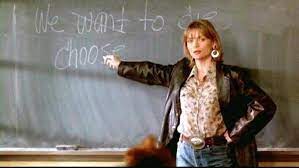
Movies often portray the teaching profession in a highly dramatized and, at times, unrealistic light. While there may be occasional moments of inspiration, the truth is that real-life teaching diverges significantly from what we see on the big screen. Here are six ways in which teaching is nothing like the movies.

1. The Magical Transformation of Students

In films, we often see a new teacher entering a rowdy classroom filled with uninterested and unruly students. Miraculously, with a few life-altering lessons, these once-struggling kids become academic geniuses who ace their tests and apply to top colleges. In reality, student transformation takes time and effort from both teachers and learners, often with varying results. Progress is made incrementally rather than through sudden, life-changing moments.

2. Disciplinary Action

In movies about teachers, rule-breaking students almost always face minimal consequences for their behavior. Teachers portrayed as “cool” or sympathetic rarely enforce disciplinary measures or follow school policies. In the real world, teachers must deal appropriately with disruptions to maintain a healthy learning environment for all students.

3. Instant Respect

Films tend to show brand-new teachers walking into challenging classrooms and immediately gaining the respect of their students through some kind of charismatic speech or non-traditional lesson plan. In reality, building trust and fostering respect with students involves patience, consistent effort and understanding – it’s not something that can be established in a single dramatic moment.

4. Unrealistic Workload Portrayal

Feature films seldom explore the immense workload that goes into planning lessons, managing extracurricular activities, grading homework and following teacher evaluation protocols. The teaching profession demands long hours that often extend beyond typical workdays—this aspect of teaching is rarely conveyed accurately in movies.

5. Teacher’s Personal Life

The personal lives of movie teachers often seem unrealistically perfect or overly tragic. Either the teacher has a perfect home situation or is driven by overcoming overwhelming adversity. These portrayals create false impressions of what teachers’ personal lives actually look like. In reality, teachers come from all walks of life, bringing with them different backgrounds and facing a variety of challenges outside their classrooms.

6. The Lone Hero

Many films show a standout teacher entering a troubled school and rescuing it through sheer determination and effort all by themselves. This “lone hero” narrative drastically undermines the importance of collaboration between educators and the contributions made by a diverse team of faculty members. The success of educational institutions depends on collaboration from teachers, support staff, administrators and parents working together to create an environment conducive to learning.

The perception that movies give us of teaching often romanticizes the profession and paints an unrealistic picture of what it’s really like in the classroom. While these fictional accounts can still be enjoyable to watch, it’s critical to acknowledge that real-life teaching requires immense perseverance, patience and teamwork—a far cry from what we see in most movies about teachers.

Assistant Principal Calls Out Teacher Salaries Lower Than Chipotle’s

In an eye-opening comparison, a concerned assistant principal has recently highlighted the apparent discrepancy between teacher salaries and those of fast-food chain employees. The shocking revelation came when it was discovered that some educator salaries are lower than those of workers at popular fast-food chain Chipotle.

Teachers play a crucial role in shaping the minds and futures of our youth, yet their profession is often undervalued, and their compensation is consistently underwhelming. The assistant principal’s comparison serves as a wakeup call for society to re-evaluate and appreciate the work of our educators.

The salary disparity is rooted in the stark contrast between the two industries. As private corporations, fast-food chains often have more capital and resources to invest in higher wages, while public education systems are largely dependent on government funding. While this contributes to the divide, it’s worth noting that teaching is typically regarded as inherently more valuable and significant than working in the service industry.

Many educators have come forward to share their struggles with financial stress and the inability to make ends meet. Underpaid teachers face additional challenges outside of the classroom. These may include taking up part-time jobs or sacrificing personal time for professional growth opportunities to supplement their incomes.

Experts suggest that addressing teacher remuneration is essential both for improving educational quality and teacher retention. Lower salaries may hinder potential candidates from pursuing a career in education, while also stifling the motivation of current educators. This could ultimately impair student learning outcomes due to higher turnover rates or lack of dedication from struggling teachers.

In addressing the issue, it’s crucial that policymakers prioritize education budget allocation for teachers’ salaries. Doing so could enable existing educators to receive fair compensation for their efforts while becoming more financially comfortable in dedicating themselves fully to their profession. Additionally, increased wages can attract qualified professionals into teaching careers, further elevating educational standards nationwide.

Educator advocacy groups have also played a vital role in instigating change. For example, recent teacher strikes and demonstrations across the United States have raised awareness and prompted action to remedy wage disparities. Public opinion plays a key role as people demand better compensation for our invaluable educators.

In conclusion, it is crucial to address the striking wage disparity between educators and fast-food employees, as highlighted by the assistant principal’s comparison. Teachers deserve fair compensation for their hard work and dedication in shaping future generations. Society must treat them with the respect they warrant and engage in ongoing dialogue to ensure that their indispensable profession receives the backing it deserves.

Plus-Size Fashion Tips and Picks for Teachers

Introduction

Finding fashionable and comfortable clothing as a plus-size teacher can be a daunting task with limited choices available in stores. However, with some creativity and style know-how, dressing for success can be an enjoyable task. In this article, we’ll explore some plus-size fashion tips and picks that are perfect for teachers.

1. Know Your Body Shape

Understanding your body shape is vital to finding the best fit. Get to know your natural curves and choose clothing that accentuates your assets while minimizing perceived problem areas. When shopping for plus-size teacher attire, look out for outfits that flatter your body shape.

2. Shop at Size-Inclusive Retailers

Seek out stores specializing in plus-size fashion or showcasing size-inclusive collections, ensuring a wide variety of stylish options. Some popular retailers include Lane Bryant, Torrid, Eloquii, and Universal Standard.

3. Choose Comfortable Clothing

As a teacher, you will spend long hours working with children or adolescents on your feet. Ensure that your attire provides ease of movement without compromising style. Opt for materials like cotton blends, breathable jersey knits, or stretchy fabrics rather than non-stretch synthetic fibers.

4. Embrace Colorful Patterns and Prints

Don’t be afraid to incorporate color into your wardrobe. Mix things up by exploring bright patterns and prints, increasing visual interest while enhancing your overall style game.

5. Invest in Quality Basics

Having some dependable essential items can make dressing up for work much easier. Invest in staple pieces such as pantsuits in neutral colors (black, navy blue), a-line skirts or dresses (knee-length), and crisp button-down shirts.

6. Accessorize Wisely

Carefully chosen accessories can transform simple looks into head-turning ensembles – but remember not to overdo it! Opt for delicate necklaces, statement earrings, or elegant scarves to complete your outfit.

Plus-Size Fashion Picks for Teachers

1. The Smart Blazer: A chic blazer can be dressed up or down, working well with both jeans and tailored pants. Opt for a well-fitted blazer in a neutral color that complements various outfits.

2. The Comfy Dress: Shift dresses or wrap dresses in solid colors or modest prints make for comfortable and professional attire, while remaining effortlessly feminine.

3. Wide-Leg Pants: These pants are perfect for a busy day at school, providing comfort and flexibility without sacrificing style. Pair with a blouse or sweater to achieve a professional look effortlessly.

4. A Stylish Tunic Top: Tunic tops with legging-friendly lengths allow for ease of movement while keeping you stylish and on-trend.

5. Classic Pumps: A classic pair of low or mid-heel pumps in a neutral color is the ideal professional footwear for teachers, offering comfort throughout the day.

In conclusion, plus-size teachers don’t have to compromise on style to look and feel their best! By understanding your body shape, investing in quality basics, embracing patterns, and making smart fashion choices like those listed above, teachers can create a fabulous work wardrobe that speaks to their unique personal style!