Education News

19 Ways Teaching Was Different in the 90s

1. Reliance on Print Materials: In the 90s, textbooks, workbooks, and other print materials were the main sources of information for teachers and students alike.

2. Limited Internet Access: Unlike today, internet access was limited to occasional computer lab visits for most students.

3. Overhead Projectors: Teachers relied heavily on overhead projectors to display content on a screen or whiteboard.

4. Absence of Interactive Whiteboards: Smartboards and other interactive technologies were not available during this period, making teaching more static and less interactive.

5. Handwritten Assignments and Essays: Students and teachers produced written work entirely by hand, without access to word processing software like Microsoft Word or Google Docs.

6. Snail Mail as Communication: Teachers would communicate with parents through physical letters sent via mail rather than through emails or messaging apps.

7. No Online Resources for Lesson Planning: Teachers had fewer resources at their disposal for lesson planning, often resorting to networking with other educators or using books rather than browsing online databases.

8. Photocopying Materials: Worksheets and supplementary materials were photocopied as opposed to being downloaded from websites or streaming platforms.

9. Limited Screen Time During Class: Teachers utilized the occasional educational video on a TV cart rolled into the classroom, but video content was less integral to daily lesson plans than it is today.

10. Physical Field Trips: Virtual field trips were non-existent, so students would explore new environments solely through in-person visits.

11. Navigating Card Catalogue Systems: Library research entailed sifting through card catalogues rather than using an online search engine.

12. Memorization Emphasis: Academics in the 90s emphasized memorization over critical thinking and problem-solving skills that are prevalent today.

13. Chalkboards instead of Whiteboards: Chalkboards dominated classrooms due to the absence of modern whiteboards, making lessons more susceptible to smudging and erasure.

14. Cassette Tapes and CDs: Teachers used cassette tapes and CDs for audio materials instead of streaming audio online.

15. No BYOD (Bring Your Own Device): Unlike today’s classrooms where many students can bring their own devices, 90s students relied entirely on school-provided computers and technology.

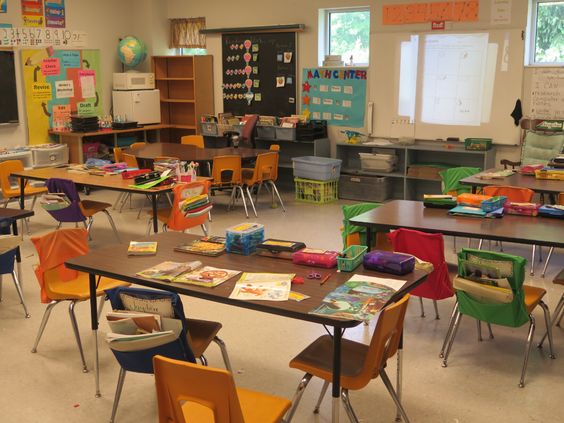
16. Traditional Classroom Setups: The 90s saw a prevalence of rows of desks and chairs as opposed to today’s more flexible learning spaces.

17. Lower Teacher-Student Collaboration: Due to limited connectivity, teachers and students had fewer opportunities to collaborate outside the classroom through online platforms.

18. Limited Special Education Resources: The 90s had less comprehensive accommodations for students with special needs as compared to today’s classroom design principles

19. No Social Media: Teaching was focused purely on face-to-face interactions between teachers and students without the influence of social media platforms such as Facebook or Twitter.


These Honest Valentines From Teachers Are Amazingly Accurate

Introduction:

Valentine’s Day is a time when we express our love and appreciation for those around us. For teachers, this day is no different. They dedicate their lives to educating and nurturing children, often leaving a significant impact on their students’ lives. But what if teachers had an opportunity to share their own versions of Valentine’s Day cards, expressing their thoughts and feelings? These honest Valentines from teachers are refreshingly accurate, shedding light on the realities of being an educator.

1. Emphasizing teamwork:

One teacher’s Valentine card reads, “Roses are red, some pencils are chewed; let’s work together and keep the classroom subdued”. It highlights the importance of teamwork between educators and students in maintaining a calm and productive learning environment.

2. Confessing their love for coffee:

In a nod to many educators’ go-to fuel, one Valentine states, “Coffee is my true love; it keeps me awake”. This candid confession underlines the long hours and hard work teachers put in daily, often relying on caffeine to power through the day.

3. Commentary on creativity:

A witty Valentine note reads, “Your imagination soars like an eagle; too bad it sometimes takes flight during math class”. While praising students’ creativity, this card also emphasizes that there is a time and place for everything in the classroom.

4. Appreciation for engagement:

A heartfelt Valentine message says, “Thank you for raising your hand; I never thought this day would come”. Teachers value students who actively participate in class discussions – it’s like receiving their own little valentine each time a student engages with enthusiasm.

5. The gift of silence:

In an honest take on classroom noise levels, a teacher writes, “You stole my heart when you finally stopped talking during my lesson”. Silencing distractions allows teachers to focus on imparting valuable knowledge and maintaining a conducive learning atmosphere.

6. Celebrating individuality:

A kind Valentine message captures the essence of teaching by stating, “Your uniqueness brings joy to my heart; keep blossoming like a rare flower”. Teachers often witness the growth and development of their students firsthand, appreciating the diversity each student brings to the classroom.

7. The endless patience:

Another honest Valentine from a teacher proclaims, “My patience with you is limitless; I’ll guide you on your journey until my last breath”. This remarkable display of dedication emphasizes their unwavering commitment to helping students succeed, regardless of the obstacles they may face.

Conclusion:

These honest Valentines from teachers offer an insightful glimpse into the genuine emotions and care they hold for their students. They’re not just educators; they’re mentors, friends, and guides who play an integral role in shaping the lives of their pupils. As we celebrate Valentine’s Day, let’s take an opportunity to appreciate the hard work and love teachers pour into their profession daily.

A Chicago Teacher Takes Class Outdoors in Protest of School Reopening Plan

In a unique and innovative response to the ongoing debate surrounding school reopening amid the COVID-19 pandemic, a Chicago teacher has made headlines by choosing to hold classes outdoors. This action stands as both a protest against the current school reopening plan and a demonstration of alternative safety measures to protect students, teachers, and communities.

The Chicago Public Schools system (CPS), the third-largest school district in the United States, has faced intensified debate as parents, teachers, and administrators grapple with determining the best course of action for proceeding with education in a rapidly changing environment. While there have been a variety of reopening plans put forth with various degrees of remote and in-person learning, concerns remain regarding student safety and the ability for teachers to effectively deliver their curriculum.

The teacher at the center of this story, who wishes to remain anonymous, believes that the CPS’s current hybrid model fails to account for all potential risks involved in returning to in-person learning – including exposure to COVID-19. They argue that the outdoor classroom offers a creative solution, enabling students to physically attend class while maintaining social distancing guidelines and reducing risks associated with indoor transmission.

Parents and community members have voiced their support for this inventive approach. Local businesses have lent outdoor seating and supplies for setting up makeshift outdoor classrooms around the school grounds. Students seem eager to engage in this new form of learning as well – anecdotal reports suggest increased enthusiasm for attending class, increased focus during lessons, and heightened engagement with peers during assignments.

The unconventional methodology adopted by this Chicago educator has caught the attention of educational professionals from other regions as well. Some are lauding this teacher’s actions as an example of adaptability and problem-solving skill; others express skepticism about the feasibility of implementing similar strategies during colder months or through extended periods of time.

As districts across the country continue to adjust their reopening plans according to local circumstances, it’s evident that educators and administrators alike will need to be open to considering alternative means for ensuring the health, safety, and education of their students. Whether or not outdoor classrooms become a widely adopted practice will depend on how they are demonstrated as an effective model of instruction during these unprecedented times.

This instance serves as a reminder that while schools face ongoing uncertainty and challenges, resourcefulness among the nation’s educators remains a constant in the pursuit of quality education for all as they continue to adapt and find imaginative solutions amidst the ongoing pandemic.

26 Tweets from Quarantined Parents that Prove How Underpaid Teachers Are

Introduction:

The COVID-19 pandemic brought the world to its knees while also shining a light on the immense value and underappreciation of our teachers. With kids stuck at home, parents suddenly found themselves playing the role of teacher, struggling to keep up with endless lesson plans, homework assignments, and restless students. It became evident just how underpaid teachers are. Here are 26 tweets from quarantined parents that perfectly illustrate the need for acknowledging and rewarding the incredible work that teachers do.

1. @ParentA: “Day 3 of homeschooling: realizing my kid’s teacher deserves a raise…and maybe a golden throne. #QuarantineLife”

2. @ParentB: “Been homeschooling my kids for approximately 0.5 seconds and I’ve never respected teachers more. Triple their salaries!”

3. @ParentC: “#QuarantineDay5 – trying to teach my kid algebra and wondering if a 300% raise for teachers is enough… #HomeschoolHorror”

4. @ParentD: “I’ve been teaching my kid for one week, and all I can say is that teachers absolutely deserve six-figure salaries.”

5. @ParentE: “Underpaying teachers is practically criminal now that we’re all experiencing what it’s like to be one! #GiveThemARaise”

6. @ParentF: “Two days into remote learning with my kids locked inside… How do teachers manage to do this every single day? Pay them more!”

7. @ParentG: “It took quarantine for me to realize how underpaid our educators are – I can’t even teach one child without losing sanity!”

8. @ParentH: “One hour into homeschooling and I fully appreciate how every K-12 teacher in this country is criminally underpaid. #COVID19”

9. @ParentI: “Being stuck at home, doing ‘school’ with my kids showed me that teachers deserve everything! Pay them more, please.”

10. @ParentJ: “Math is harder than I remember, but our teachers never crack under the pressure! Give them a raise! #Homeschooling”

11. @ParentK: “Remember when we took teachers for granted? Yeah, let’s never do that again. #PayTeachersMoreIn2021”

12. @ParentL: “If I had a shred of doubt about teacher pay before COVID-19, after homeschooling my kids – I say DOUBLE their salaries.”

13. @ParentM: “Teaching my own kids has made me realize what saints our teachers are – and how much more they deserve to be paid!”

14. @ParentN: “Week 3 of homeschooling and I’m convinced that we should be building statues in honor of our underpaid teachers.”

15. @ParentO: “I can’t imagine dealing with 20+ kids every day! Teachers definitely need to be paid way more than they currently are.”

16. @ParentP: “#QuarantineThoughts – Our children’s teachers don’t get paid enough for the patience, love, and education they provide.”

17. @ParentQ: “After one week of remote learning, I am fully convinced that our teachers deserve a massive pay increase – ASAP!”

18, @ParentR: “How do teachers survive daily chaos without losing it completely? They need way better compensation!”

19. @ParentS: “This pandemic has taught me so much about how drastically underpaid our hardworking, heroic teachers are.”

20. “@Emma_Decker: Honestly, day 3 of homeschooling and I’d give my child’s teacher a blank check if she’d take over.”

21. “@DadLife667: You mean to tell me teachers do this with 20+ kids every day? They should be getting paid like CEOs!”

22. “@MrsWatson87: Tried using fractions while cooking with my kiddo today. Let’s just say I’ll never question a math teacher’s salary again!”

23. “@QuarantineMomLife: My child has asked me why approximately 1000 times today. All hail teachers; they deserve the world.”

24. “@StrugglingDad: Help! I need an emergency raise for all teachers ASAP! This is beyond challenging.”

25. “@JennyRobinson12: When this is over, there should be a Teacher Appreciation Weekend where we shower them with money, gifts, and praise.”

26. “@BoredAtHomeMom: I used to think my kid was an angel until I had to homeschool him for two days. Teachers aren’t paid nearly enough.”

10 Truths About a Teacher’s Social Life in May

As the school year comes to a close, it’s important to acknowledge that teachers are humans too. The joys, challenges, and demands of teaching take a toll on their social lives as well – especially in the hectic month of May. This article takes a look at 10 truths about a teacher’s social life in May, recognizing the everyday realities that teachers face during this busy time.

1. Time for Socializing is Limited

May is an extremely busy month for teachers. With preparing students for final exams, grading projects, and attending mandatory meetings, there isn’t much time left for socializing. Teachers often have to condense their social lives into weekends or even just a few hours after work.

2. Spontaneity is Rare

Because of their packed schedules in May, teachers often find it difficult to make spontaneous plans like attending a concert or having an impromptu dinner with friends.

3. Shorter Conversations

Teacher’s social life interactions might be brief as they are juggling many end-of-the-year tasks. Expect quick chats or text messages instead of longer conversations.

4. Stress Levels Are Higher

As the school year winds down, stress levels among teachers are usually higher than usual due to deadlines and expectations. This tension can have an effect on their social lives and may cause them to be more irritable or withdrawn.

5. Daydreaming About Summer Break

Summer break provides much-needed relief for teachers’ mental health and personal lives. It is not uncommon for teachers to daydream about relaxing on the beach or traveling during these last weeks of school.

6. Responsibilities Extend Beyond Work Hours

The challenges don’t end when the last bell rings – grading papers and planning lessons often continue well into the night, leaving little time for engaging in social activities.

7. Appreciation is Welcomed

The kindness of friends and family members who remember how demanding a teacher’s life is can go a long way. A thoughtful gesture or heartfelt appreciation can help boost teachers’ spirits during May.

8. Health and Fitness Can Take a Backseat

With such busy schedules, teachers may struggle to dedicate time for exercise or meal prepping, leading to potential health impacts.

9. Increased Need for Self-Care

In order to avoid burnout and maintain a sense of well-being, teachers need to prioritize self-care throughout the month of May – be it through meditation, savoring a cup of tea, or dedicating time to hobbies.

10. The Countdown Begins

Despite the challenges faced in May, teachers eagerly anticipate summer as it draws nearer. The excitement of wrapping up another successful school year fuels their passion and drive, even amidst the extra responsibilities.

Every profession has its own unique set of challenges. For a teacher, the month of May presents an array of hurdles before the summer break; it often takes a toll on their social lives. Understanding these truths helps in appreciating the dedication and hard work that teachers display year-round, especially during these final weeks before basking in well-deserved relaxation.

Why You Shouldn’t Stay in Teaching if You’re Miserable

Introduction:

Teaching is a noble, rewarding, and fulfilling profession. Educators hold the power to inspire and shape young minds. However, a passion for teaching is an essential ingredient in becoming a successful educator. If you’re experiencing misery or unhappiness in your teaching career, it may be time to reevaluate your situation and consider moving on.

1. Impact on Mental Health

Persistent unhappiness or stress from teaching can lead to mental health issues, such as depression or anxiety. Remaining in this state for an extended period can worsen these conditions and hinder your ability to lead a healthy and balanced life.

2. Detrimental Effects on Students

It’s no secret that an unhappy teacher unconsciously projects their emotions onto their students. Students sense your unhappiness and become disengaged, which can lead to poor learning outcomes and an unfavorable classroom environment.

3. Loss of Motivation and Enthusiasm

Misery can sap you of the motivation and enthusiasm required for effective teaching. As such, lesson planning becomes tedious; engagement with students suffers, and classroom management becomes challenging.

4. Diminished Growth Opportunities

Unhappiness can prevent educators from seizing professional growth opportunities within their field. Soon enough, you will lag behind peers in knowledge updates and innovative teaching techniques.

5.Meshing Values with Profession

Job satisfaction is closely linked with aligning personal values with the chosen profession. If you’re miserable, it might be because the environment or the role itself doesn’t reflect who you are as a person. In such cases, staying in teaching could limit personal growth.

6.Straining Relationships

Being unhappy at work spills over into other areas of life, which could strain relationships with family members and friends. It’s essential to prioritize not just our professional lives but our personal lives too since they directly impact our well-being.

7.Reevaluating the ‘Whys’

Take the time to reevaluate the reasons behind your unhappiness. Is it a specific job, a toxic workplace, or perhaps the teaching profession itself? Considering these factors and identifying the root causes of your misery will help you make better decisions for your future.

Conclusion:

The teaching profession is undeniably challenging in its unique way, and not everyone thrives in its environment. A persistent feeling of unhappiness might signify that it’s time to step back, assess your situation, and explore alternative career options. Ultimately, you deserve to be happy and fulfilled in both your professional and personal life – don’t let misery hold you back.

Read One of These Books, Then Take a Fall Nature Walk with Students

Introduction:

As autumn sets in and the leaves change color, now is the perfect time to plan outdoor activities that not only engage students but also provide valuable learning experiences. One such activity is taking a fall nature walk after reading one of these suggested books that inspire a connection with nature, promote environmental awareness, and encourage outdoor exploration.

Book Suggestions:

1. “The Giving Tree” by Shel Silverstein – This classic children’s book tells the touching story of a generous tree’s relationship with a boy. The story beautifully illustrates the bond between humans and nature as well as the importance of giving and sharing.

2. “Last Child in the Woods” by Richard Louv – In this groundbreaking work, Louv discusses the disconnection between children and nature, due to increased technology usage and reduced outdoor playtime. The book emphasizes the need for nature in children’s lives and offers solutions for addressing “nature-deficit disorder.”

3. “Leaf Man” by Lois Ehlert – This imaginative picture book invites readers to follow an adventurous leaf man as he travels through various landscapes made of beautifully crafted illustrations. The book encourages children to explore their surroundings and to find stories within the natural world.

4. “We Planted a Tree” by Diane Muldrow – This charming book portrays two families from different parts of the world who each plant a tree. As their trees grow, they provide food, shelter, and clean air for people and animals alike. The message of environmental stewardship will resonate with young readers.

Planning Your Fall Nature Walk:

Once you’ve read one or more of these books with your students or children, take advantage of the beautiful fall season by planning a nature walk in your local area. Here are some tips to make your fall nature walk educational and engaging:

1. Encourage observation: Have students bring along notebooks or sketch pads and encourage them to record their observations, whether it’s different types of leaves, insects, or animals.

2. Discuss changes: Talk about how the environment changes during the autumn season. Ask students to make connections between the book(s) they read and what they observe on the nature walk.

3. Assign tasks or roles: Give students specific roles during the walk, such as photographers, leaf collectors, or wildlife spotters. This will help keep everyone engaged and provide a sense of responsibility.

4. Make it hands-on: Plan activities along the way, such as collecting leaves and creating leaf rubbings or nature-inspired crafts when you return to the classroom or at home.

5. Reflect on the experience: After the nature walk, have a group discussion where students can share their observations, thoughts, and feelings about their outdoor adventure.

Conclusion:

Combining literature with outdoor exploration not only enhances children’s learning experiences but also provides an opportunity to appreciate and connect with nature. By reading one of these suggested books and planning a fall nature walk, you can create an unforgettable autumnal adventure for your students or children, fostering a lifelong love for the outdoors and our natural world.

10 Things Every Zoom Teacher Says Before 10 a.m.

The era of online learning has brought an entirely new dynamic to our education system. Zoom has become a staple platform for teachers and students alike, enabling the delivery of lessons to millions of households across the globe. As we adapt to this new normal, there are some common phrases that every Zoom teacher seems to utter at least once before 10 a.m. Here’s a rundown of the top ten:

1. “Can everyone see my screen?”: The all-important question that pops up right at the beginning of every class. Teachers need to ensure that their students can view slides, presentations, or videos before diving into the lesson.

2. “Please mute your microphone”: Background noises during online classes can distract both teachers and students, which is why this gentle reminder is always necessary.

3. “Let’s take attendance”: Transitioning from physical classrooms to virtual ones hasn’t made attendance any less important, so expect to hear this phrase in every class.

4. “I’ll give you a minute to settle down”: Teachers understand that joining an online class might come with some technical difficulties, so they offer a brief grace period for students to get their video and audio working properly.

5. “Turn your cameras on, please”: Teachers often request that students turn on their cameras either for attendance purposes or simply because they prefer seeing their students’ faces during class discussions.

6. “Please use the chat for questions”: In order to keep virtual classes organized and efficient, teachers frequently remind students to utilize the chat feature for questions instead of interrupting the lesson with raised hands or unmuted microphones.

7. “Raise your virtual hand if…”: Instructors quickly adopt Zoom’s various tools, such as the virtual hand-raise feature, as a way for students to participate in discussions without disrupting the flow of their lecture.

8. “Remember our virtual classroom rules”: Teachers still enforce proper classroom behavior, and with online learning, new rules have been established to maintain order.

9. “We’ll have a quick break in 10 minutes”: Breaks are still necessary for students and teachers alike, even in a virtual environment. Intervals allow participants to stretch, grab a snack or a drink, and remain refreshed and focused.

10. “I will be recording this session”: Teachers often inform their students that they’ll record the session for those who may need it later, ensuring everyone has access to the lesson content.

The virtual classroom has introduced fresh challenges for both students and teachers. However, these ten phrases have become integral to maintaining order and facilitating effective learning in the realm of Zoom education.

13 Fun January Holidays You’ll Want to Celebrate in Your Classroom

Introduction:

The first month of the year is jam-packed with excitement and the perfect time to launch into some unique celebrations in your classroom. Kick off the year by introducing your students to these 13 Fun January holidays that will surely brighten up those chilly winter days!

1. New Year’s Day (January 1st)

Start the year off with a bang by celebrating New Year’s Day. Have your students create resolutions, craft vision boards, or discuss their goals for the upcoming year.

2. National Science Fiction Day (January 2nd)

Celebrate National Science Fiction Day by exploring futuristic stories and movies, discussing advances in technology, or even hosting a classroom science fiction writing contest.

3. National Technology Day (January 6th)

Introduce your students to cutting-edge innovations and have them explore advancements from the past, present, and future on National Technology Day.

4. National Trivia Day (January 4th)

Help expand your students’ knowledge on various subjects by hosting a mini trivia competition – complete with fun facts and intriguing questions!

5. World Braille Day (January 4th)

Teach your class about the importance of Braille and how it has changed lives across the globe on World Braille Day.

6. National Clean Off Your Desk Day (January 11th)

Organize a mass desk clean-up in your classroom and help students find an effective method for maintaining cleanliness throughout the rest of the school year.

7. International Creativity Month (Entire month of January)

Celebrate creativity all month long with multiple art projects, creative writing exercises, or problem-solving activities to stimulate imaginative thinking among your students.

8. Kid Inventors’ Day (January 17th)

Encourage innovation by highlighting famous kid inventors and prompting your class to brainstorm their very own inventions.

9. Martin Luther King Jr. Day (January 17th)

Explore Martin Luther King Jr.’s life and teachings through classroom discussions, art projects, and readings that focus on the importance of peace and equality.

10. National Winnie-the-Pooh Day (January 18th)

Celebrate the beloved classic by diving into A.A. Milne’s works, engaging in themed crafts, or even hosting a poetry-reading corner.

11. National Popcorn Day (January 19th)

Enjoy a bag of popcorn while watching an educational video or discussing various types of corn and their origins – making this a tasty holiday to observe!

12. Penguin Awareness Day (January 20th)

Introduce your students to the world of penguins through fun trivia, educational videos, or artistic projects depicting these fascinating birds on Penguin Awareness Day.

13. National Handwriting Day (January 23rd)

Reflect on the importance of penmanship by practicing handwriting exercises and using calligraphy-style writing in various class assignments.

Conclusion:

With these enjoyable holidays lined up for January, your classroom will be abuzz with excitement and achievement! Layering traditional academics with these engaging celebrations allows you to create a stimulating environment where students are eager to learn.

13 Holiday Gifts Every Teacher Has Received

As the holiday season approaches, students and parents often look for the perfect gift to show their appreciation for a teacher. Over the years, many teachers have received common presents that have become almost a tradition in some schools. Here is a list of 13 holiday gifts every teacher has likely received at some point in their careers.

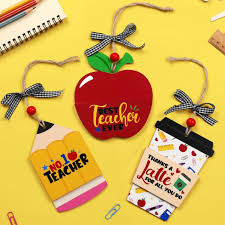
1. Coffee Mug: A classic go-to gift for teachers, a coffee mug featuring an inspirational quote or a cute design is popular because of its practicality and affordability.

2. Gift Cards: A versatile and easy choice, gift cards allow teachers to choose their own favorite items from local stores or online retailers.

3. Homemade Crafts: Handmade ornaments, picture frames, or other creative projects made by students can be meaningful keepsakes for teachers.

4. Chocolate: Boxes of chocolates or other sweet treats are a regular sight in teachers’ lounges during the holiday season.

5. Candles: Scented candles often make their way into a teacher’s gift haul and can be appreciated while they grade papers or relax at home.

6. Classroom Supplies: Many teachers use their own money to buy school supplies, so gifts like dry erase markers, pencils, sticky notes, and construction paper are welcomed.

7. Books for the Classroom Library: Books that students love to read can be an excellent addition to a teacher’s library that they might not otherwise have purchased.

8. Personalized Notepads or Stationery: Customized stationery sets with the teacher’s name on them are practical and appreciated by educators who always need to jot down reminders.

9. Planner or Calendar: Help teachers keep track of important dates and deadlines with an attractive planner or calendar designed specifically for educators.

10. A “World’s Best Teacher” Trophy or Certificate: This light-hearted token of appreciation is often given with good intentions but is typically found at the bottom of a drawer or in the back of a closet.

11. Winter Accessories: Gloves, scarves, and hats are ideal for teachers who have to monitor outdoor recess or who live in colder climates.

12. A Donation to a Charitable Cause: Teachers who are passionate about a cause will appreciate a donation made in their name, offering them an intangible but lasting gift.

13. Handwritten Letter: Perhaps the most cherished gift, a heartfelt letter of gratitude from a student can remind teachers why they entered the profession in the first place.

These 13 holiday gifts have certainly made their way into many teachers’ hands over the years. As you consider what to give your child’s teacher this holiday season, remember that it’s the thought that counts—and personalizing or adding a touch of creativity can go a long way in making their holiday feel special.