Education

Top Skills for Education Technology Professionals

As technology continues to reshape education, professionals in this field should focus on developing the following skills:

  1. Digital Literacy: Proficiency in using and teaching various educational software and platforms.
  2. Instructional Design: Ability to create engaging, technology-enhanced learning experiences.
  3. Data Analysis: Skills in interpreting and applying data to improve educational outcomes.
  4. Adaptive Learning: Understanding how to implement personalized learning strategies using technology.
  5. Cybersecurity Awareness: Knowledge of best practices for maintaining online safety and privacy in educational settings.
  6. Multimedia Content Creation: Capability to produce diverse digital content, including videos, podcasts, and interactive presentations.
  7. Troubleshooting: Technical problem-solving skills to address common technology issues in the classroom.

Guide to Advancing Your Education Career

For educators looking to progress in their careers, consider the following steps:

  1. Continuous Professional Development: Attend workshops, conferences, and pursue additional certifications or advanced degrees.
  2. Networking: Build relationships with colleagues, join professional associations, and participate in education-focused events.
  3. Mentorship: Seek guidance from experienced educators or become a mentor yourself to gain new perspectives.
  4. Leadership Opportunities: Take on roles such as department head, curriculum developer, or committee leader to demonstrate initiative.
  5. Stay Current: Keep abreast of the latest educational trends, technologies, and best practices in your field.
  6. Diversify Your Experience: Explore different grade levels, subjects, or educational settings to broaden your expertise.
  7. Publish and Present: Share your knowledge through writing articles, blog posts, or presenting at conferences.

Social-emotional wellness in schools

Social-emotional learning (SEL) has become increasingly important in educational settings. Schools are recognizing the need to nurture students’ emotional intelligence alongside academic skills. Key aspects of social-emotional wellness in schools include:

  1. Emotional Awareness: Teaching students to recognize and understand their emotions and those of others.
  2. Self-Regulation: Helping students develop strategies to manage their emotions and behaviors effectively.
  3. Relationship Skills: Fostering the ability to form and maintain healthy relationships with peers and adults.
  4. Responsible Decision-Making: Guiding students in making ethical and constructive choices about personal and social behavior.
  5. Social Awareness: Developing empathy and respect for diverse perspectives and cultures.
  6. Resilience Building: Equipping students with coping mechanisms to handle stress and adversity.
  7. Inclusive Environment: Creating a safe and supportive school climate that values diversity and promotes belonging.

Parenting tips for student success

In today’s competitive academic landscape, parents play a crucial role in their children’s educational journey. Here are some effective strategies to support your child’s academic success:

  1. Establish a Routine: Create a consistent daily schedule that includes dedicated study time, extracurricular activities, and leisure.
  2. Foster a Learning Environment: Designate a quiet, well-lit space for studying and homework completion.
  3. Encourage Reading: Promote regular reading habits to improve comprehension and vocabulary skills.
  4. Communicate with Teachers: Stay informed about your child’s progress and challenges by maintaining open lines of communication with educators.
  5. Set Realistic Goals: Help your child set achievable academic goals and celebrate their accomplishments.
  6. Teach Time Management: Guide your child in prioritizing tasks and managing their time effectively.
  7. Promote a Growth Mindset: Encourage a positive attitude towards learning and emphasize the value of effort and perseverance.

The Rise of Microlearning in Corporate Training

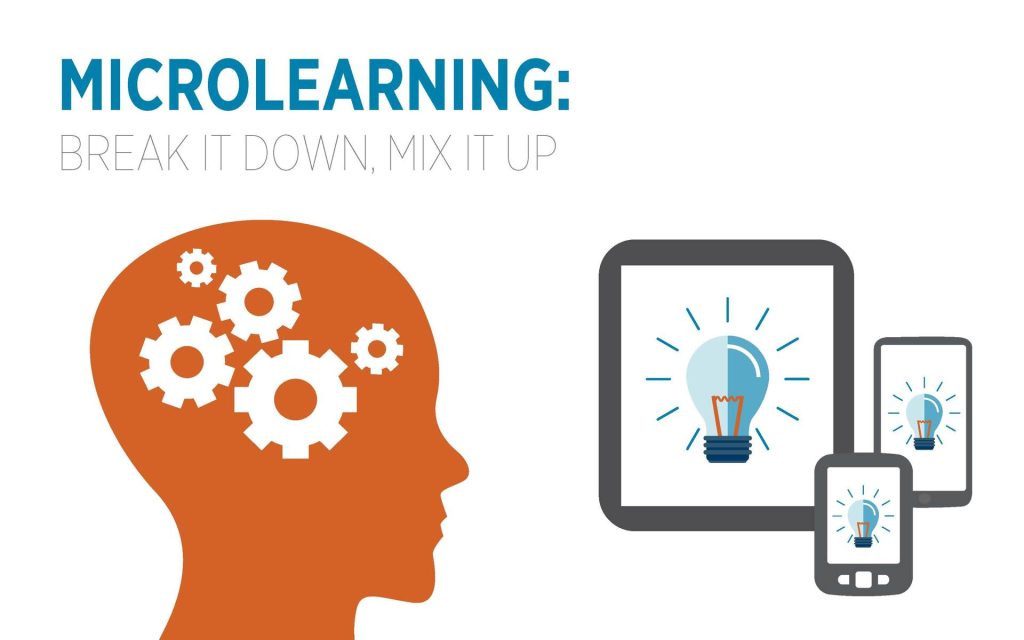
In today’s fast-paced digital world, the way we consume information has dramatically changed. This shift has significantly impacted the eLearning industry, particularly in corporate training. One of the most prominent trends emerging from this evolution is microlearning. 

Microlearning refers to the delivery of bite-sized, focused learning content that learners can consume quickly and easily. These short bursts of information, typically lasting 3-5 minutes, are designed to meet a specific learning outcome. The popularity of microlearning in corporate settings stems from its alignment with modern attention spans and the need for just-in-time learning. 

Companies are increasingly adopting microlearning for several reasons: 

  1. Improved retention: By breaking down complex topics into smaller, manageable chunks, microlearning enhances information retention and recall. 
  1. Flexibility: Employees can access microlearning modules anytime, anywhere, fitting learning into their busy schedules. 
  1. Cost-effectiveness: Shorter, focused content is often quicker and cheaper to produce than traditional eLearning courses. 
  1. Personalization: Microlearning allows for easy customization, enabling learners to focus on areas they need to improve. 
  1. Mobile compatibility: Short modules are perfect for mobile learning, catering to the growing trend of learning on-the-go. 

Microlearning is particularly effective for skills that require frequent practice or refreshing, such as compliance training, software updates, or soft skills development. It’s also an excellent tool for reinforcing knowledge gained from more comprehensive training programs. 

However, it’s important to note that microlearning isn’t a one-size-fits-all solution. It works best when integrated into a broader learning strategy that includes various learning methods. As the eLearning landscape continues to evolve, we can expect to see more innovative applications of microlearning, potentially combined with other emerging technologies like AI and VR, to create even more engaging and effective learning experiences. 

Artificial Intelligence and Personalized Learning Paths

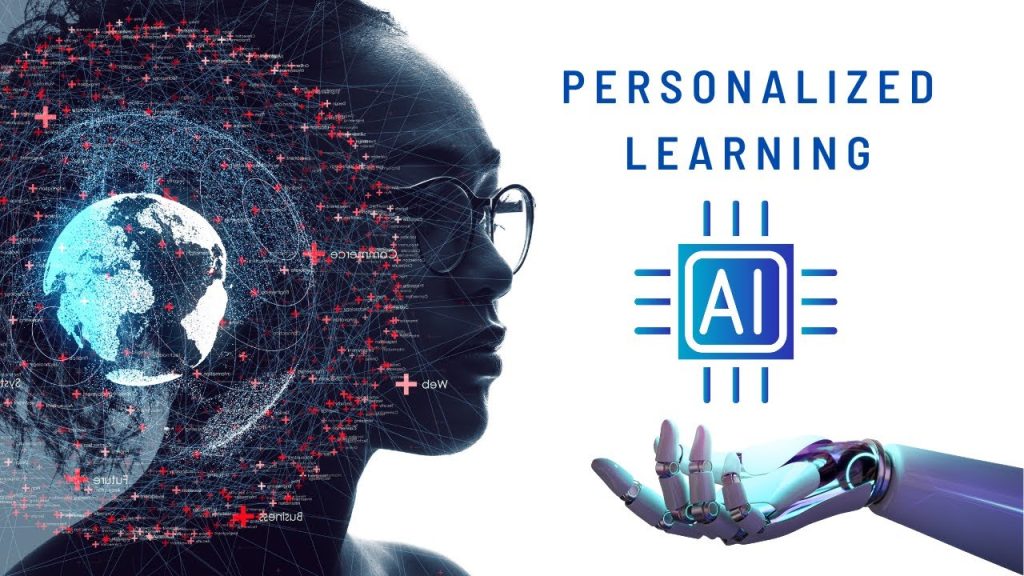
Artificial Intelligence (AI) is revolutionizing numerous industries, and eLearning is no exception. One of the most significant impacts of AI in eLearning is the creation of personalized learning paths, tailoring the educational experience to each individual learner’s needs, preferences, and pace. 

Personalized learning has long been a goal in education, but it’s only with recent advancements in AI and machine learning that it’s become truly feasible on a large scale. AI-powered eLearning platforms can analyze vast amounts of data about a learner’s performance, engagement, and behavior to create a unique learning journey. 

Here’s how AI is enhancing personalization in eLearning: 

  1. Adaptive assessments: AI can adjust the difficulty and type of questions based on the learner’s responses, providing a more accurate measure of knowledge and skills. 
  1. Content recommendations: Like Netflix recommends movies, AI can suggest relevant learning materials based on the learner’s interests, goals, and past performance. 
  1. Real-time feedback: AI can provide immediate, personalized feedback on assignments and quizzes, helping learners understand their mistakes and improve. 
  1. Learning pace optimization: AI can adjust the speed of content delivery based on how quickly a learner is mastering concepts. 
  1. Predictive analytics: By analyzing patterns in learning data, AI can predict areas where a learner might struggle and provide preemptive support. 

The benefits of AI-driven personalized learning are numerous. Learners are more engaged because the content is relevant and appropriately challenging. They can progress at their own pace, spending more time on difficult concepts and moving quickly through familiar material. This approach can lead to improved learning outcomes and higher completion rates for eLearning courses. 

Moreover, AI can help instructors and learning and development professionals by automating administrative tasks, providing insights into learner performance, and identifying gaps in the curriculum. 

However, the implementation of AI in eLearning also raises important considerations. Privacy concerns regarding the collection and use of learner data need to be addressed. There’s also the risk of over-reliance on AI, potentially overlooking the value of human interaction in the learning process. 

As AI technology continues to advance, we can expect even more sophisticated personalization in eLearning. Future developments might include AI tutors that can engage in natural language conversations with learners, or systems that can create custom learning content on the fly based on a learner’s needs. 

Virtual and Augmented Reality: Immersive Learning Experiences

The eLearning landscape is undergoing a dramatic transformation with the integration of Virtual Reality (VR) and Augmented Reality (AR) technologies. These immersive technologies are pushing the boundaries of what’s possible in digital learning, offering experiences that were once confined to the realm of science fiction. 

Virtual Reality provides a completely immersive, computer-generated environment, while Augmented Reality overlays digital information onto the real world. Both technologies have found significant applications in eLearning, particularly in situations where real-world practice is expensive, dangerous, or simply impractical. 

Key applications of VR and AR in eLearning include: 

  1. Simulations and scenario-based learning: VR can create realistic simulations for training in fields like healthcare, aviation, and manufacturing. 
  1. Virtual field trips: Students can explore historical sites, distant planets, or the human body in ways previously impossible. 
  1. Skill practice: AR can guide learners through complex procedures, overlaying instructions onto real-world objects. 
  1. Language immersion: VR can create virtual environments for practicing language skills in context. 
  1. Accessibility: These technologies can make learning more accessible for students with certain disabilities. 

The benefits of using VR and AR in eLearning are substantial. They provide a level of engagement that traditional eLearning methods struggle to match. The immersive nature of these technologies can improve knowledge retention and recall. They also allow for safe practice of dangerous or high-stakes procedures. 

Moreover, VR and AR can foster empathy and understanding by allowing learners to experience situations from different perspectives. This has applications in fields like diversity training and conflict resolution. 

However, the adoption of VR and AR in eLearning faces some challenges. The cost of equipment can be prohibitive, especially for large-scale implementation. There’s also a need for specialized skills to create high-quality VR and AR content. Some learners may experience motion sickness or discomfort with prolonged use of VR headsets. 

Despite these challenges, the potential of VR and AR in eLearning is enormous. As the technology becomes more affordable and user-friendly, we can expect to see wider adoption across various educational and training contexts. The future might bring even more advanced applications, such as haptic feedback for a more tactile learning experience, or AI-driven virtual instructors that can interact naturally with learners in immersive environments. 

Mobile Learning and the Rise of Mobile-First Design

The ubiquity of smartphones and tablets has ushered in a new era of learning on-the-go, making mobile learning (m-learning) one of the most significant trends in eLearning. This shift has led to the rise of mobile-first design in eLearning content and platforms, fundamentally changing how educational material is created and consumed. 

Mobile learning refers to the delivery of educational content via mobile devices, allowing learners to access information anytime, anywhere. Mobile-first design takes this a step further, prioritizing the mobile experience in the development process, rather than treating it as an afterthought. 

Key aspects of mobile learning and mobile-first design include: 

  1. Responsive design: Content that automatically adjusts to different screen sizes and orientations. 
  1. Touch-friendly interfaces: Navigation and interactions optimized for touchscreens. 
  1. Offline accessibility: The ability to download content for offline viewing. 
  1. Microlearning compatibility: Short, focused learning modules that are ideal for mobile consumption. 
  1. Push notifications: Reminders and updates to encourage regular engagement with learning materials. 

The advantages of mobile learning are compelling. It offers unprecedented flexibility, allowing learners to utilize small pockets of time throughout their day for learning. This is particularly valuable for busy professionals engaged in continuous learning or upskilling. 

Mobile learning also aligns well with the principles of just-in-time learning, where information can be accessed at the moment of need. For example, a sales representative could quickly review product details on their phone just before meeting a client. 

Furthermore, mobile devices offer unique capabilities that can enhance the learning experience. Features like GPS, cameras, and augmented reality can be leveraged to create context-aware learning experiences. 

However, designing for mobile learning also presents challenges. The limited screen size requires careful consideration of content presentation and user interface design. There’s also the potential for distraction, as learners might be tempted to switch to other apps or respond to notifications during learning sessions. 

As mobile technology continues to advance, we can expect to see even more innovative applications of mobile learning. Future trends might include more sophisticated use of device sensors for contextual learning, integration with wearable devices, or the use of 5G networks for high-quality, real-time collaborative learning experiences on mobile devices. 

The shift towards mobile learning and mobile-first design reflects broader changes in how we interact with technology and consume information. As this trend continues, it will likely lead to a reimagining of what constitutes an effective learning experience, with implications not just for eLearning, but for education and training as a whole. 

The Rise of Virtual Reality in Experiential Learning

Virtual Reality (VR) has emerged as a game-changer in the field of experiential learning, offering immersive experiences that were once impossible in traditional educational settings. This technology allows learners to engage with complex concepts and scenarios in a safe, controlled environment, making it an invaluable tool for various industries and educational institutions. 

One of the most significant advantages of VR in experiential learning is its ability to simulate real-world situations without the associated risks or costs. For instance, medical students can practice complex surgical procedures, pilots can experience diverse flight conditions, and firefighters can train for dangerous scenarios – all without putting lives at risk or incurring substantial expenses. 

Moreover, VR facilitates a level of engagement that traditional learning methods struggle to achieve. By placing learners in interactive, three-dimensional environments, VR captures attention and promotes active participation. This heightened engagement often leads to better retention of information and skills, as learners are not merely passive recipients of knowledge but active participants in their learning journey. 

The adaptability of VR technology is another factor contributing to its growing popularity in experiential learning. Content can be easily updated and customized to meet specific learning objectives or to keep pace with rapidly evolving industries. This flexibility ensures that the learning experience remains relevant and up-to-date, a crucial factor in today’s fast-paced world. 

Furthermore, VR in experiential learning breaks down geographical barriers. Students from different parts of the world can collaborate in the same virtual space, fostering global connections and cross-cultural understanding. This aspect is particularly valuable in our increasingly interconnected world, where the ability to work effectively in diverse teams is a prized skill. 

As VR technology continues to advance and become more accessible, its role in experiential learning is set to expand further. The development of haptic feedback systems, for instance, promises to add a tactile dimension to virtual experiences, making them even more immersive and effective for skill acquisition. 

However, it’s important to note that the integration of VR in experiential learning is not without challenges. Issues such as the cost of equipment, the need for technical expertise, and potential health concerns (like motion sickness) need to be addressed. Additionally, there’s an ongoing debate about the extent to which virtual experiences can truly replace real-world practice, particularly in fields where physical skills are paramount. 

Despite these challenges, the potential of VR in experiential learning is undeniable. As the technology matures and becomes more widespread, we can expect to see innovative applications across various fields, from corporate training to formal education, revolutionizing the way we learn and acquire new skills. 

A History of Brown vs. Board of Education

African Americans did not have representation in congressional bodies and their states. Changing laws through legislation was difficult, but courts proved to be the avenue where Black Americans could fight for their civil rights. The Brown vs. Board of Education case made them realize they had a chance.

Brown vs. Board of Education – Court’s Verdict

In American history, there are few cases as impactful as Brown vs. Board of Education. This case transformed the civil rights movement and society at large. Chief Justice Earl Warren issued the unanimous decision on May 17, 1954. The Supreme Court’s ruling declared racial segregation unconstitutional in American public schools.

The Supreme Court’s ruling also overturned the “Separate but Equal” doctrine, established in Plessy v. Ferguson (1896). These three words had plagued America for more than half a century. The doctrine provided the legal basis for state-sanctioned racial segregation in education and other sectors of life, limiting access to all material and practical benefits of Black American citizenship.

Prioritizing Education, Desegregating Schools

Congress passed three constitutional amendments during the Reconstruction period. These amendments focused on protecting the legal status of newly freed colored Americans. Although racial segregation was not allowed in some regions of the country, most states legally enforced it.

The National Association for the Advancement of Colored People (NAACP), activists, and black families strived for the establishment of a more diverse educational system where all students had access to equal resources and learning opportunities.

Chief Justice Warren concluded that the “Separate but Equal” doctrine had no place in education and that all learning facilities and resources should be inherently equal for every citizen, without cultural or racial discrimination.

Plaintiffs and the Case

Oliver Brown was the plaintiff who filed a class-action suit in 1951 against the Board of Education of Topeka. Linda Brown, Oliver Brown’s daughter, was prohibited from entering an all-white elementary school in Topeka.

Black parents also filed five more cases against racial segregation in all-white public schools. Despite the all-white school being in Linda’s neighborhood, she was forced to travel for miles every day to attend the segregated school.

Five other cases regarding segregation in schools were argued in 1952 and 1953 before the Supreme Court. Thurgood Marshall was the leading name to argue against racial segregation. Drs. Kenneth and Mamie Clark’s research work was also produced as evidence by the NAACP. The research found evidence of segregation’s negative effect on the academic performance and self-esteem of Black American children.

The Decision of the Supreme Court

Racial segregation was declared unconstitutional on May 17, 1954, because the doctrine clearly violated the citizenship rights of colored Americans and the Equal Protection Clause of the Fourteenth Amendment.

Despite the ruling, courts did not provide any practical solution for desegregating public schools, which led to challenging situations and many other legal efforts in Southern states.

The Resistance and Little Rock Nine

Immediate desegregation was not practically possible, and many states refused to comply with the ruling. In 1955, the court issued Brown II, which ordered authorities to desegregate public schools with “all deliberate speed.” Political tactics, legal loopholes, and even violence were used to stop the integration of the court’s ruling.

Things got worse in 1957 when Arkansas Governor Orval Faubus ordered the National Guard to stop black kids from entering Little Rock Central High School. This infamous incident is known as the Little Rock Nine in history. President Dwight D. Eisenhower sent Federal Troops to enforce smooth desegregation.

Impact of Brown vs. Board of Education

The court’s ruling did not have immediate effects on racial segregation but paved a legal path for the progress of colored Americans in society. The ruling of this case also fueled the Civil Rights Movement of the 1950s and 1960s. Voting Rights, the Civil Rights Act of 1964, and many other major legal battles were possible because of Brown vs. Board of Education.

Not long after, this landmark case helped to dismantle racial discrimination in employment, housing, transportation, and other aspects of life. Residential and socioeconomic patterns still pose challenges to educational equality in the modern world, but things are far better now for a colored American in any state or region of the country.

Brown vs. Board of Education was not only a win for Black Americans but also a showcase of the power of the judiciary. This case gave hope for the continued struggle against the most entrenched forms of racial segregation, even in modern society.