Education

These 15 Edible Science Projects Are Educational and Yummy, Too

Introduction:

Science projects are a great way for kids to learn and explore different concepts. But what if we could make these projects not just educational, but also delicious? In this article, we will explore 15 edible science projects that will not only teach kids about various scientific principles but also satisfy their taste buds. Let’s dive in!

  1. Edible DNA:

Satisfy your craving for knowledge and sweets with this delicious edible DNA project. Use licorice, marshmallows, and toothpicks to create a model of the DNA double helix. This hands-on activity will help kids understand the structure of DNA in a fun and tasty way.

  1. Marshmallow Constellations:

Combine astronomy and a tasty treat with this edible science project. Use toothpicks and mini marshmallows to create constellations on a plate. Kids can learn about different star formations while enjoying these marshmallow treats.

  1. Rock Candy:

Get ready for some crystal candy magic! In this project, kids can make their own rock candy by growing sugar crystals on a string. This delicious experiment will teach them about the process of crystallization and the formation of sugar crystals.

  1. Edible Slime:

Who said slime can’t be tasty? With this edible slime project, kids can create slime using

safe-to-eat ingredients like cornstarch, sugar, and gummy bears. They will learn about the properties of non-Newtonian fluids while enjoying a sensory experience.

  1. Lemon Volcano:

Combine chemistry and culinary arts with this explosive edible volcano project. Cut a lemon in half, add baking soda, and watch as the lemon volcano erupts. This project will teach kids about acid-base reactions and the concept of volcanoes.

  1. Edible Water Bottle:

Reduce plastic waste and have a tasty treat at the same time with this innovative edible water bottle project. Use sodium alginate and calcium chloride to create a gel-like membrane that holds water. Kids will learn about sustainability and polymers while enjoying a refreshing snack.

  1. Rainbow Skittles Experiment:

Unleash your inner scientist and taste the rainbow with this colorful Skittles experiment. Dissolve Skittles in water and watch as the colors mix and create stunning patterns. This project illustrates the concept of solubility and diffusion in a delicious way.

  1. Edible Plant Cell:

Learn about biology while satisfying your hunger with this edible plant cell project. Use ingredients like gelatin, candy, and fruit slices to create a delicious representation of a plant cell. This hands-on activity will help kids identify and understand the different parts of a plant cell.

  1. Edible Ocean Layers:

Take a dive deep into the ocean with this edible science project. Layer different ingredients like blue Jello, whipped cream, and gummy fish to recreate the ocean layers. Kids will learn about oceanography and the various zones of the ocean while enjoying a tasty treat.

  1. Edible Model of Earth:

Discover the layers of the Earth in a mouth-watering way with this edible model project. Use ingredients like cake, frosting, and candy to create a delicious representation of the Earth’s layers. This project will leave kids with a better understanding of the Earth’s structure and geological processes.

  1. Edible Geodes:

Unleash your inner geologist with this edible geode project. Create colorful sugar geodes using rock candy, sugar, and food coloring. This project will teach kids about crystals and the formation of geodes while providing a sweet treat.

  1. Edible Solar System:

Explore the wonders of space and satisfy your sweet tooth with this edible solar system project. Create a model of the solar system using fruits and candies to represent each planet. This project will help kids understand the order of the planets and their relative sizes while enjoying a delicious treat.

  1. Edible Fossils:

Travel back in time and uncover the world of dinosaurs with this edible fossil project. Use ingredients like chocolate and cookies to create your very own edible fossils. Kids will learn about paleontology and how fossils are formed while enjoying a delectable treat.

  1. Edible Rainbow:

Learn about the science of colors with this edible rainbow project. Layer different colored fruit or candy in a glass and observe the beautiful rainbow effect. This project will teach kids about light refraction and the creation of rainbows in a tasty way.

  1. Edible Rainbow in a Jar:

Discover the concept of density with this mesmerizing edible rainbow in a jar project. Layer different colored juices or syrups of varying densities in a jar and observe as the layers separate. This project will help kids understand the concept of density while creating a visually stunning and delicious treat.

20 Teacher-Approved Educational YouTube Channels

Introduction:

In this digital age, YouTube has become one of the most popular platforms for learning. With a vast array of educational content available, it’s no wonder that many teachers are turning to YouTube as a valuable resource for enhancing classroom instruction. To help you navigate through the sea of channels, we’ve compiled a list of 20 teacher-approved YouTube channels that are not only educational but also engaging and entertaining for students of all ages.

    1. Crash Course

Crash Course is a fantastic channel that covers a wide range of subjects, from science and history to literature and psychology. With fast-paced and entertaining videos, this channel is perfect for students looking for a quick overview of various topics.

    1. TED-Ed

TED-Ed features animated educational videos on a wide range of subjects. With lessons contributed by educators around the world, these videos are both informative and visually captivating.

    1. National Geographic Kids

National Geographic Kids is a channel that offers amazing videos about wildlife, science, geography, and more. These videos are not only educational but also awe-inspiring, making them a hit with students.

    1. Khan Academy

Khan Academy provides a comprehensive library of educational videos covering topics like math, science, history, and more. With step-by-step explanations and practice exercises, this channel is a go-to resource for students struggling with specific subjects.

    1. SciShow

SciShow focuses on making science accessible and fun. From exploring the mysteries of the universe to understanding the biology of everyday life, this channel is a great way to spark curiosity in students.

    1. Numberphile

Numberphile is dedicated to all things math-related. This channel delves into fascinating mathematical concepts, making them easy to understand and appreciate. It’s a must-watch for any math enthusiast.

    1. Crash Course Kids

Crash Course Kids is a spin-off of Crash Course, specifically designed for younger audiences. With engaging animations and simplified explanations, this channel caters to curious minds in elementary school.

    1. National Geographic

National Geographic is a channel that needs no introduction. With stunning visuals and captivating storytelling, this channel takes viewers on a journey across the globe, exploring nature, culture, and history.

    1. PBS Space Time

PBS Space Time explores the mysteries of the universe, from black holes to the nature of time itself. This channel will take students on a mind-bending adventure through the cosmos.

    1. Art for Kids Hub

Art for Kids Hub is perfect for budding artists. With step-by-step drawing tutorials, this channel encourages creativity and imagination in children of all ages.

    1. It’s Okay to Be Smart

It’s Okay to Be Smart features engaging science videos that answer all kinds of questions, from why the sky is blue to how our brains work. This channel is sure to make students fall in love with science.

    1. MinutePhysics

MinutePhysics provides simplified explanations of complex physics concepts. With short and informative videos, this channel makes physics accessible and exciting for students.

    1. Smithsonian Channel

Smithsonian Channel offers a wide collection of educational videos covering topics like history, culture, and nature. With stunning visuals and expert narration, this channel brings the world’s wonders to life.

    1. PBS Eons

PBS Eons explores the history of life on Earth. From the evolution of dinosaurs to the rise of humans, this channel takes a deep dive into our planet’s fascinating past.

    1. Veritasium

Veritasium focuses on debunking myths and exploring scientific phenomena. With thought-provoking experiments and engaging explanations, this channel challenges students to think critically.

    1. TED-Ed: Big Questions

TED-Ed’s Big Questions series tackles some of life’s biggest mysteries. From the meaning of life to the concept of time, these videos encourage deep thinking and philosophical discussions.

    1. Mathantics

Mathantics simplifies complex math concepts through engaging animations and real-world examples. This channel helps students develop a solid foundation in mathematics.

    1. SoulPancake

SoulPancake offers thought-provoking videos that tackle topics like gratitude, empathy, and self-reflection. These videos foster social-emotional learning and promote personal growth.

    1. Geography Now

Geography Now explores the countries of the world, one at a time. With informative and entertaining videos, this channel helps students expand their knowledge of geography.

    1. Smarter Every Day

Smarter Every Day is all about curiosity and learning. From exploring the science behind everyday phenomena to conducting fascinating experiments, this channel will surely make students smarter with every watch.

Conclusion:

These 20 teacher-approved YouTube channels provide a wealth of educational content that can enhance classroom instruction and inspire students to learn beyond the traditional school setting. Whether it’s science, math, history, or art, these channels offer something for everyone.

Discovering Inspiring Ideas for Your Next Informative Speech

Introduction

Public speaking can be intimidating for many people, but delivering an informative speech can be a fulfilling and enlightening experience. Informative speeches aim to educate your audience about a specific topic while captivating their interest. To ensure the highest impact, it’s essential to choose a theme that is both intriguing and relevant. The following list of informative speech topics has been compiled to help you find the perfect subject and inspire your next presentation.

Technology Topics

1. The evolution of smartphones and their impact on society.

2. Virtual reality and its potential applications in various industries.

3.Artificial intelligence: the benefits and potential dangers.

4. Cybersecurity and the need for increased online safety.

5.The future of transportation: electric vehicles, self-driving cars, and hyperloop technology.

Health and Wellness Topics

1. The importance of mental health awareness and ways to maintain mental wellbeing.

2. The benefits and challenges of adopting a plant-based diet.

3. How exercise positively affects physical, emotional, and cognitive health.

4. Understanding sleep disorders and their impact on overall health.

5.Schedule shortcuts: time management strategies for busy individuals.

Social Issues Topics

1. Addressing global poverty and strategies for sustainable development.

2. The impact of climate change on ecosystems worldwide.

3.Gender equality: the importance of female empowerment in the 21st century.

4. Overcoming cultural barriers and promoting cross-cultural understanding.

5.Active citizenship: engaging in civic responsibilities and shaping policy changes.
Educational Topics

1.Alternative learning methods: Montessori, homeschooling, and unschooling systems.

2.Online education vs traditional classroom learning: pros, cons, and compatibility factors.;

3. Innovative teaching techniques that cater to multiple intelligences.

4. Standardized testing: relevance, potential bias, and alternatives.;

5.Expanded horizons: the benefits of studying abroad and experiencing new cultures.

Entertainment and Media Topics

1.The rise of independent film: how it has changed the movie industry.

2. The influence of social media on self-image and interpersonal communication.

3.Reality television: its role in shaping societal narratives and expectations.

4. The evolution of video games as a popular entertainment medium and artform.

5. The impact of streaming platforms on the accessibility and consumption of content.

Conclusion

Selecting a fascinating, relevant topic for your informative speech is a crucial first step in capturing your audience’s attention, demonstrating your expertise, and creating a memorable experience for listeners. Whether you’re passionate about technology, health, social issues, education, or entertainment, one of these topics is sure to resonate with your audience and provide an excellent foundation for a captivating presentation.

Understanding the 4 Main Branches of Philosophy in Education

Introduction:

Education has been a central aspect of human life for thousands of years, shaping the minds of young and old alike. In order to have a deeper understanding of education and its complexities, it is essential to appreciate the philosophical theories that underpin it. These theories are rooted in four branches of philosophy: metaphysics, epistemology, axiology, and logic.

1. Metaphysics:

Metaphysics is the study of the nature of reality, exploring questions about existence, identity, and causation. In education, metaphysical questions revolve around topics such as the nature of knowledge, learning processes as well as the structure and purpose of educational institutions.

In this context, concepts such as idealism (the idea that reality is essentially spiritual or non-material), realism (the belief that an objective world exists independent from our minds), and pragmatism (the idea that knowledge should be practical and constantly evolving) are often considered. Each perspective offers unique insights into the essence of knowledge and the manner in which it should be imparted.

2. Epistemology:

Epistemology examines how we acquire knowledge and what constitutes justified beliefs. It is crucial because it deals with issues such as the principles of learning, how people extract meaning from experience, and how they process information.
Educators must understand various theories within epistemology to create effective teaching methods based on students’ needs. For example, constructivism posits that learners actively construct their own knowledge by drawing upon personal experiences and reflections. Conversely, objectivism views knowledge as independent entities acquired through exposure to external information.

3. Axiology:

Axiology explores questions related to values and ethics in education. This branch of philosophy addresses many pressing concerns like setting objectives for students’ moral development, determining educational standards aligned with cultural norms modifying curricula to reflect societal values.

There are generally two sub-disciplines in axiology: ethics and aesthetics. Ethics concerns right conduct, guiding principles on how students should behave and interact with others, while aesthetics is devoted to the exploration of beauty,

creativity, and artistic expression in education. Educators must consider axiological factors when creating lesson plans to develop well-rounded individuals capable of making informed judgments and appreciating beauty.

4. Logic:

Lastly, logic is the study of reasoning and argumentation, seeking to ensure that we think coherently and rationally. In education, logic plays a vital role in helping students develop critical thinking skills and the ability to evaluate arguments.

Students are encouraged to analyze the validity of various statements and construct logical arguments backed by evidence. Developing logical thinking abilities plays a crucial role in fostering responsible citizens who can critically examine conflicting information before making decisions.

Conclusion:

Understanding the four main branches of philosophy – metaphysics, epistemology, axiology, and logic – contributes significantly to shaping effective educational practices. Educators who are well-versed in these branches can better design instruction, assess learning outcomes, and ultimately contribute to students’ holistic development. Embracing philosophical theories in educational settings allows us to navigate complex questions about knowledge acquisition, ethical conduct, aesthetic appreciation, and logical reasoning.

How to Check the Status of an Educator’s Teaching Certificate

Introduction:

A teaching certificate is essential for educators, as it validates their professional skills and serves as an official authorization to teach in educational institutions. Ensuring the status of a teaching certificate is up-to-date and active plays a crucial role in meeting regulatory requirements and verifying professional eligibility. This article explores different methods to check the status of an educator’s teaching certificate.

1. Visit Your State’s Department of Education Website:

The first step in checking the status of a teaching certificate is to visit the Department of Education (DOE) website for your particular state, as each state has its certification process and requirements. Most states have an online portal where you can search for a teacher’s certification status using their name or license number.

2. Create an Account on the Certification Portal:

In some cases, you may be required to register for an account on the DOE website to access certification information. This typically involves providing basic personal details and creating a password-protected user account.

3. Search for the Educator’s Certificate:

Once logged in or registered, locate the search option or navigate to their educator certification portal. You can then input either the educator’s name or license number and click “Search” or “Submit.” This will display the information regarding their certification status, such as active, expired, pending renewal, revoked, or suspended.

4. Contact State’s DOE Directly:

If you cannot find the desired information through online channels, consider contacting your state’s Department of Education directly via phone or email to inquire about an educator’s certification status. They may require personal details about the educator or permission from them before sharing this information.

5. Use Third-Party Verification Services:

Some third-party websites specialize in verifying professional licenses, including teaching certificates. These organizations can save time and effort by obtaining information on your behalf by accessing various national databases. However, bear in mind that there may be charges for these services.

6. Communicate with the Educator’s Employing Institution:

Another approach is to contact the educator’s current school or educational institution. School administrators generally keep a record of their employees’ certification statuses and can provide relevant information once they’ve verified your request’s legitimacy.

7. Keep in Mind Privacy Concerns:

While obtaining information about an educator’s teaching certificate is often straightforward, remember to respect privacy concerns when requesting such details. Obtaining permission from the educator involved or having a legitimate reason for requesting this information helps ensure you follow ethical standards.

Conclusion:

Checking the status of a teaching certificate is a vital step in verifying an educator’s qualifications and eligibility to teach. Utilizing online resources, contacting state departments of education, seeking third-party verification services, or reaching out directly to educational institutions can help access the needed information while respecting privacy boundaries.

5 Things That Educators Should Know About the Philosophy of Education

Education not only helps us gain knowledge and wisdom, but it also shapes our values, beliefs, and attitudes towards life. The philosophy of education plays a significant role in guiding teaching and learning processes. Here are five essential things that educators should know about the philosophy of education:

1. There are multiple philosophies of education

Several philosophical approaches act as the backbone of educational systems worldwide. Some popular philosophies include Idealism, Realism, Pragmatism, Existentialism, and Reconstructionism. Each philosophy offers unique perspectives on teaching methods, curriculum design, and the educational environment. Understanding these various philosophies can enable educators to choose the most suitable approach for their students.

2. Educational philosophies affect teaching styles

An educator’s philosophical beliefs significantly influence their teaching style and how they present information to students. For example, Idealists emphasize spiritual and moral values in their teaching, emphasizing a well-rounded education encompassing art, literature, and philosophy. Conversely, Realists prioritize practical knowledge supported by evidence-based learning resources such as textbooks and experiments. Teachers should consider what philosophical alignment best fits their style to maximize student engagement.

3. Philosophy guides educational goals

Different educational philosophies emphasize different outcomes for learners. For instance, Pragmatism encourages students to derive meaning from hands-on experiences and problem-solving while Existentialism considers self-awareness and personal growth to be essential outcomes of education. Being cognizant of one’s philosophical standpoint helps educators set achievable goals tailored to their students’ needs.

4. Link between society and education

The connection between society’s norms and values is critical in discussing the philosophy of education. Some philosophers advocate for reconstructing society through transformative educational practices (Reconstructionism), while others argue that societal conditions dictate educational practices such as status-based differentiation within schooling systems (Functionalism). Recognizing these sociological implications can help educators foster a broader understanding of the purpose of education and make a more significant societal impact.

5. Continuous reflection improves practice

Engaging in the discussion and reflection of educational philosophies is crucial for personal and professional growth. By understanding different philosophical approaches, educators can analyze their teaching methods and make necessary adjustments to improve their practice.

In conclusion, by understanding the diverse philosophies of education, educators can identify best practices, adapt to unique student needs, and enhance their teaching methodologies. This knowledge forms a critical foundation in shaping successful educational experiences for both teachers and students.

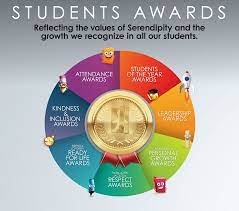
The Awards Process – A Guide to Celebrating Educational Achievements

Introduction:

The awards process is an integral part of promoting and celebrating achievements in the educational sector. By recognizing exceptional accomplishments, these awards inspire educators, students, and institutions alike to strive for excellence and innovation. It’s essential to understand the steps involved in the awards process to ensure a fair, transparent evaluation of all candidates.

1. Invitation for Nominations:

The first step in any awards process is an open invitation for nominations. This call often comes from educational organizations, professional associations, or other stakeholders who wish to celebrate outstanding educational achievements. These invitations provide details on the categories of awards, eligibility criteria, nomination deadlines, and guidelines for submitting relevant materials.

2. Nomination Process:

During this stage, individuals or institutions nominate themselves or others for consideration in various categories. It’s important to submit accurate details highlighting the nominee’s contributions and achievements in a compelling manner. Supporting evidence such as articles, reports, records of success or improvement, testimonials, or other substantiating materials should also be provided as part of the nomination.

3. Evaluation by Experts or Committees:

After receiving nominations, the awarding organization assembles a diverse panel of experts to review each submission meticulously. This might include accomplished professionals from the education sector or representatives from related industries with valuable insights. The experts conduct an unbiased assessment based on predefined criteria that reflect the core values and objectives of the awards.

4. Shortlisting Candidates:

Based on their evaluations, panel members shortlist deserving nominees for each award category. This list is condensed further through deliberation and discussion among evaluators who rank candidates based on their achievements’ scale and impact.

5. Final Selection and Announcement:

Once shortlisted candidates are ranked by their overall performance, the winners are chosen based on majority consensus among evaluators or by using a predetermined scoring system. The organization hosting the award ceremony publicly announces final winners along with their achievements to celebrate their success and share their stories with the broader community.

6. Awards Ceremony:

The awards process culminates with an official ceremony where winners receive their honors, typically in the form of trophies, certificates, or other tangible tokens. This event serves as a platform to recognize and applaud exceptional achievements while also inspiring and motivating others to work towards similar successes.

Conclusion:

The awards process is a critical means of acknowledging accomplishments within the educational community. It follows a meticulous, well-structured pathway to determine the most deserving recipients of these prestigious honors. Understanding this process helps ensure that recognition is doled out fairly and equitably, uplifting all those who persist in pursuing excellence in education.