Education

The Growing Focus on Social-Emotional Learning and Mental Health

In recent years, there has been a significant shift in teacher education towards incorporating social-emotional learning (SEL) and mental health awareness into the curriculum. This trend reflects a growing understanding of the crucial role that emotional well-being plays in academic success and overall student development. 

Teacher preparation programs are increasingly including courses and modules dedicated to SEL. These programs train future educators to help students develop crucial life skills such as self-awareness, self-management, social awareness, relationship skills, and responsible decision-making. The focus is on integrating these skills into academic instruction, rather than treating them as separate entities. 

Another important aspect of this trend is the emphasis on trauma-informed teaching practices. With growing awareness of the impact of adverse childhood experiences (ACEs) on learning and behavior, teacher candidates are now being trained to recognize signs of trauma and create supportive classroom environments. This includes learning about the physiological effects of trauma on the brain and how it can affect a student’s ability to learn and engage in the classroom. 

Mental health literacy is also becoming a core component of teacher education. Future teachers are being equipped with the knowledge to recognize early signs of mental health issues in students and the skills to provide initial support and appropriate referrals. This training often includes understanding common mental health conditions that affect school-age children, such as anxiety and depression, and learning strategies to promote positive mental health in the classroom. 

Moreover, there’s an increasing focus on teacher well-being and self-care within education programs. Recognizing the high stress levels and burnout rates in the teaching profession, programs are now incorporating strategies for maintaining emotional health and work-life balance. This includes training in mindfulness techniques, stress management, and the importance of seeking support when needed. 

The integration of restorative practices in classroom management is another growing trend. Teacher candidates are learning how to build strong classroom communities, resolve conflicts peacefully, and create a positive school climate. This approach moves away from punitive disciplinary measures towards methods that foster empathy, accountability, and positive relationships. 

Additionally, there’s a growing emphasis on teaching future educators how to collaborate effectively with school counselors, psychologists, and other mental health professionals. This interdisciplinary approach ensures that teachers are part of a comprehensive support system for students’ emotional and mental well-being. 

As we move forward, the focus on SEL and mental health in teacher education is likely to intensify. The goal is to produce educators who can not only deliver academic content effectively but also nurture the emotional and social development of their students, creating more holistic and supportive learning environments. 

Neurodiversity: Embracing Differences in Special Education

The concept of neurodiversity has gained significant traction in recent years, marking a notable trend in special education. This paradigm shift moves away from viewing neurological differences solely as deficits or disorders, instead recognizing them as natural variations in human neurocognitive functioning. The neurodiversity movement has profound implications for how we approach special education, particularly for students with conditions such as autism spectrum disorders, ADHD, dyslexia, and other learning differences. 

At its core, the neurodiversity paradigm posits that neurological differences are not inherently problematic but rather represent a form of human diversity, akin to biodiversity in nature. This perspective challenges traditional deficit-based models of disability and encourages a more strengths-based approach to education and support. 

One of the key aspects of this trend is the emphasis on identifying and nurturing the unique strengths and talents of neurodiverse individuals. Instead of focusing solely on remediating perceived deficits, educators are increasingly looking for ways to leverage students’ areas of interest and ability. For instance, a student with autism who has a deep interest in a particular subject might be encouraged to develop expertise in that area, potentially leading to academic success and future career opportunities. 

The neurodiversity trend has led to changes in how special education services are delivered. There’s a growing emphasis on creating learning environments that are more accommodating to diverse cognitive styles. This might involve offering multiple ways for students to engage with material, express their understanding, and demonstrate their learning – an approach that aligns well with Universal Design for Learning principles. 

Another significant aspect of this trend is the focus on self-advocacy skills. Students are encouraged to understand their own neurocognitive profile, including both challenges and strengths, and to communicate their needs effectively. This empowerment is crucial for neurodiverse students as they navigate educational systems and transition into adulthood. 

The neurodiversity movement has also influenced how social skills are taught in special education settings. Rather than trying to make neurodiverse students conform to neurotypical social norms, there’s a growing recognition of the value of teaching “bilateral social skills.” This approach involves helping neurotypical peers understand and appreciate neurodivergent communication styles, fostering more inclusive social environments. 

Technology plays a crucial role in supporting neurodiverse learners. Assistive technologies are being developed and implemented not just to compensate for challenges but to enhance strengths. For example, text-to-speech software might be used not only to support reading difficulties but also to allow a student with dyslexia to more easily express their complex ideas in writing. 

The trend towards embracing neurodiversity in special education extends to curriculum design. There’s a growing movement to include neurodiverse perspectives in educational materials, helping all students understand and appreciate cognitive differences. This might involve incorporating books with neurodiverse characters or discussing the contributions of famous neurodiverse individuals across various fields. 

Professional development for educators is evolving to include training on neurodiversity. Teachers are learning about different cognitive styles, how to identify and nurture individual strengths, and how to create more inclusive classroom environments that support neurodiverse learners. 

The neurodiversity trend is also influencing transition planning for students with special needs. There’s a growing recognition of the unique strengths that neurodiverse individuals can bring to the workplace, leading to partnerships with employers who value cognitive diversity. Some schools are developing programs to help students leverage their neurodiverse traits in career planning and job seeking. 

However, the implementation of neurodiversity-affirming practices in special education is not without challenges. One significant hurdle is balancing the celebration of neurodiversity with the need to address real challenges that neurodiverse students may face. Educators must navigate how to provide necessary supports and interventions while avoiding a deficit-based approach. 

Another challenge lies in changing deeply ingrained societal attitudes about neurological differences. This requires ongoing education and advocacy efforts, not just within schools but in the broader community. 

There’s also a need to ensure that neurodiversity-affirming approaches are implemented equitably. Care must be taken to avoid situations where only certain types of neurodiversity are celebrated while others continue to be stigmatized. 

Despite these challenges, the trend towards embracing neurodiversity in special education represents a significant and positive shift in how we understand and support students with neurological differences. By recognizing and valuing diverse cognitive styles, this approach has the potential to create more inclusive, supportive, and effective learning environments for all students. 

As this trend continues to evolve, we can expect to see further innovations in neurodiversity-affirming educational practices. This might include the development of new assessment tools that better capture the strengths of neurodiverse learners, increased incorporation of neurodiverse perspectives in curriculum development, and more sophisticated approaches to creating sensory-friendly learning environments. The ultimate goal is to create an educational system that not only accommodates neurodiversity but actively celebrates and leverages it as a source of innovation and creativity. 

Multi-Tiered Systems of Support: A Comprehensive Framework for Special Education

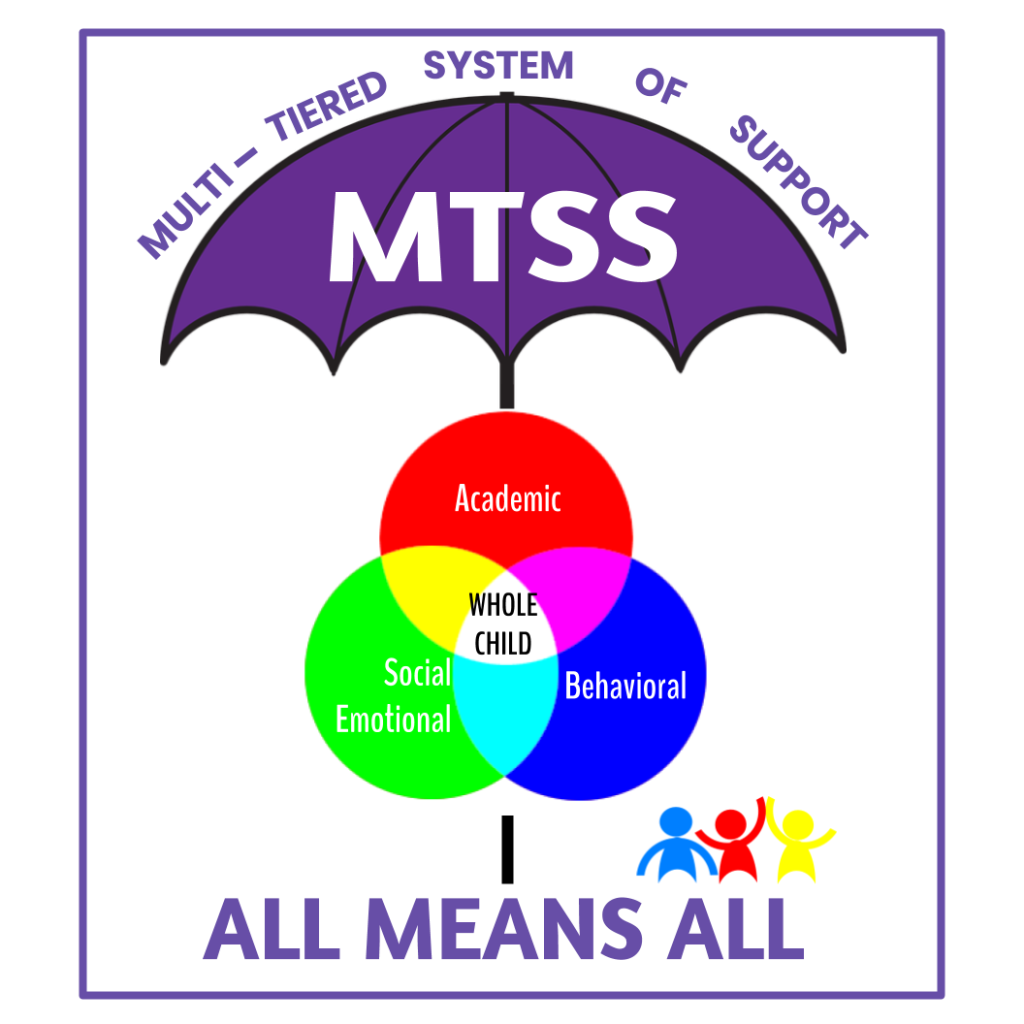
The adoption of Multi-Tiered Systems of Support (MTSS) represents a significant trend in special education, offering a comprehensive framework for early identification and support of students with diverse learning and behavioral needs. This approach integrates academic and behavioral strategies into a cohesive system designed to improve outcomes for all students, including those with disabilities. 

At its core, MTSS is a proactive, data-driven approach that uses tiered interventions to address student needs. The framework typically includes three tiers of support: 

  1. Tier 1: High-quality core instruction and universal supports for all students 
  1. Tier 2: Targeted interventions for students who need additional support 
  1. Tier 3: Intensive, individualized interventions for students with significant needs 

One of the key strengths of MTSS is its emphasis on prevention and early intervention. By regularly screening all students and providing targeted support at the first sign of difficulty, this approach aims to address learning or behavioral challenges before they become more severe. This can potentially reduce the number of students who require special education services in the long term. 

The implementation of MTSS has led to a more fluid and responsive approach to special education. Instead of waiting for students to fail before providing support, educators can use data from regular assessments to quickly identify and address emerging needs. This dynamic approach allows for more timely and effective interventions. 

Another significant aspect of this trend is the integration of academic and behavioral supports within a single framework. Recognizing that academic and behavioral challenges often go hand in hand, MTSS provides a comprehensive approach to addressing student needs. This might involve combining reading interventions with strategies to improve attention and engagement, for example. 

The use of evidence-based practices is a cornerstone of MTSS. Schools implementing this framework are encouraged to select interventions and teaching strategies that have a strong research base. This emphasis on evidence-based practices helps ensure that students receive effective support and that resources are used efficiently. 

Technology plays a crucial role in the implementation of MTSS. Digital platforms are often used to manage and analyze student data, track progress, and guide decision-making about interventions. These tools can help educators quickly identify students who need additional support and monitor the effectiveness of interventions over time. 

The MTSS framework also promotes collaboration among educators, specialists, and families. Regular team meetings to review student data and plan interventions are a common feature of this approach. This collaborative process ensures that all stakeholders have input into student support plans and that interventions are coordinated across different settings. 

One of the significant benefits of MTSS in special education is its potential to create more inclusive learning environments. By providing a continuum of supports within the general education setting, this approach can help more students with disabilities succeed in mainstream classrooms. This aligns with the broader trend towards inclusive education practices. 

The implementation of MTSS has implications for the role of special education teachers. In many schools adopting this framework, special educators are taking on more collaborative and consultative roles, working closely with general education teachers to support students across all tiers of intervention. 

However, the adoption of MTSS is not without challenges. One significant hurdle is the need for comprehensive professional development to ensure that all staff members understand the framework and have the skills to implement it effectively. This often requires a significant investment of time and resources. 

Another challenge lies in aligning MTSS with existing special education processes and regulations. Schools must navigate how to integrate MTSS practices with traditional special education identification and service delivery models, ensuring compliance with legal requirements while embracing a more flexible and responsive approach. 

Data management can also be a complex aspect of MTSS implementation. Schools need robust systems for collecting, analyzing, and acting on student data. This requires not only technological solutions but also the development of data literacy among staff members. 

Despite these challenges, the trend towards implementing MTSS in special education represents a significant shift towards a more proactive, inclusive, and comprehensive approach to supporting students with diverse needs. By providing a structured yet flexible framework for identifying and addressing student needs, MTSS has the potential to improve outcomes for all students, including those with disabilities. 

As this trend continues to evolve, we can expect to see further refinements in MTSS practices, potentially including more sophisticated use of predictive analytics to guide intervention decisions, increased integration of social-emotional learning within the framework, and more seamless connections between school-based MTSS and community support systems. The ultimate goal is to create educational environments that are responsive to the needs of all learners, providing the right level of support at the right time to ensure every student’s success. 

The Rise of Talent Development Models in Gifted Education

In recent years, the field of gifted education has witnessed a significant shift towards talent development models. This approach represents a departure from the traditional “gifted” label and focuses on nurturing potential in all students, regardless of their initial performance levels. 

The talent development model is based on the premise that giftedness is not a fixed trait but a dynamic quality that can be cultivated over time. This perspective aligns with Carol Dweck’s growth mindset theory, which posits that abilities and intelligence can be developed through effort, good teaching, and persistence. 

One of the key advantages of the talent development approach is its inclusivity. By moving away from rigid identification processes that often favor certain demographics, this model opens up opportunities for a more diverse range of students to access advanced learning experiences. This is particularly important in addressing the long-standing issue of underrepresentation of minority and low-income students in gifted programs. 

Educators implementing talent development models focus on providing challenging curricula and learning experiences that stretch students’ abilities. This might include project-based learning, advanced placement courses, or mentorship programs. The goal is to create an environment where all students are encouraged to reach their full potential. 

However, the shift towards talent development is not without challenges. It requires a significant change in mindset for educators, parents, and policymakers who are accustomed to traditional gifted education models. There’s also the question of resource allocation – how to provide appropriate challenges for students at various levels of readiness and ability. 

Despite these challenges, many schools and districts are finding success with talent development approaches. For example, the Schoolwide Enrichment Model (SEM) developed by Joseph Renzulli has been widely adopted. This model provides enriched learning experiences for all students while also offering advanced opportunities for those who demonstrate high potential in specific areas. 

As we move forward, it’s likely that the talent development trend will continue to gain traction in gifted education. This shift promises to create more equitable and effective learning environments that benefit not just a select few, but all students striving to excel. 

Technology Integration in Gifted Education Programs

The rapid advancement of technology has significantly impacted all areas of education, and gifted education is no exception. In fact, technology integration has become one of the most prominent trends in gifted education, offering new and exciting ways to challenge and engage high-ability learners. 

One of the primary benefits of technology in gifted education is its ability to provide personalized learning experiences. Adaptive learning platforms use artificial intelligence to adjust the difficulty and pace of instruction based on each student’s performance. This allows gifted students to progress at their own rate, preventing boredom and disengagement that can occur when they’re not sufficiently challenged. 

Virtual and augmented reality technologies are also making their way into gifted education programs. These immersive technologies allow students to explore complex concepts in three-dimensional space, making abstract ideas more tangible. For example, gifted students studying astronomy can take virtual tours of distant planets, or those interested in history can “walk through” ancient civilizations. 

Online learning platforms and Massive Open Online Courses (MOOCs) have opened up a world of advanced learning opportunities for gifted students. These resources allow students to explore subjects not typically offered in their schools, connect with experts in various fields, and engage with peers who share their interests and abilities. 

Coding and robotics have become increasingly popular in gifted education programs. These disciplines offer excellent opportunities for gifted learners to engage in complex problem-solving, logical thinking, and creativity. Many schools are incorporating coding classes and robotics clubs into their gifted education offerings. 

Technology also facilitates project-based learning, a approach often used in gifted education. Collaborative tools like Google Docs, Trello, and Slack allow students to work together on complex projects, even when they’re not in the same physical location. This not only enhances their learning but also develops crucial 21st-century skills like digital literacy and online collaboration. 

However, the integration of technology in gifted education is not without challenges. There’s a risk of over-reliance on technology at the expense of important interpersonal skills. Additionally, the digital divide can exacerbate existing inequalities in gifted education if some students have limited access to technology at home. 

Educators must also stay current with rapidly evolving technologies, which can be a daunting task. Professional development in this area is crucial to ensure that teachers can effectively leverage technology in their gifted education programs. 

Despite these challenges, the benefits of technology integration in gifted education are clear. As we move forward, we can expect to see even more innovative uses of technology to challenge, engage, and inspire gifted learners. 

Emphasis on Social-Emotional Learning in Gifted Education

While academic achievement has traditionally been the primary focus of gifted education, there’s a growing recognition of the importance of social-emotional learning (SEL) for gifted students. This trend reflects a more holistic approach to education that acknowledges the unique social and emotional needs of high-ability learners. 

Gifted students often face unique challenges that can impact their social and emotional well-being. These may include perfectionism, impostor syndrome, asynchronous development (where cognitive abilities outpace emotional or social development), and difficulties relating to peers. By incorporating SEL into gifted education programs, educators aim to help students develop the skills they need to navigate these challenges effectively. 

One key aspect of SEL in gifted education is teaching students to understand and manage their emotions. This includes helping them recognize signs of stress, anxiety, or burnout, and developing healthy coping strategies. Mindfulness practices, which have gained popularity in general education, are being increasingly incorporated into gifted programs to help students manage stress and improve focus. 

Another important component is fostering healthy relationships. Gifted students may struggle with peer relationships due to their advanced vocabularies, intense interests, or different ways of thinking. SEL programs help these students develop empathy, communication skills, and the ability to work collaboratively with others. 

Self-awareness is another crucial area of focus. Gifted students are encouraged to reflect on their strengths, weaknesses, and learning styles. This self-knowledge can help them advocate for their needs, set realistic goals, and develop a growth mindset. 

Many gifted education programs are also placing greater emphasis on teaching resilience and coping with failure. Gifted students, who may be accustomed to easy success in many areas, can struggle when faced with challenges or setbacks. SEL programs help these students understand that failure is a natural part of learning and provide strategies for bouncing back from disappointments. 

Leadership skills are often incorporated into SEL programs for gifted students. This includes teaching decision-making skills, ethical reasoning, and how to use one’s abilities to positively impact others and the community. 

To implement SEL effectively, many schools are adopting formal SEL curricula designed specifically for gifted learners. These might include programs like the Social-Emotional Curriculum for Gifted Students or the Habits of Mind framework. 

However, integrating SEL into gifted education is not without challenges. Some parents and educators worry that focusing on SEL might take time away from academic instruction. There’s also a need for more research on the most effective ways to address the unique social-emotional needs of gifted learners. 

Despite these challenges, the trend towards emphasizing SEL in gifted education is likely to continue. As we gain a better understanding of the importance of social-emotional skills for long-term success and well-being, SEL will likely become an increasingly integral part of gifted education programs. 

The Rise of Microlearning in Corporate Training

In today’s fast-paced digital world, the way we consume information has dramatically changed. This shift has not gone unnoticed in the realm of corporate training, where microlearning has emerged as a powerful trend. Microlearning involves delivering content in small, focused bursts, typically lasting 3-5 minutes, which learners can easily digest and apply immediately. 

The appeal of microlearning lies in its alignment with modern attention spans and busy schedules. Employees can access bite-sized lessons during short breaks or commutes, making learning more flexible and accessible. This approach is particularly effective for just-in-time learning, where employees need quick access to specific information to solve immediate problems. 

Moreover, microlearning is highly compatible with mobile devices, allowing learners to access content anytime, anywhere. This mobile-first approach caters to the increasing number of employees who prefer to use their smartphones or tablets for learning. 

Another advantage of microlearning is its cost-effectiveness. Companies can create and update content more quickly and easily compared to traditional, lengthy courses. This agility is crucial in rapidly evolving industries where information becomes outdated quickly. 

However, it’s important to note that microlearning is not a one-size-fits-all solution. It works best for specific types of content, such as reinforcing existing knowledge, teaching simple concepts, or providing quick tips. For more complex topics that require deep understanding, traditional longer-form learning still has its place. 

As we move forward, we can expect to see more sophisticated microlearning platforms that use AI to personalize content delivery, ensuring that each employee receives the most relevant and timely information for their role and learning style. 

Gamification: Making Online Learning Engaging and Effective

Gamification has become a buzzword in the e-learning industry, and for good reason. This trend involves applying game-design elements and game principles in non-game contexts, particularly in online learning environments. The goal is to increase engagement, motivation, and achievement among learners. 

One of the key benefits of gamification is its ability to tap into intrinsic motivation. By incorporating elements such as points, badges, leaderboards, and levels, learners are encouraged to progress through the material, not just for the sake of learning, but also for the satisfaction of achievement and competition. 

Gamification also provides immediate feedback, which is crucial for effective learning. When learners can see their progress in real-time and understand where they need to improve, they’re more likely to stay engaged and motivated. 

Moreover, gamified learning experiences often simulate real-world scenarios, allowing learners to practice skills in a safe, consequence-free environment. This is particularly valuable in fields like healthcare or emergency response, where hands-on experience is crucial but not always feasible in real-life situations. 

The social aspect of gamification is another significant trend. Many platforms now incorporate social learning elements, allowing learners to compete or collaborate with peers. This not only makes the learning experience more enjoyable but also promotes knowledge sharing and team building. 

As technology advances, we’re seeing more sophisticated gamification techniques. Virtual reality (VR) and augmented reality (AR) are being integrated into gamified learning experiences, creating immersive environments that can significantly enhance retention and understanding. 

However, it’s important to implement gamification thoughtfully. If not designed well, it can become a distraction rather than an aid to learning. The key is to ensure that game elements enhance rather than overshadow the learning objectives. 

Looking ahead, we can expect to see more personalized gamification, where AI algorithms adapt the game elements to individual learner preferences and learning styles, maximizing engagement and effectiveness for each user. 

How Much Do School Principals Make in Each State?

Introduction

School principals serve as the educational leaders and administrative heads of K-12 schools across the United States. Their vital role combines instructional leadership, staff management, budget oversight, community engagement, and strategic planning. While the position offers significant responsibility and professional prestige, compensation for principals varies dramatically across states, reflecting differences in cost of living, educational funding priorities, and labor market conditions.

This comprehensive analysis examines principal salaries across all 50 states, exploring not only the base compensation figures but also the complex factors that influence these rates. From the highest-paying states like Wisconsin and California to those with more modest compensation packages, this article provides a detailed look at the financial realities facing school leaders nationwide.

Whether you’re considering a career in educational leadership, currently serving as a principal, or simply interested in understanding how school leadership is valued across different regions, this analysis offers valuable insights into the current state of principal compensation in America.

National Overview of Principal Compensation

Current National Averages

According to the most recent data from the Bureau of Labor Statistics (BLS), the median annual wage for elementary, middle, and high school principals in the United States was $103,460 as of May 2023. This figure represents a modest increase from previous years, though when adjusted for inflation, the purchasing power of principal salaries has not significantly increased over the past decade.

The BLS reports that the lowest 10 percent of principals earned less than $70,050 annually, while the highest 10 percent earned more than $163,010. This wide range reflects significant variations based on factors such as geographic location, school size, years of experience, and whether the school is public or private.

Public vs. Private School Differences

There is a notable difference in compensation between public and private school principals:

  • Public school principals: The median annual wage for public school principals was $105,100 as of May 2023.
  • Private school principals: The median annual wage for private school principals was significantly lower at $92,900.

This disparity of approximately 13% can be attributed to several factors. Public schools typically receive government funding, which often translates to higher salaries for administrators. Private schools, relying primarily on tuition and donations, may offer lower base salaries but sometimes compensate with other benefits such as smaller class sizes, greater autonomy, or mission alignment.

Education Level Salary Differences

Principal salaries also vary based on the level of the school they lead:

  • Elementary School Principals: Average salary typically ranges from $80,000 to $120,000.
  • Middle School Principals: Generally earn between $85,000 and $125,000.
  • High School Principals: These positions often command higher salaries, ranging from $90,000 to $135,000 or more.

The higher compensation for secondary school principals reflects the increased complexity and responsibilities associated with managing larger student populations, more extensive extracurricular programs, and more complex scheduling and curriculum oversight.

Highest-Paying States for School Principals

According to the most recent data available, the following states offer the highest average salaries for school principals:

  1. Wisconsin: $120,521
  2. Alaska: $116,653
  3. Massachusetts: $116,336
  4. Oregon: $116,260
  5. New Mexico: $115,910
  6. North Dakota: $115,909
  7. Washington: $115,535
  8. Minnesota: $114,257
  9. Hawaii: $113,586
  10. Ohio: $111,687

Other sources also place California among the highest-paying states, with an average salary for principals of approximately $134,000, followed by New York at $129,000 and New Jersey at $126,000.

Analysis of High-Paying States

Several factors contribute to the higher principal salaries in these states:

  1. Cost of living: States like California, Massachusetts, and New York have higher costs of living, which generally correlates with higher salaries across most professions.
  2. Strong educational funding: These states typically invest more in education as a percentage of their state budgets, which extends to administrative salaries.
  3. Unionization and collective bargaining: States with strong teacher unions and collective bargaining rights often see higher compensation for all education professionals, including principals.
  4. Demand for qualified leaders: States experiencing educator shortages may offer higher salaries to attract and retain qualified school leaders.
  5. Educational attainment expectations: These states often have higher expectations for principal qualifications, including advanced degrees and extensive experience, which corresponds to higher compensation.

Lowest-Paying States for School Principals

While comprehensive data for the lowest-paying states is less extensively published, available information indicates that the following states offer lower compensation for school principals:

  1. Florida: $74,108 (identified as the lowest-paying state in some recent analyses)
  2. West Virginia: With teacher salaries ranked lowest in the nation at $52,870, principal salaries are correspondingly lower than national averages
  3. South Dakota: Like its teacher salaries, principal compensation in South Dakota falls below national averages
  4. Mississippi: Consistently ranks among the lower states for educator compensation
  5. Missouri: Lower educational funding correlates with below-average principal salaries

Challenges in Low-Paying States

Principals in lower-paying states face several challenges:

  1. Financial disparities: The gap between principal salaries in the highest and lowest-paying states can exceed $50,000 annually, creating significant lifestyle and career mobility differences.
  2. Recruitment difficulties: Lower-paying states often struggle to attract and retain talented school leaders, especially in high-need areas.
  3. Less competitive with private sector: In these states, the salary differential between educational leadership and comparable private sector management positions is often more pronounced.
  4. Resource constraints: Principals in lower-paying states often work with more limited school budgets overall, creating additional administrative challenges.
  5. Secondary employment needs: Some principals in lower-paying states may seek supplemental income through consulting, teaching college courses, or summer employment.

Complete State-by-State Breakdown

While comprehensive, current salary data for principals isn’t uniformly available for all 50 states, the following table presents the most current information available from various reliable sources. These figures represent average salaries and may vary significantly within states based on district, school size, and other factors.

State Average Principal Salary Notes
Alabama $95,000-105,000 Varies by district size
Alaska $116,653 Higher due to remote location premiums
Arizona $90,000-100,000 Urban districts pay significantly more
Arkansas $85,000-95,000 Below national average
California $134,000 Among highest nationally, varies by region
Colorado $95,000-110,000 Higher in Denver metro area
Connecticut $123,000 Consistently ranks in top 10
Delaware $100,000-110,000 Competitive with neighboring states
Florida $74,108 Lowest average principal salary nationally
Georgia $95,000-105,000 Higher in Atlanta metro area
Hawaii $113,586 High cost of living adjustment
Idaho $90,000-100,000 Below national average
Illinois $100,000-115,000 Chicago principals earn significantly more
Indiana $90,000-100,000 Aligns with Midwest averages
Iowa $95,000-105,000 Slightly below national average
Kansas $90,000-100,000 Rural districts pay less
Kentucky $90,000-100,000 Below national average
Louisiana $85,000-95,000 Below national average
Maine $95,000-105,000 Aligns with New England averages
Maryland $105,000-115,000 Higher in Baltimore/DC suburbs
Massachusetts $116,336 Consistently ranks in top 5
Michigan $95,000-105,000 Higher in affluent districts
Minnesota $114,257 Strong education funding
Mississippi $80,000-90,000 Among lowest nationally
Missouri $85,000-95,000 Below national average
Montana $90,000-100,000 Varies significantly by district
Nebraska $95,000-105,000 Comparable to regional neighbors
Nevada $100,000-110,000 Higher in Clark County (Las Vegas)
New Hampshire $100,000-110,000 Consistent with New England averages
New Jersey $126,000 Among highest nationally
New Mexico $115,910 Surprisingly high given teacher salaries
New York $129,000 Second highest nationally, NYC higher
North Carolina $90,000-100,000 Below national average
North Dakota $115,909 Ranks highly despite rural setting
Ohio $111,687 Strong union influence
Oklahoma $85,000-95,000 Below national average
Oregon $116,260 Ranks among top 5 states
Pennsylvania $105,000-115,000 Higher in Philadelphia/Pittsburgh
Rhode Island $105,000-115,000 Consistent with New England averages
South Carolina $90,000-100,000 Below national average
South Dakota $85,000-95,000 Among lowest nationally
Tennessee $90,000-100,000 Higher in Nashville/Memphis
Texas $95,000-110,000 Varies greatly by district size and location
Utah $95,000-105,000 Slightly below national average
Vermont $100,000-110,000 Consistent with New England averages
Virginia $100,000-115,000 Higher in northern Virginia
Washington $115,535 Consistently ranks in top 10
West Virginia $80,000-90,000 Among lowest nationally
Wisconsin $120,521 Highest average principal salary nationally
Wyoming $100,000-110,000 Strong education funding

Sources: Bureau of Labor Statistics (2023-2024), Bay Atlantic University (2024), and state department of education data.

Factors Affecting Principal Salaries

Education and Experience Requirements

Principal compensation is significantly influenced by educational attainment and professional experience:

  1. Educational requirements: Most principals hold at least a master’s degree in education administration or leadership. The BLS notes this as the typical entry-level education requirement. Those with doctoral degrees (Ed.D. or Ph.D.) often command higher salaries.
  2. Experience requirements: The BLS identifies “5 years or more” of related occupational experience as typical for principals. Most principals begin their careers as teachers, with the transition to administration coming after substantial classroom experience.
  3. Certification and licensure: Most states require public school principals to be licensed as school administrators, which typically requires completion of a state-approved preparation program and passing state examinations. These credentials often place principals on higher salary schedules.
  4. Ongoing professional development: Many districts offer salary increases or stipends for principals who pursue additional professional development or certifications beyond minimum requirements.

Geographic Factors

Principal salaries vary not only between states but also within states based on geographic considerations:

  1. Urban vs. rural disparities: Urban and suburban districts typically offer higher salaries than rural districts, reflecting differences in cost of living and available resources. In some states, this difference can exceed $20,000 annually for comparable positions.
  2. Regional economic variations: Regions with stronger economic bases and higher tax revenues generally offer better compensation packages.
  3. Cost of living adjustments: States and districts with higher costs of living typically offer correspondingly higher salaries, though these adjustments don’t always fully compensate for differences in housing and other essential costs.

School Characteristics

Various school-specific factors influence principal compensation:

  1. School size and complexity: Larger schools with more students and staff typically offer higher salaries to reflect increased responsibilities and complexity of management.
  2. Grade levels: As noted earlier, high school principals typically earn more than middle or elementary school principals due to the increased complexity of secondary education.
  3. School performance: Some districts offer performance-based bonuses for principals whose schools meet or exceed achievement targets, though this practice varies widely.
  4. Special challenges: Schools designated as high-need, underperforming, or serving disadvantaged populations may offer salary premiums to attract qualified leadership.

District Budgets and Policies

Local financial factors significantly impact principal compensation:

  1. District wealth and resources: Districts with stronger tax bases or greater state funding generally offer higher salaries across all positions, including principals.
  2. Salary schedules vs. negotiated contracts: Some districts use fixed salary schedules based on experience and education, while others negotiate contracts individually, creating greater variation.
  3. Union influence: Even though principals are typically considered management, the strength of teacher unions in a district often correlates with higher administrator salaries as well.
  4. Competitive pressures: Districts often adjust salaries to remain competitive with neighboring school systems to attract and retain talented leaders.

The Principal Pay Gap Compared to Other Professions

Comparison to Teacher Salaries

The salary differential between principals and teachers represents a significant factor in the career advancement decision process:

  1. National averages: The median annual wage for principals ($103,460) is approximately 50% higher than the average teacher salary ($69,597). This differential creates a financial incentive for career advancement but must be weighed against increased responsibilities and work hours.
  2. State-by-state variations: The principal-teacher salary gap varies significantly by state. In some states with higher principal salaries but relatively lower teacher compensation, the differential may exceed 70%, while in others, it may be closer to 40%.
  3. Contract days: While teachers typically work 180-190 contract days annually, principals generally work 220-260 days per year, which partially accounts for the salary differential. On a per-day basis, the gap narrows considerably.
  4. Career trajectory considerations: For many educators, the financial incentive of becoming a principal must be balanced against leaving classroom teaching, taking on significant additional responsibilities, and working longer hours.

Comparison to Similar Professions

When comparing principal salaries to those in comparable professions requiring similar education and experience levels:

  1. Other educational administrators: Superintendents typically earn 30-50% more than principals, while assistant principals earn approximately 10-20% less than principals.
  2. Higher education administration: College and university administrators with similar responsibilities often earn 15-30% more than K-12 principals, particularly at larger institutions.
  3. Private sector management: Corporate middle managers with comparable responsibilities in the private sector typically earn 20-40% more than school principals, though this gap varies significantly by industry and location.
  4. Public sector management: School principals generally earn salaries comparable to or slightly higher than other public sector managers with similar levels of responsibility, such as department directors in local government.

Specialized Principal Positions and Variations

High-Paying Specialized Roles

Certain specialized principal positions command higher salaries:

  1. Career and technical education (CTE) principals: Principals overseeing vocational or technical schools often earn premium salaries due to the specialized nature of these programs and competition with private sector technical training providers.
  2. Special education center principals: Administrators leading schools dedicated to special education services often receive additional compensation reflecting the specialized expertise required.
  3. Alternative school principals: Principals of schools serving students with behavioral challenges or unique educational needs often receive higher compensation due to the complexity of these environments.
  4. International/American schools abroad: Principals at American or international schools overseas often receive premium packages including significantly higher base salaries, housing allowances, and other benefits.

Assistant and Vice Principal Compensation

The compensation structure for assistant and vice principals provides insight into the administrative career ladder:

  1. National averages: Assistant principals earn approximately 10-20% less than principals, with a national average around $85,000-$95,000.
  2. Stepping stone positions: These roles serve as critical steps in the administrative career path, with compensation reflecting their intermediate position between teaching and head principal roles.
  3. Specialized assistant principal roles: Some larger schools have assistant principals with specialized responsibilities (e.g., curriculum, discipline, activities) who may receive different compensation based on their specific duties.

Benefits and Working Conditions

Comprehensive Benefits Packages

Principal compensation extends beyond base salary to include various benefits:

  1. Retirement benefits: Principals typically participate in state teacher retirement systems or other public employee pension plans, which represent a significant component of total compensation.
  2. Health insurance: Comprehensive health, dental, and vision insurance packages are standard, though coverage quality and employee contribution requirements vary significantly by state and district.
  3. Paid leave: Principals generally receive more generous paid leave policies than teachers, including sick leave, personal days, and vacation time, though they have less flexibility in when they can use this leave.
  4. Professional development: Many districts provide stipends or reimbursement for continuing education, conference attendance, and professional organization memberships.
  5. Performance bonuses: Some districts offer performance-based incentives tied to school achievement metrics, though these vary widely in availability and amount.

Work Schedule and Time Commitments

The principal’s work schedule differs significantly from that of classroom teachers:

  1. Extended work year: While teachers typically work 180-190 days annually, principals generally work 220-260 days per year, with limited breaks even during summer months.
  2. Extended daily hours: Principals regularly work more than 40 hours weekly, including evenings for school events, board meetings, and parent conferences.
  3. Year-round responsibilities: Even when students are not in school, principals must handle building maintenance, hiring, curriculum planning, and other administrative functions.
  4. Emergency availability: Principals are often expected to be available to respond to school emergencies at any time, creating additional stress and work-life balance challenges.
  5. Community events: Attendance at community and school events outside regular hours is a standard expectation, further extending the actual work week.

Career Advancement and Salary Growth

Pathways to Higher Compensation

Principals seeking to increase their earnings have several potential career paths:

  1. District-level administration: Moving to central office positions such as curriculum director, human resources director, or assistant superintendent typically provides salary increases of 10-25% over principal positions.
  2. Superintendency: Becoming a district superintendent represents the highest-paying K-12 administrative role, with national average salaries exceeding $150,000 and rising to over $300,000 in larger districts.
  3. Larger or more prestigious schools: Within the principalship, moving to larger schools or districts with more resources typically results in higher compensation.
  4. Higher education: Transitioning to higher education administration or teaching educational leadership at the university level can provide increased compensation, particularly at larger institutions.
  5. Consulting and entrepreneurship: Some principals leverage their expertise through consulting, professional development provision, or educational technology ventures.

Experience and Education Premium

The financial returns on additional experience and education for principals:

  1. Experience factor: Salary schedules typically provide annual increases for experience, with principals reaching their maximum base salary after 10-15 years in administrative roles.
  2. Advanced degrees: Principals with doctoral degrees (Ed.D. or Ph.D.) earn approximately 5-15% more than those with only master’s degrees in many districts.
  3. Specialized credentials: Additional certifications in areas such as special education administration, bilingual education, or educational technology can command salary premiums in some districts.
  4. Performance track record: Principals with demonstrated success in improving school performance metrics may have greater negotiating power for salary increases or bonuses.

The Impact of COVID-19 on Principal Compensation

Short-Term Changes

The COVID-19 pandemic created both challenges and limited opportunities related to principal compensation:

  1. Budget constraints: Many districts faced budget challenges during the pandemic, leading to salary freezes or minimal increases for administrators in 2020-2022.
  2. Hazard pay: Some districts provided temporary stipends or hazard pay for administrators during the pandemic, though these were not widespread and typically modest.
  3. Increased responsibilities: Principals took on significant additional responsibilities during the pandemic, including health protocol implementation, remote learning oversight, and community communication, often without corresponding compensation increases.
  4. Accelerated retirements: The pandemic accelerated retirement plans for many experienced principals, creating both advancement opportunities and institutional knowledge gaps.

Long-Term Trends

The pandemic has influenced some emerging longer-term trends in principal compensation:

  1. Recognition of leadership importance: The crisis highlighted the critical importance of effective school leadership, potentially supporting arguments for improved compensation to attract and retain quality principals.
  2. Remote work considerations: While in-person leadership remains essential, some administrative functions demonstrated during the pandemic could be performed remotely, potentially influencing future work expectations and compensation structures.
  3. Focus on well-being: Increased attention to administrator burnout and work-life balance may lead to changes in contract structures, though these have not yet widely materialized in compensation packages.

Regional Cost Adjustments and Real Purchasing Power

Cost of Living Considerations

When comparing principal salaries across states, cost of living adjustments provide important context:

  1. Housing cost variations: Housing costs vary dramatically across regions, with median home prices in California exceeding $750,000 compared to under $200,000 in states like Mississippi and Oklahoma. This significantly impacts the real purchasing power of principal salaries.
  2. Tax burden differences: Variations in state income, property, and sales taxes further affect the net income of principals across different states.
  3. Other essential costs: Healthcare, childcare, transportation, and other essential expenses vary significantly by region, further influencing real purchasing power.
  4. Adjusted salaries: When adjusted for cost of living, the ranking of states by principal compensation changes significantly. For example, a $120,000 salary in Wisconsin provides considerably more purchasing power than a $134,000 salary in California due to cost of living differences.

Rural vs. Urban Comparisons

The urban-rural divide in principal compensation represents another important dimension:

  1. Nominal salary gap: Urban and suburban principals typically earn 10-25% more than their rural counterparts in nominal terms.
  2. Cost-adjusted comparison: When adjusted for cost of living, the real compensation difference often narrows significantly, with rural principals sometimes enjoying greater purchasing power despite lower nominal salaries.
  3. Quality of life factors: Non-monetary factors such as commute times, housing options, and community amenities influence the overall attractiveness of positions beyond base salary considerations.

Future Outlook and Policy Considerations

Projected Trends in Principal Compensation

Several factors will likely influence principal compensation in the coming years:

  1. Declining employment: The Bureau of Labor Statistics projects a 1% decline in employment for elementary, middle, and high school principals from 2023 to 2033. Despite this overall decline, approximately 20,800 openings are projected annually due to retirements and career transitions.
  2. Competing priorities: Education funding faces competing demands from teacher salary increases, infrastructure needs, technology, and safety measures, potentially constraining principal salary growth.
  3. Geographic disparities: The gap between highest and lowest-paying states may continue to widen as high-cost areas compete more aggressively for leadership talent.
  4. Performance emphasis: Greater emphasis on measurable school performance may lead to expanded performance-based compensation elements for principals, though implementation remains controversial.
  5. Burnout concerns: Growing recognition of principal burnout and work-life balance challenges may lead to adjustments in compensation structures or working conditions to improve retention.

Policy Recommendations

Potential policy approaches to address principal compensation challenges include:

  1. Minimum salary thresholds: Establishing state-level minimum salary requirements for principals based on school size, similar to teacher salary minimums in some states.
  2. Leadership development pipelines: Investing in grow-your-own leadership programs to develop administrators, particularly in hard-to-staff districts and schools.
  3. Regional cost adjustments: Implementing transparent regional cost differentials in state funding formulas to address geographic disparities.
  4. Principal retention bonuses: Developing longevity bonuses to encourage retention of effective principals, particularly in high-need schools.
  5. Work-life balance initiatives: Reconsidering principal contract structures to provide more sustainable work expectations while maintaining competitive compensation.

Conclusion

The landscape of school principal compensation across the United States reveals significant disparities that reflect broader patterns in educational funding, regional economics, and policy priorities. From Wisconsin’s leading average salary of $120,521 to Florida’s much lower $74,108, these variations have real implications for the recruitment, retention, and performance of school leaders nationwide.

Beyond the base salary figures, principal compensation must be understood within the context of demanding work conditions including extended calendars and workdays, high-stress responsibilities, and complex accountability structures. While principals earn significantly more than teachers, this differential must be weighed against these increased demands and responsibilities.

For aspiring educational leaders, understanding the compensation landscape is essential for career planning, especially when considering geographic mobility or specialized roles. For policymakers, addressing equitable compensation for school leaders represents a critical component of broader educational improvement efforts.

As education systems continue to evolve in response to changing student needs, technological advances, and societal expectations, ensuring appropriate compensation for the principals who lead these complex organizations remains an important policy challenge. Ultimately, principal compensation reflects not just market forces but our collective valuation of educational leadership—a crucial factor in school success and student achievement nationwide.

How Much Do School Superintendents Make in Each State?

Introduction

School superintendents serve as the chief executive officers of school districts, responsible for overseeing all aspects of educational administration from curriculum and instruction to budgeting and personnel management. As the highest-ranking administrators in K-12 education systems, superintendents shoulder enormous responsibilities that directly impact thousands of students, teachers, and community members. Their compensation reflects not only this substantial responsibility but also varies dramatically across states, districts, and regions.

This comprehensive analysis examines superintendent salaries across all 50 states, exploring not only the base compensation figures but also the complex factors that influence these rates. From high-population urban districts with budgets of hundreds of millions of dollars to small rural districts serving a few hundred students, the landscape of superintendent compensation reveals significant disparities and patterns that mirror broader educational funding priorities across America.

Whether you’re considering a career in educational leadership, currently serving in school administration, or simply interested in understanding how your local district values its top leadership, this analysis offers valuable insights into the current state of superintendent compensation in America and the factors that influence these critically important positions.

National Overview of Superintendent Compensation

Current National Averages

According to the most recent data from the American Association of School Administrators (AASA), the national average salary for a school superintendent in the United States was approximately $182,256 for the 2024-2025 school year. This figure represents a slight decrease from the previous year’s average of $183,055, though there are significant variations across states and districts.

The AASA’s 2024-2025 Superintendent Salary and Benefits Study, based on responses from 2,077 superintendents across 49 states, provides additional insights into compensation trends. The study reports a median superintendent salary of approximately $158,721, indicating that while some superintendents earn considerably more than the average, the majority earn somewhat less.

When examining salary ranges, compensation typically falls between $148,878 at the 25th percentile and $219,918 at the 75th percentile, with outliers earning anywhere from $118,489 to over $254,208 at the extremes. These wide ranges reflect the tremendous variation in district size, regional economics, and responsibilities.

Historical Trends and Recent Changes

Over the past decade, superintendent salaries have generally increased in nominal terms, but the AASA study reveals a concerning trend: “Although median and mean salaries in our samples have increased over the last decade, evidence suggests they have not kept pace with inflation. The mean salary reported for the 2013 sample was $131,171 and the median was $123,775. When adjusted for inflation, using the Bureau of Labor Statistics Consumer Price Index calculator, the mean real wage for superintendents in 2013, using 2024 dollars, would be $175,679, which is $6,336 above this year’s reported mean salary.”

This indicates that despite nominal increases, superintendents have experienced a decrease in purchasing power over the past decade. The inflation-adjusted median salary from 2013 would be approximately $165,773 in today’s dollars, which is about $7,052 above the current median salary—suggesting that in real terms, superintendent compensation has fallen approximately $7,000 below where it would be if salaries had kept pace with inflation.

Public Perception and Controversies

Superintendent salaries remain a topic of significant public interest and occasional controversy, particularly in times of district budget constraints. Critics often question whether the highest-paid superintendents deserve their compensation packages, especially when overseeing smaller districts or those with academic or financial challenges.

In Texas, for example, recent reports have highlighted that 89 school administrators receive salaries of $300,000 or more, despite falling enrollments and concerns about student performance. Policy director James Quintero at the Texas Public Policy Foundation noted that superintendents’ “sky-high salaries” prompt taxpayers to wonder what they are getting for their money, stating: “Superintendents are getting rich from their public service. Such self-centeredness is violative of taxpayers and the public trust. Worse, it deprives classrooms of resources needed to teach kids to read, write, and do math.”

The controversy extends beyond base salaries to include bonuses, benefits, and other forms of compensation that may not be transparent to the public. In some extreme cases, small charter schools have been found paying superintendents extraordinarily high compensation through combinations of base salary and substantial bonuses that aren’t fully disclosed in public reporting.

Highest-Paying States for School Superintendents

Based on the most current available data, the following states offer the highest average salaries for school superintendents:

  1. California: $201,028
  2. District of Columbia: $201,794
  3. Massachusetts: $198,349
  4. Washington: $197,620
  5. New Jersey: $197,547
  6. Alaska: $197,292
  7. Connecticut: $194,777
  8. New York: $193,756
  9. Rhode Island: $188,963
  10. Maryland: $187,924

It’s worth noting that these figures represent state averages, and within each state, there can be substantial variation based on district size, local cost of living, and other factors. For example, while New York’s statewide average is $193,756, superintendents in the New York City area earn significantly more, with an average of $211,216.

Analysis of High-Paying States

Several factors contribute to the higher superintendent salaries in these states:

  1. Cost of living: Most of the highest-paying states have significantly higher costs of living than the national average. States like California, Massachusetts, New York, and New Jersey consistently rank among the most expensive places to live in the United States.
  2. Strong economic bases: These states generally have robust economies and tax bases that can support higher education spending overall, including administrator salaries.
  3. Stronger unionization: States with stronger teacher unions and public employee representation tend to have higher compensation across all educational positions, including superintendents.
  4. Educational attainment and expectations: Many of these states also have higher educational attainment levels and stronger academic expectations, which may translate to higher valuation of educational leadership.
  5. Larger district sizes: States like California and New York have some of the nation’s largest school districts, which typically offer higher superintendent salaries due to the increased scale and complexity of management responsibilities.

Lowest-Paying States for School Superintendents

At the other end of the spectrum, the following states have the lowest average superintendent salaries:

  1. Mississippi: $162,536
  2. West Virginia: $164,121
  3. Arkansas: $164,650
  4. South Dakota: $165,634
  5. Alabama: $167,438
  6. New Mexico: $168,805
  7. Oklahoma: $168,514
  8. South Carolina: $170,774
  9. Tennessee: $170,318
  10. Idaho: $170,136

Challenges in Low-Paying States

Superintendents in lower-paying states face several challenges:

  1. Recruitment difficulties: Lower-paying states often struggle to attract and retain top administrative talent, particularly for challenging district assignments.
  2. Resource limitations: In addition to lower salaries, these states often have lower per-pupil funding overall, meaning superintendents must manage with fewer resources at all levels.
  3. Geographic isolation: Many of the lower-paying states are more rural, with superintendents overseeing geographically dispersed districts that present unique operational challenges.
  4. Greater economic constraints: These states typically have lower tax bases and more limited economic resources, which constrains education funding across the board.
  5. Political climate: In some lower-paying states, there may be stronger political pressure to limit public employee compensation, including that of superintendents.

Despite these challenges, it’s important to note that the lower cost of living in many of these states partially offsets the salary differential, though not completely.

Complete State-by-State Breakdown

The following table provides a comprehensive overview of the average superintendent salaries for all 50 states plus the District of Columbia, based on the most recent available data:

Rank State Average Salary
1 District of Columbia $201,794
2 California $201,028
3 Massachusetts $198,349
4 Washington $197,620
5 New Jersey $197,547
6 Alaska $197,292
7 Connecticut $194,777
8 New York $193,756
9 Rhode Island $188,963
10 Maryland $187,924
11 Minnesota $186,502
12 Colorado $185,956
13 Illinois $185,773
14 Oregon $185,081
15 Delaware $184,570
16 Virginia $183,532
17 Pennsylvania $181,436
18 Nevada $180,379
19 North Dakota $180,032
20 Michigan $179,485
21 Wisconsin $179,285
22 Vermont $178,884
23 Texas $177,772
24 Maine $177,699
25 Arizona $177,590
26 Ohio $177,462
27 Georgia $175,786
28 Indiana $174,947
29 Utah $174,528
30 Iowa $174,419
31 Kansas $173,544
32 North Carolina $173,198
33 Missouri $173,161
34 Louisiana $173,289
35 Florida $172,450
36 Montana $172,068
37 Nebraska $171,703
38 Kentucky $171,503
39 South Carolina $170,774
40 Tennessee $170,318
41 Idaho $170,136
42 New Mexico $168,805
43 Oklahoma $168,514
44 Alabama $167,438
45 South Dakota $165,634
46 Arkansas $164,650
47 West Virginia $164,121
48 Mississippi $162,536

Source: Salary.com (2024-2025 data)

Factors Affecting Superintendent Salaries

District Size and Student Population

One of the most significant factors influencing superintendent compensation is district size, typically measured by student enrollment:

  • Large urban districts (25,000+ students): Superintendents in the largest districts can command salaries of $300,000 to over $500,000. For example, in Texas, Cypress-Fairbanks ISD’s superintendent received a base salary of $536,775 before retiring in December 2023.
  • Mid-sized districts (5,000-25,000 students): Superintendents typically earn between $150,000 and $250,000, depending on location and other factors.
  • Small districts (under 5,000 students): Salaries generally range from $90,000 to $175,000, though there are exceptions on both ends of the spectrum.

However, as seen in Central Texas, there are notable exceptions to this pattern. In Bell County, for instance, while Killeen ISD (with nearly 43,900 students) pays its superintendent $325,000, Temple ISD’s superintendent receives $280,000 despite overseeing just 8,784 students—a significantly higher per-pupil cost for leadership.

Education and Experience Requirements

Superintendent compensation is significantly influenced by educational attainment and professional experience:

  1. Educational requirements: The AASA study found that “Superintendents with either an EdD or PhD had higher median salaries than those without a terminal degree.” Most superintendents hold at least a master’s degree in educational administration or a related field, and many have doctoral degrees.
  2. Experience progression: Most superintendents begin as teachers, then progress through roles like principal and central office administrator before reaching the superintendency. This career path typically requires 15-25 years of educational experience.
  3. Certification requirements: Most states require specific superintendency certifications or credentials beyond advanced degrees, which further narrows the candidate pool and can influence compensation.

Regional Cost of Living

Regional economic factors significantly impact superintendent compensation:

  1. Housing costs: In high-cost housing markets like California, New York, and Massachusetts, superintendent salaries must be higher to attract qualified candidates.
  2. Regional economic conditions: Areas with stronger local economies and higher median incomes typically offer better superintendent compensation, reflecting the broader economic environment.
  3. Urban/rural divide: Rural districts typically offer lower salaries than urban or suburban districts, even when adjusting for cost of living differences.

District Performance and Challenges

The specific challenges and performance of a district can influence superintendent compensation:

  1. Turnaround situations: Districts facing significant challenges may offer premium compensation to attract superintendents with track records of success in similar environments.
  2. High-performing districts: Districts with strong academic performance and stable finances may pay more to maintain leadership continuity.
  3. Performance incentives: Many superintendent contracts now include performance-based bonuses tied to student achievement metrics, financial management goals, or other district priorities.

Comprehensive Compensation Packages

Benefits Beyond Base Salary

Superintendent compensation extends well beyond base salary to include various benefits:

  1. Retirement contributions: Districts often make significant contributions to retirement plans, sometimes including both state retirement systems and supplemental plans.
  2. Health insurance: Comprehensive health, dental, and vision insurance are standard, often with lower employee contributions than for other district staff.
  3. Life and disability insurance: Many superintendents receive district-paid life insurance policies worth several times their annual salary.
  4. Allowances and stipends: Common allowances include:
    • Car allowances (typically $500-1,200 monthly)
    • Technology allowances for phones, computers, and home internet
    • Professional development funds
    • Housing allowances or relocation assistance in some areas
  5. Additional paid time off: Superintendents typically receive more generous vacation allocations than other district employees, sometimes 25-30 days annually plus holidays.

Contract Length and Job Security Provisions

Superintendent contracts typically include provisions that offer greater job security and financial protection:

  1. Multi-year contracts: Most superintendents receive three to five-year contracts, providing greater stability than the at-will employment common in the private sector.
  2. Severance provisions: Contracts often include severance packages providing 6-18 months of continued salary and benefits if the board terminates the superintendent without cause.
  3. Automatic extensions: Many contracts include provisions for automatic one-year extensions if performance evaluations meet certain thresholds.
  4. Contract buyouts: When boards wish to terminate a superintendent before contract completion, significant buyout costs typically apply, occasionally reaching millions of dollars in large districts.

Comparing Total Compensation

When considering total compensation rather than just base salary, the differences between districts can become even more pronounced:

  1. Bonus structures: Some districts offer performance bonuses that can add 10-25% to a superintendent’s base salary.
  2. Deferred compensation: Additional retirement contributions, annuities, or other deferred compensation can significantly increase total compensation while postponing taxation.
  3. Perquisites: Less tangible benefits, such as professional memberships, conference attendance, and community status also contribute to the overall compensation package.

In some cases, particularly with charter schools or smaller districts, the full scope of superintendent compensation may not be immediately apparent in publicly reported figures. For instance, in Texas, Valere Public Schools Superintendent Salvador Cavazos earned up to $870,000 annually to run three campuses serving fewer than 1,000 students, but the district only reported his base salary of about $300,000 in its state filings.

Gender and Demographic Trends in Superintendent Compensation

Gender Pay Gap

The superintendency has historically been male-dominated, though this is gradually changing. According to the AASA study, in 2024-2025:

  • Women made up 26.47% of respondents, while men represented 73.19%
  • Female superintendents earned 99.16% of what males earned, a slight but still persistent gap
  • The percentage of female superintendents has been gradually increasing over time

This represents a significant improvement from previous decades but still indicates underrepresentation of women in the top educational leadership positions.

Age and Experience Patterns

The AASA study identified interesting trends regarding the age of superintendents:

  • The median age was 52 in 2024-2025
  • A growing percentage of superintendents (38.01%) were 50 years old or younger in 2024-2025, compared to 34.71% in 2022-2023
  • People appear to be ascending to the superintendent position at an earlier age than a decade ago, with 34.38% in the 41-50 age range in 2024-2025, compared to 29.83% in 2012
  • The percentage of superintendents ages 60+ decreased from 19.48% in 2012 to just 9.87% in 2024-2025

These trends suggest a generational shift in leadership, with potential implications for leadership styles, compensation expectations, and career trajectories.

Experience Levels

Experience levels among superintendents show some gender differences:

  • Approximately 57% of female superintendents had five years or less of experience as a superintendent, compared to a little more than 44% of male superintendents
  • Overall, almost 52% of respondents had more than 5 years of experience as superintendent

This indicates that women are newer to the superintendency on average, which may partially explain remaining compensation differences.

State-Specific Case Studies

California

California consistently ranks among the highest-paying states for superintendents, with an average salary of $201,028. Several factors contribute to California’s high superintendent compensation:

  1. Large districts: California has many large urban and suburban districts, including Los Angeles Unified, the second-largest in the nation.
  2. High cost of living: California’s housing costs and overall cost of living are among the highest in the nation.
  3. Strong economy: As the world’s fifth-largest economy, California has considerable resources, though funding distribution varies significantly across districts.
  4. Competitive market: Districts often compete for top leadership talent, driving up compensation.

The highest-paid superintendents in California typically lead large urban districts or affluent suburban districts in high-cost areas like the Bay Area or Southern California.

Texas

Texas represents a different model, with remarkable variation in superintendent compensation despite being a relatively low-tax, fiscally conservative state. In Texas:

  1. Extremely high outliers: The highest-paid superintendent in Texas was Cypress-Fairbanks ISD’s Mark Henry, who received a base salary of $536,775 before retiring in December 2023.
  2. Significant growth in high salaries: The number of superintendents earning $300,000 or more increased from 60 in 2021-22 to 89 in 2023-24.
  3. Controversial compensation: There have been notable controversies, including cases where superintendents received substantial raises or bonuses despite problematic performance or district challenges.
  4. Lack of correlation with performance: Critics have noted that superintendent salaries in Texas “show no correlation to the number of students enrolled in a district or students’ academic performance.”

The Texas model illustrates how local control can lead to widely varying compensation practices, sometimes disconnected from district size or performance metrics.

New Jersey

New Jersey has implemented distinctive superintendent salary policies:

  1. Salary caps: In 2011, New Jersey implemented superintendent salary caps based on district enrollment, though these were modified and eventually lifted in 2019.
  2. High taxation: New Jersey has among the highest property taxes in the nation, much of which funds education.
  3. Strong superintendent salaries: Despite previous caps, New Jersey remains among the highest-paying states, with an average salary of $197,547.
  4. Charter school outliers: The highest-paid superintendent in the state is Leigh Byron, head of the Trenton Stem-To-Civics Charter School, who earned $360,000 for the 2023-24 school year.

New Jersey exemplifies how state-level policies can significantly impact superintendent compensation, though market forces eventually reasserted themselves after caps were lifted.

Challenges and Responsibilities of the Modern Superintendent

Evolving Leadership Demands

Today’s superintendents face increasingly complex responsibilities:

  1. Instructional leadership: Moving beyond traditional management roles, superintendents are expected to lead instructional improvement and demonstrate impact on student achievement.
  2. Financial management: With tight budgets and competing priorities, financial acumen has become increasingly crucial.
  3. Community relations: Superintendents must navigate diverse community expectations and increasing political polarization around educational issues.
  4. Crisis management: From COVID-19 to school safety concerns, superintendents must be prepared to handle emergencies and maintain operations under difficult circumstances.
  5. Technological integration: Leading digital transformation while balancing educational needs and constraints requires sophisticated understanding of both technology and pedagogy.

Budget Challenges and Financial Pressures

School funding challenges directly impact superintendent responsibilities:

  1. Inadequate state funding: Many states provide insufficient funding to meet all educational needs. For example, the Puyallup School District in Washington faced an $11.2 million shortfall in materials, supplies, and operating costs in the 2023-24 school year alone.
  2. Declining enrollments: Post-pandemic enrollment declines have affected many districts, requiring difficult decisions about staffing and resource allocation.
  3. Rising costs: Education costs continue to increase faster than inflation in many categories, including employee healthcare, special education, and technology.
  4. Competing priorities: Superintendents must balance demands for academic improvements, competitive staff compensation, facility needs, and specialized programs with limited resources.

Tenure and Turnover

The superintendency is characterized by relatively high turnover:

  1. Average tenure: The typical superintendent serves a district for about 6-7 years, though this varies significantly by state and district characteristics.
  2. Urban challenges: Large urban districts often experience more frequent turnover, with average tenures closer to 3-5 years.
  3. Career progression: Many superintendents serve in multiple districts throughout their careers, moving to larger or more prestigious positions.
  4. Retirement patterns: The demographic data suggests a coming wave of retirements, as many current superintendents approach traditional retirement age.

This turnover creates both challenges for district continuity and opportunities for diversifying leadership and bringing fresh perspectives.

Legislative and Policy Considerations

Salary Cap Debates

Various states have considered or implemented superintendent salary caps:

  1. New Jersey’s experiment: As noted earlier, New Jersey implemented and later removed salary caps.
  2. Texas proposals: Some Texas legislators have proposed capping superintendent salaries at the governor’s salary of $153,750, though such measures have not been enacted.
  3. Public opinion: There appears to be significant public support for some form of limitation, particularly when comparing superintendent salaries to teacher compensation or state leadership positions.
  4. Implementation challenges: Determining appropriate caps that account for district size, regional cost differences, and market realities has proven difficult.

Transparency Requirements

Transparency in superintendent compensation has become an increasing focus:

  1. Reporting requirements: States typically require public reporting of superintendent salaries, though the reporting of total compensation including benefits and bonuses is less consistent.
  2. Disclosure challenges: As seen in the case of Valere Public Schools in Texas, districts may not fully disclose all aspects of superintendent compensation, particularly bonuses and supplemental payments.
  3. Charter school concerns: Charter schools may have different reporting requirements, leading to less transparency in some cases.
  4. Contract scrutiny: School boards face increasing public and media scrutiny of superintendent contracts, particularly regarding severance provisions and performance metrics.

Performance-Based Compensation Models

There’s growing interest in tying superintendent compensation more directly to performance:

  1. Student achievement metrics: Some districts incorporate student performance measures into superintendent evaluation and compensation.
  2. Financial management indicators: Maintaining healthy financial reserves and efficient resource allocation may factor into performance evaluation.
  3. Balanced scorecards: Comprehensive evaluation frameworks that include multiple measures of district health and performance are becoming more common.
  4. Implementation challenges: Determining fair and meaningful performance metrics remains difficult, particularly given the multifaceted nature of educational leadership and the many factors beyond a superintendent’s control.

Specialized Superintendent Positions

Large Urban District Leadership

The superintendents of the nation’s largest urban districts face distinct challenges and receive compensation commensurate with these responsibilities:

  1. Scale of operations: These leaders may oversee billions in annual budgets and tens of thousands of employees.
  2. Complexity: Urban districts typically have more diverse student populations, more complex organizational structures, and greater political pressures.
  3. Premium compensation: The largest districts typically offer the highest superintendent salaries, often ranging from $350,000 to over $500,000 annually.
  4. Career capstone: These positions typically represent the pinnacle of a superintendent’s career trajectory.

State Departments of Education

State education leaders, while not technically superintendents, oversee comparable organizational complexity:

  1. State Commissioners/Superintendents: These appointed or elected officials typically earn between $150,000 and $300,000, depending on the state.
  2. Political dimension: Unlike district superintendents, state education leaders must navigate more explicitly political environments.
  3. System-level focus: These leaders work at a systems level rather than directly overseeing schools.

Charter School Networks

Charter school leadership structures offer another variation:

  1. Network CEOs: Leaders of large charter networks may have responsibilities similar to district superintendents but operate under different governance models.
  2. Compensation variation: Some charter leaders earn salaries comparable to or exceeding traditional superintendents, while others earn considerably less.
  3. Performance emphasis: Charter leader compensation often includes stronger performance incentives than traditional superintendent contracts.
  4. Transparency issues: As noted in the Valere Public Schools example, charter superintendent compensation may not always be fully transparent.

Future Outlook and Emerging Trends

Changing Demographics of the Superintendency

The demographic composition of the superintendency continues to evolve:

  1. Increasing diversity: More women and people of color are entering the superintendency, though progress remains slow.
  2. Changing age distribution: As noted in the AASA study, superintendents are getting younger on average, with more individuals reaching the position in their 40s.
  3. Diverse career paths: While the traditional path to the superintendency remains through teaching and school-level administration, more leaders with non-traditional backgrounds are entering the field.

Impact of Economic Factors

Economic conditions will continue to influence superintendent compensation:

  1. Inflation concerns: As noted in the AASA study, superintendent salaries have not kept pace with inflation over the past decade, raising questions about the continued attractiveness of these positions.
  2. Regional economic disparities: The gap between high and low-paying states may continue to widen as regional economic differences persist.
  3. Public sector constraints: General pressure on public sector compensation may limit superintendent salary growth in some regions.

Evolving Governance Models

Changes in how schools are governed may influence future superintendent roles and compensation:

  1. Portfolio models: Some cities are moving toward portfolio models with multiple governance structures, creating new types of system leadership roles.
  2. Regional collaboration: Increasing cooperation between districts may lead to new regional leadership structures with different compensation models.
  3. Alternative models: Emerging models like microschools and hybrid learning environments may create demand for different types of educational leadership.

Conclusion

The landscape of school superintendent compensation across the United States reveals significant disparities that reflect broader patterns in educational funding, regional economics, and governance priorities. From California’s average of $201,028 to Mississippi’s $162,536, these variations have real implications for the recruitment, retention, and performance of educational leaders nationwide.

Several key patterns emerge from this analysis:

  1. District size matters, but not exclusively: While larger districts generally offer higher compensation, there are notable exceptions where smaller districts pay premium salaries.
  2. Regional economics play a crucial role: States with higher costs of living and stronger economies typically offer higher superintendent compensation, though this correlation is imperfect.
  3. Transparency challenges persist: The full scope of superintendent compensation is not always clearly visible in publicly reported figures, particularly regarding bonuses, benefits, and other forms of non-salary compensation.
  4. Demographics are slowly changing: While the superintendency remains predominantly male, the percentage of women in these roles is gradually increasing, and the average age is decreasing.
  5. Compensation has not kept pace with inflation: Despite nominal increases, real superintendent purchasing power has declined over the past decade when adjusted for inflation.

For aspiring educational leaders, current superintendents, school boards, and policy makers, understanding these compensation patterns and trends is essential for making informed decisions. As education continues to evolve in response to changing student needs, technological advances, and societal expectations, ensuring appropriate compensation for the complex and demanding role of superintendent remains a critical component of building effective school systems nationwide.

Ultimately, superintendent compensation reflects not just market forces but our collective valuation of educational leadership—a crucial factor in school system success and student achievement across America.