Elementary Education

20 Exciting Cave Activities for Elementary Students  

Introduction:

Caves are mysterious, awe-inspiring, and utterly fascinating! Exploring caves can spark a sense of wonder and imagination in children, making them the perfect setting for some fun and educational activities. Here are 20 exciting cave-related activities that elementary students will love.

1. Take a guided cave tour: Visit a local cave with a knowledgeable guide to learn about its history, geology, and unique features.

2. Create cave art: Using natural materials such as charcoal and clay, children can create their own prehistoric cave paintings on paper or cardboard.

3. Build a bat habitat: Construct artificial bat homes to be placed in trees near cave entrances.

4. Fossil hunt: Discover the remnants of ancient life by searching for fossils inside or near the entrance of a cave.

5. Sinkhole exploration: Learn about the formation of caves by observing sinkholes and how they contribute to underground caverns.

6. Speleology 101: Teach students about the science of studying caves and introduce them to related vocabulary.

7. Cave mapping: Develop spatial awareness through drawing maps of caves visited during field trips or using information from virtual tours.

8. Geode discovery: Break open rocks to reveal the sparkling crystals inside, mimicking discoveries made in limestone caves.

9. Flashlight tag: Play this classic game in a designated area outside a cave entrance to practice navigational skills and build teamwork.

10. Make stalactites and stalagmites: Conduct a science experiment to show how these iconic cave formations develop over time.

11. Cave animal adaptations: Study the unique adaptations of animals that dwell in caves such as bats, blind fish, and cave crickets.

12. Cave conservation talk: Teach students about the importance of preserving natural caves and ways they can help protect these fragile environments.

13. Shadow puppet show: Create a shadow puppet story about cave explorers or mythological cave creatures.

14. Calcite crystal experiment: Grow crystals at home or in the classroom to demonstrate the formation of minerals in caves.

15. Design a cave explorer toolkit: Gather essential items like headlamps, ropes, and helmets that cave explorers use during their adventures.

16. Create a bat sonar game: Blindfold students and have them use echolocation, like bats, to locate objects with the help of sound.

17. Write a cave adventure story: Encourage young writers to create their own cave-themed narrative inspired by their studies or experiences.

18. Glowworms in a bottle: Craft bioluminescent glowworm displays using reusable materials to simulate the captivating light effects found in some caves.

19. Research famous caves: Learn about well-known caves around the world and their unique qualities, such as the Crystal Cave in Mexico or Carlsbad Caverns in New Mexico.

20. Conduct a virtual cave tour: Explore caves across the globe by visiting online virtual tours right from the classroom, a fantastic option for those who don’t have local access to a real cave.

Conclusion:

By bringing the magic of caves into your elementary school classroom or providing authentic experiences like guided tours, you can encourage students’ curiosity and fascination with the natural world. These 20 engaging activities will not only entertain but also effectively teach important concepts related to science, geology, biology, and conservation.

Building a class library

Introduction

A class library is an essential tool for modern software development, offering a modular and reusable approach to build powerful, maintainable applications. In this article, we will explore the benefits of class libraries and how to create one effectively. By the end of this guide, you’ll have a solid understanding of how to build a class library from scratch.

What is a Class Library?

A class library is a collection of classes, interfaces, and other software components that can be reused across different applications. It contains pre-written code that follows object-oriented programming principles, simplifying the development process by helping developers avoid writing redundant code.

Benefits of Using a Class Library

1. Reusability: Class libraries promote code reusability by providing developers with ready-made solutions for commonly used functions. This reduces the need to write new code for each project or application.

2. Maintainability: As the common functionality resides in a separate class library, changes or updates required can be made in one place and will automatically propagate through all applications using the library. This helps to maintain consistency across projects as well as reduce maintenance efforts.

3. Modular Development: Class libraries help achieve modular development by breaking down an application into smaller components. This separation of concerns makes it easier to develop, test and manage different parts of the application.

4. Easier Collaboration: Developing applications using class libraries encourages teamwork, as multiple developers can work on individual components simultaneously without interfering with each other’s work.

Creating Your Own Class Library

Follow these steps to create your own custom class library:

1. Choose a programming language and development environment: Choose a suitable language and environment based on your needs and familiarity. Popular languages for building class libraries include C#, Java, Python, and JavaScript.

2. Identify common functionality: Before creating a class library, outline the common functionality needed across different projects. Identify code that can be shared and abstracted into a class or interface.

3. Design the library architecture: Create a clear and structured design for your library. Properly namespace and group related classes and interfaces together.

4. Write code: With clear architecture and reusable functionality identified, start writing your class library’s code. Use clean, maintainable coding practices such as SOLID principles to make sure your library remains easy to adapt and extend.

5. Document the library: Include detailed documentation for all classes, interfaces, methods, and properties in your library. This helps other developers understand how to use your library effectively.

6. Package and distribute: Once you have completed writing and documenting your class library, package it for distribution. Make sure it is easy to reference and include in other projects or applications.

7. Test rigorously: Thoroughly test your class library in different scenarios, ensuring that it’s free of bugs or performance issues.

8. Maintain the library: Regularly update your class library to fix any bugs or add new features as needed.

Conclusion

A well-structured class library can greatly improve a developer’s productivity and application maintainability by providing reusable code components and promoting modular development practices. By following the steps outlined in this guide, you are now equipped with the knowledge needed to create your own custom class libraries that will improve the quality and efficiency of your software development projects.

Math for Elementary School Kids

Are you ready to dive into the world of math? Math may seem intimidating at first, but it can be both fun and interesting for elementary school kids. As a young explorer, you’ll discover new concepts, learn essential problem-solving skills, and lay a strong foundation for your future education!

## Numbers & Counting

It all starts with numbers! In elementary school, you’ll learn about counting as you familiarize yourself with the numbers 1 to 100 or even more. You’ll also practice writing these numbers down and recognizing their patterns. Don’t forget about zero – it plays an essential role in math too!

## Addition & Subtraction

Once you’ve grasped the concept of numbers and counting, you’ll move onto addition and subtraction. These are the first building blocks in the world of arithmetic. You’ll start with simple problems like “2+3” or “5-3” and gradually work your way up to more complex scenarios. Remember to always check your work when you’re done!

## Multiplication & Division

Multiplication and division go hand-in-hand like best friends! As you master these skills, you’ll no longer need to count on your fingers to solve math problems. Using multiplication tables, you’ll become a math wizard able to multiply numbers quickly in your head. And just as importantly, division will help you understand how to share and distribute items evenly.

## Shapes & Geometry

Math isn’t just about numbers; it’s also about understanding the shapes that we see around us every day. In elementary school, you’ll learn about basic shapes such as circles, triangles, squares, and rectangles. As time goes on and your understanding of geometry improves, you’ll explore more advanced shapes and concepts like angles and symmetry.

## Measurements & Units of Measure

Length, weight, volume – oh my! In math class, you’ll discover how to measure different quantities using various units of measure. You’ll practice making conversions between inches and feet, pounds and ounces, or gallons and quarts. This will give you a better understanding of the world and is a skill you’ll use in daily life.

## Fractions & Decimals

Fractions and decimals are two ways to represent parts of a whole. Imagine you’re sharing a pizza or measuring ingredients for a recipe – this is where fractions and decimals come into play! By learning how these parts of numbers work, you’ll be able to apply them to both simple and complicated math situations.

## Final Thoughts

Math may seem challenging at times, but it’s an essential subject to master in elementary school. By exploring these concepts early on, you’ll set yourself up for success in mathematics and beyond. Remember always to keep practicing, ask questions when you’re unsure, and have fun exploring the fascinating world of math!

26 Beautiful Butterfly Activities For Students

Butterflies are fascinating creatures that can captivate young minds and inspire a love of nature. Here are 26 beautiful butterfly activities you can introduce to your students, making learning more engaging, interactive, and colorful.

1. Butterfly Lifecycle Craft: Have students create a visual representation of a butterfly’s lifecycle using pasta shapes or paper crafts.

2. Butterfly Symmetry Art: Teach students about symmetry by having them paint one half of a butterfly, fold it over, and reveal a symmetrical image.

3. Caterpillar to Butterfly Observation: Grow caterpillars in your classroom and observe their transformation into butterflies before releasing them outdoors.

4. Butterfly Sensory Bin: Create a sensory bin for younger children with butterfly-themed items, like artificial flowers, small plastic butterflies, and shredded paper.

5. Colorful Coffee Filter Butterflies: Have students color coffee filters with markers or watercolors, then fold and attach pipe cleaners to create beautiful butterflies.

6. Butterfly Memory Game: Cut out pairs of pictures featuring various species of butterflies for students to match in a memory game format.

7. Catching Butterflies Game: Provide nets and let children chase after paper or fabric butterflies—great for developing motor skills.

8. Fingerprint Butterflies: Have kids dip their fingers in paint to create the wings of each butterfly on paper.

9. Buttery Storytime: Read books about butterflies with your class to promote literacy and interest in these creatures.

10. Butterfly Math: Incorporate butterflies into math lessons; e.g., counting the number of spots on their wings or estimating wingspans.

11. DIY Butterfly Feeder: Students can build butterfly feeders with shallow dishes filled with sugar water and brightly colored flowers to attract real-life butterflies into the school garden.

12. Butterfly Watch Party: Observe butterflies in their natural habitat while teaching about migration patterns and biodiversity.

13. Origami Butterflies: Teach students the art of origami by helping them fold colorful butterflies.

14. Butterfly Yoga: Instruct students in butterfly-themed yoga poses, such as the “butterfly pose.”

15. Life Cycle Jigsaw Puzzle: Make a life cycle jigsaw puzzle that kids can put together.

16. Butterfly Collage: Let children explore their creativity by creating beautiful butterfly collages with different materials.

17. Butterfly Costume Party: Let students design and wear their butterfly costumes for a creative and imaginative experience.

18. Collecting & Categorizing: Teach students about different species of butterflies and encourage them to collect and categorize pictures or drawings of them.

19. Pollination Lesson: Use butterfly activities to teach about pollination and their importance to the environment.

20. Butterfly Writing Prompts: Encourage creative writing with prompts inspired by butterflies.

21. Adaptations & Camouflage: Teach how butterflies adapt and camouflage themselves in nature with fun activities and visual aids.

22. Butterfly Poems & Songs: Get children involved in composing poems, songs, and even dances based on their fascination with butterflies.

23. DIY Monarch Butterfly Costume: Have children create and wear monarch butterfly costumes while learning about conservation efforts for this endangered species.

24. Make-A-Butterfly Puppet Show: Provide materials for students to create their butterfly puppets and put on a show for the class or school event.

25. Watch a Documentary: Show documentaries about butterflies like “Flight of the Butterflies” to educate and inspire your class.

26. The Great Butterfly Migration Project: Research butterfly migration patterns with your class, track the journeys, and contribute to citizen science projects like the Monarch Monitoring Project or Journey North.

22 Exciting Clothing Activities For Kids

As parents, we’re always looking for fresh, creative ways to keep our kids entertained and engaged. And what better way to accomplish this than by combining their love for fashion with easy-to-organize activities? Here are 22 exciting clothing activities perfect for keeping kids happily occupied.

1. Fabric Collage: Provide kids with a variety of fabric scraps, glue, and a base material to create their unique collage masterpieces.

2. Tie-Dye T-shirts: Teach your kids the art of tie-dyeing and let them create their one-of-a-kind t-shirts using different dye colors.

3. DIY Sock Puppets: Grab those orphaned socks and transform them into cuddly, playful puppets with googly eyes, buttons, and felt scraps.

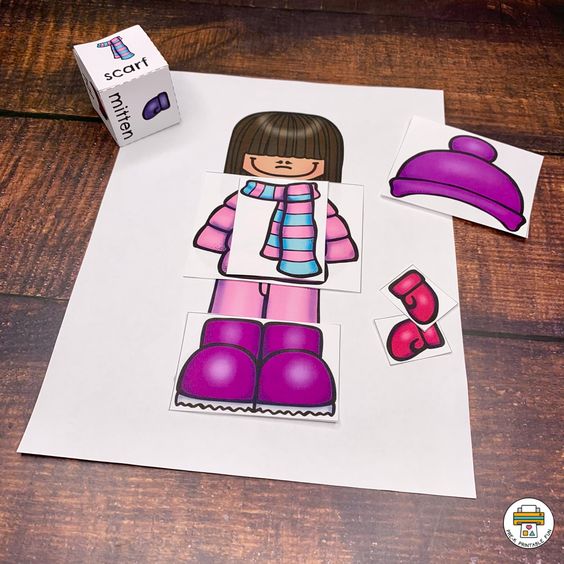
4. Scarf Weaving: Using a cardboard loom or simple finger weaving techniques, show the kids how to weave colorful scarves they can wear.

5. Button Jewelry: Encourage creativity by helping them make necklaces or bracelets using buttons and elastic string.

6. Costume Designing Contest: Provide a trunk full of old clothes and accessories and watch as they compete to create the most fantastic outfits.

7. Flip-Flop Decorating: Let the kids customize their sandals with brightly colored paints or adornments like sequins and beads.

8. Pajama Party Fashion Show: Organize a sleepover with an added twist – have a fashion show featuring unique pajama outfits.

9. Patchwork Quilt Art: Guide your child in sewing together various fabric squares to compose a vibrant quilt.

10. Fabric Painting: Supply fabric markers or fabric paint for the kids to design their wearable art on shirts, bags, or shoes.

11. Clothes Swap Party: Initiate a clothing exchange event where each kid brings gently used items they don’t wear anymore – and may discover exciting “new” treasures in return!

12. Upcycle Old Clothes: Show children how to transform outdated outfits or damaged clothes into stylish new garments by cutting, sewing, and adding embellishments.

13. Friendship Bracelets: Teach kids to create colorful bracelets as gifts for their friends, using embroidery threads and simple braiding techniques.

14. Puffy Paint Hats: Have the kids design their hats by applying puffy fabric paint and even sparkly gems.

15. T-shirt Tote Bags: Guide your child in repurposing old t-shirts into functional, eco-friendly tote bags with minimal sewing effort.

16. Dress-up Relay Race: Arrange a relay race where kids must quickly don costumes, then undress and pass the outfit to the next team member.

17. Shoe Box Dollhouse: Encourage your child to build a dollhouse from shoeboxes using fabric, paper, and other materials.

18. Sewing Starter Kit: Provide basic sewing materials and teach your little one foundational stitches they can use to mend or customize clothes.

19. Baby Clothes Memory Quilt: Preserve your child’s adorable baby clothes by crafting them into a patchwork memory quilt, which will be cherished for years.

20. Clothing Charades: Play a game of charades themed around clothing items – it’s sure to bring lots of laughter!

21. Superhero Capes: Help your child feel like a hero by turning old t-shirts into capes with simple cutting techniques.

22. Denim Pencil Cases: Upcycle outgrown jeans into practical yet fashionable pencil cases – perfect for back-to-school excitement!

These clothing activities offer endless possibilities for creative expression while fostering valuable skills such as hand-eye coordination, problem-solving, and dexterity. Try out some of these projects with your kids today and watch them grow in confidence as they proudly flaunt their creations!

15 Budgeting Activities For Middle School Students

Introduction:

Budgeting is an important life skill that everyone should learn, and middle school students are no exception. By engaging in budgeting activities, students can develop a strong foundation on personal finance principles that will serve them well throughout their lives. Here are 15 budgeting activities to help teach middle school students the value of money and the importance of budgeting.

1. Create a monthly budget: Have students establish a mock monthly budget for themselves, taking into account their imaginary salary, expenses, and goals. This will help them understand the importance of allocating money responsibly.

2. Track spending: Encourage students to track their actual spending on a daily or weekly basis and compare it with their initial budget plan. This will illustrate how quickly expenses can add up and teach them to be conscious of their spending habits.

3. Comparison shopping: Teach students how to compare prices on different items before making a purchase, emphasizing the importance of spending money wisely.

4. Grocery shopping challenge: Assign students a fixed budget to buy groceries for one week’s worth of meals. This activity encourages creative meal planning and teaches the importance of making wise purchasing decisions.

5. Saving for a goal: Have students set a realistic financial goal, such as buying a new video game or attending a concert, and calculate how long it would take them to reach that goal based on their savings plan.

6. The power of compound interest: Explain compound interest through real-life examples and have students calculate the long-term effects of saving money with interest over time.

7. Needs vs. wants exercise: Help students develop critical thinking skills by distinguishing betweenneeds and wants in various scenarios.

8. Budgeting for vacation: Students create a travel itinerary and budget for a family vacation, considering accommodation costs, transportation, activities, and meals.

9. Financial decision-making role play: Have students participate in role-playing exercises where they must make financial decisions as a group, teaching the importance of communication and collaboration when managing a budget.

10. Making wise financial choices: Present students with different spending options and have them discuss and debate the pros and cons of each choice to determine the best decision for their budget.

11. Opportunity cost: Teach students the concept of opportunity cost – what they give up when choosing one item over another – using real-life examples.

12. Budget game: Students can create or play existing board games that focus on managing money and budgeting, like Monopoly or The Game of Life.

13. Plan a fundraiser: Let students create and implement a fundraising plan to support a cause they care about – this will teach them about budgeting, organization, and goal-setting while being a rewarding team activity.

14. Financial literacy quizzes: Engage students in quizzes that test their knowledge about personal finance topics, helping to reinforce what they’ve learned.

15. Guest speakers: Invite professionals from various financial backgrounds, such as bankers or financial planners, to share their expertise with students and provide real-world insights into budgeting.

Conclusion:

Incorporating these 15 budgeting activities into your middle school curriculum will engage students in interactive learning experiences that will enforce positive financial habits from an early age. By teaching the importance of money management, you are preparing students for a future of financial stability and success.

19 Creative Grinch-Themed Writing Activities  

1. Grinch Character Description: Encourage students to write a detailed description of the Grinch, using descriptive words and phrases from Dr. Seuss’s book as inspiration.

2. The Grinch’s Heart: Ask students to imagine what caused the Grinch’s heart to shrink and write a backstory explaining his transformation.

3. Letters to the Grinch: Have students write persuasive letters to the Grinch, trying to convince him not to steal Christmas.

4. The Grinch’s Redemption: Encourage students to envision how the Grinch might make amends for his actions and write a sequel detailing his journey towards redemption.

5. Cinquain Poetry: Teach your students how to write cinquain poems and ask them to create a poem describing the Grinch or an aspect of his story.

6. Compare and Contrast: Instruct students to compare and contrast the book and movie versions of “How the Grinch Stole Christmas!” in an essay, focusing on elements such as plot, characters, and theme.

7. Whoville News Report: Ask students to write a newspaper article from the perspective of a Whoville journalist, reporting on the disappearance of Christmas items and the eventual return of everything.

8. Describing Whoville: Challenge your students to use their senses and imagination to describe Whoville during Christmas with vivid details.

9. The Forgotten Who: Prompt students to create a new character in Whoville who played a significant role in helping save Christmas but was overlooked by the original story.

10. The Grinch’s Diary: Have students write a series of diary entries from the Grinch’s perspective, detailing his thoughts and emotions throughout the story.

11. Grinchy Acrostic Poems: Teach your students how to write acrostic poems using the letters from the word “Grinch” or other related words.

12. A Grinchy New Year: Encourage students to write a narrative about how the Grinch spent his first New Year’s Eve as a reformed character.

13. What If?: Ask students to write an alternative ending to “How the Grinch Stole Christmas!”, changing a key aspect of the story or adding an unexpected twist.

14. A Grinch Advice Column: Have students create an advice column where the Grinch responds to readers’ letters asking for help with their holiday dilemmas.

15. Dialogue Practice: Encourage students to practice writing dialogue by creating conversations between the Grinch and other characters from the story.

16. Similes and Metaphors: Challenge your students to develop similes and metaphors describing the Grinch or other elements of the story, then incorporate them into creative writing pieces.

17. The Whos’ Traditions: Ask students to imagine and write about unique holiday traditions specific to Whoville residents that were not mentioned in the book or movie.

18. A Lesson Learned: Have your students reflect on what they think was the most important lesson learned by both the Grinch and the Whos at the end of “How the Grinch Stole Christmas!”

19. Opinion Piece: Invite your students to express their opinion on whether or not they think Christmas has become too commercialized, drawing parallels to or contrasting with themes in “How the Grinch Stole Christmas!”

25 Lovely Lorax Activities For Elementary Students

1. Eco-friendly Truffula Trees: Using recycled materials, have students create their version of Truffula trees.

2. Lorax Paper Plate Craft: Decorate paper plates with cut-outs of Lorax characters to bring the story’s key elements to life.

3. Seed Starting Workshop: Teach kids how to start seeds indoors for their outdoor gardens.

4. Nature Collage: Encourage students to collect items from nature, such as leaves and twigs, and use them to create an environmentally-themed art piece.

5. Lorax Quote Posters: Invite kids to design posters featuring their favorite Lorax quotes to display around the classroom.

6. Plant a Tree Day: Organize a tree planting day within the school grounds or community park.

7. Recycled Bookmark Making: Use recycled materials, such as magazines or newspapers, to create colorful bookmarks inspired by the Lorax.

8. Trash Sorting Relay Race: Divide students into teams for a fun relay race where they must sort recyclable materials in separate containers.

9. Musical Forest: Create a musical experience using everyday objects that imitate sounds from nature or from the Lorax movie soundtrack.

10. Classroom Cleanup Challenge: Motivate kids to adopt sustainable habits by organizing weekly recycling and cleanup sessions in the classroom.

11. Sustainable Snack Time: Discuss eco-friendly food choices and encourage children to create healthy snacks with minimal single-use packaging.

12. Water Conservation Game: Play an interactive game aimed at teaching students about conserving water resources.

13. Lorax Scavenger Hunt: Design a scavenger hunt where students uncover hidden clues and complete environmentally-focused tasks.

14. Animal Habitat Exploration: Bring the importance of biodiversity to life by having students research various animal habitats present within their local communities.

15. Mindful Energy Use: Encourage mindfulness about energy consumption through discussions and energy-saving activities.

16. Compost Creation: Build a small compost bin and teach students about the benefits of composting for the environment.

17. Upcycled Art Class: Host an art class that challenges students to create works with upcycled materials found in their homes or classrooms.

18. Pollution Prevention Pledge: Have children sign a pledge promising to reduce their environmental impact by making simple lifestyle changes.

19. Nature Journaling: Introduce nature journaling as a way for kids to observe and record their thoughts about the environment.

20. Homemade Bird Feeders: Assemble bird feeders using recycled materials to teach students about the importance of providing food for local wildlife.

21. Air Quality Experiment: Conduct a simple experiment demonstrating how pollutants can affect air quality.

22. Green Thumbs Club: Start an after-school gardening club with the help of parent volunteers or local gardening experts.

23. Environmentally Friendly Board Game Marathon: Hold a board game event with environmentally-themed games, such as “Save the Planet” or “Go Eco!”

24. Lorax Reading Corner: Designate a cozy reading spot in your classroom themed around “The Lorax,” complete with colorful bean bags, pillows, and decorations.

25. Outdoor Classroom Day: On a warm day, take learning outside and teach children while surrounded by natural beauty, highlighting observations related to the themes in “The Lorax.”

Personalised learning opportunities for able students

Introduction:

As education systems across the world continuously evolve, so too do the methods employed to engage and challenge students. One such method that is gaining popularity is personalised learning. By catering to individuals with unique strengths, passions, and learning styles, personalised learning ensures growth and development for all students, particularly for those who are able. The following article delves into the realm of personalised learning opportunities for able students and discusses how they can unlock their full potential.

Section 1: Defining Personalised Learning and Able Students

Personalised learning is an adaptive approach to education that tailors teaching techniques, subject material, and the pace of instruction according to the unique needs of each student. It fosters a more inclusive classroom experience while driving exceptional academic achievement.

Able students are those who possess a high aptitude in one or more areas, often excelling in academic or creative pursuits. They tend to grasp new concepts quickly and may become disengaged in a traditional classroom setting where they are not adequately challenged.

Section 2: Benefits of Personalised Learning for Able Students

Personalised learning offers several advantages to able students by addressing their specific needs. Some key benefits include:

1. Enhanced Engagement: Personalised content helps keep able students motivated and engaged by presenting them with tasks that are challenging yet achievable.

2. Accelerated Learning: Through customised lesson plans, teachers can provide a suitable pace enabling quicker progress and making efficient use of time.

3. Deeper Understanding: By delving into topics that cater to their interests, able students build strong foundational knowledge resulting in long-term retention.

4. Emotional Well-being: Developing social-emotional skills alongside academics helps boost self-esteem, mental health and overall well-being.

Section 3: Strategies for Implementing Personalised Learning

Teachers play a crucial role in providing personalised learning opportunities for able students. Here are a few strategies teachers can implement:

1. Differentiation: Modify learning materials, assessment procedures, and classroom activities to suit individual needs and abilities.

2. Project-Based Learning: Encourage students to work on self-directed projects with real-world applications that align with their passions.

3. Independent Study: Provide opportunities for able students to engage in self-paced learning or participate in online courses and workshops.

4. Mentorship Programs: Pair able students with mentors who have expertise in their area of interest to help guide their exploration.

Section 4: Tools & Resources for Personalised Learning

To effectively implement personalised learning, teachers can utilize digital tools that equip students with the freedom to learn at their own pace. A few such tools include:

1. earning Management Systems (LMS): Platforms such as Edmodo or Google Classroom provide a centralized hub for managing curriculum, assessment and learning delivery.

2. Online Learning Modules: Websites like Khan Academy, Coursera, and Udemy offer specialised programs which cater to diverse interests and abilities.

3. Educational Apps: Applications like Duolingo and Quizlet provide interactive and engaging content while tracking progress and offering personalized feedback.

Conclusion:

Personalised learning carries immense potential to transform the educational landscape for able students, offering them an opportunity to unleash their creativity, hone their skills, and reach their full potential. With mindful planning, dedicated educators can create tailored experiences that inspire growth and nurture lifelong learners – regardless of where their abilities lie.

Exploring The Wild Side: 15 Diverse Animal Poems For Kids

Introduction:

Children possess a natural curiosity and love for animals. They admire how these creatures move, behave, and interact with their surroundings. It’s important to foster this fascination by introducing kids to the world we share with various species. One way to fuel their imagination and appreciation is through animal-related poetry. These 15 diverse poems will take children on a delightful literary journey through the animal kingdom.

1. “The Owl and the Pussycat” by Edward Lear

A classic nonsense poem that tells the story of an unlikely pair – an owl and a cat – who embark on an adventure together, finding love along the way.

2. “To a Mouse” by Robert Burns

This insightful poem brings forth the similarities between human beings and mice by exploring their similarities in facing struggles and uncertainties.

3. “The Tyger” by William Blake

A timeless piece that ponders about the nature of creation, with a focus on the fierce and powerful tiger.

4. “How Doth The Little Crocodile” by Lewis Carroll

An Alice in Wonderland classic, this poem paints a vivid picture of an elegant crocodile lurking in the water to catch its prey.

5. “There Once Was A Dormouse” by Unknown Author

A light-hearted limerick featuring a mischievous dormouse that comically gets into trouble, teaching children about cause and effect.

6. “Spider On The Floor” by Raffi Cavoukian

A catchy, rhythmic piece that highlights the presence of nature within our own homes through a fun encounter with a spider.

7. “Who Wakes Rooster?” by Lucy Maud Montgomery

A delightful bedtime story poem involving animals on a farm working together in harmony to maintain their daily routines.

8. “The Ants At The Picnic” by Tony Johnston

Inspired by the fun of a family picnic, this poem humorously teaches about the persistence of ants in finding food.

9. “The Yak” by Hilaire Belloc

An entertaining and informative piece that engages children in learning about the enormous and hairy yak, an animal native to the Himalayas.

10. “The Snail” by Christina Rossetti

A short poem that encourages observation, attention to detail, and wonder for the simple yet amazing design of a snail’s shell.

11. “The Circus Elephants” by Margaret Wise Brown

This whimsical take lets children experience the excitement of a circus and its performing elephants through enchanting imagery.

12. “Bear In There” by Shel Silverstein

Escape to the imaginary world within a refrigerator where a polar bear resides – a humorous and light-hearted poem perfect for kids with big imaginations.

13. “Chameleon’s Colors” by Nikki Giovanni

A fun, rhythmic observation of how chameleons can change their colors to match their surroundings – great for teaching kids about adaptability and nature.

14. “Elusive Kangaroo” by A.A. Milne

An engaging read showcasing the speed and agility of kangaroos, ideal for promoting physical activity and imagination in children.

15. “Little Turtle” by Vachel Lindsay

An ode to the calm yet fascinating life of a turtle, this poem exudes serenity while teaching about underwater creatures.

Conclusion:

These 15 diverse animal poems offer children an opportunity to explore nature’s wonders while expanding their literary horizons. Encouraging kids to read and engage with poetry not only sparks their creativity but also helps develop critical thinking skills. So go ahead – ignite their passion for animals and let their imaginations run wild!