Elementary Education

18 Activities To Connect Elementary Learners With Wheels On The Bus

Introduction:

Wheels on the Bus is a timeless song and nursery rhyme that has entertained and educated children for generations. It’s an excellent tool for teachers to use to engage their students in fun, educational activities. This article will discuss 18 activities that can help elementary learners connect with the Wheels on the Bus song in new and creative ways.

1. Reenactment and Performance:

Have the students act out the Wheels on the Bus song while singing it. Encourage them to be creative with their movements to depict each verse.

2. Wheel of Emotions:

Create a wheel of emotions for students to spin. Have them identify which emotion would best represent each verse in the song, such as “happy” for “round and round.”

3. Bus-inspired Art:

Have students create bus-inspired artwork using various art supplies like paints, crayons, or construction paper.

4. Storytelling:

Encourage students to write stories or create a comic strip based on the characters in the Wheels on the Bus song.

5. Bus Stop Math:

Incorporate math by having students calculate distances between pretend bus stops or solve other bus-related math problems.

6. Sound Exploration:

Provide various musical instruments such as tambourines and shakers, encouraging students to experiment with sounds that could accompany each verse of the song.

7. Vocabulary Building:

Create flashcards with words from the song like “wheels,” “bus,” “town,” etc., and have students practice new vocabulary by playing matching or memory games.

8. Field Trip:

Organize a visit to a local bus station or depot so students can see buses up close and interact with real-life drivers.

9. Create Your Own Verse:

Encourage students to write additional verses for Wheels on the Bus based on different vehicles (e.g., fire trucks, motorcycles, airplanes).

10. Puppet Show:

Students can create puppets of the characters within the song and perform a puppet show to the tune of Wheels on the Bus.

11. Scavenger Hunt:

Organize a scavenger hunt where students must find pictures or objects related to the Wheels on the Bus song.

12. Wheelchair-accessible Bus Experience:

Invite someone with a wheelchair to speak about their experiences using accessible public transportation.

13. Collaboration With Music Education:

Work with your school’s music teacher to create a performance incorporating Wheels on the Bus and other transportation-themed songs.

14. Cultural Exploration:

Discuss different modes of transportation used around the world. Incorporate music, food, and other elements from different cultures into your lessons.

15. Building Bridges:

Explore engineering concepts by having students design and construct bridges using marshmallows and toothpicks or other simple materials.

16. Silly Sentences:

Students can practice sentence structure by creating variations of “The wheels on the bus go _________,” filling in the blank with silly or unexpected nouns.

17. Road Safety:

Teach students about road safety rules, street signs, and traffic lights while incorporating Wheels on the Bus themes.

18. Recycling Project:

Encourage students to create bus models using recycled materials like cardboard boxes, paper rolls, or old CDs.

Conclusion:

Connecting learning activities to popular songs such as Wheels on the Bus can help engage elementary learners while reinforcing key educational concepts. With these 18 activities, you’ll provide an enjoyable and educational experience for your students that they’ll never forget.

Top 20 Carousel Activity Ideas To Try With Kids

1. Classic Carousel Ride: The most obvious and fun carousel activity is to take your child for a ride on a classic, old-fashioned carousel. These are usually available at amusement parks or local fairs.

2. DIY Mini Carousel: Create a mini carousel at home using cardboard, paint, and small toys or figurines. This can be a fun craft project for both you and your child, encouraging creativity and imagination.

3. Storytelling Carousel: Make up stories with your child about the different animals on the carousel and their adventures together.

4. Carousel Scavenger Hunt: Visit a carousel and have your kids spot various animals or objects that you’ve pre-selected beforehand. This can be a fun way to test their observational skills.

5. Carousel Painting Party: Set up an easel or paint station near a carousel and let your kids create art inspired by the whirling colors and shapes.

6. Musical Carousel: Play some music while the carousel spins, encouraging kids to dance around and mimic the movement of the carousel animals.

7. Carousel Races: Have your children pick their favorite carousel animal/figure and engage in friendly races as they ride around.

8. Charades with Carousel Animals: Play charades, acting out different carousel animals while others try to guess which animal it is.

9. Carousel Simon Says: Adapt games like Simon Says, where kids follow instructions based on the night’s different carousel movements (i.e., “Simon says, gallop like the horse!”).

10. Photograph Opposite Colors: Teach your children about colors by having them take pictures of the opposite-colored animals on a carousel.

11. Counting Carousel Rides: Want to practice counting numbers? Have kids count how many times their chosen animal comes back around during one rotation.

12. DIY Spinning Top Carousel: Create spinning top carousels from recycled materials like CDs and bottle caps, allowing kids to watch their creations spin in circles.

13. Cupcake Carousel: Create carousel-themed cupcakes together with your child, decorating them with animal figurines or carousel toppers.

14. Carousel Play-Doh: Use Play-Doh to create carousel animals, encouraging creativity and fine motor skill development.

15. Felt Storyboard Carousel: Create a storyboard with felt cutouts of different carousel animals, allowing your child to develop and narrate their own stories.

16. Sing-Along Carousel: Introduce your child to a variety of songs that mention carousels or have carousel-inspired lyrics that they can sing along to while riding.

17. Carousel Diorama: Together with your child, create a diorama of a carousel using clay or paper mache.

18. Themed Dress-Up Day: Have a dress-up day centered around the theme of a carousel, encouraging kids to dress up like their favorite carousel animals.

19. Nighttime Carousel Ride: Experience the magic of riding on an illuminated carousel at night when it’s covered in lights and glowing designs.

20. Carousel Shadow Puppets: Capture the ancient art of shadow puppetry by creating carousel animal scenes using flashlights and handmade puppets at home.

These are just some creative ways you can introduce carousel activities into playtime with your children, fostering valuable developmental skills while enjoying quality time together.

20 Awesome Alligator Activities

Alligators hold a unique fascination for adults and children alike. They are mysterious, awe-inspiring creatures bursting with prehistoric charm. To feed your curiosity or simply to have a great time, here are 20 awesome alligator activities everyone can enjoy.

1. Gator-spotting excursion: Explore the natural habitat of alligators with an expert-led tour in places like Florida and Louisiana.

2. Visit an alligator farm: Take a trip to a dedicated alligator farm where guests can safely observe these fascinating creatures up close.

3. Feed an alligator: Many alligator farms and zoos provide opportunities for visitors to participate in feeding sessions.

4. Watch an alligator wrestling show: Visit a local attraction showcasing professional gator-wranglers who demonstrate their skills in handling these powerful reptiles.

5. Gator-themed arts and crafts: Create your unique alligator art by painting, drawing, or making paper mâché models.

6. Learn about alligator biology: Enhance your knowledge with educational videos, books, and documentaries that delve into the science of these extraordinary animals’ biology and behavior.

7. Attend an alligator themed festival: Check out events like Gatorfest, which showcase folklore, entertainment, and educational exhibits centered around this beloved reptile.

8. Try some gator cuisine: Culinary adventurers might find deep-fried gator bites or other dishes made from responsibly-sourced alligator meat enticing.

9. Participate in an Alligator Race: Find local events where you can witness trained handlers racing the reptiles for some adrenaline-pumping fun!

10. Annual Alligator Hatching Event: Witness the magic of baby gators hatching from their eggs during this fascinating seasonal event.

11. Environmental conservation volunteer work: Pay it forward by participating in protection projects or conservation groups that help preserve habitats suitable for alligators.

12. Read books about alligators: Explore both fiction and non-fiction books dedicated to these amazing creatures for all ages.

13. Photography adventure: Take guided tours to capture breathtaking images of alligators in their natural habitats.

14. Alligator toy makeovers: Transform existing soft toys into alligator-themed creations with some crafting skills and imagination.

15. Watch alligator-themed movies and shows: Enjoy popular movies and TV shows featuring your favorite reptilian stars for a fun family movie night.

16. Create your gator-inspired jewelry: Design custom accessories using charms, beads, and pendants for the perfect fashion statement.

17. DIY alligator costumes: Get creative and craft unique costumes for themed parties, Halloween or simply fun dress-up activities.

18. Fun with alligator board games: Play educational or age-appropriate board games that focus on the world of these fascinating reptiles.

19. Attend an Alligator Science Camp: Enroll yourself or your child in a camp that teaches kids about the biology, ecology, and conservation of alligators through hands-on activities and workshops.

20. Alligator puppet show: Have fun with kids by creating your mix-and-match characters in an engaging puppet show that tells a captivating tale about gators.

These 20 awesome alligator activities are perfect ways to indulge in your love for these incredible creatures in safe, engaging, and fun ways! So grab your friends or family and embark on unforgettable adventures filled with scaly excitement!

28 5th Grade Workbooks To Prepare Your Kid For Middle School

Preparing your child for middle school is an important and exciting milestone. One of the best ways to help them transition smoothly and strengthen their academic skills is by using workbooks specifically designed for 5th graders. Here are 28 workbooks that will not only prepare your child for middle school but also make learning more enjoyable.

1. “Spectrum Math Workbook, Grade 5” by Carson-Dellosa Publishing

2. “Brain Quest Workbook: Grade 5″ by Bridget Heos

3. “Common Core Success Grade 5 Math” by Scholastic Inc.

4. “Wordly Wise 3000 Book 5” by Kenneth Hodkinson, Sandra Adams

5. “Comprehensive Curriculum of Basic Skills Workbook, Grade 5” by Thinking Kids

6. “180 Days of Reading for Fifth Grade” by Shell Education

7. “Easy Grammar: Grade 5″ by Wanda C. Phillips

8. “Skill Sharpeners Critical Thinking, Grade 5” by Evan-Moor Educational Publishers

9. “Practice Makes Perfect Mastering Writing (Grade 5)” by Gary Muschla

10. “Summer Bridge Activities Workbook, Grades 5-6” by Summer Bridge Activities

11. “Everything You Need to Ace Science in One Big Fat Notebook (Grades4-6)” by Workman Publishing

12. “Math Practice, Grade 5 (Singapore Math)” by Frank Schaffer Publications

13. “50+ Super-Fun Math Activities: Grade 5″ by Michele Mangan, Mary Remedios, Susan Gorland Rizkalla.

14. “Daily Word Ladders: Grades 4–6” by Timothy Rasinski

15. “Fifth Grade Common Core ELA (English Language Arts) Daily Practice Workbook” by ArgoPrep

16. “TCR3975 Writing Fabulous Sentences & Paragraphs (Grades 4-6)” by Teacher Created Resources

17. “5th Grade Super Math Success” by Sylvan Learning Publishing

18. “Build Better Writers Step-By-Step Lessons (Grades 4-6)” by Kelley Wingate Levy and Karen Sevaly

19. “STEM Starters for Kids Science Activity Book” by Jenny Jacoby

20. “5th Grade Jumbo Reading Success Workbook” by Scholastic Teaching Resources

21. “History Pockets Exploration, New World Cultures, Grades 4-6” by Evan-Moor Educational Publishers

22. “Write About Math: 50 Creative Writing Prompts to Build Skills and Confidence” by Hope Saska

23. “Daily Practice Workbook: 5th Grade Reading Comprehension and Writing Skills” by Lumos Learning

24. “Shakespeare Stories for Kids: 20 Timeless Tales in 1 Book (Grade 5)” by Macaw Books

25. “Decimals and Fractions (Grades 5-8)” by Spectrum

26. “Geography Challenge! Level 1 Workbook (Grades 4–6)” by Highlights Learning

27. “180 Days of Problem Solving for Fifth Grade” by Shell Education

28. “Spectrum Language Arts, Grade 5” by Carson-Dellosa Publishing

These 28 workbooks offer a diverse range of subjects and skills aimed at ensuring that your child is fully prepared for the challenges ahead in middle school. Investing in their success now will not only boost their confidence but also make the transition from elementary to middle school a positive experience for your entire family.

20 Remembrance Day Activities for Elementary Students

1. Poppy Collages: Have students gather materials like tissue paper, construction paper, and glue to design colorful poppy collages as a tribute to fallen soldiers.

2. Acrostic Poems: Encourage students to write an acrostic poem using the word “REMEMBRANCE,” where each letter starts a new line of the poem.

3. Thank You Letters: Have students write heartfelt thank you letters to veterans and active service members expressing their gratitude for their sacrifices.

4. Poster Contest: Organize a school-wide poster contest with themes surrounding Remembrance Day, encouraging students to incorporate symbols like poppies and doves.

5. Themed Bookmarks: Allow students to design and create bookmarks with Remembrance Day imagery and quotes.

6. Moment of Silence: Teach students the importance of observing a moment of silence on Remembrance Day at 11:00 am by explaining its significance.

7. Read-Aloud Time: Select age-appropriate books that explore the themes of Remembrance Day, and read them aloud in class.

8. War Memorial Field Trip: Arrange a trip to your local war memorial, where students can learn about their community’s history and pay their respects.

9. Reciting “In Flanders Fields”: Teach the famous poem “In Flanders Fields” by John McCrae and have students perform a choral recitation in unison.

10. History Lesson: Provide a brief history lesson on the origins of Remembrance Day so that students understand the importance behind the commemorations.

11. Symbolic Poppy Garden: Invite your class to create a garden using red cupcake liners as poppies, signifying remembrance and honoring those who served.

12. Hero Biography Presentations: Assign each student a historical figure or veteran and have them research and present their hero’s story to the class.

13. Wartime Songs: Teach students wartime songs and have them perform a mini-concert in honor of Remembrance Day.

14. Peace Dove Art Project: Have students create doves out of construction paper, representing peace and hope for a brighter future.

15. Classroom Wreath: As a group project, have students collaborate on making a Remembrance Day wreath from paper poppies or handprints.

16. Daily Journal Prompt: Introduce daily journal prompts about themes related to Remembrance Day, prompting students to reflect on gratitude, sacrifice, and the importance of remembering the past.

17. Question & Answer Session: Invite a veteran or service member into your classroom for an engaging question and answer session, allowing students to gain firsthand insight into the experiences of those who have served their country.

18. Flag Folding Ceremony: Teach students how to properly fold a flag while discussing its symbolism and significance in relation to Remembrance Day.

19. Classroom Discussion: Facilitate a classroom discussion on the importance of respecting and honoring veterans, encouraging students to share their thoughts and feelings.

20. Time Capsule Activity: Have your class create a time capsule with letters or artwork expressing what Remembrance Day means to them, sealing it up to be opened years later as a reminder of their understanding and appreciation for this important day.

12 “5 Little Pumpkins” Activities for Elementary Fall Fun

Introduction:

The autumn season is the perfect time to introduce fun and educational activities for children. The classic “5 Little Pumpkins” rhyme is a favorite among elementary students and can easily be transformed into engaging and interactive activities. Here are 12 “5 Little Pumpkins” activities for elementary fall fun that teachers and parents alike can use to make learning enjoyable.

1. Pumpkin Finger Painting:

Let your kids unleash their creativity by painting the five little pumpkins using finger paint. This sensory activity encourages fine motor skills, color recognition, and artistic expression.

2. Pumpkin Counting Game:

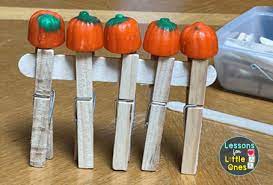
Create a counting game with five pumpkin cutouts placed on a table or workspace. As the children count each pumpkin, they practice number recognition and one-to-one correspondence.

3. Felt Board Storytelling:

Design a felt board with five little pumpkins and their corresponding characters from the rhyme. Kids can use these felt pieces to retell the story, fostering creative thinking and narrative skills.

4. Five Little Pumpkins Puzzle:

Prepare a simple five-piece puzzle depicting each pumpkin from the rhyme. This will help young learners in problem-solving, shape recognition, and spatial awareness.

5. Pumpkin Patch Math:

Using pumpkin-shaped counters, students can practice their addition, subtraction, and multiplication skills in hands-on math exercises.

6. Pumpkin Emotion Exploration:

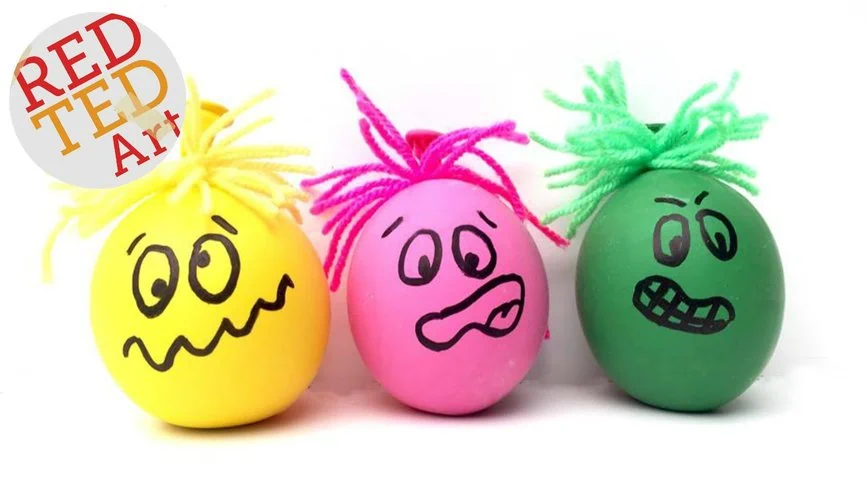
Introduce an activity that explores different emotions and expressions using each of the five pumpkins as inspirations for happy, sad, angry, surprised, and scared faces.

7. STEM Pumpkin Stacking Activity:

Challenge students to create towers using mini pumpkins or pumpkin-themed objects. Kids can then measure their structures height to learn about measurement concepts.

8. Five Little Pumpkins Memory Game:

Craft a simple memory card game using images of pumpkins with corresponding numbers from 1-5 on them. This activity improves memory and concentration while reinforcing number recognition.

9. Pumpkin Seed Art:

Provide students with pumpkin seeds to create mosaics or portraits. This activity can help to develop fine motor skills, creativity, and attention to detail.

10. Five Little Pumpkins Sensory Bin:

Fill a sensory bin with fall-themed items such as leaves, acorns, and small pumpkins. Children can explore the contents and create their own stories about the five little pumpkins using the items in the bin.

11. Pumpkin Sight Word Hunt:

Write common sight words on mini pumpkins or pumpkin cutouts and hide them around the classroom or at home for kids to find. They can practice reading and recognizing the words as they search for the hidden pumpkins.

12. Five Little Pumpkins Yoga:

Encourage movement, balance, and mindfulness by teaching children yoga poses inspired by the five little pumpkins theme. Every pose can be named after one of the five pumpkins with a unique story attached.

Conclusion:

These 12 “5 Little Pumpkins” activities offer endless opportunities for elementary students to learn while having fun this fall. From developing critical math and reading skills to fostering creativity and collaboration, these activities will have children excited about learning during the autumn season.

25 Parent Involvement Activities for Elementary Schools

Introduction:

An involved parent community plays a key role in a child’s academic success. In elementary schools, parent participation not only supports children’s learning but also promotes a positive school culture. Here are 25 parent involvement activities designed to strengthen the connection between parents, students, and schools.

1. Back-to-School Night: Begin building connections by hosting a back-to-school night where teachers, students, and parents can meet and foster relationships.

2. Parent Workshops: Offer informative workshops on topics such as study habits, online safety, or effective communication with children.

3. Classroom Breakfasts: Invite parents to enjoy breakfast with their child in the classroom once a month to encourage bonding and engagement in school life.

4. Family Fun Nights: Schedule regular family-centered events such as movie nights or game nights at your school.

5. Parent-Teacher Conferences: Organize periodic conferences for teachers and parents to discuss student progress.

6. Reading Buddies: Create partnerships between parents and students to read together and promote literacy.

7. Career Day Presentations: Invite parents to present on their careers during classroom sessions, exposing students to various professions.

8. Class Specific Facebook Groups: Establish private groups where class updates can be shared and questions addressed by teachers and parents alike.

9. Classroom Volunteers: Provide opportunities for parents to assist in daily classroom activities or special events.

10. Attend Field Trips: Request parent chaperones for educational excursions.

11. Fundraising Committees: Recruit parents to help organize fundraisers supporting educational initiatives or resources for the school.

12. Book Fairs: Coordinate yearly book fairs that involve parents in promoting reading and selecting age-appropriate materials for their children.

13. International Night: Celebrate cultural diversity by encouraging families to share their heritage through food, music, and art.

14. School Improvement Projects: Engage parents in beautification efforts or resource campaigns to better the school environment.

15. Parent Teacher Organization (PTO): Establish an active PTO where parents can advocate for school policies and be involved in decision-making processes.

16. Student Recognition Programs: Involve parents in recognizing their children’s achievements through awards ceremonies and special celebrations.

17. School Plays and Concerts: Encourage parents to attend school performances to show their support for their children’s creativity and talent.

18. Sports Day: Organize a day of friendly athletic competitions with parent-student teams, promoting an active lifestyle and school spirit.

19. School Newsletter: Include a section highlighting parent contributions and celebrating their active role within the school community.

20. Science Fairs: Invite parents to participate in annual science fairs, either by helping their children develop projects or serving as judges.

21. Art Exhibitions: Showcase students’ artwork with the help of parent volunteers setting up exhibits around the campus.

22. Beautification Days: Designate a day for families to work together on landscaping projects or cleaning initiatives at the school.

23. Parent Mentors: Pair experienced parents with new families to help them navigate the school system and alleviate common concerns.

24. Open Classrooms: Allow parents to attend lessons on designated days, providing insight into the learning process within the classroom.

25. Afterschool Clubs: Collaborate with parents in developing and leading extracurricular activities that foster student interests and talents.

Conclusion:

A thriving elementary school depends on strong parent involvement. By offering diverse opportunities for parental participation, schools can foster positive relationships that ultimately benefit students in their educational journey and personal development. Prioritize establishing a committed parent community in your elementary school and witness its profound impact on students’ success, morale, and connection to the school community.

12 Grounding Exercises For Kids: Promoting Calm and Focus In The Classroom

Introduction:

As educators and parents, finding ways to help children feel calm and focused in the classroom is essential for their learning and overall well-being. Grounding exercises have become popular as an effective way to achieve this goal. These exercises can be especially beneficial for children struggling with anxiety, stress, or attention difficulties. Here are 12 grounding exercises designed for kids that you can implement in your classroom to promote a sense of calm and focus.

1. Deep Breathing

Deep breathing is a simple yet powerful technique that helps children calm down and refocus. Encourage students to take slow, deep breaths while focusing on the sensation of the air entering and leaving their lungs.

2. Progressive Muscle Relaxation

This exercise involves tensing and relaxing different muscle groups in the body. Guide students through this calming practice, starting with their toes and working up to their head.

3. Five Senses Awareness

Ask students to focus on each of their five senses – sight, sound, smell, taste, and touch – one at a time. This grounding exercise promotes mindfulness and increases awareness of the present moment.

4. Guided Imagery

Guide your students through a relaxing mental journey by describing a peaceful scene like a beach or forest. Have them use their imagination to experience the scene using all five senses.

5. Body Scanning

Instruct students to slowly bring attention to each part of their body, starting from their head down to their toes, noting any sensations or tension they experience along the way.

6. Mindful Coloring

Provide coloring sheets with intricate designs or mandalas for your students to color mindfully. Encourage them to focus on each stroke as they fill in the patterns.

7. Balancing Poses

Encourage students to practice simple balancing poses, like tree pose or warrior III. These poses require concentration and help sharpen focus while providing a physical anchor.

8. The 5-4-3-2-1 Technique

In this grounding exercise, students list five things they can see, four things they can touch, three things they can hear, two things they can smell, and one thing they can taste. This practice helps bring awareness to the present moment.

9. Mindful Listening

Play soothing nature sounds or gentle music and have students focus solely on the sounds they’re hearing as they let go of any distractions.

10. Positive Affirmations

Encourage students to repeat positive affirmations like “I am calm and focused” or “I can handle anything that comes my way” to promote a positive mindset.

11. Seated Twist Stretch

Have children sit on the floor with their legs crossed and gently twist their upper bodies from side to side, focusing on their breath throughout the movement.

12. Visualization of Roots

Ask students to imagine roots growing from the soles of their feet deep into the ground. This visualization helps create a sense of stability and connection with the earth.

Conclusion:

Incorporating grounding exercises for kids in your classroom routine will not only help create a peaceful and focused learning environment but also teach valuable skills for managing stress and cultivating mindfulness that students can carry into adulthood. Practicing these exercises regularly improves their ability to concentrate, regulate emotions, and handle challenges more effectively. So, give these 12 grounding exercises a try and watch as calm and focus flourish in your classroom!

15 Inspiring Mental Health Activities For Elementary Students

Introduction

Mental health is an essential aspect of a child’s overall well-being, and it’s crucial to encourage and develop it from an early age. Educators, parents, and caregivers need to actively promote positive mental health activities for elementary students. Here’s a list of 15 inspiring mental health activities that are perfect for young learners:

1. Daily Mood Check-In

Start each day with a mood check-in, allowing students to express their feelings by choosing a emoji or drawing a face that reflects their emotions.

2. Mindful Breathing Exercises

Teaching elementary students guided breathing exercises can help them reduce stress and focus better in the classroom.

3. Gratitude Journals

Have students keep gratitude journals where they write about things they’re thankful for. This exercise promotes positive thinking.

4. Yoga For Kids

Child-friendly yoga sessions not only help improve flexibility and strength, but also encourage relaxation and mindfulness.

5. Encourage Active Play

Promote active play during recess or physical education classes, which is essential for emotional well-being.

6. Role-Playing Activities

Simulated situations with role-playing activities provide opportunities for kids to explore their emotions and practice empathy.

7. Collaborative Art Projects

Group art projects foster the development of creative expression, teamwork, and self-confidence.

8. Reading Emotions Through Books

Explore various emotions throughout age-appropriate books, from happiness to sadness or fear, prompting healthy discussions around feelings.

9. Acts of Kindness

Challenge children to perform acts of kindness daily; this practice enhances their empathy and social skills.

10. Mindful Listening Lessons

Teach students the skill of mindful listening through activities that focus on paying attention to sounds in their environment.

11. Emotion Charades

Students gain emotional awareness by acting out different emotions through charades while classmates attempt to identify the depicted feelings.

12. Social Skill Building Games

Games like The Empathy Game or Friendship Bingo help children practice social skills and emotional intelligence.

13. Positive Affirmation Wall

Create a wall where students can post positive affirmations about themselves and their classmates, promoting self-esteem and peer support.

14. Feeling Faces Collage

Students make collages using images of faces displaying various emotions. This activity promotes emotional identification and recognition.

15. Classroom Relaxation Corner

Designate a quiet corner for relaxation in the classroom, complete with bean bags, soft blankets, and calming books for students who need to take breaks during the day.

Conclusion

Promoting mental health in elementary students through fun and engaging activities is essential to their overall development. These 15 activities are great starting points for fostering a positive foundation of emotional well-being in young learners. Encourage them to express themselves openly and cultivate an environment that fosters empathy, resilience, and personal growth.

A Spooky Spin on Story Time: A Creative Activity Inspired by “Creepy Pair of Underwear”

Introduction

If you’re looking for a fun and interactive way to engage children in the wonders of reading, look no further! “Creepy Pair of Underwear” by Aaron Reynolds and illustrated by Peter Brown is a delightful picture book that offers just the right amount of spooky fun. Today, we’ll discuss a creative activity inspired by this unique tale, guaranteed to entertain both kids and adults alike.

The Book: Creepy Pair of Underwear

In this charming story, young Jasper Rabbit faces an eerie problem – his new pair of underwear is creepy! Glowing an eerie green, this unusual underwear seems to have a mind of its own as it follows him around, lurking in dark corners or even reappearing in his drawer after being discarded. Much to his surprise and dismay, Jasper finds himself chased, spooked, and frustrated by the strange garment. Ultimately, he must confront his fears to regain control over these mysterious underpants.

The Activity: Creepy Underwear Crafting

To bring this story to life and spark children’s creativity, try organizing a “Creepy Underwear Crafting” session with colorful materials and supplies. Here’s how:

1. Materials:

– Plain white underwear in child-size (preferably cotton)

– Glow-in-the-dark fabric paint

– Fabric markers or fabric crayons

– Paintbrushes

– Googly eyes (optional)

– Glue (if using googly eyes)

2. Instructions:

– Give each participant a pair of plain white underwear.

– Display the book “Creepy Pair of Underwear” nearby for inspiration.

– Encourage the children to imagine their own spooky or funny underwear design and begin decorating their briefs accordingly using glow-in-the-dark fabric paint and markers.

– If desired, they can also add googly eyes to create additional creepy creatures on their underwear.

– Allow the paint and glue to dry before taking the underwear home.

Conclusion

With this unique activity inspired by “Creepy Pair of Underwear,” children can explore their creativity while bonding over a fun, enchanting story. It’s a wonderful way to promote reading comprehension, connect with the material, and offer kids a memorable experience they can carry with them long after the book has been closed. So gather your reading circle, open Aaron Reynolds and Peter Brown’s quirky tale, and create some creepy underwear of your very own!