Elementary Education

24 Superb Suffix Activities For Elementary & Middle School Learners

1. Suffix Sort: Provide students with a list of words and have them sort the words by their suffixes.

2. Suffix Bingo: Create bingo cards with common suffixes and call out words that contain those suffixes.

3. Suffix Puzzles: Create puzzles that require students to match words with their corresponding suffixes.

4. Suffix Concentration: Have students match pairs of cards with the same suffix, testing their memory and focusing on suffix recognition.

5. Root Word Relay: Students race against each other to complete root words by adding the correct suffix.

6. Suffix Jeopardy: Create a Jeopardy-style game with categories based on different types of suffixes.

7. Suffix Stories: Students create stories using as many words containing specific suffixes as possible.

8. Suffix Scavenger Hunt: Hide words containing various suffixes around the classroom and challenge students to find them all.

9. Build-A-Word: Provide root words and a selection of suffixes for students to combine in order to create new words.

10. Suffix Chain Reaction: Students begin with a word containing a certain suffix, then find another word with the same suffix that begins with the last letter of the previous word, creating a chain of related words.

11. Fill In The Blank: Present sentences to students with missing words or endings; students must use their knowledge of suffixes to fill in the blanks correctly.

12. Class Poll: Survey the class to collect data on various topics, then have students analyze the data and present results using words with appropriate suffixes.

13. Word Ladder: Students progress through a series of words by changing one letter at a time, focusing on appropriate suffix usage.

14. Suffix Charades: Students act out words containing specific suffixes for their classmates to guess.

15. Suffix Word Wheel: Create a word wheel with various suffixes and spin it to challenge students to come up with words that contain that specific suffix.

16. Root Word Baseball: Divide the class into teams and pitch root words; students must add the correct suffix to hit a home run.

17. Suffix Crossword: Develop a crossword puzzle using words that contain specific suffixes as answers.

18. Suffix Telephone: Like the classic game of Telephone, students whisper words containing target suffixes down the line, seeing how accurate they can keep the original word intact.

19. Suffix Pyramid: Challenge students to build pyramids by stacking words containing a specific suffix from shortest to longest.

20. Friendly Competition: Organize friendly competitions between groups or pairs where students are challenged to list as many words containing specific suffixes within a given time limit.

21. Suffix Graffiti Wall: Set up an area in the classroom where students can write new words they learn that contain specific suffixes.

22. Suffix Mini Books: Have students create mini-books showcasing examples and definitions of various suffixes.=

23. Suffix Skits: Assign groups of students different suffixes and have them create short skits demonstrating the meanings of those suffixes in context.

24. Interactive Word Clouds: Use digital tools to create interactive word clouds based on the frequency of use of words with specific suffixes in written or spoken language.

Top 20 Drawing Conclusions Activities  

1. Mystery Box

Place random objects in a box and have students draw conclusions about what might be inside based on clues and their observations.

2. Picture Analysis

Provide a series of pictures or photos without any context. Ask students to analyze the images and draw conclusions about what might be happening in each.

3. Story Sequencing

Arrange a set of story events in random order. Have students sequence them logically and draw conclusions about the story’s plot.

4. Advertisement Analysis

Show students various advertisements and ask them to draw conclusions about the products or services being offered.

5. “What if?” Scenarios

Present hypothetical scenarios and let students draw conclusions about potential outcomes.

6. Silent Movie

Provide a short, silent video clip, asking students to observe every detail and then conclude what is happening based on visual cues.

7. Odd One Out

Present groups of items or situations and ask students to determine which item is the odd one out and why.

8. Facial Recognition

Have students analyze different facial expressions to draw conclusions about emotions or feelings portrayed by individuals in photographs or drawings.

9. Fact or Opinion?

Present a list of statements asking students to discern between fact and opinion, drawing conclusions regarding the nature of each statement.

10. Decode Body Language

Provide images or videos demonstrating non-verbal cues for students to analyze and conclude what message is being conveyed through body language.

11. Newspaper Headline Analysis

Have students read headlines from newspapers or online news sites, drawing conclusions about the content of articles based solely on headlines.

12. Graph Interpretation

Students analyze various graphs (bar, line, pie), making conclusions about the data presented without additional context.

13. Matchstick Puzzles

Pose matchstick puzzles for students to solve by manipulating matchsticks and drawing conclusions based on their observations.

14. Wordless Picture Books

Have students explore wordless picture books, encouraging them to create stories and conclusions based on the illustrations.

15. Debate Assumptions

In a debate-style format, have students argue for or against various assumptions, using their critical thinking skills to create reasoned conclusions.

16. What’s the Motive?

Present different actions or behaviors and ask students to analyze them and draw conclusions about the motives behind those actions.

17. “Before and After” Puzzles

Have students study “before and after” images or scenarios, encouraging them to conclude what events contributed to the change.

18. Character Assessment

Present descriptions of fictional characters and ask students to analyze them, drawing conclusions about their traits or story roles based on provided information.

19. Cause and Effect Analysis

Provide a set of cause and effect statements for students to evaluate, leading them to draw conclusions about relationships between events or actions.

20. Riddles and Brainteasers

Challenge students with riddles and brainteasers that require critical thinking skills to solve and draw conclusions.

These activities aim to enhance critical thinking skills by engaging students in entertaining, thought-provoking exercises that challenge their ability to make logical conclusions. With practice, students will become more analytical thinkers as they learn to draw conclusions based on observation, analysis, and reasoning.

23 Visual Picture Activities For Students

Engaging students visually can help make learning more interesting, memorable, and enjoyable. By incorporating visual picture activities into lessons, educators can encourage students to use their creativity and imagination while teaching important concepts and skills. Here is a list of 23 visual picture activities for students to explore.

1. Collage Creation: Encourage students to create collages from various images, combining them to express a theme or idea.

2. Storyboarding: Have students create storyboards for a short story or film, using pictures to visualize scenes and plot events.

3. Magazine Cover Design: Ask students to design a magazine cover using photos and text.

4. Descriptive Drawing: Students describe a picture in words without showing it to their peers. Their peers then try to draw the image based on the description.

5. Thematic Artwork: Assign a theme and have students create artwork around that topic.

6. Image Analysis: Analyze images related to a specific historical event or time period, discussing what they convey about the era.

7. Visual Vocabulary: Use icons or images instead of words for vocabulary flashcards.

8. Predictive Photography: Show students photographs from different periods in time and have them predict what might happen next.

9. Create Visual Timelines: Allow students to create visual timelines for historical events using images and illustrations instead of text.

10. Wordless Comics: Encourage students to create wordless comic strips that rely solely on imagery.

11. Metaphor Illustration: Pair students up and provide each pair with an abstract concept (e.g., love, justice) for which they must find or create an image that represents it metaphorically.

12. Symbolism in Art: Explore famous art pieces, discussing the symbolism found within each piece through pictures.

13. Advertisement Analysis: Analyze advertisements for their visual elements and messages.

14. Portraiture Study: Study artistic portraits, discussing the techniques and intentions of the artists.

15. Optical Illusions: Enjoy various optical illusions, teaching students about depth perception and artistic techniques that create these effects.

16. Memory Drawing: Show a picture to students briefly, then have them recreate it from memory.

17. Visual Journaling: Encourage students to keep a visual journal in which they draw, paint, or collage, reflecting their experiences and emotions.

18. Mystery Images: Project an image with part of it covered, asking students to predict what it will look like when fully revealed.

19. Image Puzzles: Cut pictures into pieces and have students reassemble the images as puzzles.

20. Picture Alphabet: Challenge students to create an alphabet using images that represent each letter’s sound.

21. Before & After Photos: Analyze before and after photos on various subjects (e.g., room makeovers, natural disasters), discussing changes and differences seen within the images.

23. Emotional Expression: Choose a range of emotions (e.g., happiness, sadness) and have students find or create images that evoke these feelings.

24. Silent Movie Production: Divide students into groups and assign them to create short silent films or slideshows that convey a story through visual imagery alone.

In conclusion, visual picture activities are versatile tools that can help teachers make lessons more engaging and memorable for learners of all ages. By incorporating picture activities in the classroom, educators can enhance learning outcomes while fostering creativity and critical thinking in their students.

Beat Those First-Day Jitters: 15 Fun Activities To Start The School Year With Confidence

Starting a new school year can be nerve-wracking for students of all ages – but it doesn’t have to be! With the right mix of icebreakers, team-building exercises, and confidence-boosting activities, you can empower your students to approach the new year with joy, excitement, and self-assurance. Check out these 15 fun activities designed to help everyone kick off the school year with confidence!

1. Two Truths and a Lie: Ask students to share three statements about themselves: two truths and one lie. The rest of the class must guess which statement is not true.

2. Human Bingo: Create bingo cards with various characteristics or experiences in each square. Students walk around and find classmates who match the descriptions to fill their cards.

3. Classroom Scavenger Hunt: Hide objects or clues throughout the room and have students work together to find them.

4. Show-and-Tell: Allow students to bring in a personal item that represents them or something they are passionate about and share it with the class.

5. Circle of Encouragement: Have students stand in a circle and take turns receiving positive affirmations from their classmates.

6. Syllabus Quiz Show: Turn your class syllabus into a game show by organizing a quiz or trivia-style event that covers key content.

7. Name Tangle: Students grab hands across a circle, forming a human knot, then work together to untangle themselves without letting go.

8. Goal Setting Poster: Encourage students to set goals for the year by creating personalized posters reflecting their objectives, then display them throughout the classroom as motivation.

9. Classmate Interviews: Pair students up for one-on-one interviews, then have them introduce their partner to the class afterward.

10. Compliment Ball Toss: Students toss a ball around while sharing a compliment about the classmate they throw it to.

11. New Word Challenge: Have students share an interesting or obscure word they know, followed by a brief discussion about its meaning and how to use it.

12. Class Art Project: Collaborate on a communal art piece related to the subjects being taught or your classroom theme, fostering a sense of unity and creativity.

14. Multicultural Potluck: Organize a potluck where students bring in a dish from their heritage or culture to encourage sharing and appreciation for diversity.

15. Get-To-Know-You Photos: Take Polaroid photos of each student holding a small whiteboard with three words that describe them; arrange as a display for classmates to see.

16. First-Day Time Capsule: Ask students to write down their hopes, fears, or goals for the year and seal them in a jar or box. Open the time capsule together on the last day of school.

By incorporating these engaging activities into your first-day lesson plan, you can help create a supportive atmosphere where students feel at ease and excited for what lies ahead. As a result, they will be better equipped to face challenges throughout the year with confidence and enthusiasm.

24 Creative Cat In The Hat Activities for Kids

Introduction

The timeless and engaging book, “The Cat in the Hat” by Dr. Seuss, has provided endless fun for generations of children. With its whimsical illustrations and playful rhymes, it’s an enjoyable way to teach young kids about reading and comprehension. Here are 24 creative Cat in the Hat activities that will entertain and educate your little ones.

1. Hat toss: Kids will have a blast tossing beanbags or softballs into a large hat or bucket.

2. Rhyming game: Create flashcards with words from the book and have the children find matching rhymes.

3. Pin the hat on the cat: A delightful spin on the classic game of pin the tail on the donkey.

4. Paper plate Cat’s face: Use plates, construction paper, and markers to create a delightful Cat in the Hat face.

5. Storytelling time: Have older children read the book aloud to their younger siblings or friends.

6. Cat in the Hat puppet show: Create simple puppets using paper bags or socks, then let children act out scenes from the book.

7. Make a Thing 1 & Thing 2 mask: Children can unleash their creativity while making their own Thing 1 and Thing 2 masks using cardstock, string, and markers.

8. Hat stack race: Compete against each other stacking hats without them falling over in a fun relay race.

9. Fishbowl relay game: Teams race to transfer fish-shaped items from one bowl to another using spoons.

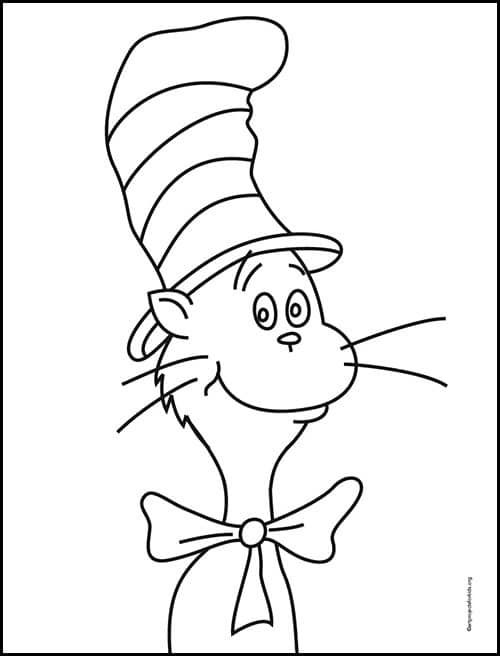
10. Coloring pages: Print out coloring pages featuring characters from the book for a quiet activity during downtime.

11. Create your own Dr. Seuss rhyme: Challenge older kids to create their Dr. Seuss-style rhymes based on words found around them.

12. Cat’s hat snack: Make fun edible hats by stacking fruit, like strawberries and bananas.

13. Memory game: Place items from the story on a tray, let children study them for a moment, then cover the items and have them recall as many as possible.

14. Dress up station: Encourage imaginative play by providing costumes and props related to the book.

15. Truffula tree craft: Craft fluffy Truffula trees using yarn or cotton balls, paint, and pipe cleaners.

16. Cat in the Hat word search: Create a customized word search puzzle featuring Dr. Seuss vocabulary.

17. Hat matching game: Play this entertaining card game finding sets of matching hats according to their colors, patterns, or themes.

18. Fish toss: Children toss fish-shaped beanbags into a bucket or basket for a fun challenge.

19. “I Can Do That!” Game: Divide players into teams and have them complete silly challenges based on actions from the book.

20. Theme scavenger hunt: Create a scavenger hunt with items related to the story for children to find around the house or classroom.

21. Balancing Act: Have kids attempt to balance various objects while completing simple tasks, just like The Cat in the Hat!

22. Bowling with bottles: Turn empty bottles into pins decorated like characters and let kids bowl using a soft ball or toy.

23. Dancing with Thing 1 and Thing 2: Play fun music and encourage children to dance like Thing 1 and Thing 2.

24. Create your own storybook: Provide paper and art supplies for kids to illustrate their own Cat in the Hat adventure.

Conclusion

These 24 creative Cat in the Hat activities will bring delightful memories of Dr. Seuss’s captivating world of imagination and fun for your little ones.

30 Fantastic Father’s Day Writing Activities

Father’s Day is a special time to honor and celebrate the fathers and father figures in our lives. A great way to show love and appreciation is through writing, as it allows for personal expression and creativity. With that in mind, we’ve compiled a list of 30 Father’s Day writing activities that the whole family can enjoy!

1. Write a heartfelt letter or poem expressing your love and gratitude for your father.

2. Draft a fictional short story starring your dad as the main character.

3. Pen a script for a humorous skit featuring different father scenarios.

4. Create a crossword puzzle filled with clues about your father’s interests and hobbies.

5. Compose a song or rap dedicated to your dad, showcasing his unique qualities.

6. Design a comic strip that captures an amusing moment with your father.

7. Concoct a playful list of dad-related puns, jokes or riddles.

8. Author an article about an unforgettable childhood memory with your dad.

9. Compile and caption photos in an album, narrating each moment with your father.

10. Invent an imaginary adventure story that you’d love to experience with your dad.

11. Interview your dad about his life for an ‘in his own words’ memoir.

12. Assemble a collection of heartfelt notes from each family member honoring your father.

13. Write thank-you cards to all the other fathers who have positively impacted your life.

14. Craft personalized gift tags with creative poems or quotes for Father’s Day gifts.

15. Pen haikus celebrating fatherhood for you and other family members to read together on Father’s Day.

16. Create acrostic poems using the phrase “Father’s Day” or using each letter of your dad’s name as inspiration

17. Share recipes and favorite food memories involving your dad, compiling them into a booklet he can keep in the kitchen.

18. Write a speech to honor your father at a Father’s Day celebration or family gathering.

19. Make and write personalized DIY coupons for tasks dad would appreciate help with around the house.

20. Develop a fill-in-the-blank Father’s Day quiz for the family to enjoy.

21. Write a news article on an event where your dad made a significant impact.

22. Draft the script for a pretend news segment spotlighting your father’s proudest accomplishments.

23. Develop trivia questions about your father to play a fun Father’s Day game with the family.

24. Create and maintain a gratitude journal focused on all the positive things your dad does for the family.

25. Write letters as your future self, thanking your father for lessons he taught you that you’ll use throughout life.

26. Craft a series of inspirational quotes or messages based on your dad’s words of wisdom.

27. Pen an autobiography chapter from your father’s perspective.

28. Compose a series of fictionalized diary entries written by your dad during different stages of his life.

29. Write open letters to other fathers in the community, thanking them for their contributions and leadership.

30. Create rhyming couplets that capture special moments you’ve spent with your father.

These 30 fantastic Father’s Day writing activities provide plenty of opportunities to creatively express love, gratitude, and appreciation towards all the wonderful dads out there!

Numeracy Lesson Plan: Probability Key Stage 2

Introduction to Probability: The Game of Chance

Objective:

By the end of this lesson, Key Stage 2 students will be able to understand basic probability concepts and apply them to simple real-life situations.

Materials:

– Dice (one for each pair of students)

– Coins (one for each pair of students)

– Colored spinners (one for each pair of students)

– Two different colored counters (10 per student)

– Chart paper and markers

Lesson Overview:

1. Introduction to probability

2. Demonstration of probability with dice

3. Activity: Coin Toss Experiment

4. Activity: Spinner Experiment

5. Group Discussion and Reflection

6. Probability Charades Game

Lesson Procedure:

1. Introduction to probability (10 minutes)

Introduce the concept of probability as a measure of the likelihood that a particular event will occur in a specific set of circumstances. Explain that probability can be expressed as a fraction, decimal, or percentage. Discuss examples of probability in everyday life, such as weather forecasts and sporting events.

2. Demonstration of probability with dice (5 minutes)

Distribute dice to each pair of students. Have students work in pairs to roll the die and determine the probability of rolling each number (1-6). Discuss results with the class and provide explanations on how probabilities are calculated.

3. Activity: Coin Toss Experiment (10 minutes)

Provide each pair with a coin and have them toss it 20 times, recording the results on a frequency table as heads or tails. Students calculate the experimental probabilities for heads and tails by dividing the frequency by the total number of tosses. Discuss results as a class and compare them with theoretical probabilities (50% chance of rolling heads or tails).

4. Activity: Spinner Experiment (10 minutes)

Distribute a colored spinner to each pair, ensuring there are different amounts of each color on the spinners. Have students spin the spinner 20 times, recording the results on a frequency table as colors. Students calculate the experimental probabilities for each color by dividing the frequency by the total number spins. Discuss results with the class and compare students’ spinner probabilities to their theoretical values.

5. Group Discussion and Reflection (10 minutes)

Bring the class together for a group discussion and reflection about experimental and theoretical probabilities. Encourage students to share their thoughts and observations from the dice, coin, and spinner experiments.

6. Probability Charades Game (15 minutes)

Ask students to form a circle. Assign each student a probability term or concept they learned during the lesson (e.g., certain, impossible, unlikely, even chance). Have one student at a time act out their term or concept while classmates attempt to accurately guess it. Rotate until every student has had a turn.

Conclusion:

Wrap up the lesson by summarizing key points about probability and its relevance in real-life situations. Encourage students to think of other examples of probability they might encounter in their everyday lives and challenge them to apply what they’ve learned to these situations moving forward.

Assessment:

Observe students’ understanding of probability concepts during in-class activities and discussion. Use Probability Charades as a formative assessment tool to gauge student understanding of key terms and concepts.

30 Jokes to Make Your Fourth Grade Class Crack-Up!

Laughter is the best medicine, and there’s no better way to get your fourth-grade class laughing than sharing some hilarious jokes with them! Below are 30 child-friendly jokes that are guaranteed to make your students burst out giggling. Let’s dive right into the fun!

1. Why was the math book sad? Because it had too many problems!

2. Why don’t scientists trust atoms? Because they make up everything!

3. Why did the tomato turn red? Because it saw the salad dressing!

4. What do you call a fake noodle? An impasta!

5. How do you catch a squirrel? Climb a tree and act like a nut!

6. Why did the scarecrow win an award? Because he was outstanding in his field!

7. What’s brown and sticky? A stick!

8. Why don’t some couples go to the gym? Because some relationships don’t work out!

9. What do you get when you cross a snowman and a vampire? Frostbite!

10. How does a train eat? It goes chew chew!

11. What do elves learn in school? The ELF-abet!

12. What do you call cheese that isn’t yours? Nacho cheese!

13. Why was the belt arrested? For holding up a pair of pants!

14. Why did the bicycle fall over? Because it was two-tired!

15. What has four wheels and flies? A garbage truck!

16. How do oceans say hello to each other? They wave!

17. Knock, knock! Who’s there? Lettuce! Lettuce who?

Lettuce in, it’s cold outside.

18. What kind of key can’t open doors? A monkey!

19. Why are ghosts bad at lying?

Because you can see right through them!

20. What do you call a dinosaur with an extensive vocabulary?

A thesaurus!

21. What did one wall say to the other? I’ll meet you at the corner!

22. Why don’t some fish play basketball? They’re afraid of the net!

23. What do you call a bear with no teeth? A gummy bear!

24. What is a computer’s favorite snack? Computer chips!

25. What musical instrument is always in the bathroom? A tuba toothpaste!

26. Why was the picture sent to jail? It was framed!

27. What did zero say to eight? Nice belt!

28. What’s faster, hot or cold? Hot, because you can catch a cold!

29. Knock, knock! Who’s there? Cow says! Cow says who?

No, silly! Cow says “Moo!”

30. Which plant rules the garden? The dictator!

And there you have it! 30 hilarious jokes to entertain and make your fourth-grade class crack-up. Share these with your students, and watch as their laughter fills the classroom, making it a lively and fun learning environment for everyone involved!

20 Around The World Elementary Activities

Introduction:

Introducing different cultures to elementary students can be an enlightening experience. It exposes them to various perspectives and helps broaden their understanding of the world. These 20 around the world elementary activities are designed to engage young students in creative, interactive, and educational ways that demonstrate the beauty of cultural diversity.

1. Recipe Books From Different Countries: Encourage students to explore various cuisines from around the globe by researching and compiling a collection of recipes into a book.

2. Cultural Show and Tell: Assign each student a specific country and have them bring in an item or article representing their assigned nation for show and tell.

3. Musical Chairs: Play music from multiple cultures and incorporate various traditional dances while playing this classic game.

4. International Art Gallery: Assign each student a country, then provide materials for them to create unique artwork reflecting that culture’s artistic style.

5. Worldwide Storytelling: Read folk tales from other countries, exposing children to countless narratives and beliefs present in global literature.

6. DIY Flags: Students can research and design national flags of assigned countries using construction paper or fabric.

7. Traditional Clothing Exhibition: Host a cultural fashion parade showcasing different types of clothing worn around the globe, then discuss the various styles with students.

8. World Music Exploration: Introduce children to instruments from diverse backgrounds, including African drums, Eastern stringed instruments, or Asian flutes.

9. Language Learning Sessions: Teach students basic greetings and phrases in multiple languages spoken worldwide.

10. Craft Making: Pick traditional crafts from various countries for the students to recreate (e.g., paper lanterns, origami, or dreamcatchers).

11. Cultural Dance Lessons: Hire professional dancers or collaborate with older students/teachers skilled in a foreign dance form to teach kids traditional dances.

12. Geography Games: Organize puzzle-solving games using world maps or quizzes revolving around countries, capitals, and flags.

13. International Potluck: Invite students to bring in a traditional dish specific to an assigned country for a shared meal showcasing global flavors.

14. Documentary Screening: Show educational documentaries about different cultures, focusing on daily life, traditions, and geography.

15. Creating Cultural Posters: Assign students to design visually-comprehensive posters explaining cultural events or icons from different countries.

16. Skits and Role-plays: Develop short plays or skits that teach students about the customs and manners of different cultures.

17. Global Sports: Introduce sports from around the world such as cricket, rugby, or sepak takraw to spark interest in international athletics.

18. Field Trips: Visit cultural centers or museums within your community that display art and artifacts from around the world.

19. Pen-Pal Exchange: Partner with an international school to create opportunities for students to communicate and build intercultural friendships via mail or email.

20. Cartography Lessons: Teach children the basics of reading maps to identify continents, oceans, and countries while exploring the planet’s geography.

Conclusion:

These 20 elementary activities serve as excellent introdu(-remove) entry points for young students to learn about global diversity, embracing the idea that our world is filled with fascinating cultural differences awaiting exploration. By participating in these exercises, children can develop multicultural understanding early on, laying the groundwork for a more inclusive future.

25 Fun and Educational Flashcard Games for Kids

Introduction:

Flashcards are a versatile, effective, and entertaining learning tool for children. They make it easy for kids to memorize new information and can be used in many different ways. In this article, we will explore 25 fun and educational flashcard games that help promote learning and engagement with children.

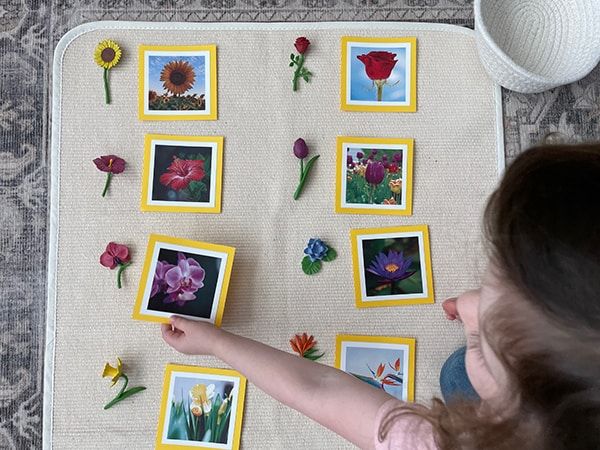
1. Memory Match: Have the child match pairs of identical flashcards by flipping them over on the table.

2. Bingo: Create a custom bingo card using the flashcards’ information and play a game of bingo.

3. Go Fish: Play “Go Fish” but instead of traditional cards, use flashcards with images or vocabulary words.

4. Word Wall: Use flashcards to create a word wall in your home, where kids can practice reading words daily.

5. Pictionary: Children draw what they see on the flashcard while others guess the word or object.

6. Charades: Act out what is described on the flashcard while other players guess.

7. Rapid Fire Quiz: Ask your child quick questions based on the flashcards in a mini-quiz style game.

8. Time Trials: Set a timer and see how many flashcards your child can review correctly before time runs out.

9. Alphabetical Order: Arrange flashcards in alphabetical order for practice with alphabetization skills.

10. Sentence Builder: Use word-based flashcards to create complete sentences.

11. Categorize It: Sort cards into categories such as colors, shapes, animals, etc.

12. Odds & Evens: Separate number-based cards into odd and even piles.

13. Storytelling: Create an impromptu story using the images or words on multiple flashcards.

14. Math Masters: Use number-based flashcards for addition, subtraction, multiplication, or division practice.

15. Flashcard Jenga: Create a Jenga tower with flashcards and have children remove cards as they read them.

16. Treasure Hunt: Hide flashcards around the room and offer clues to find them to practice reading or recognition skills.

17. Flashcard Relay: Set up a relay race where players must collect a specific flashcard from a distant location before returning to the starting point.

18. I Spy: Use flashcards as the basis for an “I Spy” game, describing items on the cards for kids to find.

19. Flashcard Basketball: Have your child toss crumpled flashcards into a basket after they read the card aloud.

20. Giant Flashcards: Create giant-sized cards for an even more fun learning experience outside!

21. Conquer The Tower: Stack flashcards in a tower formation and have your child correctly answer questions to remove cards without toppling the tower.

22. Musical Chairs: Place flashcards on chairs and play music; when the music stops, children must sit in front of a chair, read aloud, and answer what’s on their flashcard.

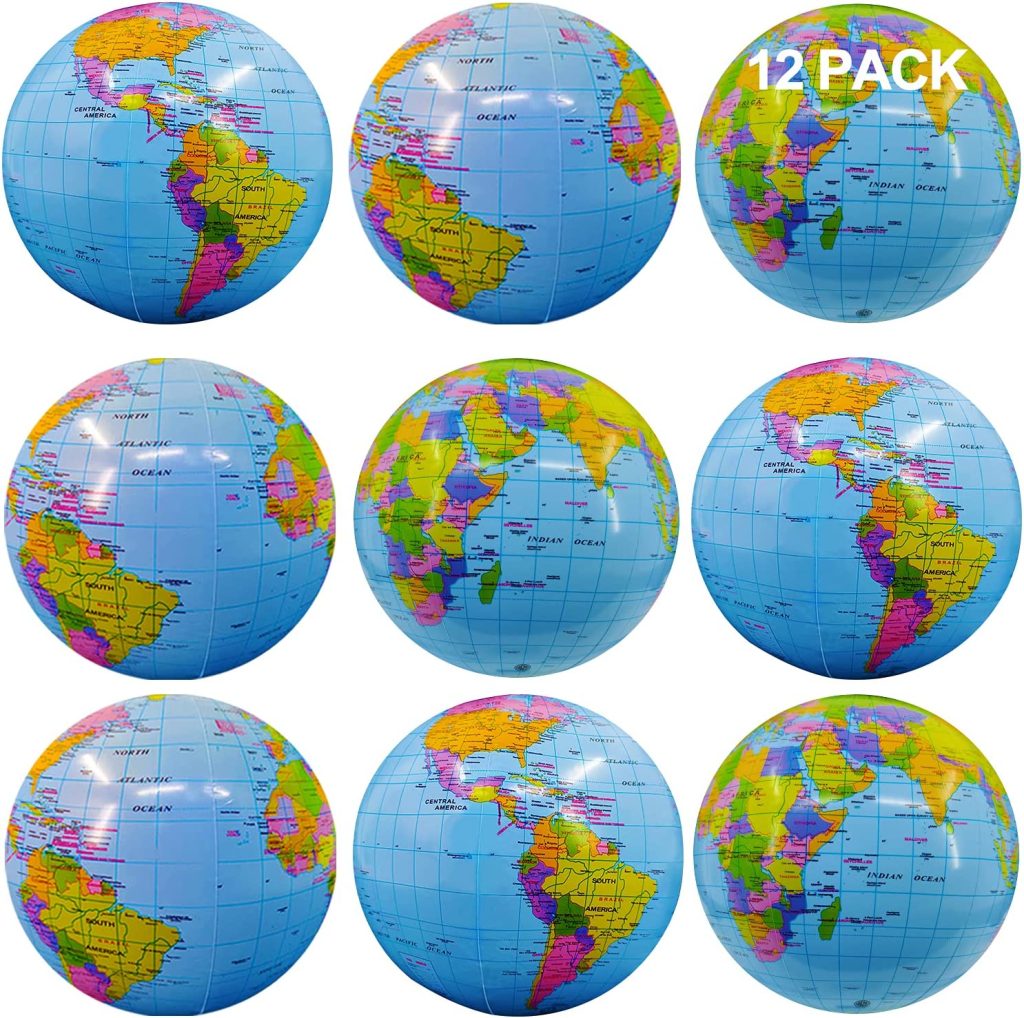
23. Around The World: Pass around a globe or map and have children use geography-based flashcards to identify locations.

24. Word Ladder: Arrange word-based cards in a word ladder puzzle format, challenging kids to climb the ladder by replacing one letter at a time.

25. Flashcard Freeze Dance: Dance while the music is playing; when it stops, pick up a flashcard and answer it before continuing with the dance moves!

Conclusion:

These 25 fun and educational flashcard games offer various ways for children to engage with their learning materials and build foundational skills. Enjoy exploring these activities with your kids and watch as they learn new information while enjoying some quality playtime!