Elementary School

22 Juicy Watermelon Activities For The Classroom

Summer is the perfect time to introduce watermelon-themed activities in the classroom. This delicious, juicy fruit is not only a tasty treat, but it also provides ample learning opportunities for students of all ages. From science experiments to art projects, here are 22 engaging and educational watermelon activities that your students will love.

1. Watermelon Seed Counting: Have students estimate the number of seeds in a slice of watermelon and then count them to practice their estimation and counting skills.

2. Watermelon Fractions: Teach fractions using watermelon slices by cutting them into halves, quarters, and eighths.

3. Watermelon Taste Test: Conduct a blind taste test with different types of melons for a fun sensory experience.

4. Melon Math: Use watermelon seeds as manipulatives for addition and subtraction problems.

5. Watermelon Science Experiment: Explore the concept of buoyancy by placing a small watermelon in water to see if it floats or sinks.

6. Watermelon Art: Create beautiful mosaic art using watermelon seeds on paper plates or small canvases.

7. Watermelon Writing Prompt: Encourage students to write a short story or poem about their favorite summer memories involving watermelons.

8. Paper Plate Watermelons: Create colorful paper plate watermelons using paint or markers for a simple craft project.

9. Edible Watermelon Slime: Make fun, edible slime by combining watermelon-flavored gelatin with cornstarch and warm water.

10. Seed Spitting Contest: Organize a seed-spitting contest outside for some friendly competition and outdoor fun.

11. Watermelon Seed Hunt: Hide plastic or real watermelon seeds around the classroom for an exciting scavenger hunt game.

12. Melon Ball Painting: Dip melon ballers in paint and use them to create unique patterns on paper or fabric.

13. Watermelon Sun Catchers: Cut watermelon shapes from tissue paper and assemble them in sun catcher frames for a colorful window display.

14. Watermelon Music: Compose a fun, summer-themed song about watermelons to sing with the class.

15. Watermelon Seed Relay Race: Have students compete in a relay race while holding watermelon seeds between their knees.

16. Watermelon Geoboard: Create a large geoboard using a watermelon-shaped surface and rubber bands for students to explore spatial relationships and shapes.

17. Melon Bowling: Set up an indoor or outdoor bowling alley using small watermelons as the ball and plastic bottles as pins.

18. Watermelon Investigation Table: Set up an investigation station with various materials related to watermelons, such as books, magnifying glasses, seeds, rinds, and slices for an interactive learning experience.

19. Watermelon Bookmark Craft: Create colorful and functional bookmarks using paper, markers, and watermelon stickers.

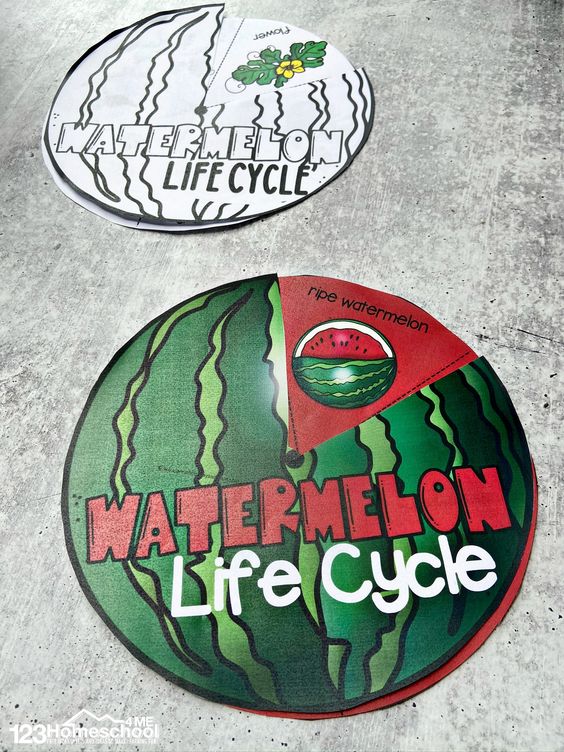
20. Life Cycle of a Watermelon: Teach students about the life cycle of a watermelon plant with visual aids and an interactive lesson.

21. Watermelon Memory Game: Make a watermelon-themed memory game by drawing or printing matching pairs of watermelon images on index cards.

22. Watermelon Yoga Break: Incorporate relaxation and mindfulness into your classroom routine with a short yoga break focused on poses inspired by watermelons, such as tree pose and child’s pose.

With these 22 juicy watermelon activities for the classroom, students will enjoy engaging lessons while celebrating this summer favorite fruit. Encourage creativity, curiosity, and learning throughout the warmer months with these fun ideas!


15 Activities to Promote Moral Development at Elementary School Level

Introduction:

Moral development is a crucial aspect of a child’s overall growth and plays a significant role in shaping their character. By incorporating moral education in elementary schools, educators can help students cultivate essential values, understand right from wrong, and foster empathy. Here are 15 activities that can be easily integrated into an elementary school curriculum to promote moral development.

1. Roleplaying scenarios: Create situations where students can act out various characters dealing with moral dilemmas. This teaches empathy and critical thinking.

2. Community service projects: Encourage students to participate in community service initiatives, helping them understand the satisfaction of giving back to those in need.

3. Storytime discussions: Use children’s literature to encourage discussions on ethical themes and moral values found within the text.

4. Modeling good behavior: Teachers can positively impact their students by intentionally modeling ethical behavior and acting as role models for the children.

5. Peer teaching: Pair older and younger students together to create mentorship opportunities that promote both personal growth and mutual respect.

6. Classroom meetings: Hold regular classroom meetings where students can collectively address issues, share ideas, and build trust through open communication.

7. Teaching empathy through art: Use different art forms, such as painting or drama, to portray various emotions and foster understanding of other people’s feelings.

8. Reflective journals: Encourage students to maintain reflective journals where they can record their thoughts about moral choices they encountered throughout the day.

9. Group decision-making activities: Guide students through group decision-making processes by creating situations that require negotiation, collaboration, and compromise.

10. Acts of kindness initiatives: Create opportunities for students to engage in random acts of kindness that benefit other classmates or the community at large.

11. Exploring cultural values: Introduce lessons on diverse cultural perspectives and values for students to understand the importance of tolerance and diversity.

12. Handwriting letters: Encourage students to connect with others through handwritten letters, teaching the value of meaningful communication and appreciation.

13. Conflict resolution strategies: Teach students effective ways to resolve conflicts peacefully and practice healthy communication skills.

14. Exploration of virtues: Introduce lessons covering various virtues such as honesty, respect, responsibility, integrity, and compassion, through engaging activities and discussion.

15. Positive reinforcement: After observing a student demonstrating exemplary behavior, acknowledge their actions in front of the class or through verbal praise, reinforcing that their positive choices are noticed and valued.

Conclusion:

By actively engaging in these 15 activities at the elementary school level, educators can effectively promote moral development in their students. The result? A generation of children with strong values who will grow into responsible citizens of our society.

18 Educational and Fun Science Books for Kids in Elementary School

Introduction:

Science is a fascinating subject that can help broaden a child’s curiosity and understanding of the world. To spark their interest in science from an early age, it’s essential to present scientific concepts in a fun and engaging manner. Luckily, there are many educational and enjoyable science books out there specifically designed for elementary school students. Here, we’ve compiled a list of 18 fantastic science books that your kids are sure to enjoy.

1. The Everything Kids’ Science Experiments Book by Tom Robinson

2. National Geographic Little Kids First Big Book of Why by Amy Shields

3. The Magic School Bus series by Joanna Cole

4. Ada Twist, Scientist by Andrea Beaty

5. Rosie Revere, Engineer by Andrea Beaty

6. Oh Say Can You Say Di-no-saur?: All About Dinosaurs by Bonnie Worth

7. Professor Astro Cat’s Frontiers of Space by Dominic Walliman and Ben Newman

8. Ingenious: The World of Dr. Seuss – A Collection of Fascinating Inventions and Curiosities by Kathleen Krull

9. Stars! Stars! Stars! by Bob Barner

10. The 101 Coolest Simple Science Experiments: Awesome Things To Do With Your Parents, Babysitters and Other Adults by Jennifer Adams, Holly Homer and Rachel Miller

11. The Way Things Work Now by David Macaulay

12. Kid Scientists: True Tales of Childhood from Science Superstars by David Stabler and Anoosha Syed

13. Charlotte the Scientist is Squished by Camille Andros

14. Let’s-Read-and-Find-Out Science series (Stage 1-2) published by HarperCollins Publishers

15. Zoey and Sassafras series by Asia Citro

16. Grossology: The Science of Really Gross Things by Sylvia Branzei and Jack Keely

17. How to Be a Scientist by Steve Mould

18. Boy, Were We Wrong About Dinosaurs! by Kathleen V. Kudlinski and S.D. Schindler

Conclusion:

These 18 educational and fun science books are perfect for introducing children in elementary school to the captivating world of science. They range from easy-to-follow experiments that can be done at home to fascinating stories that provide real-life examples of scientific discovery. With themes ranging from space exploration to dinosaurs, there’s something for every young scientist. So, it’s time to dive into these books and start instilling a love of science in your kids at an early age!

19 Fun Games with Skittles Candy for Kids

Are you planning a kids’ party or just looking for a new way to entertain your little ones? Look no further! We’ve come up with 19 fun and creative games using Skittles candy that will keep the kids engaged and entertained for hours.

1.Skittle Bowling: Set up mini-skittle lanes using empty soda bottles as pins. The kids can take turns rolling Skittles to knock down the pins.

2.Color Sorting Race: Divide kids into teams, dump a bag of Skittles into a bowl, and have them race to sort the Skittles by color.

3.Skittle Toss: Create a target on the floor using masking tape, assign points to each section, and have the children try to land their Skittles in high-scoring areas.

4.Taste Test Challenge: Blindfold each player and see if they can guess the correct flavor of the Skittle they’re given.

5.Skittle Art: Let the kids create unique masterpieces using Skittles as tiles on paper or canvas.

6.Skittles Relay Race: Have teams race against time while transferring all their team’s Skittles from one bowl to another using only a straw or spoon.

7.Miniature Golf with Skittles: Create a mini-golf course throughout your house or yard, incorporating strategically positioned skittles as obstacles.

8.Tower Building Competition: Challenge the children to build the tallest tower possible using only Skittles candies.

9.Scavenger Hunt: Hide an assortment of colored Skittles throughout your play area, and have kids hunt for them based on specific color clues.

10.Balancing Act: Task players with balancing as many Skittles on plastic spoons as possible while walking a designated path.

11.Matchmaker Challenge: Have kids pick two random colors from a bowl and make stories explaining why those two colors go well together.

12.Guess the Number: Fill a jar with Skittles and let children guess how many candies are in the jar for a chance to win a prize.

13.Skittletles: A twist on the traditional tiddlywinks game, use Skittles as game pieces and try to flip them into a cup or container.

14.Colorful Memory Game: Place several Skittles into various patterns, then cover them up. Kids will take turns trying to recreate the pattern from memory.

15.Skittle Bingo: Create your own bingo cards with colored Skittles instead of numbers, and call out colors as you pick them from a bag.

16.Frozen Skittle Hockey: Freeze Skittles and use them as makeshift hockey pucks for impromptu games of air hockey on a table.

17.Catch the Rainbow: Let the children toss their Skittles in the air and see who can catch the most candies in one attempt.

18.Build-a-Rainbow Race: In this teamwork-oriented race, kids work together and take turns placing colorful skittles according to specific patterns to create a rainbow.

19.Edible Jewelry: Provide pre-cut string or elastic cord and allow children to thread Skittles onto it, creating their own edible necklaces or bracelets.

Let these exciting and imaginative games inspire your next kids’ gathering or rainy day activity. With fun challenges, teamwork opportunities, and a multitude of ways to play, these 19 games with Skittles candy will undoubtedly become new favorites!

20 Compass Activities for Elementary School

1.Introduction to Compass Basics: Teach students the basics of using a compass, including directional bearings (North, East, South, West), and how to read and follow a compass.

2.Compass Treasure Hunt: Create a treasure hunt by providing students with a series of compass bearings and distances. Students must use their compasses to navigate through the course and find the hidden treasure.

3.Orienteering Course: Set up a simple orienteering course in your school playground or nearby park. Students will practice using their compasses to navigate through a series of checkpoints marked on a map.

4.Help the Lost Animals: Provide students with a list of lost animals and corresponding compass bearings to save the day. Students use their compasses to find each animal’s location.

5.Human Compass: In this team-building activity, one student acts as the “navigator,” while others form the shape of a compass. The navigator must guide the team through an obstacle course using only compass direction commands.

6.Compass Art: Students create art by following given sets of compass directions and distances, connecting each point to form shapes or patterns.

7.Compass Charades: In this lively game, students take turns acting out different scenarios involving compasses (such as finding North or navigating through a maze), while their classmates guess what they’re doing.

8.Geocaching Adventure: Arrange for an age-appropriate geocaching adventure in your local community or school grounds, teaching kids how to use a GPS device or smartphone app alongside their compass skills.

9.Mapping Your Schoolyard: Students work in small groups to create detailed maps of your school grounds using their knowledge of compass fundamentals.

10.Human Bingo with Compass Directions: Create bingo cards featuring actions related to different compass bearings (e.g., “Hop East 5 times”). Students interact with each other as they complete these actions while trying to form a bingo.

11.Pirate Adventures: Students transform into pirates, using their compass skills to navigate through a series of challenges and find buried treasure.

12.Compass Obstacle Course: Students must use their compasses to safely navigate through a maze or obstacle course.

13.Angles and Bearings: Teach students the connection between angles (degrees) and bearings, incorporating hands-on math activities using compasses.

14.Storytime Navigation: Read a story that involves characters navigating through various environments. Stop at key moments and ask students to predict what compass direction the characters should take next.

15.Create Your Own Map: Using their compasses, students create their own maps by drawing symbols for local landmarks and important locations, connecting them with accurate compass bearings.

16.Compass-based Scavenger Hunt: Create a scavenger hunt with clues based on cardinal points and bearings. Students must use their compass skills to unlock each clue and find the ultimate treasure.

17.Around the World with Compass Directions: Students explore different cultures and geographies by completing activities that involve using a compass to identify key landmarks, such as finding the pyramids of Egypt or the Great Wall of China.

18.Meteorology with Compasses: Teach students about weather patterns by incorporating compass-based activities that reinforce concepts like wind direction, storm tracking, and weather map interpretation.

19.Time Machine Adventure: Students travel back in time using only their compasses as guides, solving challenges related to historical events or figures.

20.Reflection and Skill-building: After all these activities, give your students time to reflect on their newfound skills, discussing how they can apply these techniques in their daily lives and future adventures!

Win the Ultimate Math Teacher Surprise Pack

Are you a math teacher who is passionate about creative and engaging methods to teach those tricky math concepts? If yes, then it’s your lucky day! Introducing the Ultimate Math Teacher Surprise Pack – the resource of your dreams, specially curated to help you become a mathematics maestro. So, what does this surprise pack have in store for you, and how can you get your hands on one? Let’s find out!

What’s Inside the Ultimate Math Teacher Surprise Pack?

1. Innovative Lesson Plans

The Ultimate Math Teacher Surprise Pack comes with a variety of captivating lesson plans that cover different levels and complexities of mathematical concepts. Not only will these plans help you uplevel your teaching game, but they’ll also intrigue and inspire your students.

2. Engaging Teaching Materials

From clever worksheets to interactive games, this surprise pack is loaded with captivating resources that will grab your students’ attention and keep them hooked on math. Designed and tested by experienced educators, these teaching materials bring a whole new level of excitement to your daily lessons.

3. Essential Classroom Supplies

The pack also includes an assortment of high-quality classroom supplies that will make staying organized and creative easy and fun. From beautifully designed stationery items to durable storage solutions, these supplies are everything a math teacher could wish for.

4. Exclusive Access to Math Webinars

Get ready to upgrade your teaching skills with exclusive access to enriching webinars hosted by industry experts in mathematics education. With insightful tips and techniques, these webinars are sure to revitalize your teaching methods.

5. Expert Consultation Sessions

With the help of personalized consultation sessions with renowned mathematics educators, you can discuss specific challenges you face in teaching and receive tailored guidance that caters uniquely to you and your students’ needs.

How Can You Win the Ultimate Math Teacher Surprise Pack?

To win this incredible treasure trove designed for math educators, all you need to do is enter our exclusive giveaway! Follow these simple steps:

1. Sign up for our newsletter to get the latest updates on math education and useful resources.

2. Like, share, and comment on our giveaway post on social media. Don’t forget to use the hashtag #UltimateMathTeacherSurprisePack!

3. Tell us in the comments why you think you deserve to win this amazing resource.

That’s it! Just three easy steps and you are in the running for an opportunity to revolutionize your math teaching journey.

Final Thoughts

The Ultimate Math Teacher Surprise Pack is an unparalleled resource created with one goal: helping educators transform their mathematics lessons into engaging, interactive experiences that last a lifetime. So what are you waiting for? Join the giveaway today and invite your fellow math teachers too. Good luck!

20 Peer Pressure Games, Role Plays, and Activities for Elementary School Kids

Introduction:

Peer pressure is a common challenge many children face, and it’s essential to equip them with the skills to navigate these situations. Engaging in fun and interactive activities helps students learn how to recognize peer pressure, stand up for their beliefs, and make good decisions. Here are 20 peer pressure games, role plays, and activities perfect for elementary school kids.

1.Broken Telephone:

This classic game demonstrates how information can become distorted when passed through different people. It highlights the importance of thinking critically and not blindly following what others say.

2.Red Light, Green Light (Peer Pressure Edition):

In this version of the classic game, “green light” means engage in healthy behavior while “red light” represents unhealthy behaviors influenced by peer pressure. The goal is to discuss what choices are good or bad influences.

3.Compliment Circle:

Students sit in a circle, and each person offers a genuine compliment to the person next to them. This activity fosters self-esteem and positive peer interactions.

4.Role-Playing Scenarios:

Create various peer-pressure situations that students act out. This helps them practice making good decisions under the influence of others.

5.Superhero Team Activity:

Have students create their own superhero team by discussing positive attributes they possess that can help them handle different challenges, including peer pressure.

6.Yes/No Ball Game:

Students pass around a ball as they answer ‘yes’ or ‘no’ questions about potential peer-pressure situations to encourage discussion about confronting difficult situations.

7.Boundary Setting Workshop:

Teach students how to set boundaries using interactive games that involve physical space on one side representing “my space” and another side representing “your space.”

8.Circle of Trust:

Discuss the importance of having a support system when facing peer pressure and encourage students to build their circle of trust with friends and family.

9.Impulse Control Charades:

Students take turns acting out helpful or unhealthy decisions, with the class guessing which type of decision it is. This activity demonstrates that making good decisions requires impulse control.

10.Personal Values Collage:

Ask students to create collages representing their personal values to emphasize the importance of staying true to oneself.

11.Skits on Peer Pressure:

Encourage students to perform skits tackling peer pressure situations and how they would react in such cases.

12.Who’s in My Boat?:

Have students draw boats and add the qualities, people, or actions they need to stay afloat despite peer pressure.

13.Mythbusters: Peer Pressure Edition:

Debunk common misconceptions about peer pressure through research and group discussions.

14.The Power of Words Lesson:

Discuss the influence of negative and positive language choices when it comes to peer pressure, leading by example for others.

15.Negotiation Skills Game:

Teach negotiation skills using games that involve role-playing scenarios where students must find compromises in challenging situations.

16.Affirmation Jars:

Create a jar filled with positive affirmations that students can read whenever they need a boost in confidence or encouragement when facing challenging situations.

17.Assertiveness Training Workshop:

Use various exercises to help students practice assertive communication skills, essential for handling peer pressure situations responsibly.

18.”What If…?” Brainstorming Session:

Have students brainstorm a list of “what if” scenarios involving peer pressure and potential responses to those situations.

19.Journaling Activity:

Encourage reflection on personal experiences involving peer pressure through journaling exercises that promote self-awareness and resilience building.

20.Create a Peer Pressure Support Poster:

Have each student create a poster showcasing helpful responses and strategies for overcoming peer pressure, which can be displayed around the classroom.

Is an Elementary School Graduation Over-the-Top?

In recent years, the trend of hosting elaborate ceremonies and celebrations for elementary school graduations has been on the rise. As children complete their early years of education and prepare to enter middle school, many parents are left wondering whether these festivities are too excessive or entirely appropriate. This article delves into the various perspectives surrounding the prevalence and potential impact of over-the-top elementary school graduation ceremonies.

Proponents of such celebrations argue that the completion of elementary school is a significant milestone in a child’s life, deserving of recognition and fanfare. Graduation ceremonies can foster a sense of accomplishment in young students, instilling a love for learning and boosting self-esteem. Moreover, bringing together classmates, teachers, and families for a shared celebration helps strengthen community ties and provides an opportunity to express gratitude to educators who have been instrumental in shaping students’ formative years.

On the flip side, critics claim that overly extravagant elementary school graduation celebrations place undue pressure on both children and their families. The financial burden of hosting parties, purchasing gifts, or taking part in pricey events can be considerable. Additionally, concerns arise that such excessive festivities may inadvertently contribute to the commercialization of education.

Furthermore, there’s a worry that over-emphasizing the importance of graduating from elementary school could ultimately diminish the significance of more substantial academic achievements later in life. Exposing children to grand celebrations at a young age might create unrealistic expectations surrounding future accomplishments and milestones.

Finding a balance between acknowledging students’ achievements without going overboard is essential. Acknowledgment can come in more modest forms than an extravagant celebration – such as awarding certificates or organizing class parties. Setting reasonable expectations for both children and families proves crucial in navigating this debate.

In conclusion, whether or not an elementary school graduation is considered over-the-top ultimately depends on individual opinions and circumstances. It is essential for parents and educators to strike a balance between celebrating achievements and managing expectations, all the while considering the potential long-term impact on a child’s academic journey.

4th Grade Kids Share Their Top Summer Reading Picks

As summer break begins, many children are eager to exchange their backpacks for beach bags and indulge in fun books under the sun. In this article, we have gathered a list of must-read books recommended by 4th-grade students themselves! With their tastes ranging from adventure to mystery, here are some top-notch books that your kids can enjoy during the summer.

1. “Harry Potter and the Sorcerer’s Stone” by J.K. Rowling

It comes as no surprise that the Harry Potter series remains popular among young readers. The enchanting world of magic, friendship, and adventure is the perfect escape for kids on summer break. With its relatable characters and extraordinary plot, it never fails to inspire readers’ imaginations.

2. “Percy Jackson and The Lightning Thief” by Rick Riordan

Another beloved series, Percy Jackson is a thrilling blend of mythology and adventure. As young readers accompany the protagonist on his journey across America to save his mother and return Zeus’s stolen lightning bolt, they delve into an incredible world filled with Greek mythology.

3. “Charlotte’s Web” by E.B. White

This classic tale of friendship between a young girl, her pig Wilbur, and a spider named Charlotte is touching and beautifully written. Perfect for younger readers or those looking for a heartwarming story, “Charlotte’s Web” teaches valuable life lessons while also being an entertaining read.

4. “The Secret Garden” by Frances Hodgson Burnett

A vivid tale of mystery and discovery set in an enchanting secret garden attracts young readers with its vivid descriptions and engaging story. By following Mary Lennox’s exciting journey as she unveils hidden secrets, children can lose themselves in an enchanting world while sharpening their reading skills.

5 “Tales of a Fourth Grade Nothing” by Judy Blume

What better way for fourth-graders to connect with their summer reading than with a book that revolves around the life and experiences of someone their age? Judy Blume’s humorous depiction of Peter Hatcher’s life and his little brother Fudge’s antics makes for a relatable and enjoyable read that kids will love.

6. “The One and Only Ivan” by Katherine Applegate

Based on the true story of a captive gorilla named Ivan, this award-winning book captures the hearts of young readers as they explore themes such as friendship, empathy, and resilience. A great choice for animal lovers, the story is told from Ivan’s perspective and highlights the importance of compassion towards all living creatures.

These are just a few of the top summer reading picks for 4th-grade students! Encourage your kids to expand their horizons with these engaging novels, and they will surely cherish their summer break while keeping their minds active until school starts again. Happy reading!

28 Fun and Engaging After-School Activities for Elementary School

Introduction:

Keeping young children engaged and entertained after school can often seem daunting, especially when trying to balance the importance of learning and having fun. However, there are numerous after-school activities that cater to both the educational and recreational needs of elementary school-aged children. These activities not only provide opportunities for kids to have fun, but also help them make new friends, build self-esteem, and develop essential skills.

1. Art Club: Drawing, painting, and crafting activities can bring out a child’s creative side while offering a stress-relieving outlet.

2. Science Club: Conducting experiments and learning about nature foster curiosity in young learners.

3. Robotics Club: Building robots introduces children to the concepts of design, engineering, programming, and teamwork.

4. Drama Club: Acting can improve a child’s confidence and public speaking skills.

5. Gardening Club: Planting vegetables or flowers teaches responsibility and helps kids connect with nature.

6. Book Club: Reading together encourages literacy and comprehension while forming friendships.

7. Chess Club: Mastering chess enhances problem-solving abilities and strategic thought.

8. Yoga Classes: Yoga promotes flexibility, relaxation, concentration, and a healthy lifestyle.

9. Dance Classes: Kids can explore different dance styles while exercising and expressing themselves creatively.

10. Music Lessons: Learning an instrument nurtures discipline, patience, creativity, and listening skills.

11. Photography Club: Kids develop artistic expression and technical skill through photography practice.

12. Sports Teams: Soccer, basketball, swimming, or gymnastics foster teamwork, perseverance, physical health, and sportsmanship.

13. Creative Writing Workshop: Encouraging children to put pen to paper cultivates their imagination and storytelling abilities.

14. LEGO Club: Building with LEGO bricks ignites creativity while honing fine motor skills.

15. Outdoor Exploration Group: Hiking local parks or exploring the great outdoors nurtures a love for nature and promotes physical activity.

16. Origami Club: Origami reinforces geometry and spatial reasoning in an engaging way.

17. Cooking Classes: Preparing simple recipes empowers children with essential life skills and fosters healthy eating habits.

18. Sign Language Club: Learning sign language enhances communication skills and promotes inclusivity.

19. Film Club: Watching and discussing movies cultivates critical thinking, empathy, and cultural appreciation.

20. Volunteer Opportunities: Engaging in community service projects instills responsibility and social awareness.

21. Knitting or Crochet Circle: Fiber arts teach patience while developing fine motor skills and creativity.

22. Board Game Club: Strategizing in board games promotes critical thinking, problem-solving, and collaborative skills.

23. Martial Arts Classes: Practical self-defense techniques also boost self-discipline, focus, respect, and mental resilience.

24. Nature Art Workshop: Combining natural elements into artwork nurtures a child’s connection with the environment while inspiring creativity.

25. Puzzle Club: Solving puzzles together fosters logical reasoning, troubleshooting, teamwork, and communication.

26. Buddy Reading Program: Pairing older students with younger ones to read together boosts reading skills and instills a sense of mentorship.

27. Mindfulness Meditation: Teaching mindfulness can help children develop healthy coping strategies for stress by promoting inner calmness and self-awareness.

28. Scavenger Hunts: Planning scavenger hunts promotes problem-solving skills while adding excitement to outdoor adventures.

Conclusion:

Each child is unique in their interests, needs, and strengths; therefore, providing a variety of diverse extracurricular activities empowers them to explore new passions and cultivate lifelong skills. With these 28 fun after-school activities available to elementary school kids, parents and educators can ensure that learning continues beyond the classroom walls.