Professional Development

Sharing Good Practice to Develop Staffx

Introduction

In today’s competitive business environment, it is not enough for employees to perform at their best – they must continue to grow and develop their skills. Creating a positive learning culture where good practice can be shared is essential to the success of any organization. This article will discuss several strategies companies can use to share good practice and foster staff development.

1. Encourage a Culture of Continuous Learning

Promoting continuous learning amongst employees should be a top priority for any organization. Encourage employees to explore training opportunities, attend conferences and workshops, and utilize online resources. This creates a foundation for development on which all other good practices can be built upon.

2. Establish Mentorship Programs

Pairing more experienced employees with junior members can help bridge knowledge gaps and provide opportunities to share industry-specific tips and tricks. Mentees will benefit from guidance and personalized attention, while mentors can gain valuable insight into how younger team members think and approach new challenges.

3. Conduct Peer Reviews

Encourage team members to conduct peer reviews of each other’s work. This collaborative approach allows employees to learn from one another’s strengths, weaknesses, and areas of expertise.

4. Organize Regular Knowledge Sharing Sessions

One effective way to share good practices among staff is by organizing regular knowledge sharing sessions, such as lunch-and-learn events, webinars or workshops. These sessions should be inclusive so that everyone can participate, providing opportunities for cross-functional teams as well as individual departments.

5. Develop Internal Resources

Creating internal resources such as knowledge repositories, wikis, or toolkits ensure that employees have access to important information about company procedures and best practices at all times. Make these resources readily available so that team members can easily find answers when needed.

6. Utilize Technology for Collaboration

Leverage technology platforms that enable collaboration within the organization, such as project management tools or cloud file-sharing services. These tools encourage the sharing of good practices and help employees stay informed on current projects and initiatives.

7. Recognize and Reward Success

When employees consistently demonstrate good practice and contribute to the professional growth of themselves and their colleagues, make sure to recognize their efforts. Celebrate individual and team successes with awards, public recognition, or performance-based perks.

8. Embrace a Culture of Feedback

Cultivate an environment where giving and receiving feedback is not only accepted but encouraged. Foster open lines of communication between different departments and management levels, ensuring that good practices can emerge from all areas of the company.

Conclusion

Sharing good practice and promoting employee growth is a crucial aspect of creating a successful work environment. By implementing the strategies outlined above, organizations can create a culture that values knowledge-sharing, collaboration, and continuous learning – all pillars on which staff development would flourish.

Key findings on effective CPD

Introduction:

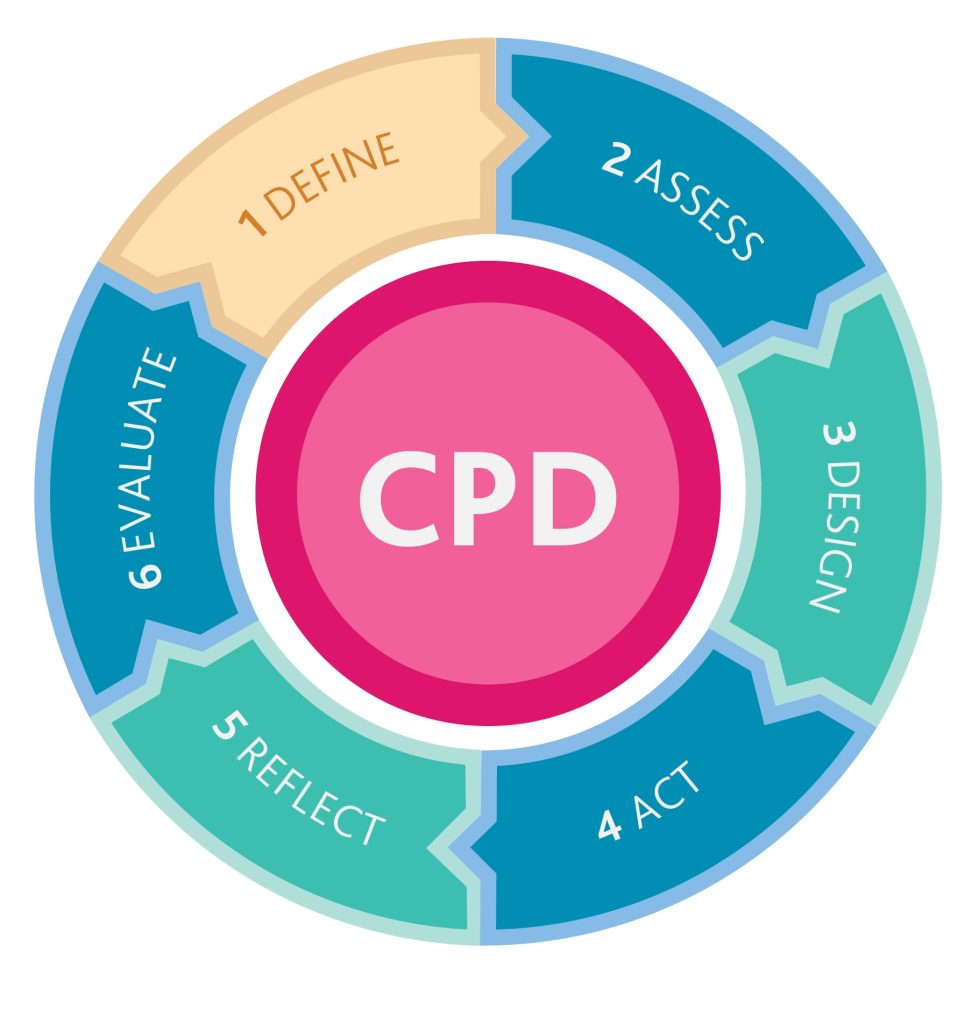
Continuous Professional Development (CPD) is an essential aspect of maintaining and enhancing the knowledge and skills needed to excel in today’s competitive and rapidly evolving job market. Many organizations and professionals are questioning what constitutes effective CPD. In this article, we will discuss key findings on effective CPD methods and strategies, offering insights into optimal learning methods for professionals across various industries.

1. Relevance to Professional Needs:

Effective CPD practices focus on addressing the specific needs, goals, and aspirations of professionals. This involves clearly identifying areas that require improvement, as well as engaging professionals in the process of setting learning objectives and selecting the most appropriate activities.

2. Reflection and Self-Assessment:

Implementing reflection and self-assessment components in continuous professional development allows for more effective learning by providing professionals with an understanding of their strengths, weaknesses, and areas requiring improvement. By regularly reflecting on their practice, individuals can better develop targeted skills that ultimately lead to improved job performance.

3. Personalized Learning Plans:

Customization is key when it comes to providing tailored learning experiences that meet individual needs and preferences. Effective CPD strategies should involve personalized learning plans that factor in a professional’s unique circumstances, ensuring they receive training directly relevant to their development.

4. Regular Evaluation:

Regular evaluation is crucial in determining the effectiveness of CPD activities. Professionals should set milestones for their professional development journey, measuring progress through regular assessments to ensure they are achieving desired outcomes.

5. Blended Learning Approaches:

Incorporating digital tools into traditional face-to-face CPD allows for flexibility, adaptability, and accessibility while providing opportunities for collaboration among professionals. Blended learning also offers innovative methods for content delivery, including gamification, immersive technologies like virtual reality (VR), augmented reality (AR), and online communication platforms for networking.

6. Support Networks:

Research suggests that peer support networks contribute significantly to the effectiveness of CPD practices. Creating communities where professionals can share their experiences, collaborate, and provide mutual support plays a critical role in enhancing learning and professional growth.

7. Feedback and Mentoring:

Constructive feedback and mentoring from experienced colleagues or supervisors can significantly improve a professional’s learning and development journey. Mentoring relationships help individuals to develop new skills, increase their professional networks, and stay inspired.

Conclusion:

Continuous professional development is vital for maintaining relevance in today’s fast-paced work environment. Effective CPD practices include providing relevant training opportunities, enabling professionals to regularly reflect on performance, offering personalized learning plans, and incorporating blended learning approaches into training programs. Additionally, support networks, feedback, and mentoring play significant roles in ensuring successful CPD outcomes. With these key findings in mind, organizations and professionals can implement effective strategies for continuous growth and development in their respective fields.

Performance Management and CPD

Introduction

In today’s fast-paced and dynamic business environment, organizations recognize the importance of performance management and continuous professional development (CPD) to stay competitive and stand out. Performance management entails an ongoing process of communication between a supervisor and employee to ensure both parties share the same understanding of objectives, expectations, and feedback. CPD, on the other hand, deals with systematic maintenance, improvement, and broadening of knowledge, skills, and personal attributes necessary for professional careers.

This article delves into the significance of performance management and CPD in organizations. It further highlights the interdependence of these two concepts in fostering employees’ growth and organizational success.

The Importance of Performance Management

1. Employee Engagement: Performance management helps to establish clear expectations from employees. When employees have a clear understanding of their roles and responsibilities, they become more engaged in their work.

2. Aligning Goals: Performance management aligns individual goals with organizational objectives, ensuring everyone works towards accomplishing the organization’s overall mission.

3. Identifying Strengths and Areas for Improvement: Regular feedback provided during performance reviews allows employees to understand their strengths and areas that need improvement. This insight is vital for personal development and growth.

4. Enhancing Communication: Performance management fosters a culture of open communication by encouraging employees to share their views without fear of retribution or judgment.

5. Increased Productivity: A well-organized performance management system can significantly contribute to higher productivity levels by promoting goal-oriented behavior among employees.

The Role of Continuous Professional Development (CPD)

1. Skill Enhancement: CPD equips employees with the latest skills and knowledge required to excel in their respective roles, ensuring organizations stay ahead in their industry.

2. Employee Retention: Providing ongoing professional development opportunities demonstrates a company’s commitment to employee growth, leading to higher levels of job satisfaction, engagement, and retention.

3. Adaptation to Change: As the business environment is continually evolving, CPD helps individuals and organizations adapt to these changes more effectively, fostering innovation and resilience.

4. Professional Networking: CPD activities often involve networking with experts in the field, allowing employees to expand their professional network and gain new insights from different perspectives.

5. Improved Decision Making: A workforce equipped with updated knowledge and skills is more likely to make informed decisions, leading to better overall performance and organizational growth.

The Synergy of Performance Management and CPD

Performance management and CPD are invaluable tools in the arsenal of any organization that aims to succeed in today’s competitive marketplace. While performance management sets the stage for individual growth by establishing objectives and providing constructive feedback, CPD enables employees to acquire the necessary knowledge and skills for their development.

By incorporating performance management with a focus on continuous professional development, organizations can reap immense benefits, such as higher employee engagement, increased productivity, better decision-making abilities, and improved adaptability to change. This potent combination promises a path toward sustainable success for both employees and organizations alike.

Continuing Professional Development: A Lifelong Journey of Growth and Success

Introduction

Continuing Professional Development (CPD) is a vital aspect of modern professional life. With fast-paced advancements in technology, innovative business models, and ever-growing global competition, it’s essential for professionals to stay up-to-date with the latest trends and updates in their respective fields. CPD refers to the process of consciously investing time, resources, and effort into maintaining and improving your skills, knowledge, and competence throughout your career.

The Importance of CPD

The significance of CPD cannot be overstated. Not only does it contribute to personal growth and job satisfaction, but it also benefits organizations as a whole. The advantages of CPD include:

1. Staying abreast with industry changes: Regularly updating your skills ensures that you’re well-versed in the latest information and can effectively adapt to changes in your profession.

2. Enhancing professional reputation: Engaging in CPD demonstrates commitment, motivation, and dedication to your field-qualities that enhance credibility amongst colleagues and clients alike.

3. Boosting career prospects: As you develop new skills and abilities through CPD activities, you can create more opportunities for progression within your current role or explore new career paths.

Types of CPD Activities

CPD comes in various forms, offering flexibility to suit individual preferences and available resources:

1. Formal learning: Completing academic courses or vocational training can lead to recognized certifications or qualifications.

2. Conferences & workshops: Attending industry-related events allows you to stay informed about the latest research findings while networking with like-minded professionals.

3. Online courses/webinars: Taking advantage of online learning provides convenient access to a wealth of knowledge at a time that suits you.

4. Self-directed study: Reading books, articles, or research papers can help deepen your understanding of specific topics within your field.

5. Mentoring & coaching: Participating in mentoring relationships or seeking guidance from experienced professionals fosters knowledge-sharing and personal growth.

Creating a CPD Plan

A strategic approach to CPD involves setting professional goals, identifying areas for growth, and devising a plan of action. Here are some steps to develop an effective CPD plan:

1. Assess your strengths and weaknesses: Gaining an understanding of your current skill set will enable you to identify gaps that need addressing.

2. Set clear objectives: Determine what you want to achieve through your CPD activities, whether it’s learning a new skill or deepening your expertise in a specific area.

3. Research available options: Explore different avenues of professional development—such as attending workshops or enrolling in online courses—and weigh the pros and cons of each.

4. Allocate resources: Create a budget for your CPD activities, considering factors like travel expenses, course fees, and time investment.

5. Review progress: Keep track of the outcomes of your CPD efforts and periodically reassess your goals to ensure you’re continuously evolving as a professional.

Conclusion

Continuing Professional Development is crucial for maintaining competitiveness in today’s dynamic market landscape. By embracing lifelong learning, individuals can foster personal growth, enhance career opportunities, and contribute positively to their organizations.

CPD in the Classroom – The Teachers Learning Academy (TLA)

Introduction

Continuous Professional Development (CPD) plays a crucial role in the ongoing growth and success of educators. It is imperative for teachers to stay updated with the latest educational practices, techniques and tools to cater to the diverse needs of their students. One such initiative aiding educators in their quest for knowledge and proficiency is the Teachers Learning Academy (TLA). This article discusses the importance of CPD in the classroom and offers insights into how TLA helps teachers enhance their skills and learning experiences.

Why Continuous Professional Development Matters

The educational landscape changes rapidly, influenced by factors such as technological developments, evolving concepts of teaching and learning, policy reforms and global trends. It is essential for educators to consistently update their skills, making CPD an indispensable aspect of their careers.

Some benefits of CPD include:

1. Enhanced teaching effectiveness: Regular training and development empower teachers with new methodologies and approaches that result in improved classroom practices.

2. Keeping abreast of emerging trends: CPD equips teachers with cutting-edge advancements in pedagogy, ensuring they are equipped to respond to ever-evolving situations.

3. Personal growth: Through increased knowledge and understanding, educators continue to evolve as individuals while fostering professional independence.

4. Bolstered confidence: As teachers improve professionally, they gain confidence in handling diverse contexts within their classrooms.

5. Increased student learning outcomes: Ultimately, highly skilled educators facilitate better learning experiences for their students, enabling them to reach their full potential.

Introducing the Teachers Learning Academy (TLA)

The Teachers Learning Academy (TLA) is a pioneering initiative aimed at enhancing teacher quality through a structured approach to CPD. TLA offers a supportive and interactive platform that encourages evidence-based practice, collaboration and reflection among educators.

Key Features of TLA:

1. Research-based approach: TLA fosters a culture of research and inquiry, fostering educational innovation and ongoing improvement.

2. Collaboration: The platform emphasizes collaboration among teachers, providing opportunities to learn from peers and contribute to the wider teaching community.

3. Self-directed learning: TLA encourages teachers to take control of their own professional development, allowing them to choose their areas of growth and focus.

4. Reflective practice: Through TLA, educators are encouraged to engage in reflective practice as a fundamental aspect of professional development.

CPD in the Classroom with TLA

Through the various programs and opportunities provided by the Teachers Learning Academy, schools benefit from a comprehensive approach to CPD that positively impacts teacher performance, classroom practices and student outcomes. Some of the ways TLA enables CPD in the classroom include:

1. Professional learning sessions: TLA offers a diverse range of workshops, seminars and training courses designed to meet the specific needs of educators.

2. Online resources: Teachers can access a rich repository of online resources related to pedagogy, assessment and curriculum.

3. Peer coaching: The TLA fosters a supportive environment for peer coaching and mentoring among educators.

4. Networking opportunities: Teachers get opportunities to network with fellow professionals through events, conferences and online forums.

Conclusion

In conclusion, investing in Continuous Professional Development is vital for teachers aspiring to stay relevant and competent in today’s dynamic educational landscape. The Teachers Learning Academy (TLA) presents an invaluable resource for educators looking for a structured, research-based approach to enhancing their skills and knowledge. By participating in this innovative initiative, teachers can embrace professional growth while better serving students in the classroom.

What Makes a Mentor  

The role of a mentor is crucial in personal and professional growth. A mentor is someone who offers guidance, support, and knowledge to another person—usually someone with less experience in a specific field or area of interest. In this article, we will explore the qualities and characteristics that make an effective mentor.

1. Empathy and Active Listening

A good mentor has the ability to empathize with their mentee, allowing them to understand their struggles and offer tailored advice. They actively listen to their mentees’ concerns, questions, and ideas before providing feedback.

2. Providing Honest Feedback

Mentors should be able to provide honest feedback that is constructive and encourages improvement. They can evaluate their mentee’s progress, identify areas of strength and weakness, and suggest ways to develop further.

3. Availability

An effective mentor should be readily accessible and approachable for their mentee. Whether this means regular meetings or maintaining open channels of communication for quick questions or guidance, availability is crucial in developing trust between the mentor and mentee.

4. Willingness to Share Expertise

Mentors must be willing to share their own experiences, knowledge, successes, and failures. This openness helps demonstrate that no one is perfect but that everyone can learn from past experiences.

5. Patience

Learning from a mentor takes time, effort, and dedication from both parties involved. Mentors need patience as they guide mentees through obstacles, setbacks, or periods of slow progress.

6. Encouragement of Independence

While a mentor should provide guidance and support, they should also encourage their mentees to think critically about potential solutions. This fosters independent thinking by not providing all the answers but instead empowering the mentee with skills for future problem-solving.

7. Adaptability

Everyone learns differently; hence, a skilled mentor should adapt their approach to best suit the mentee’s style, facilitating a more effective learning environment.

8. Lifelong Learning

Great mentors never stop learning and are dedicated to their own growth. They embrace new ideas, stay updated on trends in their field, and recognize that they, too, can learn from their mentees.

9. Humility

Effective mentors are humble enough to acknowledge their limitations and seek help when necessary. They recognize that they don’t have all the answers and are willing to learn alongside their mentee.

10. Leading by Example

Mentors should model the positive behaviors they want to instill in their mentees, such as perseverance, self-discipline, and professionalism. By walking the walk, they inspire their mentees to follow in their footsteps.

In conclusion, becoming an effective mentor requires a mix of traits such as empathy, active listening, providing honest feedback, adaptability, patience, humility, and lifelong learning. Aspiring mentors should possess a genuine desire to help others succeed while demonstrating strong ethical behavior and professional standards. Through this combination of qualities and commitment, mentors can profoundly impact the lives and careers of those they guide.

100 Top Tips for Successful Professional Learning

1. Set clear goals: Determine what you want to achieve and set realistic targets for yourself.

2. Make a plan: Establish a roadmap of how you will attain your learning objectives.

3. Prioritize your learning: Focus on what’s most important for your career development.

4. Identify resources: Determine the books, websites, courses, and people that can aid in your learning process.

5. Develop a routine: Allocate time daily or weekly for professional development activities.

6. Learn from experts: Find influencers in your field to gain relevant insights from their knowledge and experience.

7. Attend workshops and conferences: Take advantage of opportunities to learn from industry leaders up close.

8. Collaborate with peers: Work together with colleagues to share ideas, challenges, and successes.

9. Use social media: Join relevant groups and follow thought-leaders to stay informed about industry trends.

10. Stay updated on industry news: Read articles and stay informed about developments in your profession.

11. Leverage digital platforms: Utilize online resources like webinars, podcasts, and e-learning platforms.

12. Network with other professionals: Meet with others in your field to build connections and expand your knowledge base.

13. Be open-minded: Embrace new perspectives and ideas while remaining receptive to change.

14. Reflect on your progress: Periodically assess how far you’ve come in achieving your learning goals and adjust as needed.

15. Seek feedback: Request constructive criticism from supervisors or peers who can help refine your skillset.

16. Implement new skills: Apply newly acquired knowledge to real-world situations for practice.

17. Develop mentor relationships: Seek guidance from experienced individuals within your field who can provide valuable advice.

18 Track your accomplishments: Keep record of completed tasks, projects, or milestones that demonstrate growth.

19. Get certified: Gain credibility by acquiring professional certifications relevant to your industry.

20. Challenge yourself: Take on projects that stretch your existing abilities and help you grow.

21. Be proactive: Identify and act on opportunities to learn new skills without waiting for them to be handed to you.

22. Learn from mistakes: See setbacks as chances to grow and improve, rather than as failures.

23. Participate in case studies: Analyze real-world situations to develop problem-solving skills and deepen understanding of your subject matter.

24. Join professional groups: Seek out local or online organizations or associations relevant to your field.

25. Subscribe to newsletters: Stay informed with industry-specific updates and analysis in your inbox.

26. Embrace new technologies: Recognize the importance of staying current with technological trends in your industry.

27. Set benchmarks: Define key performance indicators to measure progress towards your goals.

28. Celebrate achievements: Acknowledge milestones reached and reward yourself for hard work.

29. Ask questions: Use curiosity as a tool for expanding your knowledge base.

30. Take online courses: Access free or affordable e-learning resources to broaden your skillset.

31. Improve soft skills: Enhance valuable workplace traits like communication, teamwork, leadership, and time management.

32. Facilitate learning for others: Share knowledge with peers, contributing to a culture of continuous learning.

33. Watch informative videos: Utilize platforms like YouTube or TED talks for visual learners seeking inspiration and insights.

34. Document your learnings: Keep a journal or notes of valuable information learned during your development journey.

35. Experiment with different learning styles: Determine whether auditory, visual, or kinesthetic methods work best for you.

36-100 continue in the same fashion, providing tips that are relevant to successful professional learning around goal setting, resource identification, networking, embracing change, and practical application of newly acquired skills.

Delivering Professional Development on Questioning Techniques

Introduction

Effective questioning techniques are an essential aspect of any professional’s skill set. They play a vital role in fostering understanding, promoting critical thinking, and enhancing problem-solving abilities. This article explores the importance of delivering professional development on questioning techniques and offers valuable tips for those seeking to improve their arsenal of inquiry skills.

Why Focus on Questioning Techniques?

Professionals across various industries need to be able to ask insightful and challenging questions to gather essential information, make informed decisions, and facilitate learning. Now more than ever, it’s crucial to use questioning techniques strategically to foster meaningful conversations and build productive relationships.

Benefits of Effective Questioning Techniques

1. Enhanced Communication and Collaboration: Well-crafted questions help in creating an open line of communication between team members or clients. They also help in fostering a collaborative environment that encourages active participation from all parties involved.

2. Improved Decision-Making: Quality questioning promotes the collection of essential information which helps make data-driven decisions.

3. Problem Solving: Identifying the root cause of a problem can be much more manageable with targeted questioning that zeroes in on pertinent details.

4. Enhanced Learning and Creativity: Asking the right questions often leads individuals to explore new perspectives or solutions they may have otherwise overlooked.

Delivering Professional Development on Questioning Techniques

1. Organize Workshops: Design workshops focused on different types of questioning techniques, such as open-ended questions, probing questions, reflective questions, and hypothetical questions. Include interactive activities for participants to practice using these techniques effectively.

2. Create a Curated Resource Library: Develop a compilation of resources that delve into relevant theories behind effective questioning methodologies. Offer access to articles, books, videos, podcasts, and case studies that promote deeper understanding and continuous learning.

3. Provide Coaching Sessions: Offer one-on-one coaching sessions tailored toward each participant’s needs and goals related to questioning techniques. These sessions should provide actionable feedback to facilitate improvement and track progress regularly.

4. Utilize Role-Playing: Develop role-playing scenarios relevant to participants’ industries to simulate real-life situations, allowing them the opportunity to practice their questioning techniques in a safe environment.

5. Emphasize Ongoing Reflection: Encourage individuals to reflect on their questioning approaches continually, analyze what’s working or not working, and make necessary adjustments.

6. Set SMART Goals: Help professionals develop specific, measurable, achievable, relevant, and time-bound goals that will guide their improvement in questioning techniques.

Conclusion

Regardless of one’s profession, the art of asking questions has great power – it can lead to higher engagement, better problem-solving capabilities, and more effective decision-making. Focusing on delivering professional development on questioning techniques is an investment that can pay off significantly for individuals and organizations alike. By incorporating thoughtful workshops, coaching sessions, curated resources, role-playing activities, reflection practices, and strategic goal-setting; professionals can elevate their questioning skills to enhance their success in today’s ever-evolving professional landscape.

Empowering Support Staff through Professional Learning

Introduction:

Professional learning for support staff is an essential aspect to empower and develop the skills and knowledge required to ensure a positive impact on the functioning of an organization or institution. Support staff, including administrative assistants, janitors, technical staff, paraprofessionals, and others, play a crucial role in maintaining smooth operations, improving performance, and contributing to successful outcomes. This article delves into the importance of professional learning for support staff and explores various strategies to optimize their potential.

The Value of Professional Learning:

1. Skill Development: Professional learning helps support staff develop competencies in areas such as communication, time management, problem-solving, leadership, and collaboration. Acquiring these skills not only improves the quality of their work but also builds their career prospects.

2. Adaptability: As institutional practices and technological advancements progress continuously, support staff must be well-equipped to adapt accordingly. Ongoing learning equips them with updated knowledge and skills necessary to stay competitive in an ever-evolving environment.

3. Job Satisfaction: Engaging in professional learning fosters personal growth and a sense of accomplishment in support staff members. Gaining expertise and honing their abilities can improve job satisfaction and overall motivation.

4. Increased Efficiency: Training support personnel contributes to streamlined processes and higher efficiency within the workplace, leading to increased productivity levels for the entire organization.

Strategies for Implementing Professional Learning:

1. Accessibility: Provide convenient access to professional development opportunities tailored specifically for support staff members by assessing their unique needs and interests.

2. Encourage Skill Sharing: Establish a culture that encourages sharing valuable skills or knowledge within the organization through workshops or informal sessions led by experienced individuals.

3. Utilize Online Resources: With the availability of countless online courses, webinars, tutorials, podcasts, it’s now easier than ever to access professional learning content anytime, anywhere.

4. Set Achievable Goals: Establish realistic goals and a clear plan of action to ensure that support staff members are aware of their learning objectives and can track their progress regularly.

5. Incentivize Professional Learning: Provide incentives such as certifications, recognition programs, or other rewards to acknowledge the efforts of support staff members who actively participate in professional learning initiatives.

Conclusion:

Professional learning for support staff is an investment that promises substantial returns in terms of staff empowerment, operational efficiency, and overall workplace satisfaction. Establishing a dedicated focus on professional development for these individuals contributes to an environment that values their contributions and fosters both personal and organizational growth. By implementing effective strategies, organizations can create a strong foundation that nurtures the growth and success of their support staff.

Organising and Chairing Multi-Agency Meetings

Introduction

In today’s complex and interconnected world, different organizations and stakeholders often need to collaborate for successful project outcomes. Multi-agency meetings are an essential tool for bringing together groups from diverse sectors to address common challenges, share information, and develop effective partnerships. Organising and chairing such meetings can be demanding, but with proper planning and leadership, they offer a powerful framework for collaborative success.

1. Purpose and Objectives

Clearly articulate the purpose of the meeting and set realistic objectives. Identifying the goals will help ensure that all attendees understand what is expected of them, making it easier to maintain focus on desired outcomes.

2. Invitations and Attendees

Create a list of relevant agencies and stakeholders to invite, considering various sectors such as government, non-profit, academia and businesses. Invite attendees well in advance to ensure availability, providing an overview of the meeting’s purpose and objectives. Confirm attendance through RSVPs, building an inclusive atmosphere that values each participant’s contribution.

3. Agenda

Develop a detailed agenda beforehand that includes session topics, speakers or facilitators, time allotments for each agenda item, breaks, and any other relevant information. Share the agenda with attendees in advance to enable them to prepare effectively for discussions.

4. Venue Selection

Choose a suitable venue that accommodates all attendees comfortably while supporting active participation (e.g., roundtable seating), ensuring good accessibility to public transport or adequate parking facilities, catering arrangements (if required), and suitable audio-visual technology (projector screens etc.).

5. Facilitation

Effective chairing is critical for maintaining structure during the meeting while encouraging open dialogues. It is essential to:

– Encourage participation from everyone by creating an environment where everyone feels comfortable speaking

– Assertively manage time limits on discussions without limiting ideas or progress

– Summarize viewpoints accurately whilst moving conversations forward

– Identify clear actions items, with delegated responsibility and timelines for delivery

– Remain impartial, avoiding favoritism or monopolizing discussions, allowing for balanced decision-making

6. Follow-up

After the meeting, prepare a summary of key points, action items, and responsibilities, distributing these to attendees in a timely manner. Encourage feedback on the process to refine future multi-agency meetings and work collaboratively to drive forward any agreed actions.

Conclusion

Organising and chairing multi-agency meetings offers a powerful platform for bringing diverse stakeholders together towards common goals. With careful planning, inclusive participation and strong leadership, these meetings can be instrumental in shaping innovative projects that address complex challenges while fostering collaboration across different sectors.