Professional Development

27 Affirmations for the Job-Hunting Teacher

Introduction:

Job hunting can be a daunting and stressful experience, especially for teachers who are passionate about making a difference in students’ lives. To help stay positive and focused during this process, it’s essential to leverage the power of affirmations. Here are 27 powerful affirmations specifically designed for the job-hunting teacher.

1. I am a talented and dedicated educator with valuable skills to offer.

2. I believe in my ability to inspire and teach young minds.

3. My passion for education will lead me to my perfect teaching position.

4. I am patient and persistent in my job search.

5. I attract only the best opportunities that align with my values and goals as a teacher.

6. I trust that my efforts will lead me to the right teaching position for me.

7. My unique experiences and qualities make me an incredible asset to any school community.

8. I radiate positivity, which attracts employers and teaching opportunities.

9. As I continue my job search, I grow stronger and more confident in my abilities as an educator.

10. Every day, new doors of opportunity open up before me.

11. The right school for me is also searching for someone just like me.

12. Each application I submit brings me closer to my ideal teaching role.

13. The universe is supporting me in finding fulfillment in my career as a teacher.

14. Connecting with fellow educators broadens my network and potential opportunities.

15. I am grateful for the skills and experiences that make me stand out as a candidate.

16. My ideal teaching position is within reach; all I need is perseverance and determination.

17. Success is inevitable; it’s only a matter of time before I find the perfect teaching opportunity.

18. Rejections are temporary setbacks that will ultimately lead me to the ideal fit.

19. I continually learn from every experience, which enhances my future opportunities.

20. My resumé is a powerful reflection of my skills and accomplishments.

21. I am prepared to face job interviews with poise, confidence, and clarity.

22. I communicate my passion for teaching and showcase my skills effectively during interviews.

23. My classroom experiences provide valuable insights that make me a valuable candidate.

24. My potential employer recognizes my passion and dedication to the education field.

25. As I continue my job search, I remain open to new experiences and opportunities.

26. I am deserving of a fulfilling and rewarding teaching position that aligns with my values.

27. By consistently affirming my worth as an educator, I draw in the perfect teaching opportunity for me.

Conclusion:

It’s essential to maintain a positive mindset during your job search journey as a teacher. Incorporate these 27 affirmations into your daily routine to build your self-confidence and attract the perfect teaching position that reflects your values and passion for education. Stay persistent, focus on your goals, and trust that you are worthy of finding the ultimate opportunity to impact students’ lives in a meaningful way.

Balancing Act | Teaching Expertise

Introduction

Teaching is often viewed as a simple profession where individuals follow a syllabus and educate students about the facts of the world. However, far from just being a job, teaching is an art form that requires extensive knowledge and expertise in various subject areas, as well as perfect balance. A great teacher must maintain harmony between several factors to ensure that they effectively convey knowledge and inspire their students. This article explores the significance of a balancing act in teaching expertise, with a focus on key areas that teachers must balance to optimize their effectiveness.

1. Content delivery and student engagement

One of the most significant aspects of teaching is sharing information with students. Teachers must have a deep understanding of their subject matter to accurately relay information to students effectively. Simultaneously, they should excite and engage the students in the learning process. Striking a balance between content delivery and student engagement keeps classes stimulating without becoming overwhelming or dull.

2. Teacher-centred versus student-centred learning

Finding an equilibrium between teacher-centred and student-centred learning is critical in creating an effective learning environment where students can develop essential skills. While direct instruction and lecture-style teaching are crucial elements, it’s also imperative that learners have opportunities for self-discovery, exploration, and independent problem-solving.

3. Encouragement vs. discipline

While being supportive of student development is essential, establishing boundaries within the classroom is equally vital. A successful teacher must find the sweet spot between motivating their students, validating their achievements while still maintaining control by implementing rules and procedures within the learning environment.

4. Assessment versus Collaborative Learning Opportunities

Although evaluations play an essential role in gauging students’ understanding of the subject matter, educators need to find optimal ways to make assessments part of learning experiences rather than anxiety-triggering obstacles. Incorporating collaborative work with peers allows students to learn from one another while also providing teachers with valuable insights into their understanding and abilities.

5. Differentiation and inclusivity

Giving individualized attention to each student is crucial in addressing their learning needs. Teachers must understand how to effectively differentiate instruction and create learning experiences that cater to varying skill levels, knowledge, and interests. Balancing differentiation with inclusivity ensures that students of all abilities are welcomed and provided with the necessary support to succeed.

6. Time management

Time is a limited resource in teaching, making it important for educators to balance curriculum demands, assessment needs, preparation time, and even personal life responsibilities. Successful teachers strike a balance by prioritizing tasks, setting goals, planning lessons, and establishing routines.

Conclusion

The delicate balancing act required for teaching expertise comprises multiple challenging aspects that demand utmost attention from educators. By refining their skills in content delivery, student engagement, teaching methods, discipline, assessments, differentiation, inclusion, and time management, teachers can unlock their full potential as educators and create thriving learning environments that inspire students to reach unprecedented heights in their academic pursuits.

20 Recommended Books on Professional Development for Teachers

Introduction:

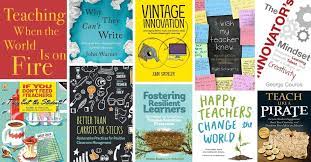
Professional development is essential for teachers seeking to improve their teaching techniques, stay on top of the latest educational trends, and continue to grow throughout their careers. One of the best ways to engage in professional development is by reading books that offer advice, insights, and inspiration. In this article, we will present a list of 20 recommended books for teachers who want to stay current and motivated in their profession.

1. “The Growth Mindset Coach” by Annie Brock and Heather Hundley

2. “Teach Like a Pirate: Increase Student Engagement, Boost Your Creativity, and Transform Your Life as an Educator” by Dave Burgess

3. “Mindset: The New Psychology of Success” by Carol S. Dweck

4. “Culturally Responsive Teaching and The Brain: Promoting Authentic Engagement and Rigor Among Culturally and Linguistically Diverse Students” by Zaretta L. Hammond

5. “The Power of Moments: Why Certain Experiences Have Extraordinary Impact” by Chip Heath & Dan Heath

6. “The First Days of School: How to Be an Effective Teacher” by Harry K. Wong & Rosemary T. Wong

7. “Teach Like a Champion 2.0: 62 Techniques that Put Students on the Path to College” by Doug Lemov

8. “The Courage to Teach: Exploring the Inner Landscape of a Teacher’s Life” by Parker J. Palmer

9. “Why Don’t Students Like School? A Cognitive Scientist Answers Questions About How the Mind Works and What It Means for the Classroom” by Daniel T. Willingham

10. “Visible Learning for Teachers: Maximizing Impact on Learning” by John A.C Hattie

11. “Drive: The Surprising Truth About What Motivates Us” by Daniel H. Pink

12. “Better Conversations: Coaching Ourselves and Each Other to Be More Credible, Caring, and Connected” by Jim Knight

13. “Pedagogy of the Oppressed” by Paulo Freire

14. “Teaching with Love and Logic: Taking Control of the Classroom” by Jim Fay & David Funk

15. “The Book Whisperer: Awakening the Inner Reader in Every Child” by Donalyn Miller

16. “The Teacher Wars: A History of America’s Most Embattled Profession” by Dana Goldstein

17. “How Learning Works: Seven Research-Based Principles for Smart Teaching” by Susan A. Ambrose, et al.

18. “Not Light, But Fire: How to Lead Meaningful Race Conversations in the Classroom” by Matthew R. Kay

19. “Teaching to Transgress: Education as the Practice of Freedom” by bell hooks

20. “How to Create a Culture of Achievement in Your School and Classroom” by Douglas Fisher, Nancy Frey, and Ian Pumpian

Conclusion:

These 20 books offer various perspectives and approaches that can help teachers in their journey towards continued professional development and success in the classroom. From mindset shifts to practical strategies for enhancing student engagement, these books cover a wide range of topics that can empower educators to grow and thrive throughout their careers. Read, learn, and be inspired – happy teaching!

CPD: Functional Skills in Action – Empowering Individuals for Success

Introduction

Continuous Professional Development (CPD) is an essential aspect of lifelong learning. Within the educational sector, functional skills play a crucial role in supporting and enhancing an individual’s employability, social awareness, and personal growth. This article delves into how CPD contributes to the practical application of functional skills, creating confident and capable learners ready to face the real world.

Role of CPD in Functional Skills

Nurturing essential skills: In today’s ever-changing landscape, it is imperative for individuals to possess strong core skills such as literacy, numeracy, and information and communication technology (ICT) competence. CPD programs can equip learners with the vital tools required to navigate modern society effectively.

Tailored Learning Plans: Additionally, CPD helps educators create bespoke learning experiences that cater to diverse student needs. By focusing on personalized plans that target specific gaps in understanding and proficiency, students can improve their functional skills more effectively.

Enhancing teaching approaches: Professional development opportunities enable teachers to stay updated on the latest trends in education. They can implement innovative teaching methodologies that spark interest and enable students to develop their creative problem-solving abilities.

Functional Skills in Action

1.Workplace readiness: By promoting functional skills through CPD initiatives, educators help equip individuals with practical skillsets applicable across various job functions and industries. Having adequate exposure to technical knowledge ensures a smoother transition into their respective careers.

2.Interpersonal aptitude: Aside from professional prowess, functional skills also mold an individual’s ability to engage productively with others. These soft skills promote better communication, collaboration, and problem-solving within interpersonal settings – crucial components for success in any field.

3.Personal growth and empowerment: Developing proficient functional skills encourages greater independence in daily living activities such as financial management or general decision-making processes. Such capacities lead to increased self-esteem and confidence, which contribute significantly to personal well-being and fulfillment.

Conclusion

CPD plays a critical role in the advancement of functional skills. As educators and education professionals continue to invest in continuous professional development programs, they are cultivating a generation of skilled, adaptable, and capable learners. Functional skills prepare individuals to tackle the challenges of living and working in the 21st century, ensuring that they are empowered to succeed both personally and professionally.

Planning and Delivering CPD for Teaching Assistants: Exploring Different Kinds of Support

Introduction

Teaching Assistants (TAs) play a vital role in the education system by supporting teachers and students, facilitating learning, and contributing to the overall development of the classroom. Like any profession, continuous professional development (CPD) is crucial for TAs to stay up-to-date with best practices, improve their skills, and positively impact students’ engagement and learning outcomes. This article examines some of the different kinds of support available for TAs’ CPD and shares potential strategies for planning and delivering these programs.

Types of Support

1.In-House Training Sessions

In-house training sessions are organized within the school or institution employing the TAs. These sessions usually address specific topics relevant to the particular educational environment and may be led by experienced staff members or outside experts. This type of support offers a more focused approach to CPD while fostering collaboration among colleagues.

2.Peer-to-Peer Mentoring

Peer-to-peer mentoring is an informal approach to CPD where TAs learn from each other by exchanging experiences, expertise, or feedback. This approach promotes a supportive environment within the workplace and helps foster camaraderie among staff members.

3.Online Courses/Webinars

The advent of technology has made it easier to access professional development opportunities through online courses or webinars. TAs can enroll in these courses either individually or as part of an organized group sponsored by their employer. This type of support is especially beneficial during periods where traditional face-to-face approaches may not be convenient due to factors such as time constraints or social distancing measures.

4.Education Conferences/Workshops

Attending conferences or workshops on educational topics provides TAs with opportunities to network with their peers from other institutions, engage in collaborative discussions, and learn from industry experts. Such gatherings often provide a wealth of knowledge on various topics relevant to TAs’ roles and responsibilities.

5.External Training Programs

Many educational organizations, such as teacher unions, universities, or government agencies offer external training programs specifically designed for TAs. Participating in these programs not only helps TAs obtain specialized knowledge and skills but also provides accreditation that they can showcase on their resumes.

Planning and Delivering CPD for TAs

1.Assess the Needs: Begin by evaluating the TAs’ specific needs, preferences, and skill gaps in consultation with them and their supervising teachers. This assessment process will help tailor CPD initiatives to suit the TAs’ requirements.

2.Establish Objectives: Set clear objectives for each CPD initiative based on the identified needs. Objectives will provide a roadmap for both planning and evaluating the effectiveness of CPD initiatives.

3.Identify Resources: Determine the financial, human, or material resources necessary to implement the selected initiatives and ensure they are within the school’s budget constraints.

4.Select Appropriate Methods: Based on available resources and assessed needs, decide on the appropriate type(s) of support to meet the CPD objectives.

5.Monitor Progress: Regularly track TAs’ progress during their professional development journey, provide feedback, and make any required adjustments to maximize learning outcomes.

6.Evaluate Impact: Assess how effectively the CPD opportunities have contributed to improving TAs’ performance in enhancing students’ learning experiences.

Conclusion

Providing ongoing support for Teaching Assistants through various CPD initiatives is essential to enhance their capabilities and positively impact students’ academic growth. Schools should carefully consider different types of support to accommodate individual TA’s needs while fostering a culture of continuous professional growth within their institutions.

Do Principal Side-Gigs Offer Added Value Or Passion?

In today’s fast-paced world, the concept of side-gigs has become increasingly popular. The question remains, however – do these principal side-gigs offer added value or passion to one’s life? This article seeks to explore this topic by breaking down the potential benefits and downsides of engaging in side activities.

### Added Value

First and foremost, side-gigs can create an additional income stream for individuals. This added financial security can help improve one’s overall quality of life, especially in times of economic uncertainty. With the rising cost of living and stagnating wages, side-gigs can provide a necessary boost in financial stability.

Moreover, these gigs can lead to personal and professional growth. For instance, developing skills beyond your primary occupation can open up new career opportunities or even pave the way for entrepreneurship. Side projects also allow individuals to test their abilities in different industries and environments.

Lastly, side-gigs can provide networking opportunities that would not typically occur within one’s primary job role. By engaging with different professionals and industry circles through side projects, new connections can be formed that may lead to future partnerships or collaborations.

### Passion

Beyond their practical value, side-gigs may also serve as an outlet for personal passions. For many people, their primary occupation might not fully align with their interests or creative pursuits. Engaging in a side project allows individuals to pursue their passions without sacrificing their day-to-day careers.

Additionally, pursuing a passion outside of work can lead to increased job satisfaction and decreased feelings of burnout for some individuals. As a result, they might find themselves more engaged and motivated when returning to tasks that are part of their primary occupation.

However, it is essential to strike a balance between pursuing one’s passions through side-gigs and maintaining commitment to their primary job role. Overextending oneself with too many projects could potentially lead to fatigue or detract from the quality of work.

### Finding the Right Balance

In conclusion, principal side-gigs can indeed offer both added value and passion to one’s life. To maximize these benefits, it is essential to carefully select and manage these projects while maintaining a healthy balance between primary job responsibilities and personal interests. By doing so, individuals can harness the potential of side-gigs to enhance their lives both financially and emotionally.

Professional learning: Making meetings better

Introduction

Meetings play a critical role in providing a platform for communication, collaboration, and decision-making within organizations. However, poorly executed meetings can detract from productivity and lead to frustration for attendees. This article will explore strategies for making meetings better, including planning, conducting, and evaluating meeting effectiveness. By applying these tips and techniques, professionals can create engaging and productive meeting environments that foster learning and collaboration.

Section 1: Plan Your Meeting with Clear Objectives

1. Define clear objectives before the meeting: Establishing specific goals helps to ensure that the meeting stays focused on addressing relevant topics and achieving desired outcomes. Write down your objectives before the meeting ensuring they are SMART (Specific, Measurable, Achievable, Relevant, Time-bound) to increase success.

2. Invite appropriate participants: Carefully select attendees who have a direct stake in the meeting’s objectives or can provide essential input.

3. Create a concise agenda: Develop an agenda that outlines each topic for discussion during the meeting along with relevant materials or presentations. Send it out in advance to allow participants to prepare adequately.

4. Schedule appropriate time and location: Choose a time when most team members are available and comfortable to attend. The location should cater to any technical requirements or space needs for your meeting session.

Section 2: Conducting an Effective Meeting

1. Start on time: Respect your attendees’ schedules by beginning promptly at the agreed-upon time.

2. Set ground rules: At the beginning of the meeting, establish ground rules such as limiting side conversations, encouraging respectful disagreement, and adhering to designated speaking time limits.

3. Facilitate productive discussions: Maintain focus on predetermined objectives by encouraging open dialogue and active collaboration amongst participants while managing interruptions or deviations from the agenda topics.

4. Engage remote participants actively: If some team members join virtually, ensure they have equal opportunities to participate in the discussion and decision-making processes.

Section 3: Evaluating Meeting Effectiveness

1. Use meeting minutes: Document important decisions, action items, highlights of the discussion, and any follow-up actions needed in meeting minutes for future reference.

2. Seek feedback: Request feedback from participants about the meeting’s effectiveness, content, and methods used. This will help you identify areas for improvement and develop strategies for more productive meetings in the future.

3. Monitor follow-up actions: Ensure that agreed-upon action items are executed on time to demonstrate that progress is made as a result of the meetings held.

Conclusion

By implementing these strategies for planning, conducting, and evaluating meetings effectively, professionals can create a more focused and efficient environment that supports learning and collaboration within their organization. Ultimately, well-executed meetings can lead to better decision-making processes, improved communication, and enhanced overall productivity.

Including teaching assistants in CPD provision

Introduction

Teaching assistants play a vital role within the educational system, offering essential support to teachers, students and playing an active part in the learning process. As a result, it’s crucial that they’re provided with the same continuous professional development (CPD) opportunities as their teaching colleagues. In this article, we explore the importance of incorporating teaching assistants in CPD provision and how it can benefit schools, teachers and students alike.

Benefits for Teaching Assistants

1) Skills development – Participating in CPD activities helps teaching assistants develop new skills, improve on existing ones, and increase their ability to contribute positively to the learning environment. This improved skill set equips them to better support both students and teachers.

2) Job satisfaction – Engaging in professional development demonstrates that teaching assistants are valued members of the school community. This investment in their growth often leads to increased job satisfaction and passion for their work.

3) Professional progression – Access to CPD opportunities allows teaching assistants to grow professionally, paving the way for career advancement within the educational system.

Benefits for Teachers

1) Enhanced collaboration – When teaching assistants are involved in CPD provision, they are better equipped to collaborate with teachers effectively. This improved teamwork benefits not only student outcomes but also fosters strong working relationships among educators within a school.

2) Greater classroom support – With heightened knowledge and skills gathered through CPD courses, teaching assistants can provide more effective support to teachers when planning and delivering lessons, managing behavior and addressing individual student needs.

3) Shared responsibility – A well-qualified teaching assistant enables teachers to delegate tasks confidently, allowing them increased time and energy for other responsibilities such as lesson planning or assessment activities.

Benefits for Students

1) Ensuring diverse needs are met – By continuing their professional development, teaching assistants strengthen their understanding of how best to support diverse learners with varying needs in the classroom.

2) Increased academic support – Teaching assistants with up-to-date knowledge and skills can offer students additional support, especially for those who have difficulty with particular subjects or concepts.

3) Fostering positive learning environments – A well-trained teaching assistant helps create a nurturing environment where students feel supported and heard, contributing to their overall well-being and academic success.

Conclusion

Inclusion of teaching assistants in CPD provision is an essential investment for schools. It not only benefits the teaching assistants personally but also leads to improved teacher collaboration, more effective classroom support, and better outcomes for students. Therefore, it is of the utmost importance that schools ensure that teaching assistants are involved in CPD opportunities and contribute to their professional growth.

Want to Infuse Motivation Throughout Your Entire School? Here’s How…

It’s no secret that motivation is essential for effective learning and overall success in school. Finding ways to instill motivation throughout the entire school environment is key to creating a thriving and engaging atmosphere. Below are some strategies to help you achieve this goal.

1. Foster a Growth Mindset

Encourage students and faculty members to approach challenges with a “growth mindset.” This mentality helps individuals view setbacks as opportunities for growth rather than defining moments of failure. By emphasizing the importance of perseverance and resilience, you can inspire everyone at the school to approach each task with determination, curiosity, and hope.

2. Offer Extracurricular Activities

To keep students engaged and foster a love of learning beyond the classroom, consider offering a wide variety of extracurricular activities. Clubs, sports teams, music ensembles, or volunteer opportunities enable students to explore their passions and discover new interests. These activities can build camaraderie among students and create a sense of belonging within the school community.

3. Prioritize Mental Health

Create an environment where students feel comfortable discussing their mental health concerns with faculty or staff members. Offering resources like counseling services, workshops on stress management techniques, and mental health days can go a long way in addressing any issues that may be hindering motivation.

4. Set Clear Expectations and Goals

Ensure that teachers communicate clear expectations for classroom behavior, academic performance, and participation from the outset. Collaborating with students in setting personal goals allows them to take ownership of their education while providing them with milestones toward which they can strive.

5. Celebrate Successes

Recognize individual and group achievements with announcements, awards ceremonies, or special events. Celebrating successes helps boost morale and demonstrates that hard work pays off.

6. Encourage Collaboration

Foster collaboration between teachers, students, and administration by implementing interdisciplinary courses or cross-departmental initiatives. This can help promote a sense of unity and shared responsibility for school success.

7. Cultivate Strong Relationships

Promote strong relationships between students, teachers, and administrators by providing opportunities for mentoring or regular one-on-one meetings. Meaningful relationships can have a profound impact on students’ attitudes towards school and the motivation to succeed.

8. Empower Student Leaders

Give students the opportunity to take on leadership roles within clubs, sports teams or as classroom representatives, allowing them to develop valuable skills and gain self-confidence in their abilities.

9. Maintain Strong Communication Channels

Keep communication lines open between administration, faculty, students, and parents. Regularly scheduled updates and open forums for discussion can ensure that all stakeholders are well-informed and able to voice their opinions or concerns.

10. Make Learning Fun and Engaging

Incorporate innovative teaching methods into the curriculum by using technology, project-based learning, or hands-on activities designed to keep students engaged and motivated throughout their learning journey.

By implementing these strategies consistently and thoughtfully, you can create a positive environment that fosters motivation throughout your entire school community. Happy teaching!

Get 20+ Free Professional Development Courses for Your Staff

Introduction

In today’s fast-paced and ever-evolving world, continuous professional development (PD) is crucial for employees to stay relevant and skilled in their respective fields. Organizations also benefit from investing in their staff’s development by enhancing overall productivity and retaining talent. However, professional development courses can often carry a significant price tag. Fortunately, there are numerous free PD courses available online that can support your staff’s growth without breaking the bank. Here are over 20 free professional development courses you can consider for your team.

1. Coursera

Coursera offers a range of free courses from renowned institutions such as Stanford University, Duke University, and the University of Pennsylvania. Topics covered include business, computer science, data analysis, programming, digital marketing, and entrepreneurship.

2. edX

edX partners with top universities like Harvard and MIT to provide high-quality online courses at no cost. Subjects include finance, accounting, project management, cybersecurity, leadership, and communications.

3. Alison

Alison offers free professional development courses focused on workplace skills such as teamwork, communication, problem-solving, management techniques and health & safety compliance.

4. LinkedIn Learning

LinkedIn Learning allows users to access selected free courses on diverse topics such as graphic design, web development, leadership skills, time management, and software training.

5. FutureLearn

FutureLearn collaborates with prestigious universities and institutions across the globe to offer free online courses in areas like business management, psychology, healthcare, STEM subjects and more.

6. OpenLearn (OU)

OpenLearn provides a large variety of free online learning resources from The Open University. Course topics include project management, information technology management for business (ITMB), human resources (HR), marketing communications as well as soft skills training.

7. Udacity

Udacity offers free technical courses in areas such as web development, artificial intelligence, data science, machine learning, and augmented reality.

8. Codecademy

Codecademy allows learners to unlock coding skills with free courses on programming languages and tools such as Python, JavaScript, Ruby, HTML & CSS, and more.

9. Khan Academy

Khan Academy provides free courses in math, science, economics, history and numerous other subjects targeted to improve critical thinking and problem-solving abilities.

10. HubSpot Academy

HubSpot Academy offers free online training in inbound marketing techniques such as SEO, content marketing, social media strategy development and management.

Additional Free PD Courses:

11. Canvas Network

12. Microsoft Learn

13. Cybrary (Cybersecurity)

14. iTunes U (Apple users)

15. Google Digital Garage

16. Saylor Academy

17. OpenCulture

18. TED-Ed

19. NovoEd

20. Kadenze (Creative Arts)

Conclusion

Investing in your staff’s professional development doesn’t have to come at a high cost. These 20+ free online PD platforms provide a convenient and cost-effective solution for upskilling employees to meet the demands of today’s workforce landscape. Embrace these learning opportunities to empower your team and enhance your organization’s overall value proposition.