Social Studies Education

How to Send Veterans Day Cards From Your Students to Vets Active Duty Personnel

Sending Veterans Day cards is a thoughtful and impactful way to teach students about the importance of honoring those who have served our country. Here is a guide to help educators facilitate this activity with their students.

Step 1: Start with Education

Before you begin creating the cards, it’s important for students to understand the significance of Veterans Day. Take some time to educate them about the history and why it’s essential to honor veterans and active duty personnel.

Step 2: Materials and Instructions

Gather materials such as cardstock, markers, stickers, and any other decorative items. Provide students with card-making instructions and encourage creativity while maintaining a respectful tone in the messages.

Step 3: Writing Messages

Encourage your students to write heartfelt messages expressing gratitude. These can include thanking the veterans for their service, acknowledging their courage, and wishing them happiness and health.

Step 4: Collecting Cards

Set a due date for when all cards should be completed and collect them. This will give you time to organize them before sending.

Step 5: Finding Recipients

Research local veteran organizations, VA hospitals, or military bases where you can send the cards. You can also look for national programs that distribute cards to veterans and active duty personnel.

Step 6: Mailing the Cards

Once you have a list of recipients or a program to send cards through, package the cards securely and send them out in a timely manner so they arrive before Veterans Day.

Step 7: Reflecting on the Experience

After sending the cards, take some time for your students to reflect on what they’ve learned from the experience. Encourage them to discuss their feelings about the project and its impact on their understanding of military service.

By sending Veterans Day cards from your students to vets and active-duty personnel, you’re not only honoring those who serve but also fostering a sense of gratitude and patriotism in young people.

Celebrate Presidents’ Day with Engaging Activities for Kids

Presidents’ Day, originally established in 1885 in recognition of President George Washington, is now viewed as a day to celebrate all U.S. presidents past and present. It’s a fantastic opportunity for educators and parents to engage children in history lessons and activities that honor the leadership and legacy of the nation’s commanders-in-chief.

Here are eight engaging activities to help kids understand and celebrate Presidents’ Day:

1.Presidential Fact Files: Create a classroom project where kids research facts about different U.S. presidents and present their findings. Each child could focus on a different president, creating a fact file that includes key achievements, historical events during their presidency, and interesting trivia.

2.Mount Rushmore Art: Get creative with an art project focusing on Mount Rushmore. Students can learn about the four presidents featured (George Washington, Thomas Jefferson, Theodore Roosevelt, and Abraham Lincoln), why they were chosen, and then draw or sculpt their version of this iconic monument.

3.White House Tour: Take an online virtual tour of the White House. This is an excellent way for students to see where every president since John Adams has lived and worked while serving as commander-in-chief.

4.Presidential Timeline: Create a timeline in class featuring significant events from various presidencies. This activity will help children understand the chronological order of presidents and historical milestones.

5.Role Play: Students can role-play as different presidents to learn about pivotal decisions made during their tenure. This helps build public speaking skills and deepens their understanding of presidential responsibilities.

6.Write Letters to the President: Encourage children to write letters to the current president expressing their ideas on what makes a good leader or sharing their thoughts on an issue important to them.

7.Campaign Posters: Have students create campaign posters for famous presidential elections or invent their candidates and campaigns based on what they’ve learned about leadership qualities.

8.Presidential Speech Analysis: Older students can analyze famous speeches by past presidents, looking at rhetoric, style, content, and historical impact. They can present their analyses to the class or even attempt writing their version of a presidential speech.

By incorporating these Presidents’ Day activities into your curriculum or at home, you provide a meaningful way for children to connect with American history and understand the significance of the presidency in shaping the United States.

Remembrance Day Classroom Activities

As Remembrance Day approaches, it’s important to engage students in activities that honor veterans and those who have served their country. This article outlines a variety of classroom activities suitable for Remembrance Day that will help educators teach about the significance of this day.

1. Moment of Silence: Begin the day with a school-wide moment of silence. This gives students an opportunity to reflect on the sacrifices made by service members. A discussion can follow about why we observe these moments and the history behind them.

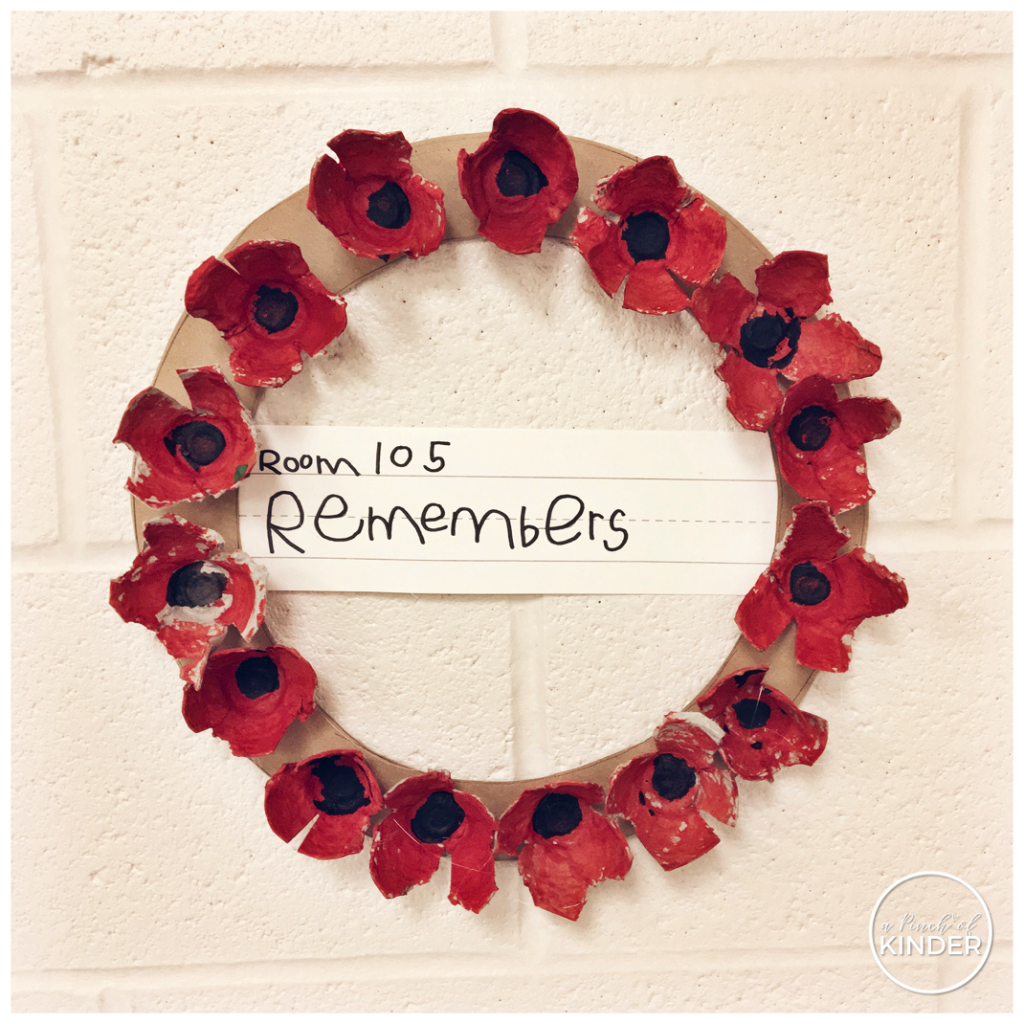
2. Poppy Crafts: Have students create their own poppies out of paper, fabric, or felt. The poppy is a symbol of Remembrance Day and crafting them can be a hands-on way for students to engage with the day’s meaning.

3. Letters to Veterans: Encourage students to write thank-you letters or cards to veterans or active service members. This activity teaches gratitude and provides a personal connection to the people who serve their country.

4. Poetry Writing: Reading and writing poetry can be a powerful way to explore themes of peace, war, remembrance, and sacrifice. Students might write an acrostic poem using the word ‘REMEMBER’ or create haikus focusing on peace.

5. Historical Research Projects: Assign students to research different wars or military conflicts and present their findings to the class. This can include stories of individual soldiers, major battles, or the impacts on families and communities.

6. Veteran Guest Speakers: Invite local veterans to speak in your classroom about their experiences. It’s a chance for students to ask questions and learn first-hand about the lives of people who have served.

7. Remembrance Day Assemblies: Organize an assembly with songs, poems, and presentations that focus on the theme of remembrance. Students can participate by singing national anthems, reciting poems, or displaying art inspired by Remembrance Day.

8. Educational Videos: Show educational videos that explain the history and significance of Remembrance Day. Discuss afterwards to reinforce learning and address any questions from students.

9. Create a Wall of Honor: Designate a wall in your classroom for students to display pictures or names of family members who have served in the military, accompanied by short descriptions written by the students.

10. Field Trips: Visit local war memorials or museums if possible so that students can see and experience history outside the classroom.

Remembering those who served requires teaching new generations about their sacrifices. Implementing these classroom activities around Remembrance Day serves as an excellent opportunity for educators to instill respect and remembrance in their students for those who have contributed so much for their country’s safety and freedom.

Social Emotional Learning Teaching Resources

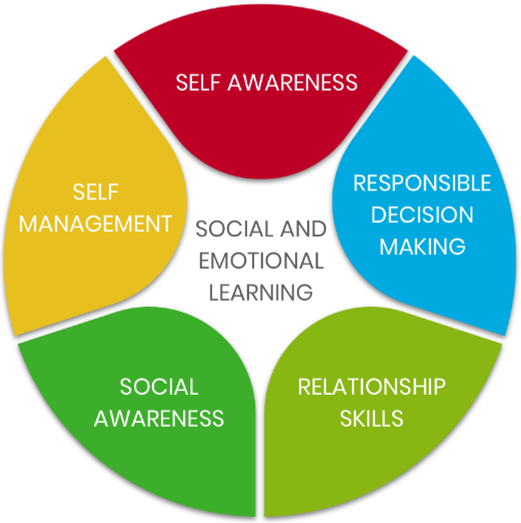
Social emotional learning (SEL) has emerged as an integral part of education, addressing students’ needs for developing self-awareness, self-management, social awareness, relationship skills, and responsible decision-making. As educators increasingly recognize the importance of incorporating SEL into the classroom, a myriad of resources have been developed to support this holistic approach to teaching.

One key resource is the Collaborative for Academic, Social, and Emotional Learning (CASEL) framework, which provides a systematic approach to SEL. Through its research-based framework, CASEL outlines competencies and offers guidelines and tools that can be adapted for different school environments. Educators can access free guides and toolkits via their website to integrate SEL principles into their curriculums.

Another significant resource comes from the Yale Center for Emotional Intelligence’s RULER program, which stands for Recognizing, Understanding, Labeling, Expressing, and Regulating emotions. This evidence-based approach involves both direct instruction for students and professional development for teachers. The program provides activities and lesson plans designed to foster emotional intelligence in students.

Additional teaching resources are available through Edutopia, a trusted source of educational strategies founded by filmmaker George Lucas. Edutopia offers a collection of videos and articles about best practices in SEL that can be easily incorporated into daily classroom activities.

Furthermore, MindUP curriculum is based on neuroscience and provides 15 lessons that engage students in learning about the brain’s functions related to emotion regulation and mindfulness practices. Developed by The Goldie Hawn Foundation, MindUP aims to help children improve focus while developing a positive mindset.

Lesson Planet is another practical resource where educators can find teacher-reviewed SEL lessons classified by grade level and subject area. These lessons range from teaching empathy through literature studies to conflict resolution through role-playing exercises.

For digital apps and games that integrate SEL principles, Common Sense Education handpicks the best digital resources providing detailed reviews aimed at educational appropriates. Here teachers will find various digital tools that make learning SEL skills interactive and engaging.

Lastly books like ‘The Heart of Learning and Teaching: Compassion, Resiliency, and Academic Success’ by Ray Wolpow et al., provide deep dives into the emotional lives of students and offer strategies for building compassionate school communities where SEL can thrive.

These resources collectively offer educators a comprehensive toolbox for implementing Social Emotional Learning effectively in their classrooms. By cultivating these skills early on, we prepare our students not just academically but emotionally too — equipping them with the resilience needed to succeed throughout life.

NAIDOC Week 2024 Teaching Resources

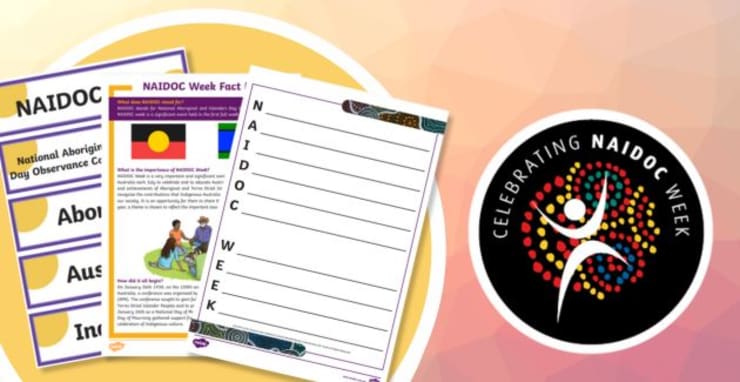
NAIDOC Week has always been a vital time in Australia to celebrate the rich history, culture, and achievements of Aboriginal and Torres Strait Islander peoples. As we approach NAIDOC Week 2024, schools and educational institutions across the country are gearing up to immerse students in a learning experience that is both engaging and enlightening. To aid educators in navigating this important week, a slew of innovative teaching resources have been made available.

These resources come in various formats to cater to diverse learning environments and styles. Interactive apps have been specifically developed for NAIDOC Week 2024, which provide a hands-on approach to learning about Indigenous culture, language, and history. These apps include storytelling features with Indigenous Elders sharing tales passed through generations, along with quizzes and games that reinforce learning outcomes.

Printable workbooks tailored for different year levels feature activities that encourage critical thinking about Australia’s Indigenous heritage. These workbooks include coloring pages illustrating notable Indigenous figures, word searches with relevant vocabulary, and questionnaires designed to prompt discussions about reconciliation and understanding.

Virtual Reality (VR) experiences have taken center stage for NAIDOC Week 2024. By donning VR headsets, students can embark on virtual tours of significant Indigenous sites, allowing them to explore ancient landscapes and learn about traditional practices from the comfort of their classroom. Educators can guide these experiences, pausing at teachable moments to delve deeper into the stories behind these sacred sites.

Moreover, extensive video libraries are accessible featuring interviews with community leaders, documentaries on Indigenous achievements, and historical retrospectives. These videos serve as conversation starters and provide authentic voices that enrich the classroom discussion about Aboriginal and Torres Strait Islander contributions to modern Australia.

Lesson plans have been carefully crafted by educational experts in cooperation with Indigenous communities to ensure they are culturally sensitive and informative. These plans offer step-by-step guidance for teachers on how to approach various topics within NAIDOC Week, from land rights issues to the celebration of Indigenous music and art.

To support language preservation efforts, phrasebooks and language learning tasks have been included. These resources introduce students to the diversity of languages spoken by Aboriginal and Torres Strait Islander peoples, fostering an appreciation for linguistic heritage.

The emphasis this year is also on participatory activities that extend beyond the classroom. This includes invitations for local Indigenous people to conduct workshops on art, storytelling or traditional dance during school assemblies or community gatherings—providing a tangible connection between students and the living traditions of Australia’s First Nations communities.

Additionally, resource packages include tips for respectful engagement with Indigenous content all year round—not just during NAIDOC Week. This ensures that reflection on Australia’s Indigenous cultures becomes an enduring part of curricula rather than a one-off event.

In conclusion, teaching resources for NAIDOC Week 2024 are designed not only to educate but also inspire new generations about the importance of embracing and respecting the world’s oldest continuous cultures. Through interactive technology, thoughtful printed materials, engaging videos, comprehensive lesson plans, language resources, and community participation initiatives—students will have a multifaceted understanding of Aboriginal and Torres Strait Islander peoples’ identity, resilience, contribution, and heritage.

First Nations Peoples Histories and Cultures Teaching Resources

First Nations Peoples, the indigenous groups of Canada, have rich and diverse histories and cultures that are an integral part of the nation’s fabric. Incorporating their stories and traditions into educational curricula not only honors their contributions but also enriches the learning experience for all students.

Historically, the education system has overlooked the intricacies of First Nations Peoples’ narratives, often providing a skewed or incomplete picture. However, an increasing number of teaching resources are now available to rectify this gap. These resources provide accurate historical accounts, cultural insights, and perspectives on contemporary issues facing First Nations communities.

One essential resource is the inclusion of primary sources such as treaties, historical documents, oral histories, and artifacts. These materials offer students firsthand accounts of First Nations Peoples’ experiences and their longstanding relationship with the land.

Another vital component is literature written by First Nations authors. These works contribute authenticity to discussions around First Nations histories and cultures. Books like Thomas King’s “The Inconvenient Indian” or Richard Wagamese’s “Indian Horse” offer compelling narratives that resonate with a diverse audience.

Visual resources such as documentary films and photographs can also be powerful tools in the classroom. Series like CBC’s “8th Fire” provide illuminating visuals and commentary on the history and future of First Nations Peoples in Canada. Authentic images capture moments in time and provide a stark contrast to stereotyped portrayals often depicted in mainstream media.

Interactive online platforms offer dynamic ways for students to engage with First Nations histories and cultures. Websites with virtual tours, interactive maps, and databases of traditional languages enable students to explore these cultures actively.

Lesson plans focusing on specific themes such as governance structures, environmental stewardship practices, or traditional ceremonies meaningfully integrate knowledge about First Nations Peoples into subjects like social studies or environmental science.

Educators are also encouraged to collaborate with local First Nations communities when creating curricula. Such partnerships ensure that teaching is not only appropriate but benefits from the wealth of knowledge present within these communities.

Ultimately, it’s crucial that teaching resources reflect the complexity, diversity, and resilience of First Nations Peoples. By adopting a multifaceted approach to education through various resources, educators can contribute to a more inclusive and accurate portrayal of Canada’s history and contemporary society.

23 Marvelous Holiday Mindfulness Activities

Introduction:

The holiday season is a time for joy, celebration, and spending time with loved ones. However, it can also be a stressful period with all the preparations and obligations that come along with it. One way to maintain balance during this busy time is through mindfulness activities. Practicing mindfulness can help you stay present, reduce stress, and find more enjoyment amidst the hustle and bustle of the holidays. Here are 23 marvelous mindfulness activities you can try this holiday season.

1. Gratitude Jar – Create a jar for collecting little notes of gratitude from family members throughout the season.

2. Snowflake Meditation – Watch snowflakes fall gently from the sky and focus on their unique patterns as they land.

3. Silent Night Walk – Go for a peaceful nighttime stroll, taking in the sights and sounds of the season while practicing mindful breathing.

4. Hot Cocoa Sipping – Sit down and enjoy a cup of hot cocoa mindfully savoring each sip.

5. Mindful Ornament Hanging – Focus your full attention on hanging ornaments on the tree, noticing their colors, textures, and memories attached to them.

6. Advent Calendar Mindfulness – Open each day’s door or box of your advent calendar and reflect on the small surprise inside.

7. Candle Gazing – Light a candle and spend some time observing its flickering flame in silence.

8. Coloring Pages – Choose festive holiday-themed coloring pages to engage in mindful coloring as a form of relaxation.

9. Holiday Aromatherapy – Diffuse calming scents like pine or cinnamon to create a mindful atmosphere in your home.

10. Mindful Baking – Bake favorite holiday treats while paying attention to each detail of measuring, mixing, and rolling out dough.

11. Gratitude Wreath – Craft a wreath with family or friends using special notecards to express gratitude for various aspects of life.

12. Guided Holiday Imagery – Find a guided meditation that focuses on holiday visuals, such as picturesque snow-covered landscapes.

13. Family Yoga – Try holiday-themed yoga poses with family members for relaxation and bonding.

14. Mindful Gift Wrapping – Take time to appreciate each item being wrapped, and infuse each gift with positive intentions.

15. Holiday Music Meditation – Choose a calming holiday track and actively listen to each instrument, melody, and lyrical message.

16. Deep Breathing Exercises – Use deep breathing techniques to calm the mind and body amidst the holiday chaos.

17. Storytelling – Gather loved ones to share their favorite holiday memories and actively listen.

18. Slow Dance – Slow dance with a partner or by yourself to the rhythm of your favorite holiday tunes.

19. Mindful Eating – Savor your favorite holiday dishes, focusing on each flavor, texture, and sensation in your mouth as you eat.

20. Mailbox Moment – Pause to reflect and send positive thoughts when mailing out holiday cards or gifts.

21. Nature Walk: Embrace the outdoors during a mindful walk, noticing any changes in your surroundings that signify the season.

22. Festive Journaling: Reflect on your thoughts and feelings about the holidays with journal entries written near twinkling lights or a lit fireplace.

23. Loving-Kindness Meditation: Cultivate compassion for yourself and others during the holidays by practicing loving-kindness meditation every day.

Conclusion:

Incorporating these mindfulness activities into your holiday routine can help enhance your enjoyment of the season while staying present in each moment. Try one or more of these activities to add a sense of calm amidst the whirlwind of this magical season, helping you truly appreciate all the joys it brings.

15 Awesome Inauguration Day Activities for Kids

Introduction:

Inauguration Day is a significant event in the United States that marks the official beginning of a new presidential term. While adults tune in to watch the historic moment, it’s important to engage children in fun and educational activities that teach them about this special day. Here are 15 awesome Inauguration Day activities for kids.

1. Create presidential flashcards: Have your kids draw pictures of past presidents on index cards and write their names and important facts on the back.

2. Presidential trivia game: Put together a list of trivia questions related to U.S. presidents and have a fun quiz with your kids.

3. Inauguration Day bingo: Create cards with inauguration-themed symbols like the Capitol building, flags, and bunting. When watching the ceremony, have your kids mark off each symbol when it appears on TV.

4. Design a campaign button: Encourage your kids to support their favorite presidents by crafting campaign buttons they can wear or display.

5. Pretend swearing in ceremony: Have your children put on their own inauguration by swearing in a family member or stuffed animal as President.

6. Cook presidential-inspired dishes: Research traditional recipes for favorite dishes of past presidents and cook them together as a family.

7. Watch kid-friendly videos about U.S. history and government: Enjoy informative YouTube videos together to teach your children about American democracy.

8. Write an inaugural address: Have your child pen their version of an inaugural address, stating what they would do if they were President.

9. Craft an American flag: Using tissue paper or construction paper, create colorful American flags for decoration or a symbolic parade.

10. Plan an Inauguration Day scavenger hunt: Hide items like mini flags, pennies with presidents’ faces, and toy eagles around the house or yard for the kids to find.

11. Make patriotic slime: Mix up a batch of red, white, and blue slime, which the children can stretch, twist, and shape.

12. Hold a mock election: Help your kids understand the voting process by holding a mock election for favorite books or snacks.

13. Listen to patriotic songs: Create a playlist of patriotic songs and encourage your family to sing along as they engage in other activities.

14. Visit historical sites virtually: Take a digital tour of presidential museums or monuments to learn more about U.S. history.

15. Decorate your living room for the big event: Dress up your viewing area with patriotic-themed decorations such as streamers, balloons, and banners.

Conclusion:

Turn Inauguration Day into an exciting and educational experience for your kids with these fun activities. It’s the perfect opportunity to help them learn about democracy and what it means to be an active participant in our nation’s history.

16 “I Am Unique” Activities To Celebrate Diversity

Introduction:

Diversity is an important aspect of our world, as it allows us to gain a better understanding and appreciation of different cultures, values, and beliefs. To promote and celebrate diversity, it’s important to engage in activities that highlight our individual uniqueness. Here are some “I Am Unique” activities that will encourage self-discovery, boost confidence, and foster an environment of respect and acceptance.

1. Self-Portrait Collages

Encourage participants to create collages using photographs, magazine cut-outs, or drawings that represent their unique traits and interests.

2. Culture Quilts

Design a group quilt using squares of fabric decorated by each participant to represent their cultural backgrounds.

3. Heritage Potluck

Host a potluck where each person brings a dish from their cultural heritage.

4. International Fashion Show

Organize a fashion show featuring traditional clothing from various countries.

5. Handprint Murals

Create a mural using handprints of all the participants in multiple colors to celebrate diversity.

6. Cultural Holiday Showcase

Create a gallery showcasing different cultural holidays around the world.

7. Language Exchange

Pair up participants from different linguistic backgrounds and have them teach each other phrases from their native languages.

8. Global Music Dance Party

Create a playlist featuring music from different regions and encourage everyone to dance along together.

9. Celebrating Traditions

Invite each person to share about any special traditions they have with their families or communities.

10. Storytelling Time

Encourage participants to tell stories about their ancestors or cultural heroes.

11. Cultural Scavenger Hunt

Create a scavenger hunt where people can learn more about diverse cultures by following clues relating to artifacts or customs.

12. International Film Night

Host a movie night with films from different countries and engage in discussions afterward.

13. Cultural Show and Tell

Organize a show and tell event where participants bring an object representing their culture or family heritage.

14. Diverse Book Club

Start a book club featuring novels from authors of different cultural backgrounds.

15. Travel Presentations

Invite speakers to give presentations on interesting travel experiences or favorite destinations around the world.

16. Recipe Exchange

Create a cookbook showcasing recipes collected from each participant’s cultural background.

Conclusion:

Celebrating diversity promotes understanding and fosters stronger connections within our communities. By engaging in these “I Am Unique” activities, we can deepen our awareness of our own cultural backgrounds and embrace the differences that make each of us unique.

18 Lewis And Clark Expedition Activities

Introduction:

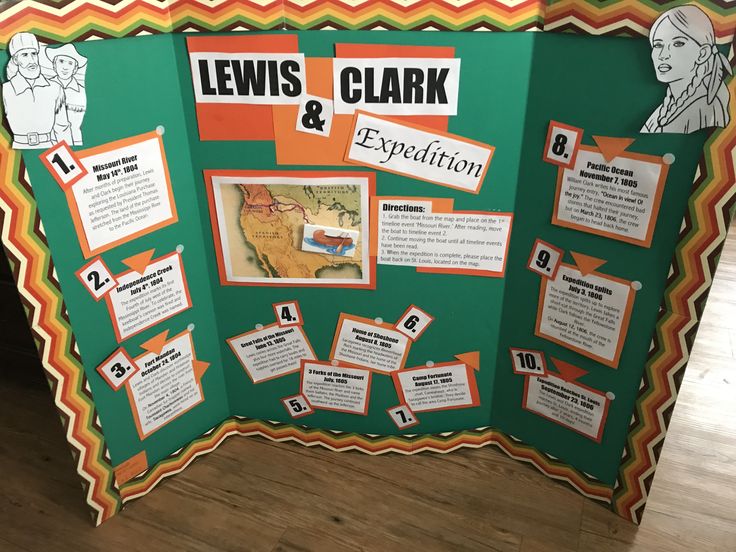
The Lewis and Clark expedition was a remarkable journey that fundamentally shaped the course of American history. Today, we can relive this incredible adventure by engaging in various activities that follow the footsteps of these legendary explorers. Here are 18 exciting activities inspired by the Lewis and Clark expedition that you can experience on your next adventure.

1. Visit the Lewis and Clark National Historical Park

Explore this historical park, located in Astoria, Oregon, where you’ll find the Fort Clatsop replica, a visitor center, and various educational programs.

2. Hike the Lolo Trail

Follow the same path taken by the expedition through Idaho and Montana on this beautiful trail.

3. Canoe or kayak along the Missouri River

Paddle along sections of the river navigated by Lewis and Clark during their journey westward.

4. Attend a reenactment event

Experience history coming to life at one of the many reenactment events held throughout the year depicting scenes from the expedition.

5. Learn about Native American cultures at cultural centers

Visit museums and cultural centers dedicated to preserving the histories of Native American tribes, like those encountered by Lewis and Clark.

6. Tour historic sites in St. Louis

Discover St. Louis’s rich history by visiting important sites like the Gateway Arch, Old Courthouse, and Camp River Dubois.

7. Partake in wildlife watching programs

Join park rangers in spotting bison, elk, bald eagles, and other species documented during the expedition.

8. Try Geocaching along Lewis and Clark trails

Embark on a modern-day treasure hunt as you follow coordinates to uncover hidden caches near historic sites.

9. Camp at one of their overnight spots

Pitch your tent at camping locations used by the crew during their expedition, such as Great Falls or Travelers’ Rest State Park.

10. Visit the National Great Rivers Museum

Explore interactive exhibits and learn about the Mississippi River’s role in shaping American history.

11. Read Lewis and Clark journals

Immerse yourself in firsthand accounts of the expedition’s experiences by reading their personal diaries.]

12. Cycle the Lewis and Clark Bicycle Trail

Take a cycling adventure on this historic route that extends over 3,000 miles from Illinois to Oregon.

13. Learn about the Corps of Discovery’s scientific findings

Visit museums and science centers that display discoveries from the expedition, including new plant and animal species.

14. Participate in a Lewis and Clark-inspired cooking class

Experiment with traditional recipes that were prepared during the expedition using ingredients encountered along their journey.

15. Walk the Natchez Trace Parkway

Follow the footprints of Lewis on his journey back East after completing the exploration.

16. Tour Monticello, Thomas Jefferson’s home

Discover more about Jefferson’s vision for westward expansion in which he played a significant role in launching the expedition.

17. Visit Pompeys Pillar National Monument

Explore this sandstone rock formation in Montana, where Clark carved his name on July 25, 1806, leaving a permanent record of their presence.

18. Join a guided tour or field trip

Participate in expert-led tours or educational programs designed to help deepen your understanding of this historical event.

Conclusion:

The Lewis and Clark expedition offers boundless opportunities for adventure-seekers looking to immerse themselves in American history. Whether it’s hiking trails, visiting museums, or engaging with local communities along the way, these activities will provide enriching insights into this captivating chapter of our past.