Social Studies Education

Sexual Exploitation

Introduction:

Sexual exploitation has been a long-standing issue, plaguing societies around the world for centuries. In recent years, however, the problem has gained momentum and continues to spiral out of control. This article will discuss the growing problem of sexual exploitation in our world today, its impact on victims and communities, and what steps can be taken to combat this heinous crime.

Defining Sexual Exploitation:

Sexual exploitation is a form of sexual abuse that involves manipulating or coercing someone into engaging in sexual activity against their will. It may include acts such as sex trafficking, forced prostitution, production and distribution of child pornography, and online enticement for sexual purposes. Sexual exploitation violates the victim’s fundamental human rights, dignity, and freedom.

Growing Problem:

Despite global efforts to combat it, sexual exploitation remains a pervasive issue across all continents. Factors such as poverty, economic instability, political unrest, and a lack of education create conditions ripe for sexual exploitation to thrive. These circumstances are further exacerbated by rapid advancements in technology and the resulting increase in online activities.

The proliferation of the internet provides exploiters with virtual access to potential victims from any corner of the globe. Social media platforms are particularly vulnerable spaces where exploiters can groom vulnerable individuals for exploitation purposes. The anonymity afforded by these digital spaces empowers perpetrators further.

Impact on Victims and Communities:

Emotional, psychological, and physical trauma marks the lives of those subjected to sexual exploitation. Victims often experience lasting feelings of shame, depression, anxiety disorders, post-traumatic stress disorder (PTSD), and even suicidal ideation. The consequences extend beyond individual suffering; communities suffer as well when crimes go unnoticed or unaddressed, allowing for these destructive behaviors to persist.

Moreover, sexual exploitation has profound social consequences like perpetuation of gender inequality and normalization of violence against women and children. It also contributes significantly to the global economy’s dark side, with human trafficking estimated to be the third-largest organized criminal industry.

Combatting Sexual Exploitation:

Combating sexual exploitation requires concerted efforts from governments, non-governmental organizations, and society as a whole. Addressing root causes like poverty and lack of education is essential for alleviating vulnerability to exploitation. Strengthening legislation and enforcing harsh penalties against perpetrators will deter potential exploiters and dismantle criminal networks.

Public awareness campaigns are vital to educate communities about the dangers of sexual exploitation and how to identify signs of grooming or coercion. Ensuring open channels for reporting suspicious behavior and providing safe spaces for victims to seek help are crucial.

The role of technology cannot be overstated in both facilitating exploitation and combatting it. Tech companies must work together with law enforcement agencies to monitor online spaces closely and develop tools that help identify and block explicit content or predatory behavior.

Conclusion:

Sexual exploitation is a complex issue that demands immediate attention from all quarters. By understanding the scope, scale, and impact of the problem, societies can work together to create lasting solutions that protect innocent lives from suffering at the hands of exploiters. Fostering a culture of empathy, understanding, and vigilance is vital in our collective fight against this growing global problem.

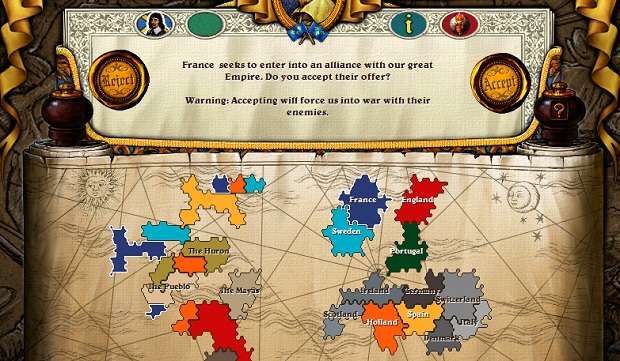
Engaging Imperialism Simulation Activities For Students

Introduction:

Imperialism is a historical phenomenon that has shaped the world in numerous ways. This subject is a crucial element of social studies and history curricula, particularly for high school students. Teaching about imperialism can sometimes be challenging, as students may find it difficult to grasp the concepts and significance behind this complex topic. Incorporating simulation activities into your lesson plans can be a powerful teaching tool, engaging students in active learning experiences. Here are some of the most engaging imperialism simulation activities for students to help them better understand imperialism and its effects on different societies.

1. The Conqueror Game:

In this competitive activity, students are divided into teams representing different imperial powers from the late 19th and early 20th centuries (e.g., Britain, France, Germany). Each team works together to “conquer” territories, gain resources, and expand their empire on a map displayed in the classroom or using online resources. In doing so, they learn about events that shaped real-world historical situations as well as the challenges faced by both imperial powers and conquered nations.

2. The Colony Management Simulation:

This simulation presents students with the challenge of managing a fictional colony in an effort to maintain stability while maximizing profits for the mother country. Students must carefully balance resources, manage trade routes, handle internal conflicts and negotiate with other countries while facing unexpected challenges such as natural disasters or uprisings.

3. Role-Playing Scenarios:

Students assume specific roles within imperialist nations or colonies, acting out scenarios based on historical facts and contexts. Roles can include government officials, military leaders, indigenous people leaders, and merchants—each with distinct goals and interests. Through role-play sessions, students explore various perspectives that lead to deeper understanding of imperialism’s effects on societies.

4. The Treaty Negotiation Exercise:

In this activity, students participate in a mock negotiation to gain control over valuable resources or strategic territories. They represent different countries with varying power dynamics, influence, and interests, learning about the process of diplomacy in the context of imperialism. Students use negotiation strategies to craft agreements that favor their country’s objectives while trying to prevent other countries from doing the same.

5. The Economic Development Project:

In this long-term project, students are tasked with developing a plan to help improve the economic situation of a colony or an occupied region. They consider factors such as infrastructure, education, public health, and trade relations in their plan and analyze how these factors were influenced by imperialism. By working on this project, students gain a deeper understanding of the long-lasting effects of imperialism on the development of societies.

Conclusion:

Imperialism simulation activities provide students with valuable opportunities to engage with history and understand its relevance. They allow students to take an active role in their learning and see historical events unfold from different perspectives. Incorporating these activities into your classroom can not only spark students’ interest in imperialism but also cultivate critical thinking skills to better grasp the complexities between imperial powers and colonized nations.

20 Writing Activities To Bring MLK’s Legacy To Life

Introduction:

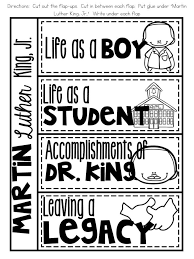
Dr. Martin Luther King Jr.’s tremendous impact on civil rights and human dignity continues to inspire people across the world. Using writing as a tool, we can help keep his legacy alive and engage students in gaining a deeper understanding of his life and work. Here are 20 creative writing activities to bring MLK’s legacy to life in the classroom and beyond.

1. “I Have a Dream” Speech Analysis: Study Dr. King’s famous speech and analyze its literary techniques, rhetorical devices, and themes.

2. Letter Writing Campaign: Write persuasive letters to local representatives promoting social justice or equality issues inspired by MLK’s beliefs.

3. Personal Reflection: Reflect on personal experiences where you encountered injustice, prejudice, or inequality, and how you responded to those situations.

4. Poetry for Justice: Create poems that express your thoughts on social justice issues related to Dr. King’s work.

5. Historical Fiction: Write a short story involving a fictional character who meets Dr. King during the civil rights movement.

6. Acrostic Poems: Compose an acrostic poem with the letters of “MARTIN LUTHER KING” as your starting point.

7. Quotes Analysis: Choose some of Dr. King’s famous quotes and analyze their meaning or write a response detailing your thoughts on the quote.

8. News Report: Write a historical news report from the time of one of MLK’s major accomplishments or events.

9. Compare and Contrast Essay: Compare Dr. King’s leadership style with that of another influential leader in history.

10. MLK Interview: Imagine conducting an interview with Dr. King today; craft questions and write his potential responses about current social issues.

11. Journal Entry: Write a journal entry from the perspective of someone who participated in the March on Washington.

12. Travel Guide: Create a travel guide featuring historical sites related to Dr. King’s life and the civil rights movement.

13. Letters to MLK: Write letters to Dr. King, sharing your thoughts on his beliefs, accomplishments, and legacy.

14. “I Have a Dream” Redraft: Rewrite a portion of the “I Have a Dream” speech, updating it to address current social issues.

15. Movie Review: Watch a documentary or film about Dr. King or the civil rights movement and write a review from an educational perspective.

16. Gratitude Journal: Write daily gratitude entries for one week; focus on things you’re grateful for due to MLK’s contributions.

17. Design a Plaque: Create text for an MLK memorial plaque emphasizing his impact on society.

18. Emulate Dr. King’s Writing: Choose one of Dr. King’s lesser-known works and rewrite it in your own words or style, keeping its overall theme intact.

19. Conversations Across Time: Write a dialogue script between Martin Luther King Jr., and a character from another historical period discussing civil rights and human dignity.

20. Personal Commitment Pledge: Write a pledge stating your commitment to upholding the principles of equality and justice advocated by Dr. King throughout your life.

Conclusion:

Dr. Martin Luther King Jr.’s life and legacy provide endless inspiration for writing activities that promote reflection, critical thinking, and personal growth. Encourage your students or colleagues to engage with these writing exercises as a means of facilitating meaningful connections with Dr. King’s message of equality and justice for all.

31 Constitution Day Activities for Middle Schoolers

1. Preamble Scramble: Have students unscramble the words of the Preamble and put them in the correct order to understand its meaning.

2. Constitutional Trivia: Organize a trivia game with questions related to the Constitution, its authors, and key amendments.

3. Amendment Skits: Divide students into groups and have each group create a skit illustrating one of the 27 amendments.

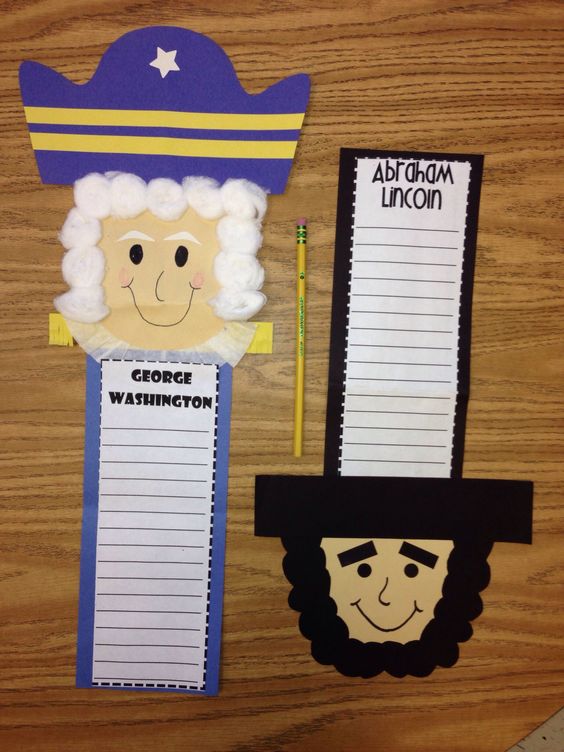
4. Founding Fathers Research Project: Assign each student a Founding Father to research and present to the class.

5. Bill of Rights Poster: Have students create posters illustrating the rights protected by the first ten amendments.

6. Constitutional Crossword: Distribute a Constitution-based crossword puzzle for students to complete.

7. Constitution Debate: Hold a classroom debate on a constitutional question or issue.

8. Mock Constitutional Convention: Recreate the convention with students playing roles of delegates, negotiating and drafting articles.

9. Create Your Own Amendment: Encourage students to propose their own amendment and explain why it’s needed.

10. Pocket Constitution Reading: Provide pocket Constitutions for students to read and discuss.

11. Three Branches of Government Tree: Create a tree diagram showing the different branches of government and their functions.

12. Supreme Court Case Study: Explore landmark Supreme Court cases related to the Constitution.

13. Virtual Field Trip: Take a virtual tour of historical sites like Independence Hall or the National Archives.

14. Interactive Constitution Center Visit: If possible, arrange an actual or virtual visit to The National Constitution Center.

15. Constitutional Time Capsule: Create a time capsule with items that represent today’s understanding of constitutional issues.

16. Compare Constitutions Activity: Compare the U.S. Constitution with constitutions from other countries, identifying similarities and differences.

17. Storyboarding Amendments: Have students storyboard the events leading up to an amendment’s adoption.

18. The Federalist Papers: Introduce students to The Federalist Papers and discuss their significance.

19. ‘We the People’ Mural: Create a classroom mural with a quote or image from the Constitution.

20. Classroom Constitution: Have students work together to write a classroom constitution outlining classroom rules and responsibilities.

21. Quill Pen Writing: Allow students to experience quill pen writing by drafting their signatures on parchment paper.

22. Constitution Day Fashion Show: Hold a fashion show with students dressing as prominent figures from the Constitutional Convention.

23. Interactive Lessons & Games: Utilize online resources like iCivics.org to engage students in interactive lessons and games about the Constitution.

24. Constitutional Kahoot!: Create a Kahoot! game featuring Constitution-related questions.

25. Newspaper Analysis: Investigate how historic newspapers reported on the Constitution’s ratification and the debate surrounding it.

26. Constitutional Rap Battle: Create a rap battle incorporating historical figures and constitutional facts.

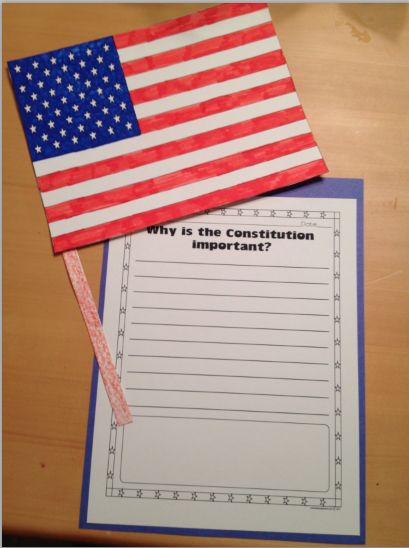
27. Essay Contest: Hold an essay contest where students share their thoughts on the importance of the Constitution today.

28. Cartoon Interpretation: Analyze political cartoons related to the Constitution or amendments, and have students create their own version.

29. Separation of Powers Simulation: Implement a simulation illustrating how separation of powers works in the government.

30. Letters to Founding Fathers: Have students write letters to the Founding Fathers explaining life today, asking questions, or thanking them for their role in creating the Constitution.

31. Pop Quiz Escape Room: Design an escape room-style pop quiz where solving riddles related to constitutional facts allows teams to advance through challenges.

Exploring Primary SEAL Assemblies

Introduction

Primary SEAL (Social and Emotional Aspects of Learning) assemblies lay the groundwork for a holistic approach to education by fostering social and emotional development in young students. This focus lends itself to improved academic achievement, increased attendance, reduced mental health issues, and the enhancement of overall well-being. In this article, we will delve into the core tenets of Primary SEAL assemblies, how they operate within a school environment, and the impact they have on both students and staff.

Core Tenets of Primary SEAL Assemblies

1. Social Awareness: By addressing topics such as empathy, respect for diversity, and effective communication skills, students learn to consider perspectives beyond their own. This creates a conducive environment for collaboration and fosters positive relationships with others.

2. Emotional Awareness: Primary SEAL assemblies help students become aware of their feelings, as well as those of others around them. Recognizing emotions is the first step towards regulating them and equipping children with critical self-management skills.

3. Self-Motivation: An essential aspect addressed by Primary SEAL assemblies is instilling self-motivation within students. Encouraging children to set goals, work towards achieving them, and celebrating their milestones sets the stage for life-long learning progression.

How Primary SEAL Assemblies Operate within Schools

Primary SEAL assemblies are designed to complement existing curricula in primary schools by dedicating weekly or monthly sessions specifically tailored to addressing social-emotional aspects of learning. Many schools integrate themes such as friendship, cooperation or resolving conflicts into their daily lessons to ensure consistency in teachings across all subjects.

An assembly typically comprises story-telling sessions, role-playing exercises, group discussions or scenario-based activities where students can actively engage in reflections on various situations. Trained teachers facilitate these assemblies by using age-appropriate resources provided by educational experts that cater to different student needs.

Impact on Students and Staff

Primary SEAL assemblies have demonstrated numerous benefits for both students and staff:

1. Improved Academic Achievement: Developing social-emotional competencies creates a solid foundation for students to be active and engaged learners. This often translates into higher academic success, due to increased focus, critical thinking, and creativity.

2. Positive Attitude and Behavior: Gaining social-emotional skills enhances students’ emotional well-being, allowing them to exhibit more prosocial behaviors and fewer conduct problems at school. Students expressing strong self-regulation tend to interact positively with their peers and teachers.

3. Staff Satisfaction: The nurturing environment created by Primary SEAL assemblies allows the teaching staff to establish meaningful connections with their students, resulting in greater job satisfaction and improved teacher morale.

Conclusion

Incorporating Primary SEAL assemblies in primary schools is of paramount importance as it provides a comprehensive approach towards social-emotional development in young children. Supporting students on their journey of self-awareness, empathy, and resilience empowers them to thrive in both academic and social spheres, fostering a healthier generation of individuals ready to face life’s challenges head-on. Investing early in the emotional well-being of children ultimately leads to a brighter, more inclusive future for all.

15 Perfect Presidents’ Day Activities to Enjoy and Honor the Holiday

Introduction:

Celebrate Presidents’ Day by engaging in some fun and patriotic activities! This holiday is the perfect time to learn about America’s history while creating lasting memories with friends and family. Here are 15 perfect Presidents’ Day activities to enjoy and honor this special day.

1. Visit a Presidential Library or Museum

Load up the car and head to one of the many presidential libraries or museums across the country, where you can explore our nation’s history through exhibits, artifacts, and special events.

2. Watch a Presidential Documentary

Pick a favorite president or explore a new one by watching an informative documentary. Learn about their accomplishments, challenges, and moments that defined their time in office.

3. Plan a Historical Scavenger Hunt

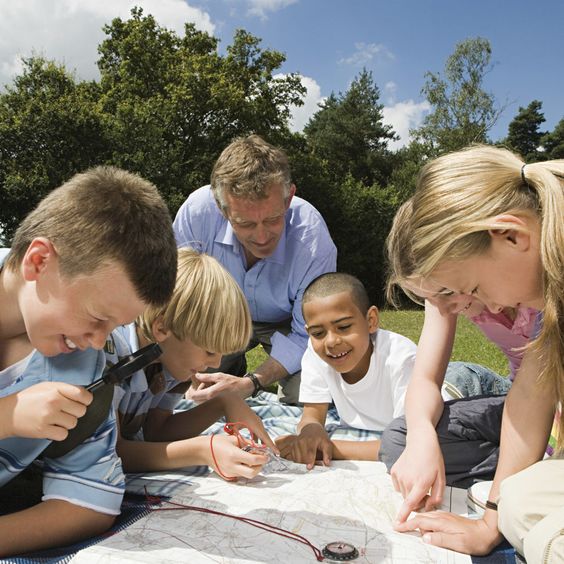
Create a scavenger hunt with clues related to past presidents, monuments, or historical events. Make it extra engaging for kids by including fun prizes at each stop.

4. Participate in Community Celebrations

Join your local community for parades, fireworks shows, or historical reenactments that may be taking place in honor of Presidents’ Day.

5. Volunteer at a National Park

Give back on this patriotic holiday by volunteering your time at a national park near you. Many parks even have educational programs dedicated to the nation’s history and past presidents.

6. Bake Presidential-Themed Treats

Whip up some treats inspired by past presidents’ favorite foods or desserts. Enjoy cherry pie in honor of George Washington, indulge in Thomas Jefferson’s famous macaroni and cheese recipe, or try out Abraham Lincoln’s favorite almond cake.

7. Read Presidential Biographies

Dive into the lives of your favorite presidents with captivating biographies that tell their stories from childhood to their time in office.

8. Create Presidential Artwork

Get creative by painting or drawing portraits of past presidents or famous landmarks like Mount Rushmore or the Washington Monument.

9. Write Letters to Servicemen and Women

Spread some cheer this Presidents’ Day by writing letters of support and gratitude to the brave servicemen and women who protect our country daily.

10. Attend a Presidential Lecture Series

Many universities host presidential lecture series or panel discussions around Presidents’ Day. Attend one in your area to learn more about our nation’s leaders and their legacies.

11. Have a Presidential Trivia Night

Gather friends and family members for a fun-filled evening of presidential trivia, testing everyone’s knowledge of America’s leaders, their policies, and historical events.

12. Take a Virtual Tour of the White House

Explore the White House from the comfort of your home with an immersive virtual tour that showcases its rich history, art collections, and storied past.

13. Visit Historic Sites & Monuments

Pay a visit to important historic sites such as Mount Vernon, Monticello, or Gettysburg to better grasp our nation’s history.

14. Dress Up as Your Favorite President

Get everyone involved by dressing up as their favorite presidents and have a contest to see who can create the most authentic look.

15. Vote in a Presidential Mock Election

Hold a “mock election” with friends and family by having each member cast their vote for their favorite past president – discuss the reasons behind each choice afterward.

Conclusion:

Presidents’ Day is not just another day off work or school; it’s a meaningful holiday that celebrates America’s rich history and past leaders. Use these 15 activities to engage your friends and family while honoring our nation’s presidents this year.

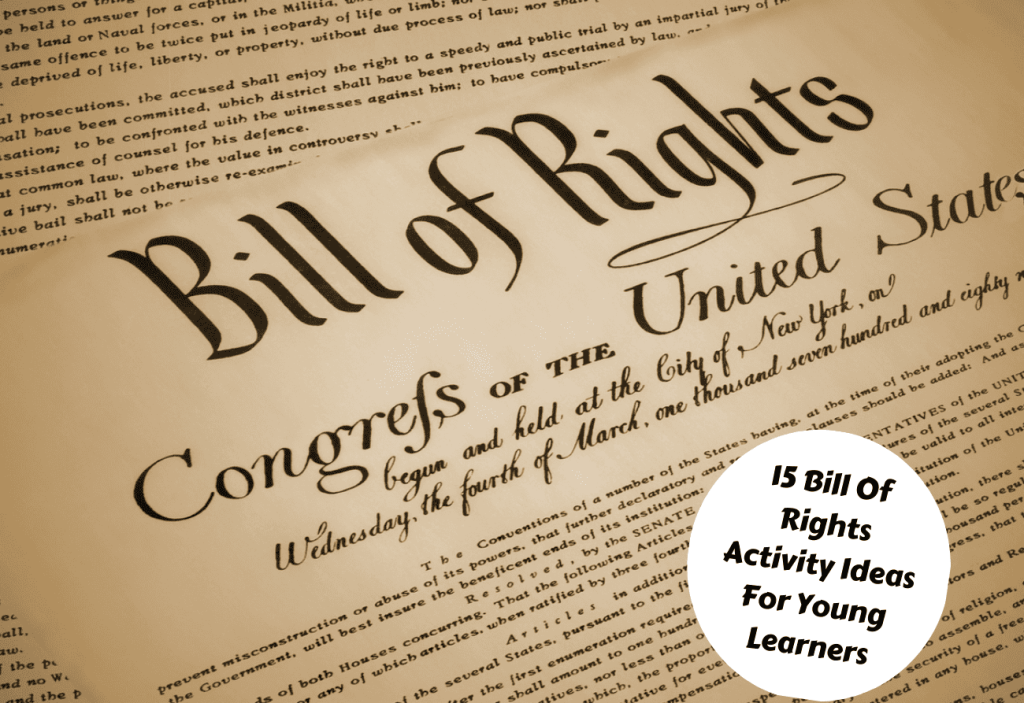
15 Bill of Rights Activity Ideas for Young Learners

Introduction:

The Bill of Rights is an essential part of American history and the Constitution. It’s crucial to introduce young learners to the 10 amendments that make up this historical document. To make the learning process fun and engaging, here are 15 activity ideas for your students:

1. Bill of Rights Bingo: Create a custom bingo sheet with the rights listed in the Bill of Rights. Call out scenarios or descriptions relating to each right, and have students mark their sheets accordingly.

2. Amendment Matching Game: Write out the text for each amendment on index cards, then match each card to a simplified summary or illustration representing its main idea.

3. Skits or Role-plays: Divide your class into groups and have them act out scenarios inspired by the amendments within the Bill of Rights.

4. Music and Jingles: Encourage your students to create short songs or jingles to help them memorize key aspects of each amendment.

5. Board Game Creation: Have students create board games based on trivia questions involving the Bill of Rights.

6. Coloring Sheets: Provide coloring sheets for younger learners that visually represent each amendment, allowing them to engage in the material artistically.

7. Interactive Online Resources: Utilize educational websites and apps that focus on teaching the Bill of Rights through interactive quizzes, games, and videos.

8. Wordsearch & Crossword Puzzles: Design word searches or crossword puzzles with important terms from the amendments, encouraging your students to learn vocabulary as they solve clues.

9. Debate Club: Organize debates on controversial topics connected to specific amendments within the Bill of Rights, helping students strengthen their critical thinking skills.

10. Storyboard Creations: Challenge students to create storyboards that visually depict how life would be different without each specific amendment from the Bill of Rights.

11. Creative Writing Prompts: Have your students write essays, short stories, or poems inspired by the Bill of Rights’ amendments.

12. Bill of Rights Timeline: Guide students in creating timelines for how the amendments were established and the important events that led to ratification.

13. Breakout Box: Develop a breakout box activity for your class centered around the Bill of Rights, utilizing critical thinking puzzles tied to each amendment.

14. Poster Campaign: Instruct your students to create posters that educate their peers on the importance and significance of each amendment from the Bill of Rights.

15. Field Trip: Plan a trip to a local museum, historical site, or government building that highlights the history and relevance of the Bill of Rights, giving children the opportunity to connect their learning with real-world experiences.

Conclusion:

By providing young learners with fun and engaging activities, you help make learning about the Bill of Rights an enjoyable experience. These activities not only teach students about essential aspects of American history but also foster critical thinking, creativity, and teamwork.

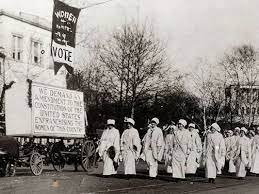
20 Women’s Suffrage Activities for Elementary Students

Introduction:

Educating elementary students about women’s suffrage is a crucial step in inspiring a new generation to understand the importance of gender equality and civic engagement. The following 20 activities will help you create engaging lesson plans centered around women’s suffrage, ensuring your students gain valuable knowledge while having fun.

1. Timeline Activity: Have students create a timeline of major events in the women’s suffrage movement, starting with the Seneca Falls Convention and ending with the ratification of the 19th Amendment.

2. Suffragette Dress-up Day: Encourage students to dress up as famous suffragettes and present their chosen figures’ accomplishments to the class.

3. Art Project: Instruct students to create posters, buttons, or banners advocating for women’s right to vote, inspired by historical designs.

4. Famous Speeches: Have students read excerpts from famous suffragette speeches and discuss their impact on the movement.

5. Role-play Debate: Organize a mock debate between suffrage supporters and opponents, with students acting out both sides.

6. Biography Research: Assign students a notable suffragette to research and present her life story to the class.

7. Voting Simulation: Set up a mock election in your classroom, allowing students to experience voting as both a privileged voter (before women’s suffrage) and an equal participant (after women’s suffrage).

8. Create a Suffrage Booklet: Guide students in creating informational booklets highlighting key players and milestones in the women’s suffrage movement.

9. Women’s Rights Charades: Have students act out important events or figures from the movement, with classmates guessing the event/figure in question.

10. Jigsaw Activity: Divide your class into several groups, giving each group an article or reading about a specific aspect of women’s suffrage. Groups should then teach their topics to the rest of the class.

11. Suffrage Songs: Introduce students to popular songs from the suffrage movement and discuss their messages and importance.

12. Write a Letter: Have students write letters from the perspective of a suffragette, explaining why they believe in women’s right to vote.

13. Suffrage-themed Crossword Puzzle: Create a crossword puzzle with clues related to the women’s suffrage movement for students to solve.

14. Women’s Rights Word Search: Design a word search featuring important names, slogans, and terms related to women’s rights.

15. Scavenger Hunt: Develop a classroom scavenger hunt based on facts about women’s suffrage, encouraging students to work together while learning.

16. Equality Experiment: Use everyday objects (such as candy) to demonstrate unequal distribution and spark discussion on fairness and gender equality.

17. Map Activity: Illustrate the progress of women’s suffrage across different countries on a world map, highlighting when each obtained the right to vote.

18. Story Time: Read age-appropriate books about the suffragists’ efforts to obtain voting rights for women.

19. News Broadcast: Assign students roles as news anchors, reporters, or interviewees in a mock suffrage-era news broadcast about ongoing developments in the movement.

20. Reflective Journaling: Encourage students to reflect on what they’ve learned about women’s suffrage through daily journal prompts, and discuss their thoughts as a class.

Conclusion:

These 20 activities offer creative and engaging ways to teach elementary students about the history and significance of women’s suffrage. With their newfound knowledge, your students can grow as informed citizens who value equality and democracy.

Primary Assembly – Tracing Confucius’ Family Tree

Introduction

Confucius, renowned for his wisdom and philosophical teachings, was a Chinese philosopher who lived around 551-479 BC. He has been an influential figure in human history, particularly in East Asian culture. Throughout the years, numerous people have been curious about his origins, leading to a deeper exploration of Confucius’ extensive family tree.

The Ancestry of Confucius

Confucius was born into the noble K’ung clan in the ancient state of Lu, located in present-day Shandong Province. The K’ung clan is descended from the Shang Dynasty ruler, King Tang (circa 1675-1646 BC). As a result, Confucius belongs to the lineage of some of China’s most ancient and revered rulers.

The K’ung Clan

The K’ung clan, to which Confucius belonged, was one of the significant aristocratic families in the state of Lu during China’s Spring and Autumn period (770-476 BC). They held positions of high rank within the state. His father was Shuliang He, a prominent ex-military officer and senior chief minister to the royal court.

Confucius’ offspring

Confucius had three children – two daughters and one son named K’ung Li (also known as Boyu). K’ung Li carried on his father’s legacy by becoming a teacher, philosopher, and politician. He had several sons but only one grandson named Kong Ji. Kong Ji continued the family tradition by becoming an esteemed politician and philosopher during his time.

The Family Tree Continues

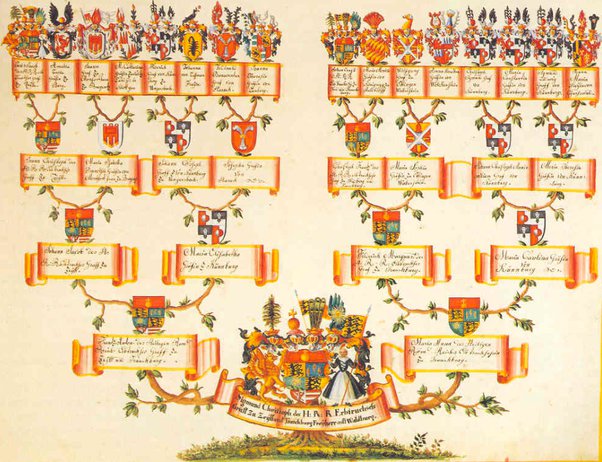
Confucius’ descendants can be traced more than 2,500 years into the past and are believed to constitute the longest unbroken documented genealogy in human history. The family tree recorded at least 83 generations directly descending from Confucius by Emperor Wu of the Liang Dynasty (502-557 AD), producing the famous work “The Genealogy of Confucius.”

Current Descendants

Today, it is estimated that around two million people can trace their ancestry back to Confucius. The Confucius Genealogy Compilation Committee, founded in 1996, has been responsible for compiling and updating the lineage records of Confucius’ family tree. The latest edition published in 2009 contains close to 2 million descendants over more than 80 generations.

Conclusion

The exploration of Confucius’ family tree reveals not only his aristocratic origins and connections to ancient rulers but also the perseverance and influence of his teachings throughout the generations. As his descendants continue to honor the legacy of their great ancestor by upholding traditional values, these remarkable genealogical records serve as a testament to the long-lasting impact that one brilliant philosopher made on human civilization.

African-Caribbean Views on Slavery

Introduction

Slavery, as one of the darkest chapters in human history, left an indelible mark on countless lives and societies around the world. This article delves into the African-Caribbean views on slavery by exploring its historical impact as well as examining the contemporary perspectives and legacies that continue to shape this narrative.

Historical Context

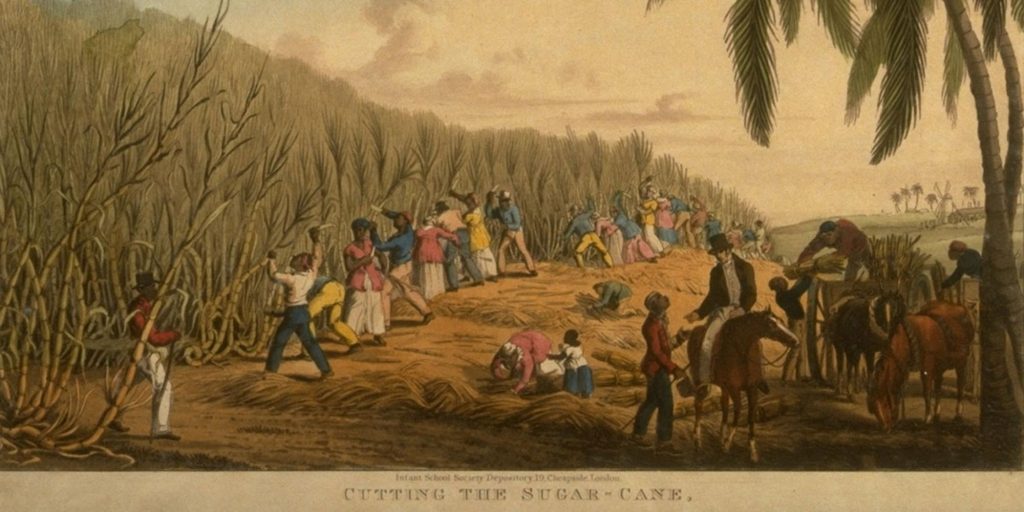
The Transatlantic Slave Trade remains one of the largest forced migrations in history, spanning from the 15th to the 19th century. Millions of Africans were forcefully taken from their homelands to be sold into slavery across many European colonies in the Americas and Caribbean. This brutal practice destroyed families, culture, and eroded ancestral connections for generations to come.

Redefining Identity

The African-Caribbean population embodies a complex history of a duality between their African roots and Caribbean upbringing. For many, maintaining a connection to their African heritage has become essential in understanding and processing the painful past of slavery. The celebration of traditional rituals, music, dance, art, and food are some ways in which African-Caribbeans have been able to reconnect with their ancestry.

Contemporary Views on Slavery

African-Caribbean views on slavery today are multifaceted – ranging from feelings of deep sorrow and anguish to a sense of pride in overcoming adversity. The resilience shown by our ancestors during such an oppressive era inspires a sense of strength within modern generations. At the same time, there is an enduring obligation to address the social and economic inequalities that still exist due to the historical consequences of slavery.

Reparations Debate

One critical aspect of contemporary discussion surrounding slavery is the growing call for reparations by descendants of enslaved Africans in the Caribbean. Advocates argue that European nations that profited from the slave trade should take responsibility for addressing continuing disparities caused by this grim part of history. Despite inconclusive opinions regarding implementation, the reparations debate highlights the importance of acknowledging the past and promoting healing.

Emancipation and Annual Commemorations

Emancipation Day is a significant event for African-Caribbeans, marking the abolition of slavery in British colonies in 1834. This annual commemoration reminds current generations of the sacrifices made by their forebears while also celebrating freedom, unity, and progress. Beyond emancipation, many African-Caribbeans also honor enslaved ancestors through festivals like Crop Over in Barbados or Carnival in Trinidad and Tobago.

Conclusion

African-Caribbean views on slavery represent a combination of personal reflections as well as collective memories passed down through generations. By confronting and examining this complex history, they continue to reclaim their identity, heal from past traumas, and work towards a more equitable future. In doing so, African-Caribbean communities emphasize the importance of acknowledging and understanding history – both for themselves and for the world at large.