Social Studies Education

19 Activities For Teaching The 3 Branches Of The U.S. Government

Introduction

The United States government is made up of three unique branches: the Legislative, the Executive, and the Judicial branches. To effectively teach their functions and interactions to students, consider incorporating these 19 engaging activities in your lesson plans.

1. Three Branches Infographic Challenge: Have students create infographics explaining the roles of each branch of government, incorporating visuals and key facts.

2. Separation of Powers Skits: Assign small groups to create skits demonstrating how each branch checks and balances the others.

3. Branches Bingo: Create bingo cards with terms related to each branch; call out definitions while students locate matching terms.

4. Illustrative Collage: Students can design a collage showcasing the various responsibilities of each branch.

5. Debate Club: Organize debates around legislative, executive, and judicial topics, allowing students to argue from different perspectives.

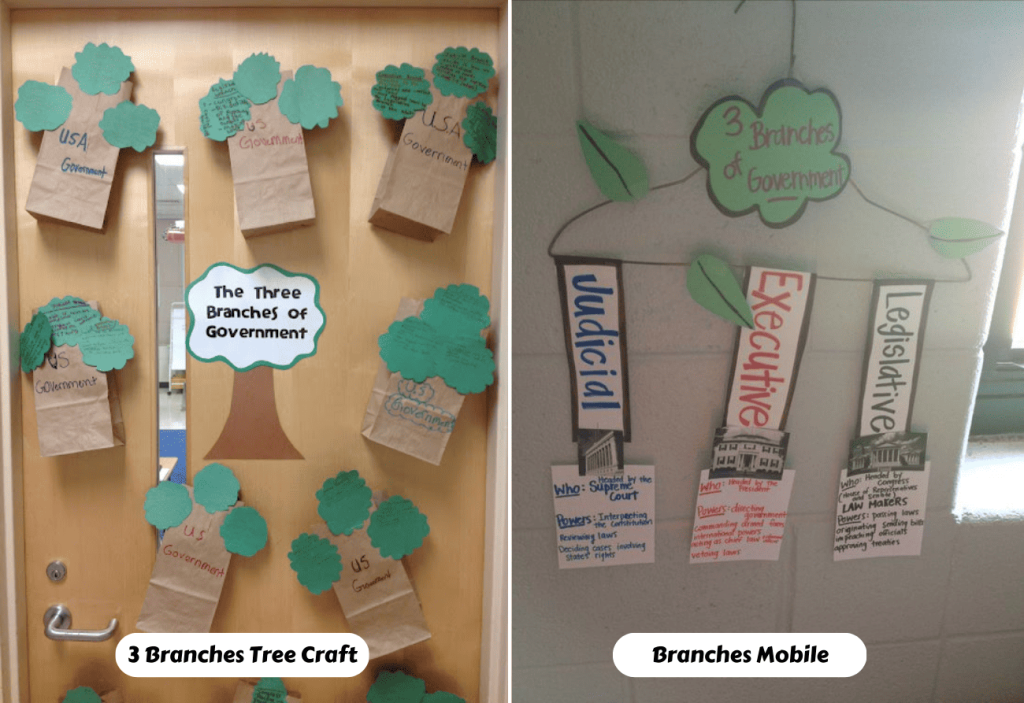
6. Balancing Act: Students work to balance a mobile that represents the three branches, reinforcing their understanding of checks and balances.

7. Article Analyses: Provide articles on current events involving government actions for students to analyze from a three-branch perspective.

8. Bill-to-Law Role-Play: Have students act out creating, passing, and vetoing a bill in a mock government setting.

9. Government Job Fair: Give students interviews and jigsaw articles about jobs from each branch, then have them “apply” for their chosen positions through creative presentations.

10. Judiciary Simulation Activity: Assign fictitious court cases for students to argue from opposing sides before a student judge or panel.

11. Historical Case Study Exploration: Explore landmark Supreme Court cases like “Brown v Board of Education” or “Roe v Wade,” discussing their effects on government actions and society.

12. Congressional Committee Simulation: Divide students into House or Senate Committees focused on particular topics and have them draft, edit, or vote on legislation.

13. Branches Bazaar: Allow students to create visual representations of the branches (posters, dioramas, videos, etc.) and then share their projects at a “bazaar.”

14. Presidential Puppet Show: Have students create a puppet show explaining the roles and responsibilities of the executive branch.

15. Judicial Branch Word Search: Develop a word search based on terms related to the judicial branch to build vocabulary and recognition skills.

16. Legislator for a Day: Students act as legislators working together to debate, amend, and pass laws; this exercise mimics real-world legislative processes.

17. Government Musical Chairs: Use musical chairs to demonstrate the fluidity of government positions; each round represents new appointments or elections.

18. Branch-Off Tournament: Organize a trivia tournament where students compete in answering questions about the roles and functions of each branch.

19. Student Government in Action: Establish a student government modeled after the three branches, involving elected officials and allowing students to learn by actively participating in governing roles.

Conclusion

Teaching the concept of the three branches of government can be both fun and effective when using engaging activities like these. Help your students develop a thorough understanding of the U.S. government’s checks and balances system while fostering critical thinking skills and encouraging creativity.

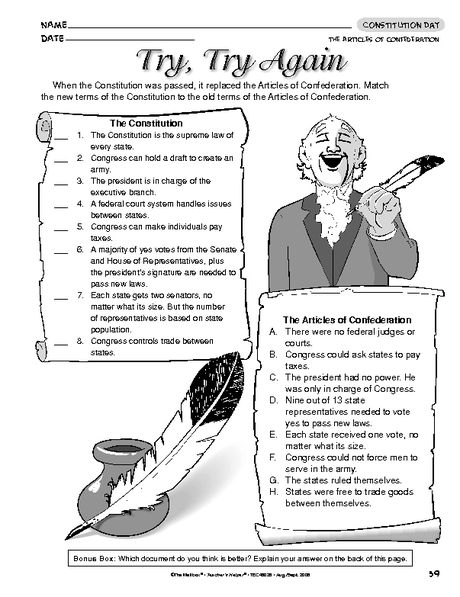
25 Awesome Activities To Teach The Articles of Confederation

1. Introduction: Begin by providing an overview of the Articles of Confederation and its historical significance. Discuss why it was created and some of the challenges faced during its development.

2. Timeline Activity: Create a timeline illustrating key events leading up to and during the drafting and ratification of the Articles.

3. Document Analysis: Break down the sections of the Articles, discussing the purposes of each article and what powers are delegated to the Congress.

4. Video Presentation: Show a well-researched documentary or video discussing the Articles to provide visual context.

5. Debate: Organize a classroom debate to consider strengths and weaknesses of the Articles, as well as potential alternatives.

6. Roleplay: Assign students to represent different states at the Continental Congress, having them negotiate and reach compromises on key issues.

7. Case Studies: Examine specific cases where states faced problems under the Article’s weak central government structure, such as boundary disputes or economic disagreements.

8. Graphic Organizer: Create a graphic organizer comparing the functions of government under both the Articles and its successor, the U.S. Constitution.

9. Word Cloud: Develop a word cloud using key terms related to the Articles, such as “sovereignty,” “tyranny,” and “representative government.”

10. Kahoot! Quiz: Create an engaging online quiz using Kahoot! to test students’ knowledge about the Articles of Confederation.

11. Jigsaw Activity: Have students work in small groups, each focusing on one aspect or section of the document before presenting their findings to their classmates.

12. Breakout Room Discussion: Set up virtual breakout rooms in Zoom for students to collaboratively discuss questions regarding key issues relating to the Articles.

13. Jeopardy Game: Create a jeopardy-style game with categories based on important people, events, issues, and vocabulary related to the Articles.

14. Essay Assignment: Have students write essays discussing the significance of the Articles in shaping America’s early government and its lasting impact on the nation.

15. Poster Presentation: Students can create informative posters that depict a specific event or theme related to the Articles.

16. Speech Analysis: Study speeches given by proponents and opponents of the Articles during the Constitutional Convention.

17. Primary Sources: Analyze letters, diaries, and other primary sources from individuals involved in drafting, debating, and ratifying the Articles.

18. Song Parody: Create a song parody that uses modern music to describe key aspects of the Articles of Confederation.

19. Podcast Project: Students can produce a podcast episode focused on a specific topic related to the Articles.

20. Illustrated Booklet: Compile an illustrated booklet showcasing key events, milestones, or achievements related to the Articles of Confederation.

21. Newspaper Article: Write a newspaper article chronicling what life was like under the rule of the Articles, keeping in mind its successes and challenges.

22. Crossword Puzzle: Design a crossword puzzle utilizing key terms and ideas from the Articles and their historical context.

23. Map Activity: Illustrate the geographic territories organized under the authority of the Articles, noting how they were divided and governed.

24. Simulation/Game: Create a simulation or game that allows students to grapple with problems arising from a weak central government, such as trade disputes or defense issues.

25. Skits/Dramatization: Encourage students to perform skits or dramatizations of key debates that took place during the writing of the Articles, bringing history to life through role-play scenarios.

Primary Assembly: The Story of Rama and Sita

Once upon a time in ancient India, there existed an enchanting tale of devotion, adventure, and triumph of good over evil. For generations, this enduring tale of Rama and Sita has been one of the most cherished stories within the Hindu tradition. It is a story that teaches valuable lessons about courage, loyalty, and love to people of all ages.

The story begins with the wise and just King Dasharatha ruling over the prosperous kingdom of Ayodhya. As age catches up with him, King Dasharatha desires to crown his eldest son, Prince Rama, as his successor. However, destiny has other plans in store.

The scheming Queen Kaikeyi manipulates King Dasharatha into banishing Rama to exile for 14 years. Crushed by sorrow but determined to fulfill his father’s command, Prince Rama sets off for the wilderness. Accompanying him on this arduous journey are his loyal wife Sita and devoted brother Lakshmana.

While in exile, the trio face numerous challenges and perils. One fateful day, the demon Ravana abducts the lovely Sita after being entranced by her beauty. Ravana whisks her away to his island kingdom of Lanka.

Devastated by their loss but fueled by their love for Sita, Rama and Lakshmana embark on a challenging quest to rescue her. Along the way, they create alliances with various creatures such as Hanuman (a monkey warrior) and his monkey army. Together they build a bridge to Lanka and engage in an epic battle against Ravana and his demonic hordes.

Rama overcomes great adversity through courage, wisdom, and divine intervention. Eventually, he defeats Ravana by shooting him with an arrow that pierces his only vulnerable spot. With Sita rescued and evil vanquished, Rama and his trusted allies celebrate their victory.

The story does not end there, as Rama and Sita make their triumphant return to Ayodhya. Welcomed back by the jubilant inhabitants of the kingdom, they are crowned king and queen. Rama ushers in a new era of harmony, prosperity, and justice to Ayodhya.

The tale of Rama and Sita is much more than just a captivating narrative. It is a profound teaching tool that imparts timeless values and virtues. Primary assemblies across India frequently use this story as a means to instill these virtues and values in their young pupils.

By exploring the themes of love, loyalty, faith, duty, sacrifice, and the eternal battle between good and evil, students can better appreciate the significance of this ancient tale. The story of Rama and Sita forms an essential part of our rich cultural heritage and continues to impact our lives even today.

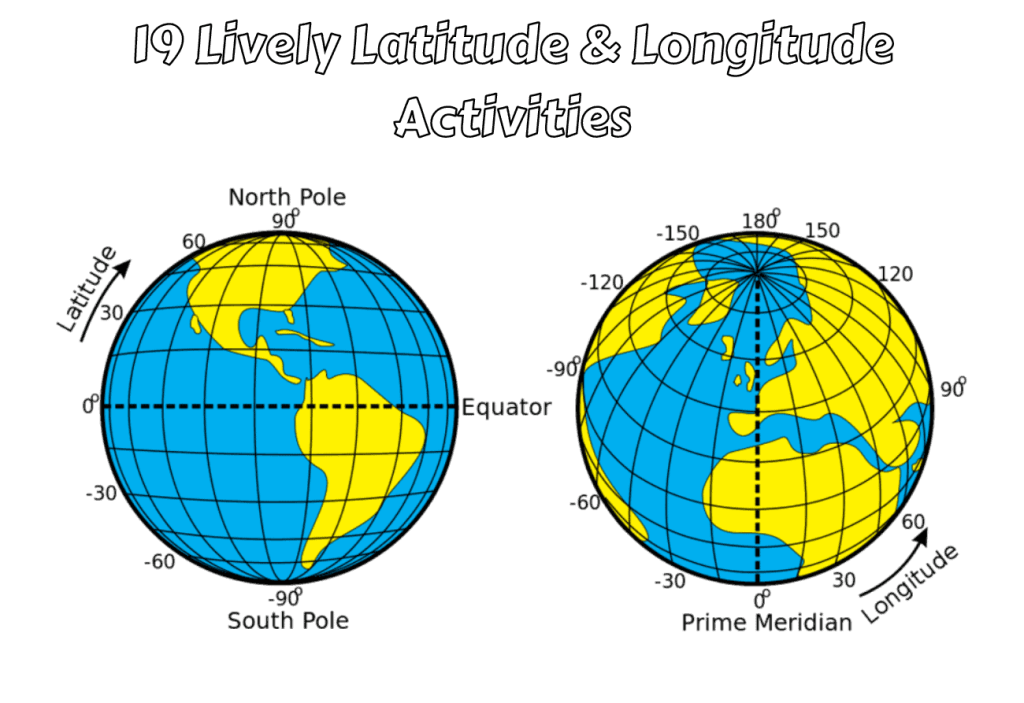
19 Lively Latitude and Longitude Activities

Introduction

Latitude and longitude are the two coordinates that determine a specific point on the Earth’s surface. Teaching students about these geographical concepts can be both challenging and enjoyable, especially when incorporating lively and engaging activities. In this article, we will explore 19 interactive ways to help students better understand latitude and longitude.

1. Map Treasure Hunt

Turn learning into a game by organizing a treasure hunt where students have to use latitude andlongitude coordinates to locate hidden items on a map.

2. Battleship Game

Modify the classic game of battleship by using latitude and longitude coordinates instead of lettersand numbers on the grid.

3. Build Your Own Globe

Have students create their 3D papercraft globes, labeling lines of latitude and longitude with theircorresponding degrees.

4. Music & Dance to Remember

Create a catchy tune or dance sequence to make memorizing latitude and longitude moreenjoyable for your students.

5. The Scavenger Hunt Race

Organize an outdoor scavenger hunt race where students must find real-world locations usinglatitude and longitude coordinates from their GPS devices or smartphones.

6. Geocaching Adventures

Introduce your class to geocaching, where they can utilize their new skills in finding hiddentreasures at specific coordinates around your local community or school grounds.

7. Latitude & Longitude Pictionary

Play Pictionary with geographical locations by drawing sketches that lead classmates to guess theplaces’ latitude and longitude coordinates.

8. Coordinate Math Problems

Design math problems related to real geographical scenarios that require solving for latitude orlongitude using mathematical equations.

9. Globe Toss

Use an inflatable globe as a fun way for students to practice identifying lines of latitude orlongitude while they catch, toss, and name each coordinate line they touch.

10. Latitude & Longitude Bingo

Create custom bingo cards that replace traditional numbers with different geocoordinates for aneducational twist on the classic game.

11. Celestial Navigation Roleplay

Have students roleplay as ancient mariners who navigate their way using stars and learn thehistory behind celestial navigation and its link to latitude and longitude.

12. Movie Location Challenge

Assign students popular movies, and they have to find and present the latitude and longitudecoordinates of real-life locations featured in the films.

13. Landmark Coordinate Research

Task each student with researching a famous landmark, reporting its history, interesting facts, andits latitude and longitude coordinates to the class.

14. Flat Maps vs. 3D Models

Demonstrate how flat maps distort Earth’s surface by comparing map projections with 3D modelsor globes, highlighting the importance of latitude and longitude for accurate location plotting.

15. Virtual Reality Experience

Implement virtual reality technology to provide an immersive journey around the world, focusingon geographic locations’ coordinates.

16. Interactive Apps & Games

Utilize various apps and games specifically designed to teach latitude and longitude concepts in aninteractive and engaging manner.

17. Pen Pal Coordinates

Connect with classrooms from other countries via pen pal programs, allowing students toexchange letters mentioning their school’s latitude and longitude coordinates.

18. The Degree Trivia Game

Create a trivia game where students answer multiple-choice questions related to geographiclocations’ coordinates in degrees of latitude or longitude.

19. Edible Coordinate System

Conclude your unit with a fun snack by creating grids on graham crackers, chocolate bars, or sugarcookies, encouraging students to place edible decorations like icing or candies at specificcoordinates based on a set of clues or questions.

Conclusion

Latitude and longitude activities can be exciting when incorporating interactive methods thatencourage participation, teamwork, competition, creativity, or problem-solving. By using these 19engaging activities listed above, you’ll have your students mastering geographic coordinates in notime!

Communication and Social Skills

Introduction

Communication and social skills are crucial aspects of human interaction. They allow us to establish meaningful relationships, convey our thoughts and feelings, and navigate complex social environments. The development of strong communication and social abilities is essential for personal growth, professional success, and overall well-being. This article will explore the importance of these skills, the different forms they can take, and how to enhance them for more fruitful connections with others.

The Importance of Communication Skills

Effective communication is the foundation of any relationship, whether it be personal or professional. Our ability to express ourselves clearly enables us to share our thoughts, desires, and emotions with others. Good communicators can better resolve conflict, persuade and influence others, convey complex information, and establish trust.

Developing strong communication skills is vital in all aspects of life. In the workplace, effective communicators are more likely to be successful leaders, build productive teams, and engage in successful collaborations. In personal relationships, open communication helps to maintain healthy connections with friends and family by fostering understanding, empathy, and emotional support.

The Role of Social Skills in Our Lives

Social skills encompass our ability to interact with others in various situations. These abilities range from understanding non-verbal cues like body language or facial expressions to navigating group dynamics confidently. Social skills also include practicing empathy, active listening, giving constructive feedback without causing offense, maintaining appropriate boundaries, participating effectively in conversations or group discussions.

Socially adept individuals enjoy numerous advantages when it comes to both personal and professional life. They often have a broader social network that can offer emotional support during difficult times or open doors for career opportunities. Strong social skills contribute to better collaboration at work or engaging in healthy relationships with friends, partners, or family members.

Improving Communication and Social Skills: Tips & Techniques

While some people may thrive naturally when it comes to effective communication or social abilities, these skills can be enhanced through practice and dedication. Here are a few tips and techniques to help you boost your communication and social skills:

1.Actively Listen: Focus on what the speaker is saying without interrupting or formulating responses in your mind. Ask relevant questions to clarify and convey understanding.

2.Be Aware of Non-verbal Communication: Work on reading facial expressions, body language, and tone of voice to improve interactions with others.

3.Develop Empathy: Put yourself in others’ shoes to understand their perspectives, feelings, and needs. This helps you establish deeper connections through shared experiences.

4.Improve Your Articulation: Refine how you express your thoughts by using concise language, avoiding jargon, and structuring your ideas coherently.

5.Foster Emotional Intelligence: Understand and manage your own emotions – as well as those of others – to build stronger relationships and navigate difficult situations.

6.Be Assertive yet Respectful: Express your opinions with confidence while respecting differing views or preferences.

7.Practice, practice, practice: Strengthen your communication and social abilities in diverse contexts such as networking events, clubs or organizations, or even by participating in public speaking classes or workshops.

Conclusion

Solid communication and social skills are essential for fostering strong relationships and finding success in various aspects of life. By investing time and effort into refining these abilities, you can enhance your personal well-being, professional achievements, and overall quality of life. Remember that communication is not a one-size-fits-all skill; personalizing your approach based on the circumstance will heighten your effectiveness in connecting with others on a deeper level.

9 Ancient Mesopotamia Maps Activities

Introduction

Ancient Mesopotamia, the land between the Tigris and Euphrates rivers, was a cradle of early civilization. It gave birth to some of the world’s first cities, writing systems, and empires. Delve into the fascinating world of this ancient civilization through these nine engaging activities centered around maps of Mesopotamia.

1. Create your own ancient Mesopotamia map

Encourage learners to illustrate their understanding of this historical region by sketching a map of ancient Mesopotamia. They can include key geographical features, cities like Ur, Uruk, and Babylon, as well as trade routes and political boundaries.

2. Compare modern and ancient maps

Compare present-day Iraq and Syria’s maps with those from ancient Mesopotamian times. Students should analyze the geographical similarities and differences while also making connections to how these changes might have affected trade routes and political relationships.

3. Map comprehension quiz

Create a quiz based on an ancient Mesopotamia map. This activity will help learners practice locating major cities, rivers, and various geographic features significant to this period in history.

4. Trace the journey of a Sumerian Trader

Using a map of ancient Mesopotamia, challenge students to plan a hypothetical trade voyage made by a Sumerian merchant during that time. Include location stops, goods exchanged, potential obstacles encountered along the way, and an explanation of how geography affects the journey.

5. Identify key landmarks on an ancient map

Print a detailed map of an ancient Mesopotamian city such as Babylon or Ur for students to explore. Have them identify notable landmarks like ziggurats, temples or palaces mentioned in ancient texts or uncovered through archaeological findings.

6. Create a time-lapse map

Instruct students to research historical events from various eras of ancient Mesopotamia and create a time-lapse map showing how the region’s political boundaries evolved. From the Sumerian, Akkadian, Babylonian and Assyrian empires, this activity will help learners visualize how these changes influenced the wider world.

7. Design a geographic crossword puzzle

Generate a crossword puzzle using various geographical features and locations significant to ancient Mesopotamia. This engaging game is ideal for reinforcing knowledge of the location and importance of crucial cities, rivers, mountains, and landmarks.

8. Explore ancient irrigation techniques

Mesopotamian farmers developed an intricate irrigation system utilizing the many canals along the Tigris and Euphrates rivers. Have students research and illustrate how such systems were designed and examine how these innovations impacted agriculture in ancient Mesopotamia.

9. Virtual Field Trip

Finally, take advantage of modern technology by conducting virtual field trips to archaeological sites in the region that showcase remnants of this ancient civilization. View detailed reconstructions or explore excavated areas to gain a further understanding of Mesopotamian culture and history.

Conclusion

Through these nine activities centered around maps of ancient Mesopotamia, students will immerse themselves in the fascinating world of one of history’s most influential civilizations. From hands-on mapping projects to virtual field trips, learners will deepen their understanding of this important region’s geography and culture – an essential foundation for further historical studies.

10 Census Activities to Teach Students That Everyone Counts!

Introduction: The census is an important tool that helps countries collect vital information about their populations. Teaching students the significance of the census and ensuring they understand that everyone counts is key for a more inclusive society. Here are 10 fun and educational activities that can effectively teach students about the importance of the census.

1. Historical Census Explore: Begin by introducing students to historical census records. Show them how to access and navigate through the records online, comparing data from different years and discussing historical trends and changes over time.

2. Personal Census: Encourage students to create their own imaginary country and perform a simulated census, involving aspects like population size, age, gender, ethnicity, education, and occupation. This teaches them the various kinds of questions asked in a real census.

3. Census Scavenger Hunt: Create a scavenger hunt using actual census data, where students must find specific pieces of information within a limited time frame. This activity makes learning exciting while familiarizing them with using census data.

4. Mapping with Census Data: Use online resources or apps to show students how to create maps using census data (like age, income, or ethnicity distribution) and discuss visual patterns that may emerge upon analyzing the maps.

5. Population Growth Debate: Ask students to research population growth rates in their country using census data and hold a debate on whether it is beneficial, unsustainable, or needs revision from social policy perspectives.

6. Analyzing Family Composition: In pairs or small groups, have students discuss how families in their communities have changed over time based on the available census data on family compositions (e.g., single-parent households or same-sex couples).

7. Guess the Demographics Game: Conduct a quiz where students take turns guessing specific statistical information (e.g., “What percent of our population is over 65?”). Use actual census figures for the answers.

8. Data Presentation: Assign students specific topics related to census data, such as the effects of migration on their country or differences in education levels. Ask them to present their findings visually, using charts or graphs.

9. Census Role-Play: Have students role-play as census takers and respondents for a better understanding of the process, its benefits, and the importance of participation.

10. Community Service Project: Encourage students to involve themselves in local efforts for improving census participation, like volunteering for outreach programs or organizing informational sessions for the community.

Conclusion: These engaging and informative activities are aimed at educating students about the census and the importance of counting every individual in society. As future citizens, it is vital for them to appreciate the significance of accurate and inclusive data collection for an equitable world.

Fair Trade at Hartford High School

Introduction

Hartford High School, an educational institution dedicated to developing well-rounded students who value ethical and sustainable practices, has recently taken the admirable step of committing to fair trade. By adopting fair trade principles, Hartford High School aims to make a positive impact on the lives of farmers and workers in developing countries while promoting responsible consumerism among its students.

Why Fair Trade Matters at Hartford High School

Fair trade is all about creating an equitable and sustainable trading system that ensures producers in developing countries receive a fair wage for their products. This encourages a more sustainable approach to business, reduces poverty, and helps improve the quality of life for farmers and workers in vulnerable communities.

Hartford High School believes that educating its students on ethical and responsible practices is crucial in shaping future global citizens who will actively engage in solving global issues. Therefore, the school administration has organized several initiatives to promote fair trade awareness among students, faculty, and the local community.

Educational Activities

To create awareness about fair trade within the school community, Hartford High School has introduced various educational programs. These include presentations by guest speakers from Fair Trade USA, panel discussions with local businesses that embrace fair trade practices, interactive workshops for students to deepen their understanding, and collaborations with local organizations focused on sustainability.

Moreover, the school library now has a wide selection of resources related to fair trade and social responsibility for students who are interested in conducting research on this subject.

Incorporating Fair Trade Products

The school’s cafeteria now offers a range of fair-trade certified products like coffee, tea, chocolate, and fruit in an effort to help economically disadvantaged producers while teaching students about ethical consumerism. Additionally, school fundraisers and events have turned towards selling fair-trade items and partnering with local businesses that share similar ideals.

Field Trips

One exciting aspect of Hartford High School’s commitment to fair trade education is organizing field trips to local farmers markets and fair-trade businesses. These trips give students exposure to fair trade products, allow them to interact with producers, and provide a practical insight into how adopting responsible consumer practices can benefit both the producers and the environment.

Student Involvement

The school actively encourages students to take ownership of fair trade promotion efforts by forming clubs and associations focused on the topic. These student-led groups organize events, plan awareness campaigns, and engage in friendly competitions with neighboring schools to foster an understanding of fair trade principles.

Conclusion

Hartford High School’s commitment to promoting fair trade practices showcases its dedication to creating well-rounded global citizens who are not only educated in various subjects but also conscious consumers. This approach enables students to make informed decisions about their spending habits and empowers them to contribute positively to society. As other schools consider incorporating fair trade into their curricula, Hartford High School serves as an excellent example of how a school’s commitment to social responsibility can positively impact both students’ lives and the global community at large.

SEL Prize Pack Giveaway: 100 Lucky Teacher Winners!

Introduction:

Are you a passionate and dedicated teacher who genuinely cares about the social-emotional learning (SEL) and well-being of your students? If so, then you’re in luck! We’re excited to announce our SEL Prize Pack Giveaway, where 100 lucky teachers will receive a fantastic array of resources to support their classroom efforts in fostering the emotional and mental well-being of their students. Get ready to elevate your teaching game and make a difference in the lives of your students!

How to Enter:

Entering the SEL Prize Pack Giveaway is as easy as 1-2-3! Follow the simple steps below:

1. Visit our Giveaway website and complete the registration form.

2. Share your unique experiences, projects, or programs aimed at promoting SEL in your classroom.

3. Refer at least two fellow educators who you believe are also dedicated to improving students’ social-emotional learning.

That’s it! You’ll be entered for a chance to be one of our 100 lucky teacher winners. Don’t miss out on this incredible opportunity to expand your SEL toolkit and impact even more students!

The Prizes:

Our amazing SEL Prize Pack contains valuable resources that can greatly enhance the SEL learning experience for both teachers and students alike. The winners will receive:

1. A comprehensive SEL curriculum, including lesson plans, activities, and assessment tools.

2. A library of books focused on social-emotional learning themes appropriate for various age groups.

3. A set of engaging classroom posters reinforcing essential SEL concepts.

4. Access to exclusive online workshops for teachers focusing on different aspects of social-emotional learning.

Join The Conversation:

We encourage all participating teachers to share their unique classroom experiences related to social-emotional learning using the hashtag #SELPrizePackGiveaway on social media platforms. Connect with your fellow educators, get inspired by their ideas, and grow together in your journey to nurture the emotional health of your students.

Announcement and Notification:

The 100 lucky winners will be randomly selected and announced on our website shortly after the giveaway closing date. Additionally, winners will be notified via email with instructions on how to claim their incredible SEL Prize Pack.

Conclusion:

Take your students’ social-emotional learning to new heights by participating in the SEL Prize Pack Giveaway today! With 100 chances to win, you could be among the fortunate educators who revolutionize their classroom environment and make a substantial difference in the lives of their students. Don’t hesitate – enter now and start cultivating a brighter future for those under your guidance!

20 Tools to Teach the Presidential Election Process

The presidential election process is a crucial aspect of American democracy, and educating students about this process is an important responsibility for educators. With technology playing an increasingly significant role in our lives, it’s essential to incorporate effective tools that help teach the election process in a modern and engaging way. Here are 20 tools designed to do just that:

1. iCivics: This comprehensive educational resource offers informative games, lessons, and activities focused on the election process.

2. The Road to the White House: This online game from Scholastic allows students to experience firsthand what it’s like to run for president.

3. Electoral College Map: An interactive map detailing electoral votes from past and present elections, giving students insight into the importance of swing states.

4. The Living Room Candidate: An archive of televised political ads since 1952, showcasing how campaign advertisements have impacted public opinion over time.

5. BrainPOP: This popular platform features short videos on various topics related to politics, elections, and government.

6. PBS Education: Offers lesson plans, videos, and resources related to presidential campaigns and political parties.

7. TED-Ed: Engaging video lessons on subjects such as gerrymandering and political advertising are available through this innovative platform.

8. 270toWin: This site lets users create their own electoral maps based on historical data and predict future election outcomes.

9. Google Arts & Culture: A large collection of digital exhibits focused on past presidents and the election process.

10. National Archives: Offers primary source documents pertaining to American presidents, which teachers can use in their lessons.

11. Democracy Kids: Games, quizzes, and interactive learning aimed at teaching elementary school students about American democracy.

12. ProCon.org: A non-partisan site providing a balanced look at candidates’ positions on various issues.

13. FactCheck.org: An indispensable resource for learning about the accuracy of candidate’s statements.

14. Project Vote Smart: Offers detailed information about candidates’ voting records and policy stances.

15. Polling Report: A database of political polls reflecting public opinion on numerous issues.

16. C-SPAN Classroom: Provides lesson plans, activities, and resources for teachers focused on current events and politics.

17. Center for Responsive Politics: Offers in-depth background information on candidates, campaign finance data, and lobbying records.

18. Newsela: An instructional content platform that provides daily news articles on a variety of topics, including the election process, adjusted to specific reading levels for students.

19. Teaching Tolerance: Provides lesson plans and resources specifically designed to promote open conversations about controversial topics like political parties and elections.

20. Votesmart Classroom: Comprehensive lesson plans and materials to teach students about the American election process from kindergarten to high school in an unbiased manner.

These tools provide educators with valuable resources to make the teaching of the presidential election process more engaging and interactive for students. By incorporating these resources into the classroom, teachers can help ensure that students have a firm understanding of the importance of participating in our democracy.