Sports

Globalization 2.0: The Rise of International Leagues

In 2025, we’re witnessing a new phase of sports globalization. While international competitions like the World Cup have long been popular, we’re now seeing the emergence of truly global leagues in various sports.

Key developments include:

  • Expansion of American sports leagues into Europe and Asia
  • Creation of year-round global circuits in individual sports
  • Increased player mobility between countries and continents
  • Time zone-friendly scheduling for global audiences

This trend is driven by advancements in travel technology, making it more feasible for teams to compete across continents. Additionally, digital platforms are making it easier for fans to follow their favorite teams and athletes regardless of geographical boundaries.

The globalization of leagues is also changing the dynamics of sports fandom. Supporters are increasingly identifying with teams and players based on style and values rather than just geographical proximity.

However, this trend also presents challenges, including concerns about player fatigue from increased travel and the potential dilution of local sports cultures. Leagues and governing bodies will need to balance the opportunities of globalization with the preservation of regional sporting traditions.

Personalized Training: AI and Biometrics in Sports Performance

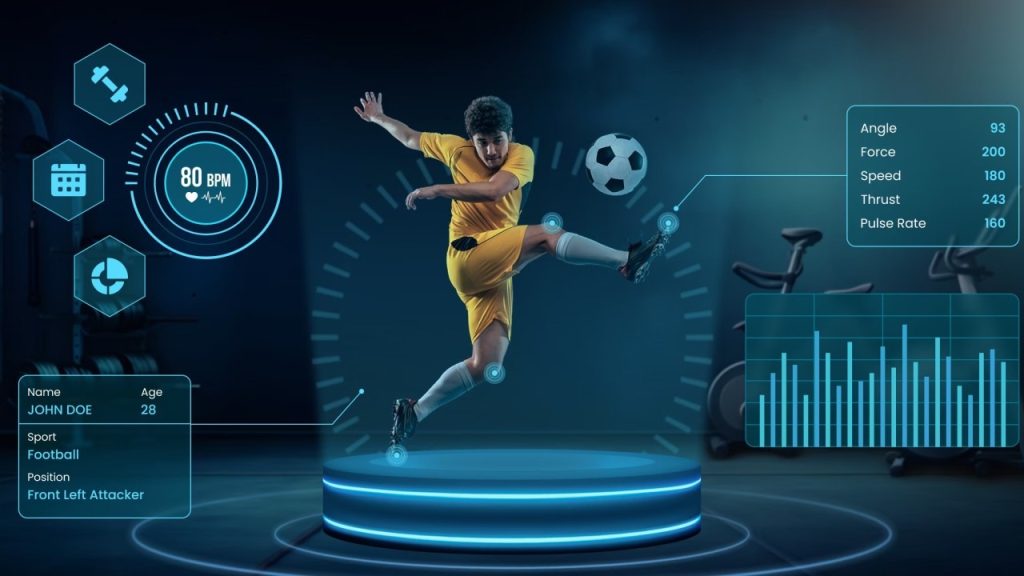
By 2025, artificial intelligence and advanced biometrics will revolutionize how athletes train and perform. Personalized training regimens, tailored to an individual’s unique physiology and performance data, will become the norm across all levels of sports.

Innovations in this area include:

  • AI-powered coaching assistants providing real-time feedback
  • Wearable tech that monitors and analyzes biometric data 24/7
  • Predictive algorithms for injury prevention
  • Virtual reality training simulations for tactical and mental preparation

These technologies will enable athletes to optimize their training, recovery, and performance like never before. Coaches will have access to unprecedented amounts of data, allowing them to make more informed decisions about strategy and player management.

The impact of this trend extends beyond elite sports. Amateur athletes and fitness enthusiasts will also benefit from more accessible versions of these technologies, democratizing high-level training methods.

However, this rise in data-driven training also raises questions about privacy and the potential for data misuse. Sports organizations will need to grapple with ethical considerations and establish clear guidelines for the collection and use of athlete data.

Sustainable Sports: Eco-Friendly Practices in Athletics

In 2025, sustainability is no longer just a buzzword in the sports world—it’s a fundamental principle guiding operations, events, and equipment manufacturing. As climate change concerns intensify, sports organizations are taking decisive action to reduce their environmental impact.

Key trends include:

  • Carbon-neutral stadiums powered by renewable energy
  • Biodegradable sports equipment and uniforms
  • Water conservation technologies in sports facilities
  • Promotion of plant-based diets among athletes

Major sporting events like the Olympics and World Cup are leading the charge, implementing strict sustainability guidelines for host cities. These measures not only reduce the environmental footprint of large-scale events but also set standards for smaller competitions to follow.

Athletes themselves are becoming powerful advocates for environmental causes, using their platforms to raise awareness and promote sustainable lifestyles. This shift is influencing fans and sponsors alike, creating a ripple effect that extends far beyond the world of sports.

As sustainability becomes increasingly important to consumers, sports brands that prioritize eco-friendly practices will likely see a boost in popularity and sales. This trend is pushing innovation in materials science and manufacturing processes, potentially revolutionizing the sports equipment industry.

The Rise of eSports in Traditional Sports Leagues

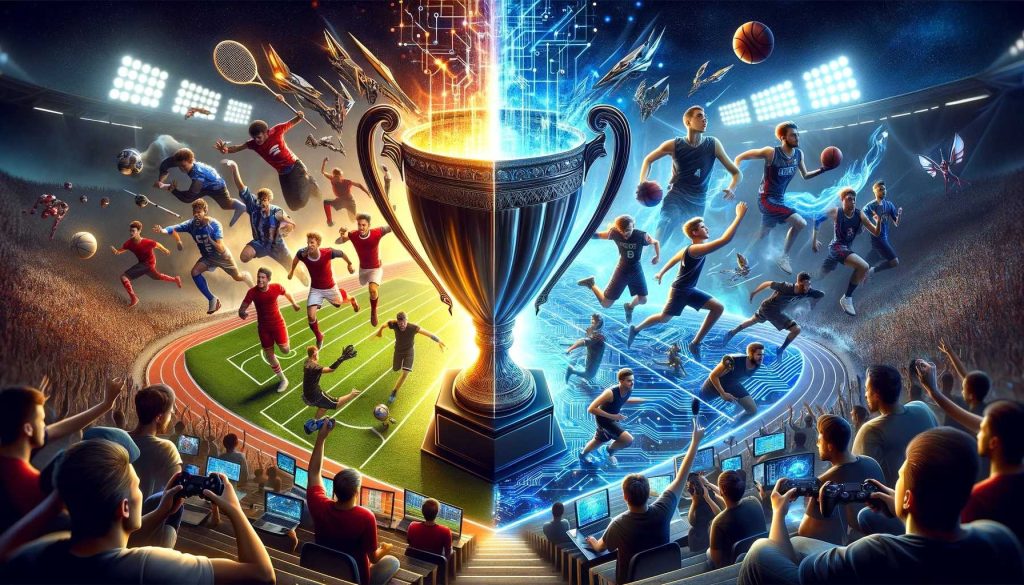
As we approach 2025, the line between traditional sports and eSports continues to blur. Major sports leagues are increasingly incorporating eSports divisions, recognizing the massive potential for engagement and revenue. The NBA 2K League, established in 2018, has paved the way for other sports to follow suit.

By 2025, we expect to see:

  • NFL, MLB, and NHL launching their own official eSports leagues
  • Cross-promotion between physical and virtual sports events
  • Traditional athletes participating in eSports competitions
  • eSports players being drafted into traditional sports teams for their strategic insights

This convergence is driven by the growing popularity of gaming among younger generations and the increasing sophistication of sports simulation games. As virtual reality technology improves, the experience of playing and watching eSports is becoming more immersive, further closing the gap between digital and physical sports.

The integration of eSports into traditional sports ecosystems will also open up new revenue streams through sponsorships, merchandise, and media rights. This trend is set to reshape the sports industry, creating a more diverse and technologically advanced landscape for fans and athletes alike.

The Science Behind 50-50: Analyzing Ohtani’s Unique Skill Set

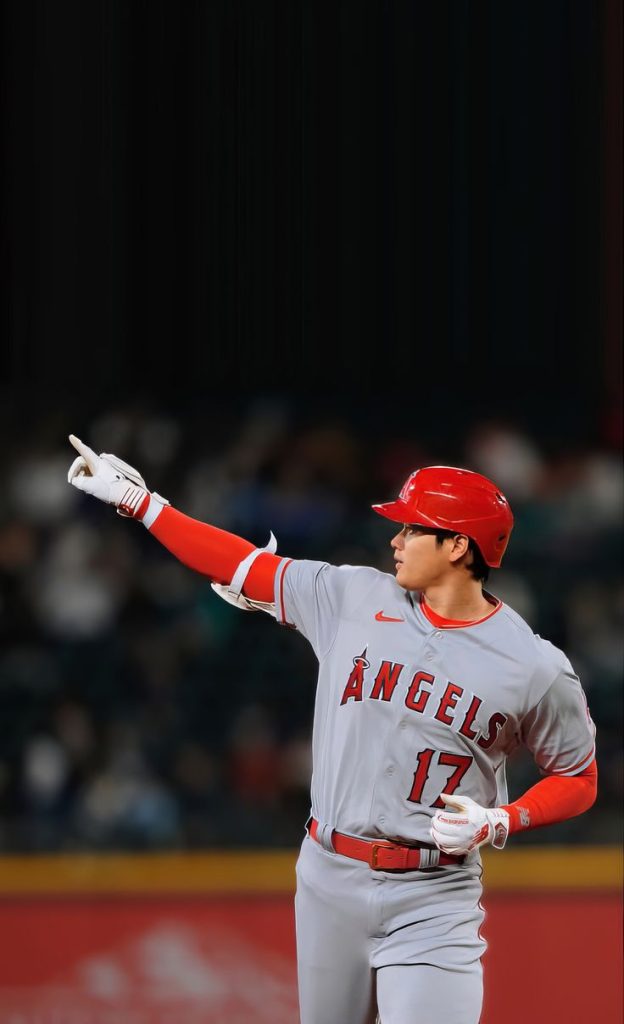
Shohei Ohtani’s unprecedented 50-50 season is a product of a rare combination of physical attributes and skills. Let’s delve into the scientific aspects that make this achievement possible:

1.Power Generation: Ohtani’s home run prowess stems from exceptional bat speed and lower body strength, allowing for maximum energy transfer to the ball.

2.Speed and Acceleration: His stolen base success relies on quick first-step acceleration and top-end speed, crucial for beating throws to second base.

3.Hand-Eye Coordination: Ohtani’s ability to consistently make contact with various pitch types showcases elite hand-eye coordination and visual processing.

4.Muscle Fiber Composition: A balanced mix of fast-twitch (for power and speed) and slow-twitch (for endurance) muscle fibers enables his diverse skill set.

5.Neuromuscular Efficiency: Quick neural pathways between brain and muscles allow for rapid adjustments in batting and baserunning.

6.Cardiovascular Endurance: High aerobic capacity supports sustained performance throughout the long MLB season.

7.Flexibility and Range of Motion: Enhanced flexibility contributes to his powerful swing and agility on the basepaths.

8.Mental Processing Speed: Quick decision-making is crucial for both hitting and stealing bases effectively.

9.Proprioception: Keen body awareness aids in maintaining balance during swings and slides.

10.Recovery and Adaptability: Efficient recovery processes and adaptability enable consistent performance despite the physical demands of the162-game season.

Understanding these physiological and biomechanical factors helps contextualize the rarity of Ohtani’s 50-50 achievement. It’s not just about talent, but a perfect storm of physical attributes, skills, and consistent application throughout a grueling MLB season.

10 Soccer Drill Task Cards To Make Coaching Easy

Soccer Drill Task Cards have become an essential tool for coaches looking to streamline their training sessions. These handy cards offer a straightforward, visual representation of drills that can be easily understood and implemented by players of all ages. In today’s rapidly evolving world of soccer coaching, these task cards serve as a vital resource for keeping sessions organized, engaging, and effective.

Here are 10 Soccer Drill Task Cards that can make coaching easy:

1.Dribbling Relay: This card outlines a relay race where players are required to dribble through cones as quickly as possible. This drill improves close ball control and speed with the ball.

2.Passing Accuracy: Featuring a grid of targets, this card challenges players to pass the ball accurately through small gates to their partners. It’s an excellent exercise for honing passing precision.

3.Shooting Gallery: Designed to enhance finishing skills, this task card presents various shooting scenarios from different angles and distances, encouraging players to shoot with both power and placement.

4.One-Touch Passing: A drill focusing on fast-paced passing in quick succession, teaching players to think ahead and keep the ball moving with minimal touches.

5.Defensive Shaping: With diagrams highlighting player positioning, this card instructs a team on how to move as a cohesive unit when out of possession and form a compact defensive structure.

6.Headers & Volleys: A drill that allows players to practice aerial control and shooting techniques such as headers or volleyed finishes.

7.Crossing & Finishing: This setup entails wide players delivering crosses into the box for strikers to attack and convert into goals, simulating game-like scenarios.

8.Juggling Mastery: A fun but challenging card prompting players to work on their juggling skills with both feet, thighs, and head to improve overall touch and control.

9.Obstacle Course: Incorporating various skills such as dribbling, jumping over hurdles, and navigating through poles or cones with the ball at feet—great for agility and footwork development.

10.Corner Kick Routines: A tactical task card displaying different set-piece strategies for corner kicks, allowing teams to practice coordinated runs and creating scoring opportunities from these crucial moments in a game.

These Soccer Drill Task Cards serve not only as a guide but also as inspiration for coaches seeking new ways to engage their teams. By utilizing these cards effectively, coaches can spend more time on the pitch teaching rather than planning drills from scratch, ultimately creating a dynamic learning environment for every player involved.

2018 Winter Olympics Classroom Activities and Resources

: Engaging students with the excitement of the 2018 Winter Olympics can be a wonderful way to teach various subjects while capturing their interest. As educators, you have the potential to incorporate Olympic-themed lessons across different disciplines that cater to a wide range of student interests and abilities.

Here are some classroom activities and resources that you can use to bring the spirit of the Winter Games into your lessons:

1. Olympic History Research Project: Assign each student or a group of students a country that has competed in previous Winter Olympics. Students will research their assigned country’s participation in the history of the Games, medal counts, famous athletes, and any significant Olympic moments.

2. Winter Sports Math: Use statistics from the 2018 Winter Olympics, such as scores, times, and distances, in your math lessons. Have students practice various math skills like addition, subtraction, fractions, and percentages using real data from the events.

3. Physical Education – Try Olympic Sports: While it may not be possible to have students participate in actual Olympic sports like luge or ice hockey, you can adapt some sports that are feasible in your school settings, such as floor hockey or relay races on snowshoes (if snow is available).

4. Geography and Cultural Studies: Create an Olympic passport for each student that includes information about each country participating in the Olympics. As they learn about different countries and cultures associated with these nations, they can receive stamps or stickers in their passports.

5. Science of Winter Sports: Discuss the physics and environmental science behind winter sports. Explore topics such as friction on ice, aerodynamics of skiing, and how snow is made for events.

6. Art Projects: Encourage creativity by having students design their own medals, Olympic torches, or create national flags from construction paper or fabric for the countries they researched or which they feel connected to.

7. Olympic Values Education: Use the core values of Olympism—excellence, respect, and friendship—to instigate discussions on sportsmanship, the importance of effort over winning, and teamwork.

8. Language Arts – Athlete Profiles: Have students select an athlete from the 2018 Winter Olympics to research and write a biography or create a presentation about their journey and achievements.

9. Olympics Trivia Game: Create a trivia game with facts related to the 2018 Winter Olympics that can engage students while reinforcing what they’ve learned in a fun format.

10. Closing Ceremony Awards: Host your own classroom ‘closing ceremony’ where students can display their work and receive recognition for their individual projects related to these activities.

By leveraging these activities and resources in your curriculum planning around large international events like the 2018 Winter Olympics, you not only make learning more exciting but also help build global awareness among your students.

Soccer Coaching Drills – Task Cards

Soccer coaching drills are essential tools that coaches use to develop players’ skills, tactics, and overall understanding of the game. Task cards are a highly effective way to deliver these drills during training sessions.

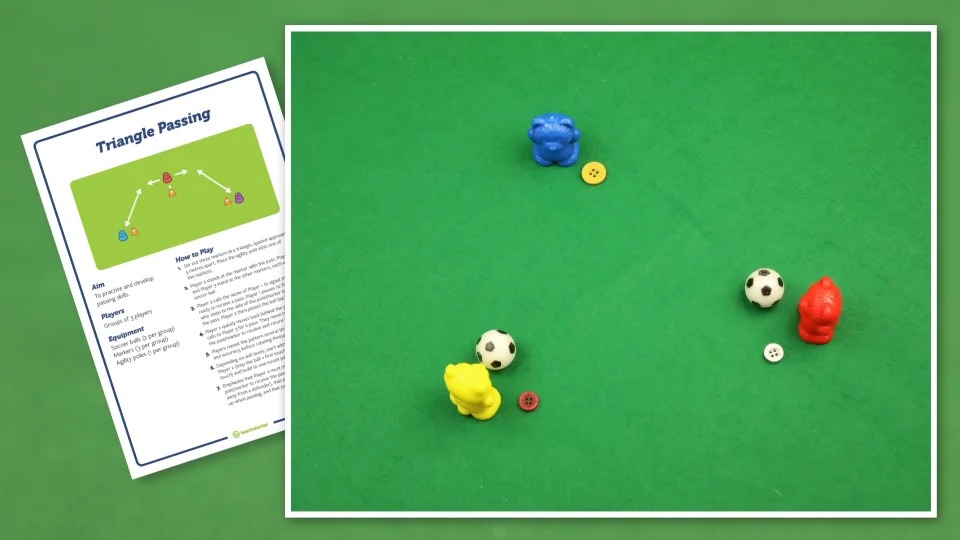
Task cards are physical or digital cards that describe a particular drill or exercise that the players need to perform. They usually include a diagram of the drill, a list of required equipment, step-by-step instructions, and the primary skills the drill aims to improve. These cards offer several benefits: they can be used to convey complex information quickly, ensure consistency in coaching, and allow players to self-manage their learning by setting up and executing drills with minimal supervision.

Here are examples of soccer coaching drill task cards:

1. Dribbling Relay

– Equipment: Cones, soccer balls

– Players: Any number

– Instructions:

– Set up a series of cones in a straight line approximately 5 yards apart.

– Players dribble the ball around each cone as fast as possible and then pass it off to the next player in line.

– Skills Developed: Dribbling speed, close ball control, change of direction

2. Passing Accuracy

– Equipment: Targets or small goals, soccer balls

– Players: Pairs or small groups

– Instructions:

– Place targets at various distances.

– Players must pass the ball accurately into the targets from different angles.

– Skills Developed: Passing accuracy, weight of pass control

3. Defensive Shadowing

– Equipment: None

– Players: Pairs

– Instructions:

– One player dribbles while the other player shadows them without attempting a tackle.

– After several seconds switch roles.

– Skills Developed: Defensive positioning, reaction speed

These task cards can easily be adapted for different skill levels by adjusting the difficulty of the drills or adding specific challenges. For example, with passing accuracy, more advanced players could be required to hit moving targets.

Moreover, they encourage players to critically think about their performance and understand the mechanics behind each skill. Task cards serve not only as a directive tool but also as an educational resource that can have a significant impact on player development during practice sessions.

In conclusion, soccer coaching drill task cards are an invaluable resource for streamlining training sessions. They promote skill acquisition in an organized and efficient manner while giving players autonomy and responsibility for their learning processes—key components in fostering an environment where development is player-centered and engaging.

6 Fun Ball Games and Activities

Balls have been fundamental playthings for children and adults alike, facilitating a vast spectrum of games and activities that encompass ages and cultures. From simple backyard catch to internationally loved sports, here are six fun ball games and activities that people of all ages can enjoy.

1. Soccer: Known as football in most parts of the world, soccer is a globally cherished game that only requires a ball and some open space. Players aim to score goals by getting the ball into the opposing team’s net without using their hands or arms. It’s a fantastic cardiovascular workout and promotes teamwork, strategic thinking, and foot-eye coordination.

2. Basketball: Invented by Dr. James Naismith, basketball is played on a court with two teams aiming to score by shooting a ball through a hoop elevated 10 feet above the ground at each end. Beyond professional play, it’s common to see informal games at local parks offering camaraderie and an intense aerobic session.

3. Dodgeball: A classic game often played in school gymnasiums, dodgeball involves players throwing soft balls at each other while trying to avoid being hit themselves. It’s simple to set up, requiring just a few balls and some space to run around, fostering agility and reflex skills while being wildly entertaining.

4. Beach Volleyball: Originating on the sunny beaches of California, beach volleyball is now a beloved summer sport around the world. Players hit a ball over a net aiming to land it on the opponent’s side without the ball being returned. Playing in sand adds an extra challenge, working out various muscle groups more intensely than traditional volleyball.

5. Kickball: Blending elements from baseball and soccer, kickball is perfect for large groups looking for informal fun. Instead of hitting a small baseball with a bat, players kick a rubber ball to navigate bases laid out in a diamond formation in order to score runs.

6. Bocce Ball: This leisurely-paced game involves players taking turns to throw or roll heavy balls as close as possible to a smaller target ball, known as the pallino or jack. Bocce Ball can be played casually in backyards or more competitively in leagues and promotes strategy as well as precision.

These six games highlight just how versatile and enjoyable activities involving balls can be, providing fun ways to exercise and connect with others across playgrounds and fields worldwide. Whether it’s the structured play of organized sports or the laughter-filled chaos of dodgeball matches, these games are sure to bring enjoyment for players of all skill levels.

10 Football Drill Task Cards to Make Coaching Easy

Coaching football requires a combination of strategy, skill development, and efficient practice management. To that end, having a set of football drill task cards is a game-changer for any coach, providing a quick and effective way to convey drills to players and assistants. Here are 10 essential football drill task cards that are sure to streamline your coaching experience and keep your practices dynamic and productive.

1.The Agility Ladder Mastery

   Skill Focus: Footwork & Agility

   Equipment Needed: Agility ladder

   Drill Summary: Players perform a variety of foot patterns through the agility ladder to improve speed, coordination, and agility.

2.Precision Passing Practice

   Skill Focus: Passing Accuracy

   Equipment Needed: Cones, Footballs

   Drill Summary: Set up a series of targets for players to hit with passes from various distances to improve accuracy under pressure.

3.Catch and Secure

   Skill Focus: Catching under pressure

   Equipment Needed: Footballs, Tackling dummies/pads

   Drill Summary: Receivers catch passes before immediately being challenged by contact to focus on secure possession.

4.Breakaway Sprints Drill Card

   Skill Focus: Acceleration & Speed

   Equipment Needed: Stopwatch, Whistle

   Drill Summary: Timed sprints from various positions to develop explosive speed and accelerations.

5.Defensive Maneuvering Maze

   Skill Focus: Defensive Movement Patterns

   Equipment Needed: Cones

   Drill Summary: Players navigate through cone setups mimicking game scenarios to practice their defensive movements.

6.Tackle Technique Trainer

   Skill Focus: Proper Tackling Form

   Equipment Needed: Tackling dummies/pads, Helmets, Shoulder pads

   Drill Summary: Teach safe and effective tackling techniques using step-by-step instructions on form and execution.

7.Kick/Punt Perfection Card

   Skill Focus: Kicking & Punting Skills

   Equipment Needed: Footballs, Kicking tees, Marked field

   Drill Summary: Focused drills for kickers and punters on form, distance control, and situational punts/kicks.

8.Offensive Line Power Push

Skill Focus: Blocking Strength & Endurance

   Equipment Needed: Sled or Blocking shields

   Drill Summary: Offensive linemen perform blocking drills against resistance equipment for power development.

9.Quarterback Decision-Maker Drills

   Skill Focus: Decision-Making & Accuracy

   Equipment Needed: Footballs, Receiver gloves, Cones defining pass lanes

   Drill Summary: Quarterbacks work through progressions with multiple targets to enhance quick decision-making skills.

10.Endurance Challenge Circuit Card

    Skill Focus: Overall Conditioning

    Equipment Needed: Cones for circuit setup, Timers

    Drill Summary: High-intensity interval training (HIIT) around a series of stations designed for football athletic conditioning.

These task cards distil complex drills into digestible information that can be quickly distributed at practice sessions. Each card should cover the name of the drill, the main skill focus area(s), necessary equipment, and a brief but detailed summary of how the drill should be carried out. Use them to make your coaching sessions more efficient, targeted, and enjoyable for all involved – helping players build essential skills while managing practice time like a pro!