

Introduction:
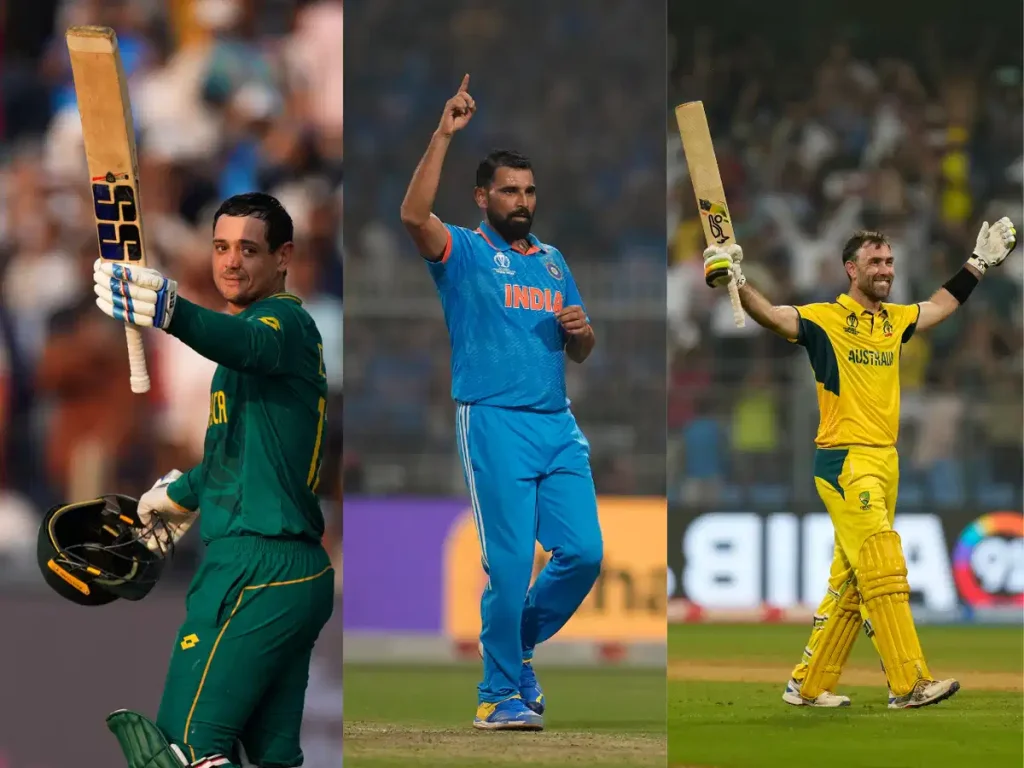
Cricket is a popular bat-and-ball game that’s been around for centuries. Boasting a rich history and diverse fanbase, cricket has captured hearts and cultivated friendships worldwide. Whether you’re a primary student wanting to learn more about the game or dreaming of becoming the next cricket superstar, this article is your perfect starting point! Get ready as we dive into the exciting world of cricket.
A Brief History of Cricket:
Cricket dates back to the 16th century in England. Over time, it has evolved into an internationally celebrated sport with millions of fans and numerous professional leagues worldwide. The International Cricket Council (ICC) now oversees major cricket events such as Test matches, One-Day Internationals (ODIs), and Twenty20 (T20) competitions.
The Basic Rules:
Though its rules may seem complicated at first glance, they become easier to understand with a little practice. Here’s a simple breakdown:
1. Two teams compete against each other, each comprising 11 players.
2. The playing area consists of a grass field and a rectangular pitch (22 yards long) in the center.
3. At each end of the pitch are sets of three wooden stumps called ‘wickets.’
4. The game begins with a coin toss to determine which team bats first.
5. The batting team aims to score as many runs as possible while the fielding team tries to avoid conceding runs and get the batters ‘out.’
6. Each inning consists of six ‘deliveries’ or ‘balls.’
7. When ten batters from the batting team are out, the teams switch roles.
Different Forms of Cricket:
Cricket games come in various formats – Test matches, ODIs, and T20s:
1. Test Matches – These games are the longest format in cricket, lasting over five days with each team given two innings.
2. One-Day Internationals (ODIs) – Teams have 50 overs (an over consists of six deliveries) to score as many runs as they can. As the name suggests, these games only last for a day.
3. Twenty20 (T20) – This fast-paced format gives each team 20 overs to play, making matches more exciting and attracting newer audiences.
Equipment and Attire:
Cricket requires essential gear for both safety and performance purposes:
1. Cricket bat – Traditionally made from willow wood, the bat helps batters score runs.
2. Cricket ball – Usually red or white, these hard leather balls are stitched with a raised seam that enables bowlers to create movement in the air.
3. Helmets and pads – Worn by batters to protect against injury from the speeding cricket ball.
4. Gloves – Used by both batters and wicket-keepers to cushion their hands.
5. Stumps and bails – The wooden stumps are topped by small wooden pieces called ‘bails,’ which play a crucial role in determining whether a batter is ‘out.’
Final Thoughts:
Cricket offers an engaging way for primary students to learn about teamwork, sportsmanship, and discipline while promoting physical fitness and fun. So, grab your bat and ball, gather your friends, and dive into the wonderful world of cricket! Who knows? You might be the next superstar cricketer in the making!


