Sports

The origins of the modern Olympic Games

The modern Olympic Games, a prestigious international sporting event that epitomizes the competitive spirit, camaraderie, and unity among athletes and nations worldwide, have come a long way since their ancient Greek beginnings.

The ancient Olympic Games were primarily a series of athletic competitions held in Olympia, Greece, from 776 BC to 393 AD. These games were deeply rooted in religion and mythology and paid homage to the Greek god Zeus. More than just a mere sporting event, the ancient Olympics played a significant role in cultivating a common Greek identity. The competitions showcased physical prowess and rewarded those who excelled in various athletic pursuits.

In contrast, the modern Olympic Games owe their inception to Baron Pierre de Coubertin. Inspired by the ancient Olympics and driven by an unyielding devotion to enriching global society through sport, Coubertin envisioned recreating a similar event tailored for the modern era.

The pursuit of such ambition began when Coubertin founded the International Olympic Committee (IOC) in 1894. With its establishment, he set forth a fascinating journey that would leave an indelible mark on the tapestry of world history. The first official modern Olympic Games took place in Athens on April 6, 1896 – energetically rekindling the spirit of their ancient predecessors.

Contrary to the past practices entrenched in mythology and religious beliefs, the modern Olympics emerged as secular events aiming to promote peace and international fellowship. One of Coubertin’s primary intentions for devising this extraordinary forum was to facilitate global unity and foment understanding among diverse nations.

Over time, several notable developments have further enriched this sporting extravaganza. The introduction of Winter Olympic Games dedicated to winter sports in 1924 bolstered its appeal. Moreover, other iterations like Paralympics specifically designed for disabled athletes signifies its growing inclusivity.

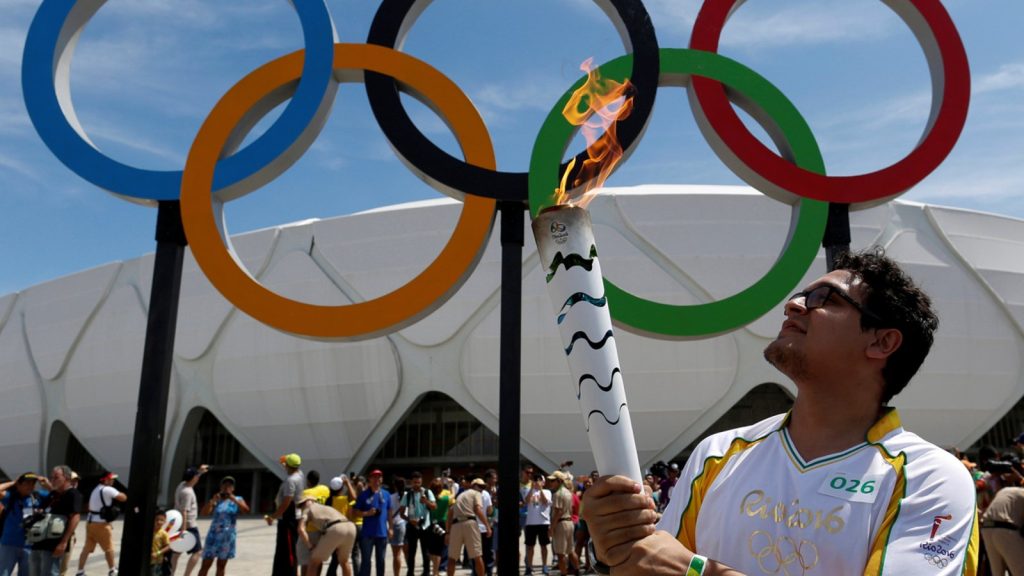
Additionally, to strengthen the Olympic movement and garner public interest, several trademarks and symbols – such as the famous five interlocking rings – have become synonymous with the emblematic spirit of the Games.

The modern Olympic Games have undoubtedly evolved splendidly since their conception. They undoubtedly serve as a considerable catalyst for fostering sportsmanship, cooperation, and understanding among divergent cultures. Leaving an indelible footprint on world history, the modern Olympics remain loyal to Baron Pierre de Coubertin’s unwavering commitment to global unity – a legacy that will persevere for generations to come.

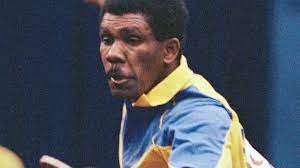
The Inspiring Journey of Desmond Douglas: Master of Table Tennis

Throughout the history of sports, a myriad of athletes has captivated spectators with their exceptional skills, determination, and unwavering spirit. One such icon is Desmond Douglas – a name synonymous with table tennis excellence. Born on February 20, 1955, in Jamaica, Desmond moved to England at the age of nine and began his remarkable journey by becoming one of the world’s most renowned table tennis players.

Desmond’s entry into table tennis was by chance. He initially played football and cricket during his childhood but discovered table tennis in 1967 when heavy rain prevented him from playing outdoors. Soon after, he joined a local club and displayed an innate talent for the sport. With hard work and dedication, Desmond emerged as one of England’s rising stars within a few years.

Possessing a blend of astonishing speed, relentless determination, and an unorthodox backhand style (‘The Cobra’), Desmond quickly ascended the ranks in national and international competition. His most significant achievement came in 1976 at the English Championships when he conquered five different titles – an unprecedented feat that remains unbeaten to this day.

From 1978 to 1983, Desmond was Britain’s number one table tennis player and maintained his ranking within Europe’s top ten for an incredible consecutive eleven years. His illustrious career saw him compete in eleven World Table Tennis Championships and attract admiration from fans worldwide.

His peak came during the 1980s when he won three European Men’s Doubles titles with partner Alan Cooke and secured a record-breaking nine gold medals at the Commonwealth Table Tennis Championships between 1979 and 1991. Additionally, Desmond gained international recognition when he clinched third place at the European Top-12 in Belgium in 1981.

Even though he retired in 1997, Desmond’s passion for table tennis never diminished. He continued contributing to the sport as a coach, nurturing young talent and passing down his knowledge and experience. He was honored with the Member of the Order of the British Empire (MBE) in 1981 and inducted into the English Table Tennis Hall of Fame in 2009.

Desmond Douglas’s journey embodies the essence of sporting greatness – perseverance, commitment, and a genuine love for what he does. He remains an inspirational figure to athletes worldwide, setting a gold standard for determination and success. Aspiring table tennis players can look up to Desmond as an example of how persistence and hard work can lead to remarkable achievements that leave their mark on history forever.

Preparing Financially for the Olympic Build-Up

The Olympic Games are one of the most prestigious events in sports, attracting participants and spectators from all over the world. Hosting such a colossal event is not only an honor but also a huge financial endeavor requiring years of planning and investment. This article offers insights into how cities, countries, and individuals can prepare financially for the Olympic build-up.

1. Government Funding & Planning

As soon as a city is awarded the opportunity to host the Olympic Games, governments must allocate sufficient funds in their budget to accommodate both short and long-term planning and construction needs. Additionally, they should closely monitor the expenses and potential risks associated with hosting such a prestigious event. Careful financial planning ensures that public funds are used efficiently and that infrastructure developments fall within budget constraints.

2. Private Investment & Sponsorship

In addition to public funding, private investors and corporations play an essential role in financing various aspects of the event. Securing sponsorships from major corporations can significantly help offset the expenses of hosting the Olympics. Organizers should start seeking sponsors as early as possible to maximize financial support during the build-up.

3. Infrastructure Investments

Hosting an Olympics requires up-to-date facilities and infrastructure, which often means investing heavily in new construction projects or renovating existing structures. Careful cost projections for these investments can help manage expectations and minimize overspending. Efficient use of resources in constructing Olympic venues is critical – reusing materials, hiring local labor forces, and planning for post-event legacy structures can yield tremendous long-term benefits.

4. Maximizing Tourism Revenue

One of the most significant revenue sources during the Olympic build-up is tourism. Implementing strategic marketing campaigns targeting tourists from around the world is essential in maximizing these returns. Hosting pre-event trials, exhibitions, or other tourist attractions is another smart way to engage visitors during the build-up phase.

5. Ticket Sales & Sporting Event Revenue

Ticket sales and revenue generated through broadcasting rights are crucial in recouping some of the massive expenses associated with hosting the Olympic Games. Offering accessible ticket pricing, ensuring efficient ticket distribution, and securing deals with major broadcasting networks contribute significantly to overall financial success.

6. Insurance & Contingency Planning

Organizers must adequately insure all aspects of the event, from construction and infrastructure to potential liabilities during the Games themselves. Obtaining appropriate insurance policies helps mitigate risks and prepare for unforeseen circumstances. Furthermore, establishing a contingency fund to address possible emergencies or unforeseen expenses will ensure that challenges do not derail the event’s financial success.

In conclusion, preparing financially for an Olympic build-up is an extensive and often challenging endeavor involving government funding, private investment, sponsorships, infrastructure investments, tourism strategies, ticket sales management, and insurance planning. In pursuing these avenues thoroughly and strategically, host cities can ensure financial stability throughout the build-up phase and beyond while creating a lasting and impactful legacy post-Olympics.

How Schools are Supporting Sporting Talent

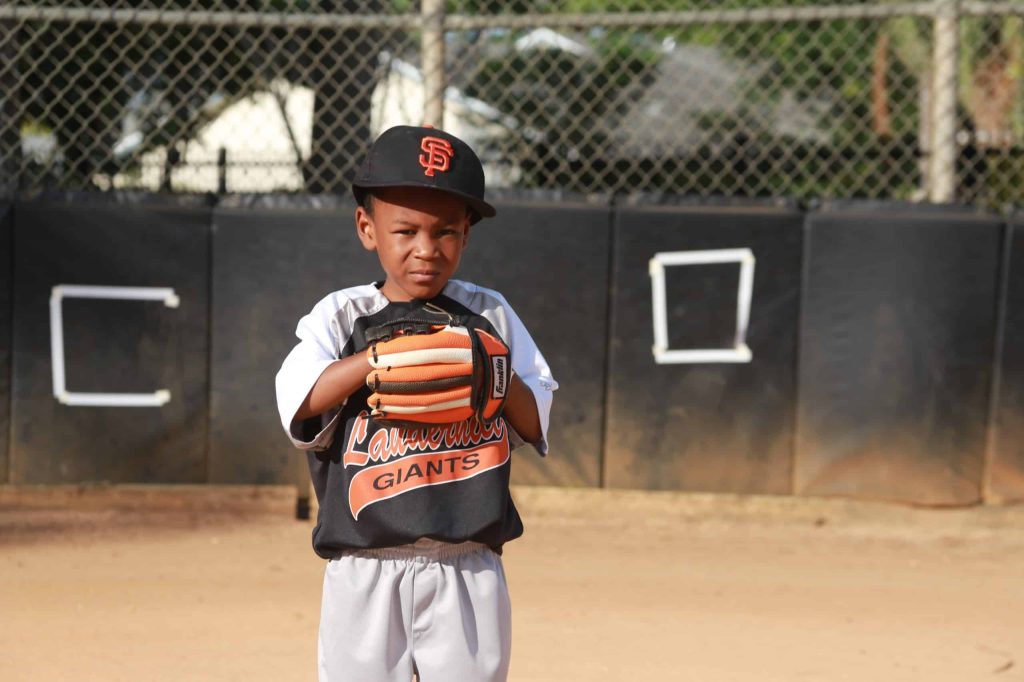
In today’s competitive world, the importance of identifying and nurturing sporting talent can never be underestimated. Schools have a crucial role to play in the process, as they are considered the breeding ground for future sports stars. In recent years, educational institutions have come up with innovative strategies to support and develop promising young athletes. This article explores some of these initiatives and examines how schools are making a difference in the world of sports.

1. Sport-Specific Scholarships

One of the most significant ways that schools are supporting budding athletes is by offering scholarships specifically targeted at their sporting needs. These financial assistance programs attract talent from diverse backgrounds and enable students to focus on both academics and their sport without worrying about monetary constraints. Scholarships also recognize and reward the hard work young athletes put in both in their sport and their education.

2. Enhanced Sports Facilities

In order to develop sporting talent, schools are investing heavily in state-of-the-art facilities that cater to various sports disciplines. From soccer fields, swimming pools, basketball courts to modern gymnasiums, schools are leaving no stone unturned in providing competitive environments for young athletes to thrive in. These improved amenities not only help students hone their skills but also enhance their chances of success at higher levels.

3. Expert Coaching Staff

Another major aspect of supporting sporting talent is recruiting experienced coaching staff ranks within schools. By employing expert coaches who possess both technical knowledge and a proven track record in nurturing young athletes, schools provide students with comprehensive guidance tailored specifically to their chosen sport. Alongside physical training, good coaches also impart essential mental skills that will be beneficial for students both on and off the field.

4. Holistic Support Programs

Schools have started realizing that athlete development goes beyond just skill acquisition and physical fitness; it also involves mental conditioning, nutritional guidance, injury prevention, and sports psychology support. As a result, more schools are now integrating holistic athlete support programs into their curricula. These programs focus on developing the complete athlete, equipped with all the necessary tools to excel in their chosen sport while maintaining academic excellence.

5. Collaboration with Sporting Organizations

In order to develop a comprehensive sporting ecosystem and provide opportunities for students to compete at the highest level, many schools have forged strategic partnerships with local, regional, and national sporting organizations. These alliances enable student-athletes to access advanced training methods, participate in high-level competition, and benefit from exposure to top-tier talent scouts.

6. Emphasis on Academic Balance

Lastly, schools understand that academic success goes hand-in-hand with sporting achievement. Recognizing the importance of a well-rounded education, schools are now implementing measures that help athletes maintain a healthy balance between sports and studies. Flexible schedules, personalized tutoring, adjusted assessment dates are some strategies employed to ensure students can excel in both spheres.

In conclusion, schools have come a long way towards recognizing and fostering sporting talent among their students. By deploying financial support schemes, investing in facilities and coaching staff, collaborating with sporting organizations and promoting a balance between sports and academics, educational institutions are creating a nurturing environment that allows future sports stars to develop their skills and fulfill their potential on the field of play.

Young Athletes: Identifying and Nurturing Sporting Talent

Introduction:

In today’s competitive world, discovering and nurturing sporting talent from a young age has become crucial to building successful careers and achieving excellence in the sports industry. Young athletes possess raw abilities that can be honed through proper guidance, skill development, and support. This article will discuss methods to identify promising young athletes and provide recommendations on how to foster their budding talents.

Identifying Talent:

1. Early signs of athleticism: Be on the lookout for indicators of high energy levels, agility, balance, coordination, and speed. These hints often manifest themselves in how a child performs in simple activities such as playing on the playground or participating in school sports.

2. Passion for sports: A strong interest in sports can be an indication of potential talent. Observe the child’s excitement, dedication, and willingness to practice and learn about their sport of choice.

3. Family history of athleticism: Sporting abilities often run in families. If a child has relatives who excelled in athletics, they might possess genetic advantages that contribute to their potential for success.

4. Resilience and determination: A lot can be said about a young athlete’s mindset when they show perseverance during hardship or adversity with a strong mental toughness.

Nurturing Talent:

1. Encourage participation in sports: Expose children to various sports at a young age so they can experiment and discover their interests and abilities.

2. Invest in quality coaching: Identify skilled coaches who will not only teach the necessary techniques but also instill values such as discipline, teamwork, dedication, and goal-setting.

3. Establish healthy habits: Teach young athletes the importance of proper nutrition, sleep patterns and stretching exercises as part of their training routine.

4. Offer emotional support: The road to athletic success is often long and challenging. Be a pillar of support by encouraging your child’s progress by celebrating achievements and providing guidance during setbacks.

5. Encourage a balance between sports and other aspects of life: While nurturing athletic talent, it’s essential not to push the child excessively, which may lead to burnout or losing interest in sports altogether. Support your child’s academics and social life as well.

6. Network with other athletes and families: Building a supportive community where your young athlete can exchange experiences and forge friendships with their peers can be highly motivating.

Conclusion:

Identifying and nurturing sporting talent in young athletes is a process that requires patience, dedication, and investment. By observing early signs of athleticism, supporting their interests, and providing the resources needed for a holistic development, parents and coaches play a crucial role in setting the stage for future sporting success. It is through this cooperative effort that we foster an environment in which these young talents can flourish and potentially become the sporting icons of tomorrow.

Inspirational athlete: Tom Daley, swimmer

Introduction:

Tom Daley, born on 21 May 1994, is an accomplished British diver and a true inspiration for athletes around the world. Born in Plymouth, England, Daley began diving when he was just seven years old. Over the years, he has demonstrated immense dedication, hard work, and resilience while overcoming many hurdles and challenging personal circumstances. This article explores the extraordinary journey of Tom Daley and highlights the reasons why he’s such an incredible role model for aspiring athletes.

Early Achievements:

At a young age, Tom Daley showed an extraordinary talent for diving. By the time he was 10-years-old, he had already claimed three national titles in the Junior Diving Championships. In 2007, when Tom was only 12 years old, he became the youngest winner of a senior European championship title. The future looked bright for this young swimmer as his career soared to new heights.

Overcoming Challenges:

Just like any athlete’s journey, Tom Daley’s path has been marked by a number of obstacles that he had to face head-on. His father’s battle with brain cancer took a significant toll on him psychologically and emotionally during his formative years as an athlete. It was through sheer willpower and perseverance that Tom maintained his focus on achieving greatness even amidst such challenging times.

Coming Out and Advocating for LGBTQ+ Rights:

In December 2013, Tom publicly came out in a heartfelt YouTube video revealing his relationship with screenwriter Dustin Lance Black. By embracing his authentic self unapologetically, Daley became a powerful inspiration for countless LGBTQ+ individuals around the world – encouraging them to love themselves unconditionally.

Olympic Success:

Throughout his illustrious career, Tom has participated in three Olympic Games – Beijing 2008, London 2012, and Rio de Janeiro 2016 – earning various accolades, including bronze medals in 2012 and 2016. At the Tokyo 2020 Olympics, Daley finally achieved his lifelong dream: a gold medal in the 10m synchronized platform diving event alongside his diving partner Matty Lee.

Philanthropy and Mental Health Advocacy:

Beyond being an exceptional athlete, Tom wears many other hats. He is a dedicated advocate for mental health awareness, and he uses his platform to talk openly about the importance of seeking help when needed. He also supports numerous charitable causes, including the Brain Tumour Charity and the Switchboard LGBTQ+ Helpline.

Conclusion:

Tom Daley’s journey as a world-class athlete has not been without its fair share of trials and tribulations. However, his undeniable talent, unwavering determination, and infectious positivity have turned him into one of the most inspiring figures in modern sports.

From breaking records to making waves as an advocate for mental health awareness and LGBTQ+ rights, Tom Daley’s legacy transcends that of just sport. He is more than a remarkable athlete; he is an inspirational individual who challenges societal norms and proves that adversity can pave the way for greatness.

Sport Spotlight: Orienteering

Introduction

Orienteering is an exciting and challenging sport that has captured the interest of sports enthusiasts around the world. It combines physical fitness, mental agility, and a sense of adventure, making it an ideal sport for those who love the outdoors. This article shines the spotlight on orienteering, its origins, and its various forms.

History and Origins

Orienteering traces its roots back to the 19th century in Sweden when it was developed as a military training exercise to teach soldiers how to navigate using maps and compasses. It then evolved into a competitive sport in the early 20th century, with the first official orienteering event taking place in Stockholm in 1918. Since then, orienteering has grown in popularity across Europe and around the globe.

Types of Orienteering

There are several different types of orienteering, catering to various levels of fitness and navigation skills:

1.Foot Orienteering: This is the most popular form of orienteering and involves navigating through diverse terrain on foot while trying to find control points marked on a map.

2.Ski Orienteering: This variation takes place on snow using cross-country skis. The athletes must not only navigate but also choose the fastest route through snow-covered terrain.

3.Mountain Bike Orienteering: Competitors use mountain bikes in this type of orienteering and must balance their biking skills with map reading and route planning.

4.Trail Orienteering: Designed for people with limited mobility, trail orienteers follow pre-defined routes using primarily trails and paths.

5.Urban/Street Orienteering: This version takes place in urban areas and involves navigating along streets while finding control points marked on a city map.

Equipment

While participating in orienteering events, athletes require certain basic pieces of equipment:

  1. A topographical map specific to the event location, highlighting the control points and marked with scales to measure distance.
  2. A compass for precision navigation.
  3. Comfortable athletic clothing and footwear that provide adequate support, stability, and protection in challenging terrains.
  4. A waterproof map case to protect the map from rain or any other environmental damage.
  5. Watch to track time during the race.

Competitions and Organizations

Orienteering is now a competitive sport overseen by various organizations across the globe. The International Orienteering Federation (IOF) governs international competitions such as the World Orienteering Championships and the World Cup in its various disciplines. Additionally, regional organizations like the United States Orienteering Federation (USOF), British Orienteering, and Orienteering Canada manage events and promote the sport nationwide.

Conclusion

Orienteering is an exhilarating sport that offers participants a unique opportunity to combine physical activity with mental challenges in diverse outdoor settings. The sport has come a long way since its early days as a military training exercise, and today it is enjoyed by people of all ages and skill levels across the globe. Whether you’re a seasoned athlete or are simply looking for a fun new way to explore the great outdoors, consider giving orienteering a try.

Primary Assembly: Jessica Ennis

Introduction:

Jessica Ennis’s journey to becoming an Olympic and world champion is a tale of perseverance, hard work, and dedication. Her inspiring story does not only revolve around her triumphs on the track and field; it transcends her athletic achievements and spills into other aspects of her life. One notable legacy that she has built over the years is through primary school assemblies, where she has had a profound impact on countless young lives.

Early life and achievements:

Born in Sheffield, UK, on January 28, 1986, Jessica Ennis showed an early interest in athletics and began competing at the age of 11. By 15, she had established herself as one of Britain’s best young athletes. Her passion for sports fueled her ambitions, eventually propelling her to become World Championship winner (2009), European Championship winner (2010), and Olympic gold medalist (2012) – just to mention a few milestones.

Primary Assembly involvement:

Aside from her exceptional career as an athlete, Jessica Ennis has also dedicated herself to nurturing the dreams of young people. She understands the power that role models can have on children striving for success in life. Passionate about helping children unlock their potential, she frequently attends primary school assemblies across the United Kingdom.

During these assemblies, Jessica shares her story with students — from her humble beginnings to the challenges she faced along her journey. By openly discussing her experiences of setbacks and moments of self-doubt to her eventual rise to glory, Jessica encourages kids to believe in themselves and push forward despite their fears.

Through resilience workshops that Jessica hosts at schools, students learn the importance of goal-setting, self-motivation, and maintaining a positive mindset even when faced with obstacles. They are also exposed to essential life lessons such as teamwork, sportsmanship, commitment, and discipline.

Impact on young lives:

The impact Jessica Ennis has had on youngsters attending her assemblies goes far beyond the school grounds. The life lessons she imparts are invaluable, as they translate into crucial skills and attitudes that contribute to building accountable, responsible, and successful global citizens.

By sharing her story with students, Jessica offers them not only a shining example of what they can achieve through dedication but also an accessible and genuine role model they can look up to. Her unwavering commitment to inspiring and empowering the next generation has undoubtedly left a lasting legacy in primary schools across the United Kingdom.

Conclusion:

Jessica Ennis’s journey as an athlete and an inspiration transcends her achievements on track and field—it spills over into making a tangible impact on countless young lives. The time she devotes to primary school assemblies and motivational workshops is a testament to her genuine commitment to nurturing the dreams of future generations. It is through these endeavors that Jessica Ennis will continue to ignite the passion for sports, hard work, and determination in children for many years to come.

Inspirational Athlete: Abebe Bikila, Long Distance Runner

The world of sports has seen countless inspirational athletes, who through strength, determination, and talent have left an indelible impact on the game they played. One such athlete is the legendary Ethiopian long-distance runner, Abebe Bikila. His incredible journey from humble beginnings to Olympic gold not only challenged conventional wisdom but also inspired millions worldwide.

Born in 1932 in a small rural village in Ethiopia, Abebe Bikila discovered his passion for running at an early age. Little did he know that his love for this simple activity would one day change his life and revolutionize long-distance running forever.

Bikila joined the Ethiopian Imperial Guard at the age of 24, where he trained under Swedish coach Onni Niskanen. Under Niskanen’s guidance, Bikila developed his unique style and honed his athletic prowess – a combination that would soon make him a superstar.

The 1960 Rome Olympics was where Bikila announced his arrival on the global stage. What stood out about this race was that he ran barefoot – a decision made shortly before the competition because his newly issued shoes didn’t fit comfortably. Despite being relatively unknown and facing seasoned competitors, Bikila went on to win the marathon in a world record time of 2:15:16. His unexpected victory not only etched his name in history but also increased awareness about Ethiopia as a formidable contender in long-distance running.

Surprisingly, Bikila’s success didn’t dampen his resolve or his hunger to achieve more. At the 1964 Tokyo Olympics, he sought to defend his title – this time wearing shoes and setting another world record with a time of 2:12:11. He became the first male athlete to win back-to-back Olympic gold medals in the marathon event.

Bikila’s meteoric rise to fame had a lasting impact on the sport of long-distance running. By proving that it was possible to excel without sophisticated training or dramatic shoe technology, he inspired generations of runners who looked up to him as a symbol of perseverance and determination.

Tragically, a car accident in 1969 left Bikila paralyzed from the waist down. Yet, even this devastating turn of events couldn’t dampen his indomitable spirit. He turned his attention to archery and table tennis and continued to participate in various Paralympic events.

Abebe Bikila passed away in 1973, but his legacy continues to inspire athletes around the world. His accomplishments demonstrate that no obstacle is insurmountable for those with unwavering determination and a positive attitude. As we celebrate his life and achievements, let us remember that in the face of adversity, it is the strength of our spirit that defines us all.

Sports World: South Africa – A Thriving Sports Culture

Introduction

South Africa, also known as the Rainbow Nation, is a land rich in culture and diversity. One significant aspect of this cultural wealth has been South Africa’s thriving sports scene. From rugby to cricket, soccer, and beyond, this African nation has made its mark on the global sports stage and continues to shape its own unique athletic identity in the process.

Rugby Union: A Unifying Force

Undoubtedly, rugby is one of the top sports in South Africa. The Springboks, the national team, have become famous for their powerful performances and managed to win the Rugby World Cup multiple times (1995, 2007, and 2019). More than just a game, rugby played a crucial role in establishing unity during challenging times in South Africa’s history. For instance, in 1995 when the country had only recently emerged from apartheid, their first World Cup victory united South Africans across racial lines.

Cricket: A Tradition That Runs Deep

Dating back to the colonial times, cricket has long been popular among South Africans. The national team, Proteas, competes on an international platform that includes participating in Test series, One Day Internationals (ODIs), and Twenty20 tournaments. South African cricketers like Jacques Kallis, AB de Villiers, and Dale Steyn have earned significant acclaim for their skillsets and helped elevate their nation’s status in global cricket.

Soccer: A Passion Shared By Millions

Soccer connects millions of people throughout South Africa as its most widely played sport. Fanaticism surrounding soccer transcends social barriers within the country. The legacy of hosting the 2010 FIFA World Cup has served as an inspiration for aspiring athletes across the country. Established local teams like Kaizer Chiefs FC and Orlando Pirates FC also maintain a committed fanbase that ensures soccer remains ingrained at the heart of South Africa’s sports culture.

Other Sports: A Diverse Athletic Landscape

South Africa’s sports scene is not limited to these three core disciplines. Athletes thrive in a range of other areas, further showcasing the country’s athletic diversity. Olympic gold medalists such as swimmer Chad le Clos and sprinter Wayde van Niekerk have garnered international attention. Golfers like Gary Player and Ernie Els have excelled on the global arena, as have tennis players like Kevin Anderson and Amanda Coetzer in their respective disciplines.

Conclusion

The world of sports in South Africa is more than just a pastime; it’s a vital part of the nation’s cultural fabric. It brings people together from all walks of life, creating communities and promoting values such as hard work, dedication, and teamwork. From the rugby field to the cricket crease, soccer pitch or swimming pool – South Africa has become known for its athletic excellence nurtured by its remarkably diverse cultural heritage.