STEM

Change the Way You Teach STEM With Hockey Scholar

The world of education is constantly evolving, and it’s only fitting that our teaching methods in science, technology, engineering, and mathematics (STEM) should also adapt and develop. Hockey Scholar, an innovative approach to teaching STEM, has the potential to revolutionize the way children learn these subjects. By incorporating the excitement of hockey into education, students engage with the content in a new way that fosters a higher level of understanding.

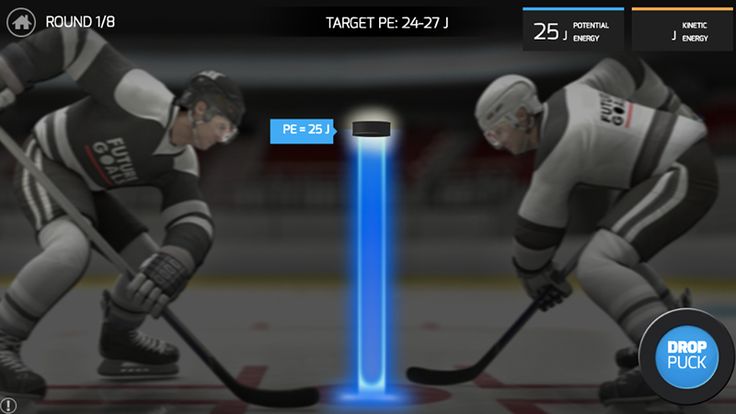
So what exactly is Hockey Scholar? It’s an online program designed to teach fundamental STEM concepts through various hockey-related lessons and scenarios. The program leverages children’s enthusiasm for sports – specifically hockey – to facilitate meaningful connections between real-life situations and STEM principles. As a result, students develop essential skills while absorbing key learning concepts in a fun and engaging environment.

Incorporating Real-Life Scenarios

One of the biggest challenges that educators face when teaching STEM is creating lesson plans that genuinely resonate with students. Often, it’s hard to visualize complex scientific concepts or understand how they apply to everyday life. Hockey Scholar addresses this by integrating true-to-life examples derived from hockey matches.

Energy transfer, calculating velocity, and exploring material properties all come alive when presented in tandem with activities on the ice rink. Students quickly grasp these abstract ideas as they see them unfold within a game they know and love.

Engaging Multimedia Tools

Hockey Scholar utilizes multimedia tools such as videos, quizzes, and interactive simulations to enhance learning. These resources more effectively capture student attention as they explain their subject matter through both visual representations and engaging storytelling methods.

Moreover, by tapping into different learning styles (visual, auditory, kinesthetic) the program significantly increases understanding compared to traditional one-dimensional instructional formats like textbooks.

A Collaborative Learning Experience

Teamwork is an essential skill for success both on the ice and in any professional field. By emphasizing collaboration as an integral component of Hockey Scholar, students learn the importance of working together to solve problems and develop solutions.

Whether it’s collaborating on a chemistry experiment or tackling an engineering challenge, fostering strong interpersonal skills only serves to enhance learning outcomes.

Boosting Academic Performance and Hockey Knowledge

The core belief behind Hockey Scholar is that students can learn more effectively if they’re truly enjoying the process. By intertwining STEM education with the beloved sport of hockey, children become more engaged and able to retain information better.

Overall, the program not only has a significant positive impact on academic performance but also deepens their understanding and appreciation for hockey itself.

In conclusion, Hockey Scholar is a groundbreaking approach that has the potential to change the way we teach STEM subjects in schools. By tapping into students’ passion for hockey and utilizing real-life scenarios, advanced multimedia tools, and collaborative learning techniques, we can create a more stimulating and effective educational experience. So grab your sticks, lace up your skates, and get ready to revolutionize STEM education!

Take Students to Mars With Virtual Space Missions

Introduction:

Virtual reality (VR) and augmented reality (AR) technologies have revolutionized the way we learn and experience our surroundings. One area that has seen significant advancements is space education. By leveraging these technologies, teachers can now take students on exciting virtual space missions to Mars, providing an immersive learning experience unlike any other.

Exploring the Red Planet with Virtual Reality:

Using virtual reality headsets, students can be transported to the surface of Mars, experiencing firsthand what it would be like to walk on the red planet. This engaging platform offers a plethora of educational opportunities including studying Martian geography, delving into its geological history, and exploring potential sites for future human settlements.

Using Augmented Reality for a Mars Rover Simulation:

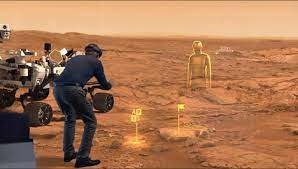
Augmented reality apps can transform classrooms into simulated Martian landscapes. In this highly interactive setup, students navigate a virtual Mars rover, learning about its various instruments and capabilities. This form of hands-on education enables them to understand rover engineering concepts and enhances problem-solving skills.

Collaboration with Real Space Agencies:

Virtual space missions become even more engaging when computer simulations are integrated with real-world data from space agencies like NASA and ESA. By combining virtual experiences with real-time data such as satellite imagery and telemetry from ongoing space missions, students receive a more comprehensive understanding of Mars exploration while fostering a sense of connection to ongoing research.

Benefits of Virtual Space Missions in Education:

1. Immersive Learning Experience: VR and AR technologies captivate students by transporting them into an immersive environment beyond the limitations of textbooks or video.

2. Enhanced Student Engagement: Virtual space missions can provoke interest in STEM subjects and motivate students who might not have shown interest in space science before.

3. Accessible for All Ages: Virtual missions are suitable for children as young as elementary school age, inspiring their curiosity for space exploration early on.

Overcoming Challenges:

Despite the advantages of using VR and AR in education, integrating these technologies can face challenges such as equipment costs, availability, and training. Educators can advocate for funding and support from educational institutions, or engage their community to raise awareness of the benefits that virtual space missions provide to students.

Conclusion:

With the right tools and support, virtual space missions to Mars can become a staple of modern education, inspiring future generations of astronauts, engineers, and scientists. Embracing virtual reality and augmented reality technologies in classrooms broadens the horizons for students by providing them with unparalleled and engaging learning experiences that are truly out of this world.

Kids Dream of STEAM Careers, But Are We Preparing Them?

In today’s rapidly advancing world, Science, Technology, Engineering, Arts, and Mathematics (STEAM) careers have become the backbone of our global economy. Children are naturally drawn to these fields, fascinated by the wonders they offer. But are we as a society doing enough to pave the way for them to build successful STEAM-based careers?

Understanding The Importance Of STEAM Education

STEAM education has never been more critical. Future professionals in these fields will be solving urgent global issues like climate change, creating technological advancements, and revolutionizing industries in ways we can’t yet imagine. Encouraging children’s interest in STEAM subjects is not only advantageous for their future but also necessary for our world’s progress.

The Current State of STEAM Education

Despite the clear importance of these fields, many educational systems around the world struggle to provide comprehensive and engaging STEAM learning experiences. Rote learning and outdated teaching methods hinder children’s natural curiosity and passion for these subjects.

Education systems often lack essential resources and funding required to implement hands-on learning experiences that can spark a child’s interest in STEAM disciplines – not to mention inadequate teacher training programs that fail to nurture educators’ own understanding of these diverse subjects.

Bridging The Gap Between Dream And Reality

To ensure a generation of global citizens equipped with the knowledge and skills required for STEAM careers, we must work collectively on several fronts:

1. Begin Early: Introduce children to STEAM concepts in their early years through age-appropriate activities that foster curiosity and enthusiasm for these subjects.

2. Hands-On Learning: Encourage experiential learning with project-based activities that promote problem-solving skills, critical thinking, creativity, and collaboration.

3. Investment In Education: Increase funding for schools and classrooms to acquire necessary tools, materials, and technology needed for modern STEAM education.

4. Teacher Training: Improve teacher training programs to better equip educators with the knowledge and abilities needed to inspire students passionately and effectively.

5. Embrace Diversity: Ensure STEAM education is accessible, inclusive, and engaging for all students, regardless of their background or circumstances.

6. Mentorship: Connect children with role models in STEAM careers, whom they can learn from and emulate.

7. Encourage Failure: Teach kids that failure in their explorations is a natural part of the learning process, fostering resilience and growth.

Nurturing The Leaders Of Tomorrow

In order to ensure kids can pursue their dreams in STEAM careers, we must make a conscious effort to revolutionize our current education systems. As a society, it’s vital that we invest time, money, and passion into fostering the talents of the next generation.

By preparing children for careers in science, technology, engineering, arts, and mathematics, we’re not only empowering them as individuals but also setting the stage for a brighter future filled with innovation and boundless potential.

The Role of Science Teachers in Shaping Future Innovators

Introduction

The world we live in is filled with remarkable inventions and discoveries, all thanks to the tireless efforts of science teachers who dedicate their lives to educating and inspiring the next generation of innovators. From preserving our planet to facilitating groundbreaking research, science teachers play an essential role in society. In this article, we will explore the crucial contributions that science teachers make towards shaping the future.

1.Building a Strong Foundation for Scientific Understanding

Science teachers play a pivotal role in developing the foundational knowledge necessary for students to succeed in various disciplines. By incorporating practical experiments and encouraging a thirst for knowledge, they help young minds grasp complex scientific concepts that lay the groundwork for future exploration. A skilled science teacher not only teaches established theories but also inculcates critical thinking skills in their students, empowering them to question and investigate scientific phenomena.

2.Encouraging Students to Pursue STEM Careers

Science teachers help students recognize their aptitude for different fields within STEM (Science, Technology, Engineering, and Mathematics). By exposing students to diverse topics within these disciplines and offering guidance based on their strengths and interests, they mentor future professionals who will contribute significantly to scientific advancements.

3.Promoting a Culture of Environmental Conservation

Given the current environmental challenges our planet faces, there is an urgent need for collective efforts towards sustainable practices. Science teachers educate students about environmental conservation by discussing ecological principles and integrating green practices into everyday life. Thus, they foster environmental stewards who can make informed decisions concerning resource management and conservation.

4.Development of Problem-Solving Skills

One key aspect of practicing science is learning how to solve problems systematically. Science teachers teach students techniques for analyzing data, designing experiments, and testing hypotheses. These skills not only apply in scientific endeavors but also translate into other aspects of life when faced with complex challenges.

5.Fostering Innovation

Navigating scientific breakthroughs requires creativity, collaboration, and persistence. Science teachers cultivate these traits by encouraging students to explore unconventional ideas, work in teams, and not be afraid of failure. The students they educate are better equipped to tackle complex problems and potentially develop groundbreaking solutions that reshape our world.

Conclusion

The role of science teachers is instrumental in grooming the next generation of critical thinkers, problem solvers, and leaders who will propel the wave of scientific discovery. By building a strong academic foundation and nurturing essential life skills, these educators play a crucial role in shaping future innovators and preserving our planet for generations to come.

20 Marvelous Marshmallow Activities

1. Marshmallow Sculptures: Create unique and artistic sculptures using marshmallows and toothpicks or stems as the building materials.

2. Marshmallow Shooters: Use small plastic cups to make exciting marshmallow shooters and have a fun-filled marshmallow battle!

3. Marshmallow Tinkertoys: Build incredible geometric structures with the help of marshmallows and bendy straws.

4. Marshmallow Stamping: Dip one end of a marshmallow in paint and use it to make creative designs on paper or canvas.

5. Edible Marshmallow Slime: Create an ooey-gooey marshmallow slime that’s not only fun to play with but also safe to eat.

6. Marshmallow Catapults: Construct your own mini catapults using household items, such as spoons and rubber bands, and launch marshmallows across the room.

7. Frozen Marshmallow Treats: Dip marshmallows in melted chocolate or yogurt and freeze them for a delicious snack.

8. Indoor Marshmallow Roasting: Use your fireplace or a marshmallow roasting kit for an indoor campfire experience, complete with s’mores!

9. Giant Marshmallow Pops: Create oversized versions of the classic treat by skewering jumbo-sized marshmallows and dipping them in various coatings.

10. Marshmallow Shapes: Cut large marshmallows into various shapes using cookie cutters, then decorate them with edible markers or food coloring for extra fun.

11. Marshmallow Relay Race: Develop teamwork skills by participating in a relay race where participants must carry a marshmallow on a spoon without dropping it.

12. Edible Jewelry: String mini-marshmallows onto fishing line or thread to create stylish accessories that can be worn, then eaten.

13. Marshmallow Sensory Bin: Fill up a large container with colorful mini-marshmallows for children to add to their sensory play.

14. Marshmallow Taste Testing: Sample marshmallows in different flavors or dipped in various toppings and vote on your favorite combination.

15. Marshmallow Snowmen: Assemble a frosty friend using marshmallows, pretzel sticks, and various candies for a sweet winter treat.

16. Rainbow Marshmallow Kabobs: Skewer rainbow-colored marshmallows and fruit onto sticks for an eye-catching and delicious snack.

17. Marshmallow Letter Recognition: Use alphabet-shaped cookie cutters to stamp letters onto marshmallows and practice spelling or letter recognition with your child.

18. Floating Marshmallow Experiment: Drop marshmallows into a container filled with water and encourage children to make predictions about whether or not they will float.

19. Marshmallow Fondue Night: Gather friends or family around a warm pot of chocolate fondue, armed with skewers and marshmallows for dipping.

20. DIY Marshmallow Candles: Attach colorful, decorative candles to large marshmallows for a unique table centerpiece or party decoration.

Get ready to transform ordinary marshmallows into extraordinary experiences with these 20 marvelous activities – perfect for all ages!

Explore Plant Design and Biomes With This Fun, Interactive Lesson

Introduction

Delve into the fascinating world of plant design and biomes with this engaging and interactive lesson! This educational adventure will guide students through a captivating exploration of plant adaptations, their relationship with various biomes, and the beautiful and diverse ecosystems they inhabit. Students will learn the importance of plants in maintaining a balanced ecosystem, all while having fun discovering new facts about these amazing organisms.

Learning Objectives

1. Understand the general concept of plant adaptations and how they enable plants to survive in adverse conditions.

2. Recognize different types of biomes and understand their unique climatic and environmental characteristics.

3. Identify the link between plant adaptations and their corresponding biomes.

4. Develop an appreciation for the ecological importance of plants within ecosystems.

Interactive Lesson Outline

1. Begin with a brief introduction to plant adaptations, discussing how genetic variations enable plants to survive in a wide range of environments. Use visual aids such as photos or videos to show examples of plant adaptations, including roots that absorb water efficiently, leaves that minimize water loss, or spines that deter herbivores.

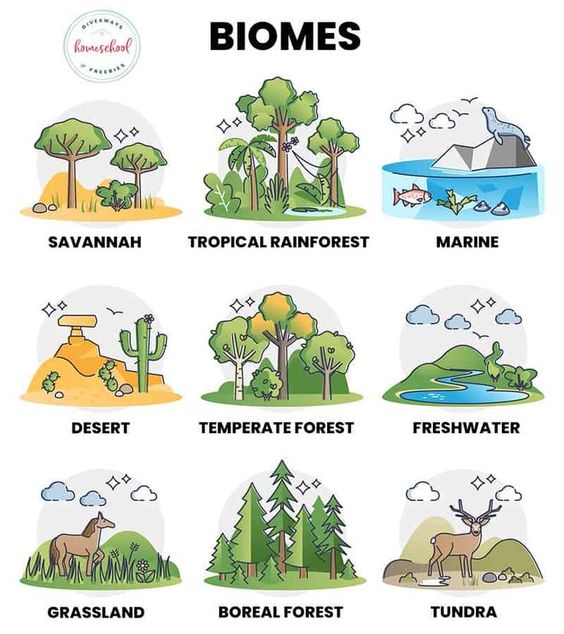
2. Introduce the concept of biomes: distinct regions with specific climate, plant, and animal life forms. Discuss the characteristics and examples of aquatic (freshwater and marine) biomes as well as terrestrial (forest, grassland, tundra, desert) biomes.

3. Explore each biome in-depth:

– Discuss its unique climate (temperature and precipitation patterns).

– Describe some common plant life found in each biome.

– Explain the way its plants are adapted for survival in that specific environment.

– Provide interactive activities such as matching games or quizzes that challenge students to connect plant adaptations with their respective biomes.

4. Reinforce the ecological importance of plants within ecosystems by outlining their role in maintaining balance in the environment:

– Plants provide habitats for animals and contribute to nutrient cycling.

– Plants produce oxygen and act as carbon sinks by absorbing carbon dioxide through photosynthesis.

– Discuss the consequences of plant loss for various ecosystems (for example: soil erosion, flooding, and loss of biodiversity).

5. Conclude the lesson with hands-on or interactive activities that highlight the importance of plants in different ecosystems:

– Plant a small garden with native plant species, or research ways to create a wildlife-friendly garden.

– Use online learning tools or simulations to model how plants interact with their environment and other organisms.

Wrap up the lesson by encouraging students to embrace their newfound appreciation for the remarkable world of plant design and biomes, fostering a sense of environmental stewardship. By fostering this connection with nature, students will be better equipped to appreciate and protect the Earth’s incredible biodiversity.

Win a $500 Gift Card and Swag Bag from Ward’s Science

Introduction

Get ready, science enthusiasts! Ward’s Science is giving you a fantastic opportunity to win a $500 gift card and an exclusive swag bag. This wonderful giveaway event is designed to support and enrich your learning experience, whether you are an educator, student, or simply interested in the fascinating world of science.

What is Ward’s Science?

Ward’s Science has been serving the educational community for more than 140 years by providing top-quality science products and resources for schools and institutions. From laboratory equipment and specimens to curriculum solutions, the company aims to make teaching and learning science an enriching and engaging process. With their deep-rooted commitment to education and passion for all things science-related, Ward’s Science remains dedicated to empowering educators and students through innovative products that inspire curiosity and critical thinking.

The $500 Gift Card

The grand prize of this giveaway is an incredible $500 gift card that can be used on the extensive range of science products available from Ward’s Science. Whether you are looking for exciting activities for your classroom or want to treat yourself with some new lab equipment, this gift card provides a unique opportunity for you to elevate your learning experience. Just imagine the possibilities!

The Exclusive Swag Bag

But that’s not all! The lucky winner will also receive an exclusive Ward’s Science swag bag that contains a curated selection of stylish merchandise like branded apparel, accessories, and educational tools. With this amazing prize package, you can proudly display your love for science while boosting your knowledge.

How to Enter

To participate in this exciting event, please follow these steps:

1. Visit the official contest link provided by Ward’s science.

2. Fill out the entry form with your name, email address, phone number, job title (if applicable), and school/institution name (if applicable).

3. Submit your entry.

The contest is open to all legal residents of the United States, and entrants must be at least 18 years of age. Remember to read the official rules and regulations before entering, as terms and conditions apply.

Conclusion

Get ready to seize this fantastic opportunity from Ward’s Science to upgrade your education and show off your love for science! Don’t miss out on the chance to win a $500 gift card and exclusive swag. Good luck, everyone, and happy learning!

The Big List of Science Fair Project Ideas, Resources, and More

Every year, students around the world scramble to come up with engaging and educational science fair projects. An incredible opportunity to showcase their curiosity and creativity, science fairs push students to explore topics in science: from chemistry to physics, biology to engineering. With a vast domain of scientific disciplines available, it can be challenging to decide on a project. Fortunately, this comprehensive list of science fair project ideas, resources, and more can help you find precisely what you’re looking for.

**I. Project Ideas**

1. Chemistry

– Create homemade pH indicators using fruits and vegetables

– Investigate the impact of temperature on chemical reaction rates

– Analyze the effectiveness of different types of antacids

2. Physics

– Study the effects of friction on various surfaces

– Investigate how different shapes affect the lift and drag of paper airplanes

– Determine the most energy-efficient temperature for LED lightbulbs

3. Biology

– Explore plant growth under different colored lights

– Examine how soil acidity affects seed germination

– Analyze the effect of caffeine on heart rate in Daphnia

4. Environmental Science

– Investigate the impact of oil spills on aquatic plants

– Measure air quality in various locations around your community

– Develop a water purification system using natural materials

5. Engineering

– Construct an efficient solar oven

– Build a wind turbine optimized for power output

– Design a filter to remove microplastics from water

**II. Resources**

1. Science Buddies (sciencebuddies.org) – Offers a vast selection of project ideas and step-by-step guides.

2. STEAM Powered Family (steampoweredfamily.com) – Features hands-on science experiments for all age groups.

3. Exploratorium (exploratorium.edu) – Explore activities and experiments curated by the world-renowned interactive science museum.

4. Education.com (education.com) – Access a wide array of science activities, articles, and resources developed by educators.

5. Khan Academy (khanacademy.org) – Offers comprehensive and in-depth learning videos on various scientific topics.

**III. Tips and Tricks for a Successful Science Fair Project**

1. Choose a topic that genuinely interests you – It’s easier to invest the time and energy needed for success when you’re passionate about the subject matter.

2. Research thoroughly – Understand the background of your topic before diving into experimentation.

3. Plan ahead – Create a timeline to ensure enough time for experiments, data collection, and creating your display.

4. Keep a detailed logbook – Record every observation and step of your process to aid in troubleshooting and report writing.

5. Simplify your presentation – Make sure your display is visually appealing, easy to read, and effectively communicates your findings.

Armed with an extensive list of ideas, resources, and tips, you have everything you need for a successful science fair experience. Remember that passion, persistence, and the creative application of scientific knowledge are essential elements in making your project stand out from the crowd. Good luck!

20 Amazing Animal Adaptations Activity Ideas

1.Camouflage Art: Encourage children to create artwork using colors and patterns that help their animals blend into their environment.

2.Habitat Dioramas: Have kids build dioramas showcasing specific animal adaptations needed for survival in various habitats.

3.Animal Yoga: Teach kids various animal poses that reflect unique adaptations, such as stretching like a giraffe or curling up like a hedgehog.

4.Bird Beak Buffet: Use household items to simulate different bird beaks and have children experiment with picking up objects to discover various feeding strategies.

5.Adaptation Scavenger Hunt: Create a list of animal adaptations and have kids search for examples in nature or online.

6.Creature Feature: Host a movie night featuring films with animals that exhibit unique adaptations and discuss how these adaptations help them survive.

7.Adaptation Charades: Have kids act out different animal adaptations, while others guess the adaptation and the animal.

8.Nature Walk Observations: During a nature walk, encourage children to observe and document examples of animal adaptations they encounter.

9.DIY Animal Costumes: Provide materials for children to create wearable animal adaptations, such as echolocation headbands or camouflage capes.

10.Adaptation Match Game: Create pairs of cards featuring an animal on one card and its adaptation on another; have children play memory-style matching games.

11.Wildlife Photographer: Encourage kids to snap photos of animals displaying unique adaptations and compile them into presentations or collages.

12.Guess the Habitat: Have kids examine pictures of animals with distinctive adaptations and guess the habitat they live in based on those clues.

13.Invasive Species Exploration: Research invasive species in your area that outcompete native species due to their specific adaptations, and discuss ways to mitigate their impact.

14.Design-A-Creature Challenge: Have children invent their own animals with specific adaptations needed for survival in various environments.

15.Animal Adaptation Jeopardy: Organize a game of adaptation-themed jeopardy, with categories such as physical adaptations, behavioral adaptations, and extreme habitats.

16.Migration Mapping: Map the migration routes of various animals and discuss the adaptations that help them survive their journeys.

17.Interactive Habitats: Create interactive stations representing different habitats, where kids can explore hands-on materials showcasing the adaptations needed for survival in each one.

18.Hibernation Station: Set up a cozy hibernation den, and teach kids about the animals that hibernate and their unique physiological adaptations.

19.Animal Olympics: Host competitions inspired by animal adaptations, such as relay races mimicking salmon journeys or long jump contests showcasing frog leaps.

20.Nature Journaling: Encourage children to create nature journals documenting their observations and discoveries about animal adaptations in their local environment.

These activities are designed to engage children and spark their curiosity about the remarkable world of animal adaptations. Through hands-on exploration and play-based learning, kids will develop a deeper understanding of how animals evolve unique strategies to survive and thrive in diverse ecosystems around the world.

21 Engineering Design Process Activities To Engage Critical Thinkers

Introduction:

The engineering design process is a series of steps that engineers follow to devise and test solutions to problems. This process helps to engage critical thinkers by challenging their creativity, problem-solving skills, and technical aptitude. In this article, we will explore 21 engineering design process activities that can be implemented in the classroom, club projects, or workshops to help foster critical thinking among students and young engineers.

1. Brainstorming: Kick off any project with brainstorming sessions that encourage open discussion, creative thinking, and idea generation.

2. Concept Mapping: Help students visualize the relationships between different ideas using concept maps.

3. Reverse Engineering: Have students dissect products or systems to figure out how they work.

4. Sketching: Encourage students to sketch their ideas before diving into detailed designs.

5. Mind Mapping: Use mind maps to help learners visualize their thought processes effectively.

6. Scale Model Building: Foster understanding of size and proportion in design through scale model construction.

7. Materials Testing: Conduct tests on various materials to determine their suitability for specific applications.

8. Rapid Prototyping: Use affordable materials like cardboard or foam for quick-and-dirty prototyping exercises.

9. Virtual Modeling: Leverage computer-aided design (CAD) software to create virtual models of student designs.

10. Design Criteria Matrix: Help learners prioritize their design specifications with a criteria matrix exercise.

11. Research & Development: Teach students the importance of thorough research when embarking on a new design project.

12. Project Management Methods: Introduce standard project management methodologies such as agile or waterfall to guide them through the design process efficiently.

13. Cost Analysis: Educate aspiring engineers about cost considerations when designing solutions.

14. Failure Analysis: Analyze failed projects or designs and discuss what could have been done differently.

15. 3D Printing & Additive Manufacturing: Expose students to cutting-edge manufacturing techniques using 3D printers.

16. Design for Manufacturability: Encourage learners to consider the practical aspects of manufacturing when designing a product.

17. Collaboration & Communication: Foster team collaboration through group projects and presentations that require effective communication skills.

18. Feedback & Critique: Create an environment where constructive criticism helps to strengthen and refine designs.

19. Optimization Techniques: Teach aspiring engineers how to optimize designs for specific criteria, such as weight or cost reduction.

20. Simulation & Analysis: Show students how to use software simulations and analysis tools to test their design’s functionality and effectiveness before building a physical prototype.

21. Design Showcase: Finish off the design journey by showcasing student projects in a public design showcase event, inviting parents, teachers, and industry professionals to view their work and provide valuable feedback.

Conclusion:

The engineering design process is a crucial element in developing critical thinking and problem-solving abilities among aspiring engineers. Implementing these 21 activities in your classroom or engineering club will help students explore the intricacies of this process while fostering their creativity, technical aptitude, and collaboration skills. In doing so, you’ll be shaping the future generation of innovators and problem-solvers who can confidently tackle any challenge that comes their way.