STEM

28 Genius Sixth Grade STEM Challenges

Introduction:

Get ready for an inspirational journey as we explore 28 genius sixth grade STEM challenges designed to spark curiosity, creativity, and critical thinking among young learners. These challenges cover a wide array of topics, from robotics to environmental science, offering an engaging and hands-on learning experience for students.

1. Egg Drop Challenge: Students build a contraption to protect an egg from breaking when dropped from a significant height.

2. Mini Wind Turbine: Design and construct a working mini wind turbine to harness and convert wind energy into electricity.

3. DIY Solar Oven: Use recycled materials to create a solar oven that can cook food or heat water using sunlight.

4. Newspaper Tower: Build the tallest tower possible using only newspapers and tape.

5. Balloon Rocket Cars: Construct cars that are propelled by balloon power and race them against classmates.

6. Circuit Board Mazes: Create mazes using cardboard, aluminum foil, and LEDs that light up when the circuit is complete.

7. Climate Change Challenge: Investigate the effects of climate change on a small scale by modeling sea level rise or melting ice caps.

8. Build a Robot Hand: Design and create a functioning robotic hand using simple materials like straws, string, and cardboard.

9. Seismic Shake-Up: Simulate an earthquake to test structures built out of marshmallows and toothpicks.

10. Toy Zip Line Challenge: Engineer a zip line system capable of carrying small toys safely across a specified distance.

11. Plastic Bottle Greenhouse: Construct a mini greenhouse using recycled plastic bottles to study plant growth in controlled conditions.

12. Marshmallow Catapults: Build catapults using craft sticks or other materials that can launch marshmallows great distances.

13. Clean Water Challenge: Design filtration systems that remove contaminants from dirty water samples.

14. Launching Weather Balloons: Investigate local weather patterns by launching homemade weather balloons equipped with simple sensors.

15. Edible Earth Layers: Model the layers of the Earth using colorful edible materials.

16. Bridge Building: Create bridges using popsicle sticks or other household items that can span a gap and support weight.

17. Toilet Paper Roll Rockets: Construct and launch rockets made from cardboard tubes, rubber bands, and paper.

18. LEGO Robotics Challenge: Program LEGO robots to complete obstacle courses or perform complex tasks.

19. Glowing Bacteria Experiment: Grow bacteria in petri dishes and experiment with bioluminescence.

20. Hands-On DNA Extraction: Extract DNA from strawberries or other fruits using simple household materials.

21. Rube Goldberg Machine: Design and create a complicated machine to perform a simple task, using chain reactions.

22. Cardboard Virtual Reality Headsets: Build DIY virtual reality headsets using cardboard and smartphones to explore 3D environments.

23. Natural Disaster Preparedness Challenge: Study natural disasters and create emergency preparedness plans for various scenarios.

24. Grow Your Own Crystals: Experiment with crystal-growing techniques using borax, sugar, or other materials.

25. Light & Shadow Art Projects: Explore the interaction between light and shadow by creating unique art installations or shadow puppets.

26. Magnetic Levitation Train: Build miniature trains that levitate on magnetic tracks, investigating the principles of magnetism and engineering.

27. Ocean Acidification Experiment: Model the effects of ocean acidification on marine life using simple chemical reactions and observation skills.

28. DIY Speakers: Design and construct speakers using paper plates, magnets, wire, and electronic components to amplify sound.

Conclusion:

These sixth grade STEM challenges offer endless hours of fun and learning for students while fostering an environment that encourages problem-solving skills, creativity, communication, collaboration, and perseverance. Dive into these projects

Enrichment Activities: Space Travel and Satellite Communications

Introduction

The realm of outer space has always fascinated human beings, sparking our curiosity, and driving innovation in technology. With pursuit of knowledge and advancements in the space industry, we are slowly unraveling the mysteries of this vast universe. This article examines space travel and one of its most crucial aspects – satellite communications. We will also explore various enrichment activities that can help students, educators, and enthusiasts delve deeper into these fascinating topics.

Space Travel

1.Historical Milestones

The history of space travel is replete with groundbreaking milestones that have shaped our understanding of the cosmos. From the launch of Sputnik 1 in 1957 to the historic Apollo 11 Moon landing in 1969, these events have fueled further exploration efforts. Educators can encourage students to research these monumental achievements and present their findings in a timeline format, capturing both the successes and challenges faced during these missions.

2.Astronaut Training

Introduce students to the rigorous physical and mental training that astronauts undergo to prepare for missions in space. Organize a series of team-building exercises and problem-solving tasks designed to simulate the challenges faced by astronauts in microgravity environments.

3.Spacecraft Design

Students can research different spacecraft designs and their specific functions, such as manned missions, cargo deliveries, or satellite launches. Encourage them to conceptualize their own spacecraft designs and build scale models using various materials (e.g., paper, cardboard, or plastic).

Satellite Communications

1.Understanding Satellites

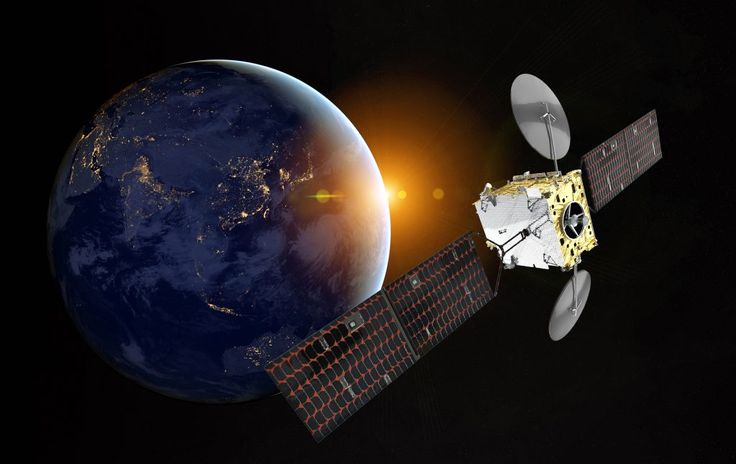
Teach students about various types of satellites (e.g., Earth observation, communication, weather) and their essential components (e.g., power systems, antenna systems). Organizing a field trip to a local science museum or partnering with local experts involved in satellite design or operations can enrich students’ understanding.

2.Satellite Orbits

Introduce students to the concept of orbits and the various orbit types (e.g., low Earth orbit, geostationary orbit, polar orbit) used by satellites. Engage students in interactive activities to help them visualize how satellites maintain their orbits and communicate with ground stations.

3.Global Positioning Systems (GPS)

Teach students about the Global Positioning System, which uses satellite technology for navigation and geo-positioning. Invite them to experiment with GPS devices or smartphone applications to collect location data and complete geocaching or orienteering activities.

Conclusion

Enrichment activities focused on space travel and satellite communications can inspire students of all ages. Educators can utilize these activities not only to engage their students in the fascinating world of space exploration but also to encourage critical thinking, creativity, communication, and problem-solving skills – competencies vital for future innovators. By broadening their understanding of the field, we empower the next generation of space enthusiasts, scientists, and engineers who will continue our exploration of the cosmos.

20 Energizing Electronics Activities for High School Students

Introduction

Are you a high school student or educator interested in electronics projects? This article will provide you with 20 exciting and energizing electronics activities perfect for engaging high school students. Without further ado, let’s dive right into these fantastic ideas!

1. Breadboard Circuit Design

Teach students to design simple circuits using breadboards, jumper wires, resistors, LED lights, and other electronic components

2. DIY Solar Charger

Create a simple solar charger that can power devices like smartphones using photovoltaic cells, capacitors, and rechargeable batteries.

3. Electronic Greeting Cards

Have students design and create electronic greeting cards using conductive ink and LED lights to display a personalized message.

4. Arduino Robotic Arm

Introduce students to the world of Arduino programming and robotics by constructing a robotic arm capable of simple tasks like picking up objects.

5. Homemade Speakers

Explore the principles of sound waves and vibrations by building speakers from household items like paper cups, magnets, and copper wire.

6. Line Follower Robot

Design a line follower robot that can navigate a specific path by following lines drawn on the floor.

7. Touchless Hand Sanitizer Dispenser

Combine electronics with hygiene practices by creating a touchless hand sanitizer dispenser using an infrared sensor and microcontroller.

8. DIY Lie Detector

Explore biofeedback signals by constructing a simple lie detector capable of analyzing skin conductivity changes.

9. Variable Power Supply

Construct an adjustable power supply that can output different voltages for various projects.

10. Music Synthesizer Hack

Modify basic keyboards or toys to create unique musical instruments capable of producing unconventional sounds.

11. Smart Home Automation System

Design an IoT-based automation system that can remotely control lights or appliances in a simulated living space.

12. Remote Control Car with Video Streaming

Upgrade a basic remote-controlled car with an onboard camera, capable of streaming live video to the operator.

13. Hydroponic Monitoring System

Create a monitoring system that regularly checks on the health of a hydroponics setup, by PM-ressing water temperature, pH levels, and nutrient concentration.

14. Automated Plant Watering System

Build an automated plant watering system using sensors to detect soil moisture levels and a microcontroller to control a water pump.

15. RC Drone Kit Assembly

Teach students how to assemble and program an RC drone kit from scratch, providing them with an understanding of drone technology.

16. DIY Smart Mirror

Create a futuristic smart mirror that can display weather updates, news headlines, or personal notifications with built-in LED displays.

17. LED Matrix Clock

Use LEDs and microcontrollers to construct an impressive LED matrix-based clock displaying time and date.

18. Mobile App Controlled Robotic Car

Design a robotic car that can be operated via a custom mobile app that includes various commands and functions.

19. Raspberry Pi 3D Scanner

Use a Raspberry Pi and some simple components to create a portable 3D scanner capable of capturing and rendering 3D images.

20. DIY Electronic Lock

Create an electronic lock system that can be opened using passwords or biometrics like fingerprint recognition technology.

Conclusion

These 20 energizing electronics activities will surely spark interest among high school students while teaching them valuable skills in electronics and programming. By embarking on these projects, students will gain hands-on experience working with various components, devices, and technologies commonly used in today’s world.

Whether you’re an educator looking for engaging classroom activities or a student eager for hands-on tech experience, these projects offer endless possibilities for exploration, innovation, and individual creativity. Happy tinkering!

Primary Assembly: The Inspiring Osprey Story

Introduction

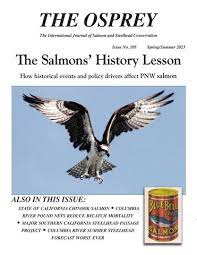
The osprey, a magnificent bird of prey, has inspired countless generations with its striking appearance and incredible resilience. Known as the “fish hawk” or “sea hawk,” this predatory raptor has successfully adapted its lifestyle and hunting techniques to thrive in various environments across the world. In this article, we will explore the awe-inspiring journey of these incredible birds and delve into their fascinating history, unique adaptations, and remarkable recovery stories.

Osprey’s History and Characteristics

Pandion haliaetus, commonly known as the osprey, is an apex predator found on every continent except Antarctica. Known for their keen eyesight, powerful build, and impressive aerial skillset, these birds have been admired since ancient times – their image can even be found on ancient Egyptian artifacts dating back over 3,000 years.

An adult osprey can measure up to 24 inches in length with an impressive wingspan of up to six feet. These large birds are easily identifiable by their dark brown upperparts contrasting against the pure white underneath. Their beak is strongly hooked and specially designed to grip wet, slippery fish – their primary source of sustenance.

Adaptations and Hunting Techniques

The osprey’s distinct hunting technique sets it apart from other raptors. With talons capable of exerting powerful force and barbed pads on their feet, these remarkable hunters grasp onto slippery fish without difficulty. Furthermore, they possess a reversible outer toe that allows them to hold prey with two toes pointing forwards and two backward. This adaptation ensures a stronger grip while in flight.

Ospreys have been observed hovering over water bodies before plunging headfirst into the water to snatch their prey. Plunging at speeds of up to 80 miles per hour, they’re able to catch fish lurking just below the surface. Once the prey is firmly within their grasp, they take to the skies and readjust the fish’s position so it faces headfirst, thus reducing air resistance when flying back to their nests.

Conservation Efforts and Recovery Stories

Like many other wildlife species, the osprey population experienced a significant decline in the mid-1900s, mainly due to the widespread use of harmful pesticides like DDT. These chemicals accumulated within the food chain, ultimately compromising reproductive capabilities and shell strength in osprey eggs.

Recognizing their decline, many countries initiated conservation programs that have since become essential in fostering their recovery. Some notable actions taken include banning harmful pesticides, building nesting platforms, introducing relocations, and monitoring osprey populations. Consequently, these efforts have succeeded in reviving the osprey population across the globe – constituting one of the most remarkable wildlife recovery stories in recent history.

Conclusion

The captivating story of the osprey serves as a testament to wildlife resilience and nature’s remarkable ability to adapt. The concerted efforts made by dedicated conservationists to restore osprey populations have positively impacted ecosystems worldwide. As we continue to learn from these awe-inspiring creatures, may we remain engaged in supporting and protecting the ospreys’ thriving existence in our ever-evolving world.

13 Marvelous Moon Phase Activities for Students

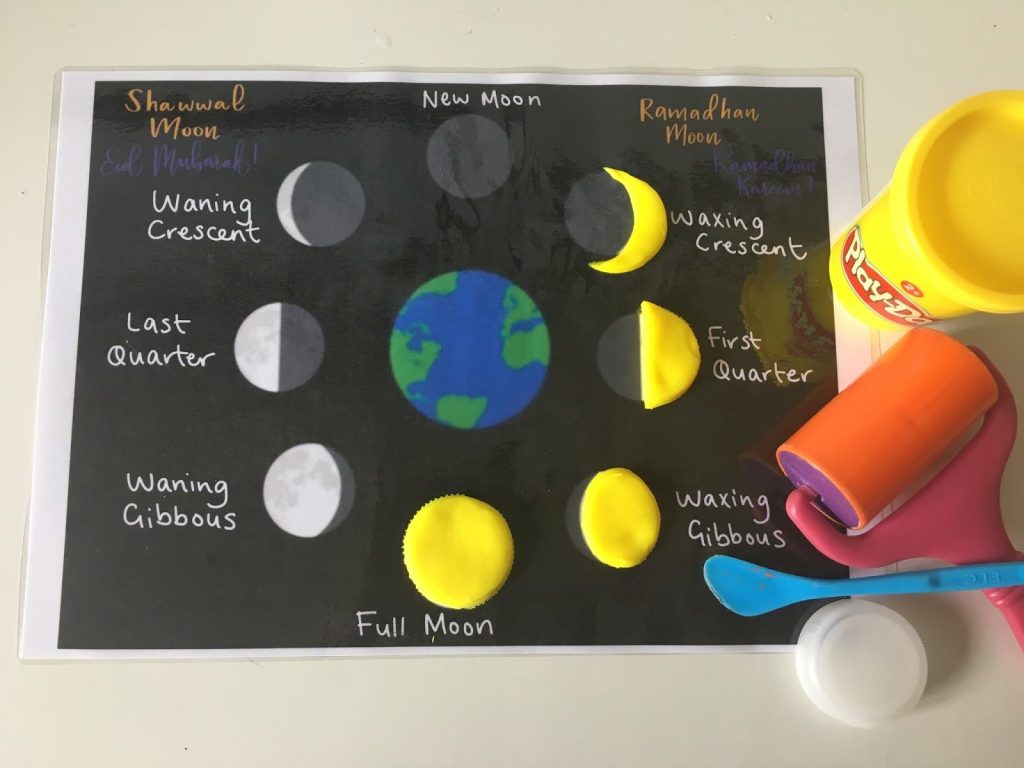
Engaging students in the wonders of the cosmos can be a thrilling experience. One of the best ways to spark interest in astronomy is by teaching them about the moon phases. Here are 13 marvelous moon phase activities that can provide both fun and educational opportunities for students.

1. Moon Phase Calendar: Have students create a personalized moon phase calendar. They can either draw or print an actual calendar and note down the phases of the moon on their respective dates.

2. Oreo Moon Phases: Use Oreo cookies to teach students about the different moon phases. Each student can twist apart the cookies to represent different phases and arrange them in order on their plate.

3. Lunar Lollipops: Arrange lollipops in a circle to replicate the moon’s phases. Have students take turns explaining each phase as they move around the circle.

4. DIY Moon Phase Slider: Create a customizable moon phase slider with paper, markers, and scissors. Students get to cut out each of the eight primary moon phases and then slide them back and forth to understand how they change over time.

5. Moon Phase Puzzle: Create a puzzle with images of each moon phase. Mix up the pieces and have students work together to recreate the correct sequence.

6. Glow-in-the-Dark Moon Paintings: Make your own glowing lunar landscapes using glow-in-the-dark paint on black construction paper. This activity provides a unique spin on traditional painting.

7. Moon Phase Dominoes: Make or purchase a set of dominoes with images representing each phase of the moon. Have students match dominoes with corresponding images to see how they connect.

8. Moon Phase Walking Tour: Organize a walking tour that takes place throughout the month, with stops at locations that correspond to each moon phase’s visibility—teaching students where to look for specific phases in real-time.

9. Moon Shadow Play: Teach students about the moon’s effect on our planet by having them create shadow plays that demonstrate the relationship between its movements and how it causes eclipses.

10. Lunar Tic-Tac-Toe: Create a lunar-themed tic-tac-toe board with moon phase images placed inside each square. Students can play using colored markers or colored moon stickers for an engaging twist on the classic game.

11. Moon Phase Scavenger Hunt: Hide objects in your classroom or outside area that represent each of the eight primary moon phases, and have students work together to find them, exploring the connection between natural cycles and astrological events.

12. Moon Phase Journaling: Encourage students to keep a daily journal during the lunar month, recording their thoughts, ideas, and observations related to how each phase affects the world around them.

13. Moon Phase Song and Dance: Engage students in a creative performance by learning or creating a song representing each moon phase. Students can also create an accompanying dance routine that they perform while singing.

These 13 activities offer a unique and engaging way for students to explore and learn about moon phases. Educators can pick and choose from these activities based on their students’ interests and learning goals to create an awe-inspiring experience that captivates young minds.

24 Engaging Easter STEM Activity Ideas

When it comes to celebrating Easter, there’s no better way to engage children in both fun and learning than by incorporating STEM (Science, Technology, Engineering, and Math) activities. These 24 Easter-themed STEM activities are sure to keep your little ones entertained while exercising their minds.

1.Egg Drop Experiment: Explore physics by having children build a contraption to protect an egg when it’s dropped from a height.

2.Hatching Dino Eggs: Use baking soda and vinegar to create hatchable dinosaur eggs in a fun chemical reaction experiment.

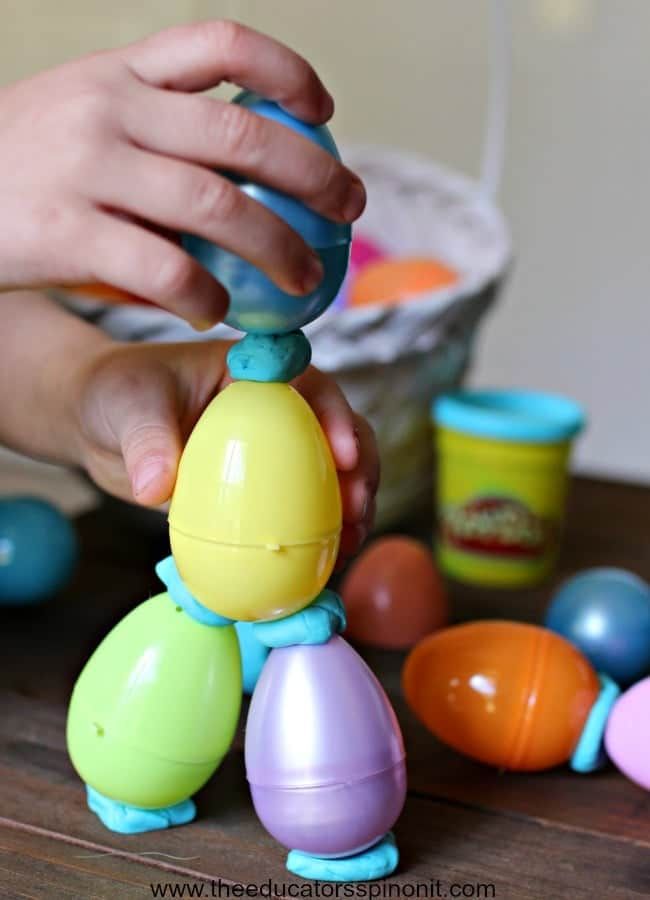
3.Peeps Tower Challenge: Encourage engineering skills with a challenge to build the tallest tower using just Peeps marshmallows and toothpicks.

4.Jelly Bean Structures: Children will practice engineering and geometry by constructing 3D shapes from jelly beans and toothpicks.

5.Easter Egg Rockets: Turn colorful plastic eggs into miniature rockets powered by baking soda and vinegar.

6.Crystalized Egg Geodes: Teach kids about the formation of geodes with borax powder, pipe cleaners, and water.

7.Floating Egg Experiment: Learn about density and buoyancy by floating an egg in saltwater versus freshwater.

8.DIY Egg Rainsticks: Combine engineering, art, and music by creating rainsticks from recycled materials and Easter decorations.

9.Lego Egg Racers: Encourage creativity by challenging children to design and build an egg-carrying vehicle from Lego bricks.

10.Egg Catapults: Teach kids about force and motion with homemade catapults designed to launch hard-boiled eggs.

11.Robotic Egg-painting Bots: Use simple coding skills to teach your child how to program a robot that will paint their Easter eggs for them!

12.The Great Egg Balance Test: Explore the center of gravity with this engaging experiment that involves balancing eggs atop different objects like bottles or cans.

13.Magnetic Egg Hunt: Add an extra challenge to the traditional egg hunt by hiding magnetic objects inside select plastic eggs and providing a homemade magnet wand for retrieval.

14.Fizzy Easter Eggs: Combine Easter egg coloring with a fizzy science experiment using baking soda, vinegar, and food coloring.

15.Easter Egg Pendulum Painting: Introduce children to force and trajectory using an egg pendulum to create unique works of art.

16.Slime Eggs: Create non-sticky, vibrant-colored slime to fill clear plastic eggs – an entertaining chemistry lesson!

17.Easter Themed Coding Activities: Enjoy a variety of online coding games and apps that incorporate Easter themes to improve critical thinking.

18.Solar-Powered Egg Bots: Harness the power of renewable energy with pattern-drawing bots powered by the sun.

19.Osmosis Egg Experiment: Observe the process of osmosis by placing a dissolving thin-shelled egg in various water solutions.

20.Turning Eggs into Geometric Shapes: Utilize creativity and problem-solving skills to turn hard-boiled eggs into geometric shapes using rubber bands.

21.Edible Peeps Play Dough: Combine Peeps marshmallows with other pantry items to make a fun, edible play dough for hands-on learning.

22.Pixelated Easter Eggs: Help children practice technology, engineering, and art skills by creating pixelated designs on their eggs with small square stickers.

23.Hydraulic Egg-lifter Challenge: Teach kids about hydraulics with an exciting engineering activity that requires lifting an egg using water displacement.

24.Chromatography Butterflies from Coffee Filters: Urge kids to discover how different colors combine or separate in dye by making beautiful butterflies from colored coffee filters.

These 24 engaging Easter STEM activities provide hours of entertainment while nurturing STEM skills to develop curious, creative, and knowledgeable young minds.

15 Awesome Apple Science Activities

Introduction

Fall is the ideal season for apple picking, and it’s the perfect time for apple science activities too! Learning through hands-on experiences is an effective way to engage children in understanding scientific concepts. Here are 15 awesome apple science activities for kids!

1. Apple Sink or Float Experiment

Teach kids about density by asking them to predict whether apples will float or sink in water. This simple experiment will surprise them when they find out apples float!

2. Apple Volcano Experiment

Create an apple volcano by carving out a small hole in an apple, adding baking soda and vinegar, then observing the chemical reaction between the two substances.

3. Apple Taste Test and Graphing Activity

Conduct a taste test with different varieties of apples, have children rate their preferences, and graph the results to teach them about data collection and representation.

4. Apple Decomposition Experiment

Observe the decomposition process of apples by placing slices in various environments (exposed to air, sealed in a bag, in a sunny spot). Kids can track the changes over time and learn about decomposition.

5. Apple DNA Extraction

Use simple household items to extract DNA from an apple, teaching kids about genetic material in living organisms.

6. Apple Seed Germination Project

Plant apple seeds and observe their growth over time, learning about germination and plant development.

7. Apple Lifecycle Study

Explore the lifecycle stages of apple trees using books, online resources, and field trips toorchards.

8. Homemade Apple Cider Vinegar Experiment

Show kids how to make their own apple cider vinegar at home while teaching them aboutfermentation processes.

9. Exploring Apples with Microscopes

Examine various parts of apples under a microscope, such as seeds, skin, and flesh to observecellular structures and compare them with other fruits.

10. All About Steve Jobs – Biography Study

Introduce children to the life and work of Steve Jobs, the co-founder of Apple Inc., and inspire thenext generation of innovators.

11. Apple Osmosis Experiment

Place apple slices in various solutions (water, salt water, sugar water) to observe how osmosisworks and what happens to the cells in each solution.

12. Apple Tree Gravity Investigation

Teach kids about gravity by exploring how apple trees manage to grow heavy fruit withoutbranches breaking under their weight.

13. Apple Solar System Model

Create a solar system model using apples as planets, teaching kids about space whileincorporating a fun apple theme.

14. Apple Dissection and Parts Identification

Dissect an apple to discover its various parts (core, seeds, flesh) and learn about their functions.

15. Comparing Apples to Oranges – Density Experiment

Compare the density of apples and oranges by conducting a simple ‘sink or float’ experiment with both fruits.

Conclusion

Apple science activities are a fantastic way to spark curiosity in children while teaching valuable scientific skills. These 15 awesome activities provide endless opportunities for hands-on learning and exploration during the beautiful autumn season. So grab some apples and get ready for some exciting science fun with your little ones!

19 Fun Lab Week Games and Activities for Kids

Introduction

Science is a fascinating subject, and Lab Week offers an excellent opportunity to introduce children to the wonders of science through fun and engaging activities. In this article, we provide a list of 19 exciting games and activities that will make Lab Week an unforgettable experience for kids.

1. Baking Soda Volcano

What’s more exciting than creating a volcanic eruption? The classic baking soda volcano experiment is easy to set up and will fascinate kids of all ages.

2. Rainbow in a Jar

Teach kids about density by creating a rainbow in a jar using various liquids with different densities.

3. DIY Slime Lab

Slime is always a hit with kids. Set up a slime lab where they can create their own slime using different amounts of borax, glue, and colors.

4. DNA Extraction

Using only household supplies and fruits like strawberries, kids can extract DNA right in the classroom.

5. Magnetic Field Art

Using magnets, paperclips, and colored sand or powdered paint, kids can create beautiful art pieces inspired by the invisible force of magnetic fields.

6. Balloon Rocket Races

Teach kids about Newton’s Third Law with this easy-to-prepare racing game using balloons as rockets.

7. Crystal Growing

Introduce children to the world of crystal formation by growing their own crystals using household items like sugar or salt.

8. Density Tower

Create a tower with layers of liquids with different densities, demonstrating how certain objects can float between them.

9. Solar Cooking

Build simple solar cookers and use the sun’s energy to cook delicious treats like s’mores or baked potatoes.

10. Invisible Ink Messages

Teach kids about chemical reactions by writing secret messages with lemon juice and revealing them over heat.

11. Marshmallow Engineering Challenge

With marshmallows and toothpicks as building materials, challenge kids to engineer structures like towers and bridges.

12. Fingerprinting Fun

Expose children to the world of forensic science by lifting fingerprints with simple household items and studying them under a magnifying glass.

13. Soda Bottle Terrarium

Create mini ecosystems inside repurposed soda bottles, promoting awareness about the environment and life cycles.

14. Cloud in a Jar

Demonstrate how clouds form through this mesmerizing cloud-in-a-jar activity using just water, ice, and hair spray.

15. Egg Drop Challenge

Encourage kids to think like engineers by designing contraptions to protect an egg from breaking when dropped from varying heights.

16. Cartesian Diver Experiment

Teach kids about buoyancy with this classic experiment that uses a plastic water bottle, a dropper, and water.

17. Electric Play Dough

Combine science with creativity as kids create circuits using homemade conductive play dough and LED lights.

18. Tornado in a Bottle

Construct mini twisters in water bottles to provide hands-on education on how tornadoes form.

19. Skateboard Physics

Explore physics principles with a skateboard or other wheeled toy, allowing kids to understand concepts like velocity, friction, and acceleration.

Conclusion

Inspiring curiosity and nurturing young minds is vital for our future generation of scientists and innovators. These 19 Lab Week games and activities are perfect for engaging kids in the exciting world of science while having fun at the same time!

20 Fun and Educational States of Matter Activities

Introduction

Learning about the states of matter can be a thrilling, hands-on experience for students of all ages. With these 20 fun and educational activities, children will gain a deeper understanding of the three primary states of matter – solid, liquid, and gas. Let’s dive into the exciting world of matter with these engaging, interactive lessons.

1. Melting Ice Experiment

Let children watch as ice transforms from a solid to a liquid by observing ice cubes melting at room temperature.

2. Oobleck Exploration

Mix cornstarch and water to create this fascinating non-Newtonian fluid that behaves like both a solid and a liquid.

3. Balloon Expansion

Demonstrate how gases expand when heated by placing a small balloon over the opening of an empty soda bottle and placing it in warm water.

4. DIY Lava Lamp

Create a homemade lava lamp using vegetable oil, water, food coloring, and effervescent tablets to illustrate the differences in density between liquids and gases.

5. Fizzy Lemonade Science

Combine baking soda and lemon juice to create carbon dioxide gas in this deliciously bubbly, tangy treat.

6. Frozen Bubbles

Blow bubbles outside on a cold day and observe as they freeze into beautiful icy orbs.

7. Instant Snow Experiment

Amaze kids by transforming water-absorbing polymers into fluffy “snow” using just water!

8. Edible Water Beads

Explore the properties of hydrogels by making edible water beads with tapioca pearls or basil seeds.

9. Making Butter in a Jar

Shake heavy cream back and forth in a jar until it turns into solid butter and liquid buttermilk, demonstrating how matter can change states through mechanical energy.

10. DIY Slime Laboratory

Make various types of slime using recipes with different ingredients like borax or contact lens solution to observe different properties of matter.

11. Dancing Raisins Experiment

Place raisins in a glass filled with clear soda to observe a fascinating display of buoyancy as gas bubbles lift the raisins to the top and release them back down.

12. Sugar Crystal Geodes

Grow colorful sugar crystals by dissolving sugar in hot water and observing their growth over several days.

13. Homemade Ice Cream in a Bag

Shake up a frozen treat by mixing cream, sugar, and vanilla in a sealed plastic bag and nestling it in another bag filled with ice and salt, thus illustrating freezing point depression.

14. Cloud in a Jar

Create a cloud-like atmosphere inside a jar using warm water, ice, and matches to demonstrate vapor condensation.

15. Puffy Paint Artwork

Mix equal parts flour, salt, and water to create puffy paint, adding food coloring for extra fun! Observe the liquid-to-solid transformation as the artwork dries.

16. Invisible Ink Messages

Mix lemon juice and water to create invisible ink and write secret messages that will only reveal themselves when heated over a warm light source.

17. Lego Ice Excavation

Freeze Lego bricks or other small toys inside ice cubes and provide the kids with tools like droppers or blunt utensils to excavate their treasures.

18. Soapy Surface Tension Art

Explore surface tension by blowing bubbles onto paper using straws, dish soap, and colored water.

19. Candy Chromatography

Separate candy dye colorings using coffee filters and water in this fun chromatography experiment.

20. Kinetic Sand Sculptures

Combine play sand or beach sand with cornstarch and vegetable oil to create moldable kinetic sand for tactile exploration of solid and liquid interactions.

47 Interesting Kindergarten Science Activities & Experiments

Introduction:

Kindergarten is the perfect time for kids to explore their natural curiosity through hands-on science experiments and activities. These 47 interesting kindergarten science activities are geared towards encouraging little scientists to question, observe, and learn about the world around them.

1. Growing a bean in a jar

2. Ice cube painting

3. Homemade slime

4. Exploding volcano

5. Creating clouds in a jar

6. Rainbow in a glass

7. Flower dissection

8. Dancing raisins experiment

9. Static electricity butterfly wings

10. Homemade playdough circuit

11. Sink or float water experiment

12. Magnet maze game

13. Tornado in a bottle

14. Constructing marshmallow structures

15. Color mixing with ice cubes

16. Fizzing lemonade experiment

17. Edible rock formations with chocolate chips

18. Walking water activity

19. Glitter germs handwashing demonstration

20. Color changing milk experiment

21. Invisible ink with lemon juice

22. Pinecone weather station project

23. Fireworks in a jar experiment

24. Balloon rocket races

25- Candying fruit to learn preservation techniques

26- Growing crystal formations with borax

27- Creating fossil imprints with playdough

28- Melting and freezing water exploration

29- Moon crater impact simulation

30- Carbon dioxide bubbles with baking soda and vinegar

31- Sound exploration with homemade musical instruments

32- Bird watching and recording observations

33- Discovering the properties of water-absorbing polymers

34- Leaf rubbing art to identify tree species

35- Exploring shadows with various materials

36- Saltwater density and egg buoyancy experiment

37- Dissecting an owl pellet for interactive food web lesson

38- Build a simple weather vane to track wind direction

39- Miniature terrariums with moss and small plants

40- Testing absorbency of different materials

41- Lemon battery experiment

42- Ant observation habitat

43- Building a simple sundial

44- Seed growing in resealable sandwich bags

45- Color changing flower experiment

46- Homemade kaleidoscope for light reflection exploration

47- Investigation of fingerprints and their unique patterns

Conclusion:

Encourage your kindergarten students or children to explore the fascinating world of science with these 47 interesting activities and experiments. Each activity is designed to inspire curiosity and creativity, helping young minds develop a genuine love for learning and expanding their understanding of scientific principles.