Teachers

7 Ways I Plan to Keep My Sanity Until Spring Break

As the days get darker and the chill in the air deepens, it’s essential to find ways to keep our sanity intact until we finally reach that long-awaited spring break. With stress levels on the rise amid a range of life’s responsibilities, it’s crucial to find balance and maintain a positive mindset. Here are seven ways I plan to keep my sanity until spring break:

1. Set daily goals and prioritize self-care: Each day, set specific goals for your personal and work life. By achieving small milestones every day, you can boost your confidence and keep motivated. Also, prioritize self-care – dedicate some time for exercise, meditation or simply doing something you love.

2. Connect with nature: There’s no better way to stay grounded and peaceful than immersing yourself in nature. Head outside for a walk during your lunch break or spend some time on weekends exploring local parks or hiking trails.

3. Stay organized: Being organized not only helps reduce daily stress but also increases productivity. Make sure your environment is tidy, consistently update your calendar with important dates and appointments, and create daily to-do lists.

4. Nurture relationships: Spend quality time with friends and family members to keep yourself happy and centered. Organize game nights, virtual catch-ups, or regular conversations with loved ones to ensure you’re connected and supported.

5. Embrace new hobbies or interests: Keeping your mind occupied with positive pursuits will help stave off winter blues. Learn a new skill, join an online class or take up a new hobby – anything that brings joy and growth into your life.

6. Practice gratitude: Start each morning or end each day by reflecting on three things you’re grateful for. It could be something small like a warm cup of coffee or something more profound like your health. Practicing gratitude can significantly impact your mental well-being.

7. Create a spring break countdown: Keeping the finish line in sight can make the wait more bearable. Set up a countdown until your spring break and use it as motivation to stay focused on your goals.

By following these seven steps, I hope to remain positive and focused during the long winter months. And when spring break finally arrives, I’ll be able to fully enjoy my well-deserved rest and relaxation.

I Wasn’t Sure About Teaching Summer School—But These 5 Things Helped Change My Mind

At the conclusion of every school year, the question of whether or not to teach summer school inevitably arises. For many educators, the idea of teaching during a typically cherished period of rest and rejuvenation can seem counterintuitive and unappealing. I have to be honest; I used to be one of those skeptics. However, my opinion on the matter shifted after a series of experiences opened my eyes to the potential benefits. Here are the five key factors that changed my mind about teaching summer school:

1. Opportunity for improvement and experimentation

Summer school provides a unique opportunity for teachers to enhance their pedagogical skills and try out new teaching methods in a more relaxed setting. The smaller class sizes and shorter session lengths offer an environment where one can experiment with techniques and strategies that might seem too risky during the regular school year.

2. Building deeper connections with students

Because of the smaller classes and more concentrated time spent with students, summer school can foster stronger relationships between teachers and students than is often possible during the hectic regular school year. This rapport can create a more positive learning environment, encouraging personal growth for both teachers and students.

3. Meeting unique student needs

Many students find themselves in need of summer school classes for various reasons—be it to catch up on credits or make up for learning losses experienced due to illness or other life circumstances. Teaching summer school allows educators to make a difference in these students’ lives by helping them get back on track academically and regain confidence in their abilities.

4. Professional development opportunities

A number of schools and districts offer financial incentives or professional development credits for educators who choose to teach summer school courses. This can benefit teachers looking to further their careers while also expanding their experience working with diverse student populations.

5. Work-life balance

While it may seem counterintuitive, teaching summer school can actually help achieve a better work-life balance. The shorter days and more informal atmosphere leave teachers with more personal time in the evenings and weekends than they might expect during the regular school year. In addition, many teachers find the experience so rewarding that it reinvigorates their passion for their profession, helping to prevent burnout.

Ultimately, my decision to teach summer school has been a valuable and eye-opening experience. I have developed new skills, deepened my connections with students, met unique student needs, benefitted from professional development opportunities, and achieved a more satisfactory work-life balance. If you find yourself questioning whether or not to take the plunge into summer school teaching, I hope these insights might inspire you to consider the benefits and give it a try.

8 Best laminator for Teachers

Introduction:

A laminator is an essential tool for teachers, helping them keep their classroom materials in excellent condition. With a wide variety of laminators available, finding the right one can be a challenge. Here, we have compiled a list of the top 8 laminators that are perfect for teachers.

1. Scotch(TM) Thermal Laminator TL-901X

The Scotch TL-901X is a compact and lightweight laminator with two heat settings, making it suitable for various laminating tasks. It is ideal for teachers as it features quick warm-up time, ready indicator light, and handles items up to 9 inches wide.

2. Fellowes Laminator Jupiter™2 125

The Fellowes Jupiter 2 125 is a high-performance laminator with advanced controls and features. It offers rapid warm-up time and automatic shut-off after 30 minutes of inactivity. This allows you to laminate quickly and efficiently, saving time and energy.

3. GBC® Fusion™ 3000L 12″ Laminator

This GBC model is designed to provide high-quality lamination in a classroom setting. With its slim design, it fits comfortably into limited spaces while offering fast warm-up time and easy-to-use controls.

4. Blusmart BLS005 Laminator

Blusmart’s BLS005 laminator is an affordable yet highly effective option for teachers. Its compact design makes it easy to transport, and it’s capable of handling various materials up to A4 size (8.27” x 11.69”).

5. AmazonBasics Thermal Laminator Machine

AmazonBasics offers an efficient and budget-friendly laminator perfect for use by teachers. It has both hot and cold lamination settings, making it versatile enough to handle different projects with ease.

6. Swingline® Inspire™ Plus 9″ Laminator

For those looking for a lightweight and portable laminator, the Swingline Inspire Plus is an excellent option. It features a 4-minute warm-up time, can accommodate materials up to 9 inches wide, and comes with a cold lamination setting.

7. Crenova A4 Laminator

The Crenova A4 Laminator is an ideal choice for teachers who need a versatile and efficient machine. With its two-roller system, ABS button to fix jams, and fast warm-up time, this laminator offers reliability and performance.

8. Royal Sovereign® RSL-2701S Tabletop 27 Inch School Laminator

For teachers in need of a professional-grade laminator that can handle larger projects, the Royal Sovereign RSL-2701S is a perfect choice. It has adjustable temperature settings and accepts films up to 27 inches wide, providing outstanding lamination quality for classroom materials.

Conclusion:

Investing in a quality laminator can make life easier for teachers and extend the life of valuable classroom materials. When choosing the best laminator for your needs, consider factors such as warm-up time, ease of use, and price point. With this list of top 8 options as your guide, find the perfect laminator to suit your teaching needs today!

7 Grab-and-Go Breakfast Ideas for Busy Teachers

As a teacher, mornings can be hectic, with little time to prepare a nutritious breakfast before heading out the door. A healthy and satisfying morning meal is vital for maintaining energy levels and staying focused throughout the day. Here are seven grab-and-go breakfast ideas for busy teachers, designed to make mornings easier and more enjoyable.

1. Overnight Oats

Overnight oats are a great time-saver as they can be prepared the night before. Simply combine rolled oats, milk (or a milk alternative), and your favorite toppings in a jar or container. Options could include fruits, yogurt, honey, or nuts. Stir well and leave in the fridge overnight to thicken. In the morning, just grab your oats and go!

2. Breakfast Burritos

Prepare a batch of breakfast burritos during the weekend to heat up during the school week. Fill your burritos with scrambled eggs, cheese, salsa, beans, and any other favorite ingredients. Wrap them individually in foil or plastic wrap and store them in the freezer until you’re ready to eat.

3. Greek Yogurt Parfaits

Layer Greek yogurt with granola and fresh fruit in portable containers to create delicious parfaits that you can take with you on the go. If you prefer sweeter parfaits, add honey or maple syrup for added flavor.

4. Smoothie Packs

Prepare single-serving smoothie packs at the beginning of each week to save time on bustling mornings. Combine fresh fruit like strawberries, bananas, blueberries, or mangoes with spinach or kale in individual freezer bags or containers; store them in the freezer until ready to blend with milk or juice.

5. Hard-boiled Eggs

Hard-boiled eggs are an excellent source of protein and make a quick and easy grab-and-go breakfast. Prepare a batch on Sunday night so they’re ready for the week ahead. Enjoy them on their own, or pair them with whole-grain toast or fruit for added variety.

6. Apple Sandwiches

Slice apples horizontally and spread your choice of almond butter, peanut butter, or sunflower seed butter on one slice. Top it off with raisins, granola, or chopped nuts before placing another apple slice on top to create a sandwich. These apple sandwiches are a delicious and portable breakfast option.

7. Breakfast Bars & Muffins

Bake a batch of homemade granola bars or muffins during the weekend to enjoy throughout the week. Choose recipes packed with healthy ingredients like nuts, seeds, and dried fruit. Store them individually in plastic wrap or reusable containers to make them effortlessly retrievable in the mornings.

In conclusion, these seven grab-and-go breakfast ideas for busy teachers provide quick and nutritious meal options that are perfect for starting your school day on the right foot. By taking a small amount of time during the weekend to prepare these meals, you’ll be ready for a week of energizing and satisfying breakfasts.

11 Best Whiteboards for Teachers

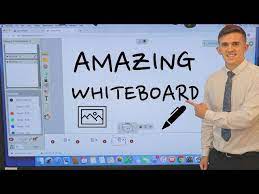
Teaching involves imparting knowledge and sparking creativity in the minds of students. To achieve this, teachers need practical tools that facilitate a conducive learning environment, and one such essential tool is the whiteboard. This article will guide you through the 11 best whiteboards that are perfect for teachers.

1. Quartet Magnetic Whiteboard

Measuring 6×4 feet, this magnetic whiteboard from Quartet is ideal for large classrooms. It comes with an easy-to-clean surface, a convenient marker tray, and its magnetic property allows teachers to use it as a bulletin board too.

2. VIZ-PRO Dry Erase Board with Aluminum Frame

This popular choice from VIZ-PRO offers durability and a smooth surface for effortless writing and erasing. The aluminum frame offers both style and stability, while the included mounting hardware ensures easy installation.

3. U Brands Contempo Magnetic Whiteboard

Perfect for small group activities or personal use, the U Brands Contempo Magnetic Whiteboard is lightweight and portable. The double-sided feature provides extra writing space, and its magnetic surface allows posting notes or photographs.

4. Lockways Magnetic Dry Erase Board

This ultra-slim whiteboard is suitable for any teaching environment. It has a scratch-resistant surface, making it perfect for long-lasting use in a classroom setting.

5. XBoard Double-Sided Whiteboard

Offering a two-in-one solution, the XBoard Double-Sided Whiteboard can be flipped to reveal a fresh writing surface anytime. The board’s size makes it particularly well-suited for both individual work and group activities.

6. Office Marshal Professional Magnetic Dry Erase Board

Ideal for interactive lessons, this large whiteboard from Office Marshal provides ample space for notes and diagrams. Its robust construction ensures durability despite heavy usage.

7. Think Board Premium Whiteboard

Featuring an innovative self-adhesive design, the Think Board Premium Whiteboard can be easily installed on flat surfaces without any hardware. This versatile whiteboard is perfect for small group sessions and flexible learning environments.

8. Best-Rite Quadruple Duty Easel

This unique easel features four different surfaces, including a magnetic whiteboard, a chalkboard, and two flannel boards. The variety of surfaces and adjustable height allows for diverse teaching styles and age groups.

9. Quartet Glass Magnetic Whiteboard

The elegant Quartet Glass Magnetic Whiteboard offers a stylish, modern look in any classroom setting, besides being extremely durable and easy to maintain. The glass surface ensures an excellent writing experience without ghosting or staining.

10. Maxtek Mobile Whiteboard

For teachers who need to move their whiteboard between rooms, the Maxtek Mobile Whiteboard is a fantastic choice. The sturdy construction and multi-functional design make it perfect for presentations, group activities, or brainstorming sessions.

11. Luxor Wall-Mounted Magnetic Whiteboard

The Luxor Wall-Mounted Magnetic Whiteboard is designed for any sized room and creates an efficient teaching space with its generous writing surface. The paint-on-steel surface is scratch-resistant, ensuring long-lasting use in high-traffic environments.

In conclusion, choosing the right whiteboard can significantly impact teaching quality and student engagement. By considering factors such as size, mobility, surface type, and usability features, teachers can find the perfect whiteboard to enhance their classroom experience while supporting diverse learning needs.

TikTok Nails The Differences Between Teaching Elementary, Middle, and High School

Introduction:

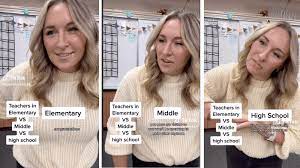
Social media platform TikTok has become a hub for showcasing various aspects of life, inspiring trends, and entertaining millions worldwide. Recently, a viral TikTok nailed the differences between teaching elementary, middle, and high school. This amusing yet insightful video has so far resonated with thousands of educators and students alike. Let’s delve into the humorous world of teaching different age groups and explore what sets them apart.

Elementary School Teaching:

In the now widely-shared TikTok post, we see that elementary school teaching represents a phase where teachers can enjoy an almost unbreakable bond with their young pupils. As kindergarten to fifth-grade students still grow into their personalities and curiosity, teachers often become their role models and trusted authority figures. From learning basic manners during lunchtime to fervently raising hands in class to answer questions or share stories, youngsters typically showcase innocence and untamed enthusiasm for learning. The video captures this spirit through playful interactions between the teacher and students.

Middle School Teaching:

The TikTok clip hilariously portrays middle school teaching as a challenging roller coaster ride. For educators dealing with sixth to eighth graders, adapting to pre-teens means navigating mood swings and hormonal changes while maintaining discipline in the classroom. Students begin asserting their independence at this stage, leading to potentially defiant behavior as they test boundaries with teachers. The video hilariously depicts these mischievous moments by showing kids questioning authority and occasionally arguing with the teacher about seemingly trivial matters.

High School Teaching:

Teaching high school students, as portrayed in the brilliant TikTok video, comes with unique challenges. In ninth to twelfth grades, academic pressure heightens as students compete for college placements. Teachers must ensure their lessons truly engage this older audience while preparing young adults for their future careers. On top of that, educators must deal with fluctuating motivation levels, burgeoning interests in dating, and teen issues like identity formation and peer pressure. The video perfectly captures this dynamic through realistic classroom scenarios, including students dozing off in class or trying to sneak out early.

Conclusion:

The TikTok video that expertly nails the differences between teaching elementary, middle, and high school reflects the various challenges that teachers face with each age group. Although it does so with humor and fun, it offers an insight into the realities of the classroom from a teacher’s perspective. As education becomes even more digital and online-driven, such creative content brings educators closer together through shared experiences. It helps form a community that can support one another as they educate future generations across varying age groups.

Teachers Are Sharing When They Realized They Were, Uh… “Seasoned”

Introduction:

As time goes by, teachers gain experience in their profession, earning the title “seasoned.” Some moments hit harder than others when they come to terms with their growth. Teachers have taken to social media to share their moments of realization that they’re no longer the newbies on campus. In this article, we will explore some amusing and thought-provoking stories about when these educators realized they were seasoned professionals.

The Overhead Projector Incident:

One teacher shared a story about introducing her students to an overhead projector. She proudly explained how it was a remarkable tool back in her early teaching days, only to have the students stare at her blankly. That’s when she realized she had become a seasoned teacher who had outlasted some forms of classroom technology!

Students Making You Feel Old:

There’s nothing quite like finding out a student you taught years ago is now your colleague. More than one experienced educator has had the eye-opening experience of learning that they’re now sharing the staff room with former pupils who have become teachers themselves.

The Timeless Pop Culture Quiz:

A seasoned teacher told a story about creating an engaging pop culture quiz for their students. To their surprise, many references went over the heads of their younger students. They soon realized it was time to update pop culture quizzes since some significant generational gaps had developed during their teaching tenure!

Classroom Décor Throwbacks:

Another teacher talked about decorating her classroom with posters of her favorite bands from years ago. As more and more students started asking about the unfamiliar vintage rock bands on display, she knew she had reached “seasoned” status.

Outdated Teaching Strategies:

There comes a point in every educator’s career when they realize that many teaching strategies used when they started have become outdated or ineffective. Seasoned teachers aren’t afraid to try new methods and embrace innovative approaches, even if it means growing beyond their comfort zone.

The Impact of Social Media:

Many educators expressed shock at a time when students wouldn’t think about discussing cell phones, social media, or YouTube during class. Now, these connected devices have become a significant part of modern classroom management. Seasoned teachers know that striking a balance between old and new ways can help reach and engage students.

Conclusion:

Teachers are constantly evolving as their careers progress. The moments they realize they’re “seasoned” are often a blend of humor and nostalgia. Embracing change and learning from the past is vital for growth in any profession. These stories from educators reflect their ongoing dedication to adapting, growing, and bettering themselves for the success of their students. No matter how “seasoned” a teacher might be, there’s always something new to learn – inside or outside the classroom.

Teachers Unveil the Humorous and Heartrending Misconceptions About Their Profession

As children, many of us may have dreamt about becoming a teacher and shaping young minds in our chalk-dusted classrooms. The reality, however, can be quite different from our rose-tinted visions. Teachers from all walks of life are sharing the hilarious and heartbreaking misconceptions they held before stepping into the education field. These revelations shed light on the challenges, joys, and unexpected moments that make up the exciting world of teaching.

One of the most prevalent misconceptions was that teachers only work during school hours. Many individuals assumed that once the bell rang, their day would be over. The truth is far from this belief—in reality, teachers spend countless hours outside of class grading papers, preparing lesson plans, attending meetings, and participating in professional development activities.

Some assumed that as a teacher, they would be able to control every aspect of their classroom environment. This misconception was quickly dispelled when faced with the myriad factors beyond their control—students with varying needs and abilities, limited resources, challenging parents, and fluctuating policies constantly change the dynamics in a classroom setting.

A hilarious yet sobering misconception was that students would always raise their hands before speaking or asking questions. In practice, teachers have realized how unpredictable and lively interactions can be within the classroom.

Another misconception was that teachers could easily identify what approach works best for each student right away. This expectation was met with the reality that understanding individual learning styles takes time and requires patience.

There were also those who believed teaching was simply imparting knowledge to students without realizing it’s a two-way street. Many educators discover that they learn just as much from their students—often lessons in empathy, resilience, and innovation—as they impart to them.

One heartbreaking misconception some teachers had was that every student would love school as much as they did. Ultimately, they’ve understood that students face various challenges, both academic and personal, that can impact their engagement in the learning process.

Amidst the shared misconceptions about teaching, these educators have also found unique experiences that turned into treasured memories. They have witnessed personal growth and heartwarming instances that surpassed their expectations, such as a struggling student improving academically due to their guidance or students forming unbreakable friendships under their watch.

In conclusion, the reality of teaching has both debunked and exceeded many educators’ initial conceptions. While they may have started with idealistic views and humorous expectations, these teachers have learned to adapt and appreciate the surprising, challenging, and rewarding aspects of their profession. Their journey through various experiences only affirms the importance of being adaptable, resilient, and empathetic in shaping the minds of future generations.

9 Teacher Tips for Balancing Work and Family

Introduction

Being an educator is a calling that demands both passion and commitment. Teachers put in long hours not only in the classroom but also in planning lessons, grading papers, and providing support to their students. However, it is equally important for teachers to find balance in their personal and professional lives to avoid burnout and maintain healthy relationships with family members. Here are nine practical tips for teachers trying to strike a perfect work-life balance.

1. Set Boundaries Between Work and Home

Establishing clear boundaries between your work and personal life will help you switch off work mode when you are at home. Schedule dedicated time for work tasks, including grading papers and planning lessons while maintaining separate time for family activities.

2. Prioritize Time with Family

Make spending quality time with your family a top priority. Schedule regular family outings, game nights, or even just meals together without compromising your teaching responsibilities.

3. Get Organized

Use planners, calendars, and organizational tools to manage both your work tasks and personal obligations efficiently. This way, you’ll have a clear picture of all your commitments and be able to allocate appropriate time to everything without feeling overwhelmed.

4. Delegate Responsibilities

Recognize that you can’t do everything by yourself – neither at work nor at home. At school, collaborate with colleagues for lesson planning or student support initiatives, while at home, share daily chores and errands with your partner or other family members.

5. Utilize Technology Wisely

Make use of technology like digital planners, calendar apps, communication tools like WhatsApp or Slack, and online resources like videos or lesson plans to save you time both in your classroom preparation as well as in communicating with other family members.

6. Focus on Self-Care

Remember that taking care of yourself should be one of your top priorities too! Create routines that include exercise, proper nutrition, sleep, and relaxation techniques as part of your lifestyle – a healthy mind and body contribute to better balance in both work and family life.

7. Set Realistic Expectations

As an educator, you may have high standards for both yourself and your students. However, setting unrealistic expectations can increase your stress levels. Focus on what’s truly important, be flexible, and accept that not everything has to be perfect all the time.

8. Pursue Hobbies and Interests

No matter how busy life gets, make time for activities outside of work that bring you joy. Whether it’s reading, painting, or gardening, having a hobby or interest can help alleviate stress and provide an outlet where you can unwind.

9. Seek Support from Others

Knowing when to ask for help is crucial in maintaining balance. Talk to your spouse or partner about the challenges you face at work, discuss with fellow teachers about balancing workloads, or seek assistance from school administrators to find ways to support your well-being.

Conclusion

Balancing work and family life as a teacher can be challenging but not impossible. By following these nine tips along with continuous reflection, open communication with family and colleagues, and a focus on self-care, you are on your way to finding balance between your career as an educator and your personal life.

How Much Should a Teacher Save for Retirement?

Planning for retirement is essential for everyone, and teachers are no exception. With a unique set of circumstances, such as pension plans and fluctuating retirement benefits, it’s crucial for educators to know how much they should be saving for their golden years. This article will discuss how much teachers should save for retirement, factors that affect this amount, and tips on achieving financial security.

1. Determine your target retirement income

To determine how much you should save for retirement, you first need to establish a target annual income. Consider your desired lifestyle after retirement and create a budget that reflects your needs and wants. A commonly recommended guideline is to aim for a retirement income of 70-80% of your pre-retirement salary.

2. Factor in pension plans and Social Security

Many teachers participate in pension plans, which can be significant sources of retirement income after working a predetermined number of years. Calculate what this pension income will be and factor it into your overall plan. Additionally, consider Social Security benefits you may receive during retirement.

3. Calculate the savings gap

Once you have determined your target annual income and factored in your pension and Social Security benefits, you must calculate the savings gap – the difference between the money you need to cover your expenses in retirement and what your pension plan and Social Security will provide. For instance, if your target annual income is $60,000 and your pension plan will provide $40,000 per year, that leaves a savings gap of $20,000 annually.

4. Decide how much to save each month

Now that you know the annual amount you need to cover your savings gap, divide it by 12 to determine the monthly sum needed. Using our previous example with an annual gap of $20,000, the teacher would need to save around $1,667 per month.

5. Consider investments

Investing is another way to help grow your retirement nest egg. Evaluate your risk tolerance and allocate your investments across various accounts, such as IRAs, 403(b)s, or even index funds and stocks for long-term growth potential. A financial advisor can help guide you in making investment decisions that align with your goals.

6. Review and adjust your plan regularly

It’s crucial to review and adjust your retirement savings plan periodically to accommodate changes in income or external factors. For example, if pension or Social Security benefits change or significant shifts occur in the market, these can impact your target retirement savings goals.

In conclusion, determining how much a teacher should save for retirement depends on several factors. By estimating their target retirement income, factoring in pension plans and Social Security benefits, calculating the savings gap, and regularly reviewing their plan, educators can ensure financial security during their retirement years.