Teachers

Dear Teacher BFF, Thanks for Helping Me Get Through This Year

Dear Teacher BFF,

As the academic year comes to a close, I find myself reflecting on all the memories and experiences we’ve shared in such an unprecedented time. Throughout the chaos and uncertainty of this year, there has been one constant force that has pushed me forward–you, my dear teacher bestie.

From the very start, your passion for education and enthusiasm for our students’ success have been an inspiration. You’ve taken your role as a teacher to heart, making sure each student receives the support they need to excel academically and emotionally. Thanks to your warm presence as both a mentor and friend, our classroom has become a safe haven in times of crisis.

Your unwavering support throughout the struggles of remote learning transformed what could have been an uphill battle into an educational experience filled with growth. You approached each challenge and change with optimism that was truly contagious, never letting the roadblocks get in the way of your commitment to teaching. I am grateful to have had you by my side during such trying times.

On top of helping our students succeed, you’ve always been there for me personally, providing a listening ear and valuable advice when I needed it most. Your kindness and patience have made it easy to confide in you about our professional challenges and personal setbacks alike. You’ve become more than just a colleague—you’re my rock in this whirlwind teaching world.

Looking back now, I can’t imagine facing these unprecedented trials without you beside me. The laughs we’ve shared while tackling lesson plans together bring lightness to even the toughest days. Your words of wisdom are nuggets of truth that have guided my journey as an educator—strengthening my unpreparedness into powerful resilience.

As I think about the future of education, I am confident that we will continue to collaborate and grow together, breaking through any barriers that may come our way. With you by my side, there is no doubt that our students will have the brightest prospects possible.

So thank you, my dear teacher BFF, for helping me get through this year and every year to come. Your friendship and unwavering belief in our shared mission mean the world to me, and I can’t wait to see what we will accomplish together next.

Yours sincerely,

A Grateful Friend and Co-Teacher

Best of HELPLINE: 50 Curse Word Alternatives for Teachers

Introduction:

Classroom management is an essential aspect of every teacher’s life, and it requires a constant balance between discipline and empathy. With the occasional slip-up, it’s essential that educators have a go-to list of curse word alternatives to maintain a proper classroom atmosphere. We’ve compiled the Best of HELPLINE with 50 curse word alternatives to keep your language teacher-friendly!

1. Fiddlesticks

2. Shucks

.3. Drat

4. Oh, snap

5. Crikey

6. Blimey

7. Gadzooks

8. Gosh darn it

9. Sugar

10. Rats

11. Son of a gun

12. Holy moly

13. Dang it

14. Bother

15. Cheese and crackers

16. Dagnabbit

17. Good gravy

18. Flipping heck

19. Egad

20. Butter my biscuits

21. Balderdash

22. Zonek/my stars (archaic but fun)

23. Horsefeathers/horsepucky

24. Heavens to Murgatroyd!

25. Frustration station (rhyming euphemism)

26. Nerts to that!

27. Jeepers Creepers!

28. Jinkies (think Scooby-Doo)

29. Confound it!

30. Holy smokes!

31. For Pete’s sake/For crying out loud/Oh, for the love of…

32. Seriously/Seriously!?

33. Whammies/double-whammies (bad luck or mildly unpleasant situations)

34. Flummoxed/bamboozled (when you’re bewildered; great for emphasizing confusion without cursing)

35. Pish-posh (when dismissing an idea)

36. Land sakes alive!

37. Goll-ee (as an exclamation, particularly in surprise)

38. Blue blazes (for surprise or disbelief)

39. Sweet niblets (cute-sy exasperation)

40. Golly gee willikers

41. Mercy sakes!

42. Great galloping gooseberries

43. Shoot

44. Aw, phooey

45. Curses

46. Jiminy Crickets!

47. My word!

48. Uffda (a Norwegian term for surprise or mild frustration)

49. Botheration

50. Holy cow

Conclusion:

The Best of HELPLINE provides these 50 curse word alternatives for teachers, allowing them to maintain a secure and respectful classroom environment while also expressing their emotions. Not only do these alternatives improve general classroom discourse, but they can also transform challenging situations into teachable moments. So next time you’re about to let one slip, consider opting for one of these charming expressions instead.

15 Funny and Inspiring DEVOLSON Teacher Memes for the Fall

As the fall season approaches, teachers worldwide know all too well that the infamous “Dark, Evil Vortex of Late September, October, and November,” or DEVOLSON, is just around the corner. This challenging period leaves educators exhausted and longing for a break. To help lighten the mood during this trying time, we’ve compiled a list of 15 funny and inspiring DEVOLSON teacher memes to put a smile on your face.

1. “It’s DEVOLSON season! Keep calm and carry a pumpkin spice latte.”

This meme reminds teachers to take a break and enjoy their favorite fall beverage while tackling their heavy workloads.

2. “When you realize it’s only October, and you’re already counting down to winter break.”

This meme captures the eagerness of teachers looking forward to a well-deserved holiday.

3. “Grading papers on a weekend – because who needs free time, right?”

A fun jab at the mountain of papers that never seems to diminish even during weekends.

4. “Raise your hand if you’ve experienced DEVOLSON!”

An animated skeleton hand shoots up from the ground amidst fallen leaves – a humorous reference to the weariness experienced by teachers during this time.

5. “When parents say they don’t understand why teachers look so tired in November…”

This meme features a teacher with bags under their eyes sporting an all-too-accurate zombie look.

6. “Trying to balance lesson planning, grading, parent conferences, and my sanity like… ”

A picture of a tightrope walker with an enormous stack of textbooks in each hand perfectly encapsulates the juggling act that teachers face during DEVOLSON.

7. “Just when I thought I was ahead on grading and lesson planning… DEVOLSON strikes again!”

A cute puppy being swarmed by falling leaves represents how quickly DEVOLSON can overcome even the most prepared of teachers.

8. “Hang in there! DEVOLSON is almost over!”

An adorable cat hanging onto a branch encourages teachers to persevere through the tough times.

9. “When you’re trying to stay positive, but DEVOLSON keeps testing you.”

Featuring Kermit the Frog with pursed lips and a forced smile – an image relatable to many educators.

10. “Tired? Overworked? Welcome to DEVOLSON!”

This cheeky welcome sign resonates with teachers facing the whirlwind of fall responsibilities.

11. “I survived DEVOLSON…and all I got was this mug.”

A play on the popular vacation souvenir saying serves as a humorous reminder that surviving these challenging months is an achievement in itself.

12. “Finding time for self-care during DEVOLSON be like…”

A cutesy illustration of a teacher attempting yoga while balancing textbooks and coffee cups on their limbs exemplifies the struggle of finding time for self-care.

13. “Keep calm and teach on!”

An inspiring declaration for teachers to maintain their cool during DEVOLSON despite feeling overwhelmed.

14. “DEVOLSON: The season where scary movies don’t stand a chance against your lesson plan schedule.”

A clever comparison highlights the true terror of juggling various tasks during this period.

15. “That feeling when you’ve made it through DEVOLSON.”

A triumphant Leonardo DiCaprio raising his glass in celebration marks a well-earned end to another year’s DEVOLSON cycle.

These memes provide laughter and support for educators braving yet another DEVOLSON season. Remember, teachers – you are not alone in this vortex, and these funny images remind us all that sometimes humor is the best remedy when faced with overwhelming challenges.

How To Find a Part-Time Teaching Job That Fits Your Schedule

The demand for part-time teaching positions has been on the rise as more and more people are realizing the benefits of working in such a flexible environment. Whether you’re looking for supplemental income, a way to share your passion for education, or a means to maintain a better work-life balance, securing a part-time teaching job that fits your schedule is critical. This article will offer tips and tricks on how to find the perfect role to suit your needs.

1. Determine Your Availability

Before you start your job search, evaluate your current schedule and determine the amount of time you can comfortably dedicate to teaching. Consider what time of day, number of days per week, and duration of commitment best aligns with your personal or existing professional obligations.

2. Identify Your Skill Set and Interests

Take time to identify your strengths, interests, and areas of expertise so that you can target opportunities where you’ll be most effective and enjoy teaching. For instance, are you skilled in a specific subject area or age group? Or do you excel at helping special needs or adult learners? Be sure to highlight these skills on your resume or cover letter.

3. Research Potential Opportunities

Begin researching potential job openings by utilizing several resources:

– Online job boards—such as Indeed, Glassdoor, or LinkedIn—that specialize in education postings.

– Local schools websites—both public and private—to check for open positions.

– Networking opportunities through professional organizations or social media groups related to education.

– Community colleges that might have openings for adjunct faculty.

– Private tutoring centers or online platforms offering part-time work.

4. Customize Your Application Materials

When applying for part-time teaching jobs, make sure to tailor your resume and cover letter to highlight how your experience and skills make you an ideal fit for the specific position. Be sure to mention any additional certifications or licenses you hold—these may give you an advantage when competing against other candidates.

5. Prepare for the Interview Process

To ace interviews, research the institution and position you are applying for and ask yourself why you would be a good fit. Be ready to answer questions about your teaching philosophy, strategies for engaging students, and ability to adapt to different learning styles.

6. Be Open to Diverse Opportunities

Lastly, do not limit yourself to traditional educational settings or roles. Consider teaching positions within community organizations, continuing education courses, museum or science center programs, or even online schools. These unconventional opportunities may offer more flexibility and variety in schedules.

By keeping these tips in mind during your job search, you can successfully find a part-time teaching position that aligns with your schedule, expertise, and interests. So go out there and embark on a journey toward a fulfilling and flexible career in education!

15 Tips for Surviving Your First Year of Teaching

1. Be Prepared: Start your year off strong by preparing lesson plans, getting to know your curriculum, and organizing your classroom. The more prepared you are, the smoother your school year will go.

2. Establish a Routine: Set up a daily schedule and stick to it by planning out lesson times, breaks, and other important activities. This helps you manage your time effectively and creates a predictable structure for your students.

3. Build Relationships: Develop relationships with fellow teachers, administrators, and parents early on. Being connected to your school community helps ease the transition into teaching full-time.

4. Set Clear Expectations: It’s essential to establish guidelines for behavior, workload, and overall expectations early in the year to create a positive learning environment.

5. Stay Organized: Keep track of assignments, grades, and materials with organization tools like planners, grade books, or digital apps. Staying organized helps prevent things from falling through the cracks.

6. Be Flexible: First-year teachers often encounter unforeseen challenges. Adapt to changes without losing sight of your primary goals and maintain a sense of patience.

7. Reflect On Your Teaching: Take time after each lesson or week to reflect on what worked well and what needs improvement. This ongoing evaluation will help you refine your approach as you progress through the year.

8. Practice Self-Care: Teaching can be stressful, so make sure to take care of yourself by getting enough sleep, exercising regularly, eating well, and practicing stress-reduction techniques.

9. Seek Mentorship: Connect with experienced teachers who can provide guidance, support, and advice as you navigate your first year teaching.

10. Remember Your “Why”: When you feel overwhelmed or disheartened, remind yourself why you chose a career in education – to inspire students and make a difference!

11. Break Lessons Into Manageable Chunks: To keep students engaged, break lessons down into smaller components with various activities that help solidify concepts.

12. Celebrate Your Wins: Acknowledge and celebrate your successes, both big and small. Take pride in the work you do and the difference you make in your students’ lives.

13. Create a Support Network: Connect with other first-year teachers to share experiences, advice, and encouragement. Having a support network can make a significant difference during challenging times.

14. Keep Learning: Stay informed about current education trends, attend professional development workshops, and seek out resources to grow as an educator continually.

15. Remember That Progress Takes Time: Teaching is a complex skill that requires continuous growth and improvement. Be patient with yourself during your first year of teaching and remember that progress will happen over time.

As you embark on your first year of teaching, keep these tips in mind to help navigate the ups and downs with confidence, grace, and resilience. Embrace the challenges and joys that come with educating the next generation; it is worth the effort!

Teachers Share What’s Keeping Them in the Classroom

Introduction:

In recent years, the teaching profession has faced numerous challenges, ranging from budget cuts to increasing workloads. Despite these hardships, many educators continue to dedicate themselves to the noble profession of teaching. In this article, we explore the reasons that keep teachers in their classrooms and share stories from a variety of educators who have chosen to persevere.

A Passion for Shaping Minds:

One of the most commonly cited reasons teachers remain in their jobs is their passion for shaping young minds. Educators know that they have an important role in fostering curiosity and instilling lifelong learning habits in their students. Sarah, a high school English teacher, shares her thoughts: “Seeing the light bulb moment when a student understands a new concept is incredibly gratifying. Moments like these remind me why I became a teacher.”

Making a Difference:

Teachers often stay in the classroom because they believe they can make a difference in their students’ lives. For many educators, helping others and instilling positive values are driving forces behind their career choices. James, a middle school science teacher, says: “In our world today, it’s crucial that young people learn about environmental sustainability and scientific thinking. I feel like I’m contributing to society by guiding future generations.”

Supportive Work Environment:

Many teachers attribute their determination to stay in the field to the support of colleagues and administration. In schools with strong teams and administrative backing, teachers feel valued and encouraged in their professional development. Mary, an elementary school teacher, explains: “Our principal is extremely supportive of staff members and goes above and beyond to provide resources for our growth as professionals.”

Career Satisfaction:

For many educators, there is no other field that brings the same level of satisfaction as teaching does. Despite the challenges they face daily, they find their work fulfilling and rewarding. John, a history teacher at an urban high school says: “Even after 20 years, the feeling of accomplishment and satisfaction when seeing my students succeed is priceless. I can’t imagine doing anything else.”

Personal Growth and Development:

Teaching offers numerous opportunities for self-improvement and professional growth. By engaging in continuous learning, collaborating with colleagues, and implementing new strategies, teachers can develop both personally and professionally. Emma, a special education teacher notes: “The constant process of reflection and refinement has made me a better listener, communicator, and critical thinker outside of the classroom.”

Conclusion:

In conclusion, teachers remain in the classroom due to a variety of factors including a passion for shaping young minds, the ability to make a difference in students’ lives, supportive work environments, career satisfaction, and opportunities for personal growth. Despite the challenges they face, their dedication to positively impacting future generations is truly inspiring. Let us celebrate these professionals for their unwavering commitment to education.

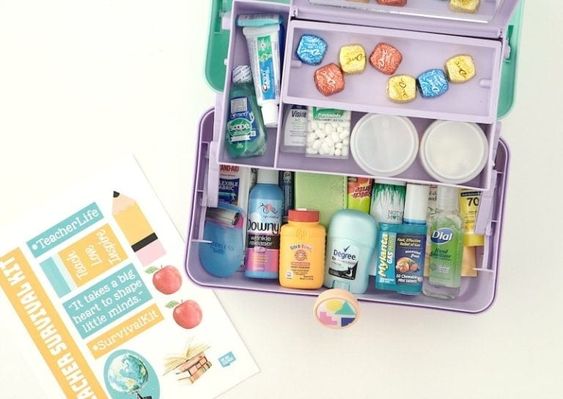
Here’s Everything That Should Go in Your Teacher Survival Kit

Introduction:

Teaching is one of the most rewarding and challenging professions out there. A well-prepared teacher can make all the difference in the success and enjoyment of their students’ educational experience. That’s why it’s essential to have a fully-equipped teacher survival kit that contains resources, tools, and items to help manage everything from students’ needs to the unexpected surprises that can pop up throughout the school year.

1. Comfortable Shoes

A quality pair of comfortable shoes is a must for busy teachers who spend hours on their feet. Opt for supportive, cushioned shoes that can withstand the demands of long school days when standing, walking, or navigating crowded hallways.

2. Planner or Organizer

A good planner is vital to keep track of daily tasks, lesson plans, meetings, and more. An organized teacher can avoid chaos and focus their energy on effectively teaching their students.

3. Personal Relief Items

In the hustle and bustle of busy school days, headaches, hunger, or low energy can strike at any moment. Keeping a stash of pain relief pills, healthy snacks, and an extra water bottle will help you feel your best and be prepared when these moments hit.

4. Classroom Supplies

Extra pencils, pens, dry erase markers, paper clips, highlighters, and sticky notes are just a few examples of classroom supplies that always seem to vanish when needed most. Keep a hidden stash just for yourself to ensure you never run out during critical moments in your lessons.

5. First Aid Kit

Cuts and scrapes are common occurrences in busy classrooms; a well-stocked first aid kit with adhesive bandages, gauze pads, adhesive tape, scissors, tweezers, antiseptic wipes, and disposable gloves is a necessity for every teacher.

6. Reward System Items

Positive reinforcement goes a long way in inspiring student success. Keep a collection of rewards like stickers, stamps, and small prizes to motivate and celebrate your students’ achievements.

7. Mini Toolkit

You never know when you might need to adjust or fix something in the classroom. A small toolkit with essentials like a screwdriver, pliers, tape measure, and hammer will keep you prepared for all those unforeseen situations.

8. Backup USB Drive

Always have a backup of important documents, presentations, and resources by keeping a USB drive in your survival kit. Avoid the panic of a lost flash drive or computer crash by being prepared with that backup at all times.

9. Classroom Management Tools

Noise makers such as a bell or handheld chime can help redirect students’ attention quickly and efficiently. Similarly, timers are an excellent tool for managing time during group activities or transitions between lessons.

10. Personal Emergency Information

In case of an emergency at school, it’s important to have your relevant personal information readily available. Keep a list of emergency contacts, essential phone numbers, and any medical concerns or medications you take in your survival kit.

Conclusion:

As teachers navigate the ups and downs of a school year, having their own comprehensive survival kit will contribute to successful classroom management, improved student engagement, and enhanced personal well-being. Customize your teacher survival kit according to your own unique needs and preferences to make the most out of this rewarding profession.

25 Hashtags for Your Toughest Teaching Day

In today’s digital age, teachers can connect and share their experiences, ideas, and resources through social media platforms. One of the popular ways to do this is by using hashtags. Here are 25 hashtags that can help you engage with a community of educators on your toughest teaching days.

1. #TeacherLife – Share the ups and downs of your day-to-day experiences as a teacher.

2. #EdChat – Join discussions about important topics in education, including teaching methods, policy changes, and technology innovations.

3. #ClassroomManagement – Exchange ideas and tips for keeping your classroom organized and productive.

4. #LessonPlanning – Get advice and inspiration for designing engaging lesson plans.

5. #TeachingTips – Discover helpful strategies for tackling common teaching challenges, such as student engagement, differentiation, and motivation.

6. #TeacherMemes – Find memes that humorously capture the joys and struggles of being a teacher.

7. #EduTech – Explore how technology can enhance your teaching practice and improve student learning outcomes.

8. #STEMeducation – Encourage interest in science, technology, engineering, and mathematics with ideas for fun STEM projects and activities.

9. #DistanceLearning – Share tips for navigating the new world of remote education during the COVID-19 pandemic.

10. #PLN (Personal Learning Network) – Connect with other professionals in your field to collaborate, encourage each other, and learn from one another’s experiences.

11. #SEL (Social Emotional Learning) – Discuss strategies for promoting students’ social-emotional development in the classroom.

12. #InclusiveEducation – Create more inclusive classrooms by sharing resources that address the needs of diverse learners.

13. #ProfessionalDevelopment – Stay current on your professional growth by sharing upcoming conferences, workshops, webinars, or courses you’re attending or participating in.

14. #ELLchat (English Language Learner Chat) – Share resources and strategies to support English language learners in the classroom.

15. #GrowthMindset – Encourage students to embrace their potential and cultivate a growth mindset with motivational content and activities.

16. #Literacy – Boost student reading and writing skills with tips, strategies, and resources related to literacy instruction.

17. #PBL (Project-Based Learning) – Connect with teachers implementing project-based learning in their classrooms and share project ideas or success stories.

18. #Flipclass – Discuss the flipped classroom approach and share content tailored for this unique teaching method.

19. #TeacherWellness – Share suggestions for maintaining personal well-being, setting boundaries, and practicing self-care as an educator.

20. #AssessmentChat – Exchange ideas about formative and summative assessments, including rubrics, self-assessments, and peer evaluations.

21. #Makerspace – Explore innovative ideas for integrating DIY projects, tinkering, coding, robotics, and other maker-centered learning experiences into your curriculum.

22. #SpecialEducation – Collaborate with special education teachers to exchange resources, ideas, and experiences catering to students with diverse learning needs.

23. #FlexibleSeating – Share ideas for optimizing classroom spaces through flexible seating arrangements that encourage student collaboration and independence.

24. #ArtsIntegration – Promote cross-curricular creativity by discussing methods to successfully integrate arts-based activities into your teaching practice.

25. #GlobalEd – Connect with educators worldwide to discuss global issues affecting education or collaborate on global projects with your students.

These 25 hashtags have you covered for your toughest teaching days. When facing challenges or needing support from like-minded educators, turn to these online communities that are ready to offer a helping hand or words of encouragement. Happy teaching!

When Bad Apples Ruin Teaching for the Rest of Us

Introduction:

Being an educator is a noble profession, with the power to shape young minds and build the future. Teachers have a vital role in our society, providing knowledge and guidance to students, and contributing to their overall growth and development. However, sometimes, bad apples within the profession can tarnish this reputation and make life difficult for those who are genuinely committed to teaching.

The Transition from Role Models to Bad Apples:

Good teachers are often referred to as role models by their students. They not only teach them academic subjects but also instill essential life values such as respect, compassion, tolerance, and love for learning. A transition from a role model to a bad apple teacher often occurs when personal or professional issues get in the way of delivering quality education in a nurturing and empathetic manner.

Impacts of Bad Apples on Students:

When bad apples rule the classroom, students suffer in multiple ways. Firstly, they no longer feel safe and supported in their learning environment. They may develop anxiety or fear towards attending school due to negative interactions with problematic teachers. Ultimately, this can lead to a decline in academic performance or even dropping out of school altogether.

Secondly, it limits potential learning opportunities for students. Due to ineffective teaching methods or a lack of commitment towards education from bad apples, students miss out on insightful knowledge that can shape their worldview and career choices.

Effects on Other Teachers:

Moreover, bad apples kindle an unfortunate cascade effect on other teachers as well. Educators who genuinely care about student learning might find themselves losing motivation or struggling to maintain their enthusiasm due to being associated with underqualified or unprofessional colleagues.

Due to poor examples set by these individuals, parents and members of society may lose confidence in the whole institution of education. This added pressure undermines other teachers’ ability to do their jobs effectively without facing undue scrutiny.

How Can We Address the Problem of Bad Apples?

To mitigate the negative impact of bad apples in the teaching profession, some actionable steps must be taken by schools and educational authorities. Firstly, conducting a diligent vetting process during teacher hiring can ensure that only qualified and committed professionals enter the education sector.

Secondly, ongoing professional development programs for educators can help them improve and grow in their careers. Providing training sessions, workshops, and conferences can contribute to keeping their knowledge and skills up-to-date, as well as sustained enthusiasm for teaching.

Lastly, if faced with bad apples within a school setting, administration staff should take legitimate complaints from students or parents seriously. Conducting thorough investigations and taking disciplinary action when required demonstrates a commitment to upholding education quality.

Conclusion:

In conclusion, bad apples in teaching negatively impact students’ learning experience and strain other educators’ reputations. By addressing such issues through responsible hiring processes, professional development programs, and addressing misconduct proactively, society can nurture a positive education environment where educators are appreciated for their dedication towards shaping the future leaders of tomorrow.

10 Songs That Aren’t About Teaching … But Should Be

Introduction:

Music is a powerful tool that can evoke emotions, stimulate conversations, and inspire change. While many songs have been written specifically about the subject of teaching and education, many others contain important lessons, ideas, or themes that could easily apply to this noble profession. Here are 10 songs that aren’t explicitly about teaching but should be on every educator’s playlist.

1. “Imagine” by John Lennon

“Imagine” invites listeners to envision a world of unity, peace, and understanding. This song can inspire educators to foster a classroom environment that encourages respect for others, open-mindedness, and collaboration.

2. “Times Like These” by Foo Fighters

This song reminds us that we must seize the opportunities to learn from our challenges and grow through adversity. For teachers, it’s essential to model resilience and perseverance in the face of adversity for their students.

3. “I Can See Clearly Now” by Johnny Nash

This classic tune speaks to the moment of clarity when obstacles are overcome and new perspectives are gained. Teachers can use this song as inspiration to create transformative learning experiences that help students break through barriers.

4. “What a Wonderful World” by Louis Armstrong

Louis Armstrong’s timeless classic celebrates the beauty of the world around us. Educators can use this song to remind students of the power they have in making a difference and promoting kindness in their communities.

5. “Man in the Mirror” by Michael Jackson

This song allows teachers to encourage self-reflection and emotional growth in their students. By looking inward and examining our own behavior, we can initiate positive change in ourselves and those around us.

6. “Lean on Me” by Bill Withers

A timeless reminder of the importance of human connection, “Lean on Me” emphasizes that we all need support from time to time. This song can remind educators that cultivating meaningful relationships with students is essential in helping them succeed.

7. “Beautiful Day” by U2

This anthem of hope and optimism serves as a reminder that each day presents new opportunities for growth and learning, an important message for teachers to share with their students.

8. “Changes” by David Bowie

Change can be difficult, but it’s an undeniable part of life. “Changes” encourages listeners to embrace life’s transitions and keep moving forward. This song can help teachers inspire students to adapt and grow through various challenges.

9. “Don’t Stop Believin'” by Journey

A classic motivational track, “Don’t Stop Believin'” is the perfect encouragement for persevering in the face of obstacles – a lesson that teachers can impart on their students and one another.

10. “The Times They Are A-Changin'” by Bob Dylan

Bob Dylan’s protest anthem speaks to generations who have forged a path through societal transformation. Teachers can use this song as inspiration to ignite a passion for social change within their students.

Conclusion:

Although these 10 songs may not have been written explicitly about teaching, they each offer valuable insights, messages, and lessons that educators can use to inspire both themselves and their students. So go ahead and add these tracks to your classroom playlist – you never know which song could spark the inspiration needed to create lasting change.