Teachers

School Thank-You Cards for Custodians, Librarians and Other Staff We Love

Introduction:

A school is a community made up of not just students and teachers, but many other individuals who contribute to the overall success and well-being of the institution. Amidst the hustle and bustle of the academic year, we often take for granted the dedication of these unsung heroes like custodians, librarians, cafeteria workers, security officers, and administrative staff. They all contribute to making schools a nurturing environment for learning. A thoughtful thank-you card is an excellent way to show gratitude towards these invaluable members of the school community.

Custodians: The Keepers of Cleanliness

Custodians work tirelessly behind the scenes to ensure that our classrooms are safe and clean. They maintain facilities from bathrooms to hallways, ensuring every space gets deep-cleaned regularly. A heartfelt thank-you card expressing your appreciation for their hard work can undoubtedly brighten their day.

Librarians: Guardians of Knowledge

Librarians are vital resources in any school setting. They carefully curate and maintain a vast array of literature, research materials and other informative media which cater to all age groups and reading levels. A personalized note showing appreciation for their assistance in locating books, finding sources or organizing book fairs will go a long way in expressing gratitude.

Cafeteria Workers: Providers of Nourishment

Cafeteria workers labor each day to feed students nutritious meals that help energize them for learning. Taking the time to thank them for preparing delicious food and serving it with care displays recognition of their crucial role in keeping students happy and healthy.

Security Officers: Protectors of Peace

School security officers are dedicated to ensuring that students feel safe within the campus environment. They attentively monitor school grounds, direct traffic during pickup times and handle any incidents that may arise. Let them know you’re grateful for their diligence in maintaining a secure environment by crafting a sincere thank-you card.

Administrative Staff: Organizers of Efficiency

From managing schedules, processing paperwork, and communicating with parents, the administrative staff is the backbone of any school. Sending a thank-you note recognizing their efforts in keeping things running smoothly will surely be appreciated.

Conclusion:

Our schools would not function as effectively without the hard work of these often-underappreciated staff members. A simple yet personal thank-you card is a powerful gesture that can make them feel acknowledged, appreciated, and valued. So take a moment to express gratitude to these essential individuals who make schools welcoming spaces for everyone.


13 Shocking and Outrageous Lies That Teachers Tell Their Students

Introduction:

Teachers generally encourage their students to be honest, yet sometimes, they themselves fall prey to uttering dishonest statements. Brace yourself as we uncover 13 shocking and outrageous lies that teachers tell their students.

1. “There are no stupid questions.”

While it’s essential to promote an open environment for inquiry, the truth is that some questions can be considered trivial or irrelevant. However, teachers use this lie to ensure that students feel comfortable asking anything without fear of being ridiculed.

2. “I won’t be able to tell who wrote which paper.”

Though teachers foster anonymity during the grading process, they often can recognize a student’s writing style or handwriting simply because they’ve spent numerous hours reviewing their work.

3. “This information will be useful in real life.”

It’s hard to imagine algebraic expressions or historical dates popping up amidst everyday conversations. Though these subjects contribute to a well-rounded education, students might not directly apply them in real life.

4. “I have eyes in the back of my head.”

Many teachers instill fear by claiming that they possess an uncanny ability to monitor students’ behavior even when facing away. Though amusing, this claim is patently false.

5. “Wikipedia is never a reliable source.”

Although Wikipedia requires scrutiny for accuracy, it is not entirely unreliable. Many entries offer credible information and are a helpful resource for preliminary research.

6. “Your permanent record will follow you forever.”

Permanent records are generally over-exaggerated by teachers, creating unnecessary panic among students for minor infractions committed during their school years.

7. “You need to learn cursive for high school/college.”

While cursive writing is an elegant art, most modern educational institutions prioritize typing skills and legible printing over cursive handwriting.

8. “If I don’t hear silence, I’ll keep you after class.”

This empty threat is typically utilized by teachers to restore order in a noisy classroom. In reality, keeping an entire class behind is rarely executed.

9. “I don’t play favorites.”

It’s human nature to gravitate towards certain individuals, and teachers are no exception. Though they may strive for impartiality, biases can sometimes surface.

10. “Tests only measure what you’ve learned.”

Exams cannot thoroughly evaluate a student’s knowledge or intelligence. Often, they assess memorization and testing abilities rather than comprehensive understanding of the subject matter.

11. “You’ll all do well if you just apply yourselves.”

Although effort contributes significantly to success, factors such as individual learning styles and personal circumstances inevitably impact student outcomes.

12. “You’ll use this skill later in life.”

Some skills acquired throughout education may never reappear after graduation. Map-reading, for instance, has been largely supplanted by GPS technology.

13. “I never told a lie in your classroom.”

As this list demonstrates, even well-intentioned teachers can sometimes fail to stick to the whole truth when addressing their students.

Conclusion:

While these shocking lies are occasionally told by teachers, it’s important to remember that they usually have students’ best interests at heart and aim to create a constructive learning environment. As with any profession, it’s essential to maintain an element of skepticism and question conventional wisdom from time to time.

12 Fantastic First Grade Assessment Ideas

Introduction

As educators, finding effective ways to assess first graders’ progress in their learning journey is crucial. Assessments help teachers identify students’ strengths and weaknesses, allowing them to provide targeted support and refine their teaching strategies. With young learners, it’s especially important to make assessments engaging, age-appropriate, and varied. Here are 12 fantastic assessment ideas for first grade teachers to consider.

1. Exit Tickets

An exit ticket is a quick and simple way for students to summarize what they have learned during a lesson. Hand out small cards at the end of class and ask the students to write down one or two things they learned that day. Collect the tickets as students leave the classroom.

2. Journal Entries

Encourage first graders to express their thoughts and understandings through journal writing. Give them time every day or week to write about what they’ve learned in class or any new information they’ve discovered on their own.

3. Show and Tell

Incorporate a show-and-tell assessment method into your curriculum, allowing students to bring an item from home related to the topic being studied in class. This activity will help engage all learners while also demonstrating understanding and interest in the subject matter.

4. Peer Assessment

Teach students how to provide constructive feedback to their classmates by engaging in peer assessments. This can be done during group activities or through pairing up students to review each other’s work.

5. One-on-One Conferences

Hold short individual conferences with each student to check in on their progress, understanding of concepts, and any areas they may need additional support with.

6. Interactive Activities

Design activities that encourage student interaction, such as group discussions or project-based learning tasks. These types of assessments help gauge student understanding and promote collaboration among peers.

7. Marker Board Exercises

Give each student a small whiteboard and marker during lessons. Ask questions related to the topic being learned and have students write their answers down. This can be an effective way to gauge student understanding in real-time.

8. Oral Presentations

Have students present information they’ve learned to the class. This not only allows them to practice their public speaking skills but also serves as an assessment tool for teachers.

9. Self-Assessment

Teach first graders how to self-assess their own learning by asking them to reflect on their progress in completing tasks, their understanding of concepts, and areas they may need additional support.

10. Observational Checklists

Keep a running checklist of specific skills or concepts that students should master throughout the year. Use class time to observe your students and note their proficiency in each area.

11. Portfolio Assessments

Create a collection of each student’s work over the course of the year, including samples of writing, projects, tests, and any other relevant assignments or assessments. This can provide an overall picture of a student’s growth and progress.

12. Thumbs Up/Thumbs Down

Encourage quick feedback and understanding check-ins by having students use a thumbs-up or thumbs-down signal during lessons. This immediate feedback allows teachers to adjust the pace or depth of instruction as needed.

Conclusion

These 12 fantastic first grade assessment ideas can help create an engaging and supportive learning environment that promotes both academic growth and personal development. By varying assessment methods and providing consistent feedback, you foster individualized learning experiences tailored to each student’s needs.

21 Teacher Planner Spreads That Will Give You #OrganizationGoals

Introduction:

Being a teacher is no easy job, and it demands impeccable organizational skills. For that to happen, a well-organized planner is key. Here are 21 teacher planner spreads that will not only keep you on top of your day-to-day tasks, but will also make you the envy of your fellow educators when it comes to #OrganizationGoals.

1. Weekly Overview:

A layout that includes a clear weekly overview allows you to glance at important dates or tasks quickly, making it easier to plan your days efficiently.

2. Color-Coded Subjects:

Assign each subject its own color on the pages of your planner. This simple step can help you separate subjects visually and make it easier to find specific information quickly.

3. Student Birthdays:

Keep track of student birthdays in a dedicated spread, ensuring you never forget to celebrate each one.

4. Parent Contact Information:

Create a list of parent contact details for emergency situations and better communication.

5. Classroom Seating Chart:

Include a seating chart in your planner for quick reference in case you need to move students around.

6. Curriculum Map:

Outline your yearly curricula for each subject in a clean and concise format, allowing you to stay organized and focused on lesson plans throughout the year.

7. Grading Tracker:

Implement a simple yet effective system for tracking student grades throughout the school year.

8. Attendance Log:

Keep all attendance-related information in one place, including student absences and tardiness.

9. Supply Inventory:

Stay on top of classroom supplies by keeping an inventory spread – this way, you’ll know when it’s time to restock essentials.

10. Checklist Spreads:

Create customized checklists for various purposes, such as field trips or meetings with parents.

11. Meeting Notes:

Dedicate space in your planner for recording notes from staff meetings and professional development sessions.

12. Collaboration Calendar:

Keep track of collaborations with other teachers and school staff through a shared calendar spread.

13. Emotional Well-Being Tracker:

Monitor the emotional well-being of your students and yourself, checking for trends along the way.

14. Important Dates:

Mark down school events, holidays, and testing dates in a separate section for easy access.

15. Project Planner:

Plan and track the progress of long-term projects and activities throughout the year.

16. Goal Setting:

Outline annual goals for yourself as an educator, guiding your professional development and growth.

17. Substitute Teacher Preparation:

Include emergency lesson plans, contact information, and class norms for those days when you need a substitute teacher.

18. Test Analysis:

Assess the performance of your class after each examination by plotting their scores and review areas that need improvement.

19. Personal Reflections:

Take time to reflect on your work by jotting down thoughts about lessons taught, challenges faced, and victories won.

20. Time Log:

Create a time log to manage both your personal and professional schedules effectively.

21. Inspirational Quotes:

Fill some pages of your planner with motivational quotes or anecdotes to keep you inspired throughout the year.

Conclusion:

These 21 teacher planner spreads make up a powerful tool that can streamline your educational life, spurring you towards achieving #OrganizationGoals. Customize these spreads to fit your specific needs, and make orderliness your watchword throughout the academic year. Happy planning!

25 Fourth Grade Brain Breaks To Brighten Your Day!

Introduction:

When teaching fourth grade, it’s essential to incorporate brain breaks throughout the day to help students maintain focus and relieve stress. Here are 25 fantastic fourth-grade brain breaks guaranteed to brighten your students’ days!

1. Dance Party: Pick a fun song and encourage your students to dance around the room for a few minutes.

2. Simon Says: Everyone loves a classic game of Simon Says to get those wiggles out.

3. GoNoodle: An online platform with an array of engaging movement activities and videos.

4. Deep Breathing Exercises: Teach mindfulness with simple deep breathing exercises.

5. Bouncing Ball Stretch: Students reach up high and then down low as if bouncing a ball.

6. Yoga Poses: Simple yoga poses help strengthen the mind-body connection.

7. Silent Speed Drawing: Have students silently draw for two minutes, then share their creations.

8. Thumb Wrestling Tournament: Pair students up for a friendly thumb wrestling challenge.

9. Touch Your Toes: A straightforward stretching exercise that helps with physical relaxation.

10. Freeze Dance: Play music and have your students dance until you command them to “freeze”.

11. Would You Rather Game: Pose thought-provoking questions that spark creativity and discussion.

12. Tableau Theatre: Students act out scenes from stories or history without speaking.

13. 4-7-8 Breathing Technique: Teach your students controlled, focused breathing patterns.

14. Memory Game: Engage their brains with a quick memory challenge, such as remember patterns or sequences.

15. Paper Airplane Race: Assemble paper airplanes and organize a friendly race across the classroom.

16. Quick Scavenger Hunt: Hide small items in the room for kids to find during a time-limited game.

17. Jumping Jacks Challenge: A traditional exercise that gets hearts pumping and minds refocusing.

18. Paper Plate Frisbee: Use paper plates to play a safe and fun version of frisbee indoors.

19. Heads Up, Seven Up: A classic classroom game that helps students reset their brains.

20. Laughing Session: Share a joke or funny story and encourage laughter for stress relief.

21. Alphabet Game: Have students list items in alphabetical order based on categories such as fruits or animals.

22. Around-the-World Math Challenge: Have students answer math problems in a quick classroom competition.

23. 10-Second Shake Out: This quick activity encourages full-body movement and helps release energy.

24. Origami Break: Teach students basic origami folds and let their creativity blossom.

25. Gratitude Circle: Encourage students to share something they are grateful for to promote positivity.

Conclusion:

Implementing these 25 fourth grade brain breaks into your daily schedule will not only help improve focus and concentration but also create a more enjoyable learning environment. Keep your students engaged and energized by incorporating these fun activities throughout the day!

Should Teachers Be Allowed to Wear Scrubs?

Introduction:

The debate over whether teachers should be allowed to wear scrubs has become increasingly relevant in recent times. As health and safety concerns in schools continue to grow, many educators are looking for practical solutions to keep themselves and their students safe. While some argue that scrubs provide a sanitary and comfortable option for educators, others believe that upholding a professional dress code is essential for setting a positive example for students. In this article, we will explore the arguments for and against allowing teachers to wear scrubs in the classroom.

The Case for Scrubs:

1. Hygiene: For those in favor of allowing teachers to wear scrubs, the primary argument often revolves around hygiene. Scrubs are designed to be easily cleaned, sanitary, and resistant to the transmission of germs. With the outbreak of COVID-19, maintaining a clean environment has become even more critical for schools. Allowing teachers to wear scrubs could help reduce the spread of illness and ensure the health of both students and staff members.

2. Comfort: Another advantage of scrubs is their comfort level. Teachers spend long hours on their feet each day, and many feel that comfortable clothing can help improve their performance in the classroom. Since scrubs were initially designed for healthcare professionals who often work extended shifts, they have evolved into comfortable attire suitable for extended periods.

3. Affordability: Scrubs are generally an affordable option, which can be significant when considering the often limited salaries of teachers. Providing an affordable dress code alternative helps alleviate financial stress on educators who may struggle with purchasing multiple professional outfits.

The Case Against Scrubs:

1. Professionalism: Opponents of teachers wearing scrubs argue that maintaining a professional appearance is crucial for setting an example for students and promoting respect within the school community. They fear that allowing casual attire like scrubs may result in a decline in student discipline and respect for authority figures.

2. Identity: Some argue that teachers wearing scrubs might create confusion as it can affect the identification of an educator’s role in school. Students, particularly younger ones, may have difficulty distinguishing between a teacher dressed in scrubs and healthcare professionals resulting in confusion and anxiety.

3. Dress Code Standards: Schools typically enforce dress codes for students as a means of fostering discipline and accountability. If teachers were allowed to wear scrubs, students may argue that similar allowances should be made for them regarding their dress code, which could lead to further disputes over what is considered appropriate attire.

Conclusion:

While both sides of the debate surrounding whether teachers should be allowed to wear scrubs bring up valid points, it’s evident that factors like health concerns, comfort, and professionalism need to be carefully considered. Schools must weigh these factors while exploring the possibility of adopting such a policy. Additionally, open dialogue with students, staff, and community members is essential in making an informed decision about implementing uniform changes which impact the overall school environment.

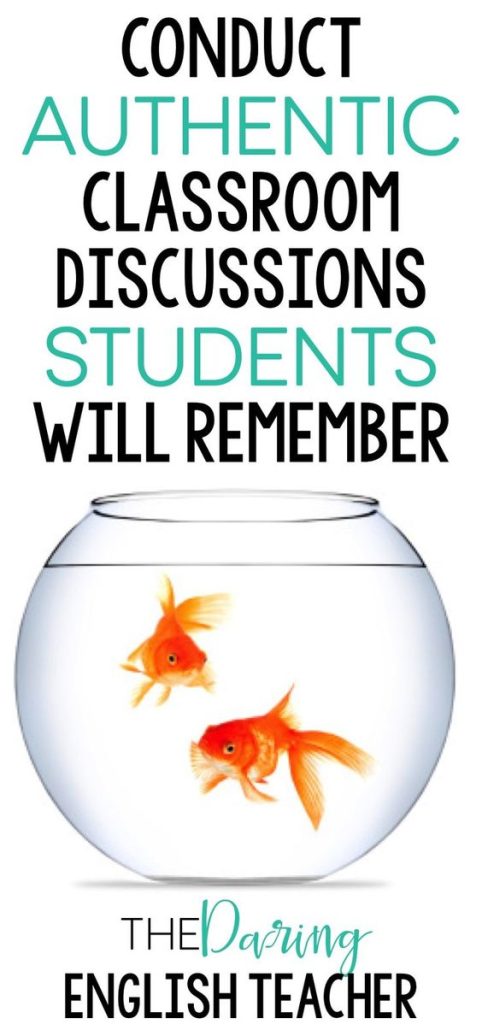
How I Use Fishbowl Discussions to Engage Every Student

Introduction:

As educators, we continuously seek innovative ways to enhance student engagement and maximize the learning potential for every individual. One such method I’ve found highly effective is fishbowl discussions, a versatile and inclusive technique relevant for various subjects and age groups.

In this article, I’ll share my experiences of using fishbowl discussions in the classroom, the steps to implement them effectively, and how they can encourage student participation, critical thinking, and even boost self-confidence.

What are Fishbowl Discussions?

Fishbowl discussions are a structured conversation format that promotes active listening, collaboration, and insightful conversation among students. A smaller group sits in a circle (middle of the room or virtually connected), while the rest of the class forms an outer circle around them. Students in the center engage in an open-ended discussion prompted by a specific topic or question. The outer ring’s participants listen carefully and later ask questions or provide feedback on the conversation.

Implementing Fishbowl Discussions:

To facilitate effective fishbowl discussions in your classroom, follow these steps:

1. Select a Topic: Choose a relevant subject or issue related to your curriculum that invites diverse perspectives and opinions.

2. Outline Clear Expectations: Establish ground rules regarding active listening, respect for differing viewpoints, and maintaining orderly conversations.

3. Divide Students into Groups: Create two groups—discussion participants (smaller inner circle) and listeners (the outer circle). Rotate students between sessions to ensure everyone gets an opportunity to participate.

4. Initiate the Discussion: Begin with an open-ended question or prompt related to your chosen topic. Encourage students sitting in the middle to explore different views, build upon each other’s ideas while providing evidence to back their claims.

5. Facilitate Conversations: Monitor and guide discussions as needed. Ensure participants remain focused on the topic, support their claims with evidence, and engage in respectful disagreements.

6. Engage the Outer Circle: Allow students in the outer ring to ask questions, provide feedback, or offer reflections on the inner circle conversation. Rotate students from the outer circle to the inner circle to give them an opportunity to participate in the discussion.

7. Reflect and Evaluate: After completing several rotations, take some time for group reflection to reinforce key learning points and evaluate the process constructively.

Benefits of Fishbowl Discussions:

Incorporating fishbowl discussions in my classroom has led to multiple benefits:

1. Enhancing Student Engagement: Fishbowl discussions foster student involvement by creating an environment where every voice is heard and valued.

2. Encouraging Active Listening Skills: By focusing on attentive comprehension and asking follow-up questions, students develop crucial active listening skills.

3. Building Critical Thinking Abilities: The exploratory nature of fishbowl conversations promotes in-depth analysis, questioning assumptions, and critical evaluation of perspectives.

4. Boosting Self-Confidence: Participating in a structured conversation format allows quieter students a safe space to speak their mind, thus gradually increasing their self-confidence.

In Conclusion:

Fishbowl discussions have allowed me to create an engaging and inclusive learning environment where every student actively participates, contributes ideas, and learns from others’ perspectives. If you’re looking for a unique approach to enrich classroom discussions and promote critical thinking in your students, give fishbowl discussions a try in your next lesson!

12 Clever Clipboard Hacks for the Classroom

Introduction:

Clipboards are an unsung hero in the classroom. They’re versatile, cost-effective tools that have the potential to deliver outstanding value in various learning situations. In this article, we’ll explore 12 clever clipboard hacks that will help educators maximize their function and efficiency in the classroom.

1. Portfolio Storage:

Use clipboards to store and showcase student portfolios. Simply attach a sample of each student’s work, allowing them to see their progress over time.

2. Checklist Tracker:

Provide students with a clipboard containing a daily or weekly checklist of tasks. This can help them manage their time and stay organized throughout the school day.

3. Homework Organizer:

Assign each student a clipboard for their homework assignments, creating a one-stop location for all necessary materials, including worksheets, notes, and readings.

4. Individual Whiteboards:

Place a white paper or plastic sheet on clipboards to create makeshift whiteboards. Students can use dry erase markers on these surfaces for group activities or individual practice without consuming copious amounts of paper.

5. Art Easel:

Use clipboards as portable art easels, allowing students to draw or paint at their desks without getting nearby supplies dirty.

6. Visual Schedule:

Create a visual schedule for younger students by attaching pictures or symbols representing daily tasks and activities to their clipboards, making it easy for them to understand what’s expected throughout the day.]

7. Group Work Centers:

Utilize clipboards to create designated areas for group work by clipping together relevant materials and establishing clear expectations.

8. Behavior Management Chart:

Encourage positive behavior by using clipboards as charts where students can track their actions and earn rewards over time.

9. Inspirational Quote Display:

Clip motivating quotes onto clipboards and display them around the classroom, offering students an uplifting reminder as they go about their day.

10. Seating Charts:

Clip seating charts to clipboards and place them in an accessible area for your reference, making it easy to stay organized and keep track of each student’s assigned spot.

11. Mobile Classroom Library:

Create a mobile classroom library for independent reading by attaching leveled books with binder clips onto clipboards. This helps students find appropriate reading material effortlessly.

12. Scavenger Hunt Guide:

Turn clipboards into scavenger hunt guides, providing students with clues and objectives for a variety of educational games or explorations.

Conclusion:

Clipboards are more than just practical tools – they can be used creatively to foster organization, engagement, and learning in the classroom. With these 12 clever hacks, you’ll be equipped to transform your educational space and better serve your students.

I Have My Students Create “Fakebook” Profiles for Historical Figures

Introduction

As an innovative approach to make history more engaging and relatable for students, the concept of creating “Fakebook” profiles for historical figures has gained popularity in recent times. These profiles serve as an interactive platform that allows students to dive deep into the lives and achievements of famous personalities throughout history. This article will explore the rationale behind this creative teaching method, its benefits, and suggestions for implementing it effectively in the classroom.

The Rationale Behind “Fakebook” Profiles

Teaching history can often be a challenging task as it requires students to visualize and empathize with people and events of the past. Traditional methods of teaching may fail to keep them engaged or interested in the subject. “Fakebook” profiles for historical figures address this issue by adding a modern twist to studying history. Students are encouraged to create social media profiles for these personalities, allowing them to relate better since they are already familiar with popular social media platforms.

Benefits of Using “Fakebook” Profiles in Teaching History

1. Enhanced engagement: By transforming passive learning into an active and hands-on experience, “Fakebook” profiles help make history lessons more enjoyable for students. They are more likely to remain engaged in the subject matter and develop a genuine interest in learning about historical events.

2. Improved understanding: Creating these profiles requires students to conduct thorough research on their assigned historical figure. As they delve deep into their lives, beliefs, achievements, and struggles, they gain broader knowledge and comprehension of the era.

3. Creativity boost: Designing a “Fakebook” profile for a historical figure unleashes the student’s imagination and creativity. They can express themselves through storytelling and role-playing while gaining a deeper understanding of these influential individuals’ lives.

4. Promotes critical thinking: As students interact with one another through their created profiles, they are encouraged to analyze and interpret information from different perspectives. This helps promote critical thinking and enhances their problem-solving skills.

5. Collaboration and communication: Working together on “Fakebook” profiles allows students to strengthen their collaboration and communication skills. They can discuss, share, and provide feedback on each other’s work in a real-time, interactive manner.

Implementing “Fakebook” Profiles in the Classroom

1. Assign appropriate historical figures: Teachers should assign students historical figures that align with the curriculum they are currently studying. It would help if they covered various aspects of history, such as politics, art, science, literature, or sports legends.

2. Prepare guidelines and templates: Before allowing students to create profiles, teachers must provide clear instructions and guidelines. Students should understand the expectations regarding profile elements and how to research their historical figure accurately.

3. Encourage creativity and personalization: Teachers should motivate students to make their profiles unique and visually appealing by leveraging distinct layouts, themes, signatures, or symbols associated with the historical figure.

4. Set up group activities: Teachers can organize different group activities using the created profiles such as debates or Q&A sessions among the historical figures to improve class interaction and engagement.

5. Reflect on learning outcomes: Once the “Fakebook” project is completed, teachers must allow students to reflect upon what they have learned during the process. Discussing how it enriched their understanding of history will help reinforce its invaluable lessons.

Conclusion

“Fakebook” profiles for historical figures present an exciting opportunity for both educators and students to enhance the study of history. By leveraging this innovative approach, teachers can significantly heighten student engagement levels while simultaneously fostering creativity, collaboration, critical thinking skills, and a deeper appreciation for a vibrant subject like history.

Pixie Pants and 7 More Old Navy Teacher Favorites for a Budget-Friendly Wardrobe

Introduction

Dressing well and professionally as a teacher can be a challenge when you’re on a tight budget. Fear not! Old Navy offers a wide range of fashionable, comfortable, and budget-friendly options for teachers to elevate their wardrobe. In this article, we will explore Pixie Pants and seven more Old Navy teacher favorites that will keep you looking stylish while staying within your budget.

1. Pixie Pants

Pixie Pants are a popular choice among teachers, particularly due to their comfort and versatility. These pants are made with a stretchy fabric blend that allows you to move freely throughout the day. They come in various colors and patterns, making them an excellent addition to any wardrobe. Pair them with a blouse or sweater for a polished look that can easily transition from the classroom to an after-school event.

2. Classic Button-Down Shirts

Old Navy’s classic button-down shirts are essential for any teacher’s wardrobe. They offer various colors and patterns, making them perfect for layering or wearing alone. Tuck them into your Pixie pants or skirt for a professional look or wear them untucked with jeans for a more casual outfit.

3. Sweater Dresses

As the temperature drops, Old Navy’s sweater dresses become an excellent choice for teachers who want to stay warm and stylish. Choose one in a solid color or go for a fun pattern – either way, you’ll be cozy and stylish all day long.

4. Ballet Flats

Comfortable footwear is essential for teachers who spend long hours on their feet, and Old Navy’s ballet flats are an excellent option. They come in various styles and colors so you can easily find the perfect pair to match your wardrobe.

5. Cardigans

Cardigans provide warmth without sacrificing style – and they are ideal layering pieces to keep you comfortable throughout the day. Old Navy offers a wide range of cardigan options, from classic button-front styles to trendy waterfall silhouettes.

6. Swing Dresses

Swing dresses offer comfort and style for teachers wanting a more feminine look. These dresses are flattering on any body type and can be dressed up or down depending on the occasion. Pair them with tights and booties for cooler weather or sandals during warmer months.

7. Tunic Tops

Tunic tops provide extra coverage and an elongated silhouette that looks great with Pixie Pants or leggings. Old Navy offers tunics in various colors and patterns, making them a versatile addition to your wardrobe.

8. Jumpsuits & Rompers

For days when you want to switch things up, consider trying out an Old Navy jumpsuit or romper. While they might not be traditional teacher attire, these one-piece options can be dressed up with a blazer for a professional look or worn with sandals for a more casual ensemble.

Conclusion

When it comes to building a budget-friendly wardrobe as a teacher, Old Navy has got you covered with stylish and versatile options like Pixie Pants, button-down shirts, sweater dresses, and more. Don’t let your budget hold you back – embrace the variety of fashionable choices available for a chic and professional look in the classroom and beyond.