Teaching Strategies, Tactics, and Methods

8 Ways to Help Students Watch Video Critically (Instead of Zoning Out)

Introduction:

In today’s technology-driven world, students are often exposed to various forms of digital content. One common medium is video, which educators can utilize in their lesson plans to convey information effectively. However, it’s essential to help students develop the ability to watch these videos critically instead of zoning out. Here are eight ways to encourage students to engage with video content and improve their critical thinking skills.

1. Set Clear Objectives:

Before assigning a video for students to watch, outline the key points or concepts that they should focus on. By providing clear objectives, students will have a better understanding of what they’re expected to learn or gain from the material.

2. Ask Questions Throughout the Video:

Encourage students to actively think about the content by posing questions throughout — either during pauses or after specific sections. This will keep them engaged and help them to analyze the concepts presented critically.

3. Use Interactive Videos:

Opt for interactive videos that require students’ input or decision-making skills, such as choose-your-own-adventure-style narratives or quizzes embedded within the video content. This involvement will make it less likely for them to zone out while watching.

4. Pair Students Together for Discussion:

Grouping students together while watching a video may encourage them to discuss the concepts and share their thoughts as they arise. Fostering an open dialogue helps students analyze and internalize complex ideas.

5. Limit Video Length:

Shorter videos may hold students’ attention better than lengthy ones. By breaking down content into smaller segments, you allow students more manageable opportunities for comprehension and analysis.

6. Encourage Note-Taking:

Prompt your students to take notes while they watch the video — either with pen and paper or via digital tools like tablets or laptops. This practice reinforces learning by making them consider and summarize essential information actively.

7. Assign Reflections or Responses:

After the video, ask students to reflect on what they have learned and either write or verbally share their thoughts. This encourages them to think critically about the content and engage more deeply with the material.

8. Create a Culture of Inquiry:

Foster an open environment where students are encouraged to ask questions, challenge assumptions, and take a deeper look at the content presented in the videos. Encourage thoughtful questions and overall curiosity.

Conclusion:

By incorporating these strategies, teachers can help students better engage with video content, hone their critical thinking skills, and gain valuable insights from the material. As technology continues to advance, it’s essential that educators adapt their methods to support students’ growth academically and intellectually.


10 Things Only Teacher Spouses Understand

1. Endless School Supplies Shopping

As the spouse of a teacher, you quickly realize that there is no such thing as having too many school supplies. You end up shopping not only for your household but also for those extra supplies needed in the classroom.

2. Teachers Never Clock Out

Even when they’re at home, teacher spouses understand how hard it can be for them to switch off from work mode. They often bring work home, such as grading papers and preparing lesson plans, causing long hours spent working even after classes are over.

3. Parent-Teacher Conference Nights

Teacher spouses know that parent-teacher conference nights mean one thing: long, late nights at school. It’s important to support your spouse during these necessary but exhausting times.

4. The Emotional Roller Coaster

Your spouse has daily interactions with students who are in need of guidance and support. As a result, you see first-hand the range of emotions that come with the job – from the triumphs of seeing a struggling student finally understand a concept to the challenges that arise when dealing with difficult situations.

5. Unexpected Phone Calls

It’s not unusual to receive calls from your spouse during their breaks or after school hours, discussing issues ranging from a student’s progress to an upcoming school event – all while trying to maintain some semblance of work-life balance.

6. Creative Home Décor

Living with a teacher often means living with their passions which spill over into your shared living space. Expect a healthy mix of educational charts and materials as part of your home décor!

7. School Holidays Are Workdays Too

While teachers do get statutory holidays off from school, many still use these days to catch up on grading assignments and refining lesson plans for the future.

8. Free Time Means Professional Development

What free time? While some professions wind down after working hours or have quiet periods, teachers are often engaged in professional development, attending workshops, and conferences, all in pursuit of becoming better mentors for their students.

9. Teachers Have a Wealth of Knowledge (and Stories!)

Being married to a teacher means always having an expert opinion on hand – whether it be about history or the latest teaching techniques. Expect plenty of interesting anecdotes from your spouse’s daily interactions with students and colleagues.

10. The Community Connection

As a spouse of a teacher, you are very likely to become involved with the school community as well. Many school projects and events may end up becoming part of your own life, but through these experiences, you form connections and see the meaningful impact your teacher spouse has on their students.

As a teacher spouse, it’s important to be patient, understanding, and supportive. Your partner is in a demanding profession that requires a constant juggling act between work and personal life. Lean into the journey together, and you’ll find that being a teacher’s spouse can be just as rewarding as it is challenging.

22 Ways to Use Loose Parts for Learning

Loose parts are versatile, open-ended materials that can be manipulated and combined in numerous ways to create and inspire engaging learning experiences. Here are 22 ways you can incorporate loose parts into your curriculum to encourage creativity, problem-solving, and critical thinking skills.

1. Pattern creation: Use loose parts to create patterns based on different attributes such as size, shape, or color.

2. Sorting activities: Have children sort loose parts by various criteria such as color, shape, or size.

3. Mathematical operations: Utilize loose parts to explore addition, subtraction, multiplication, and division concepts.

4. Measurement experimentation: Encourage children to measure various objects using loose parts as units of measurement.

5. Building structures: Allow kids to create structures like towers or bridges using loose parts and explore concepts such as balance and stability.

6. Loose part art: Encourage artistic expression by using loose parts to create collages, sculptures, or murals.

7. Storytelling prompts: Have kids use loose parts to help them tell stories orally or write them down.

8. Sensory exploration: Provide various textures of loose parts for tactile experiences that encourage sensory play.

9. Creating mazes: Using a variety of loose parts, have children design and create mazes for marbles or other small objects to navigate through.

10. Exploring fractions: Teach the concept of fractions by having children represent them with different loose part materials.

11. Sound exploration: Use loose parts of varying materials like wood, metal, and plastic for children to explore sounds through tapping or shaking the objects.

12. Simple machines learning: Incorporate items like pulleys, gears, levers, and other components as loose parts for creating simple machines.

13. Science experiments: Use natural loose part items like rocks or shells for density experiments in water or making observations about properties.

14. Symmetry in nature: Collect natural loose parts such as leaves and flowers to explore symmetry, and have children create their own symmetrical designs.

15. Alphabet recognition: Utilize loose parts to assist young learners in recognizing letter shapes and forming the upper and lowercase letters of the alphabet.

16. Exploring geometric shapes: Provide children with different shaped loose parts to create various geometric figures like squares, triangles, and hexagons.

17. Nature scavenger hunts: Have children go on a nature walk to collect various loose parts such as leaves, sticks, rocks, or pinecones that can be used for further investigation or art projects.

18. Calendar creation: Use loose parts to create a visual representation of the calendar for children to track days, weeks, and months.

19. Building ramps: Explore concepts of force and motion by constructing ramps with loose parts for small vehicles or objects.

20. Mapping activities: Allow your child to use loose parts to create a map for specific areas in your room or outdoors.

21. Dramatic play: Encourage imaginative play by incorporating loose parts into role-playing scenarios in a theater or small world setup.

22. Developing fine motor skills: Young learners can develop their fine motor skills by manipulating small loose parts during various activities.

Incorporating loose parts into your daily curriculum allows for endless learning opportunities in a diverse range of subjects. With these versatile materials, you’ll foster creativity, problem-solving, and critical thinking skills in your students while making learning enjoyable for them every day.

10 Ways the Muppets Perfectly Sum up Teaching

Introduction:

The magical world of the Muppets has delighted audiences for decades with unforgettable characters like Kermit the Frog, Miss Piggy, Gonzo and many more. But did you know that these lovable creatures can teach us valuable lessons about teaching? Let’s dive into 10 ways the Muppets perfectly sum up the realities and challenges of being a teacher.

1. The Value of Patience:

From Kermit’s struggles to maintain order among his crazy friends, to Miss Piggy’s impulsive behavior, the Muppets highlight how an abundance of patience is crucial for any educator.

2. The Importance of Creativity:

Creative problem-solving plays a major role in the Muppet universe, whether they’re crafting extravagant musical numbers or laughing off strange scenarios. Teachers likewise need to think outside the box and adapt their methods to reach every student.

3. The Power of Passion:

Each Muppet character is passionate about their interests and abilities – whether it’s Fozzie Bear’s pursuit of comedy or Gonzo’s daredevil stunts. Teachers should embrace and encourage that same passion in their students, fostering curiosity and intellectual growth.

4. The Necessity of Humor:

The Muppets are notorious for their good-natured humor and ability to find joy in even the most absurd situations – an essential skill for teachers who aim to keep their classrooms engaged and upbeat.

5. Embracing Diversity:

With characters ranging from Swedish chefs to sentient vegetables, the Muppet universe models embracing diversity and celebrating uniqueness. Teachers play a key role in fostering an inclusive environment for students from all backgrounds.

6. The Value of Teamwork:

Teachers can take inspiration from the Muppets’ strong sense of camaraderie and collaboration. Working together as a team with other educators will not only create a supportive environment but also a more effective learning experience for students.

7. The Need for Flexibility:

Muppet storylines often take unexpected twists and turns, teaching us the importance of adapting to ever-changing situations. Teachers must also be flexible in their approaches, adjusting lesson plans and strategies to accommodate the diverse needs of their students.

8. Encouraging Self-Expression:

Muppet characters are known for their eccentric personalities and quirks, which makes them so lovable and relatable. Teachers should similarly champion the unique qualities of their students, letting them express themselves authentically both in and outside the classroom.

9. Strong Communication Skills:

Whether it’s Kermit interviewing guests on The Muppet Show or Miss Piggy’s dramatic escapades, strong communication is essential in the Muppets’ world. Teachers likewise need effective communication skills to impart knowledge, instill enthusiasm, and foster a sense of community within the classroom.

10. Persevering Through Challenges:

Despite obstacles and setbacks, the Muppets never give up on their dreams or each other. In the same vein, teachers must demonstrate resilience and perseverance when faced with difficult situations in order to make a lasting impact on their students’ education.

Conclusion:

The beloved Muppets have taught us valuable life lessons since their inception, but they also offer important insights into what makes a great teacher. By embodying patience, creativity, humor, diversity, teamwork, flexibility, self-expression, effective communication skills, and persistence in the face of challenges – we can all be inspired to become better educators for our students.

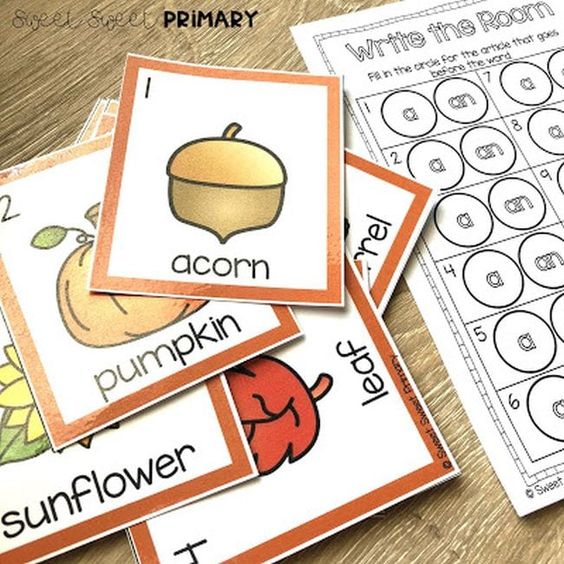
15 Write the Room Activities for Reading, Math, and More

Introduction:

Write the Room activities are interactive and engaging ways to encourage learning in various subjects. These activities allow students to move around the classroom while practicing their skills in reading, math, and more. Here are 15 Write the Room activities that can be easily incorporated into your lesson plans.

1. Word Hunt

Hide words or flashcards with specific sight words or vocabulary around the classroom. Have students search for the words before writing them down on a worksheet.

2. Equation Scavenger Hunt

Place math equation cards around the room. Students walk around and solve the equations, then record their answers on a sheet of paper.

3. Alphabet Match

Disperse uppercase letters on cards throughout the room, then have students walk around and find both uppercase and lowercase pairs.

4. Clock Hunt

Hang mini-clocks displaying various times around the classroom, and each student has to find their matching time card.

5. Fact Families

Students search for fact family cards hidden throughout the room; once a set is found, they write out the fact family on their worksheets.

6. Synonyms & Antonyms Race

Place pairs of synonym or antonym words in different locations; have students find matching pairs and write them down.

7. 3D Shapes Scavenger Hunt

Hide 3D shapes around the classroom—students must find all objects, identify them by their names, and count the number of vertices (corners) on each shape.

8. Picture Sentence Match

Tape pictures illustrating specific actions around the room; students locate a picture that matches a pre-written sentence provided to them.

9. Rhyming Walk

Position pairs of rhyming word cards at various spots in the room; students are tasked with finding rhyming pairs.

10. Secret Code Math Problems

Create a secret code based on numbers or mathematical operations. Place coded math problems around the room, and have students solve them using the secret code.

11. Homophone Challenge

Scatter homophone pairs (words that sound the same but are spelled differently) and have students find the correct spelling pair based on a sentence context clue provided.

12. Sign Hunt

Place pictures of traffic signs around the room; students must discover the pictured signs and write down their meanings.

13. Weather Forecast Journey

Place different weather forecast cards around the classroom, with students recording each condition they find, drawing a corresponding picture, and writing about what they might do on that type of day.

14. Compound Word Match

Split up compound words displayed on cards hidden around the room; students must search for both halves of each compound word and combine them together.

15. Color Sorting Scavenger Hunt

Write down color names in different languages or color codes. Students then search for objects displaying these colors or color codes before writing down their findings.

Conclusion:

Write the Room activities provide a fun and engaging way for students to practice important skills while also involving movement and exploration. These 15 activities can be adapted to various age groups and subjects, making them a versatile addition to any learning environment.

21 Differentiated Instruction Strategies Every Teacher Can Use

Introduction:

Differentiated instruction is an essential teaching approach that focuses on providing personalized learning experiences for students with diverse needs, interests, and abilities. This method allows teachers to cater to students’ individual academic requirements and promote a more inclusive learning environment. Here are 21 differentiated instruction strategies that every teacher can use to ensure a successful teaching practice.

1. Learning Profiles:

Gain a thorough understanding of each student’s preferred learning style, strengths, and weaknesses by creating detailed learning profiles.

2. Flexible Grouping:

Create small groups of students with a mix of abilities and learning preferences for collaborative learning and peer-to-peer support.

3. Choice Boards:

Empower students by offering them choices and allowing them to select their preferred activities or assignments.

4. Tiered Assignments:

Offer different levels of difficulty in assignments, targeting varied ability levels within the same class.

5. Anchor Activities:

Provide ongoing enrichment activities that students can work on independently when they’ve completed their assignments.

6. Scaffolding:

Break down complex tasks into smaller steps to support learners and build competencies gradually.

7. Open-Ended Questions:

Encourage creativity and critical thinking by asking questions that have multiple correct answers or perspectives.

8. Think-Pair-Share:

Prompt students to ponder on a question individually, share their thoughts with a partner, and then present their ideas to the class.

9. Jigsaw Learning:

Assign individual parts of a larger concept or topic to different students, encouraging them to teach the content they’ve learned to others in the class.

10. Pre-Assessment:

Assess students’ knowledge and skills before starting a new topic, allowing you to tailor your teaching plan accordingly.

11. Graphic Organizers:

Use visual tools like mind maps or concept maps to help students understand complex material better by organizing information visually.

12. Learning Contracts:

Establish agreements between you and each student to outline goals, expectations, and resources for personalized learning paths.

13. Varied Presentation Styles:

Mix teaching styles to accommodate learners’ diverse needs, such as lectures, interactive training, and multimedia resources.

14. Interactive Notebooks:

Incorporate a mix of traditional note-taking and hands-on activities through interactive notebook techniques.

15. Mini-Lessons:

Offer students brief instructional sessions about specific topics or skills when they need extra instruction or reinforcement.

16. Exit Tickets:

Collect feedback regarding student understanding by asking them to complete a short activity or answer questions at the end of a lesson.

17. Rotational Stations:

Create different areas within the classroom where students can engage with various activities and materials related to the curriculum topics being taught.

18. Differentiated Homework:

Assign homework that targets individual needs or provide alternative assignments with varying degrees of difficulty.

19. Ongoing Assessment:

Continuously monitor student progress through formative assessment methods like quizzes, discussions, and projects.

20. Flipped Classroom:

Encourage students to consume content independently by having them watch videos or read articles before class so that in-class time can be spent engaging in discussions, projects, and collaborative activities.

21. Multisensory Teaching:

Incorporate multiple senses (visual, auditory, kinesthetic) into your teaching practice to appeal to diverse learning preferences.

Conclusion:

Differentiated instruction allows teachers to recognize and accommodate diverse learning needs within their classrooms. By employing these 21 strategies, you can create a more inclusive, engaging, and adaptive learning environment that fosters success for every student.

Teaching as Storytelling: Why You Might Ditch the Syllabus & Tell a Great Story Instead

In a rapidly changing world, where engagement and creative thinking are crucial, traditional teaching methods often struggle to keep students interested and motivated. One alternative approach to conventional pedagogy is teaching as storytelling. This method encourages educators to ditch the strict syllabus and focus on weaving great stories to capture their students’ attention and foster learning. Here, we dive into why teaching as storytelling can be more effective and how it can be employed in the classroom.

The Power of Stories

Stories have been used throughout history to teach and inspire. They draw people in by sparking curiosity, igniting emotions, and stimulating the imagination. Moreover, research has shown that stories help facilitate learning by making information more relatable, aiding memory retention, and enhancing problem-solving abilities.

By incorporating storytelling into education, teachers can improve student engagement and create an environment that fosters cognitive growth. For instance, when students hear a story, they are more likely to remember key concepts because stories naturally follow a structure that allows them to absorb new information logically. Additionally, whether it’s through fictional characters or real-life examples from history or science, students can better relate to the material when presented in a narrative manner.

Ditching the Syllabus

The traditional syllabus is often seen as prescriptive, strict, and constraining for both teachers and students. It typically focuses on specific goals with rigid expectations and deadlines, which can place undue stress on students who struggle with rote learning.

Instead of adhering to a strict syllabus, try using storytelling as an agile substitute by integrating adaptable themes into your lesson plans. Teachers can maintain core ideas while allowing for flexibility in how they create narratives based on those central concepts. This way, educators will have the freedom to veer off course when necessary while still ensuring key points are covered effectively.

Tips for Incorporating Storytelling

1. Start with a curiosity hook: Begin your lesson with an intriguing question, anecdote, or paradox to capture students’ attention and trigger their curiosity.

2. Make it relatable: Use examples from popular culture, history, or real-life situations to make concepts more relatable and easier for students to grasp.

3. Develop a narrative arc: Create a compelling narrative structure around the topic with a clear beginning, middle, and end. You can outline the problem or concept, explain its importance and consequences, and then provide possible solutions or ideas for further exploration.

4. Encourage participation: Engage students in the storytelling process by encouraging them to contribute their perspectives, thoughts, and experiences. This collaborative approach creates an interactive learning environment that encourages critical thinking.

5. Connect stories to other disciplines: Teach cross-disciplinary content by linking stories from different fields of study. This fosters transferable skills and helps students see the connections between disparate topics.

Concluding Thoughts

Teaching as storytelling offers an alternative to traditional teaching methods, by ditching the syllabus in favor of creating engaging narratives that drive interest and understanding. By incorporating this approach into education, educators can foster creativity, curiosity, and critical thinking in their students while providing them with memorable lessons they’ll carry with them long after they leave the classroom.

9 Ways to Give (More Effective) Writing Feedback

Effective writing feedback is crucial for a writer’s growth and development. It can help them refine their style, improve their craft, and ultimately produce better work. However, giving helpful feedback isn’t always an easy task. In this article, we’ll explore 9 ways you can provide more effective writing feedback to ensure the writer benefits from your insights.

1. Be specific: When offering feedback, avoid vague statements such as “this is good” or “this needs improvement.” Instead, point out specific aspects of the writing that worked well or could use further refinement. This gives the writer a clear understanding of your perspective and suggestions for improvement.

2. Focus on the text: Keep your feedback focused on the written piece itself, rather than making assumptions about the writer’s intentions or abilities. Separate the writing from the writer to maintain a professional and objective tone.

3. Start with positives: Begin your feedback by highlighting what worked well in the piece. This helps build rapport with the writer and encourages them to be open to receiving constructive criticism.

4. Be honest but kind: While it’s crucial to be truthful in your assessment of a writer’s work, remember to deliver your feedback with kindness and empathy. Avoid overly harsh or negative language that could affect the writer’s confidence.

5. Use “I” statements: Frame your feedback using “I” statements such as “I felt” or “I noticed”, which express your thoughts and feelings rather than making generalized observations.

6. Balance praise and critique: Offering a balanced mix of positive comments and suggestions for improvement helps create a supportive atmosphere for the writer while still conveying areas that may need attention.

7. Offer concrete solutions: When pointing out areas of concern, suggest specific solutions or revision strategies that might help the writer improve those aspects of their work.

8. Encourage dialogue: Engage in a conversation with the writer, asking questions and seeking clarification to ensure mutual understanding. This collaborative approach can lead to valuable insights and help the writer feel more invested in the feedback process.

9. Remember that feedback is subjective: Finally, acknowledge that your opinions are just one perspective, and other readers may have different reactions or suggestions. Encourage the writer to seek multiple points of view in order to gain a well-rounded understanding of how their work is perceived.

By incorporating these 9 strategies when offering writing feedback, you can help foster an environment of support and growth for writers, resulting in stronger and more polished work for everyone involved.

18 Amazing 1st Grade Art Projects to Bring Back Creativity and Play

  1. Paper Collage: Encourage creativity and fine motor skills with this simple art project. Provide students with a variety of colored paper and let them cut and glue to create unique collages.
  1. Nature Prints: Take the class outside to collect leaves, flowers, and other natural items. Press them onto paper with paint or ink to create beautiful nature prints.
  1. Clay Sculptures: Introduce students to the world of 3D art with clay sculptures. Provide them with modeling clay and let their imaginations run wild.
  1. Bubble Wrap Painting: Dip bubble wrap in paint and press it onto paper for a fun and textured painting experience.
  1. Watercolor Resist: Use a white crayon to draw a simple design on watercolor paper. Then, let students paint over it with watercolors. The crayon will resist the paint, creating a magical effect.
  1. Found Object Collage: Gather a variety of interesting objects such as buttons, bottle caps, and puzzle pieces. Let students arrange and glue them onto a surface to create unique collages.
  1. Spin Art: Use a salad spinner and paint to create mesmerizing spin art. Place a paper inside the spinner, squirt paint onto it, and give it a spin.
  1. Shadow Tracing: On a sunny day, take students outside and have them trace their shadows with chalk. They can then fill in the outlines with colorful chalk to create whimsical shadow art.
  1. Tissue Paper Stained Glass: Cut tissue paper into various shapes and let students arrange them on a sheet of contact paper. Once complete, hang the “stained glass” in the window for a beautiful display.
  1. Nature Mandalas: Collect natural objects such as leaves, twigs, and flowers. Arrange them in a circular pattern to create stunning nature mandalas.
  1. Salt Paintings: Have students paint a design or picture using watercolors. While the paint is still wet, sprinkle salt over it. As the paint dries, the salt will create interesting textures and patterns.
  1. Yarn Weavings: Create a simple loom using cardboard and have students weave yarn through it to make colorful and tactile artwork.
  1. Collagraph Printing: Have students create textured printing plates using various materials such as cardboard, string, and bubble wrap. They can then ink the plates and press them onto paper to create unique prints.
  1. Mosaic Art: Provide students with colored paper or small tiles and have them create mosaics by arranging the pieces into patterns or pictures.
  1. Marbled Paper: Fill a shallow tray with water and drop in droplets of different colored paint. Swirl the paint with a toothpick and gently press a piece of paper onto the surface to create beautiful marbled patterns.
  1. Handprint Animals: Have students trace their hands and turn them into different animals by adding details with markers or colored pencils.
  1. Leaf Rubbings: Place leaves underneath a sheet of paper and have students rub over them with crayons or colored pencils. The texture of the leaves will transfer onto the paper, creating lovely leaf rubbings.
  1. Recycled Sculptures: Encourage environmental awareness by having students create sculptures using recycled materials such as plastic bottles, newspaper, and cardboard.

These 18 art projects are sure to keep first-grade students engaged, creative, and having fun while developing their artistic skills.

Dear Friend About to Leave Teaching,

I understand that you are about to leave your teaching profession, and I want to take this opportunity to express my heartfelt gratitude for your dedication and hard work over the years. It takes a special person to be a teacher, and you have certainly made a lasting impact on the lives of your students.

Leaving a profession that you have poured your heart and soul into can be an emotional journey, filled with mixed feelings and uncertainties. It is perfectly normal to experience a range of emotions as you transition into a new chapter of your life. However, I want you to know that your decision to leave teaching does not diminish the incredible difference you have made in the lives of so many young minds.

Throughout your teaching career, you have molded young minds, nurtured creativity, and instilled knowledge in countless students. Your passion for education and unwavering commitment to your students have been an inspiration to both your colleagues and the community. The impact you have had on your students goes far beyond the classroom walls.

Although you may be leaving the teaching profession, your influence will continue to be felt in the lives of your former students. You have equipped them with the tools they need to face the challenges of the world and succeed in their future endeavors. The knowledge, guidance, and support you have provided will forever leave an indelible mark on their lives.

As you embark on this new chapter, remember that your decision to pursue a different path does not invalidate your experience as an educator. The skills you have developed as a teacher – such as patience, communication, and adaptability – are highly transferable and will undoubtedly serve you well in whatever future endeavors you choose.

Although it may be bittersweet to say goodbye to your students and colleagues, know that you

are leaving a lasting legacy. The impact you have made as a teacher will continue to shape the

lives of those you have touched for years to come.

As you close this chapter and embark on your next adventure, I want to wish you all the best. May this new path bring you fulfillment, joy, and a sense of purpose. Thank you for your dedication to education, and may your future endeavors be as rewarding and enriching as your time in the teaching profession.